Bergara B-14 vs Christensen Mesa: Which Rifle Wins for Western Hunters?
The Bergara B-14 and Christensen Mesa have become the two most debated hunting rifles among western hunters shopping in the $800 to $1,500 range. Both manufacturers built their reputations on precision, both deliver sub-MOA accuracy guarantees, and both target serious hunters who refuse to compromise on quality. The real question is not whether these rifles shoot well, but which one fits your hunting style, budget, and backcountry demands.
This comparison cuts through the marketing and breaks down what matters in the field. Weight, accuracy, stock ergonomics, and long-term durability separate good rifles from great ones when you are glassing from a ridgeline at 10,000 feet or packing out an elk quarter three miles from the trailhead.
Price and model lineup
Bergara positions the B-14 series as premium performance at accessible pricing. The Hunter model starts around $850, the Ridge model (carbon fiber stock) runs $1,100 to $1,200, and the Wilderness series pushes toward $1,400. Christensen Arms prices the Mesa slightly higher, with street prices starting near $1,200 and climbing to $1,400 depending on configuration and caliber.
Both manufacturers offer popular western calibers including 6.5 Creedmoor, .308 Winchester, .270 Winchester, 7mm Remington Magnum, .300 Winchester Magnum, and 6.5 PRC. Bergara tends to offer more budget-friendly synthetic stock options, while Christensen focuses on carbon fiber as a core feature across the Mesa line. If you are hunting mule deer in Colorado high country or pronghorn in Wyoming, either rifle chambers the rounds you need.
Accuracy and barrel quality
Bergara guarantees sub-MOA accuracy with factory ammunition, and most B-14 rifles deliver groups well under one inch at 100 yards. The Spanish-made barrels use button rifling and a proprietary steel formula that Bergara developed for competitive shooting. Hunters consistently report half-MOA groups with handloads, and the barrels maintain accuracy through 2,000 to 3,000 rounds before precision degrades.
Christensen Arms also guarantees sub-MOA accuracy and wraps every Mesa barrel in a carbon fiber sleeve over a stainless steel core. The carbon fiber reduces weight and improves heat dissipation during strings of shots, but for hunting purposes (where you rarely fire more than two shots in succession), the primary benefit is weight savings. Both barrels are match-grade, both are free-floated, and both will shoot better than most hunters can hold in field positions.
In real terms, you will not notice an accuracy difference between these rifles when shooting from a bipod at a mule deer buck at 350 yards. The difference lies in how you carry the rifle all day and how the stock fits your shooting style.
Weight and packability
Weight matters in the backcountry. A pound saved on the rifle is a pound you can allocate to optics, water, or emergency gear. The Bergara B-14 Hunter with a synthetic stock weighs 7.2 to 7.5 pounds depending on caliber and barrel length. The Ridge model, which uses a carbon fiber stock, drops to 6.9 to 7.2 pounds. The Wilderness model sits between the two.
The Christensen Mesa with its carbon fiber stock and carbon-wrapped barrel weighs 6.5 to 6.9 pounds in most configurations. That half-pound to full-pound advantage becomes noticeable on day five of a backcountry elk hunt when you have already climbed 15,000 vertical feet. If you are a spot-and-stalk mule deer hunter who covers eight to ten miles daily, the Mesa's lighter weight justifies the price premium.
Both rifles balance well, but the Mesa feels noticeably lighter when carrying it slung over your shoulder or in one hand while glassing with binos in the other. The B-14 Ridge closes the weight gap significantly compared to the base Hunter model, making it the middle-ground option for hunters who want carbon fiber without paying Christensen prices.
Stock ergonomics and adjustability
Bergara equips the B-14 Hunter with a synthetic stock that features a Monte Carlo comb, textured grip panels, and a straight comb for scope mounting. The stock is functional but not exceptional. The Ridge and Wilderness models use a carbon fiber stock with a more vertical grip, better palm swell, and improved cheek weld. The carbon stock also includes flush cup sling mounts and a more rigid bedding platform.
Christensen's Mesa stock is carbon fiber across all models, with an adjustable comb and length-of-pull spacers. The adjustable comb allows you to dial in perfect cheek weld for your scope height and shooting style, which matters when you need to get on target quickly from awkward field positions. The vertical grip angle promotes better trigger control, and the carbon fiber rigidity prevents stock flex that can shift point of impact during temperature swings.
If you have shot both rifles, you will notice the Mesa's stock feels more refined. The palm swell fits most hand sizes naturally, the grip texture provides control without being aggressive, and the adjustable comb eliminates the need for aftermarket cheek risers. The B-14 Ridge stock is good, but the Mesa stock is better in every measurable way.
Free to join
Download mobile app
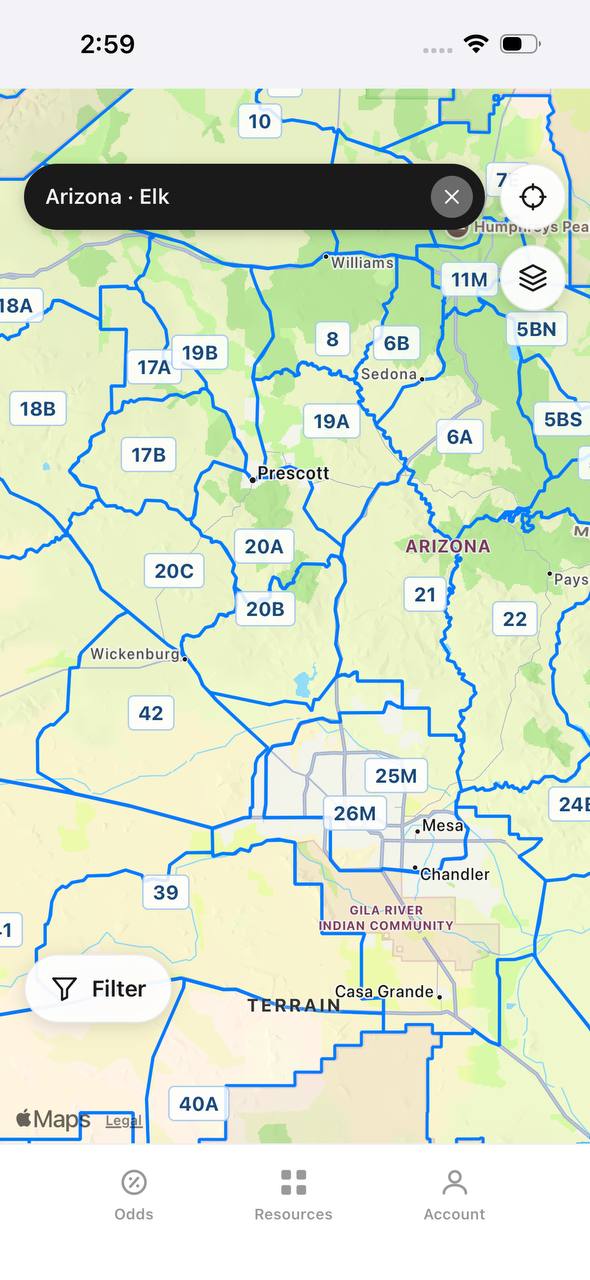
- Detailed draw odds
- Point tracking
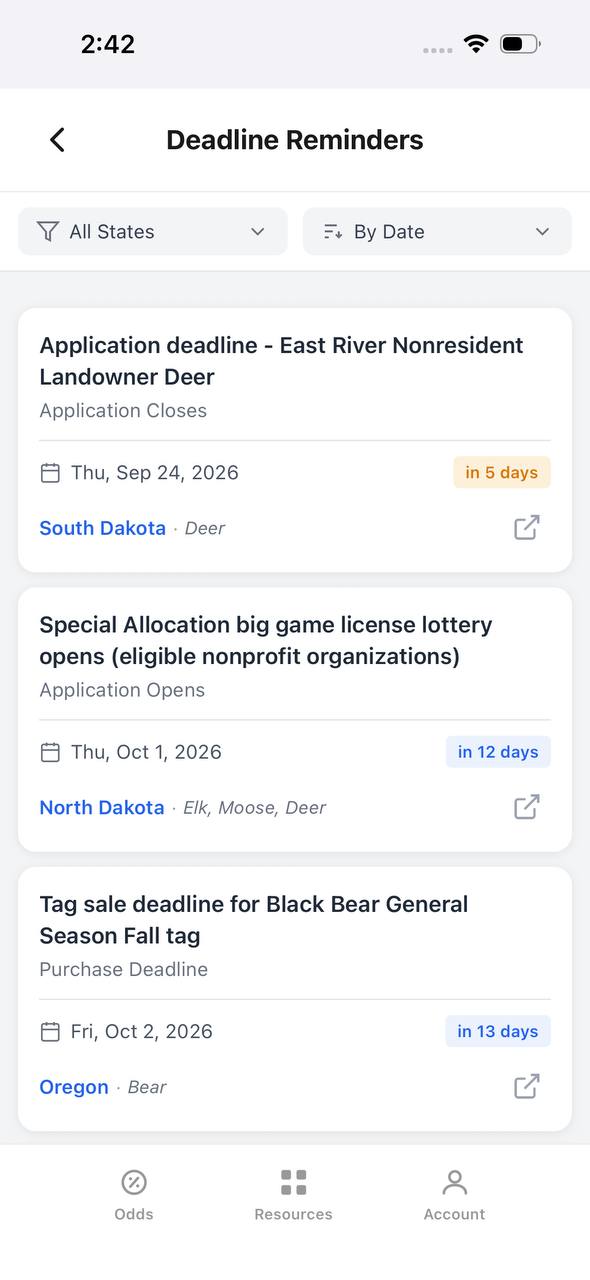
- Deadline reminders
- 18 states covered

Free to join
Download mobile app
- Detailed draw odds
- Point tracking
- Deadline reminders
- 18 states covered
Free to join
Download mobile app
- Detailed draw odds
- Point tracking
- Deadline reminders
- 18 states covered

Trigger comparison
Bergara installs a two-stage trigger adjustable from 2.5 to 3.5 pounds. The first stage takes up slack, the second stage breaks cleanly with minimal creep. It is not a Timney or TriggerTech, but it is far better than most factory triggers and requires no immediate upgrades. Hunters who prefer a lighter pull can adjust it down to 2.5 pounds, which works well for precision shooting from a rest.
Christensen uses a TriggerTech trigger set at 3 to 4 pounds from the factory. TriggerTech triggers are widely considered the best factory triggers available, with a crisp, glass-rod break and zero creep. The trigger alone adds $150 to $200 in value compared to standard triggers, and it eliminates one common upgrade that hunters make to budget rifles.
In field conditions, both triggers perform well. The Mesa's TriggerTech has a slight edge in consistency and feel, but the B-14 trigger is more than adequate for hunting applications. If you are shooting from a bipod at a prone pronghorn at 400 yards, the trigger will not be the limiting factor.
Feeding and reliability
Both rifles use Remington 700-pattern actions, which means aftermarket parts, bottom metal, and scope bases are widely available. The B-14 uses a two-lug action with a sliding plate extractor and a plunger ejector. Feeding is smooth with most factory ammunition, though some hunters report occasional issues with shorter cartridges like .308 Winchester when loading from a full magazine.
The Mesa uses a similar two-lug action with the same extractor and ejector design. Reliability is excellent across all chamberings, and the action cycles smoothly even when cold or dirty. Both rifles use a hinged floorplate magazine system that holds three to four rounds depending on cartridge size. Neither rifle uses detachable box magazines in standard configurations, which some hunters prefer for simplicity and reliability.
In 15 years of guiding and hunting, magazine-related malfunctions have caused more missed opportunities than any other mechanical failure. Both the B-14 and Mesa use proven designs that work when you chamber a round at first light or during a quick follow-up shot.
TAGZ helps you plan hunts that match your rifle
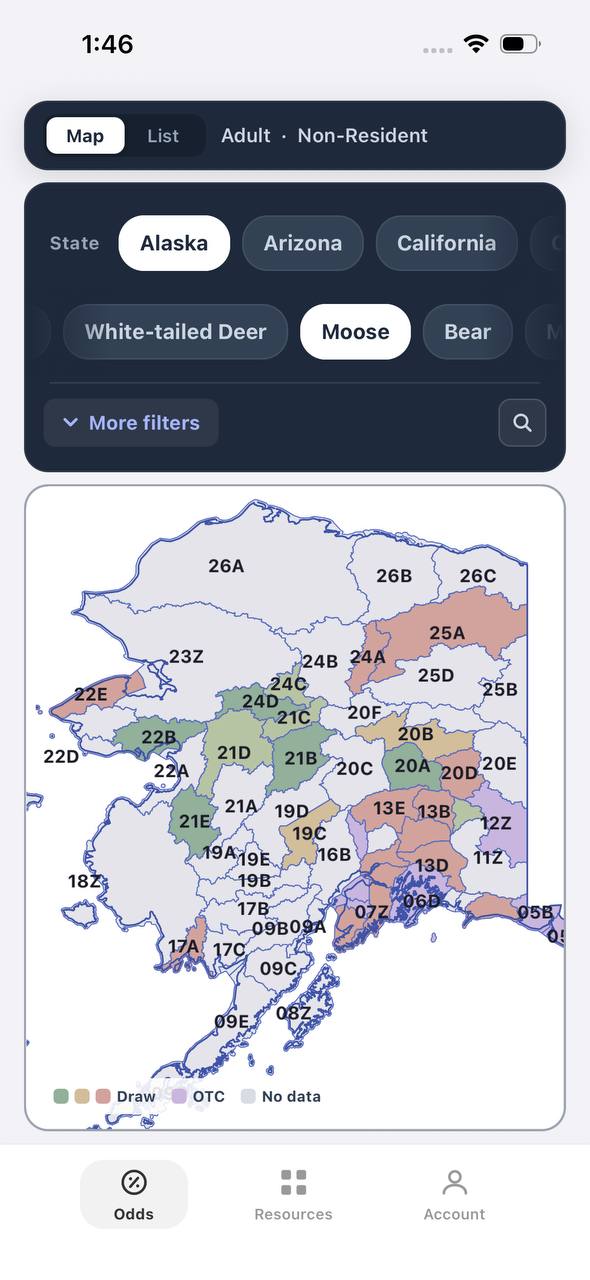
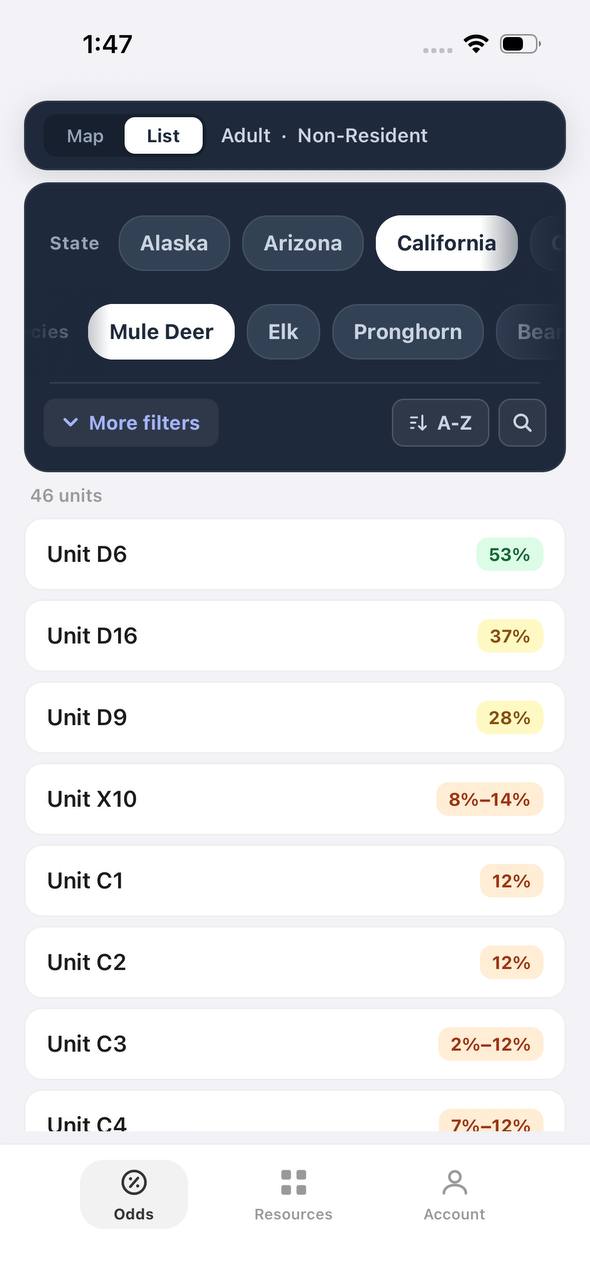
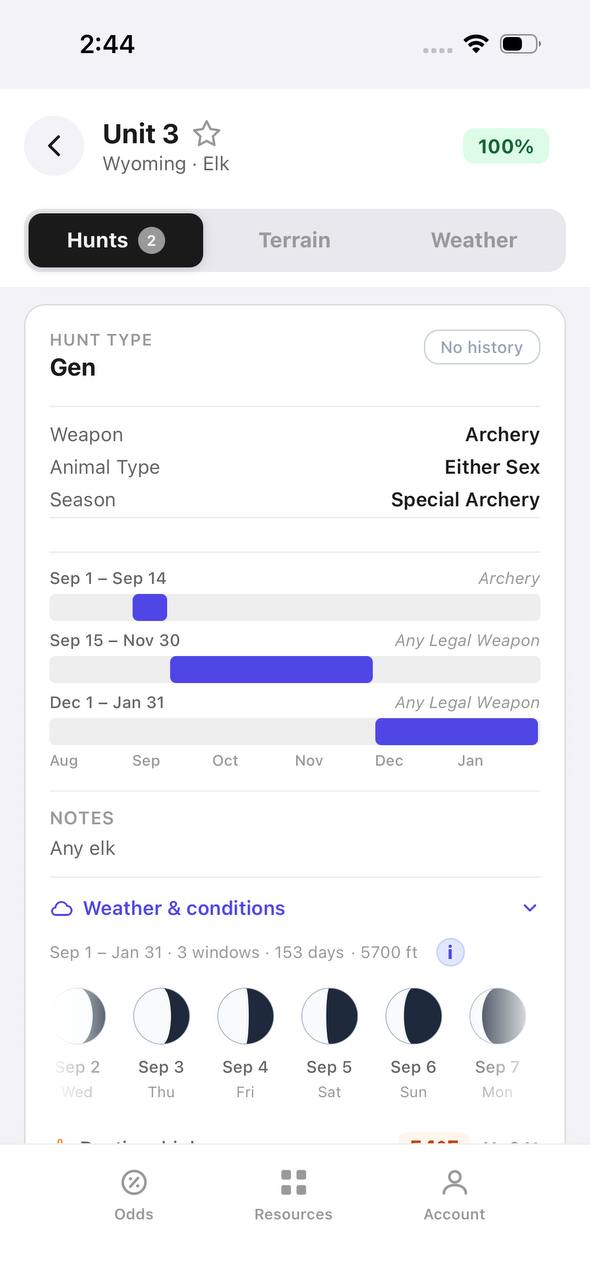
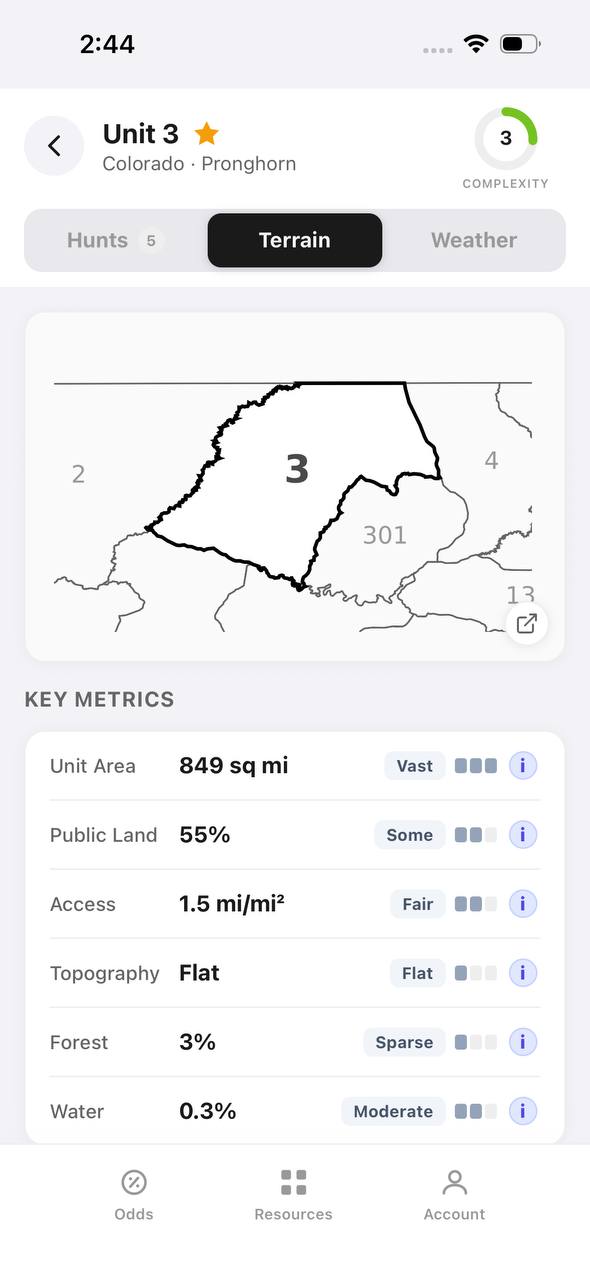
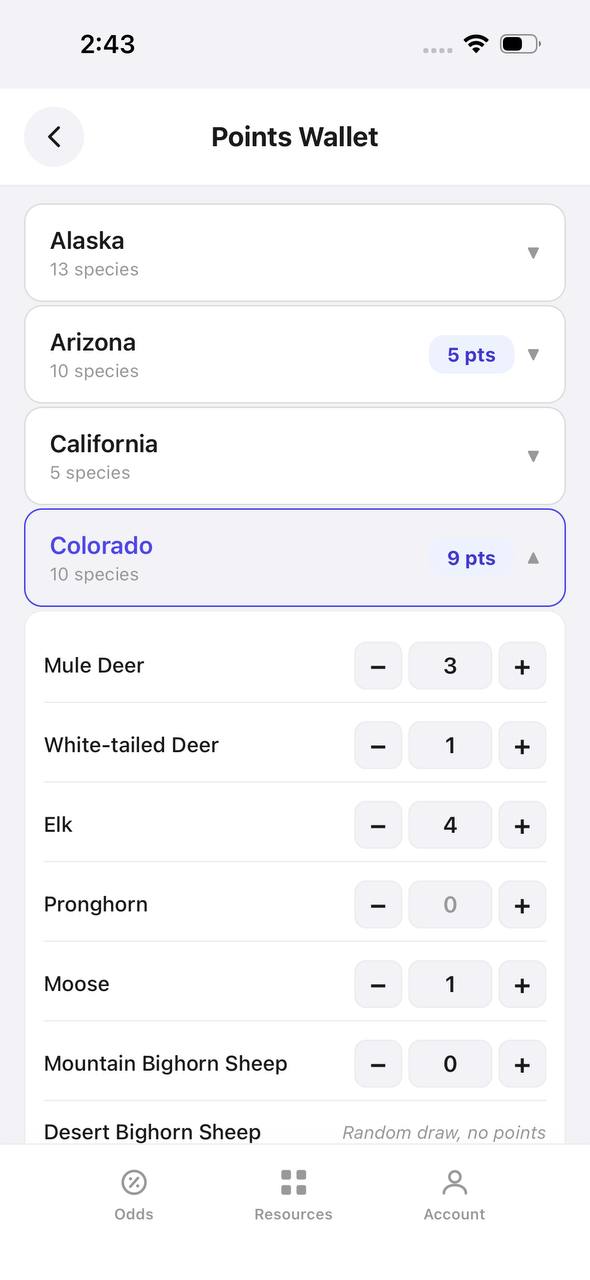
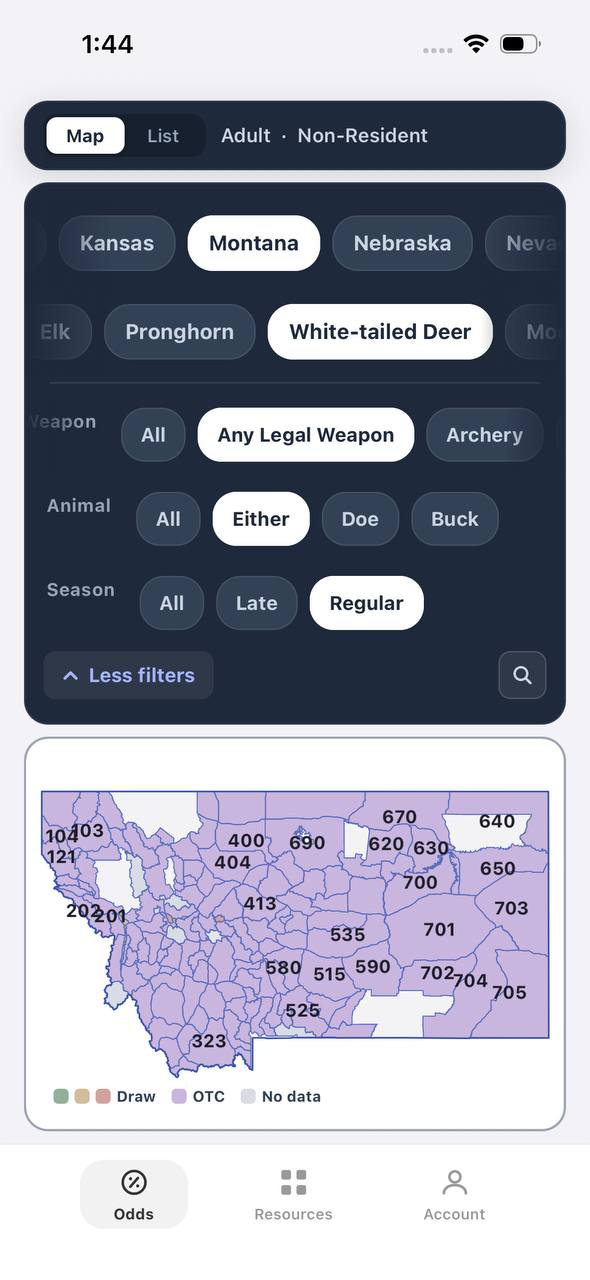
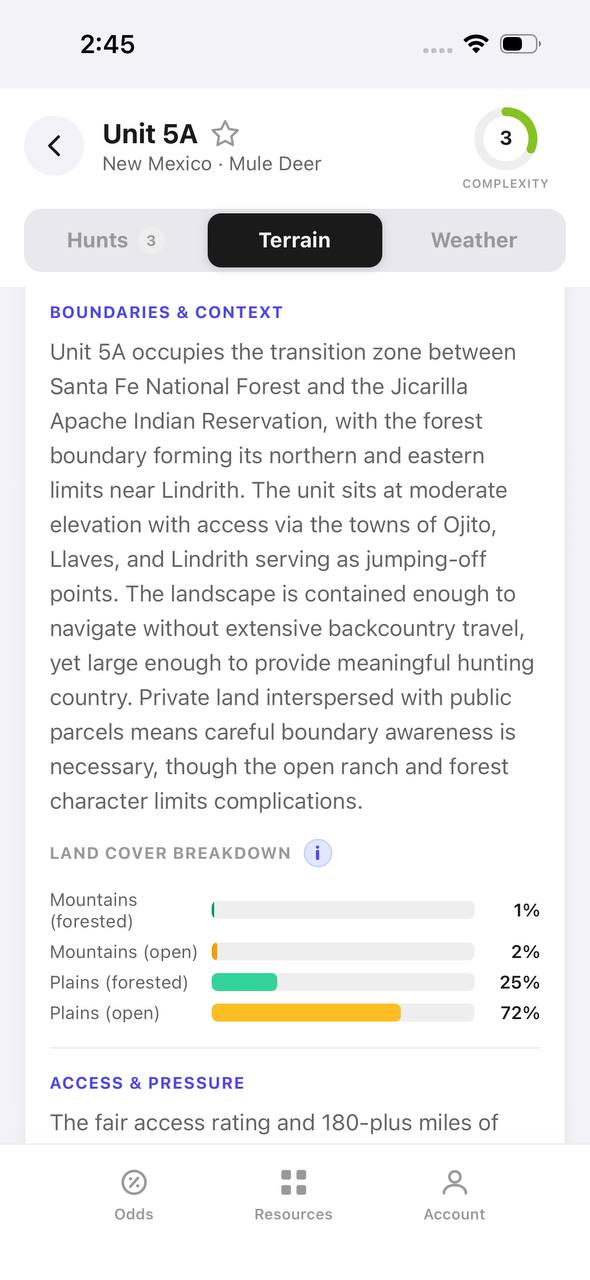
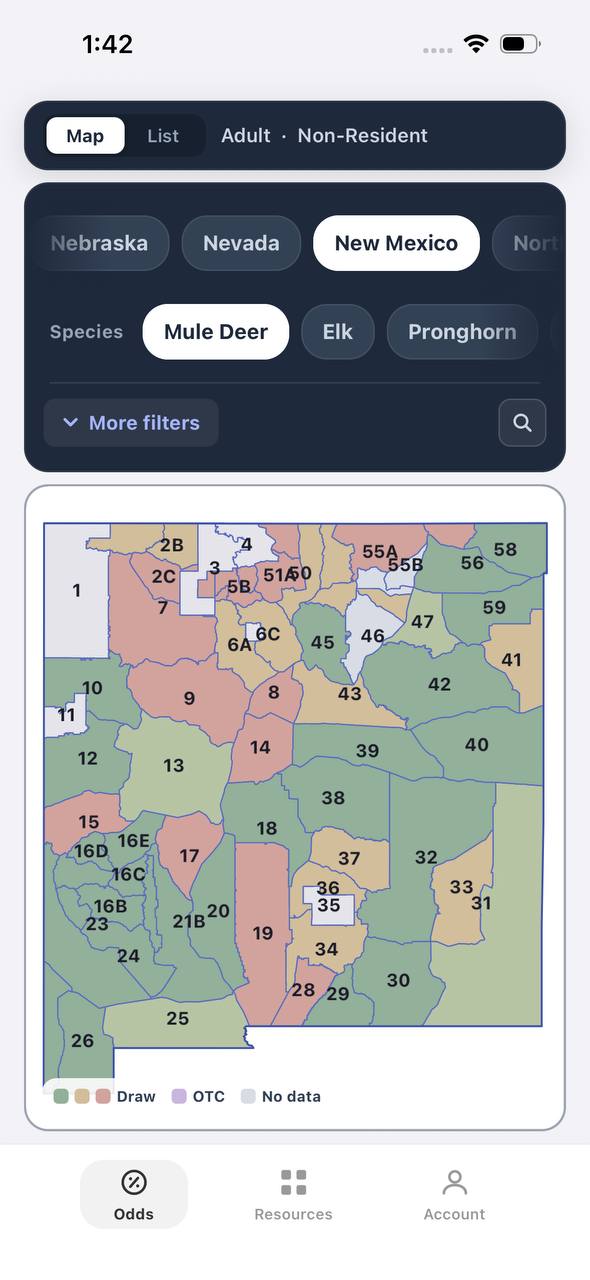
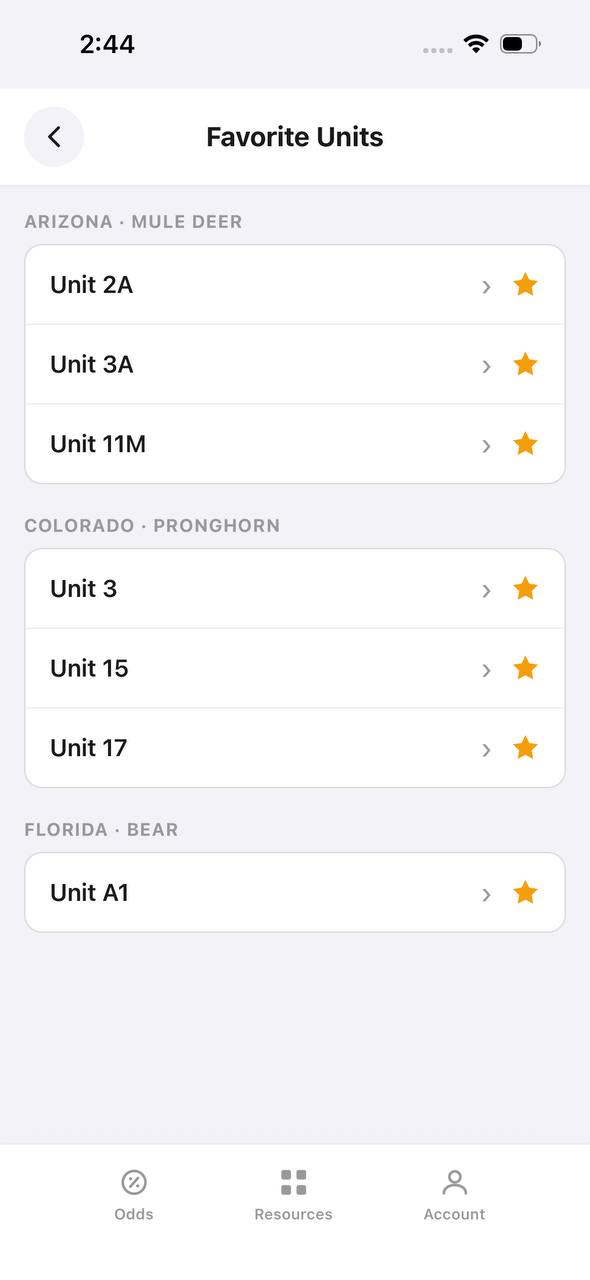
Once you choose a rifle, TAGZ helps you find units where your setup shines. If you invested in a lightweight Mesa for backcountry elk, TAGZ filters units by terrain difficulty, public land access, and draw odds so you can target hunts that reward packability. Track your preference points and bonus points across multiple states, compare units side by side using terrain maps and historical draw data, and never miss a draw deadline. Whether you are chasing OTC Colorado elk or planning a limited-entry Nevada mule deer hunt, TAGZ gives you the tools to make smarter decisions before you ever step into the field.
Long-term durability and maintenance
Bergara's steel actions and barrels handle western weather without issue. The synthetic stock on the Hunter model is indestructible but prone to minor flex under pressure. The carbon fiber Ridge and Wilderness stocks eliminate flex and hold zero through temperature extremes. Barrel maintenance involves standard copper removal every 50 to 100 rounds, and the button-rifled bore cleans quickly.
Christensen's carbon-wrapped barrel requires the same maintenance schedule, and the carbon fiber stock is impervious to moisture, temperature swings, and rough handling. Some hunters worry that carbon fiber stocks crack under impact, but modern carbon layup techniques make these stocks as durable as fiberglass-reinforced synthetics. The Mesa's Cerakote finish on the action and barrel protects against rust and wear better than blued or parkerized finishes.
Both rifles will outlast most hunters' careers if maintained properly. Neither requires special tools or gunsmithing for routine cleaning, and both actions are simple enough that most hunters can field-strip them for deep cleaning without professional help.
Which rifle wins for western hunting?
The Bergara B-14 Ridge and the Christensen Mesa are both excellent rifles, but they serve slightly different hunters. The B-14 Ridge offers 95 percent of the Mesa's performance at $200 to $300 less, making it the better value for hunters who prioritize accuracy and reliability over the lightest possible carry weight. If you hunt from a truck, a spike camp, or a base camp, the Ridge delivers everything you need without the premium price.
The Christensen Mesa justifies its higher cost for backcountry hunters who hike long distances daily. The weight savings, adjustable stock, and TriggerTech trigger make it the better choice for spot-and-stalk mule deer hunts, alpine elk hunts, or any hunt where you carry your rifle for miles before taking a shot. The Mesa is also the better rifle if you plan to keep it for decades, as the carbon fiber stock and Cerakote finish will look nearly new after 20 years of hard use.
If budget is your primary concern, buy the B-14 Hunter and upgrade the stock later if needed. If you want the best factory hunting rifle under $1,500 and plan to use it hard in rough country, buy the Mesa. Both rifles will kill elk at 400 yards, but the Mesa will do it after you have carried it ten miles over two ridges.
FAQ — Bergara B-14 vs Christensen Mesa
Is the Christensen Mesa worth the extra cost over the Bergara B-14? Yes, if you hunt backcountry terrain where weight matters. The Mesa's lighter carry weight, TriggerTech trigger, and adjustable stock justify the $300 to $400 premium for serious mountain hunters. For hunters who prioritize value, the B-14 Ridge delivers comparable accuracy at a lower price.
Which rifle is more accurate? Both rifles guarantee sub-MOA accuracy, and most shooters will see half-MOA groups with quality ammunition. The accuracy difference in the field is negligible. Stock fit and trigger feel affect practical accuracy more than barrel quality when shooting from field positions.
Can you swap stocks on the Bergara B-14? Yes. The B-14 uses a Remington 700 footprint, so aftermarket stocks from companies like AG Composites, Manners, and McMillan fit with minimal or no modifications. Many hunters buy the B-14 Hunter and upgrade to a carbon fiber stock later to save money.
Does the Christensen Mesa hold zero better than the Bergara? Both rifles hold zero well through normal hunting conditions. The Mesa's carbon fiber stock and barrel provide slightly better dimensional stability across temperature extremes, but the B-14 Ridge with a carbon stock performs nearly identically.
Which rifle feeds more reliably? Both rifles feed reliably with factory ammunition. Some hunters report occasional feeding issues with short cartridges like .308 in the B-14, but these are rare and often related to magazine tuning. The Mesa has a slight edge in out-of-the-box feeding smoothness.
Is the TriggerTech trigger on the Mesa a big upgrade? Yes. The TriggerTech trigger is noticeably crisper and more consistent than the Bergara trigger. However, the Bergara trigger is still very good for a factory trigger and does not require immediate replacement for hunting use.
Continue planning your hunt
Choosing the right rifle is only the first step. TAGZ helps you research units, compare draw odds, and track application deadlines across 12 western states. Whether you are applying for your first elk tag or strategizing a multi-year trophy hunt, TAGZ simplifies the draw process and puts you in better units faster. Create a free account at getmytagz.com and start planning your next hunt.
Explore more gear reviews, unit breakdowns, and draw strategy articles on the TAGZ Insights page. For hunters ready to maximize their draw success, compare membership options on the pricing page or learn how TAGZ filters units by terrain, public land access, and historical harvest data on the product page.
Was this article helpful?
Previous
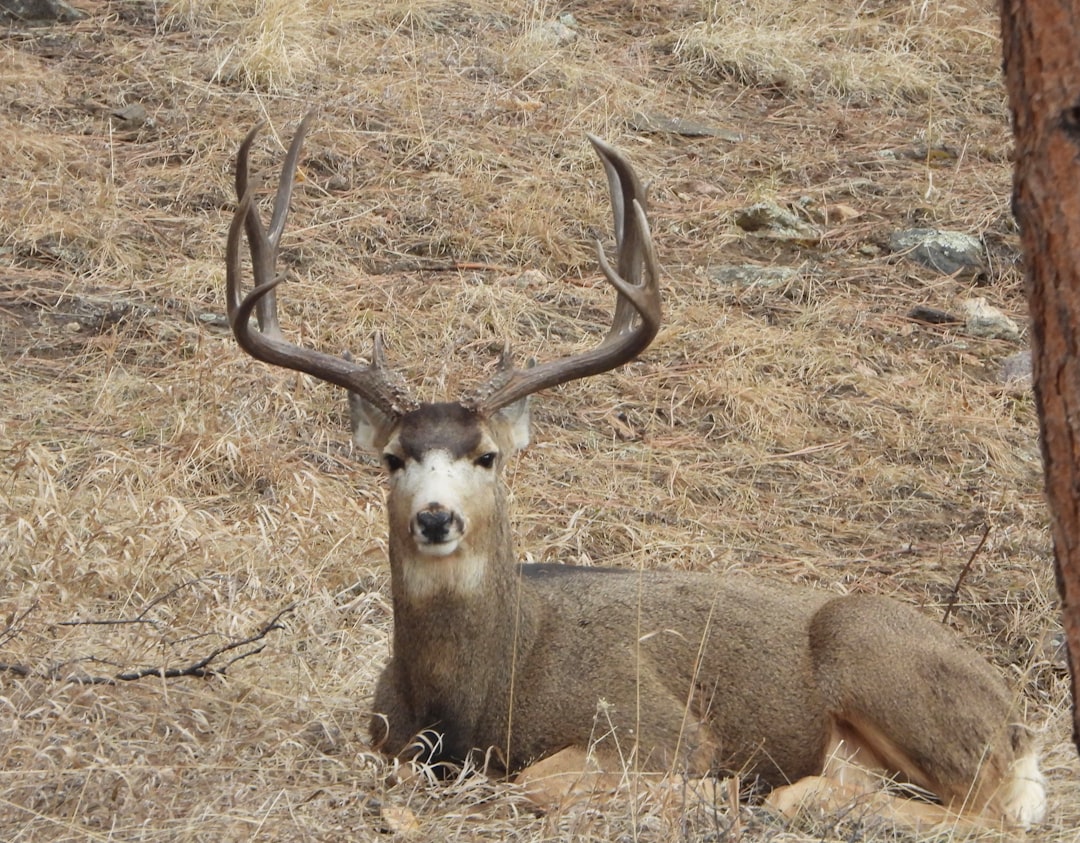
November Mule Deer Hunt 2026: Rut Tactics, Best Units, and Late-Season Strategy
November mule deer hunts offer prime opportunities during the rut across multiple Western states. Learn which units shine in late season, how to adapt tactics for colder weather, and what draw strategies maximize your 2026 tag odds.
Related
Monolithic vs Bonded Bullets: Which Performs Better for Big-Game Hunting?
Monolithic and bonded bullets each excel in different hunting scenarios. Understanding penetration, expansion, and weight retention helps you match bullet construction to your hunt.

Next
Best ATVs for Western Hunting: Models Built for Backcountry Access
Choosing the right ATV for western hunting means balancing payload capacity, fuel range, and terrain capability. We break down the top models that actually perform in alpine basins, desert flats, and steep canyon country.