Best Game Bags for Elk and Big Game in 2026: Field-Tested Picks
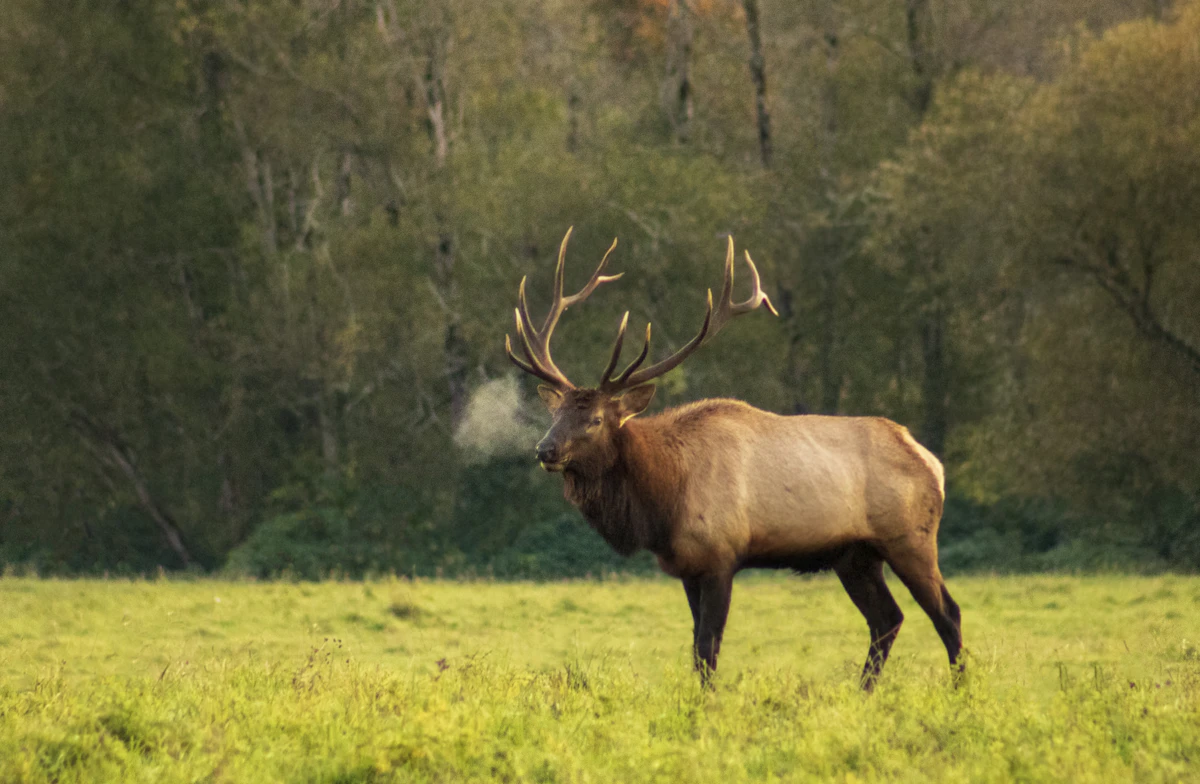
You just put your tag on a bull five miles from the trailhead. The real work starts now — and nothing protects your hard-earned meat like quality game bags. The right bags keep flies off, allow airflow to cool the quarters, and handle the weight of an elk shoulder without tearing. The wrong ones leave you picking fabric threads out of backstrap or watching blowflies land on exposed meat.
Game bags are not all equal. Breathability, weight, tear resistance, and packability separate field-proven options from budget bags that fail when it matters. Whether you are packing out a Colorado bull solo or quartering a mule deer with a partner, the bags you choose directly affect meat quality and how much you are carrying on your frame.
What Makes a Game Bag Worth Carrying
A good game bag does three things well. First, it breathes — synthetic mesh or lightweight woven fabric allows air to circulate while the meat cools, preventing bacterial growth during the critical first 12–24 hours. Second, it resists tears under load. An elk hindquarter can weigh 80–100 pounds, and dragging it through oakbrush or sliding it off your pack frame will test every seam. Third, it packs light. Backcountry hunters count ounces, and a full set of game bags should weigh under two pounds.
Mesh size matters. Bags marketed as "breathable" often use mesh large enough for blowflies to lay eggs through. Look for bags rated at 90–110 microns or described as fly-proof. True fly-proof bags block insects while still allowing moisture to escape — critical if you are hanging meat overnight in warm weather.
Weight capacity is the other non-negotiable. Bags should handle at least 50 pounds per quarter without stretching or tearing. Cheap cotton bags absorb blood and moisture, adding weight and creating a breeding ground for bacteria. Synthetic bags — typically made from polyester or nylon blends — stay light, dry fast, and rinse clean for reuse.
Top Game Bag Picks for 2026
Alaska Game Bags — Tried and True Standard
Alaska Game Bags remains the benchmark. Their synthetic mesh bags are lightweight (a full elk set weighs around 14 ounces), breathable, and genuinely fly-proof. The fabric is tough enough to drag across rocks without shredding, and the drawstring closures cinch tight to seal out insects.
The trade-off is price. A full elk set runs around $60–$70, which stings if you hunt multiple states or lose a bag in the field. But the durability means you can reuse them for years. Rinse them in cold water after each use, hang them to dry, and store them in a stuff sack. Hunters who put five elk on the ground over three seasons often use the same set of Alaska bags the entire time.
They offer multiple sizes: deer/antelope (smaller bags for four quarters), elk (larger bags for bigger game), and even moose sets. For most western hunters, the elk set covers mule deer, elk, and black bear.
KUIU Trekking Game Bags — Ultralight for Backcountry
KUIU's Trekking Game Bags target ounce-counters. A full set weighs just 10 ounces, making them the lightest proven option. The fabric is thinner than Alaska bags, but the tear resistance is surprisingly good — reinforced stitching and ripstop construction hold up under normal field use.
The mesh is fine enough to block flies, and the bags breathe well in warm conditions. The downside is durability over multiple hunts. These bags work best for hunters who prioritize pack weight and plan to replace them after a couple of seasons. At around $50 per set, the cost-per-hunt is reasonable if you are saving half a pound in your pack.
KUIU bags pack down smaller than most competitors, fitting easily into a lid pocket or belt pouch. For solo backcountry hunts where you are carrying everything in on your back, the weight savings add up.
Caribou Gear Game Bags — Built for Abuse
Caribou Gear makes some of the most bomber bags on the market. Their Woven Game Bags use a tighter weave than mesh alternatives, resulting in a fabric that is nearly impossible to tear. These are the bags you want if you are hunting thick timber, dragging quarters through blowdown, or packing meat on horseback where branches and rough handling are guaranteed.
The trade-off is weight. A full elk set weighs around 18–20 ounces — not heavy, but noticeably more than ultralight options. The fabric is also less breathable than open-mesh bags, so meat takes slightly longer to cool. Hang quarters in shade with good airflow, and it is a non-issue. In hot weather (above 70°F), you will want to prioritize getting meat cooled fast regardless of bag choice.
Caribou bags cost around $65–$75 per set. For guides, outfitters, or hunters who process multiple animals per season, the durability justifies the price. These bags last indefinitely if you take care of them.
TAG Bags — Budget-Friendly Reliable Option
TAG Bags (Tube Air Game Bags) offer solid performance at a lower price point — usually $35–$45 per elk set. The synthetic mesh is breathable and reasonably tear-resistant, though not as tough as Alaska or Caribou options. For hunters on a budget or those new to DIY meat care, TAG bags are a smart entry point.
The bags are reusable, though they tend to show wear faster than premium options. Expect to replace them after 3–5 animals. The mesh is fly-proof in most conditions, but in heavy insect pressure (late-season elk in warm weather), you might see a few flies get through larger weave sections.
TAG bags pack well and weigh around 16 ounces per elk set. They are a good choice for hunters who want reliable performance without spending top dollar, or as backup bags to keep in the truck.
Argali High Country Bags — Premium Hybrid Design
Argali's High Country Game Bags split the difference between ultralight and bombproof. The bags use a reinforced mesh with taped seams and heavy-duty drawstrings. Weight is around 12 ounces per elk set — lighter than Caribou, tougher than KUIU.
The standout feature is the tapered design. Instead of simple rectangular bags, Argali bags are cut to fit quarters more naturally, reducing bulk and making them easier to pack into a meat shelf or panniers. The bags are also color-coded by size, which helps when you are working fast in fading light.
Argali bags run around $70–$80 per set. The price reflects thoughtful design and premium materials. These are a strong choice for serious backcountry hunters who want the best balance of weight, durability, and packability.
How Many Bags Do You Actually Need?
An elk requires four quarter bags (one per leg) plus additional bags for backstraps, tenderloins, rib meat, and neck meat. A full elk set typically includes six to eight bags in various sizes. Deer and antelope need fewer — a four-bag set handles quarters, with one extra bag for loose meat.
Many hunters carry a full elk set regardless of species. The extra bags weigh almost nothing, and having spares means you can separate clean meat from bloodshot sections or double-bag a heavy quarter for extra protection.
Bone-in quarters are heavier but cool faster. Deboned meat packs lighter but requires more surface area to cool properly — spread it out in bags and hang them separately rather than stuffing everything into one giant sack.
Packing and Field Use Tips
Pack game bags in a dedicated stuff sack or ziplock bag to keep them clean. Once you punch your tag, you will be working with bloody hands and knives — having bags accessible but protected makes the job easier.
When bagging quarters, work one leg at a time. Slip the bag over your forearm, grab the quarter, and pull the bag up and over. Cinch the drawstring tight, leaving as little air inside as possible. Flies and dirt get in through gaps, not through the fabric.
Hang bags in shade with good airflow. Direct sun heats meat and slows cooling. If you are packing out immediately, you can skip hanging — just get the meat into bags, into your pack, and moving toward the trailhead. Meat continues to cool as you hike, especially if you are moving fast.
Rinse bags in cold water as soon as possible after use. Blood and fat left on fabric attract insects and bacteria, even in storage. Hang bags to dry completely before packing them away. Damp bags stored in a stuff sack will mildew.
Free to join
Download mobile app
- Detailed draw odds
- Point tracking
- Deadline reminders
- 18 states covered


Free to join
Download mobile app
- Detailed draw odds
- Point tracking
- Deadline reminders
- 18 states covered

Free to join
Download mobile app
- Detailed draw odds
- Point tracking
- Deadline reminders
- 18 states covered

Specialty Bags for Different Scenarios
Synthetic vs. Cotton
Synthetic bags are lighter, dry faster, and resist bacteria better than cotton. Cotton bags (traditional cheesecloth or muslin) are breathable but absorb moisture, adding weight and creating a mess. Unless you are hunting close to a road and will process meat within hours, synthetic is the better choice.
Reusable vs. Disposable
Most quality game bags are reusable for multiple seasons. Disposable bags exist, but they are typically thinner, less durable, and more expensive over time. The exception is if you are flying commercial and do not want to deal with packing used bags home — disposable bags simplify cleanup.
Vacuum-Seal Compatible Bags
Some hunters use game bags in the field, then transfer meat to vacuum-seal bags at home for freezer storage. Game bags are not meant for long-term storage — they protect meat during transport and cooling, not for months in a freezer. Once you are home, process meat into vacuum-sealed portions or butcher paper.
What TAGZ Helps You Plan Beyond the Shot
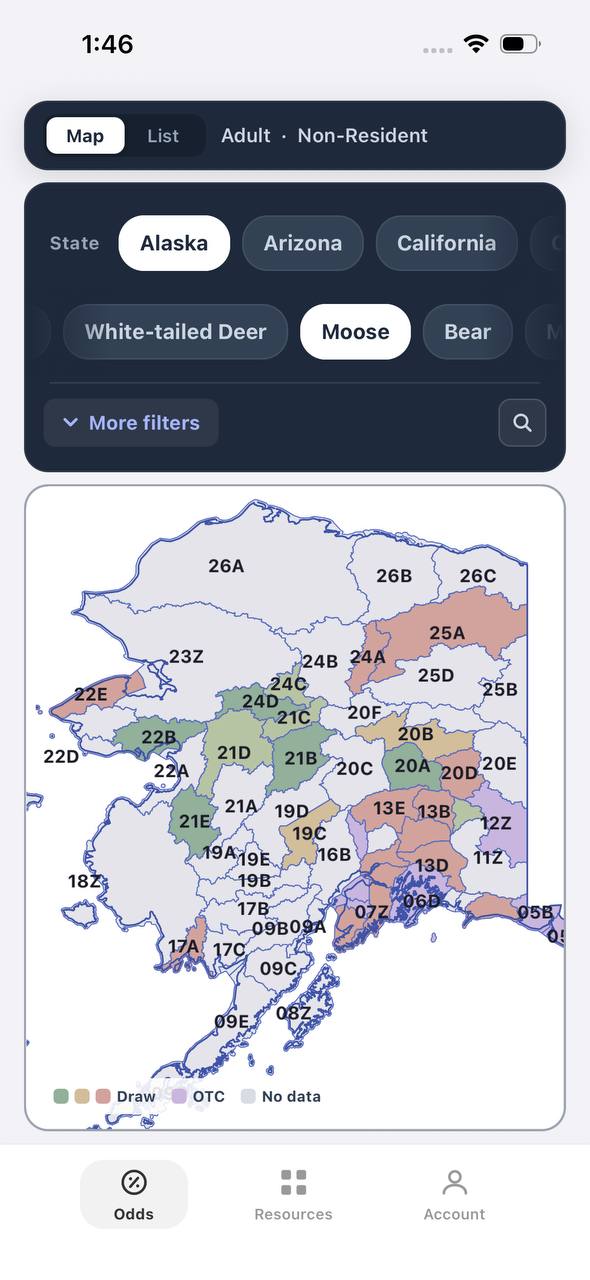
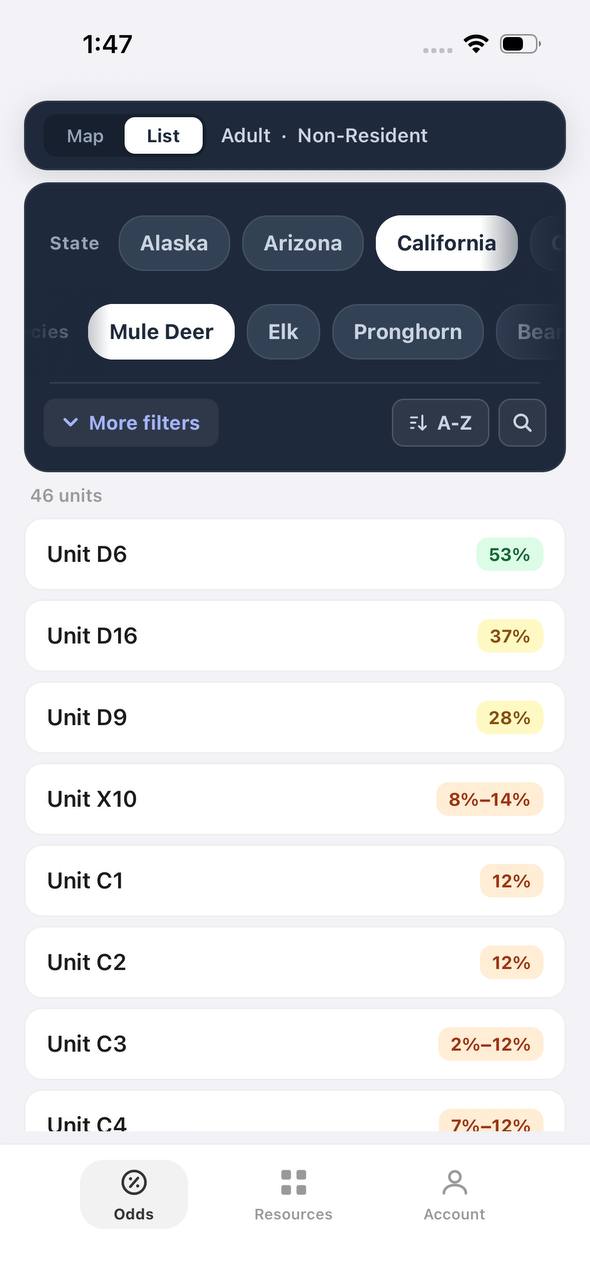
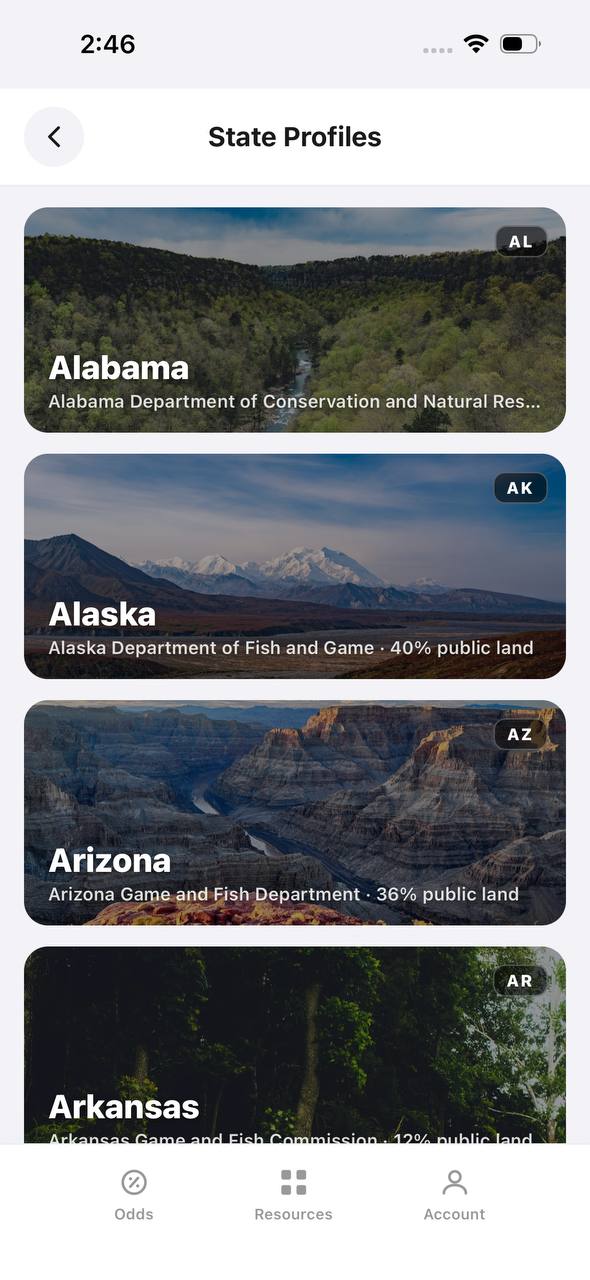
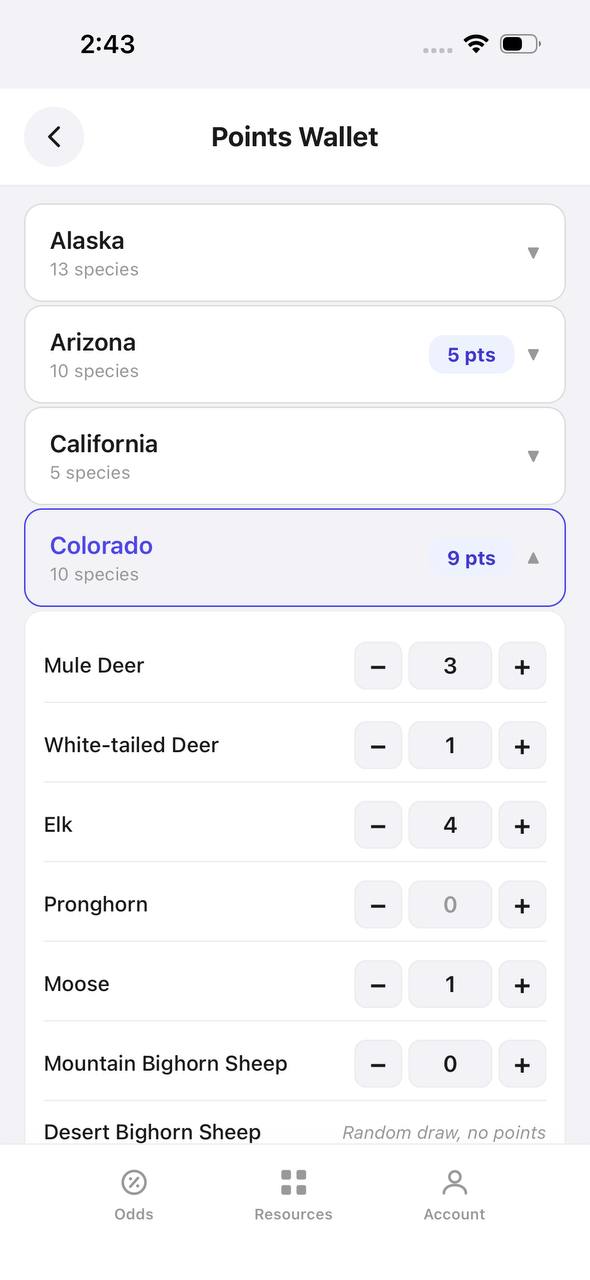
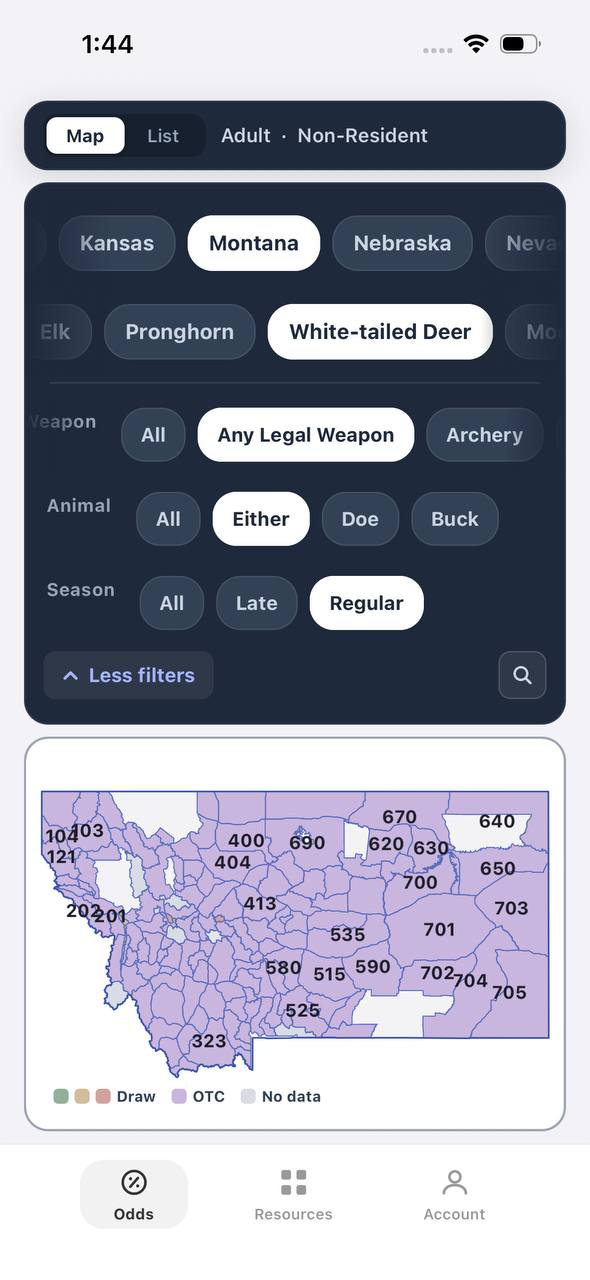
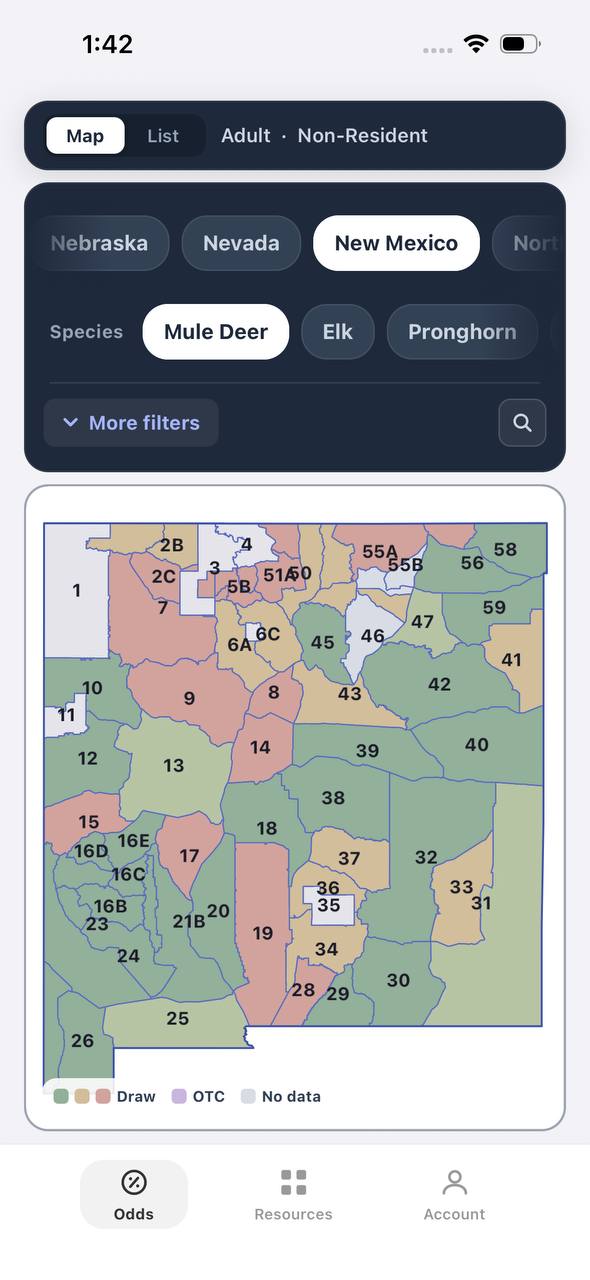
TAGZ helps you find the hunts where you will actually need those game bags. Compare draw odds across units, track your preference points and bonus points in multiple states, and see which limited-entry tags are realistic versus which ones require a decade of point banking. When you are chasing OTC elk in Colorado or planning a Wyoming limited-entry deer hunt, TAGZ filters by weapon type, season dates, and terrain so you know exactly what to expect before you apply.
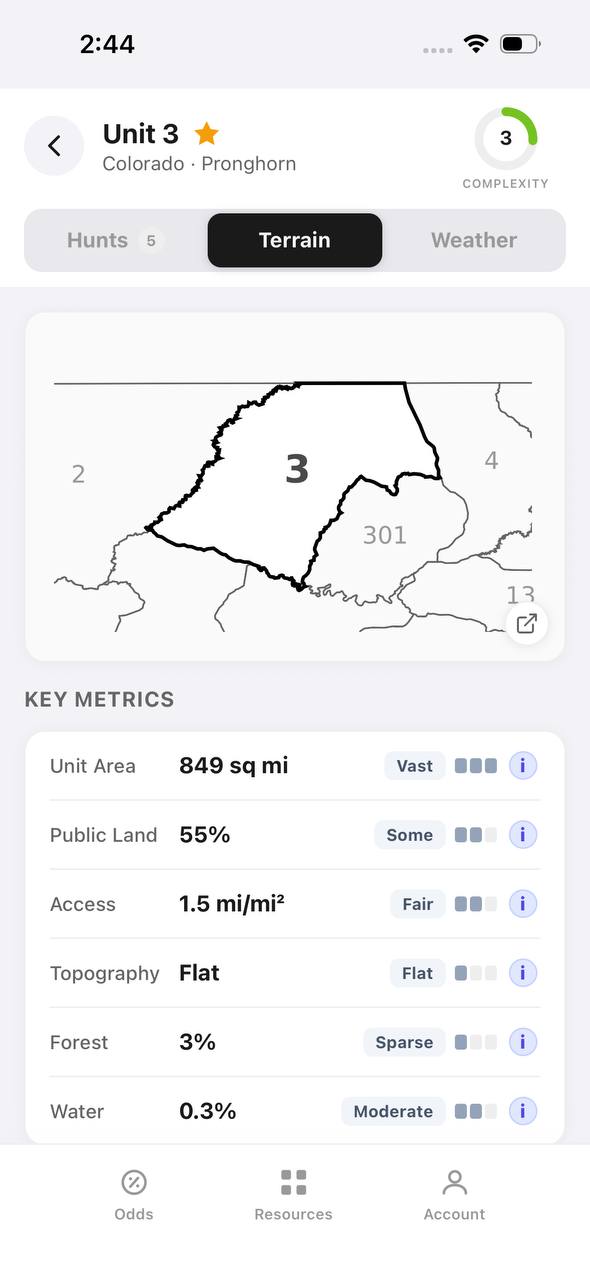
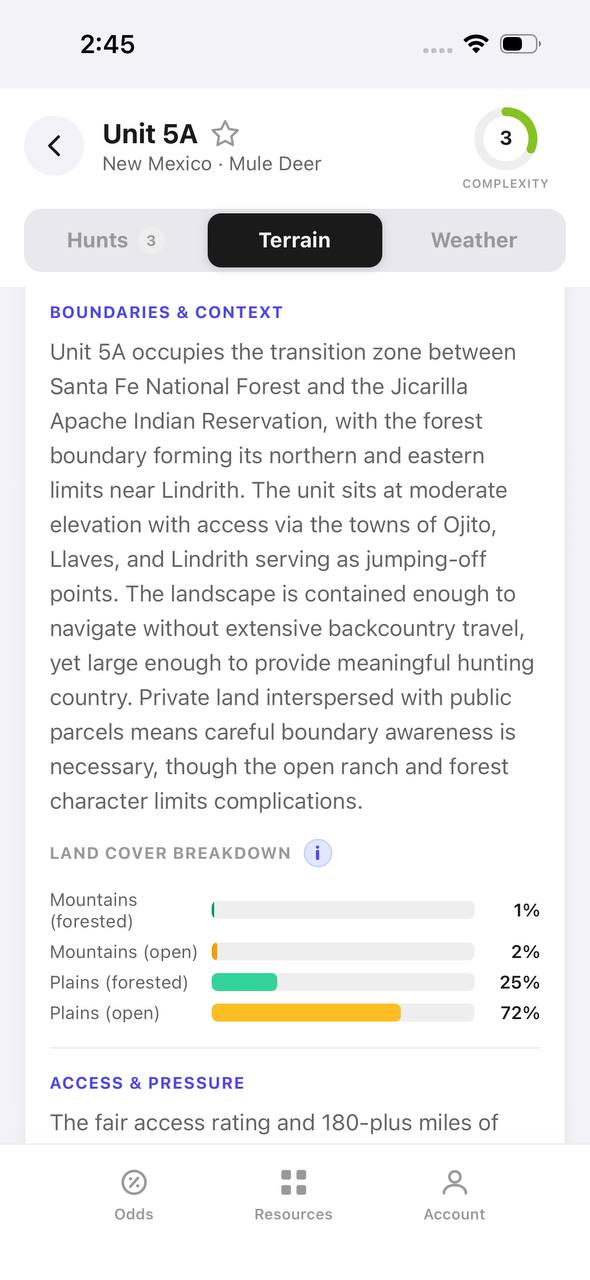
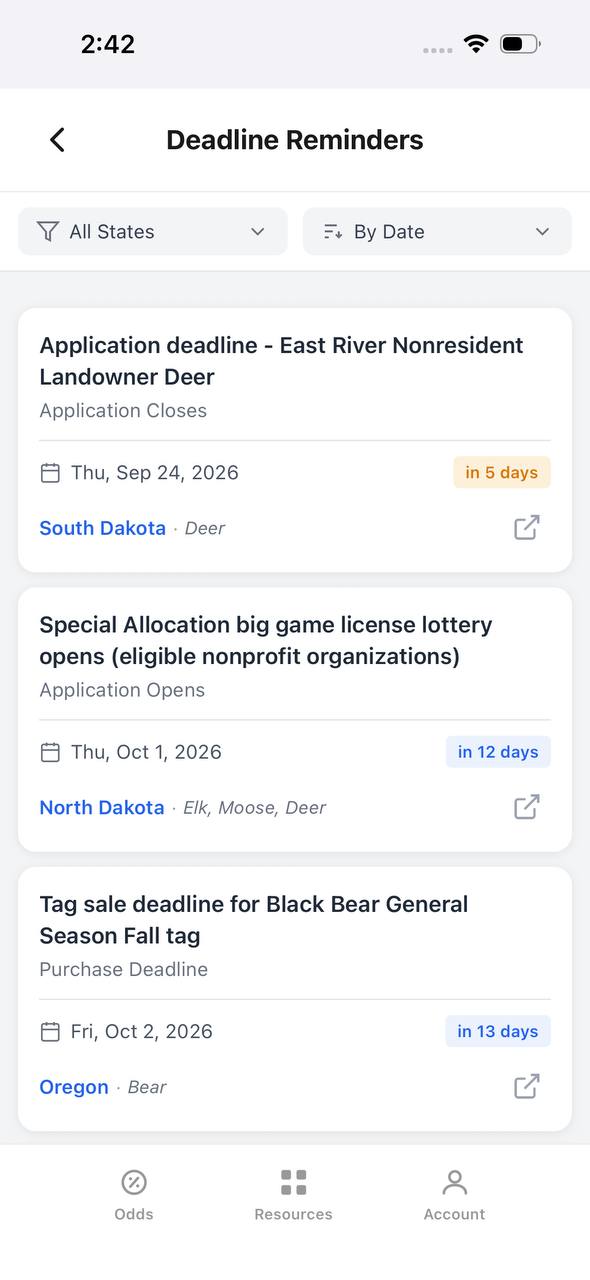
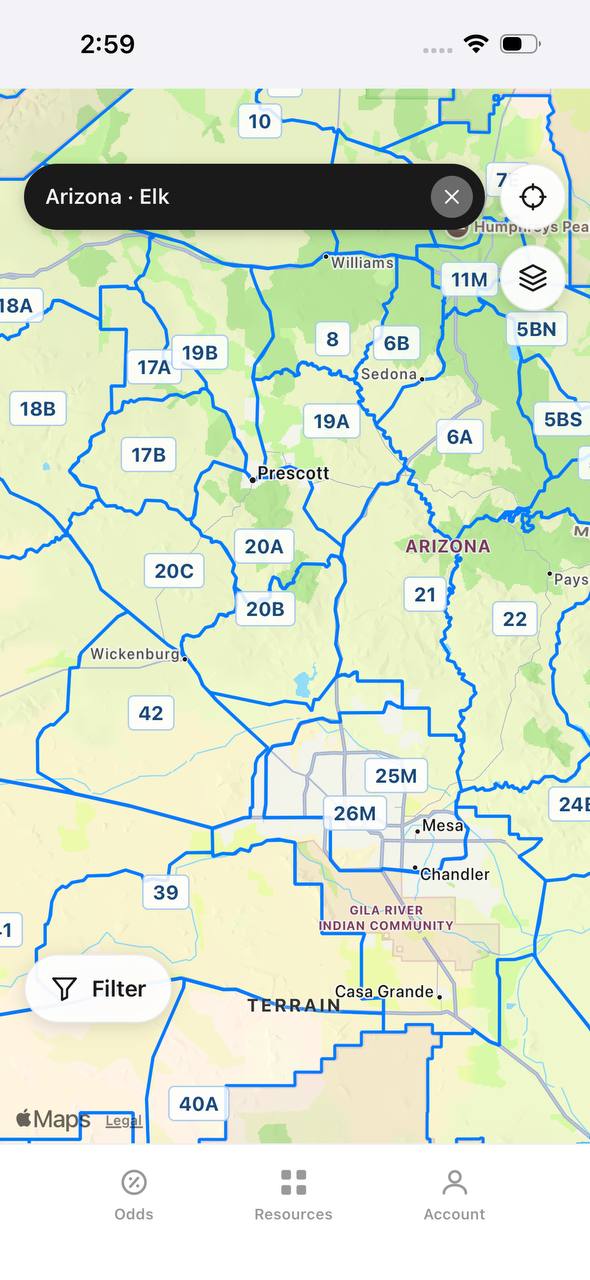
Unit maps show public land boundaries, access points, and terrain breakdowns. Whether you are glassing high-country basins or calling bulls in dark timber, TAGZ gives you the tools to scout smarter and make better draw decisions. Track deadlines across states so you never miss an application window. When you punch your tag five miles deep, you will already know the country — and you will have the right game bags to get your meat out clean.
FAQ — Game Bags for Big Game
What is the best game bag material for elk?
Synthetic mesh (polyester or nylon blends) is best. It is lightweight, tear-resistant, breathable, and dries fast. Avoid cotton — it absorbs blood and moisture, adding weight and promoting bacterial growth.
How many game bags do you need for an elk?
A full elk set includes 6–8 bags: four for quarters, plus smaller bags for backstraps, tenderloins, rib meat, and neck meat. Carrying a full set ensures you have spares for separating bloodshot meat or double-bagging heavy quarters.
Can you reuse game bags?
Yes. Rinse bags in cold water immediately after use, hang them to dry completely, and store them in a clean stuff sack. Quality synthetic bags last for years if you take care of them.
What mesh size blocks blowflies?
Look for bags rated at 90–110 microns or described as fly-proof. Larger mesh allows blowflies to lay eggs through the fabric. True fly-proof bags block insects while still allowing moisture to escape.
Should you bone out meat before bagging?
Bone-in quarters cool faster and are easier to pack in game bags. Deboned meat weighs less but requires more surface area to cool properly — spread it out in multiple bags and hang them separately rather than stuffing everything into one bag.
Do game bags add weight to your pack?
Barely. A full elk set of quality synthetic bags weighs 10–20 ounces. The weight is negligible compared to the meat you are carrying out, and the protection is worth it.
How long can meat stay in game bags?
In cool weather (below 50°F) with good airflow, meat can hang in game bags for several days. In warm weather, get meat cooled and into a cooler within 24 hours. Game bags protect during transport — they are not for long-term storage.
What is the difference between cheap and expensive game bags?
Expensive bags use tougher fabric, finer mesh, and reinforced stitching. They are more tear-resistant, more breathable, and last longer. Cheap bags work in a pinch but often tear under heavy loads or let flies through larger mesh gaps.
Was this article helpful?
Previous
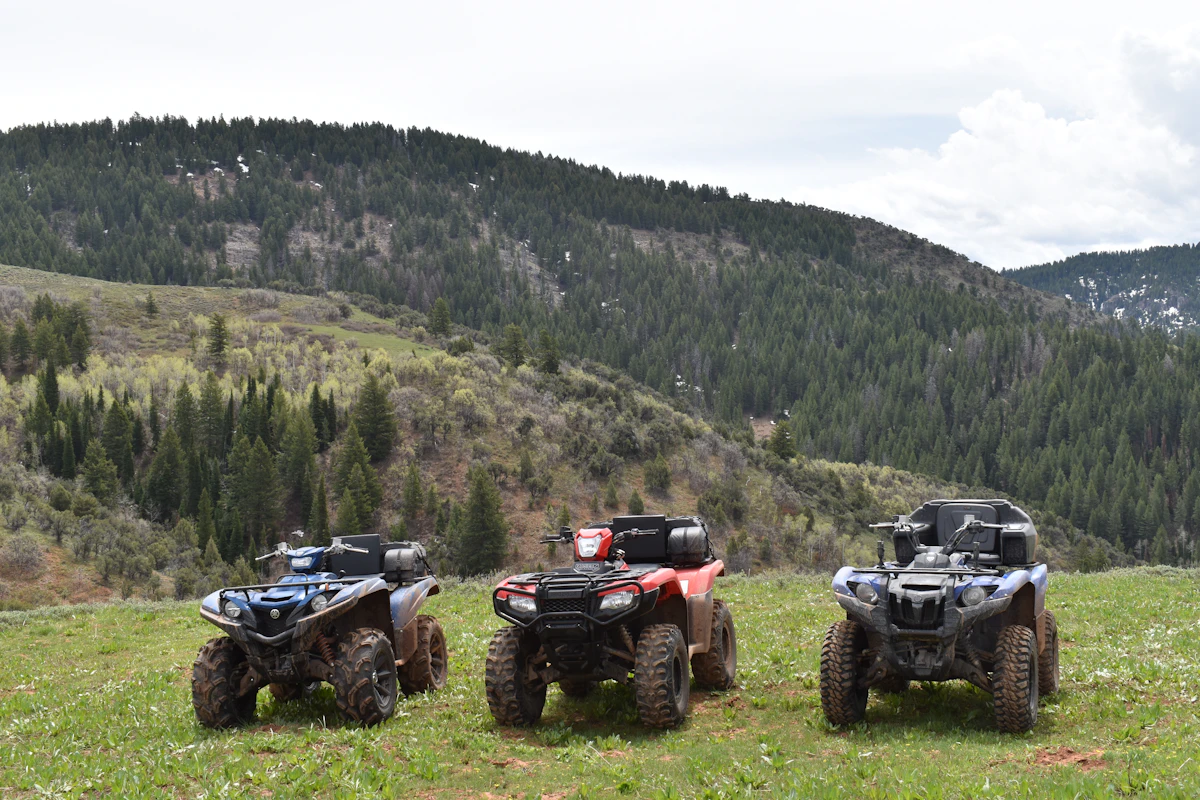
Best ATVs for Western Hunting: Models Built for Backcountry Access
Choosing the right ATV for western hunting means balancing payload capacity, fuel range, and terrain capability. We break down the top models that actually perform in alpine basins, desert flats, and steep canyon country.
Related
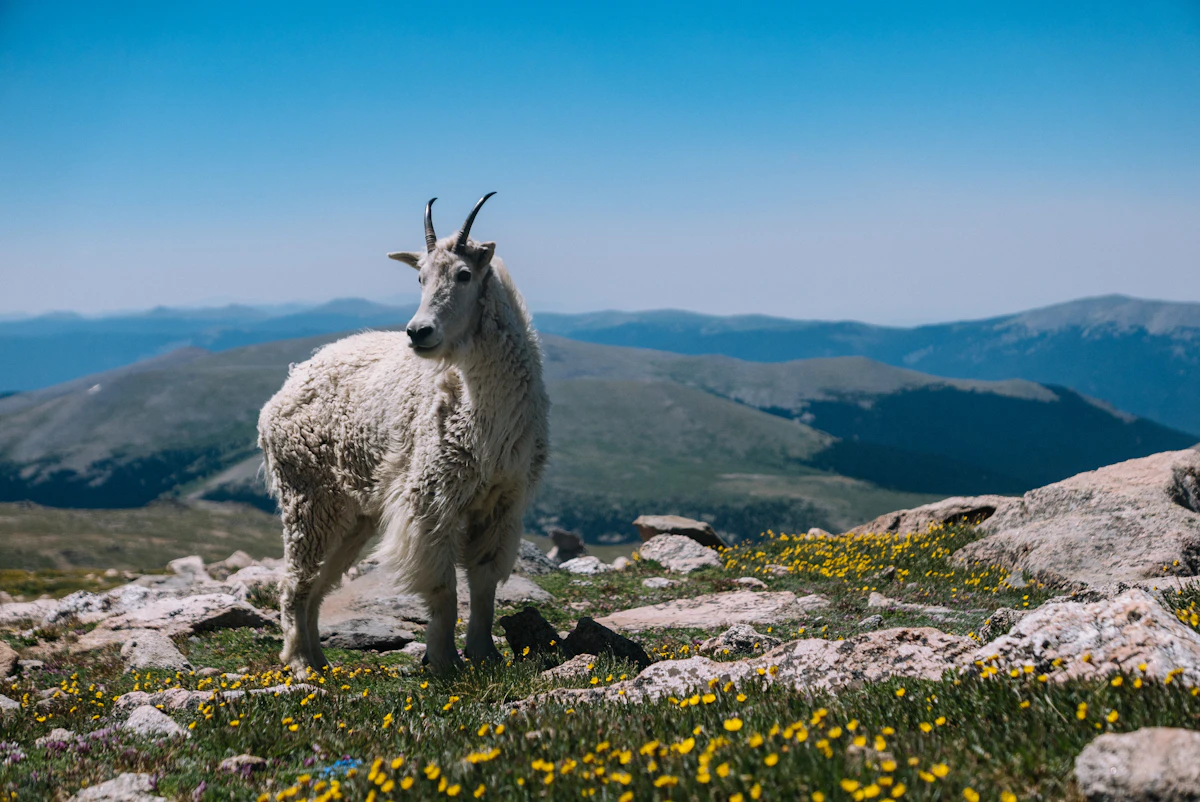
Mountain Goat Behavior: How These Alpine Masters Survive Extreme Terrain
Mountain goats inhabit some of North America's harshest alpine environments, displaying unique behaviors that allow them to thrive where few species can survive. Understanding their seasonal movements, feeding patterns, social structure, and predator avoidance tactics is essential for hunters planning a once-in-a-lifetime goat hunt.
Next
Hunt Smarter: Navigation Skills Every Western Hunter Needs
Learn essential GPS, map, and compass navigation techniques that keep western big-game hunters on target and safe in remote backcountry terrain.