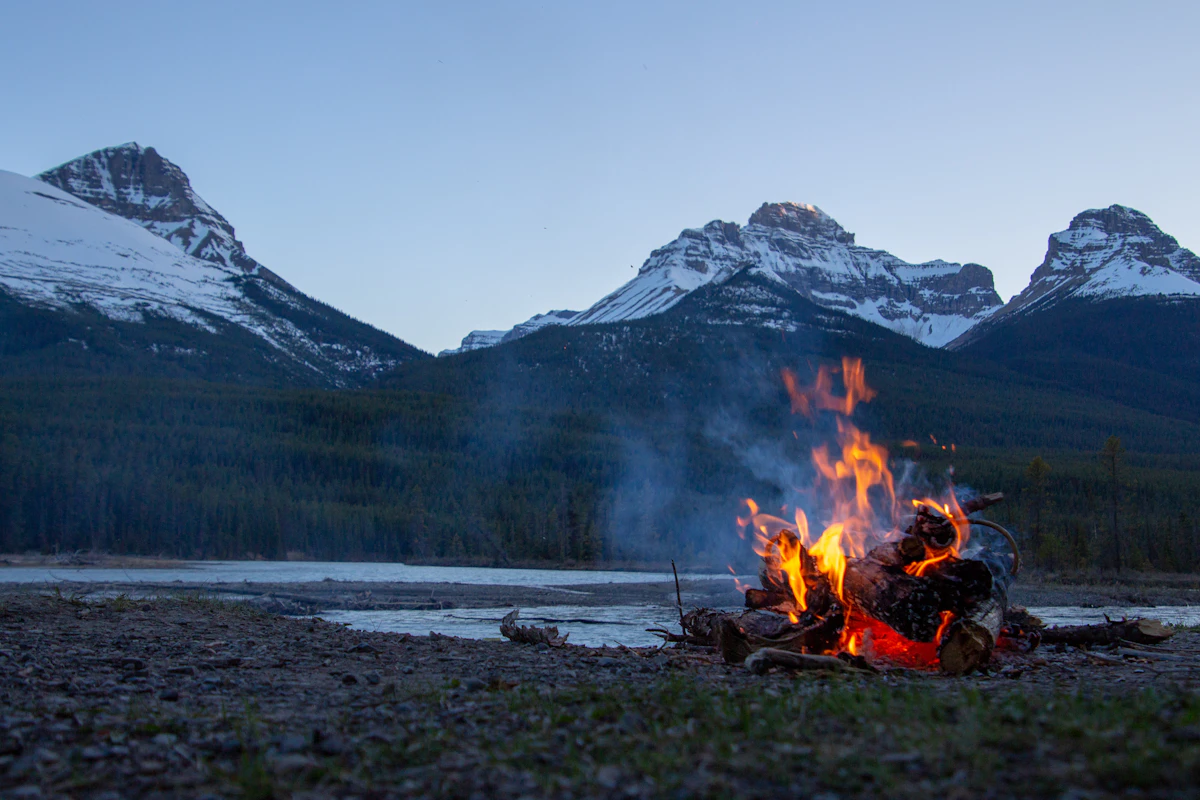
Nosler Model 21 Review: Is This Premium Hunting Rifle Worth It?
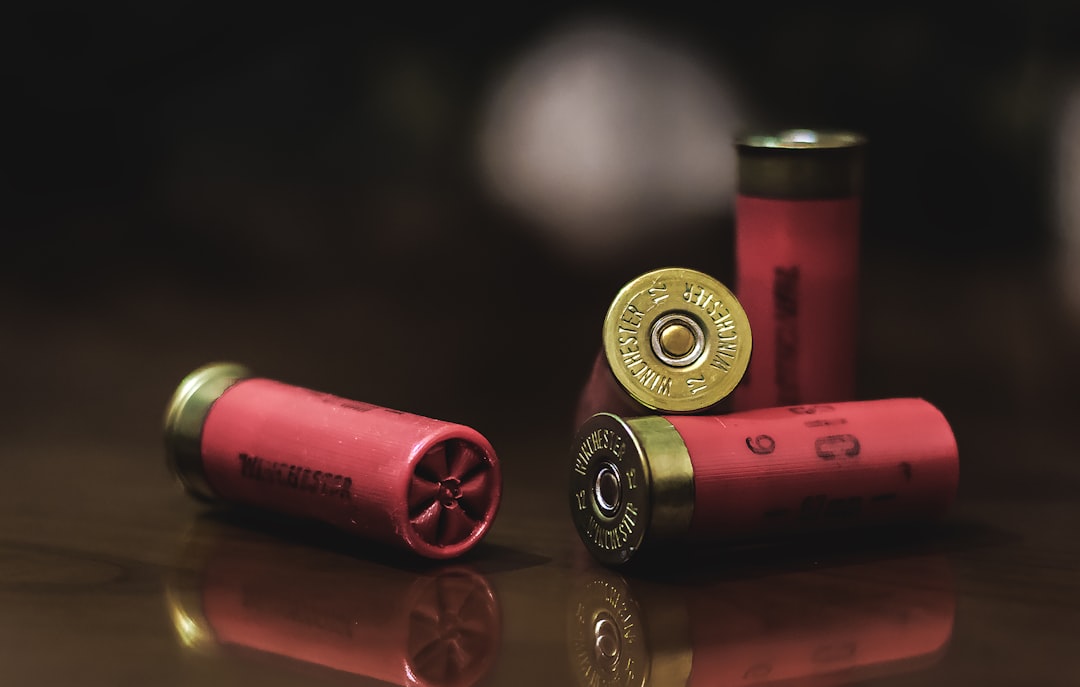
The Nosler Model 21 sits in a unique space between factory production rifles and full custom builds. Built in Nosler's Bend, Oregon facility, the Model 21 promises sub-MOA accuracy from a hand-lapped, button-rifled barrel paired with a blueprinted action and premium trigger. For western hunters willing to invest in a dedicated mountain rifle, the question is whether the craftsmanship justifies the $2,000-plus price point.
This review examines the Model 21's build quality, field performance, and practical value for hunters chasing elk, mule deer, and pronghorn across public land.
Build Quality and Components
The Model 21 starts with a Model 48 TGR carbon fiber stock — the same platform Nosler uses across its rifle lineup. The stock features an adjustable comb, aluminum pillars, and full-length bedding. Weight runs 6.5 to 7 pounds depending on barrel contour and caliber, making it packable for backcountry hunts without sacrificing shootability.
Nosler hand-laps every barrel and blueprints every action before assembly. The two-position safety allows bolt cycling with the rifle on safe. The Timney trigger breaks cleanly at 3 pounds with minimal overtravel. Cerakote finish on metal components resists weather better than bluing, a practical advantage during October elk hunts or late-season mule deer sits.
Barrel options include a standard sporter contour and a lighter sendero profile. Most hunters running suppressed setups choose the sendero to maintain balance. Fluting is standard, and all barrels are threaded 5/8x24 for muzzle devices. Nosler guarantees 0.75 MOA accuracy with factory ammunition, though most rifles shoot tighter with handloads.
Caliber Selection for Western Hunting
The Model 21 is available in seventeen calibers, covering everything from whitetail to brown bear. For elk and mule deer, the most popular chamberings are 6.5 PRC, 28 Nosler, 7mm Remington Magnum, 300 Winchester Magnum, and 300 PRC.
The 6.5 PRC has become the go-to choice for hunters prioritizing low recoil and wind-bucking performance at typical western ranges (200 to 500 yards). Paired with 143-grain or 147-grain ELD-X bullets, it handles mule deer and cow elk cleanly without punishing the shooter during extended range sessions.
The 28 Nosler delivers flatter trajectories and more energy at extended range, but barrel life drops to 800 to 1,200 rounds. For hunters who practice extensively or shoot matches in the offseason, this becomes a real cost. The 7mm Remington Magnum offers a more affordable, longer-lived alternative with nearly identical field performance inside 400 yards.
The 300 Winchester Magnum and 300 PRC dominate among guides and hunters tackling elk in heavy timber or at steep angles where energy retention matters. Both push 200-grain bullets fast enough to anchor bulls reliably, though recoil management becomes critical for accurate follow-up shots.
Nosler also chambers the Model 21 in 6mm Creedmoor, 25-06, and other milder cartridges suited to pronghorn, deer-only tags, or recoil-sensitive shooters. The rifle's accuracy potential makes it viable for precision shooting at longer ranges where energy thresholds might limit smaller calibers.
Field Performance and Accuracy
Most Model 21 rifles shoot factory ammunition into 0.5 to 0.75 MOA groups at 100 yards after barrel break-in. Nosler's own Trophy Grade and RDF lines perform particularly well, unsurprising given the company manufactures both rifles and ammunition to work together.
Handloaders typically see groups tighten to 0.3 to 0.5 MOA once they dial in seating depth and powder charge. The hand-lapped barrel responds well to tuning, and the bedded stock eliminates point-of-impact shifts caused by thermal expansion or inconsistent contact pressure.
Weight distribution favors steady offhand shooting and comfortable carries on a sling. The carbon fiber stock dampens recoil noticeably compared to synthetic stocks at the same weight. During field testing with a 300 Winchester Magnum chambering, muzzle rise stayed manageable enough for rapid follow-ups on steel at 300 yards.
The two-position safety allows hunters to keep the rifle on safe while quietly cycling a fresh round after glassing up a bull. This small feature matters during tense moments when noise discipline separates filled tags from blown opportunities.
Barrel heat dissipates quickly enough that three-shot groups stay consistent even during extended sight-in sessions. Five-shot groups open slightly as the barrel warms, typical for hunting-weight profiles, but remain well within acceptable hunting accuracy.
Comparing the Model 21 to Alternatives
At $2,195 to $2,495 depending on caliber and configuration, the Model 21 competes with semi-custom builders and premium factory rifles. Seekins Havak rifles deliver similar accuracy at a slightly lower price point with a different stock design. Christensen Arms Ridgeline models match the Model 21's carbon fiber approach but use different action designs.
Full custom builds from respected gunsmiths start around $4,000 and climb quickly with premium components. For hunters who want better-than-factory accuracy without waiting twelve months for a custom rifle, the Model 21 fills that gap. The Nosler name carries warranty support and resale value that smaller semi-custom shops cannot match.
Factory rifles from Tikka, Bergara, and Weatherby cost $800 to $1,500 less but rarely guarantee sub-MOA accuracy. Hunters willing to accept 1 to 1.5 MOA performance can save significantly, though some find the accuracy ceiling limiting once they start shooting past 400 yards or pursuing limited-entry tags where precision matters.
The Model 21's hand-lapped barrel and blueprinted action deliver measurable accuracy improvements over standard factory rifles. Whether those improvements justify the price depends on how seriously a hunter approaches long-range shooting and whether they reload.

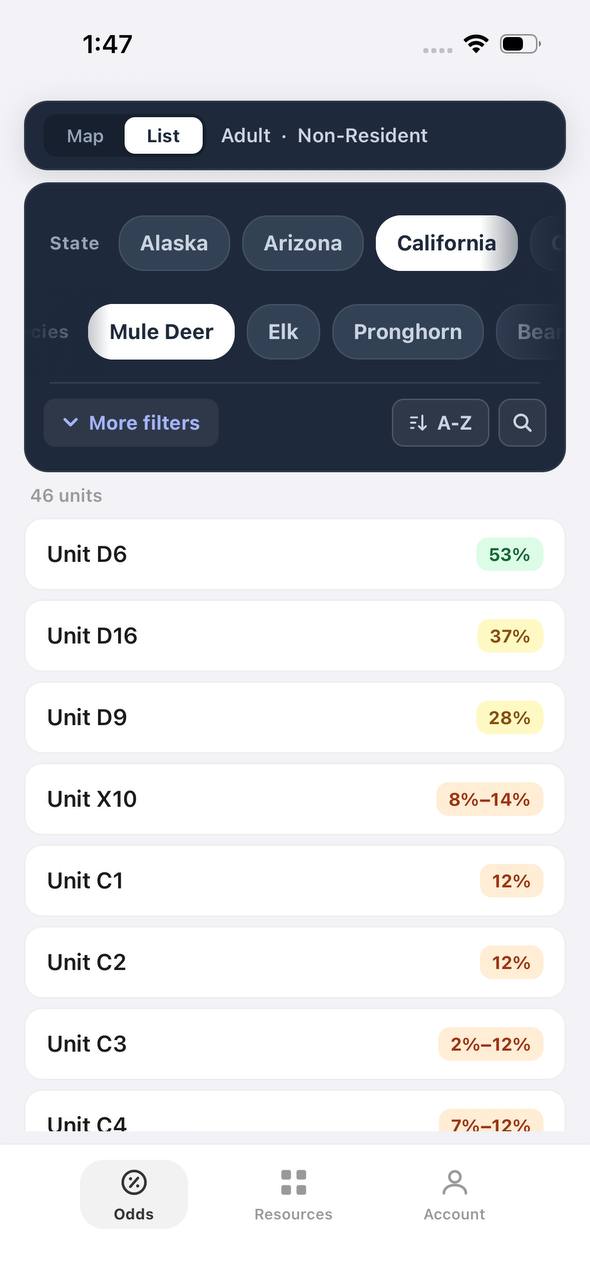
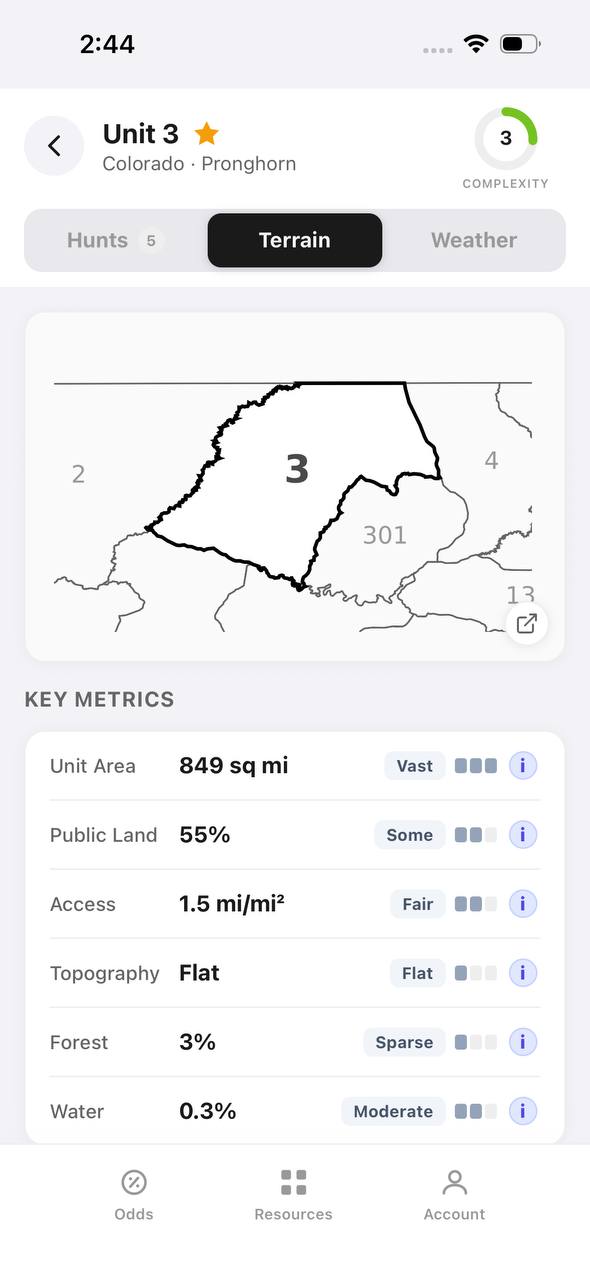
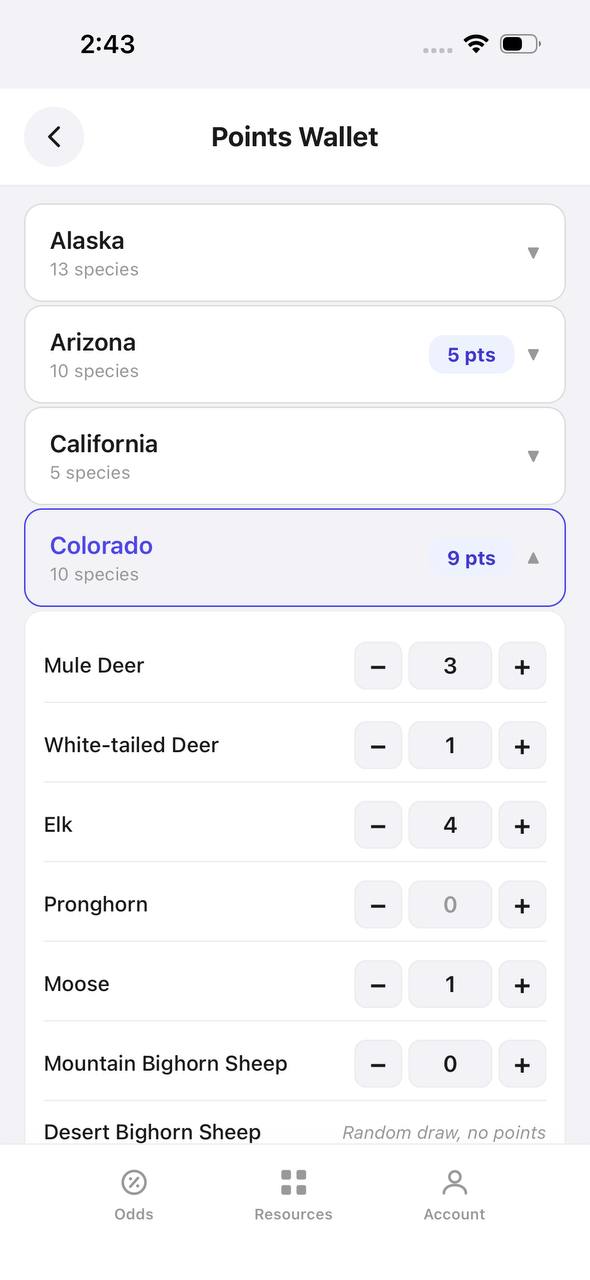
Free to join
Download mobile app
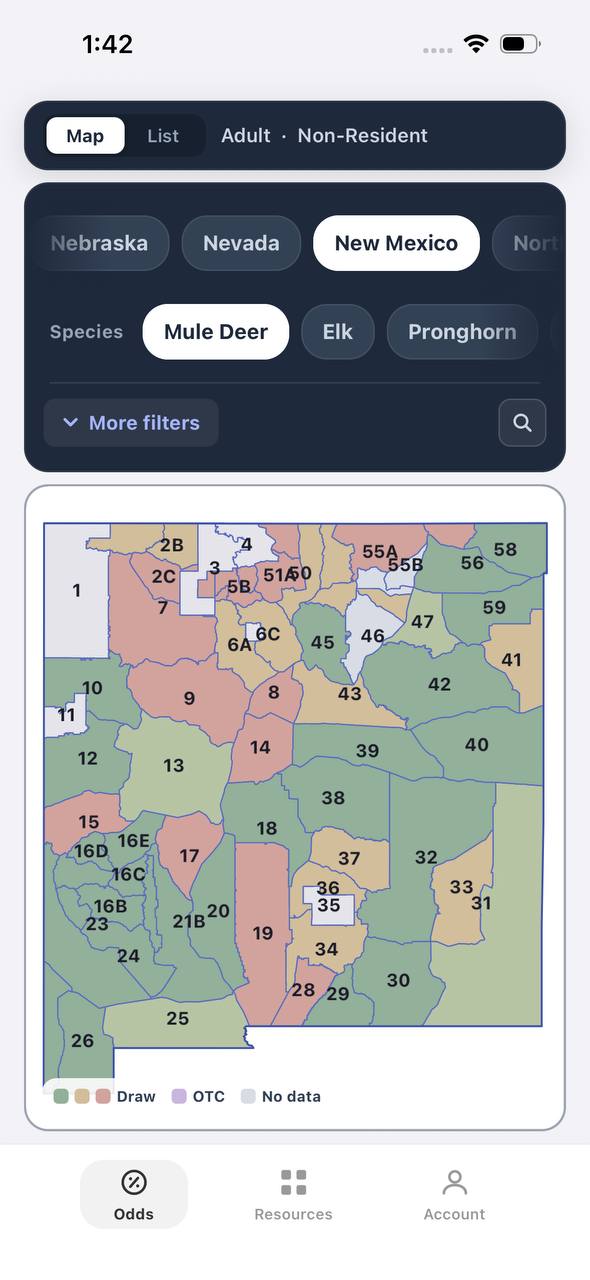
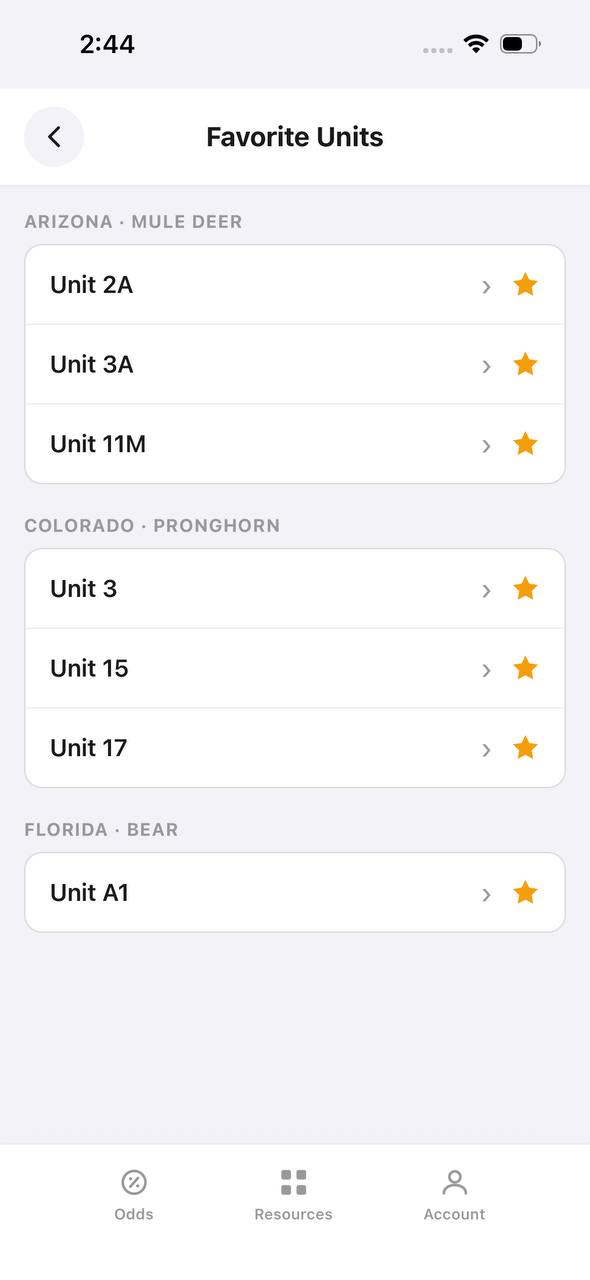
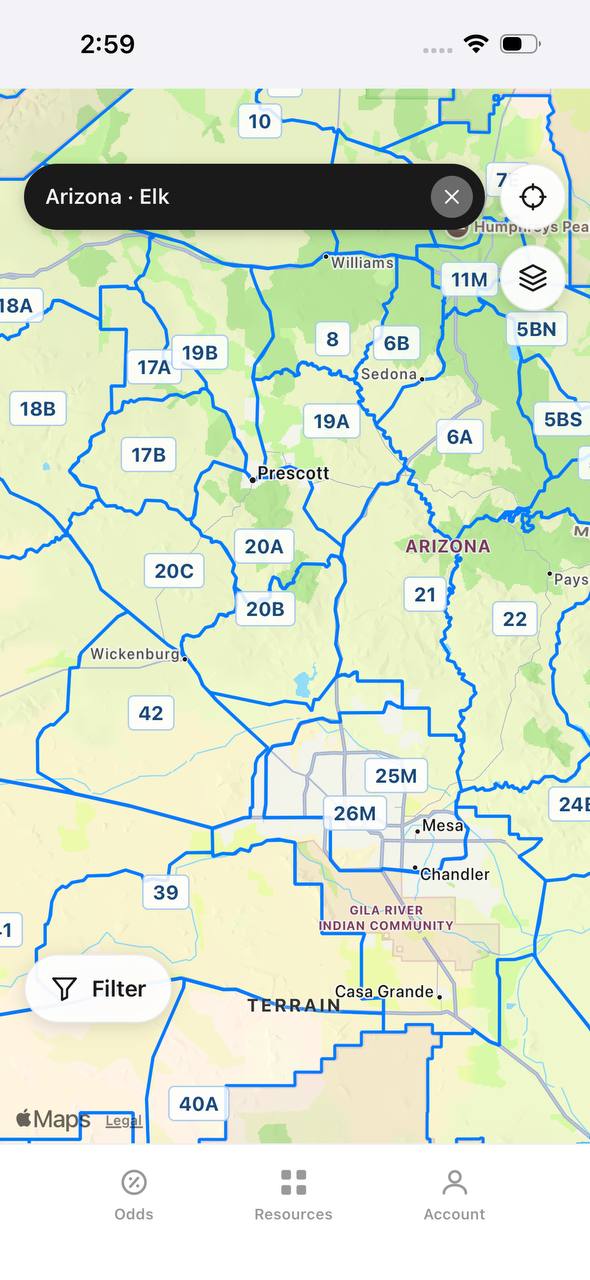
- Detailed draw odds
- Point tracking
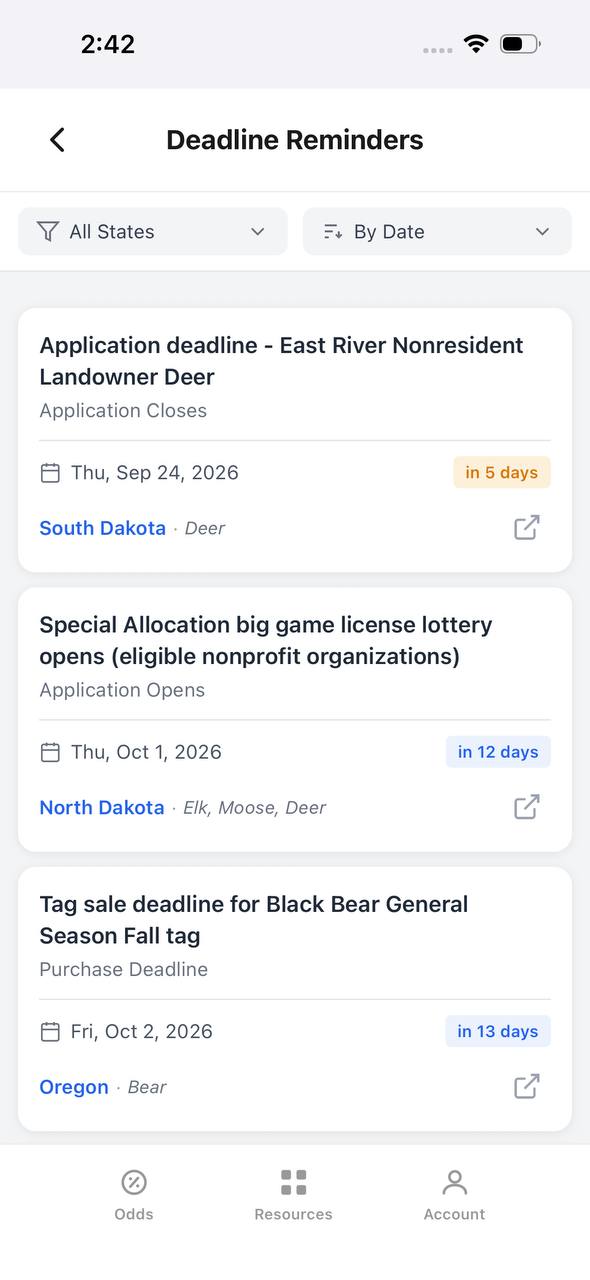
- Deadline reminders
- 18 states covered

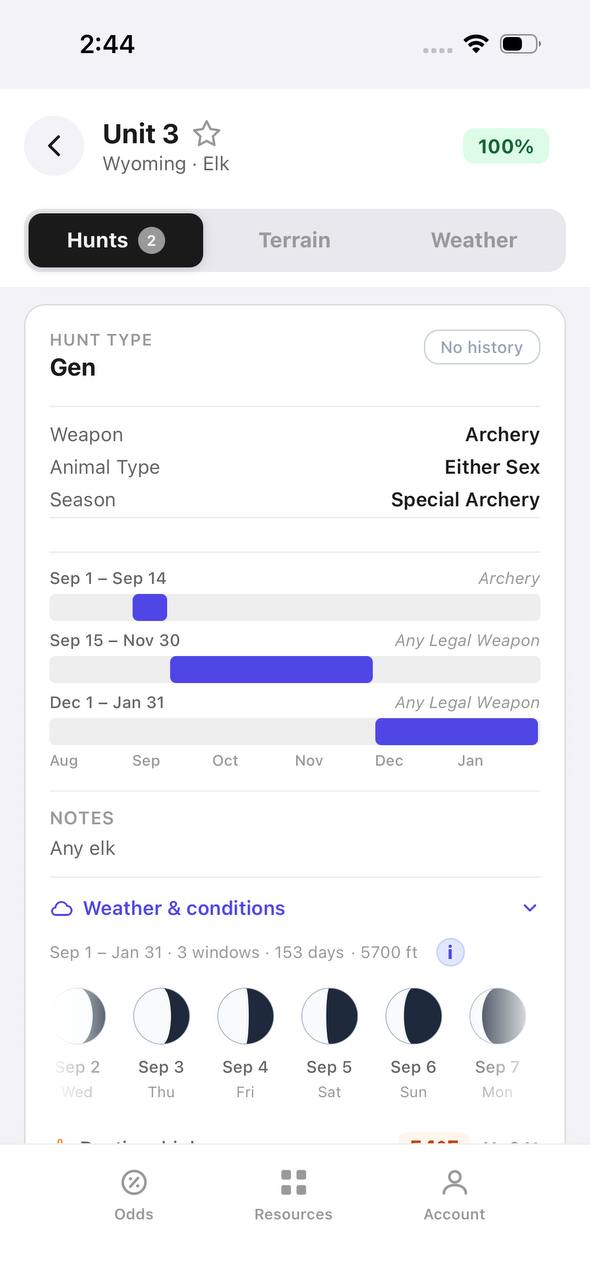

Free to join
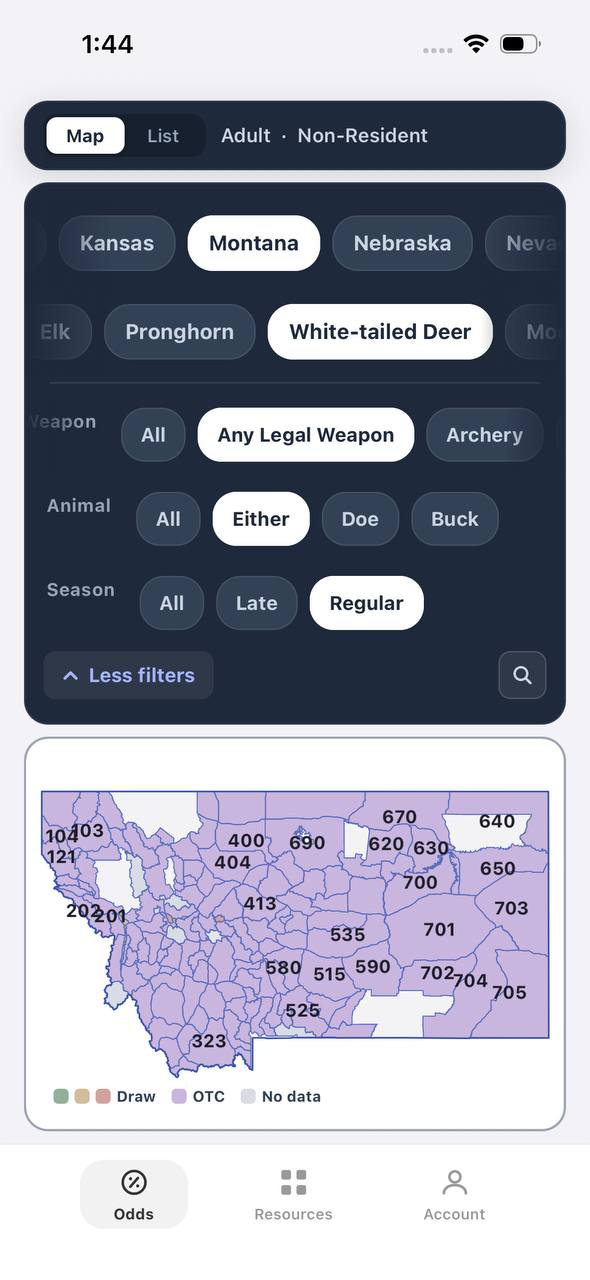
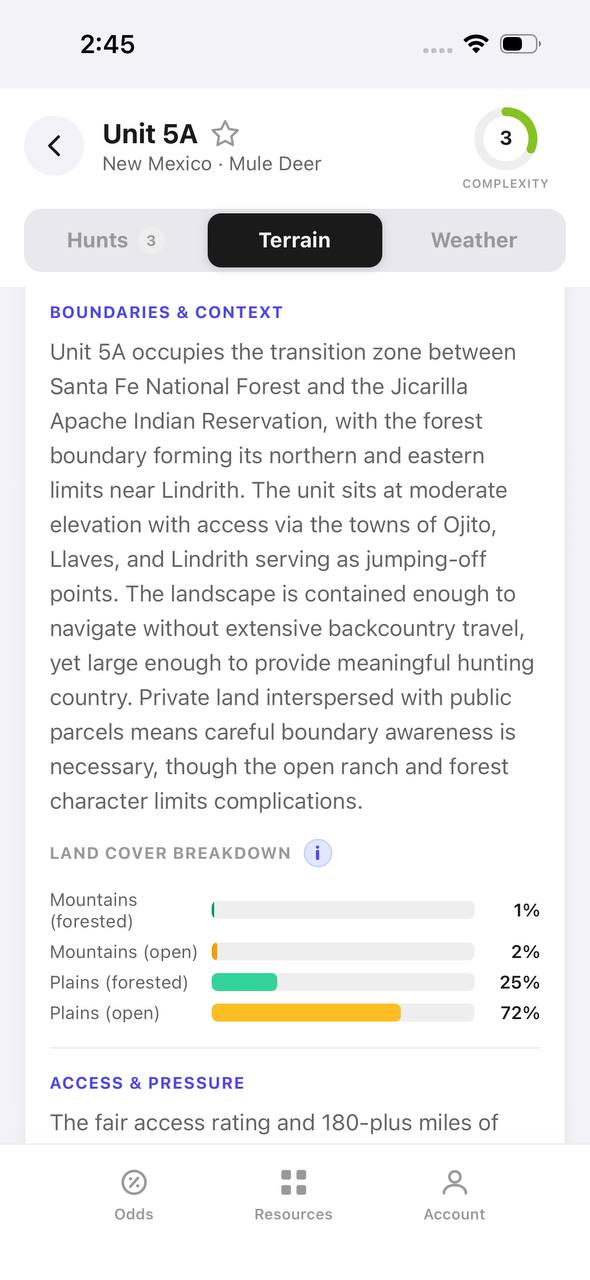
Download mobile app
- Detailed draw odds
- Point tracking
- Deadline reminders
- 18 states covered
Free to join
Download mobile app
- Detailed draw odds
- Point tracking
- Deadline reminders
- 18 states covered

Practical Considerations for Hunt Planning
Weight matters during backcountry hunts where every ounce counts. The Model 21's 6.5 to 7-pound bare rifle weight becomes 8 to 9 pounds once you add a scope, rings, sling, and loaded magazine. This stays manageable for all-day carries up Colorado's steep elk country or Wyoming's rolling pronghorn terrain.
Barrel length runs 24 to 26 inches depending on caliber. The extra length gains velocity in magnum chamberings but becomes cumbersome in thick timber. Hunters who frequently shoot from blinds or dense cover might prefer shorter factory options, while mountain hunters benefit from the velocity and sight radius.
The threaded barrel accommodates suppressors, increasingly popular for western hunters who value hearing protection and recoil reduction. A quality suppressor adds 6 to 10 ounces and 6 to 8 inches of length but transforms shooting comfort, especially in magnum calibers.
Nosler's fit and finish eliminates common break-in issues. Most owners report smooth feeding and reliable extraction from the first range session. The controlled-round feed action handles pointed bullets and heavy-for-caliber loads without feeding issues common in some push-feed designs.
Optics and Accessories
The Model 21's accuracy potential demands quality optics. Most owners pair the rifle with $800 to $2,000 scopes from Leupold, Vortex, or Nightforce. Variable magnification scopes in the 3-15x or 4-16x range balance close-range utility with long-range precision.
Talley or Seekins rings provide repeatable zero and reliable return-to-zero if the scope needs removal for transport. One-piece bases eliminate alignment issues that plague two-piece setups on some actions.
A quality bipod makes sense for hunters who plan shots beyond 300 yards or frequently shoot from prone positions during pronghorn hunts. The Model 21's light weight means recoil becomes more noticeable without a bipod to stabilize the rifle.
Sling selection matters for carrying comfort. A padded sling with quick-adjust capability allows smooth transitions from carry to shooting position. The flush-cup sling mounts accept any modern quick-detach sling without modification.
Long-Term Reliability and Maintenance
Nosler rifles carry a reputation for durability in mountain hunting conditions. The Cerakote finish resists rust and abrasion better than traditional bluing. Carbon fiber stocks do not warp with moisture or temperature changes, maintaining zero through weather swings common during September elk seasons.
Barrel life depends entirely on caliber selection. Conservative chamberings like 6.5 PRC or 7mm Remington Magnum deliver 2,000 to 3,000 rounds of accurate life. Hot magnums like 28 Nosler or 300 RUM drop to 800 to 1,500 rounds before accuracy degrades. For hunters who shoot 50 to 100 rounds annually, even fast-burning cartridges last decades.
Cleaning follows standard centerfire rifle procedures. The hand-lapped barrel breaks in quickly, usually within 20 to 30 rounds. After that, cleaning every 40 to 60 rounds maintains accuracy. Copper fouling builds more slowly in lapped barrels than in factory rifles, reducing maintenance frequency.
Nosler's warranty covers defects but not normal wear. Owners report responsive customer service when issues arise, though quality control catches most problems before rifles ship.
Who Should Buy the Model 21
The Nosler Model 21 makes sense for hunters who reload, shoot regularly at extended ranges, or pursue limited-entry tags where equipment confidence matters. If you practice enough to exploit sub-MOA accuracy, the rifle delivers measurable advantages over budget factory options.
Hunters who shoot factory ammunition exclusively might not see full value from the hand-lapped barrel and blueprinted action. Quality factory rifles from Tikka or Bergara shoot well enough for most hunting scenarios at significantly lower cost.
The Model 21 works particularly well for hunters consolidating their rifle battery. The accuracy and reliability support use across multiple species and hunt types without compromise. One rifle in 6.5 PRC or 7mm Remington Magnum handles mule deer, elk, and pronghorn across western states.
Serious backcountry hunters appreciate the balance between weight and shootability. The Model 21 carries comfortably all day but remains steady enough for precise shots when opportunities arise. This balance matters during September elk hunts where rifles might travel ten miles before a shot.
FAQ — Nosler Model 21
What makes the Nosler Model 21 different from factory rifles?
Hand-lapped barrels, blueprinted actions, and sub-MOA accuracy guarantees separate the Model 21 from standard factory rifles. Every rifle undergoes individual quality control before shipping.
What caliber should I choose for elk and mule deer?
The 6.5 PRC balances performance and recoil for most hunters. The 7mm Remington Magnum or 300 Winchester Magnum deliver more energy for large bulls at extended range or steep angles.
Is the Model 21 worth the price compared to custom rifles?
Yes, if you want custom-level accuracy without the wait or full custom pricing. The Model 21 delivers 80 percent of custom rifle performance at 50 percent of the cost with immediate availability.
How much does the Model 21 weigh with a scope?
Expect 8 to 9 pounds total with a mid-weight scope, rings, sling, and loaded magazine. Bare rifle weight runs 6.5 to 7 pounds depending on configuration.
Does the Model 21 shoot factory ammunition accurately?
Yes. Most rifles shoot Nosler Trophy Grade and quality factory loads into 0.5 to 0.75 MOA groups. Handloads typically tighten groups to 0.3 to 0.5 MOA with load development.
What barrel life should I expect from magnum calibers?
Conservative magnums like 7mm Remington Magnum last 2,000-plus rounds. Hot cartridges like 28 Nosler deliver 800 to 1,200 rounds of accurate barrel life before replacement becomes necessary.
Was this article helpful?
Previous
Best Camp Pillows for Western Hunters — Field-Tested Picks for Backcountry & Truck Camping
A good camp pillow makes the difference between restless nights and waking up ready to hunt. We break down the best options for weight-conscious backpackers and truck campers who refuse to sacrifice sleep quality in the field.
Related
How to Survive an Unexpected Night in the Mountains: A Hunter's Guide
Every western hunter should know how to survive an unplanned night in the backcountry. This guide covers shelter, fire, signaling, and the critical gear that keeps you alive when plans fall apart.

Next
How to Stay Warm During Late-Season Hunts Without Overheating
Late-season hunts demand a layering system that keeps you warm on stand and cool while hiking. Learn how to build the right kit and avoid sweat-induced hypothermia when temperatures drop below freezing.