How to Survive an Unexpected Night in the Mountains: A Hunter's Guide

Getting caught overnight in the mountains happens faster than most hunters expect. A twisted ankle two miles from camp, an elk chase that runs past dark, or a sudden weather shift can transform a routine hunt into a survival situation. The difference between a cold, uncomfortable night and a genuine emergency comes down to preparation and knowledge.
The Reality of Backcountry Emergencies
Most hunters who spend an unplanned night in the mountains are not lost. They know roughly where they are but cannot safely navigate out in darkness, injury has slowed their pace, or conditions have made travel dangerous. The immediate threat is not starvation or wildlife. It is hypothermia. Your body loses heat 25 times faster when wet, and nighttime temperatures in elk country regularly drop 30-40 degrees from afternoon highs. Even a September hunt can turn deadly if you are unprepared.
The survival priority sequence is simple: shelter, fire, signal, water, food. Most hunters who die in the backcountry succumb to exposure within the first 12 hours. Food and water matter for multi-day scenarios, but your first night demands focus on staying warm and visible.
Essential Survival Gear Every Hunter Should Carry
Your everyday hunting pack should include a survival kit that weighs under two pounds. This is not optional gear for extended trips. This is the baseline for any solo hunt more than an hour from your truck.
Carry a space blanket or emergency bivy. The reflective mylar versions weigh two ounces and reflect up to 90% of body heat. A bivy sack provides better wind protection and is worth the extra four ounces. Add a lighter and waterproof matches in separate locations. Redundancy matters when your core temperature drops and fine motor skills fail.
Pack 50 feet of paracord, a headlamp with extra batteries, a whistle, and a small roll of duct tape. Include a basic first-aid kit with athletic tape, ibuprofen, and treatment for blisters. Throw in two energy bars you actually like eating. When you are cold and stressed, forcing down a bar you hate is harder than it sounds.
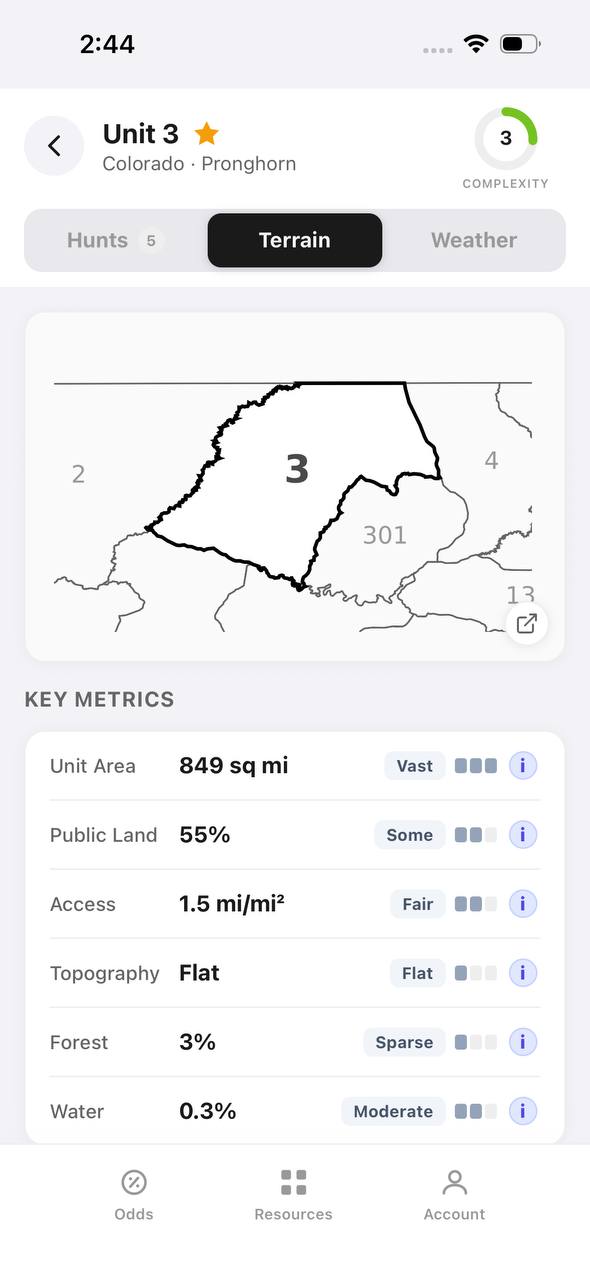
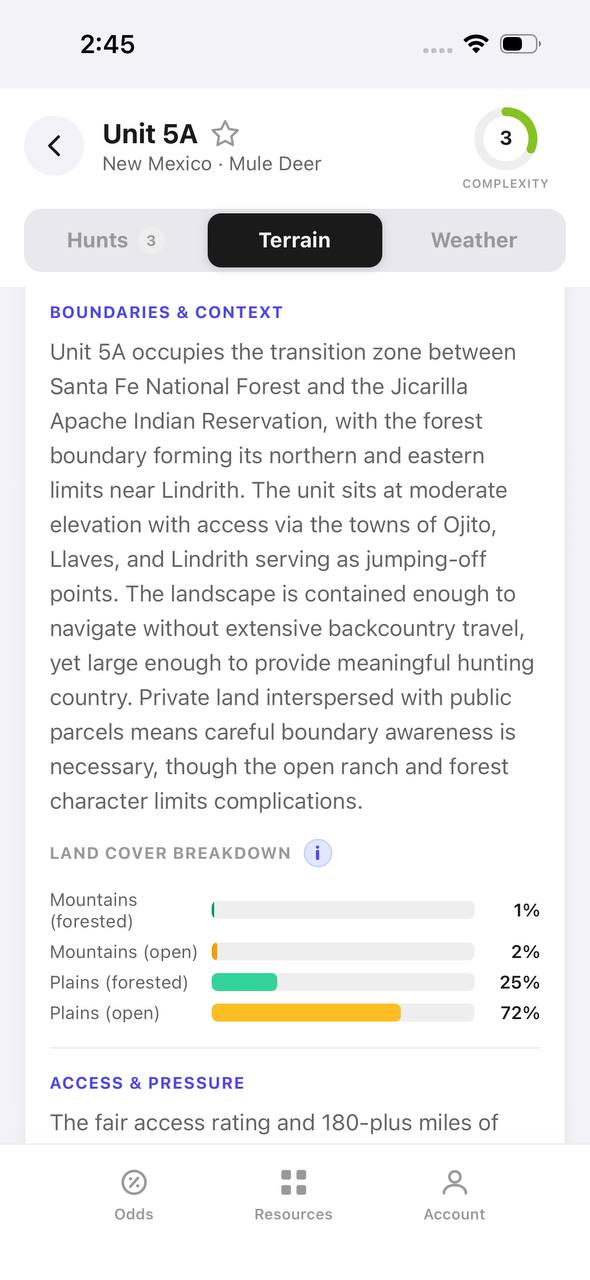
TAGZ helps you research unit terrain and difficulty before you hunt, so you can assess what gear level matches the country you are entering. Understanding elevation changes, distance from roads, and terrain type informs smarter packing decisions.
Building an Emergency Shelter
Your first task is getting out of the wind. Even a 10 mph breeze dramatically accelerates heat loss. Look for natural windbreaks like rock overhangs, dense tree clusters, or the lee side of ridges. Avoid valley bottoms where cold air pools and drainage channels that could flash flood in rain.
If you have a space blanket, create a reflector wall behind your position using your pack, branches, or rocks to hold it upright. Sit with your back to the reflector and a fire in front of you. This setup bounces heat back toward your body instead of losing it to open air.
Without a blanket, build a debris hut using deadfall. Create an A-frame skeleton with a ridgepole and ribs, then pile on pine needles, leaves, and branches until the walls are 18 inches thick. The entrance should face away from prevailing wind. Stuff the interior with dry vegetation for insulation. A properly built debris hut traps body heat effectively, but construction takes 2-3 hours. Start building well before dark.
In snow, dig a trench parallel to the wind and roof it with branches, then cover those with packed snow. Insulate the floor with pine boughs. A snow trench is faster than a debris hut and warmer than sitting exposed.
Starting and Maintaining a Fire
Fire provides warmth, morale, and a visible signal. Gather three times more wood than you think you need before darkness falls. Collect materials in three categories: tinder that ignites with a spark (dry grass, birch bark, pine needles), kindling the diameter of a pencil, and fuel wood as thick as your wrist.
Clear a fire pit down to mineral soil to prevent runaway spread. Build a platform of dry sticks if the ground is wet or snow-covered. Arrange tinder in a loose nest, then construct a teepee of kindling around it with gaps for airflow. Light the tinder from the upwind side and add kindling gradually as flames establish. Once kindling burns steadily, add fuel wood in a crisscross pattern.
If conditions are wet, look for standing deadwood rather than downed timber. The inside of a fallen log may be dry even when the outside is soaked. Use your knife to shave dry shavings from the core. Birch bark burns even when damp. Conifer pitch makes excellent fire starter—scrape it into a small pile and ignite.
Keep your fire small and manageable. A bonfire wastes energy gathering wood and creates sparks that could ignite surrounding vegetation. A controlled fire the size of a basketball produces sufficient heat for one person and burns wood slowly.
Free to join
Download mobile app
- Detailed draw odds
- Point tracking
- Deadline reminders
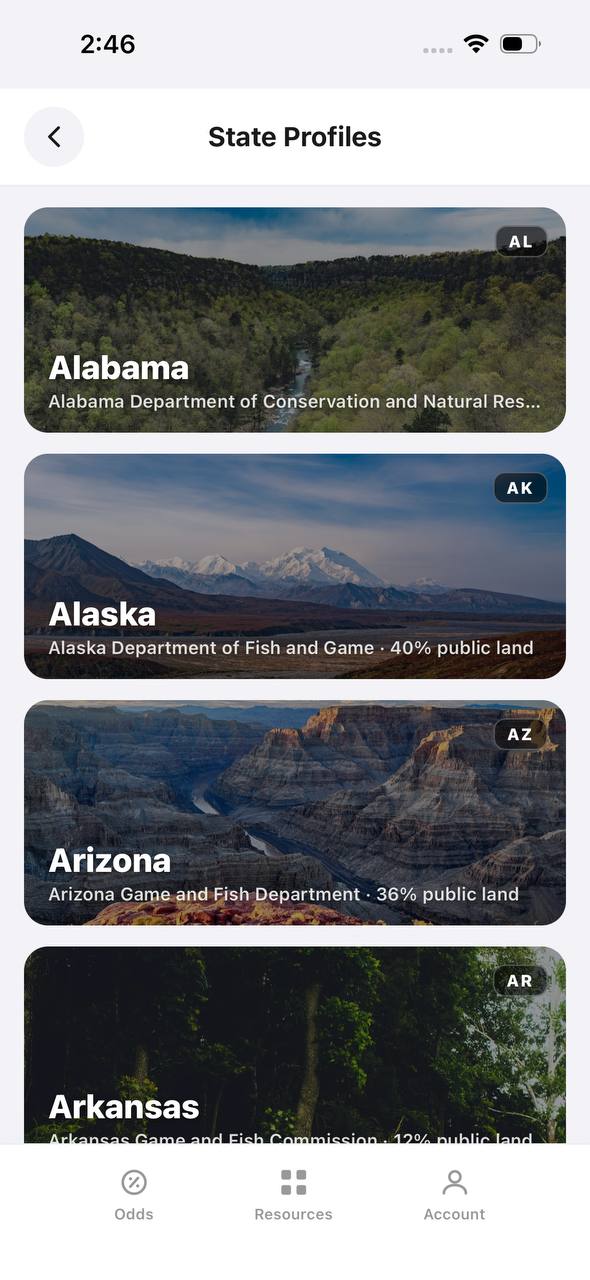
- 18 states covered

Free to join
Download mobile app
- Detailed draw odds
- Point tracking
- Deadline reminders
- 18 states covered
Free to join
Download mobile app
- Detailed draw odds
- Point tracking
- Deadline reminders
- 18 states covered
Signaling for Help
If someone knows your hunting area and expected return time, they will start searching within 12-24 hours. Make yourself visible and audible.
Three of anything signals distress: three whistle blasts, three fires in a triangle, three flashes of light. A whistle carries farther than your voice and requires less energy. Blow three sharp blasts, pause one minute, repeat. Sound travels farthest in early morning and evening when air is stable.
Your fire produces smoke during the day and light at night. Add green vegetation to create white smoke visible for miles. At night, keep the fire bright and build it in an open area rather than under tree cover where the canopy blocks visibility.
If you hear a helicopter or aircraft, signal with your space blanket, bright clothing, or a signal mirror. Lay materials in an X pattern on the ground. Movement attracts attention—wave both arms overhead in a sweeping motion.
Staying Warm Through the Night
Hypothermia kills through progressive stages. Mild hypothermia starts with shivering and cold extremities. Moderate hypothermia brings confusion, slurred speech, and loss of coordination. Severe hypothermia stops shivering as the body shuts down. Recognize the signs early and act aggressively to rewarm.
Layer every piece of clothing you have, even if it means wearing your rain jacket over your puffy. Cover your head—you lose up to 40% of body heat through an uncovered head. Keep your hands inside your jacket against your core rather than in gloves. Remove wet socks, wring them out, and put them back on. Wet socks are better than bare feet on cold ground.
Do not sit directly on frozen or wet ground. Insulate yourself with your pack, a pile of vegetation, or your jacket turned inside out. Eat one of those energy bars. Your body burns calories producing heat, and digesting food generates warmth.
Stay awake if possible, especially if you are alone and hypothermic. Falling asleep in severe hypothermia can become permanent. If you must rest, set an alarm to wake every 30 minutes and move around to generate heat.
What to Do at First Light
As soon as you have visibility, reassess your situation. If you are uninjured and conditions allow safe travel, navigate out using landmarks and your GPS if you have one. If you are injured or weather remains dangerous, stay put and continue signaling. Searchers will find a stationary target faster than one trying to self-rescue while disoriented.
Before you move, mark your overnight location with something visible from the air—a large X made from branches, rocks, or gear. If searchers find your initial position, they can track your direction of travel.
Conserve energy. Panic and overexertion accelerate heat loss and cloud judgment. Move deliberately. If you are in a drainage, follow water downhill. Drainages lead to roads and civilization, though the route may be longer than a direct line.
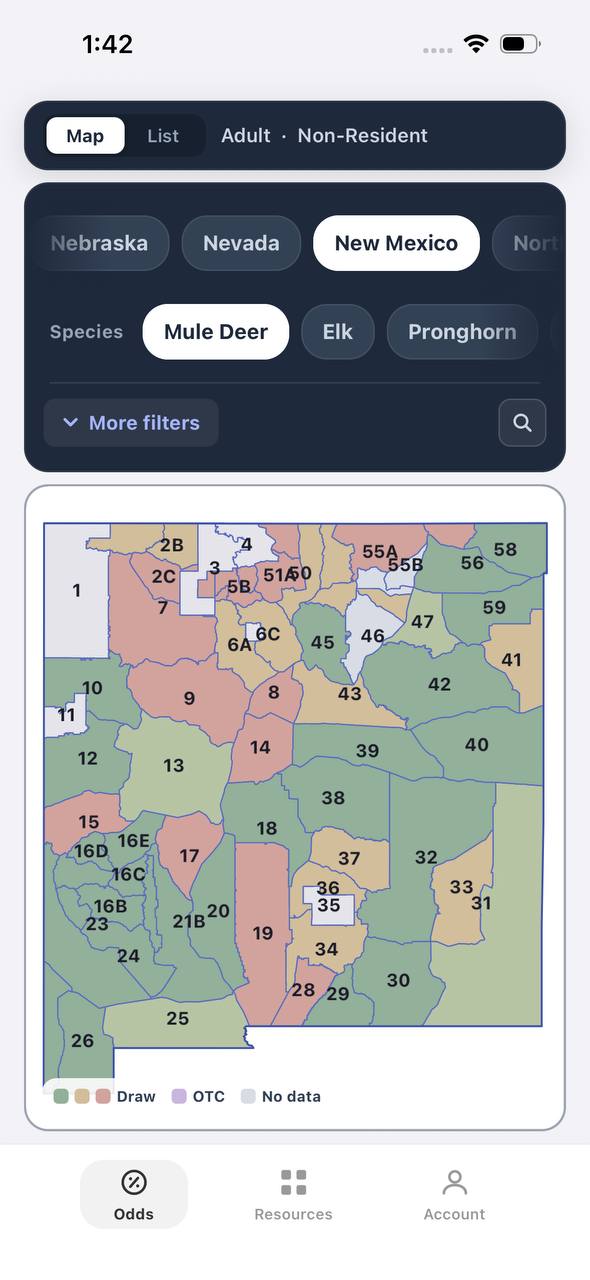
TAGZ unit maps show road access points and terrain features that help you visualize exit routes before you hunt. Knowing where the nearest trailhead sits relative to the ridge you are hunting reduces guesswork during a real emergency.
Preventing the Situation Entirely
The best survival scenario is the one you avoid. File a hunt plan with someone reliable. Include your unit, GPS coordinates of camp, vehicle description and location, and expected return time. Check in via text or InReach at predetermined intervals if you have service.
Carry the ten essentials on every hunt: navigation, sun protection, insulation, illumination, first-aid, fire, repair kit, nutrition, hydration, emergency shelter. Do not leave any of these in your truck because the hunt looks easy.
Watch weather obsessively in mountain country. A 20% chance of afternoon thunderstorms in the high country is not a maybe—it is a certainty in localized areas. Turn around early when conditions deteriorate. The elk will be there tomorrow.
Practice fire starting and shelter building at home. The middle of a wet, dark night with numb fingers is not the time to learn whether your lighter works or how to construct a debris hut. Run drills. Time yourself. Build muscle memory.
FAQ — Surviving a Night in the Mountains
What is the most important survival priority if caught overnight in the mountains?
Shelter from wind and precipitation is the top priority. Hypothermia kills faster than dehydration or hunger, and staying dry and out of the wind is critical to maintaining core temperature through the night.
Can you survive a mountain night without a fire?
Yes, if you have proper shelter and insulation. A space blanket or emergency bivy combined with a windbreak and insulated ground layer can keep you alive without fire, though fire adds warmth, morale, and signaling capability.
Should you try to hike out in the dark or wait until morning?
Wait until morning unless you are 100% certain of the route and conditions are safe. Night navigation in the mountains risks falls, further injury, and getting more lost. A controlled overnight is safer than a panicked nighttime scramble.
How long can you survive without water in a mountain survival situation?
Three days is the general rule, but cold temperatures reduce dehydration risk. Your first night focuses on warmth and shelter. Water becomes critical on day two. Melt snow if necessary, but never eat snow directly as it lowers core temperature.
What should you do if you are injured and cannot build a shelter?
Get out of the wind using whatever natural cover exists, even if it is just sitting against a tree or rock. Use your pack as a windbreak and wrap yourself in every piece of clothing and gear you have. Signal continuously with a whistle and conserve energy.
Is it better to stay in one place or try to find help?
Stay put if someone knows your location and expected return time. Moving when injured, disoriented, or in bad weather reduces your chances of being found and increases injury risk. If no one is searching for you and you are uninjured, self-rescue at first light is reasonable.
Continue Planning Your Hunt
Survival preparation is part of responsible hunt planning. Before you apply for tags or head into the backcountry, understand the terrain, access points, and difficulty level of the units you are considering. TAGZ helps you compare units side by side using terrain maps, unit boundaries, and historical draw data. Whether you are chasing OTC tags or planning a trophy limited-entry hunt, TAGZ gives you the tools to make smarter decisions about where to hunt and how to prepare.
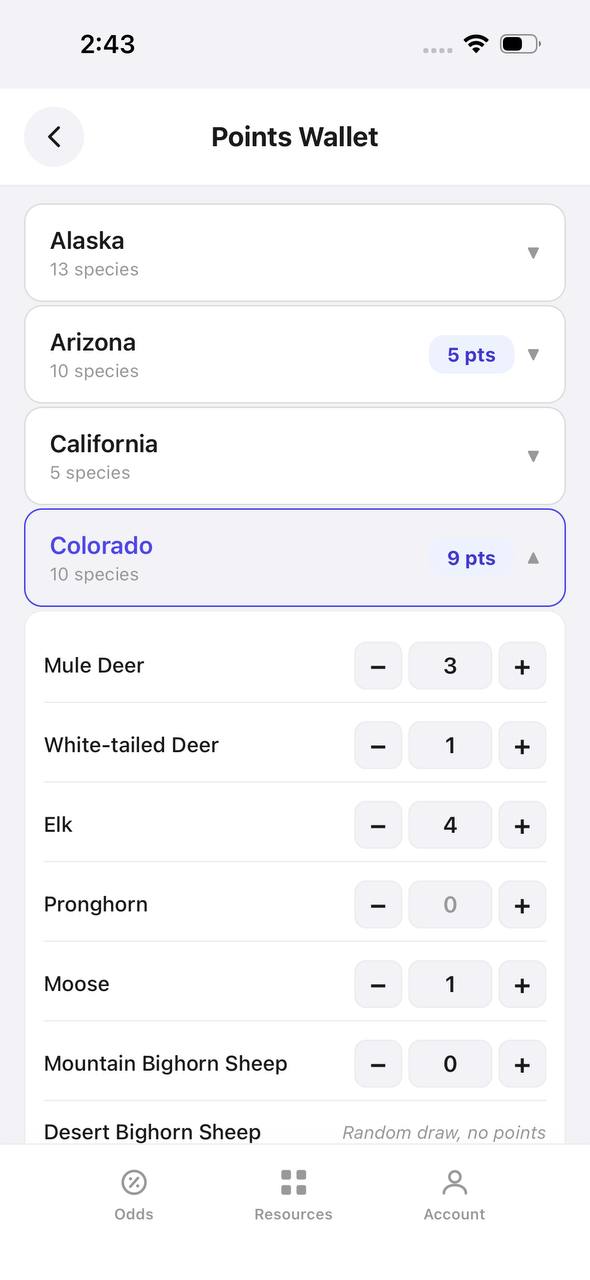
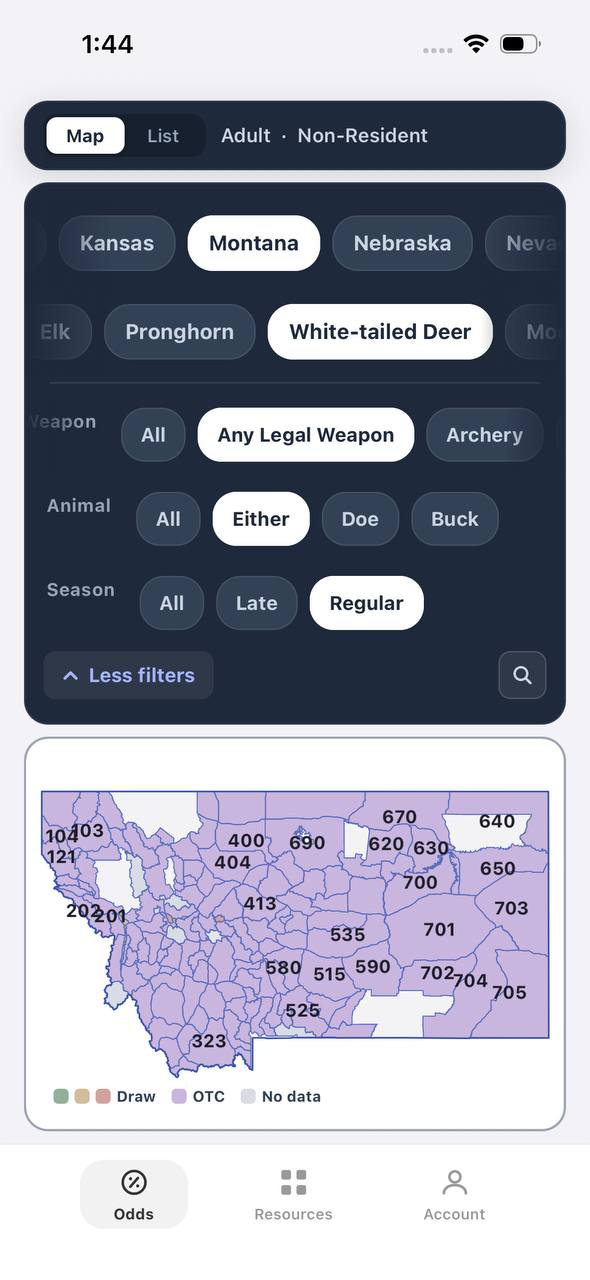
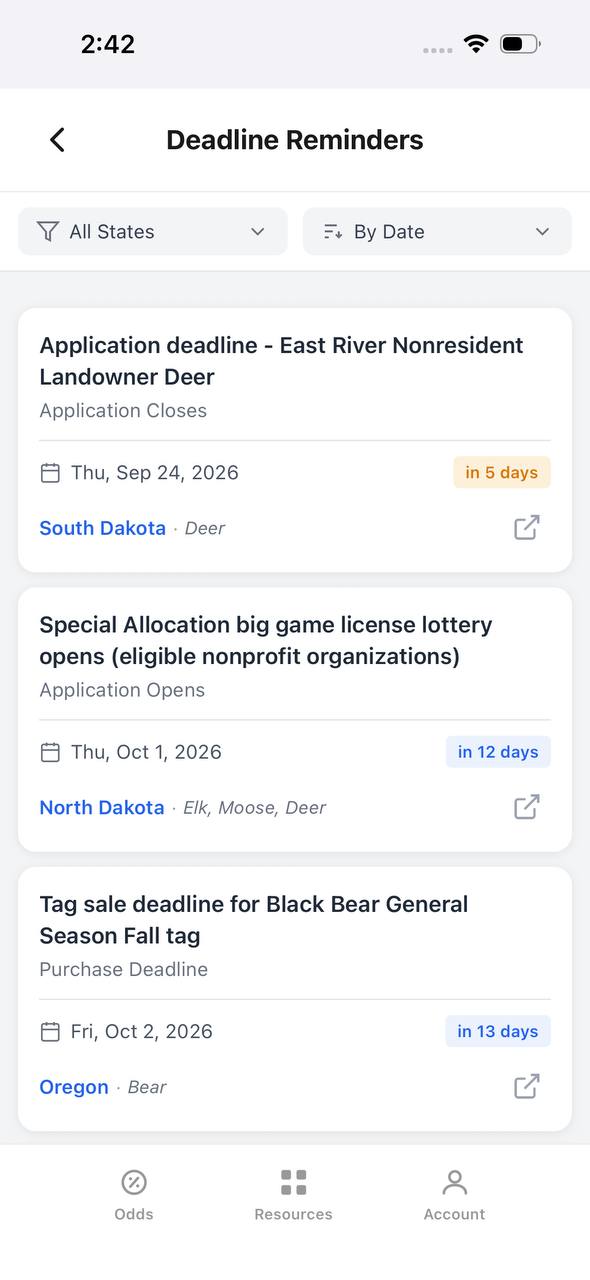
Track your preference points and bonus points across multiple states so you never miss a draw deadline, and use unit filtering by weapon, season, and species to find hunts that match your skill level and risk tolerance. Understanding what you are getting into before you step into the field is the foundation of survival.
Explore the TAGZ Insights blog for more backcountry hunting strategy and safety articles, or learn how the TAGZ platform simplifies western hunt planning from application season through the hunt itself.
Was this article helpful?
Previous
Nosler Model 21 Review: Is This Premium Hunting Rifle Worth It?
The Nosler Model 21 combines custom-rifle accuracy with production-rifle availability, featuring hand-lapped barrels and premium components. We break down performance, specs, and whether the price tag delivers value for western big-game hunters.
Related
Tikka T3x vs Bergara B-14: Which Rifle Delivers More Accuracy for Western Hunters?
The Tikka T3x and Bergara B-14 both offer sub-MOA accuracy at similar price points, but they excel in different hunting scenarios. Here's how to choose between Finland's smoothest action and Spain's match-grade barrel.
Next
Best Camp Pillows for Western Hunters — Field-Tested Picks for Backcountry & Truck Camping
A good camp pillow makes the difference between restless nights and waking up ready to hunt. We break down the best options for weight-conscious backpackers and truck campers who refuse to sacrifice sleep quality in the field.