How to Stay Warm During Late-Season Hunts Without Overheating
Late-season tags put you in the field when most hunters have already tagged out and gone home. Whether you are chasing rutting whitetails in November, hunting leftover Colorado elk tags in December, or glassing pronghorn during Wyoming's late archery season, staying warm becomes as critical as your shooting skills. The challenge is not just cold — it is managing the temperature swings between glassing from a ridgetop at dawn and climbing through timber an hour later.
The hunters who succeed in late-season conditions understand that comfort directly affects performance. You cannot glass effectively when you are shivering. You cannot hike quietly when you are overdressed and sweating. The difference between a productive day and a miserable one often comes down to how well you manage your body temperature from the truck to the kill site.
Start with a Moisture-Wicking Base Layer
Your base layer is the foundation of every late-season system. Cotton kills in cold weather because it holds moisture against your skin. Once you sweat during a hike, cotton stays wet and pulls heat away from your core. A synthetic or merino wool base layer moves moisture away from your skin so it can evaporate in your outer layers.
Merino wool works better than synthetics for most hunters because it resists odor even after multiple days of wear. A 200-weight merino top and bottom gives you enough warmth for temperatures in the teens without overheating during moderate activity. If you are hunting in single digits or below zero, step up to a 250-weight base layer.
Fit matters more than most hunters realize. Your base layer should be snug but not restrictive. Loose fabric creates dead air space that reduces moisture transfer. Tight fabric restricts circulation and makes you colder. Buy your true size and test it on a cold morning hike before your hunt.
Build Your Mid-Layers for Flexibility
Mid-layers provide insulation and give you the flexibility to adjust as conditions change. The best late-season hunters carry multiple mid-layers and add or remove them throughout the day based on activity level and temperature.
A lightweight fleece or synthetic insulated jacket works as your primary mid-layer. This is what you wear while hiking to your glassing spot or stalking through timber. It provides enough warmth to keep you comfortable during moderate activity without causing you to overheat. When you stop moving, you add layers.
A puffy insulated jacket — either down or synthetic — is your stationary layer. This is what you put on when you reach your glassing point, settle into a tree stand, or take a long break. Down provides the best warmth-to-weight ratio in dry conditions. Synthetic insulation works better in wet climates because it retains warmth even when damp.
Some hunters prefer an insulated vest as an additional mid-layer option. A vest keeps your core warm without adding bulk to your arms, which makes it easier to draw a bow or shoulder a rifle. Pack your puffy and wear your vest during early-morning hikes when you need warmth but still plan to move.
Choose an Outer Layer That Blocks Wind and Moisture
Your outer layer is your shield against wind, precipitation, and brush. Late-season weather changes fast. A calm morning can turn into a 30-mph wind by midday. A clear sky can produce snow squalls in minutes. Your outer layer needs to handle whatever the mountain throws at you.
A quality soft-shell jacket works for most late-season hunts. Soft-shells block wind and light precipitation while allowing moisture to escape. They are quieter than hard-shell rain jackets when you brush against vegetation, and they stretch enough to allow full range of motion when drawing a bow or glassing.
If you are hunting in consistently wet conditions or expect heavy snow, pack a waterproof hard-shell jacket. Hard-shells provide complete weather protection but trap more moisture inside. Only put on a hard-shell when conditions require it, and remove it as soon as the weather clears to avoid building up sweat.
Your outer layer pants should follow the same logic. Soft-shell pants work for most conditions. Hard-shell rain pants go over your soft-shells when you need full waterproofing. Some hunters prefer bibs over pants because bibs eliminate the gap at your waist and keep snow out when you are crawling or sitting.
Protect Your Extremities
Your core can be perfectly warm, but if your hands, feet, or head are cold, you will be miserable. Extremities lose heat faster than your torso, and once they get cold, it is hard to warm them back up without returning to the truck.
Start with a merino wool or synthetic beanie that covers your ears. A neck gaiter or balaclava adds another layer of warmth around your face and neck without the bulk of a scarf. Many hunters carry both a lightweight beanie for active periods and a thicker insulated hat for stationary glassing.
Gloves require more thought because you need dexterity to operate optics, range finders, and weapons. A thin merino liner glove works during moderate activity and provides enough feel to pull a trigger or release an arrow. When you stop moving, add an insulated outer glove or mitten. Mittens are warmer than gloves because your fingers share heat, but they limit dexterity. Some hunters use trigger-finger mittens as a compromise.
Boots and socks make or break a late-season hunt. Your boots should be rated for temperatures at least 20 degrees colder than what you expect to encounter. Insulation is measured in grams — 400-gram insulation works for active hunts in the 20s and 30s, 800-gram works for stationary hunts or single-digit temperatures, and 1,000-gram or higher is for extreme cold or all-day stand hunting.
Wear merino wool socks, and make sure your boots are not too tight. Tight boots restrict circulation and make your feet colder. Your toes should have room to wiggle. If your feet sweat during the hike in, change into a dry pair of socks before you start glassing. Wet socks are one of the fastest ways to develop frostbite.
Free to join
Download mobile app
- Detailed draw odds
- Point tracking
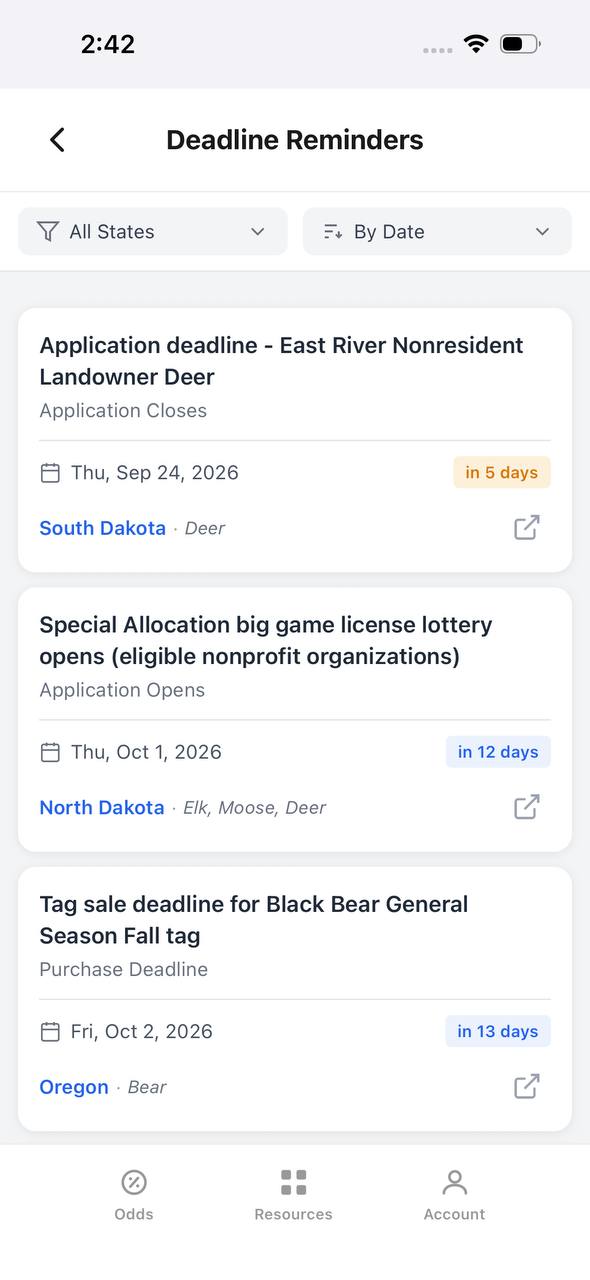
- Deadline reminders
- 18 states covered

Free to join
Download mobile app
- Detailed draw odds
- Point tracking
- Deadline reminders
- 18 states covered
Free to join
Download mobile app
- Detailed draw odds
- Point tracking
- Deadline reminders
- 18 states covered
Manage Sweat During the Hike In
Most hunters dress for the temperature when they leave the truck, then overheat within 15 minutes of hiking. Sweat soaks into your base layer and mid-layers. When you stop moving, that moisture evaporates and pulls heat away from your body. This is how hunters develop hypothermia even when temperatures are above freezing.
The rule is simple — you should feel slightly cold when you start hiking. Dress light enough that you stay cool during the first 10 minutes of walking. Your body will generate heat as you move, and you will warm up quickly. If you are comfortable standing still at the truck, you are overdressed for the hike.
Many experienced hunters hike in wearing only a base layer and a light mid-layer, then add their puffy and outer layers when they reach their glassing spot. Some hunters strip down to just a base layer top for steep climbs, then layer back up during breaks. Carry your extra layers in your pack, and do not put them on until you stop moving.
Vent your layers during the hike. Unzip your jacket. Roll up your sleeves. Open the pit zips on your soft-shell. Every bit of airflow helps moisture escape before it saturates your clothing. When you stop for a break, put on a dry mid-layer before your sweat-soaked base layer starts to cool.
Pack Backup Layers and Emergency Gear
Late-season hunts go wrong fast. Weather changes. Trails disappear under fresh snow. A quick afternoon scout turns into an unplanned overnight when you lose light tracking an elk. The hunters who stay warm are the ones who pack for the worst-case scenario.
Carry at least one extra mid-layer in your pack. If your primary mid-layer gets wet from sweat or precipitation, you need a dry layer to maintain core warmth. A lightweight down or synthetic puffy jacket packs small and provides emergency insulation if you get stuck overnight.
Pack an emergency bivy or space blanket. These weigh almost nothing and can save your life if you are forced to spend a night in the backcountry. A bivy provides wind protection and reflects body heat back to you. A space blanket does the same and folds down to the size of a deck of cards.
Hand and toe warmers are cheap insurance. Toss a few packets in your pack. If your fingers or toes start going numb, activate a warmer and put it inside your glove or boot. Warmers last six to eight hours and can prevent frostbite during long glassing sessions or unexpected cold snaps.
Eat and Hydrate to Maintain Core Temperature
Your body is a furnace, and food is the fuel. When you stop eating, your core temperature drops. Late-season hunters burn more calories than they realize because their bodies are working constantly to generate heat. If you are not eating every two hours, you are getting colder.
Pack high-calorie foods that are easy to eat with gloves on. Nuts, jerky, energy bars, and trail mix do not freeze and provide quick energy. Avoid foods with high water content like fresh fruit — they freeze solid and are useless in cold weather. Some hunters carry packets of nut butter or honey for fast calories when they need a boost.
Dehydration makes you colder. When you are dehydrated, your blood thickens and circulates more slowly, which reduces heat transfer to your extremities. Drink water even when you are not thirsty. Keep your water bottle or hydration bladder insulated or inside your jacket to prevent it from freezing. Some hunters use insulated bottles with wide mouths that are easier to drink from with gloves on.
Hot drinks provide an immediate psychological boost and raise your core temperature. A thermos of coffee, tea, or hot chocolate is worth the extra weight. Drink it during long glassing sessions or when you are starting to feel cold. The warmth spreads through your core and reminds your body that it is okay to keep generating heat.
Recognize the Signs of Hypothermia
Hypothermia is not just an extreme cold problem. It happens in temperatures as high as 50 degrees when you are wet and wind-exposed. The danger with hypothermia is that it sneaks up on you. By the time you realize you are hypothermic, your judgment is already impaired and you are less capable of fixing the problem.
Early signs of hypothermia include uncontrollable shivering, confusion, slurred speech, and poor coordination. If you or your hunting partner start showing these symptoms, stop hunting immediately. Get out of the wind, change into dry clothes, eat high-calorie food, and drink warm liquids. If symptoms worsen, activate an emergency beacon or call for help.
Prevention is always easier than treatment. Monitor yourself throughout the day. If you start feeling colder than you should, stop and add a layer. If your fingers or toes go numb, warm them up before they progress to frostbite. Do not push through discomfort hoping it will get better on its own.
FAQ — Late-Season Layering
What is the best base layer material for cold-weather hunting? Merino wool outperforms synthetics for most hunters because it regulates temperature better, resists odor, and stays warm even when damp. A 200-weight merino base layer works for most late-season conditions.
How do I avoid sweating during the hike to my hunting spot? Dress light enough to feel slightly cold when you start hiking. Wear only your base layer and a light mid-layer, then add your insulated layers once you stop moving. Vent your jacket and use pit zips to release heat.
Are down jackets or synthetic jackets better for late-season hunts? Down provides better warmth-to-weight ratio in dry conditions. Synthetic insulation is better in wet climates because it retains warmth when damp. Most western hunters choose down for high-country hunts and synthetic for coastal or wet-weather hunts.
How much boot insulation do I need for hunting in 20-degree weather? For active hunts where you are hiking most of the day, 400-gram insulation works in the 20s. For stationary hunts like stand hunting or long glassing sessions, step up to 800-gram insulation.
What should I do if my hands or feet go numb during a hunt? Stop immediately and warm them up. Activate hand or toe warmers and place them inside your gloves or boots. Do not ignore numbness — frostbite can develop quickly in extreme cold.
Do I need waterproof pants for late-season hunts? Soft-shell pants handle most conditions, but carry waterproof rain pants in your pack for heavy snow or rain. Put them on over your soft-shells only when conditions require full waterproofing to avoid trapping moisture inside.
Continue Planning Your Hunt
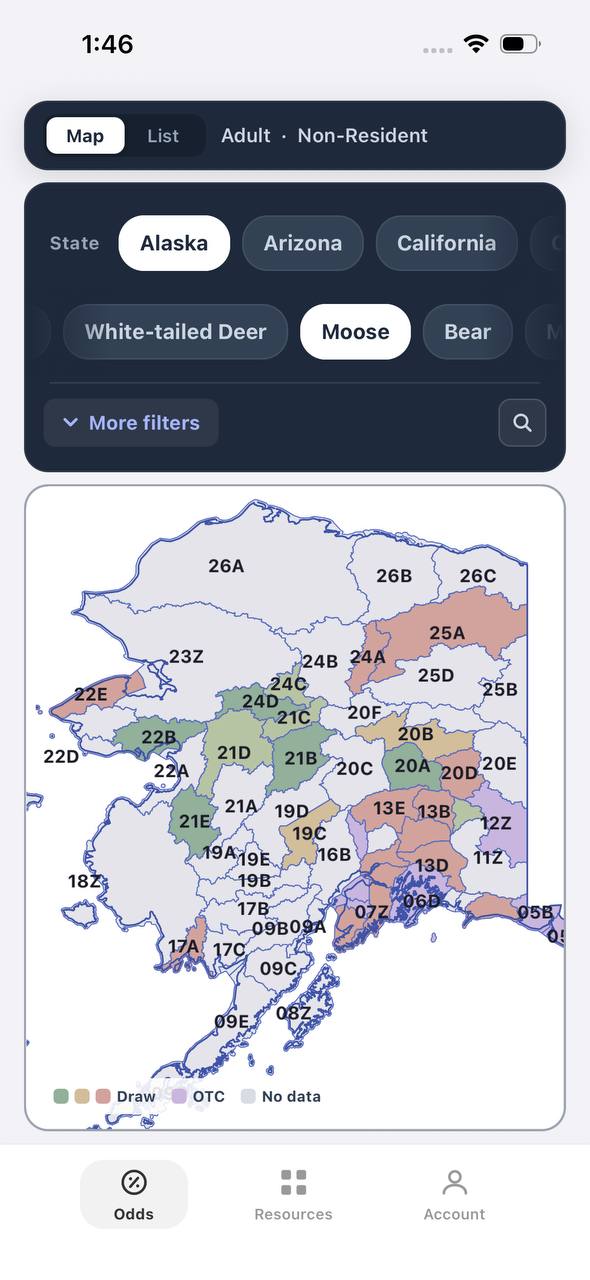
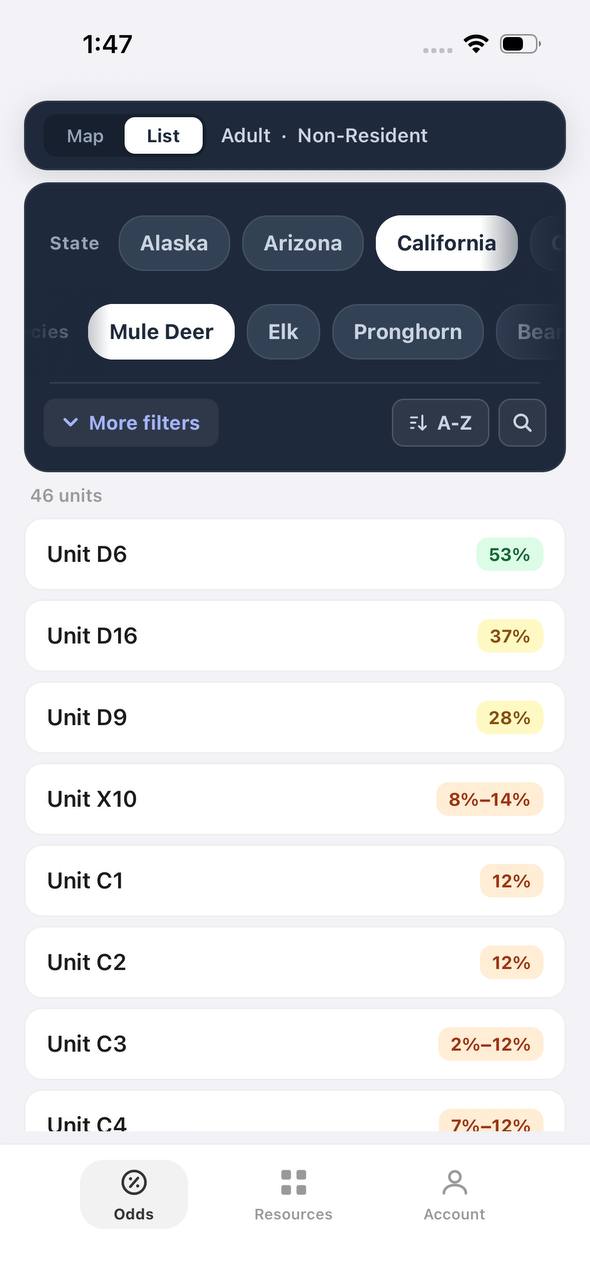
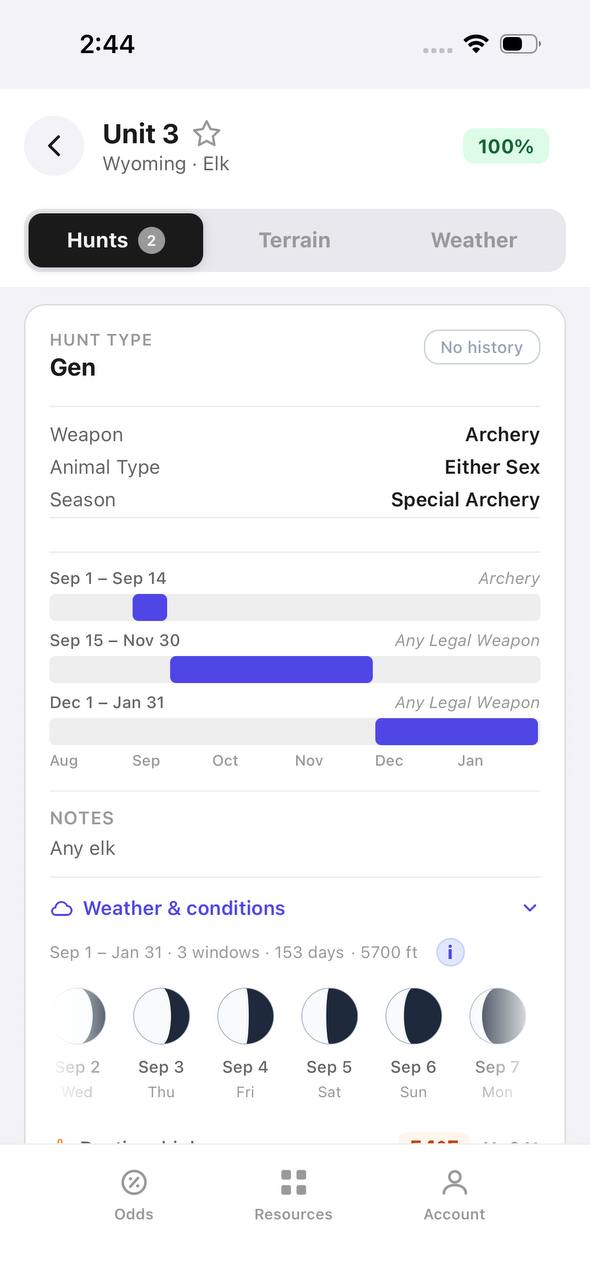
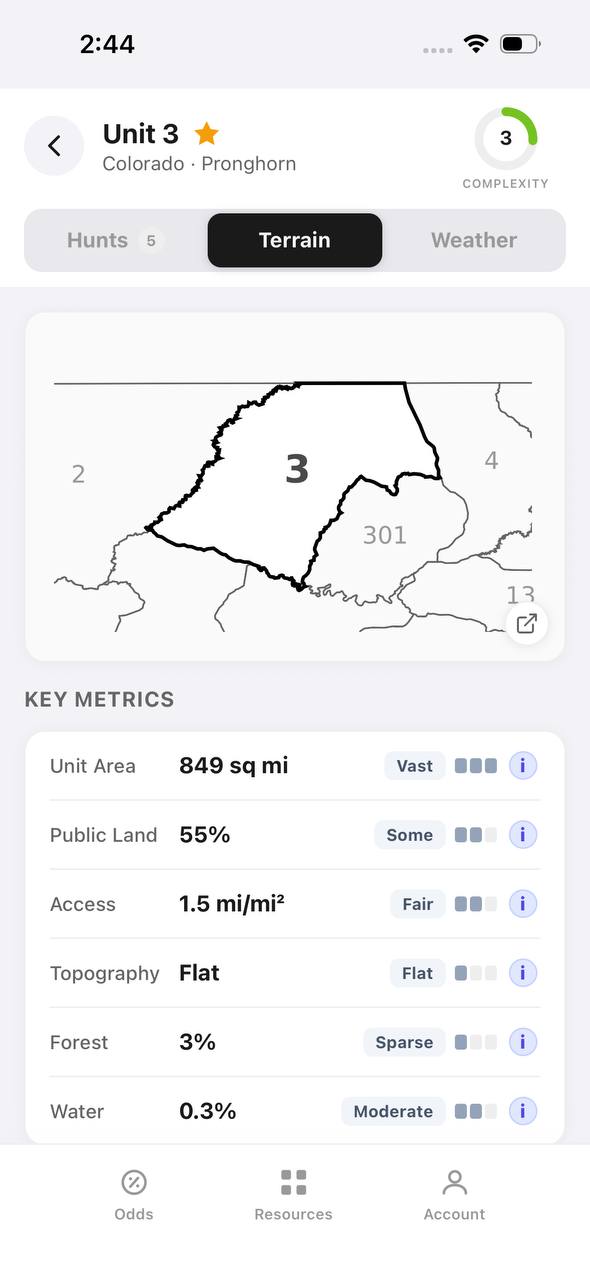
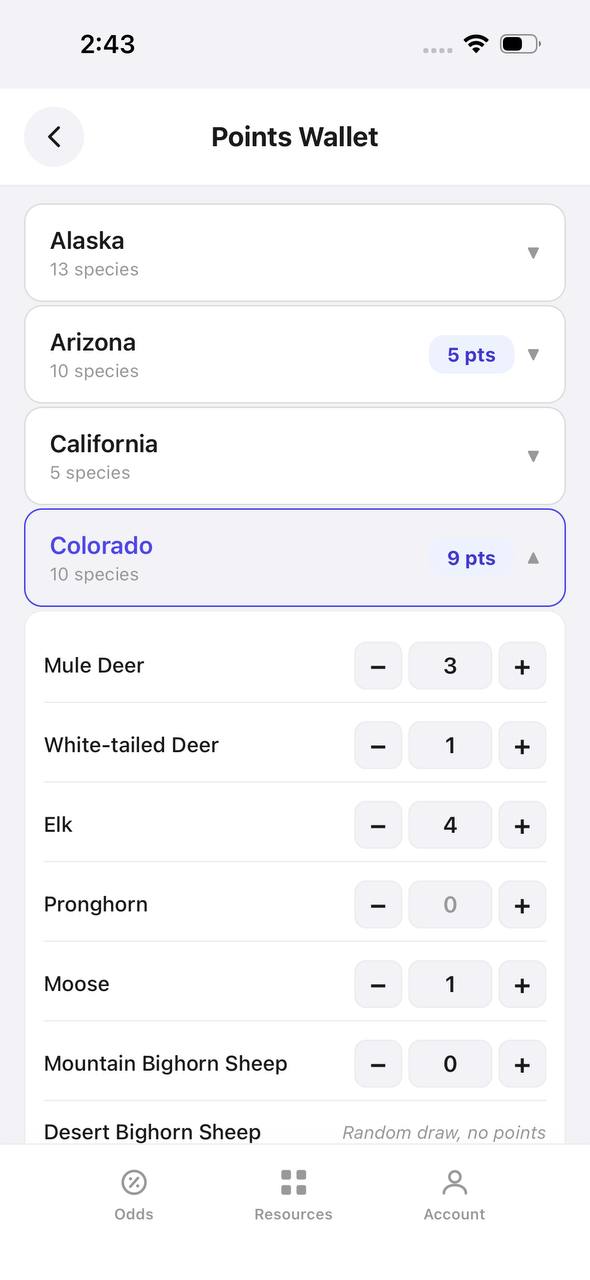
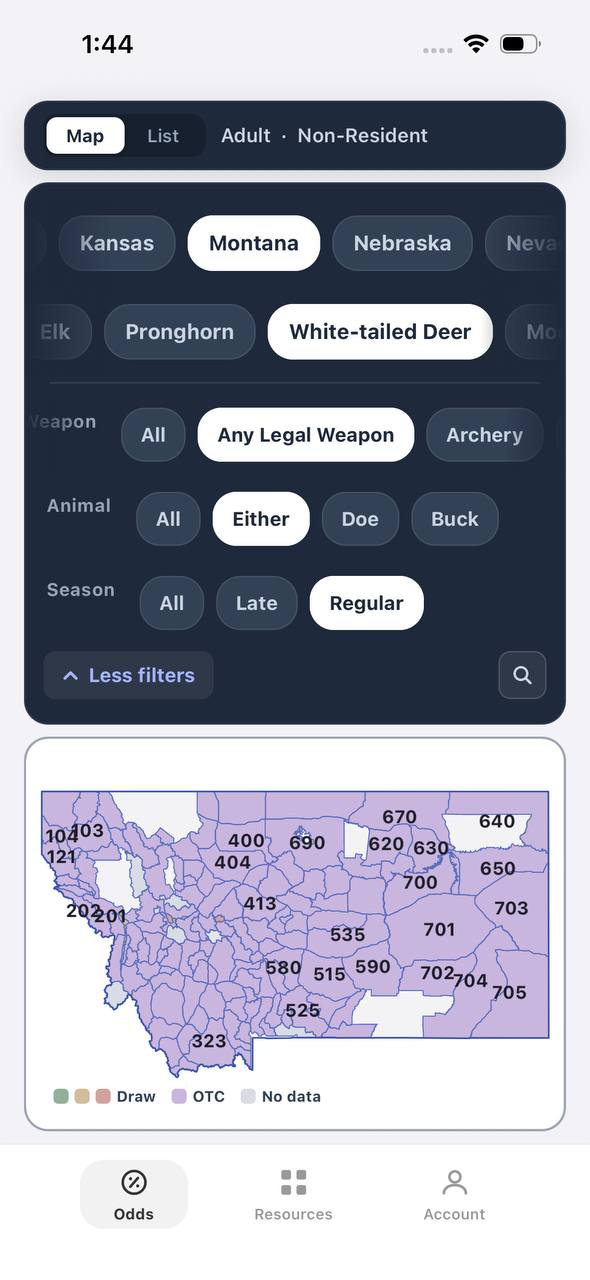
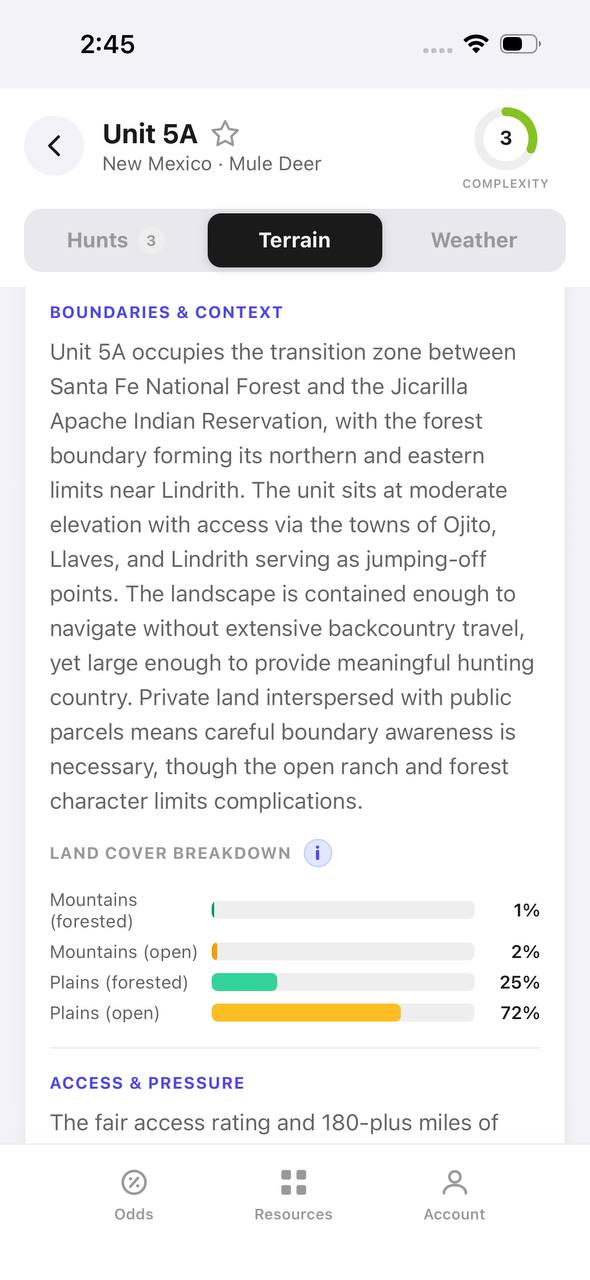
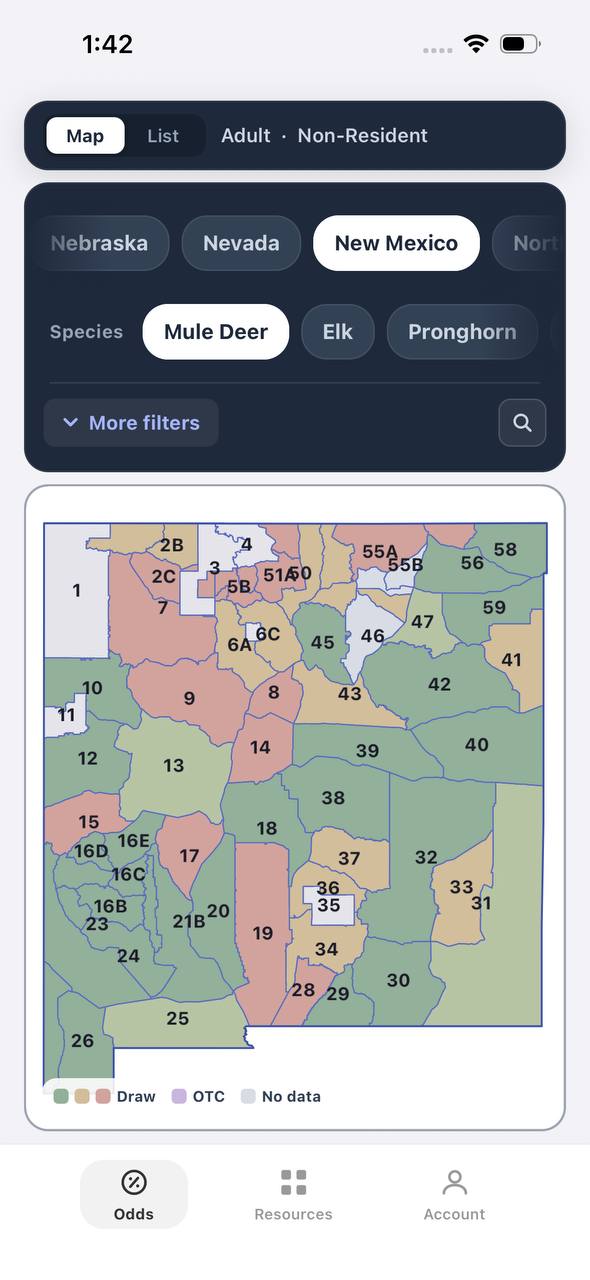
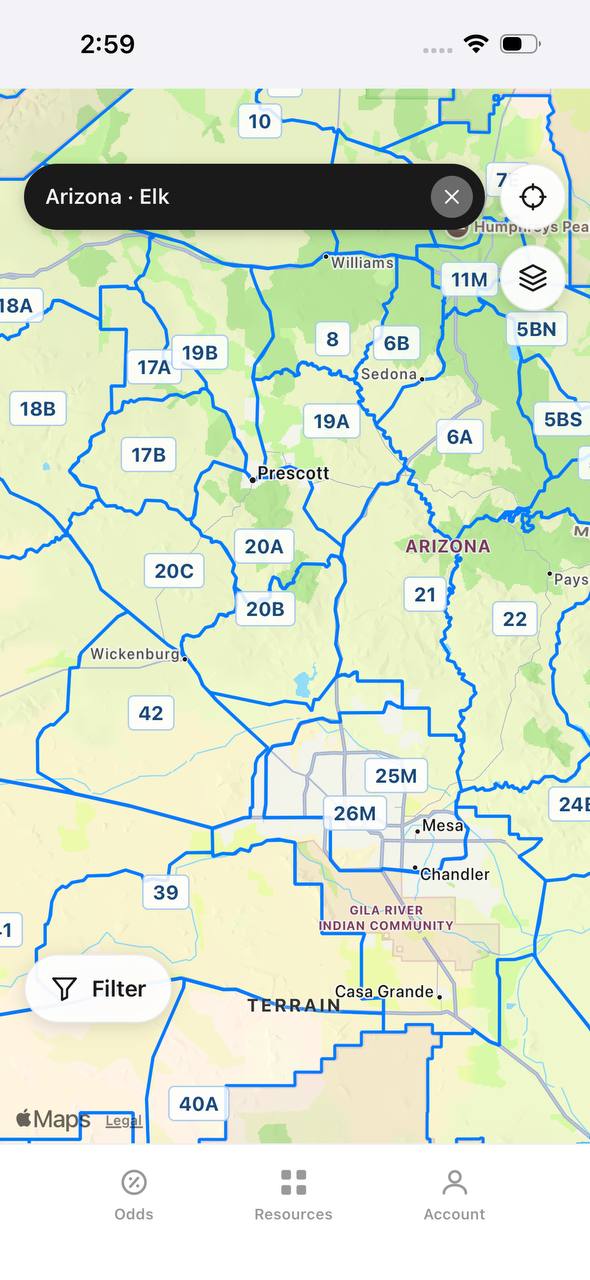
Staying warm during late-season hunts is only part of the equation. Once you have your layering system dialed in, you need to identify which units still have available tags and how to maximize your odds of drawing them. TAGZ helps you compare units side by side using terrain maps, unit boundaries, and historical draw data. Track your preference points and bonus points across multiple states so you never miss a draw deadline. Whether you are chasing OTC tags or planning a trophy limited-entry hunt, TAGZ gives you the tools to make smarter decisions before you ever step into the field.
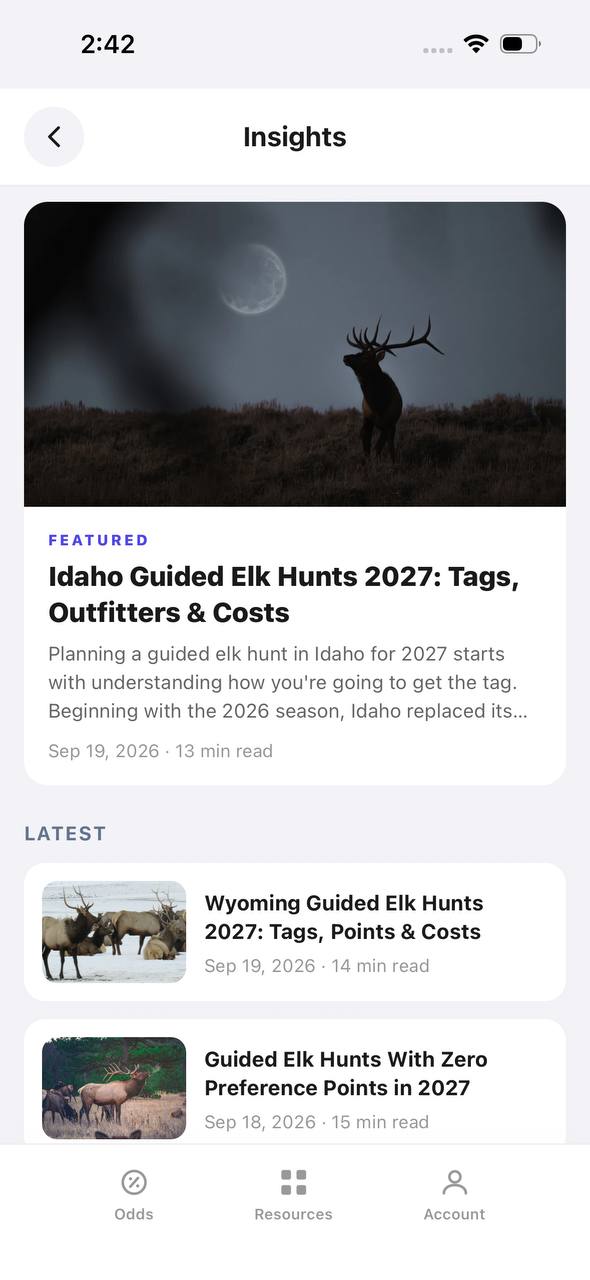
Explore more late-season strategies and unit breakdowns on the TAGZ Insights page, or create a free account to start planning your next hunt at getmytagz.com.
Was this article helpful?
Previous
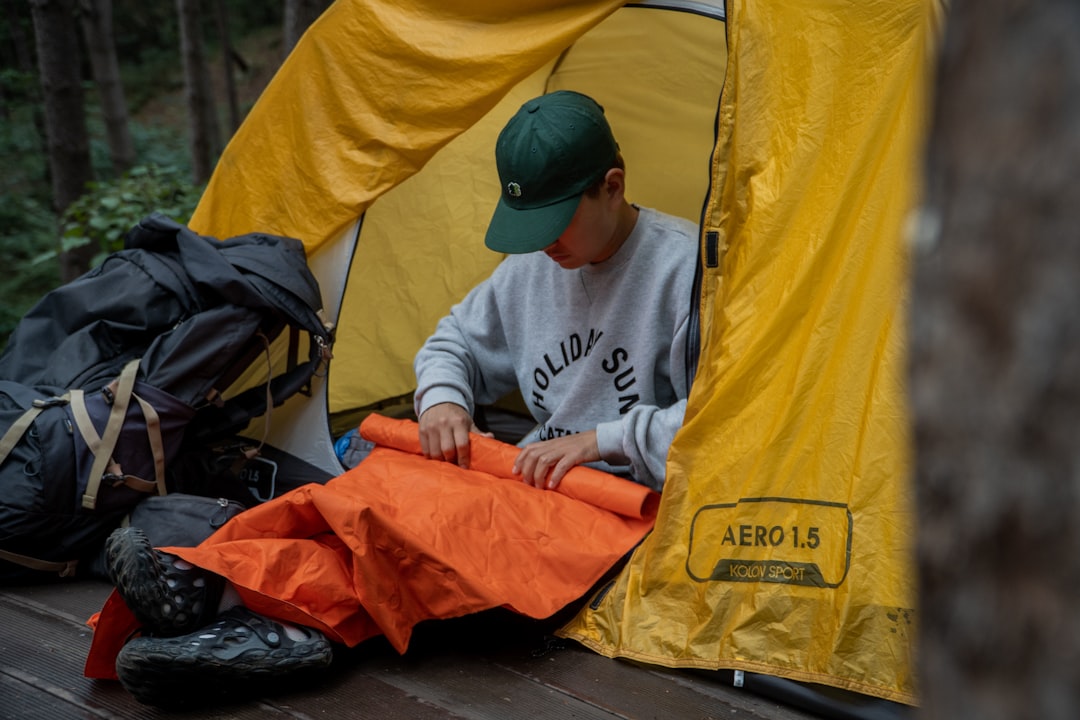
Best Camp Pillows for Western Hunters — Field-Tested Picks for Backcountry & Truck Camping
A good camp pillow makes the difference between restless nights and waking up ready to hunt. We break down the best options for weight-conscious backpackers and truck campers who refuse to sacrifice sleep quality in the field.
Related
Migration Hunts Explained: Timing, Tactics, and Why They Matter
Migration hunts let you intercept big game as they move between summer and winter ranges. Understanding migration timing, terrain funnels, and weather triggers can turn average units into trophy opportunities when herds are on the move.
Next
Best Custom Hunting Rifles for Western Big Game in 2025
Custom hunting rifles deliver precision, reliability, and personalization that factory guns cannot match. For serious western hunters pursuing elk, mule deer, and other big game across varied terrain, the right custom build transforms field performance.