Best Camp Pillows for Western Hunters — Field-Tested Picks for Backcountry & Truck Camping
You can dial in every piece of gear, scout the perfect unit, and draw the tag of a lifetime, but none of it matters if you show up to opening morning already exhausted from a week of terrible sleep. A quality camp pillow is not a luxury. It is essential gear that directly affects your performance in the field. Whether you are backpacking into alpine basins or setting up a wall tent in September, the pillow you choose determines whether you wake up stiff and foggy or ready to cover miles before first light.
The right camp pillow depends entirely on how you hunt. Ultralight backpackers chasing high-country elk need every ounce to count. Truck campers and basecamp hunters can prioritize comfort over packability. And plenty of hunters fall somewhere in between, needing a pillow that compresses small but still delivers real support after a long day on the mountain.
What Makes a Camp Pillow Worth Carrying
Not all camp pillows are built for hunters. The options designed for weekend car campers often weigh too much or pack too large for serious backcountry work. The ultralight options built for thru-hikers sometimes sacrifice so much comfort that you might as well ball up a jacket. The best hunting pillows balance three factors: pack size, weight, and actual sleep quality.
Pack size matters because space in a backpack is finite. A pillow that takes up the volume of a sleeping bag stuff sack is a non-starter for September elk hunts where you are already carrying ten days of food. Weight matters less than most gear reviews suggest, but every ounce adds up on multi-day treks above treeline. Sleep quality matters most. A pillow that keeps you tossing all night costs you more than the ounce or two you saved by leaving a better option at home.
Durability is the fourth factor that separates field-proven pillows from gear that fails after a season. Inflatable pillows with thin fabrics puncture on sharp tent floors. Foam pillows with cheap covers pill and flatten after a few trips. The pillows worth buying are built to handle hundreds of nights in spike camps, wall tents, and the beds of trucks.
Inflatable Pillows — Ultralight and Packable
Inflatable pillows dominate the ultralight category because they compress to nearly nothing and weigh as little as two ounces. The best models use baffled construction instead of a single air chamber, creating a shape that cradles your head instead of feeling like a beach ball. Look for pillows with multiple baffles running horizontally and a contoured shape that supports your neck.
The Nemo Fillo Elite is the gold standard for weight-conscious backpackers. At 2.4 ounces and packing smaller than a soda can, it disappears into the bottom of your pack. The trick is the built-in foam layer on top of the air bladder. You get the packability of an inflatable with enough cushion that your head is not bottoming out on hard ground by 3 AM. The valve is easy to use even with cold fingers, and the 20-denier fabric has held up to two seasons of serious use without developing leaks.
Sea to Summit Aeros is another proven option, available in regular and deluxe sizes. The deluxe adds two ounces but delivers noticeably better support for side sleepers. The fabric is slightly thicker than the Nemo, which adds confidence when you are setting up on rocky terrain. The downside is noise — every time you shift position, the pillow crinkles enough to wake you up if you are a light sleeper.
Therm-a-Rest Compressible pillows blur the line between inflatable and foam. They are technically compressible foam, but the smaller sizes pack nearly as tight as inflatables while offering better insulation on cold nights. The medium size weighs 9 ounces, which is too heavy for ounce-counters but perfect for hunters who split the difference between backpacking and truck camping.
Compressible Foam Pillows — No-Fail Comfort
Foam pillows are heavier and bulkier than inflatables, but they never puncture, never need inflation, and feel more like a real pillow. For basecamp hunters and anyone who prioritizes sleep over pack weight, foam is often the better choice. The best foam pillows use memory foam or down-alternative fill inside durable covers that resist moisture and odor.
The Therm-a-Rest Compressible Pillow remains the benchmark. Available in small, medium, large, and extra-large, it covers every use case from fastpacking to car camping. The medium is the sweet spot for most hunters — enough loft to support your head without feeling like you brought a couch cushion into the backcountry. It compresses to roughly the size of a Nalgene bottle and weighs 9 ounces. The cover is machine washable, which matters after a week of sleeping in the same base layers.
REI Co-op Camp Dreamer is a budget-friendly alternative that performs nearly as well. It is slightly heavier and does not compress quite as small, but the price point makes it a solid entry-level option for hunters new to the gear category. The foam has good memory and rebounds quickly even after being compressed for days in a pack.
For truck campers and wall tent setups, full-size pillows like the Teton Sports Camp Pillow deliver home-level comfort. At over a pound, they are not backpacking gear, but if you are hauling camp in on horses or setting up a semi-permanent basecamp, the extra weight is worth it. The flannel cover feels good against your face on cold mornings, and the foam provides enough support that you are not waking up with a stiff neck.
Hybrid Options — Best of Both Worlds
Hybrid pillows combine inflatable cores with foam or synthetic layers to balance packability and comfort. These are ideal for hunters who want ultralight pack size but refuse to sacrifice sleep quality. The tradeoff is usually price — hybrids cost more than pure inflatables or foam pillows.
The Nemo Fillo is the most popular hybrid and for good reason. It pairs an inflatable bladder with a layer of synthetic insulation and a soft Jersey knit cover. The result feels closer to a real pillow than any other backpacking option. It packs slightly larger than pure inflatables but still compresses into a stuff sack the size of a water bottle. At 6 ounces for the regular size, it sits in the middle of the weight spectrum.
Big Agnes Boundary Deluxe takes the hybrid concept further with a thicker foam layer and a larger surface area. It is too big for ultralight purists but perfect for hunters who want a legitimate pillow without hauling a full compressible model. The cover is removable and washable, and the inflation valve includes a one-way feature that prevents air from escaping while you blow it up.
Free to join
Download mobile app
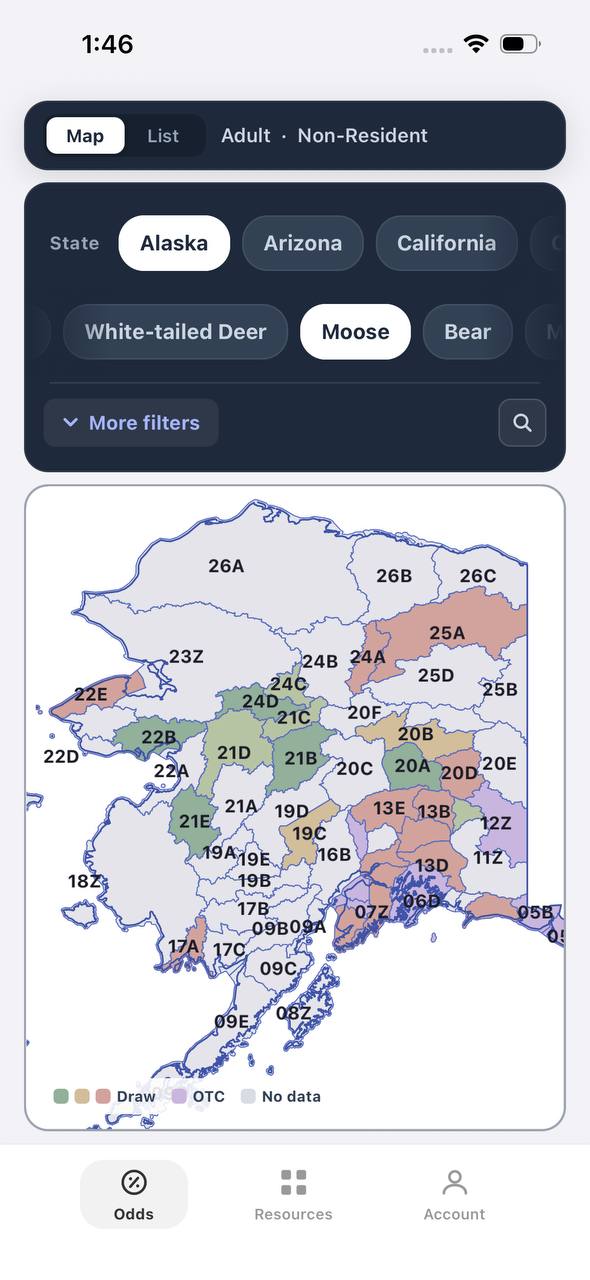
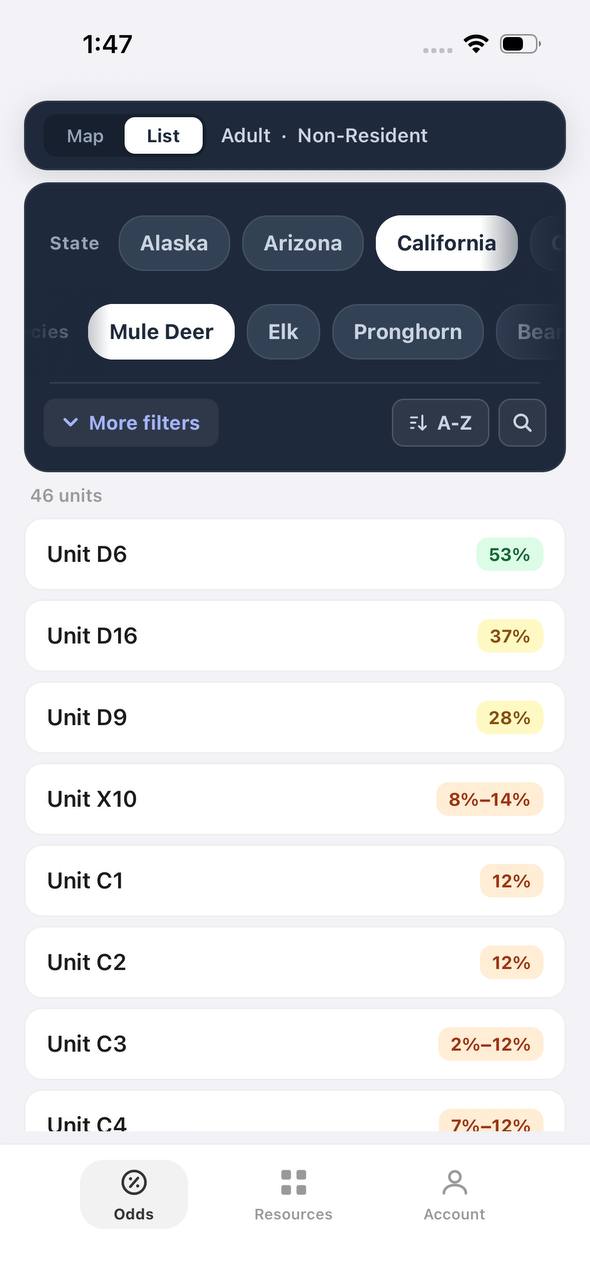
- Detailed draw odds
- Point tracking
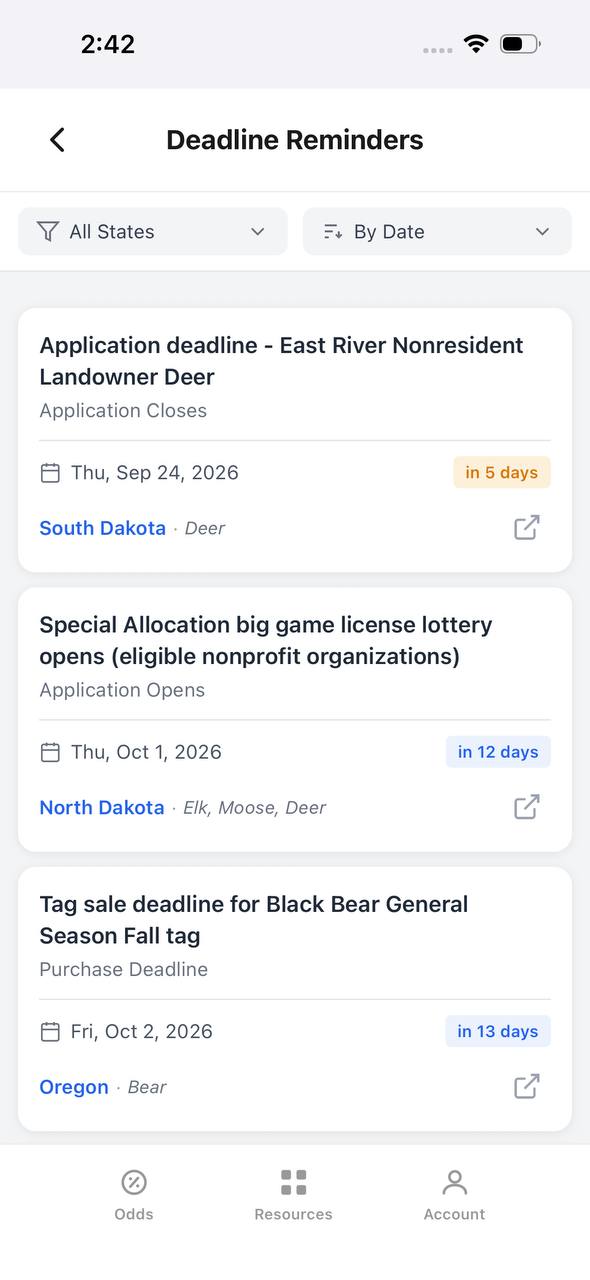
- Deadline reminders
- 18 states covered

Free to join
Download mobile app
- Detailed draw odds
- Point tracking
- Deadline reminders
- 18 states covered
Free to join
Download mobile app
- Detailed draw odds
- Point tracking
- Deadline reminders
- 18 states covered
Choosing the Right Size and Shape
Pillow size is personal, but side sleepers generally need more loft than back sleepers. If you sleep on your side, look for pillows at least four inches thick when fully inflated or compressed. Back sleepers can get away with thinner profiles. Stomach sleepers often prefer flatter pillows or skip them entirely, though a thin inflatable can still help keep your face off a dirty tent floor.
Shape matters more than most reviews acknowledge. Rectangular pillows work for all sleeping positions but take up more space. Contoured pillows with a dip in the center cradle your head better but can feel restrictive if you move around at night. Some hunters prefer a simple stuff sack filled with extra clothes over any dedicated pillow, but that approach only works if you are carrying enough soft layers to create adequate loft.
Durability and Maintenance in the Field
Inflatable pillows fail in predictable ways. Punctures from sharp objects, seam failures from over-inflation, and valve malfunctions from dirt and debris. Carry a patch kit on any backcountry hunt, and always test your pillow at home before opening day. Over-inflating is the most common user error — inflatable pillows should feel firm but not rock-hard. If you cannot press your thumb into the surface, you have blown it up too much.
Foam pillows require less maintenance but still need care. Store them uncompressed between trips to preserve loft. Wash the covers regularly, especially after hunts where you are sweating into your bag every night. Foam that stays compressed for months in a stuff sack will lose its memory and never fully rebound.
Hybrid pillows combine the failure modes of both types. Check the air bladder for leaks and clean the foam layers periodically. The removable covers on most hybrids make washing easier, but the extra complexity means more potential points of failure.
What TAGZ Hunters Are Packing
Sleep quality affects every decision you make in the field, from shot selection to route planning. Hunters using TAGZ to plan multi-state hunts across different terrain types need gear that adapts to changing conditions. A pillow that works in a September Colorado spike camp might be overkill for an October Arizona day hunt from the truck.
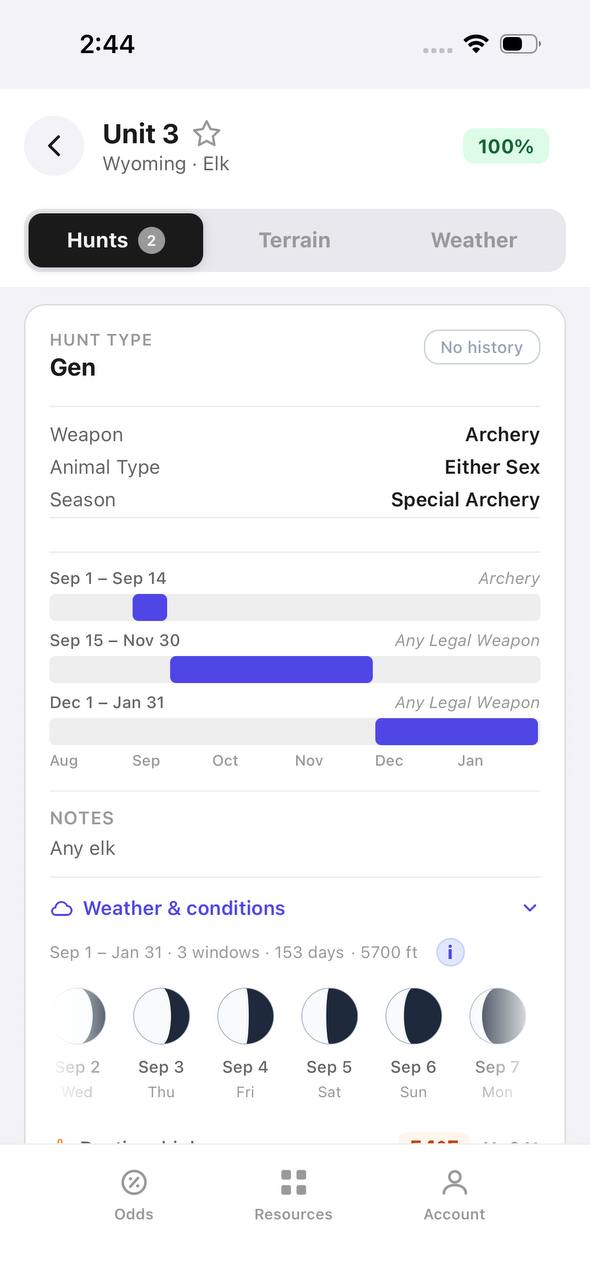
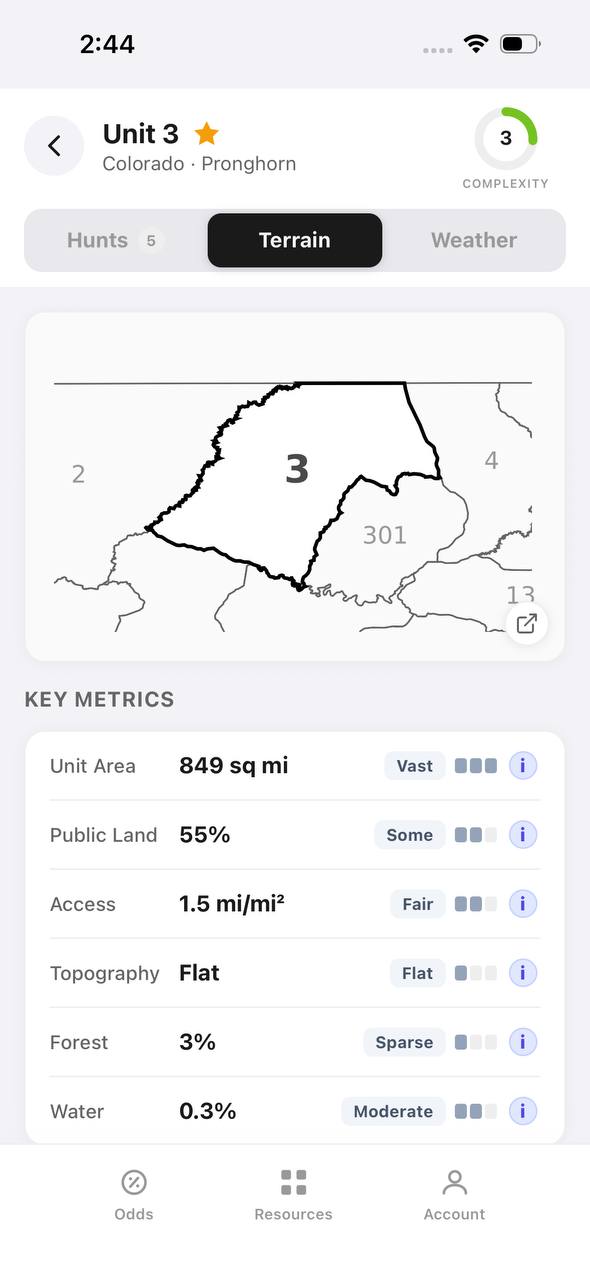
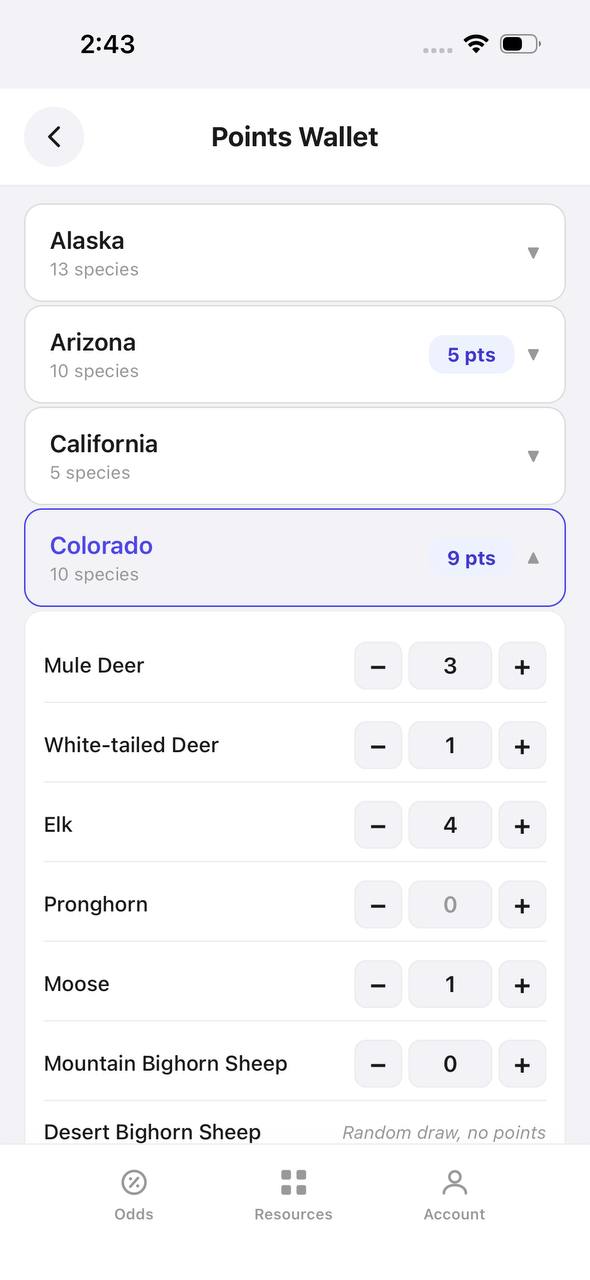
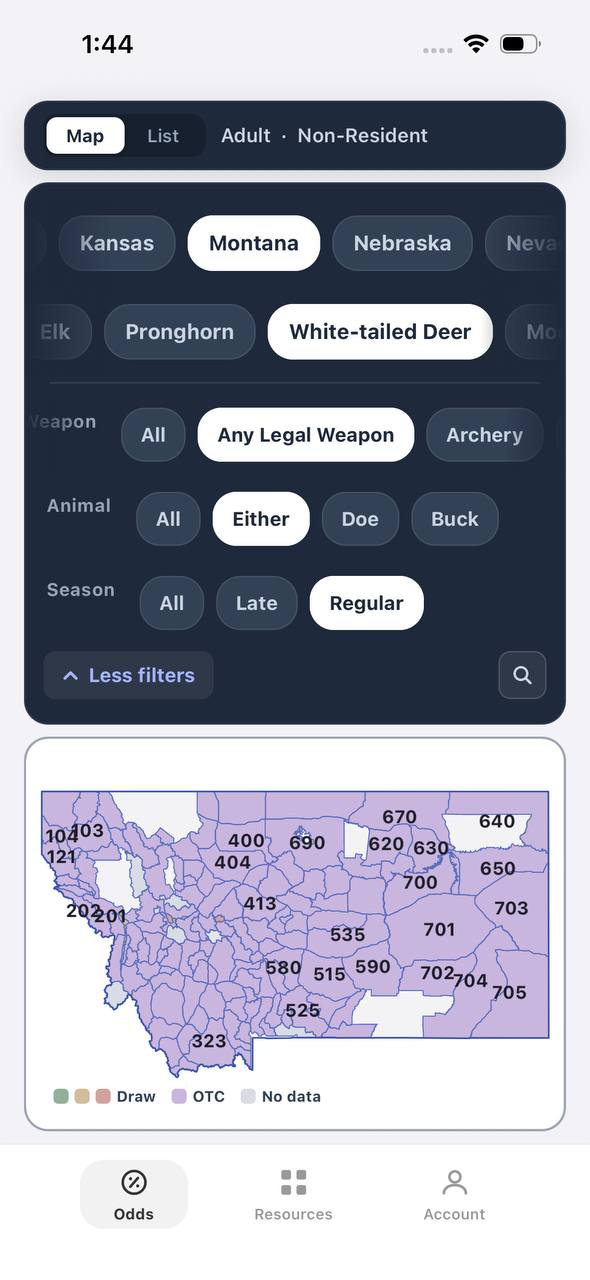
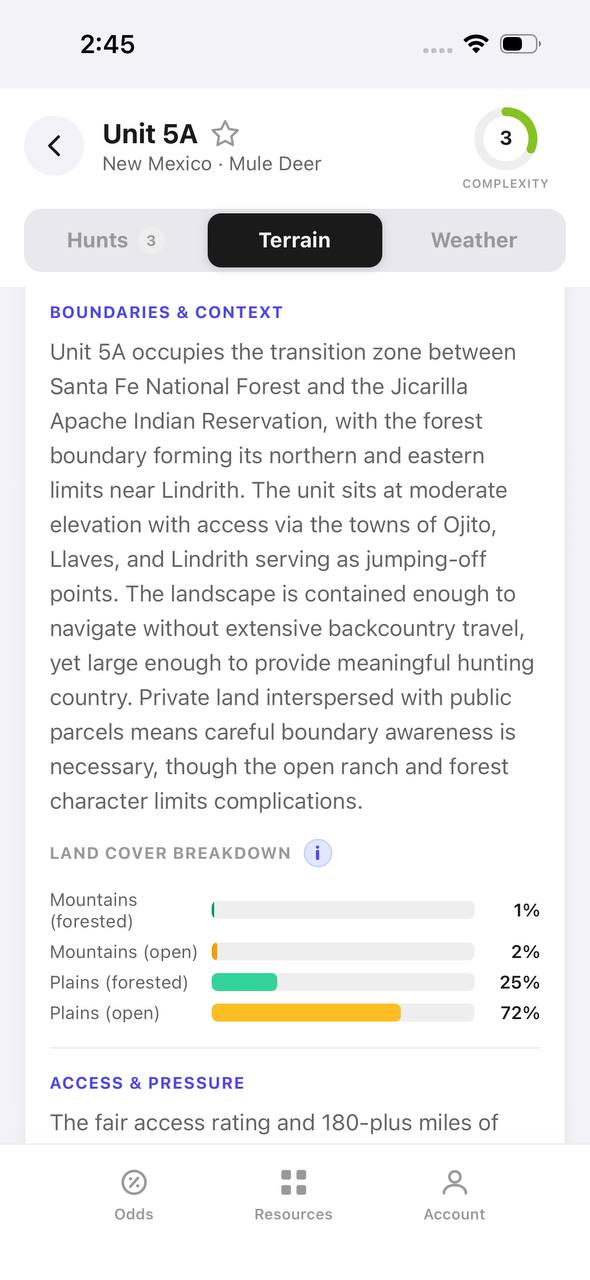
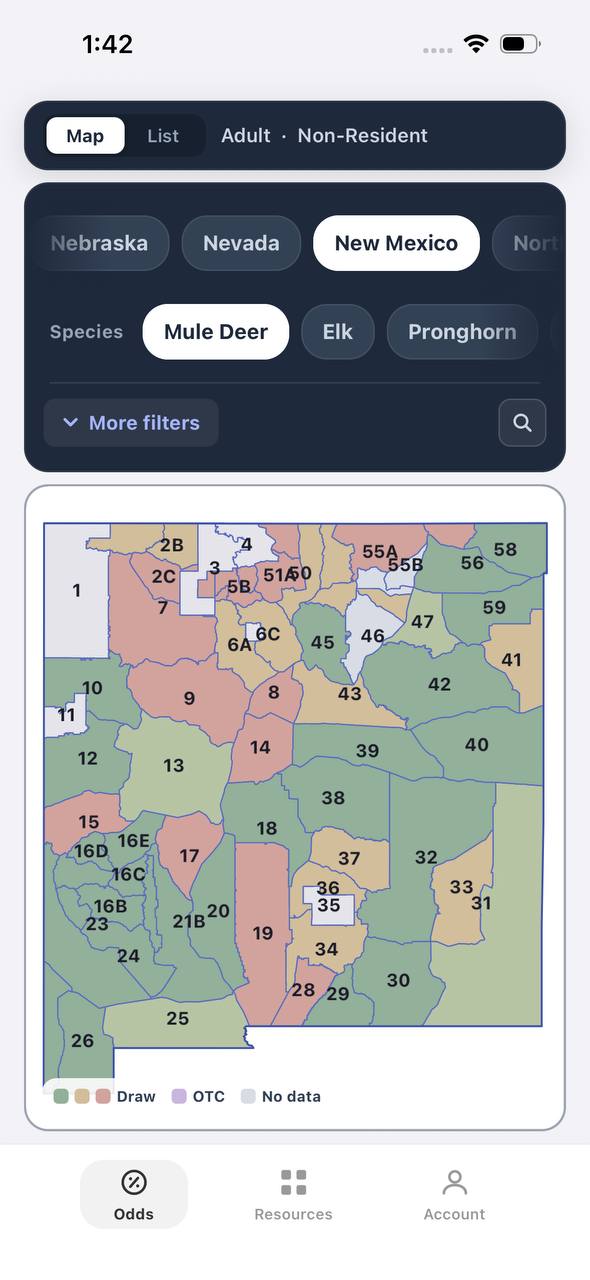
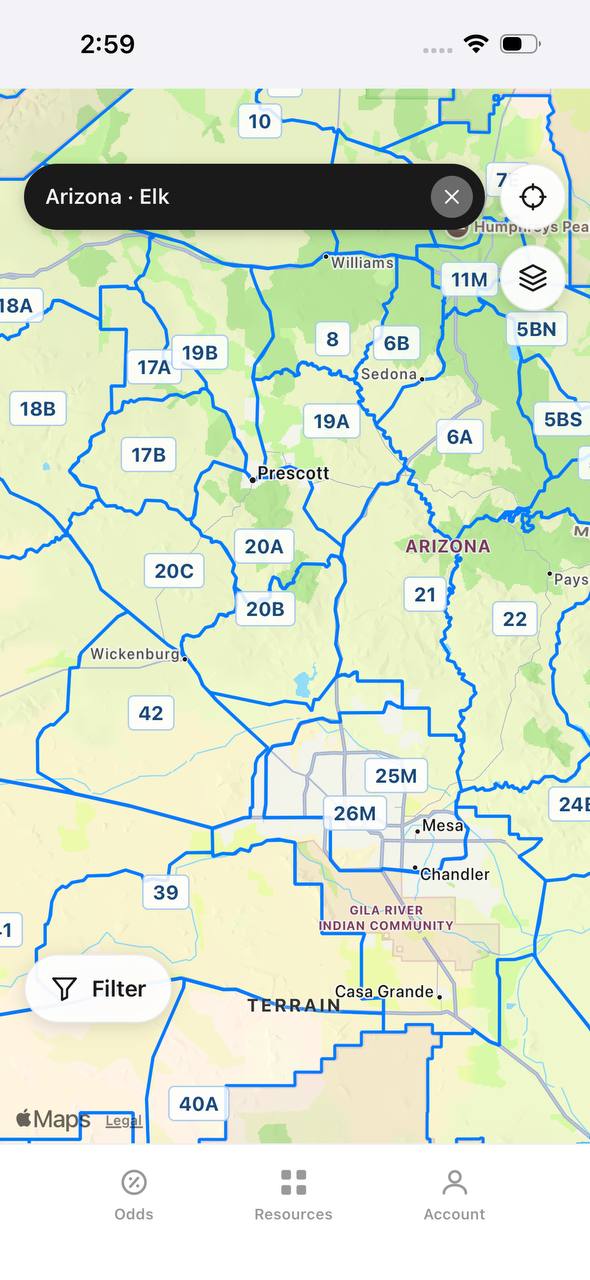
TAGZ helps you research units with terrain maps and public land overlays, but the gear you bring determines whether you can actually execute the hunt you planned. Track your preference points and bonus points across states, compare draw odds, and filter hunts by weapon and season, but do not overlook the small details like sleep systems that keep you functional when it matters most. Whether you are planning your first OTC elk hunt or managing applications across six Western states, the platform gives you the tools to make smarter decisions before you ever load the truck.
FAQ — Camp Pillows for Hunters
What is the lightest camp pillow that actually works?
The Nemo Fillo Elite at 2.4 ounces is the lightest pillow that still provides real support. Pure inflatable pillows can weigh less, but most sacrifice too much comfort to be worth carrying.
Do I need a pillow for backpack hunting?
No, but you will sleep better with one. Stuffing clothes into a stuff sack works in a pinch, but a dedicated pillow weighs less than three ounces and packs smaller than the extra fleece you would need to create equivalent loft.
How do I keep an inflatable pillow from puncturing?
Place it on top of your sleeping pad instead of directly on the tent floor. Carry a patch kit and check for sharp objects before setting up your bag. Avoid over-inflating, which stresses seams and makes the fabric more prone to tears.
What pillow works best for side sleepers?
Look for models at least four inches thick with baffled construction or foam cores. The Nemo Fillo in regular size and the Sea to Summit Aeros Deluxe both provide enough loft for side sleepers without adding significant weight.
Can I wash a camp pillow?
Most foam and hybrid pillows have removable, machine-washable covers. Inflatable pillows can be wiped down with a damp cloth but should not be submerged. Always air-dry completely before storing to prevent mold.
Is a camp pillow worth the weight for a five-day hunt?
Yes. A quality pillow weighs less than a single day's food and improves sleep quality enough to justify the ounces. Poor sleep compounds over multi-day hunts and affects your ability to hike hard and shoot straight when opportunities arise.
Was this article helpful?
Previous
How to Stay Warm During Late-Season Hunts Without Overheating
Late-season hunts demand a layering system that keeps you warm on stand and cool while hiking. Learn how to build the right kit and avoid sweat-induced hypothermia when temperatures drop below freezing.
Related
Migration Hunts Explained: Timing, Tactics, and Why They Matter
Migration hunts let you intercept big game as they move between summer and winter ranges. Understanding migration timing, terrain funnels, and weather triggers can turn average units into trophy opportunities when herds are on the move.

Next
Best Custom Hunting Rifles for Western Big Game in 2025
Custom hunting rifles deliver precision, reliability, and personalization that factory guns cannot match. For serious western hunters pursuing elk, mule deer, and other big game across varied terrain, the right custom build transforms field performance.