Nonresident Elk Hunting in Oklahoma: What You Need to Know for 2027
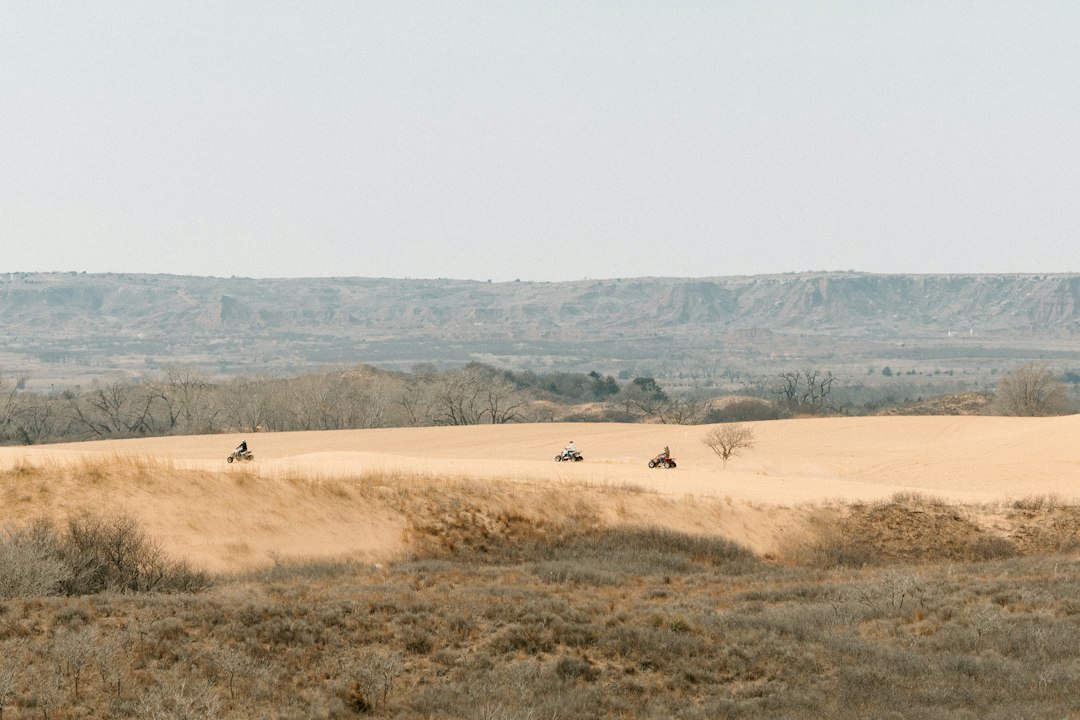
Oklahoma runs a controlled elk hunt that nonresidents can apply for through a simple random draw with no preference points. The state issues a limited number of tags annually across designated elk management zones in the southeastern and south-central parts of the state, primarily in the Wichita Mountains and surrounding counties. While draw odds vary by zone and weapon type, the application process is straightforward, the fees are reasonable, and the experience offers a chance at a free-range Roosevelt or Rocky Mountain elk on accessible public and private land.
Oklahoma's Elk Hunt Structure
Oklahoma's elk hunting program operates entirely through controlled hunts. There are no over-the-counter elk tags. All hunters — residents and nonresidents alike — must apply during the annual application period and be drawn to receive a permit. The state divides elk hunting into separate zones, each with its own quota and season dates. Hunters select their preferred zone and weapon type when applying.
The draw is purely random. Oklahoma does not use preference points, bonus points, or any other point system for elk. Every applicant in a given pool has an equal chance regardless of how many times they have applied before. This levels the playing field for first-time applicants and nonresidents who cannot build points over multiple years.
Nonresident Eligibility and Requirements
Nonresidents are eligible to apply for Oklahoma elk permits. You do not need to purchase a hunting license before applying — the elk application is submitted separately during the controlled hunt application window. If you draw a permit, you will then need to purchase the appropriate nonresident hunting license and the elk permit itself.
There are no residency restrictions, age restrictions for adults, or waiting periods. Nonresidents compete in the same draw pool as residents for the available permits. Oklahoma does not set aside a separate nonresident allocation or cap nonresident participation at a specific percentage.
Application Period and Fees
The application window typically opens in early June and closes in mid-June. Exact dates are published each spring on the Oklahoma Department of Wildlife Conservation website and in the annual hunting regulations. The application period is short — usually about two weeks — so mark your calendar and do not wait until the last day.
The nonresident application fee is modest compared to many Western states. As of the most recent regulations, the application fee is in the range of $25-$35, though applicants should verify the current fee on the official ODWC website when applying. This fee is nonrefundable whether you draw or not. If you are drawn, you will pay an additional permit fee and the cost of a nonresident hunting license.
Draw Odds and Tag Availability
Draw odds for nonresident elk hunters in Oklahoma vary significantly by zone and weapon type. Rifle hunts in the most popular zones can be competitive, with odds sometimes in the single digits for a given permit. Archery and muzzleloader hunts may offer better odds depending on applicant numbers and quotas.
The total number of elk permits issued statewide is limited to maintain herd health and habitat carrying capacity. Some zones issue only a handful of tags per season. Because the draw is random, you could draw on your first application, or you could apply for years without success. There is no way to improve your odds over time — each year is a fresh roll of the dice.
Check the ODWC website for historical draw statistics. The department publishes application totals and success rates for recent years, which can help you gauge your chances and decide whether to apply.


Free to join
Download mobile app
- Detailed draw odds
- Point tracking
- Deadline reminders
- 19 states covered





Free to join
Download mobile app
- Detailed draw odds
- Point tracking
- Deadline reminders
- 19 states covered






Free to join
Download mobile app
- Detailed draw odds
- Point tracking
- Deadline reminders
- 19 states covered

Hunt Zones and Seasons
Oklahoma's elk zones are located primarily in the southeastern part of the state, with the Wichita Mountains Wildlife Refuge area being the most well-known. Additional zones exist in surrounding counties where elk populations have expanded. Each zone has its own boundaries, terrain, and access considerations.
Season dates vary by zone and weapon type. Archery seasons typically run earlier in the fall, with muzzleloader and rifle hunts following later. Some zones may have split seasons or specific hunt periods to manage pressure and harvest. When you apply, you are committing to a specific zone and weapon choice — you cannot change after the draw.
Public land is available in some zones, including portions of the Wichita Mountains and other wildlife management areas. Private land also holds elk, and landowner tags or access agreements may be part of the equation depending on where you draw. Research your zone thoroughly after drawing to understand access and terrain.
What to Expect After Drawing
If you draw an elk permit, you will be notified by the ODWC, typically in July or early August. You must then purchase your nonresident hunting license and pay the elk permit fee. These fees are separate from the application fee. Nonresident hunting licenses and elk permits are significantly more expensive than the application fee, so budget accordingly.
Once licensed, you are responsible for understanding the specific regulations for your zone, including legal shooting hours, weapon restrictions, reporting requirements, and any additional rules. Oklahoma requires successful elk hunters to report their harvest and may require biological samples such as a tooth for aging.
Scouting is critical. Oklahoma elk are free-ranging and can cover large areas. The terrain varies from rugged mountains to oak savannas and river bottoms. Glassing, trail cameras, and boots-on-the-ground scouting will all improve your odds. If you are hunting public land, expect some competition, especially during rifle season.
Why Consider Oklahoma for Elk
Oklahoma is not a typical elk destination, and that is part of its appeal. Draw odds are generally better than in heavily applied Western states, and the lack of a point system means you are not locked into a multi-year investment before you have a realistic shot. The tags are affordable relative to premium Western elk hunts, and the terrain is more forgiving for hunters who are not acclimated to high-elevation mountains.
The state's elk herd is healthy and expanding. Roosevelt elk in the Wichita Mountains are descendants of animals transplanted decades ago, and Rocky Mountain elk populations have grown in other zones through natural expansion and management. Mature bulls are present, and the experience is a true fair-chase hunt on wild elk.
For nonresidents looking to add an elk hunt to their calendar without waiting years for points or paying five figures for a landowner tag, Oklahoma offers a viable and underrated option. The process is simple, the cost is manageable, and the opportunity is real.
Planning Your Oklahoma Elk Hunt
Start by reviewing the current controlled hunt regulations on the Oklahoma Department of Wildlife Conservation website. The regulations booklet will list all available elk zones, season dates, weapon restrictions, and quotas. Applications are submitted online through the ODWC licensing portal.
If you are serious about applying, study the draw statistics from previous years. Identify zones that fit your weapon preference and schedule, and assess the odds honestly. Some zones are long shots; others may be more attainable. If you are flexible on weapon type, consider archery or muzzleloader hunts to improve your chances.
After applying, do not wait for the draw results to start planning. Research the zone you applied for, identify public land access points, and reach out to landowners if applicable. Oklahoma elk hunting requires legwork, but the payoff is a unique elk hunt in a state most hunters overlook.
For more insights on navigating Western draw systems and planning hunts in underrated states, check out Understanding Draw Odds: How to Pick the Right Hunt and OTC vs. Limited Entry: Which Elk Hunt is Right for You?.
FAQ — Oklahoma Nonresident Elk Hunting
Can a nonresident hunt elk in Oklahoma?
Yes. Nonresidents can apply for controlled elk hunts and compete in the same random draw as residents. There is no separate nonresident quota or cap.
Does Oklahoma use preference points for elk?
No. Oklahoma's elk draw is purely random with no preference points, bonus points, or other point system. Every applicant has an equal chance each year.
When is the application deadline for Oklahoma elk?
The application period typically opens in early June and closes in mid-June. Exact dates are published annually on the Oklahoma Department of Wildlife Conservation website.
How much does it cost for a nonresident to apply for an elk tag in Oklahoma?
The application fee is approximately $25-$35 and is nonrefundable. If drawn, you must also purchase a nonresident hunting license and the elk permit, which are separate additional costs.
What are the draw odds for nonresident elk hunters in Oklahoma?
Draw odds vary by zone and weapon type. Some rifle hunts in popular zones can have single-digit success rates, while archery or muzzleloader hunts may offer better odds. Historical draw statistics are available on the ODWC website.
Where can nonresidents hunt elk in Oklahoma?
Elk zones are located primarily in southeastern and south-central Oklahoma, including the Wichita Mountains and surrounding counties. Each zone has specific boundaries, and both public and private land may be available depending on the zone.
Was this article helpful?
Previous
DIY Elk Hunting in Montana: Your Complete 2027 Guide
Montana offers some of the best DIY elk hunting in the West, with vast public land and a unique combination license system. Here's how to plan your 2027 hunt, from draw strategy to unit selection.
Related
Alaska Wolf Hunting Regulations Explained 2027
Alaska allows year-round wolf hunting with no bag limits in most areas, requiring only a hunting license and a free harvest ticket. Nonresidents must hunt with a guide or kin for brown bear, but wolves are exempt from that rule.
Next
Roosevelt Elk Hunting in Washington: 2027 Guide to Units, Draws, and Strategies
Washington's Roosevelt elk hunting offers both general and special permit opportunities across the Cascade foothills and Olympic Peninsula. Learn how to navigate the draw system, choose productive units, and plan your 2027 hunt.