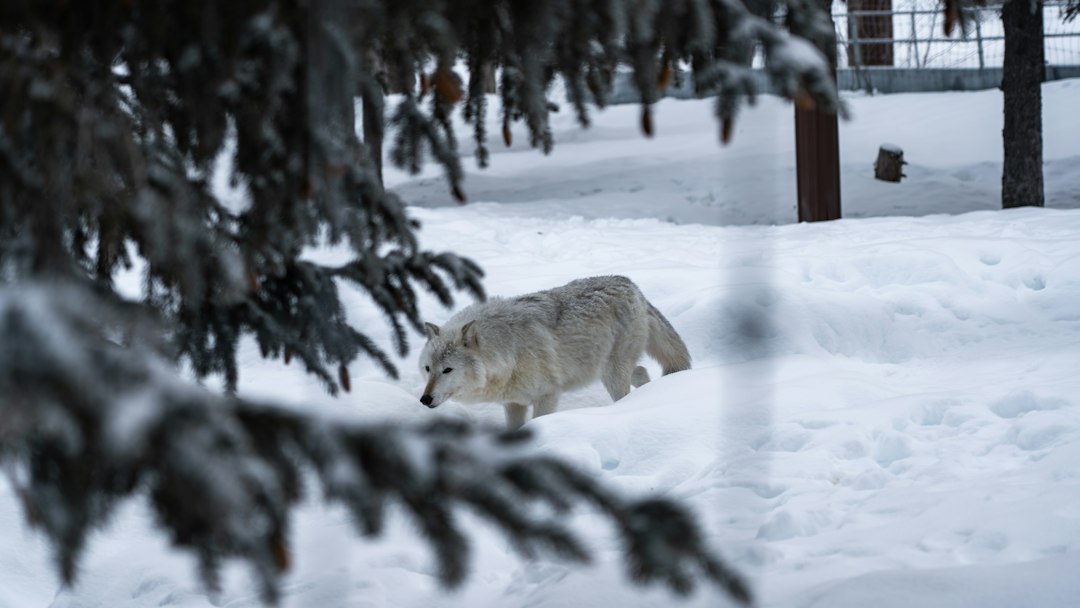
Alaska offers some of the most liberal wolf hunting regulations in North America. The state allows year-round hunting in most Game Management Units with no bag limits, making wolves accessible to both residents and nonresidents. Unlike brown bear or Dall sheep, nonresidents can hunt wolves unguided. You need an Alaska hunting license, a free wolf harvest ticket, and must seal your wolf within a specific timeframe. Understanding the season structure, transportation restrictions, and unit-specific rules will keep you legal and maximize your opportunity.
Season Dates and Bag Limits
Alaska's wolf season runs August 10, 2026, through June 30, 2027, in most Game Management Units. This nearly year-round structure reflects the state's management approach to wolf populations. No daily or possession limits exist for wolves in the majority of units. Some units have closures or modified seasons tied to predator control programs or conservation concerns, so checking the current Alaska Department of Fish and Game (ADF&G) regulations for your target unit is mandatory before you hunt. Units with intensive management programs may have extended seasons or specific harvest incentives.
The long season allows hunters to target wolves during different periods. Fall hunting coincides with moose and caribou seasons when wolves follow migrating herds. Winter hunting offers better tracking conditions and prime pelts. Spring hunts take advantage of wolves denning near prey concentrations. Each period presents distinct tactical opportunities.
License and Permit Requirements
Residents need an Alaska hunting license and a wolf harvest ticket. Nonresidents need a nonresident hunting license and the same harvest ticket. The harvest ticket is free and can be obtained online through the ADF&G website or at license vendors. No drawing or lottery applies to wolves in general seasons. You can purchase your license and harvest ticket well in advance or immediately before your hunt.
Alaska does not require nonresidents to hire a guide for wolf hunting. This exemption distinguishes wolves from brown bear, Dall sheep, and mountain goat, which require nonresidents to hunt with a registered guide or a resident relative within the second degree of kindred. You can hunt wolves on your own as a nonresident, though hiring a guide or transporter remains a practical choice given Alaska's vastness and logistical challenges.
Sealing and Reporting Requirements
You must seal your wolf within 30 days of harvest or before leaving Alaska, whichever comes first. Sealing occurs at an ADF&G office or authorized representative. The sealing process involves presenting the hide with skull attached. ADF&G collects biological data, issues a seal, and validates your harvest. This requirement is non-negotiable and applies to both residents and nonresidents.
You must also report your harvest online through the ADF&G website or by phone before the reporting deadline, typically by the end of the regulatory year. Failing to seal or report results in license suspension and potential fines. Plan your hunt timeline to allow sealing before your departure. If you harvest a wolf late in your trip, locate the nearest ADF&G office or representative immediately.
Weapon and Method Restrictions
Alaska allows rifles, shotguns, handguns, bows, and crossbows for wolf hunting. Rimfire firearms are legal. Centerfire rifles in common calibers like .223, .243, .30-06, and .300 Win Mag are all suitable. Shotguns must use slugs or buckshot. Bowhunters must meet minimum draw weight requirements specified in the general hunting regulations.
Same-day airborne hunting is prohibited. You cannot shoot or assist in shooting a wolf the same day you have been airborne. This rule prevents aerial spotting followed by immediate landing and shooting. You must wait until the day after flying before hunting. Ground transportation by ATV, snowmachine, or vehicle is legal, though some unit-specific restrictions apply to motorized access in certain areas during specific seasons.
Free to join
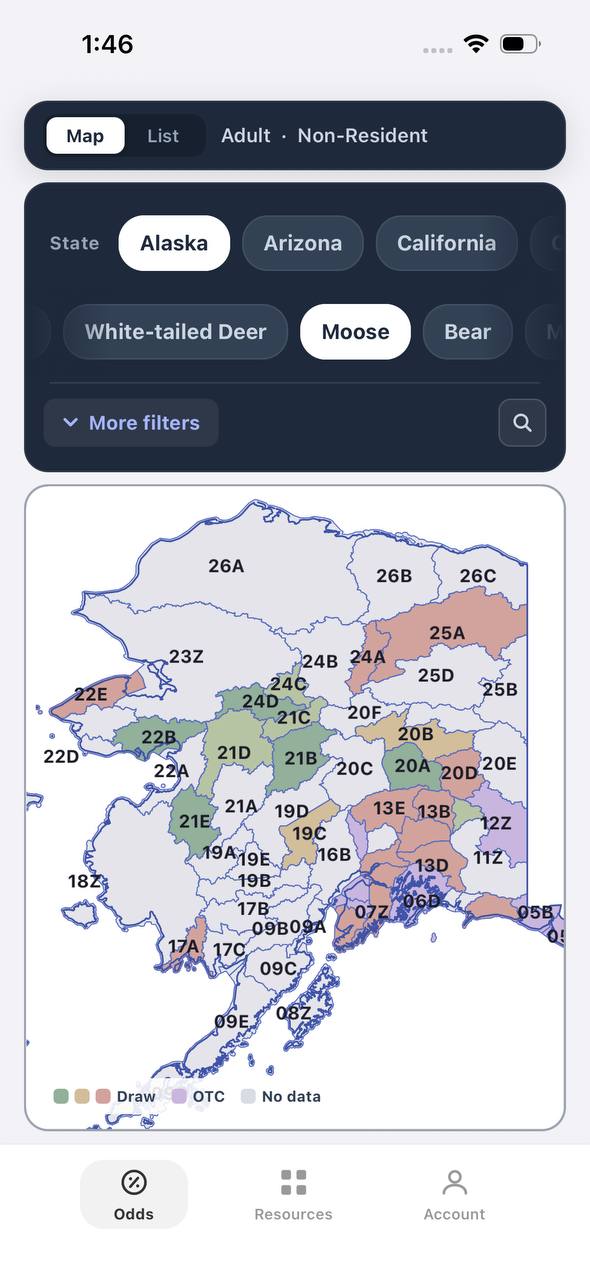
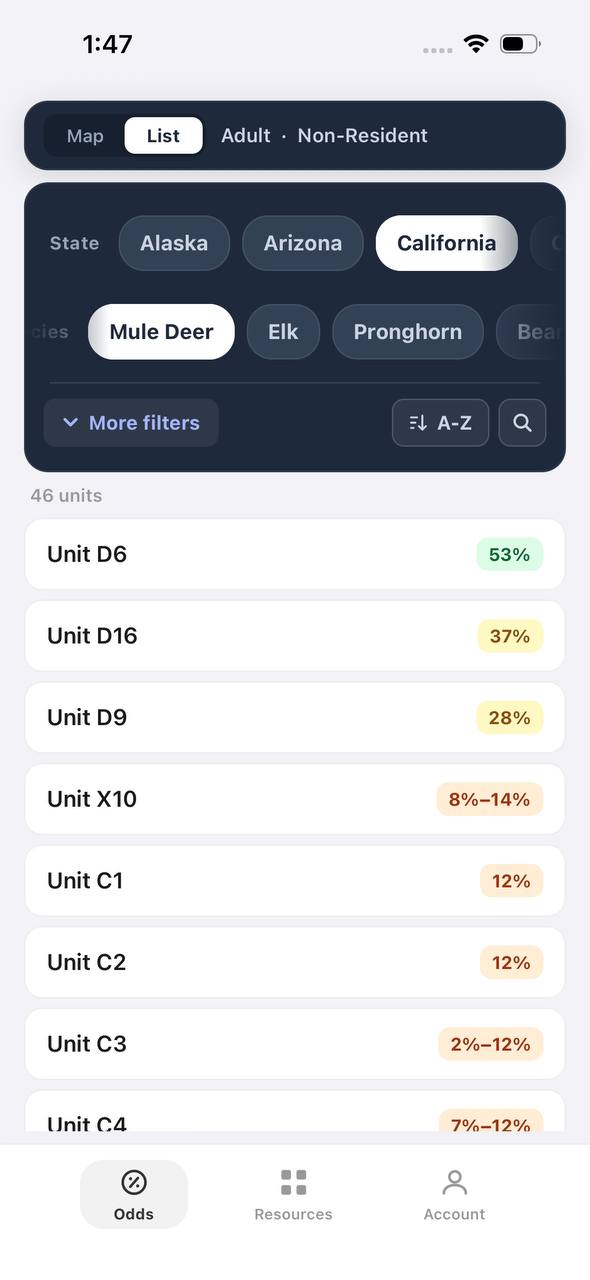
Download mobile app
- Detailed draw odds
- Point tracking
- Deadline reminders
- 19 states covered

Free to join
Download mobile app
- Detailed draw odds
- Point tracking
- Deadline reminders
- 19 states covered
Free to join
Download mobile app
- Detailed draw odds
- Point tracking
- Deadline reminders
- 19 states covered
Unit-Specific Closures and Special Regulations
Some units have closures or modified regulations tied to predator control programs, national park boundaries, or intensive management areas. Units near Denali National Park, for example, may have buffer zones with restricted or closed wolf seasons. Units under intensive management may have extended seasons or no closed season at all. Units in Southeast Alaska may have different season dates reflecting regional management priorities.
Always consult the current ADF&G wolf hunting regulations booklet or website for your target unit before you hunt. Regulations can change annually based on population dynamics and management objectives. What was open last year may be closed this year. Unit-by-unit details matter, and ignorance of a closure is not a legal defense.
Nonresident Considerations
Nonresidents face no guide requirement for wolves, but Alaska's remote terrain and unpredictable weather present serious logistical challenges. Many nonresidents hire transporters or guides even though it is not legally required. A transporter can drop you at a remote location and retrieve you at a prearranged time. A guide provides active hunting assistance and local knowledge.
Nonresident licenses cost significantly more than resident licenses. Budget for the license, airfare, bush flights, lodging, and meat processing or taxidermy if you plan to keep the hide. Most wolf hunts occur as add-ons to moose, caribou, or deer hunts. Carrying a wolf harvest ticket during other hunts adds opportunity without additional season dates or logistics.
Trapping vs. Hunting
Alaska also allows wolf trapping under a separate trapping license and regulations. Trapping seasons and methods differ from hunting seasons. Trapping requires knowledge of sets, bait, and leghold or snare placement. Trappers must check traps within specific intervals defined by regulation. If you hold both a hunting and trapping license, you can pursue wolves through both methods, but you must follow the applicable method restrictions for each activity.
Most hunters focus on spot-and-stalk or calling rather than trapping. Trapping is more effective in winter when wolves follow predictable travel corridors. Hunting allows greater mobility and opportunistic encounters during other big-game seasons. Choose the method that aligns with your skill set and available time.
Internal Resources
For more on planning Western big-game hunts and understanding draw systems in other states, see Understanding Preference Points vs Bonus Points, How to Read a State Draw Odds Report, and OTC Elk Tags Worth Applying For in 2027. Alaska's wolf regulations differ sharply from Lower 48 controlled-hunt systems, but understanding draw mechanics helps when you plan multi-state seasons. For gear recommendations applicable to Alaska hunts, see Best Optics for Western Elk Hunting. Quality glass is critical in Alaska's vast landscapes.
FAQ — Alaska Wolf Hunting
Do nonresidents need a guide to hunt wolves in Alaska?
No. Nonresidents can hunt wolves without a guide. The guide requirement applies to brown bear, Dall sheep, and mountain goat, but not wolves.
Are there bag limits for wolves in Alaska?
No, most Game Management Units have no daily or possession limits on wolves. Some units may have specific restrictions, so always check unit regulations before hunting.
What license do I need to hunt wolves in Alaska?
You need an Alaska hunting license (resident or nonresident) and a free wolf harvest ticket. The harvest ticket is available online or at license vendors.
How long do I have to seal my wolf?
You must seal your wolf within 30 days of harvest or before leaving Alaska, whichever comes first. Sealing occurs at an ADF&G office or authorized representative.
Can I hunt wolves the same day I fly in Alaska?
No. Same-day airborne hunting is prohibited. You cannot shoot or assist in shooting a wolf the same day you have been airborne. Wait until the following day.
When is the best time to hunt wolves in Alaska?
Winter offers prime pelts and easier tracking in snow. Fall coincides with moose and caribou seasons when wolves follow game herds. Spring provides denning activity. Each period has tactical advantages depending on your method and target unit.
Was this article helpful?
Previous
Nonresident Elk Hunting in Oklahoma: What You Need to Know for 2027
Oklahoma offers nonresident elk hunters a controlled hunt opportunity in limited units with no preference points. Applications open in June with a modest fee and straightforward random draw.
Related
Rifle Elk Hunting in New Mexico: Draw Odds, Units, and Hunt Strategy
New Mexico offers premium rifle elk hunts through a draw system with no preference points. Success hinges on choosing the right unit, understanding quota allocations, and timing your application correctly.
Next
DIY Elk Hunting in Montana: Your Complete 2027 Guide
Montana offers some of the best DIY elk hunting in the West, with vast public land and a unique combination license system. Here's how to plan your 2027 hunt, from draw strategy to unit selection.