DIY Elk Hunting in Montana: Your Complete 2027 Guide
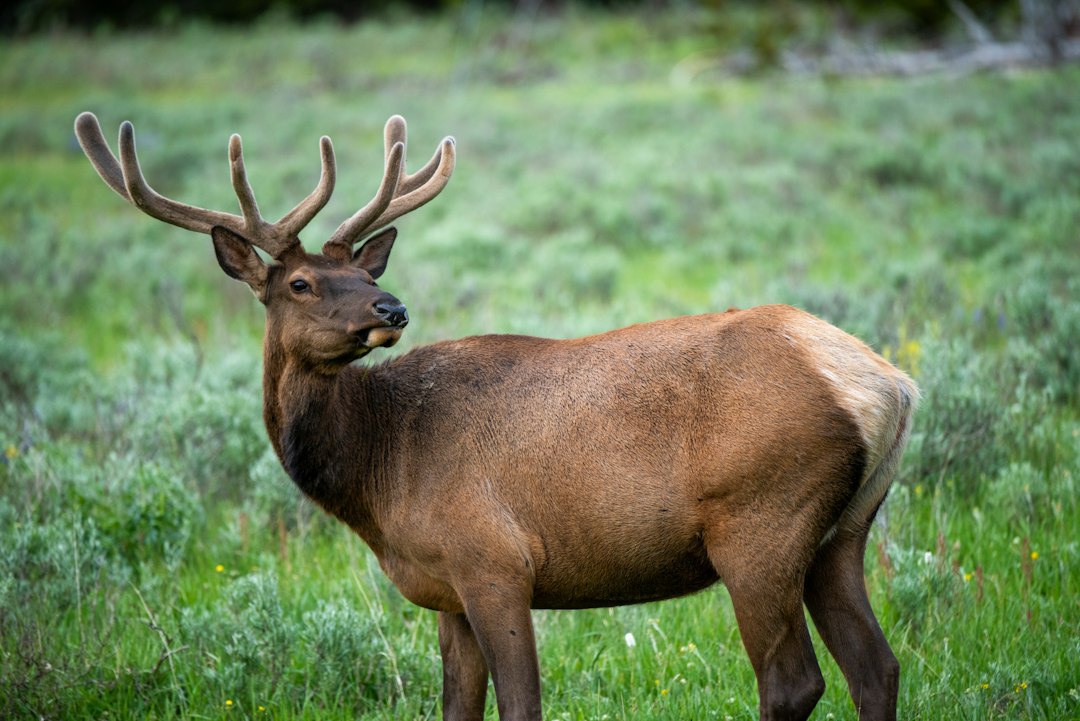
Montana remains one of the premier destinations for DIY elk hunters, offering millions of acres of accessible public land and a hunting system that balances opportunity with trophy potential. Unlike states that require years of preference points for quality elk tags, Montana's combination license gives nonresident hunters access to general elk and deer seasons, while residents enjoy some of the most liberal elk regulations in the West. For 2027, understanding how Montana's draw system works and which units offer the best public-land opportunities is essential for planning a successful hunt.
How Montana's Combination License System Works
Montana operates on a unique system where nonresidents must first draw a combination license (often called a "combo") to hunt elk and deer in general seasons. The Big Game Combo includes a general elk license, general deer license (either-sex or antlerless depending on the region), and a bear license. The Elk Combo provides only the general elk license and bear license. Both are allocated through a preference-point draw that takes place in late March, with results typically announced in early April.
Nonresidents earn one preference point for each year they apply but do not draw. As of recent years, most applicants with one or two points successfully draw a Big Game Combo. Demand fluctuates slightly year to year, but Montana's combination license remains far more accessible than limited-entry permits in neighboring states. Residents do not need a combination license and can purchase general elk tags over the counter.
For 2027, nonresidents must apply by March 15, pay a nonrefundable application fee, and submit their first and second choice of hunting districts if applying for a permit that restricts weapon type or season timing. The base combination license does not lock you into a specific district — it grants access to all general elk units.
General Elk Units vs. Limited-Entry Permits
Montana divides elk hunting into general units and limited-entry districts. General units allow any combination license holder to hunt during the five-week general season, which typically runs from late October through Thanksgiving weekend. Some of these units are completely open, while others require a special permit for specific weapon types (such as archery-only or muzzleloader-only periods).
Limited-entry permits are trophy-focused tags with strict quotas, often requiring a decade or more of bonus points to draw. These permits cover units like the Breaks, certain wilderness areas, and select districts with older age-class bulls. DIY hunters targeting Montana in 2027 should focus on general units unless they have accumulated substantial bonus points and are willing to wait for a premium tag.
The advantage of general units is consistency. You can hunt Montana every year without burning points, learning the same country season after season. Limited-entry permits offer higher bull-to-cow ratios and older bulls, but the trade-off is infrequent hunting opportunity.
Top General Units for Public-Land Elk
Montana's general elk hunting is concentrated in the western third of the state, where national forest and wilderness areas provide vast tracts of huntable country. These are some of the most productive general units for DIY hunters willing to get away from roads.
Region 2: Southwest Montana
Districts like 300, 302, and 319 offer a mix of alpine terrain, timber pockets, and wilderness access. Elk numbers are strong, though hunting pressure near trailheads can push bulls deep by mid-season. Hunters who pack in several miles often find bugling bulls during the September archery season and rutting activity continuing into the October rifle opener. The Madison Range, Gravelly Range, and areas around the Lee Metcalf Wilderness are prime starting points.
Region 1: Northwest Montana
Districts 150, 140, and portions of the Bob Marshall Wilderness complex (Districts 130 and 133) provide some of the most rugged and remote elk hunting in the state. Elk densities are lower than in overgrazed districts farther south, but public access is nearly limitless. Hunters targeting this region should prepare for steep terrain, September snow at higher elevations, and the possibility of grizzly encounters. Success rates hover in the mid-teens, but the country itself is worth the effort.
Region 3: West-Central Montana
Districts 292, 320, and 361 see moderate to heavy pressure but support huntable elk populations. These units are closer to population centers, so weekday hunts or midweek backpack trips yield better results than opening weekend near popular trailheads. The Anaconda-Pintler Wilderness and surrounding forest service land offer solid DIY opportunities for hunters willing to hike past the first ridgeline.
Strategies for Hunting Pressured General Units
Montana's general season coincides with heavy hunter traffic, especially in units near Missoula, Bozeman, and Helena. Elk in these areas are conditioned to pressure and often shift to nocturnal movement or retreat into thick timber and nasty blowdown. DIY success in pressured units requires adapting your tactics.
Start by hunting midweek if your schedule allows. Opening weekend and the week of Thanksgiving see the highest hunter density. Elk pushed off ridges and meadows by Saturday morning pressure often regroup by Tuesday, resuming more predictable patterns. Scout trailhead parking areas ahead of your hunt to identify where other hunters concentrate, then plan access routes that avoid those zones.
Focus on terrain that discourages casual hunters — steep north-facing slopes with thick lodgepole regeneration, creek bottoms choked with willow and alder, or high basins requiring a 5-mile approach. Elk tolerate discomfort better than most hunters. Glass openings at first light and last light, but expect most elk to bed in timber or under deadfall during the day. Still-hunting through dark timber with the wind in your face is often more productive than sitting ridgelines in heavily pressured units.


Free to join
Download mobile app
- Detailed draw odds
- Point tracking
- Deadline reminders
- 19 states covered





Free to join
Download mobile app
- Detailed draw odds
- Point tracking
- Deadline reminders
- 19 states covered






Free to join
Download mobile app
- Detailed draw odds
- Point tracking
- Deadline reminders
- 19 states covered

Archery Season Timing and Rut Dynamics
Montana's archery season opens September 7 in most districts and runs through the third Sunday of the month. The rut peaks mid-September at higher elevations, often coinciding with the second and third weeks of the season. Early September hunts target bulls still in bachelor groups or just beginning to bugle, while mid-September hunts overlap with peak rut activity.
Bulls are most vocal between September 10 and September 20 in typical years, though cold snaps or unseasonably warm weather can accelerate or delay peak breeding. Plan for temperatures in the 30s at night and 60s during the day at mid-elevations (6,000 to 7,500 feet). Elk at 8,000 feet and above may already be rutting hard by September 10.
Call setups work best in dark timber or along transition zones between feeding and bedding areas. Elk in general units hear calling from other hunters throughout September, so aggressive sequences often spook pressured bulls. Softer cow calls and location bugles followed by patient waiting tend to produce better results than running-and-gunning.
Public-Land Access and Logistics
Montana contains over 30 million acres of public land, including national forests, Bureau of Land Management parcels, and state trust lands. Most general elk units in western Montana are predominantly public, though checkerboard ownership patterns in some districts complicate access.
Use the OnX Hunt app or similar mapping tools to identify legal access points, navigate corner-crossing situations, and avoid inadvertent trespass. Montana allows corner-crossing in some cases, but the legal landscape is evolving — stay current on regulations and avoid ambiguous situations that could result in citations.
Block Management Areas (BMAs) provide additional access on private land enrolled in Montana's public hunting program. Some BMAs restrict nonresident use or require reservations, so review individual BMA rules before planning your hunt. BMAs near general elk units can provide entry points into adjacent national forest or serve as overflow hunting areas when wilderness zones are crowded.
Rifle Season Tactics for General Tags
The general rifle season opens the last Saturday of October and runs five weeks. Elk behavior shifts dramatically between opening weekend and Thanksgiving. Early-season hunting targets elk still in higher-elevation feeding patterns, while late-season hunting often finds elk pushed into lower timber or private-land sanctuaries.
Opening weekend in popular units can resemble a small-scale migration as hunters flood trailheads and push elk out of traditional areas. Some DIY hunters avoid opening weekend entirely, letting the initial wave of pressure settle before starting their hunt the following week. Others embrace the chaos and position themselves along escape routes elk use when fleeing heavily hunted drainages.
By mid-November, elk in general units are wary and often nocturnal. Focus on feeding areas elk use at first light — grassy benches just below ridgelines, meadows with security cover nearby, or south-facing slopes where snow melts first. Set up before dawn and glass until mid-morning. Bump-hunting through timber works during midday when elk are bedded, though tracking pushed elk often leads into private land or the next drainage.
Draw Odds and Point Strategy for 2027
Nonresident demand for Montana combination licenses has remained stable over the past five years, with most applicants drawing by their second year in the preference-point pool. Applicants with zero points in 2027 will likely face 50-60% draw odds, depending on final application numbers. Applicants with one point should expect near-certain odds, barring a dramatic surge in applications.
Montana does not publish detailed draw statistics in the same format as Wyoming or Colorado, but historical trends suggest that combination licenses remain accessible compared to premium tags in other Western states. If you are applying for the first time in 2027, expect to draw by 2028 at the latest.
For limited-entry permits, bonus points accumulate separately and are squared in the draw — an applicant with four bonus points receives 16 entries in the random draw. Trophy districts like 380 (Breaks rifle) or 270 (Gravelly Range archery) require 10+ bonus points for realistic draw odds. DIY hunters should not plan around these permits unless they are already deep in the point pool.
Gear and Preparation for Montana Elk
Montana's September weather ranges from 70-degree bluebird days to surprise snowstorms at high elevation. Pack layers, including a puffy jacket for glassing sessions and a rain shell for afternoon thunderstorms. Nights drop into the 30s and 20s even at mid-elevations, so a 20-degree sleeping bag and insulated pad are necessary for comfort.
Rifle hunters face similar variability in late October and November, with the added possibility of persistent snow and sub-zero temperatures during cold snaps. The 2024 Thanksgiving week saw temperatures in the single digits across much of western Montana, with 12-18 inches of snow at 7,000 feet. Plan for winter conditions and treat warm weather as a bonus.
Footwear matters. Expect wet conditions early in archery season and icy trails during rifle season. Uninsulated boots work for September, but insulated boots rated to 400 grams or more are necessary for October and November hunts. Break in your boots well before the hunt — blisters and foot pain derail more DIY hunts than any other gear failure.
Shot Opportunities and Realistic Expectations
Montana's general elk success rates hover between 10% and 20% depending on the district, weapon type, and season timing. Archery hunters in less-pressured districts may see multiple bulls per day during peak rut, though shot opportunities on mature bulls remain limited. Rifle hunters in heavily hunted units may glass hundreds of elk but struggle to close within range of bulls that have survived multiple seasons of pressure.
DIY hunters should prepare for long days, rough country, and the real possibility of going home empty-handed. Success in Montana general units is earned through persistence, adaptability, and willingness to hunt where others will not. Hunters who treat the experience as a wilderness backpacking trip with the possibility of elk meat tend to stay motivated longer than those fixated solely on punching a tag.
FAQ — DIY Montana Elk Hunting
What is Montana's combination license and do I need one? Nonresidents must draw a combination license to hunt elk in general units. It includes a general elk tag, general deer tag, and bear license. Residents buy general elk tags over the counter without a draw.
How many preference points do I need to draw a Montana combo in 2027? Most nonresident applicants with one or two preference points draw a Big Game Combo. First-time applicants face roughly 50-60% odds, so expect to draw within two years.
Can I hunt Montana every year without burning points? Yes. The combination license uses preference points, not bonus points, and you can apply annually. Limited-entry permits use a separate bonus-point system if you are targeting trophy units.
What is the best week to hunt Montana's general rifle season? Mid-November typically sees lower hunter numbers than opening weekend or Thanksgiving week. Elk are still accessible, though increasingly nocturnal as pressure builds.
Do I need to pack in miles to find elk in general units? Not always, but hunting beyond the first 2-3 miles from trailheads dramatically reduces pressure. Elk near roads and popular trailheads are conditioned to hunters and shift to nocturnal or private-land patterns.
Is Montana worth it for a first-time Western elk hunter? Yes. The combination license is accessible, public land is abundant, and general units offer legitimate opportunities for DIY hunters. Expect a learning curve, but Montana rewards preparation and persistence.
Was this article helpful?
Previous
Roosevelt Elk Hunting in Washington: 2027 Guide to Units, Draws, and Strategies
Washington's Roosevelt elk hunting offers both general and special permit opportunities across the Cascade foothills and Olympic Peninsula. Learn how to navigate the draw system, choose productive units, and plan your 2027 hunt.

Related
Nonresident Elk Hunting in Oklahoma: What You Need to Know for 2027
Oklahoma offers nonresident elk hunters a controlled hunt opportunity in limited units with no preference points. Applications open in June with a modest fee and straightforward random draw.
Next
California Guided Roosevelt Elk Hunts 2027: Tags & Outfitters
California offers Roosevelt elk hunting through a lottery draw system with tags valid statewide on public and private land. Guided hunts provide access to prime coastal habitat where these massive elk thrive.