New Mexico Mule Deer Draw Odds and Tag Guide 2027
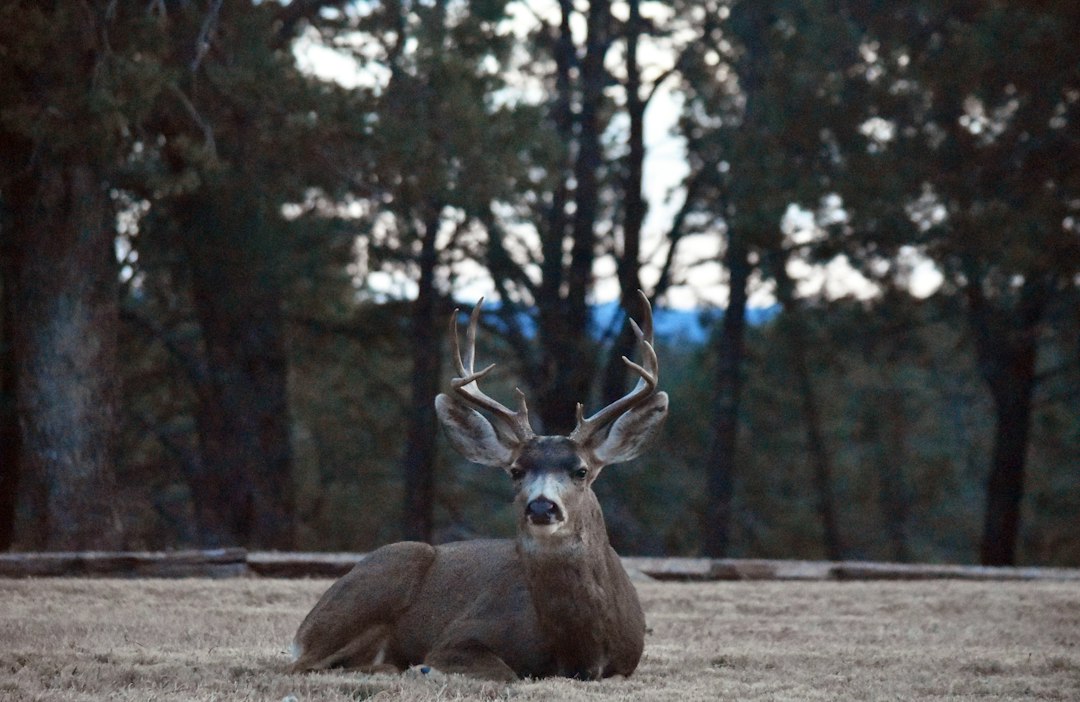
New Mexico manages mule deer hunting through a two-tier system that balances trophy opportunity with hunter access. Limited-entry units require drawing a tag and offer lower hunting pressure and better buck-to-doe ratios. General-season licenses are available over-the-counter in many units but come with higher hunter density. The 2027 application opens in late March with a mid-April deadline, and understanding how New Mexico allocates tags between residents and nonresidents is critical for setting realistic expectations.
Limited-Entry vs. General-Season Structure
New Mexico divides mule deer hunting into two distinct categories. Limited-entry units restrict hunter numbers through a draw system, with tags allocated by specific hunt codes that define the unit, weapon type, and season dates. These hunts typically occur in units with better age-class bucks and more restrictive harvest management. Units like 2A, 10, 12, 15, and 36 are examples of limited-entry zones where drawing odds vary significantly by weapon and residency status.
General-season licenses allow hunting in designated units without drawing, though a hunting license and habitat stamp are still required. These units generally see higher hunter numbers and more accessible terrain. General-season hunts run from late October through November, with exact dates published in the annual proclamation. Some general units convert to limited-entry for rifle seasons while remaining general for archery, so checking the hunt table carefully is essential.
Resident and Nonresident Allocation
New Mexico uses a tiered allocation system that heavily favors residents. For most limited-entry mule deer hunts, up to 84 percent of tags go to residents, with up to 10 percent allocated to nonresidents in the draw and up to 6 percent reserved for nonresident landowner authorizations. The remaining tags may go to youth, disabled hunters, or other special categories depending on the hunt.
Nonresident applicants face much longer odds than residents in premium units. In highly sought-after rifle hunts, nonresident draw rates can fall below 5 percent, while residents in the same hunt may see draw rates above 30 percent. Archery and muzzleloader hunts often have better nonresident odds than rifle hunts due to lower application pressure. Understanding this split is critical when choosing where to apply as a nonresident, since many hunters burn points on hunts they have little chance of drawing.
New Mexico does not require a hunting license to apply for the draw, which lowers the barrier to entry and increases application numbers. This differs from states like Wyoming or Montana, where license requirements reduce applicant pools.
Draw Odds by Unit and Weapon Type
Draw odds for New Mexico mule deer hunts vary widely by unit, weapon, and residency. Premium rifle hunts in units like 10, 12, and 36 consistently show single-digit draw rates for nonresidents and can require multiple bonus points even for residents. These units offer mature buck opportunity and limited hunter pressure, making them worth the wait for trophy-focused hunters.
Mid-tier units such as 5B, 13, and 34 offer better draw odds while still providing quality hunting. Resident draw rates in these units can range from 20 to 50 percent depending on the weapon type, while nonresidents may see 10 to 20 percent odds. Archery hunts in these units often draw at higher rates than rifle hunts, and the season timing allows hunters to target rutting bucks in early November.
Easier-to-draw units include 4, 6A, 16A, and portions of the northern zones. Some of these hunts show draw rates above 50 percent for both residents and nonresidents, especially for muzzleloader and archery seasons. These units may offer less trophy potential or more challenging access, but they provide realistic opportunities for hunters with fewer points or those seeking meat hunts. General-season units are available without drawing, though success rates and buck quality vary.
Bonus Points and Draw Mechanics
New Mexico uses a bonus point system for most big game species, including mule deer. Each bonus point gives an applicant an additional chance in the draw, so an applicant with three bonus points receives four total entries (one base entry plus three bonus entries). Points accumulate when an applicant is unsuccessful, and they are spent when a tag is drawn.
Applicants can purchase up to two bonus points per species per year. One point is awarded automatically when an application is unsuccessful. A second point can be purchased separately during the same application period for an additional fee. This allows hunters to accelerate point accumulation, though it does not guarantee a tag. Bonus points are not averaged in group applications; each member's points are counted independently, and the group is treated as multiple separate entries in the draw.
The draw is random within the bonus-weighted pool, so no number of points guarantees a tag. A hunter with 10 points may not draw while a hunter with zero points does, though the odds shift progressively in favor of higher point holders. This system differs from preference point states like Colorado, where points function more like a waiting list.


Free to join
Download mobile app
- Detailed draw odds
- Point tracking
- Deadline reminders
- 19 states covered





Free to join
Download mobile app
- Detailed draw odds
- Point tracking
- Deadline reminders
- 19 states covered






Free to join
Download mobile app
- Detailed draw odds
- Point tracking
- Deadline reminders
- 19 states covered

Application Strategies for 2027
Building a New Mexico application strategy depends on goals, point totals, and residency status. Residents with zero to two points should consider mid-tier archery or muzzleloader hunts in units like 13, 34, or 5B, where draw odds remain reasonable and hunting quality is solid. Residents with three or more points can target premium rifle hunts in units 10, 12, or 36, though odds remain competitive even with point accumulation.
Nonresidents face tougher odds across the board and should carefully evaluate whether burning points on a low-probability hunt is worth the opportunity cost. Targeting archery hunts in mid-tier units often provides better draw odds than rifle hunts in the same zones. Nonresidents with fewer than three points should consider easier-to-draw hunts in units 4, 16A, or 6A, where realistic draw rates exist and the hunting experience is still worthwhile. Alternatively, hunting general-season units without applying for the draw is a viable option for hunters seeking guaranteed opportunity.
Group applications add complexity since each member applies independently and point totals are not averaged. Groups should ensure all members are comfortable with the unit and weapon choice before applying, and they should verify that all members have similar point levels to avoid mismatched expectations.
Key Application Dates and Fees
The 2027 New Mexico big game draw application period opens in late March and closes in mid-April. Exact dates are published on the New Mexico Department of Game and Fish website in early March. Applications submitted after the deadline are not accepted, and no grace period is provided.
Application fees for mule deer hunts vary by residency and license type. Residents pay a lower application fee than nonresidents, and the fee is nonrefundable whether or not a tag is drawn. License costs are charged only if a tag is successfully drawn. Bonus point purchases are separate fees paid during the application window and are nonrefundable.
Hunters applying for multiple species should verify that each application is submitted correctly and that payment is processed before the deadline. The online application system allows hunters to review and edit applications until the deadline, but technical issues close to the cutoff can result in incomplete submissions.
Public Land Access and Terrain Considerations
New Mexico's mule deer range spans diverse terrain from high-elevation mixed conifer forests to desert grasslands and piñon-juniper foothills. Public land access varies significantly by unit. Northern and western units often contain large blocks of national forest and BLM land with extensive road networks and good glassing opportunities. Southern and eastern units may be more fragmented, with private land complicating access even in otherwise public zones.
Units along the Gila National Forest and in the northwest corner near Chama offer expansive public land opportunities and high-quality mule deer habitat. Hunters should expect steep terrain, limited water sources, and variable buck densities depending on recent precipitation and forage conditions. Scouting tools like onX Hunt or GOHUNT Maps help identify legal access points and locate glassing knobs above transition zones between habitat types.
Some limited-entry units are largely private, meaning that even drawing a tag does not guarantee huntable ground without landowner permission or purchasing access. Researching land ownership and access logistics before applying is essential, especially for nonresidents unfamiliar with the state.
Weather and Season Timing
New Mexico mule deer seasons span from early September archery openers through late November rifle closures. Weather patterns play a significant role in hunt quality and hunter success. Early-season archery hunts occur during warm, dry conditions when bucks are still in bachelor groups and not yet focused on rutting behavior. Water sources become critical ambush points during drought years.
Muzzleloader and rifle seasons typically overlap with the rut in late October and early November, increasing buck movement and visibility. Cold fronts and early snowstorms can push deer out of high country and concentrate animals in transition zones, improving hunter odds. However, severe weather can also limit access and make glassing difficult.
Late-season rifle hunts in November target post-rut bucks that have moved to winter range. These hunts can be productive in units where bucks concentrate on lower-elevation feed, but they may also encounter depleted, exhausted animals with reduced antler quality due to the rigors of the rut.
Success Rates and Harvest Data
New Mexico publishes annual harvest reports that include success rates by unit, weapon type, and season. Success rates for limited-entry rifle hunts often range from 30 to 60 percent, with top-tier units sometimes exceeding 70 percent in good years. Archery success rates are typically lower, ranging from 15 to 35 percent depending on hunter skill and unit quality.
General-season success rates tend to fall below limited-entry hunts due to higher hunter density and less restrictive harvest management. Success rates in general units may range from 10 to 25 percent, though experienced hunters who invest in scouting and target less-pressured terrain can still find success.
Harvest data also reveals age-class trends, with limited-entry units producing more mature bucks on average. Units managed for trophy quality show higher percentages of four-point-or-better bucks in the harvest, while general-season units skew toward younger age classes.
Internal Resources for Hunt Planning
Tagz provides tools for analyzing New Mexico draw odds, comparing units, and tracking application deadlines. Hunters can filter by species, weapon type, and residency to identify units that match their point totals and hunting goals. Historical draw data reveals trends in application pressure and tag allocations, helping hunters make informed decisions about where to invest points.
For broader application strategies across multiple states, see our guide on Western Big Game Draw Strategy. Hunters interested in understanding bonus point systems in detail can review Understanding Bonus Points vs. Preference Points. Those considering New Mexico elk hunts alongside mule deer should explore New Mexico Elk Draw Odds and Unit Breakdown.
Nonresidents weighing New Mexico against other states can compare options in Best States for Nonresident Mule Deer Hunts. Public land hunters should also consult Public Land Mule Deer Hunting Tips for tactics applicable to New Mexico terrain.
FAQ — New Mexico Mule Deer Draw
Does New Mexico use preference points or bonus points for mule deer? New Mexico uses a bonus point system. Each bonus point gives an additional entry in the draw, but points do not guarantee a tag or function as a waiting list.
Can nonresidents draw mule deer tags in New Mexico? Yes. Nonresidents receive up to 10 percent of limited-entry tags in the draw, though odds are significantly lower than for residents. General-season licenses are also available to nonresidents without drawing.
How many bonus points can I buy per year? You can accumulate up to two bonus points per species per year. One is awarded automatically with an unsuccessful application, and a second can be purchased separately during the application period.
What is the difference between limited-entry and general-season mule deer hunts? Limited-entry hunts require drawing a tag and restrict hunter numbers, offering better buck quality and lower pressure. General-season licenses are available over-the-counter in designated units but see higher hunter density.
When does the 2027 New Mexico mule deer application open? The application period opens in late March and closes in mid-April. Exact dates are published on the New Mexico Department of Game and Fish website in early March.
Do I need a hunting license to apply for the New Mexico draw? No. New Mexico does not require a hunting license to apply for the draw. License fees are charged only if you successfully draw a tag.
Was this article helpful?
Previous
Utah Mule Deer Draw Odds and Tag Guide 2027
Utah's 2027 mule deer draw offers 38,000+ permits across general and limited-entry units, with odds ranging from guaranteed to 1-in-50 depending on weapon, region, and points. General-season tags require zero to three points for most hunters, while premium limited-entry units demand 10-20+ points.
Related
Oregon Mule Deer Draw Odds With Zero Points — 2027 Hunt Outlook
Zero-point applicants can draw quality Oregon mule deer tags in 2027, especially in northeast and southeast units where nonresident odds run 10-50% and rifle hunts offer solid buck potential without years of waiting.
Next
Nevada Squared Bonus Points Explained: How the 2027 Draw Really Works
Nevada squares your bonus points in its big game draw, dramatically improving odds for hunters with multiple years invested. Here's how the system works and what it means for your 2027 application strategy.