Nevada Squared Bonus Points Explained: How the 2027 Draw Really Works

Nevada uses a squared bonus point system for elk, deer, pronghorn, and bighorn sheep — meaning the state squares your accumulated points when calculating your draw odds. A hunter with four bonus points doesn't get four entries in the draw; they get sixteen. This exponential advantage makes Nevada one of the most point-friendly Western states for applicants who stay patient, but it also means the gap between new applicants and veteran point holders widens dramatically every year.
Understanding exactly how squaring works, which hunts it applies to, and how to leverage it in your 2027 application strategy is critical for anyone serious about drawing a premium Nevada tag.
How Squared Bonus Points Work
Nevada's bonus point system is based on random selection with weighted entries. Every applicant gets one base entry in the draw. For each bonus point you hold, the state adds that many additional entries — then squares the total.
Here's the formula: (1 + bonus points)² = total draw entries.
An applicant with zero bonus points gets (1 + 0)² = 1 entry. An applicant with three bonus points gets (1 + 3)² = 16 entries. An applicant with five points gets (1 + 5)² = 36 entries. The jump from four to five points adds twenty more entries than the jump from zero to one.
This exponential scaling means time invested compounds aggressively. A hunter who applies consistently for five years has 36 times the draw odds of a first-timer — not six times. That gap continues to widen as point totals climb.
Which Species Use Squared Bonus Points
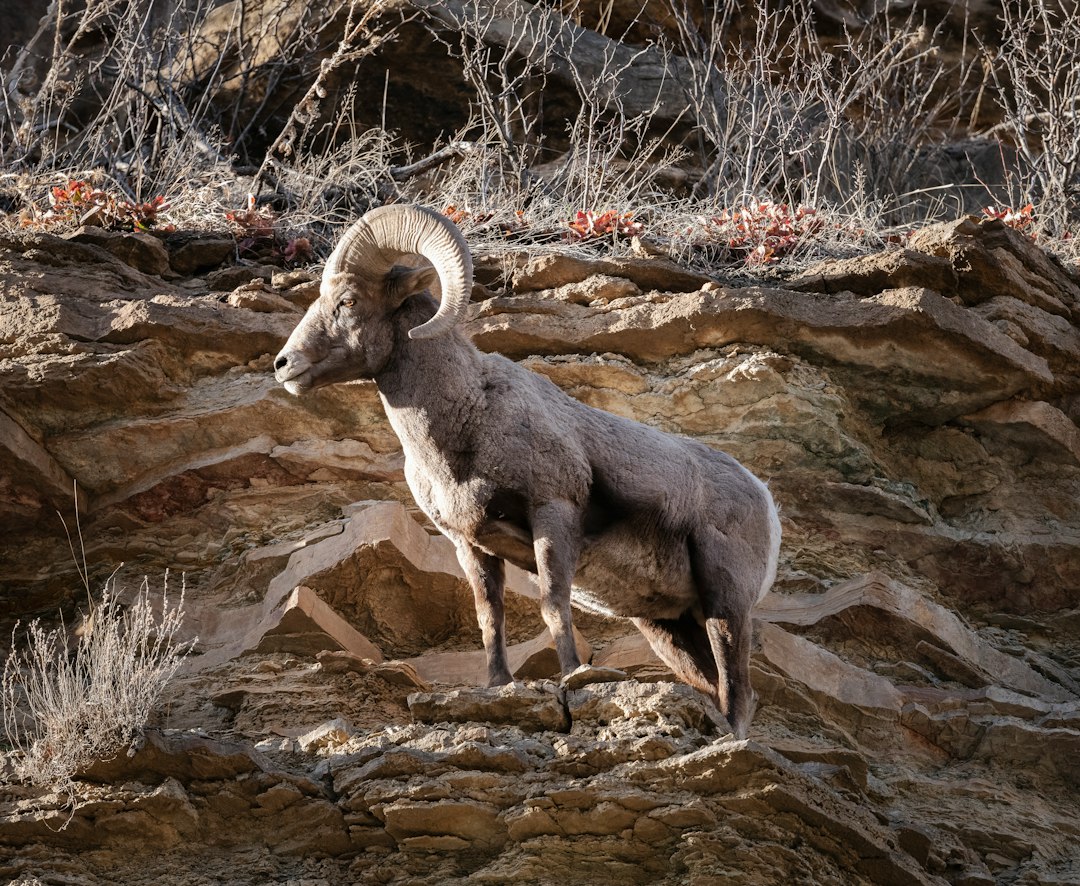
Nevada applies the squared system to elk, mule deer, pronghorn, and bighorn sheep controlled hunts. These are the state's premier limited-entry tags — the units with low tag quotas, high demand, and trophy potential.
Mountain goat draws do not use bonus points. Goat tags are purely random, with no point advantage for veteran applicants.
General deer and general elk hunts are over-the-counter for residents and do not require controlled-hunt applications. Nonresidents can hunt Nevada deer and elk only through the controlled-hunt draw.
Residents vs. Nonresidents in the 2027 Draw
Nevada allocates up to 10 percent of controlled-hunt tags to nonresidents for elk, deer, and pronghorn. Bighorn sheep tags are allocated differently, with specific nonresident quotas set by unit.
Both residents and nonresidents earn bonus points under the same squared system. A nonresident with five points has the same 36 draw entries as a resident with five points — but they compete in a separate nonresident pool with far fewer tags.
This makes point accumulation even more critical for nonresidents. Premium units often require double-digit point totals for nonresidents to reach competitive draw odds, while residents may draw the same hunt with half the points.
How to Apply and Earn Points in 2027
Nevada's 2027 controlled-hunt application period runs from early March through mid-March. Exact dates are typically announced in January on the Nevada Department of Wildlife website.
Applicants must hold a valid hunting license to apply. Nonresidents can purchase a nonresident hunting license online during the application window. The application fee is $10 per species. If you apply and are not drawn, you earn one bonus point for that species.
You may apply for up to five hunt choices per species, ranked by preference. The draw evaluates your first choice before moving to your second choice. If you draw any hunt on your list, you do not earn a point for that species.
Bonus points are species-specific. Elk points apply only to elk hunts, deer points only to deer hunts, and so on. Points do not transfer between species.
Free to join
Download mobile app
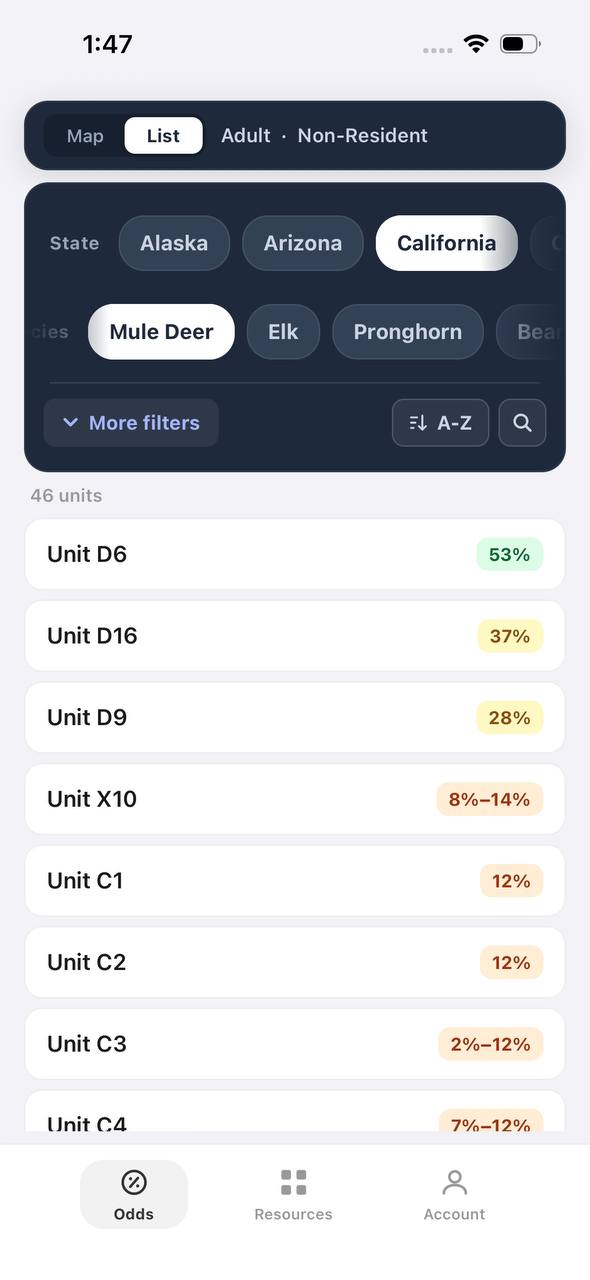
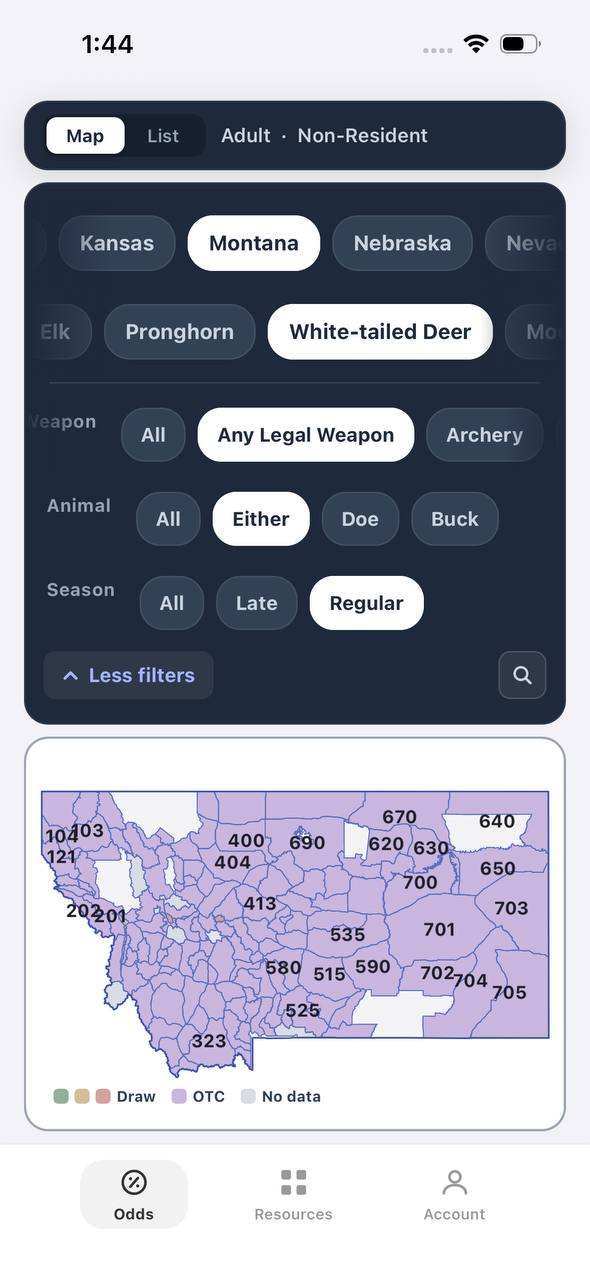
- Detailed draw odds
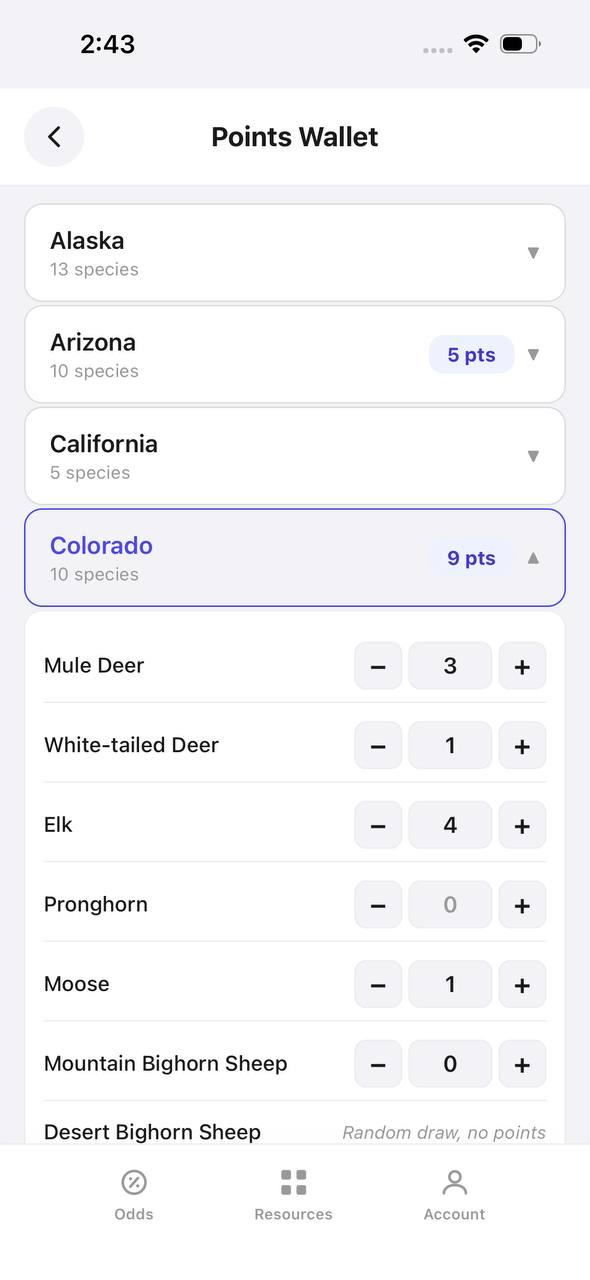
- Point tracking
- Deadline reminders
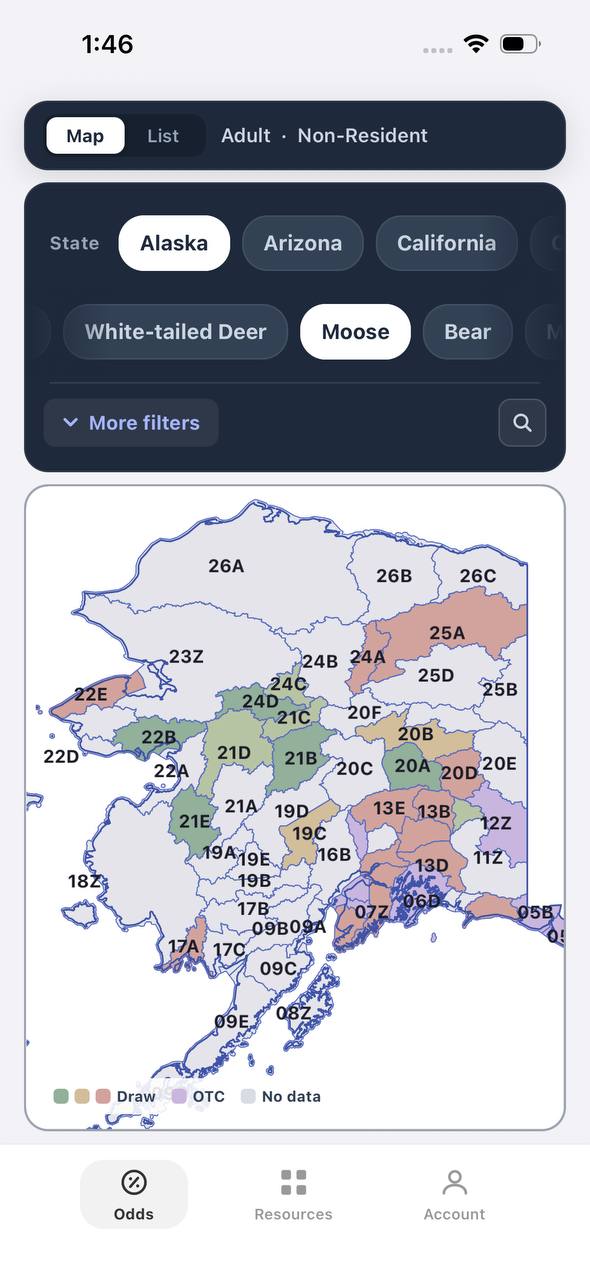
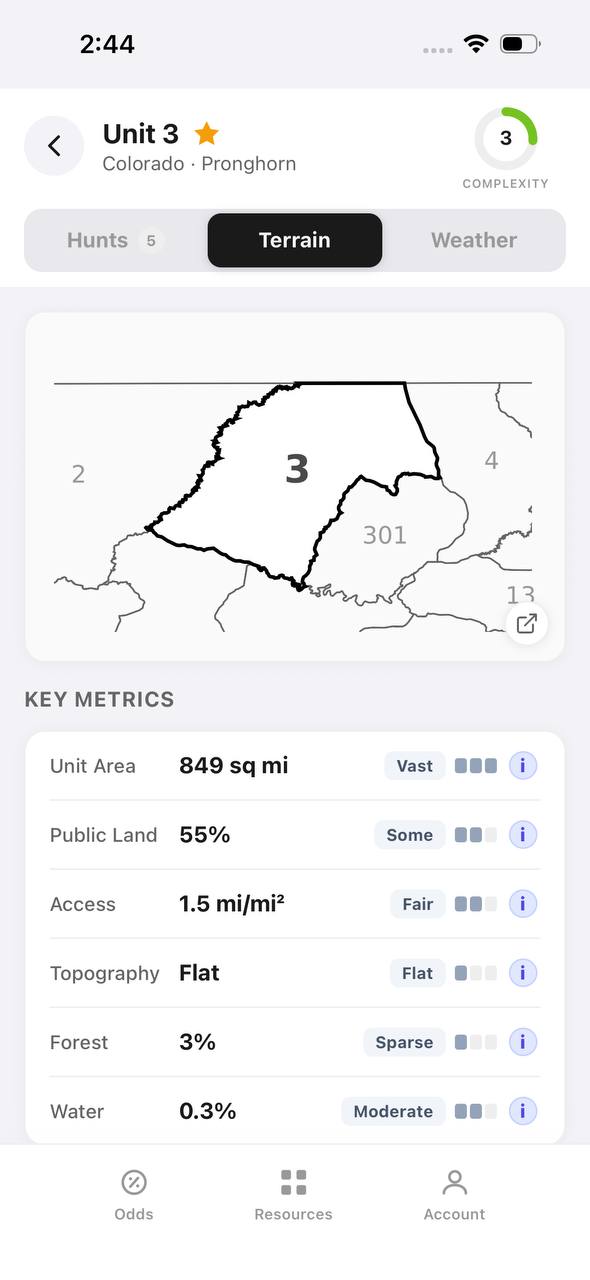
- 19 states covered

Free to join
Download mobile app
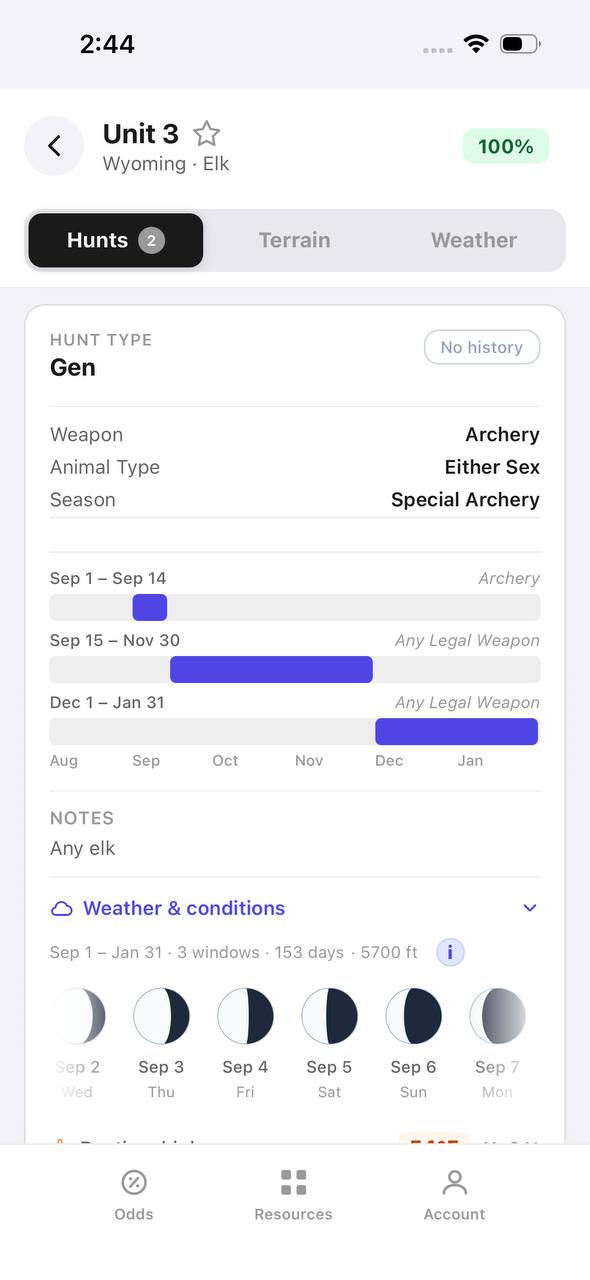
- Detailed draw odds
- Point tracking
- Deadline reminders
- 19 states covered
Free to join
Download mobile app
- Detailed draw odds
- Point tracking
- Deadline reminders
- 19 states covered
When Squaring Doesn't Matter
Squared bonus points improve your odds, but they don't guarantee anything. In hunts with extremely low tag quotas — one or two tags for hundreds of applicants — even ten squared points may yield draw odds below 5 percent.
For hunts with higher tag allocations and moderate demand, squaring accelerates your path to realistic odds. A hunt issuing twenty tags with two hundred applicants might offer 50 percent odds with six or seven points, compared to 1 percent odds with zero points.
The system rewards patience and consistency, but it doesn't overcome biological reality. Nevada's bighorn sheep tags are so limited that most units require fifteen to twenty years of point accumulation before reaching even moderate draw odds.
Strategy for 2027: Points vs. Opportunity
The squared system creates a strategic trade-off. Applying for a high-demand, low-quota hunt preserves your points while building toward future odds. Applying for a mid-tier hunt with moderate demand offers a realistic chance to draw in the near term.
Many Nevada hunters run a split strategy: apply for a dream hunt with their primary species, then apply for opportunity hunts with secondary species. For example, prioritize a trophy elk unit with your elk points while applying for a realistic pronghorn hunt where you might draw with three or four points.
Another approach is to front-load point building early in your hunting career, then cash in on a premium hunt later. A hunter who applies for elk every year from age thirty to age forty-five enters the draw at forty-five with 256 entries — enough to be competitive for nearly any Nevada elk tag.
FAQ — Nevada Squared Bonus Points
How many entries do I get with six bonus points?
You get (1 + 6)² = 49 entries in the draw. Each additional point beyond six continues to compound — seven points yields 64 entries, eight points yields 81 entries.
Do I lose my points when I draw a tag?
Yes. Drawing any controlled hunt for a species resets your bonus points to zero for that species. If you draw a deer tag, your deer points reset, but your elk, pronghorn, and sheep points remain intact.
Can I buy bonus points without applying?
No. Nevada does not sell points directly. The only way to earn a bonus point is to apply for a controlled hunt and not draw. If you skip a year, you don't earn a point for that species.
Does Nevada have preference points or just bonus points?
Nevada uses only bonus points, which are squared and entered into a random draw. The state does not use a preference point system where higher point holders are guaranteed to draw before lower point holders.
Are bonus points refunded if I don't draw?
No. Bonus points are not purchased separately and not refunded. You pay a $10 application fee per species. If you don't draw, you automatically earn one bonus point for that species.
Is it worth applying as a nonresident with zero points?
Yes for opportunity units with moderate demand. Nonresidents with zero points can draw mid-tier deer and pronghorn hunts in some units. Premium elk and sheep hunts typically require many years of point accumulation, but starting early is the only way to compete later.
Was this article helpful?
Previous
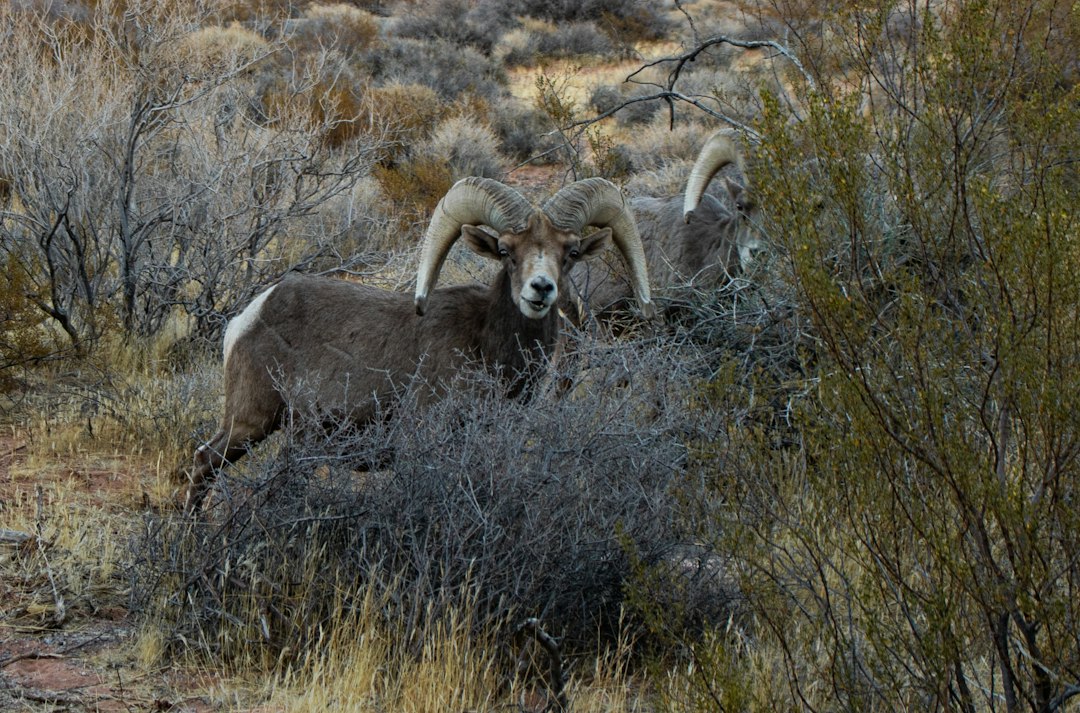
Nevada Guided Bighorn Sheep Hunts 2027: Bonus Points & Costs
Nevada's bighorn sheep draw uses bonus points and costs $3,000+ for nonresidents. Here's how the system works, what guided hunts cost, and your realistic odds of drawing.
Related
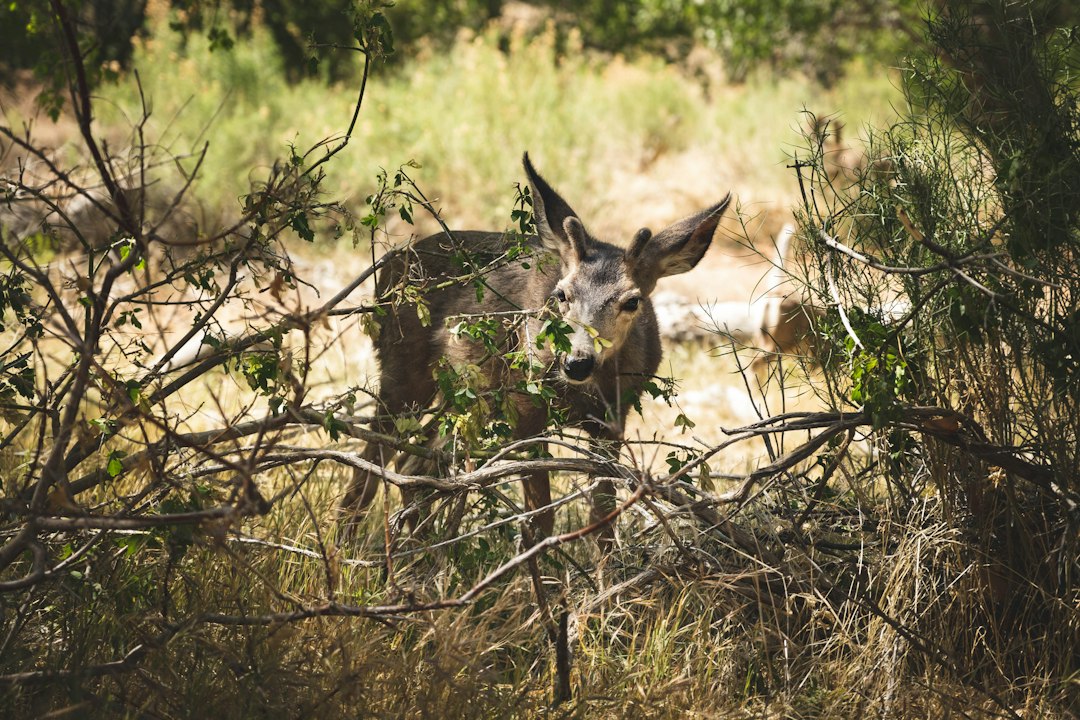
Utah Mule Deer Draw Odds and Tag Guide 2027
Utah's 2027 mule deer draw offers 38,000+ permits across general and limited-entry units, with odds ranging from guaranteed to 1-in-50 depending on weapon, region, and points. General-season tags require zero to three points for most hunters, while premium limited-entry units demand 10-20+ points.
Next
How Much Does a Desert Bighorn Sheep Hunt Cost in 2027?
Desert bighorn sheep hunts range from $5,000–$15,000 for resident raffle/lottery tags in Nevada and Arizona to $100,000+ for guided Mexican hunts and $400,000+ for auction tags supporting conservation.