Challenge Bugles Explained: What Bulls Are Really Saying and How to Respond
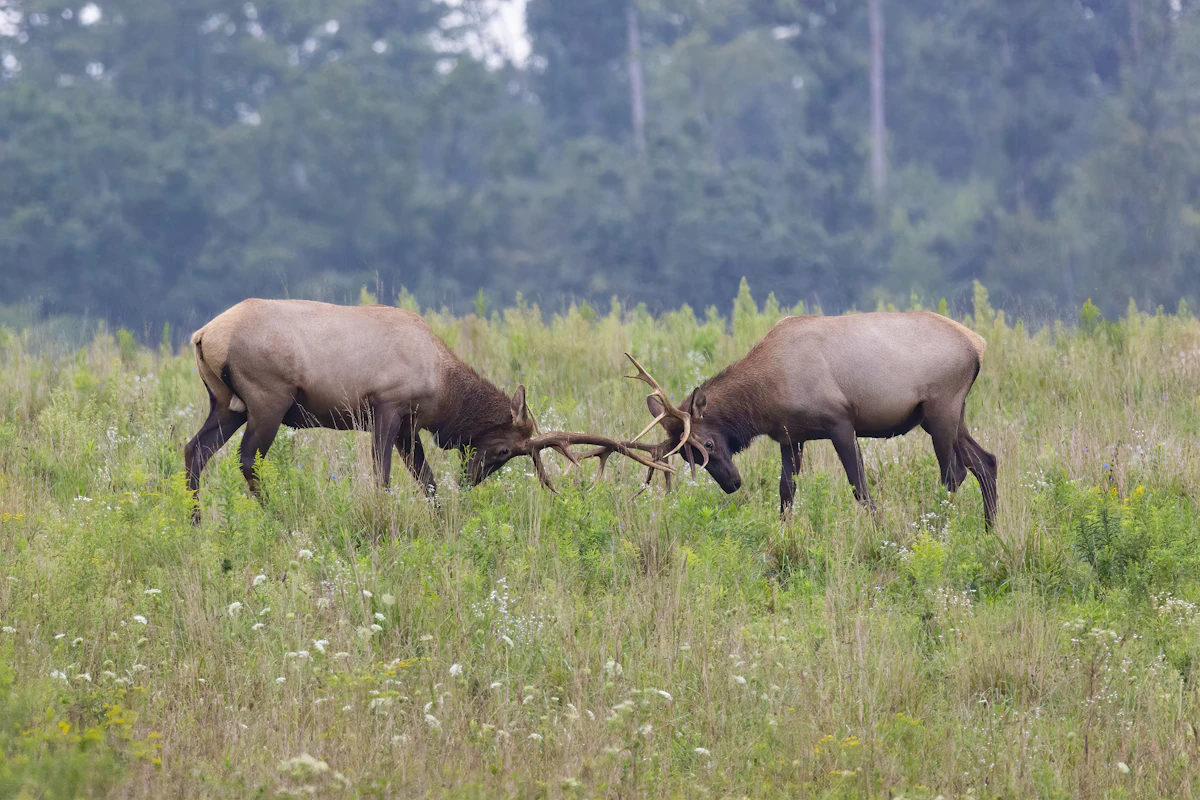
A challenge bugle is a bull elk's verbal line in the dirt. It says come closer if you dare. Unlike location bugles or simple advertisement calls, a challenge bugle carries aggression, and the bull making it is ready to back up the threat. Recognizing this vocalization and knowing how to exploit it separates hunters who fill tags from those who watch bulls walk away.
What Makes a Bugle a Challenge
Not every bugle is a challenge. Bulls vocalize for different reasons throughout the rut, and context determines meaning. A location bugle is exploratory, a bull announcing his presence and listening for responses. An advertisement bugle is a herd bull letting cows know he's fit and dominant. A challenge bugle is different. It's directed at a specific rival.
The defining characteristics of a challenge bugle include shorter duration, a harsh or guttural tone, and often a rapid series of grunts or chuckles tacked onto the end. Some hunters describe it as an angry bugle. The pitch may drop rather than rise, and the bull frequently cuts off the call abruptly as if he's too worked up to finish. When a bull issues a challenge, he's usually already moving toward the perceived threat.
Timing matters too. Challenge bugles spike during the peak rut when competition for breeding rights intensifies. Early September may bring tentative sparring, but by mid-September in most Rocky Mountain herds, bulls are willing to fight. That's when challenge bugles become common.
Why Bulls Issue Challenge Bugles
Bull elk challenge for one reason: breeding access. A herd bull with cows will challenge satellite bulls that venture too close. A satellite bull may challenge a herd bull to test his resolve, hoping to steal a cow or provoke a mistake. Young bulls sometimes challenge out of inexperience, not fully understanding the consequences.
The rut creates a pressure cooker. Bulls burn thousands of calories daily, sleep little, and operate on aggression and hormones. A challenge bugle is the verbal equivalent of a shove. It precedes physical confrontation unless the rival backs down. For hunters, this aggression is an exploitable vulnerability.
Herd bulls are especially responsive to challenge bugles because they cannot afford to ignore threats. Every moment spent chasing a rival is a moment a cow might slip away with another bull. Herd bulls often answer challenges quickly and aggressively, hoping to run off the intruder before a fight becomes necessary. This urgency is what pulls them into range.
Reading the Situation Before You Call
Blindly throwing challenge bugles into the timber is a recipe for failure. Before attempting to provoke a bull, assess the situation. Ask yourself three questions: Is this bull with cows? Is he already agitated? What's the terrain between us?
A herd bull with cows is your best target. He has something to defend and cannot simply walk away. A lone bull cruising for cows may respond, but he's just as likely to circle downwind and evaluate you from a distance. He has nothing anchoring him.
Aggitation level matters. If a bull has already been bugling frequently, trading calls with other bulls, or moving erratically, he's primed. A single challenge from a new direction may be all it takes. Conversely, a bull that's been silent may be content, resting, or simply not in the mood to fight.
Terrain dictates your setup. Challenge calls work best when the bull has a clear approach corridor. Thick timber or steep draws give him too many options to hang up out of range. Open parks with finger ridges or saddles funnel movement and force commitment.
How to Execute a Challenge Bugle
Your bugle needs to sound like a legitimate threat, not a passive inquiry. Start with an aggressive, slightly shorter bugle. Drop the pitch if you can. End with grunts or chuckles that communicate readiness to fight. Volume should match the bull's intensity. If he's screaming, you scream back. If he's issuing low, guttural challenges, match that tone.
Location is critical. Set up tight, ideally within 100-150 yards if cover allows. Challenge bugles lose effectiveness at distance because a bull can take his time approaching, giving him opportunity to wind you or lose interest. Close the gap before you call.
Once you challenge, commit to the sequence. Many hunters issue one bugle, get a response, and then go silent. This passivity signals weakness. A real rival bull would keep pushing. Continue bugling, mixing in aggressive cow calls and grunts, until the bull commits or clearly disengages.
Have your bow or rifle ready before the first note leaves your diaphragm. Bulls responding to challenges often cover ground at a near-run. The TAGZ product page can help you find units where mature bulls are more common, increasing your odds of encountering herd bulls worth challenging.
When Challenge Bugles Backfire
Challenge bugles are not a universal solution. They fail, and sometimes they make situations worse. Understanding the failure modes helps you avoid them.
Older, experienced bulls often recognize fake challenges. If your bugle sounds thin, nasally, or hesitant, a mature bull may simply ignore you or move away. Practice on real bulls before hunting season by driving forest roads during early September and bugling at herds from a distance. Record yourself and compare to actual bulls.
Some bulls respond to challenges by gathering their cows and leaving. This is rational behavior. Fighting is dangerous, and a smart herd bull may calculate that relocation costs less energy than confrontation. If a bull starts moving his herd away after your challenge, switch tactics immediately. Cow calls and passive setups become your best option.
Over-calling is another pitfall. Bulls can distinguish individual voices, and if the same aggressive bugle keeps coming from the same ridge, they grow suspicious. Vary your position, change your cadence, and incorporate other vocalizations to maintain the illusion of a real rival.
Combining Challenges With Other Tactics
The most effective hunters use challenge bugles as one tool in a larger system. Combining them with decoying, cow calling, and strategic movement creates setups that bulls cannot resist.
A cow decoy placed 20-30 yards from your position gives a challenging bull something to see. Bulls that hang up at 80 yards often commit those final steps when they spot a cow. The visual confirmation overrides their caution.
Cow calls mixed between challenge bugles add realism. A real fight over cows involves cow vocalizations. Estrus whines, mews, and excited chirps tell the approaching bull that cows are present and worth fighting for. This combination is especially deadly during peak breeding.
If a bull hangs up, move toward him while continuing to call. This simulates a rival bull pushing into his territory. The aggression of your approach often triggers a matching response. Be ready for a quick shot because closing bulls appear suddenly.
For hunters still building their unit knowledge, the TAGZ Insights page covers state-specific elk strategies that pair well with in-the-field calling tactics.
Gear Considerations for Calling Bulls
Your calling setup influences how convincing your challenge sounds. Diaphragm calls offer hands-free operation and consistent tone. External reed calls produce more volume but require a hand. Many serious elk hunters carry both.
Practice producing the guttural, aggressive tones that define challenge bugles. This usually means manipulating tongue pressure and air volume differently than you would for a standard bugle. Some hunters use grunt tubes to add bass and resonance, though these add bulk and can slow your shot process.
Wind and weather affect sound transmission. Bugles carry farther in cold, calm air. On windy days, you may need to close distance before calling simply to be heard. Rain deadens sound but also covers your approach noise, creating ambush opportunities.
Matching Your Approach to the Bull's Status
Not all bulls respond equally to challenge bugles. Tailoring your approach based on what you've observed increases success rates.
Herd bulls with large harems are often the most responsive. They're stressed, sleep-deprived, and constantly vigilant. A challenge from an unexpected direction demands immediate attention. These bulls frequently charge in, expecting to run off another satellite.
Satellite bulls hanging on the edges of herds respond unpredictably. Some are eager to fight, hoping to improve their status. Others are beaten down from previous encounters and will slink away at the first sign of aggression. Watch their body language before calling. A satellite with his head up and ears forward is a better target than one that's feeding passively.
Lone bulls without cows can be frustrating. They may respond vocally but refuse to close distance. Challenge bugles sometimes push these bulls toward herds rather than toward you, as they seek actual cows rather than phantom rivals. Cow calling is often more effective on unattached bulls.
If you're evaluating which units hold the bull-to-cow ratios that produce these scenarios, the TAGZ draw odds tools let you compare units and seasons across Western states.
FAQ — Challenge Bugles
What's the difference between a challenge bugle and a location bugle?
A location bugle is exploratory and often longer with a rising pitch. A challenge bugle is shorter, harsher, and usually includes grunts or chuckles that signal aggression and willingness to fight.
When during the rut are challenge bugles most effective?
Peak effectiveness is mid-September through early October for most Rocky Mountain herds. This is when breeding competition peaks and bulls are most willing to confront rivals.
Can challenge bugles scare bulls away?
Yes. Subordinate bulls or cautious herd bulls may move their cows away rather than risk confrontation. If a bull starts leaving after your challenge, switch to passive cow calling immediately.
How close should I be before issuing a challenge bugle?
Ideal range is 100-150 yards if terrain allows. Closer setups reduce the bull's opportunity to hang up or wind you during his approach.
Should I use a grunt tube with challenge bugles?
Grunt tubes add bass and realism, which can help sell an aggressive challenge. However, they require a free hand and can slow your shot setup. Practice both methods and choose based on the situation.
Is challenging more effective than cow calling for mature bulls?
It depends on the bull's status. Herd bulls often respond better to challenges because they cannot ignore threats. Lone bulls seeking cows may respond better to cow calls that promise breeding opportunity rather than conflict.
Putting It Into Practice This Season
Challenge bugles are high-risk, high-reward tools. They require accurate reading of bull behavior, confident calling execution, and quick shooting when things happen fast. Start by observing bulls before hunting them. Listen to how real challenge bugles sound. Note which bulls respond and which walk away.
During your hunt, use challenges selectively. Save them for herd bulls that have something to protect and for situations where terrain favors a quick approach. Combine them with cow calls, decoys, and aggressive movement to create scenarios bulls cannot ignore.
The hunters who consistently call in mature bulls treat challenge bugles as a finishing move, not an opening gambit. They work in close, read the bull's mood, and deliver a challenge that demands a response. That's when tags get filled.
For help finding units with healthy bull populations and favorable draw odds, explore what TAGZ offers for Western big-game hunters serious about planning their next elk season.
Was this article helpful?
Previous
Advertising Bugles Explained: What Elk Are Really Saying
Advertising bugles are the iconic sounds bull elk make to broadcast dominance and attract cows. Understanding their meaning, timing, and variations helps hunters locate bulls and call more effectively during the rut.
Next
Cow Elk Calling During Rifle Season: Why It Works When Bulls Go Silent
Bull elk shut down during rifle season, but cow calling can still pull bulls and cows into range. Learn why rifle-season elk respond to contact calls, how to use location calls to scout pressure-heavy units, and when to skip calling entirely.