Mountain Goat Behavior: How These Alpine Masters Survive Extreme Terrain
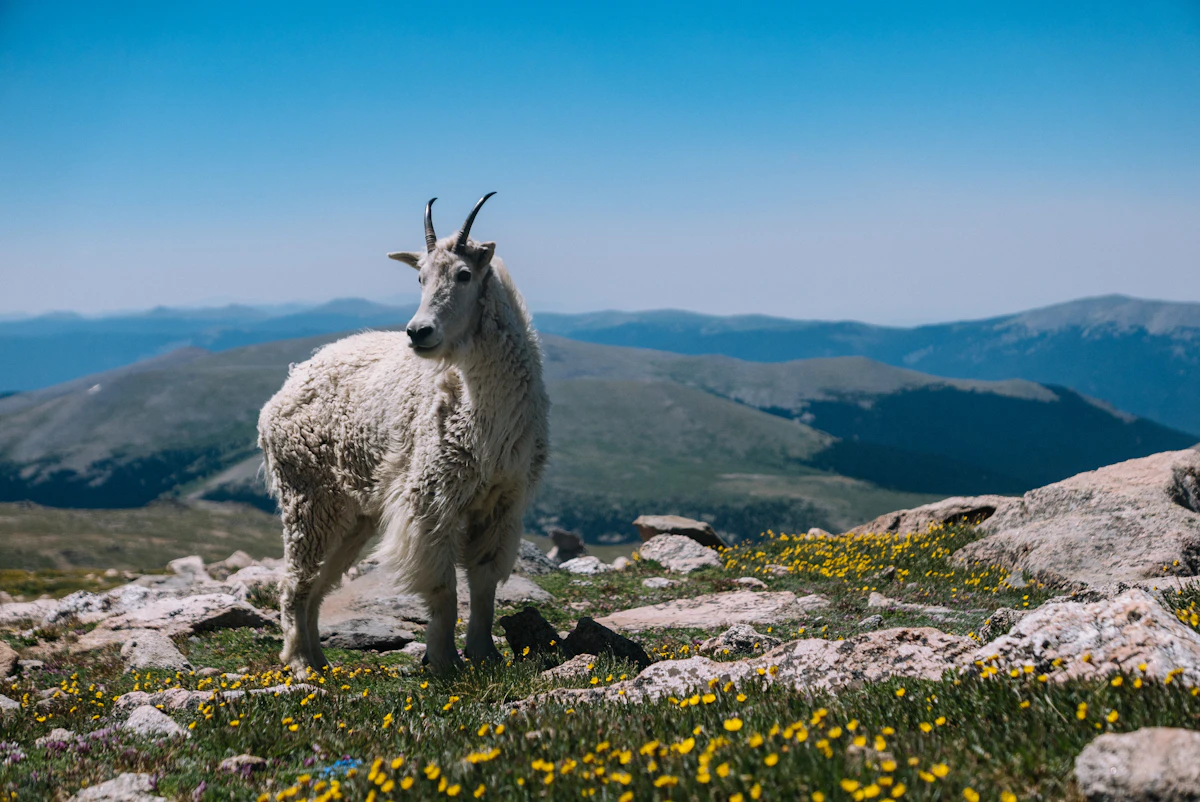
Mountain goats are not true goats but members of the rupicaprid family, more closely related to antelopes. What sets them apart is their mastery of vertical terrain. Unlike sheep that prefer rolling alpine basins or elk that migrate to escape winter, mountain goats live year-round in cliff bands and broken rock where predators cannot follow. Their behavior reflects total adaptation to gravity-defying environments, and understanding that adaptation is the difference between a successful hunt and a dangerous miscalculation in the high country.
Why Mountain Goats Live in Extreme Terrain
Mountain goats inhabit cliffs, ledges, and vertical rock faces not because they prefer them, but because those places offer safety. Their primary predators — wolves, bears, cougars, and eagles — cannot navigate sheer rock the way goats can. While a grizzly can climb a scree slope, it cannot follow a goat across a two-inch ledge 300 feet above talus. Golden eagles target kids, but an adult goat positioned against a cliff face is nearly impossible to strike.
This behavior dictates where goats bed, feed, and escape. They are willing to tolerate poor forage and brutal wind exposure if the terrain provides security. During summer, goats move into higher elevations where cliffs intersect alpine meadows. In winter, they shift to south-facing slopes where wind keeps snow shallow and forage accessible, but always within a short sprint of escape terrain. Hunters who expect goats to behave like other mountain ungulates — feeding in open basins or bedding in timber — will glass the wrong country.
Seasonal Movement Patterns
Mountain goats do not migrate in the traditional sense. Their home ranges are small, often just a few square miles, and their seasonal movements are vertical shifts of a few hundred feet rather than lateral travel across drainages. In late spring and early summer, billies and nannies with kids move to higher alpine zones where emerging vegetation provides protein-rich forage. Mineral licks become focal points during this period, and goats will travel short distances to access salt-rich seeps or exposed soil.
By late summer and early fall, when most goat hunting seasons open, goats are at or near peak elevation. They spend mornings and evenings feeding in alpine meadows and krummholz zones, then retreat to cliff bands during midday. As snow begins to accumulate in October and November, they descend to windswept ridges and south-facing slopes where forage remains accessible. Winter behavior is highly localized — goats may spend months on a single slope complex, conserving energy and minimizing exposure to deep snow.
Understanding these patterns matters because goat hunting is physically punishing. Knowing that goats in September are likely at 9,000 to 11,000 feet and will not leave a drainage even under pressure helps hunters focus effort. Unlike elk that bugle and move miles overnight, goats you locate one day will likely be in the same basin the next, assuming you did not push them into inaccessible terrain.
Feeding Behavior and Daily Routine
Mountain goats are highly efficient browsers, feeding on grasses, sedges, forbs, mosses, and lichens. They prefer protein-rich forbs during summer but will consume almost any available vegetation. Their digestive system is adapted to extract nutrients from poor-quality forage, which allows them to thrive in environments where other ungulates would starve.
Goats feed primarily during early morning and late afternoon, with a secondary feeding period around midday if conditions are calm. During feeding, they move slowly and deliberately, often pausing to scan for danger. Unlike sheep that feed in open basins, goats rarely venture far from escape terrain. A feeding goat is typically within 50 to 200 yards of cliffs, and if spooked, it will run uphill toward rock rather than downhill into timber.
Bedding behavior is dictated by thermoregulation and security. Goats bed in locations that offer visual command of approaches and quick access to cliffs. During hot weather, they seek shaded ledges or snowfields where they can cool down — their thick white coats are effective insulation in winter but become a liability in direct sun. During storms, goats often bed on exposed ridges where wind keeps snow from accumulating, rather than seeking shelter in basins where drifts form.
Hunters should plan glassing sessions around these feeding windows. The first two hours after sunrise and the final two hours before dark are prime times to locate goats in feeding areas. Midday glassing should focus on bedding cliffs and ledge systems where goats rest in shade or thermal cover.
Social Structure and Herd Dynamics
Mountain goats are not highly gregarious. Mature billies are largely solitary outside the breeding season, while nannies and kids form small groups of two to six animals. During summer, nannies with kids tend to segregate from billies, occupying slightly different terrain to reduce competition for forage and minimize harassment.
The breeding season, or rut, occurs from mid-November through December, well after most hunting seasons close. Billies seek out nanny groups and engage in displays and sparring to establish dominance. Unlike bighorn rams that engage in spectacular head-to-head collisions, billy goats fight by stabbing with their sharp horns, and these encounters can result in serious injury or death. Outside the rut, billies avoid one another and show little interest in social interaction.
This social structure affects hunting strategy. A lone goat is likely a mature billy, which is the legal and ethical target in most jurisdictions. Groups of three or more animals often include nannies and kids, and distinguishing billies from nannies at long range is difficult. Billies are marginally larger, with blockier heads and thicker horn bases, but the differences are subtle. Many states require hunters to complete identification courses before applying for goat tags, and even experienced hunters pass on questionable animals to avoid mistakenly harvesting a nanny.
Free to join
Download mobile app
- Detailed draw odds
- Point tracking
- Deadline reminders
- 18 states covered

Free to join
Download mobile app
- Detailed draw odds
- Point tracking
- Deadline reminders
- 18 states covered
Free to join
Download mobile app
- Detailed draw odds
- Point tracking
- Deadline reminders
- 18 states covered
Predator Avoidance and Escape Tactics
Mountain goats rely almost exclusively on terrain for predator avoidance. When threatened, they run uphill toward cliffs, rock outcrops, or ledge systems where pursuers cannot follow. Their hooves are designed for traction on steep rock — soft pads provide grip, and hard outer edges act like climbing shoes. Goats can navigate terrain that would kill most animals, and they know it. A spooked goat does not panic; it moves deliberately toward vertical escape routes, often pausing to assess the threat before disappearing into terrain that looks impassable.
This behavior creates unique challenges for hunters. Pushing goats off feeding areas often results in animals retreating to cliffs where recovery is impossible or dangerous. A goat shot on a ledge may tumble hundreds of feet, destroying the cape and meat, or wedge in a crevice that requires technical climbing to access. Ethical goat hunting requires patience and careful shot placement in locations where the animal can be recovered safely.
Goats also exhibit surprising boldness when they feel secure. A goat on a cliff ledge may watch a hunter approach to within 100 yards without fleeing, simply because it knows the hunter cannot reach it. This behavior can be frustrating during spot-and-stalk hunts, but it also means that goats pressured into cliffs often remain visible, allowing hunters to wait for them to move back into accessible terrain.
Weather Responses and Behavioral Shifts
Mountain goats are remarkably tolerant of extreme weather. They do not seek shelter during storms the way elk or deer do. Instead, they often move to windswept ridges where snow does not accumulate, even if it means enduring brutal wind and freezing temperatures. Their thick coats provide insulation, and their low metabolic rate allows them to survive long periods without feeding during winter storms.
During heavy snow, goats may remain bedded for extended periods, conserving energy rather than expending calories to dig for forage. In summer, extreme heat triggers behavioral shifts — goats seek shade, bed on snowfields, and reduce feeding activity during midday. These responses affect hunting tactics. A warm September day may push goats onto north-facing slopes or into shaded cliff bands where they are difficult to locate, while a cold front may trigger increased feeding activity.
Hunters should monitor weather patterns closely. A sudden snowstorm in early fall can push goats lower in elevation or concentrate them on wind-scoured slopes, creating opportunities. Conversely, unseasonably warm weather may force goats into bedding areas earlier in the day, shortening effective hunting windows.
How TAGZ Helps Plan Mountain Goat Hunts
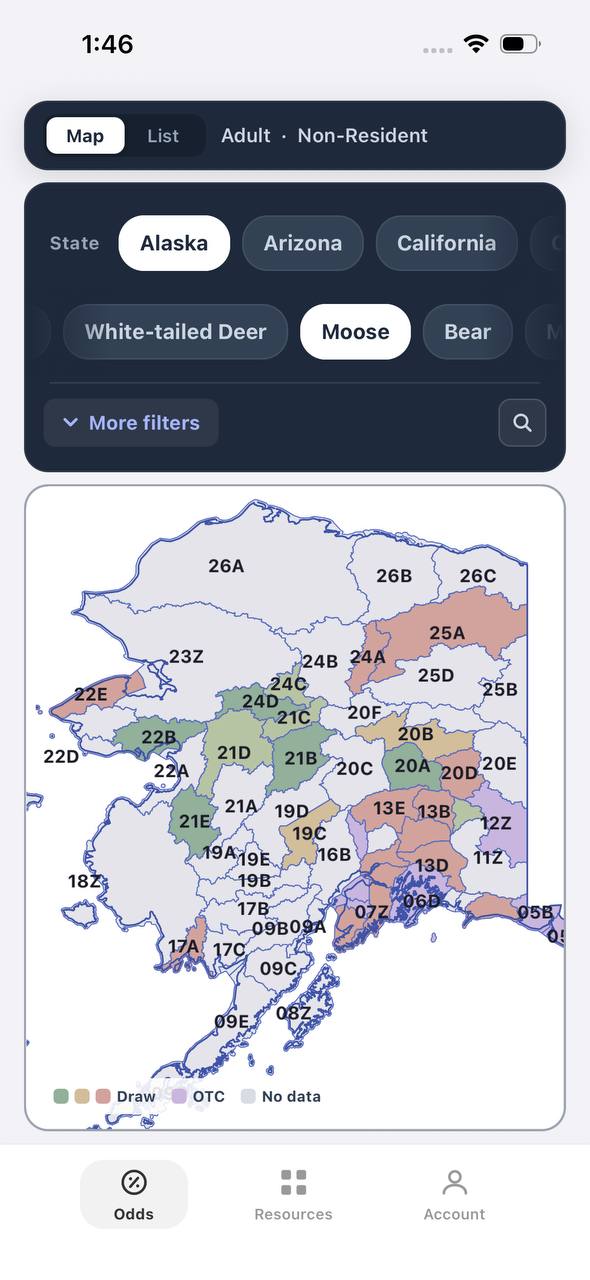
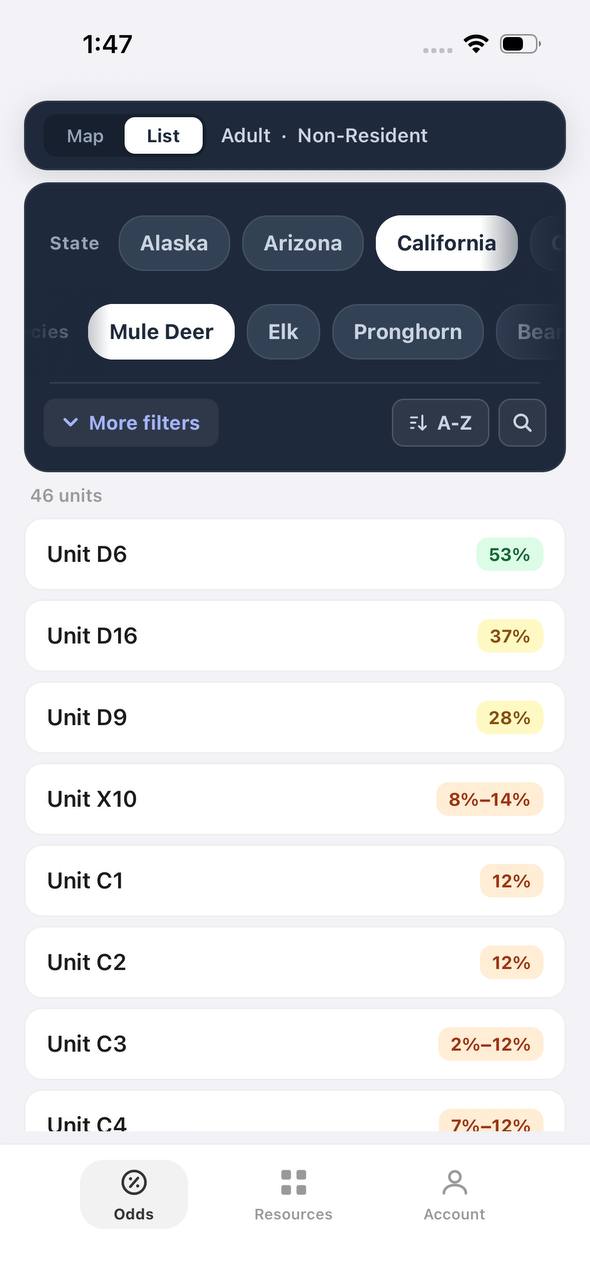
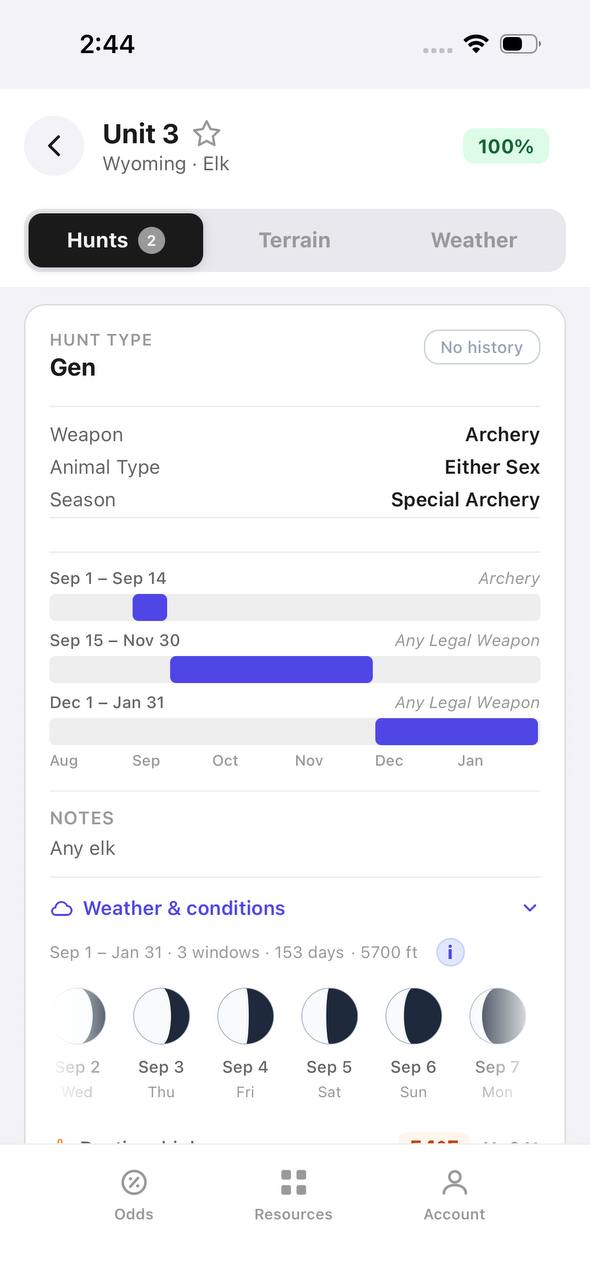
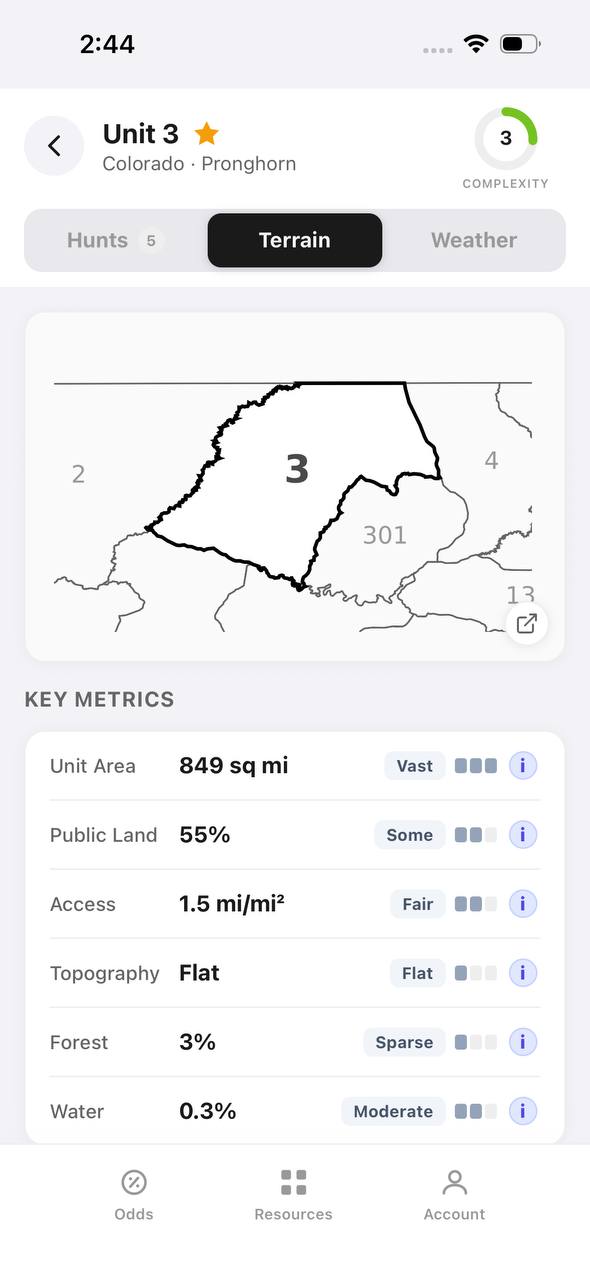
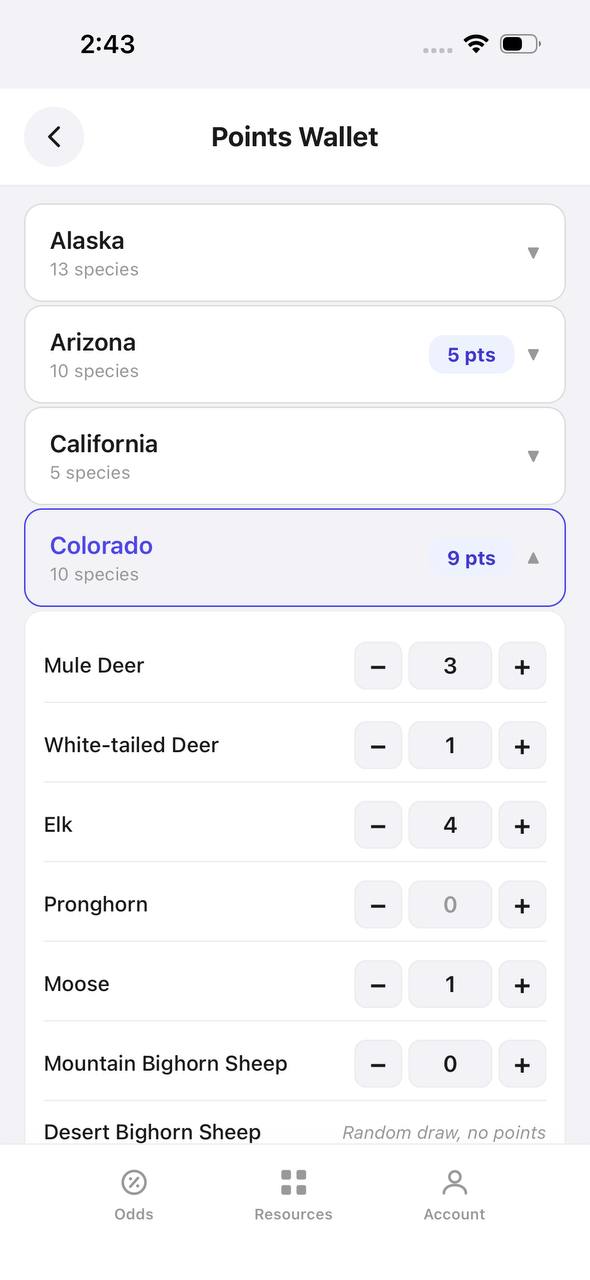
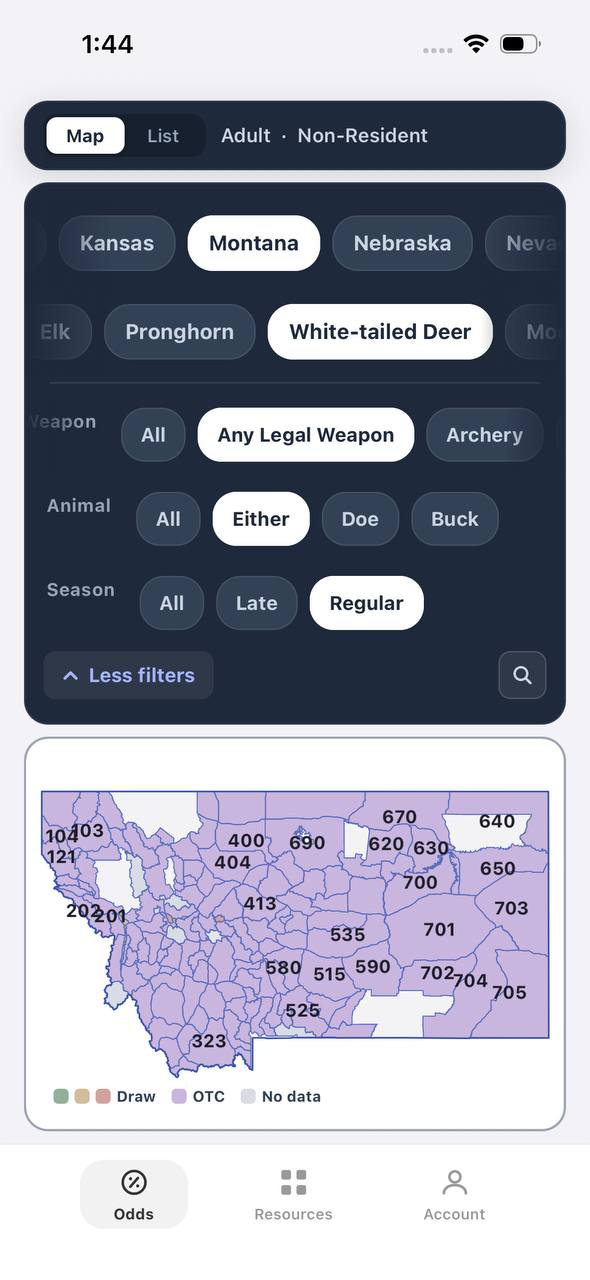
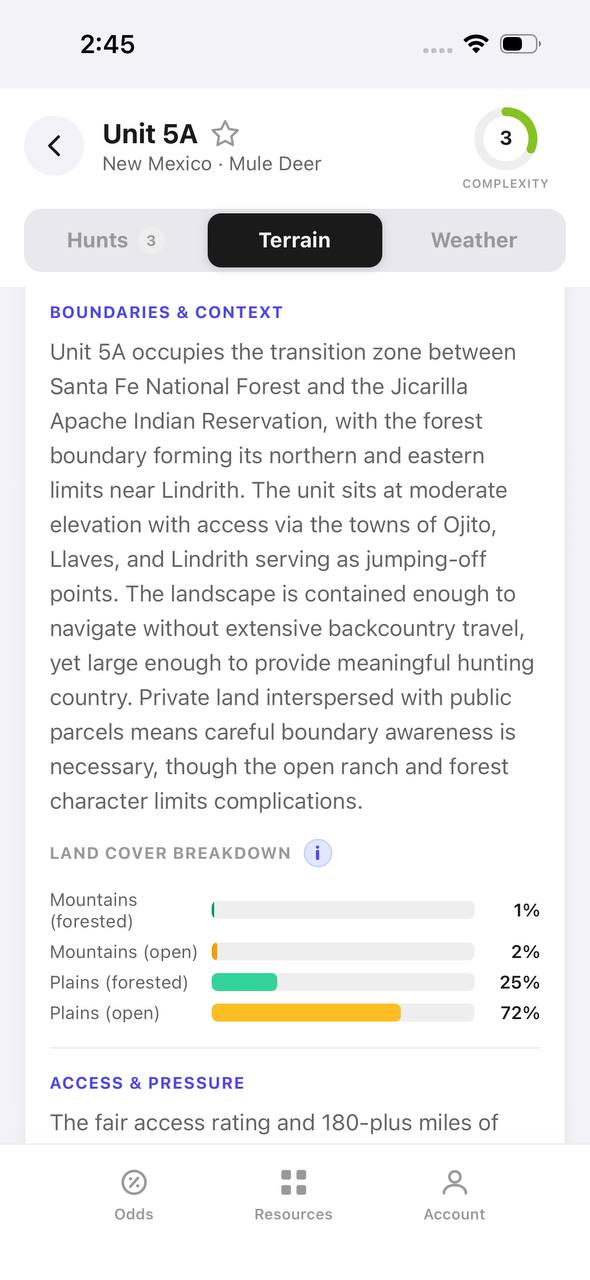
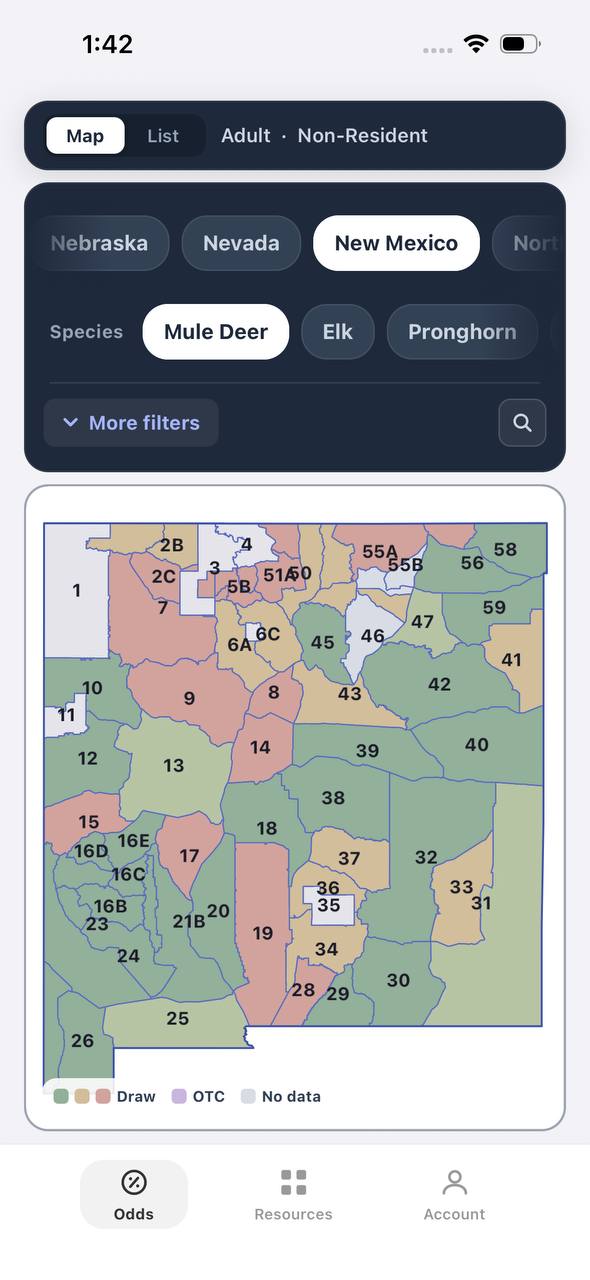
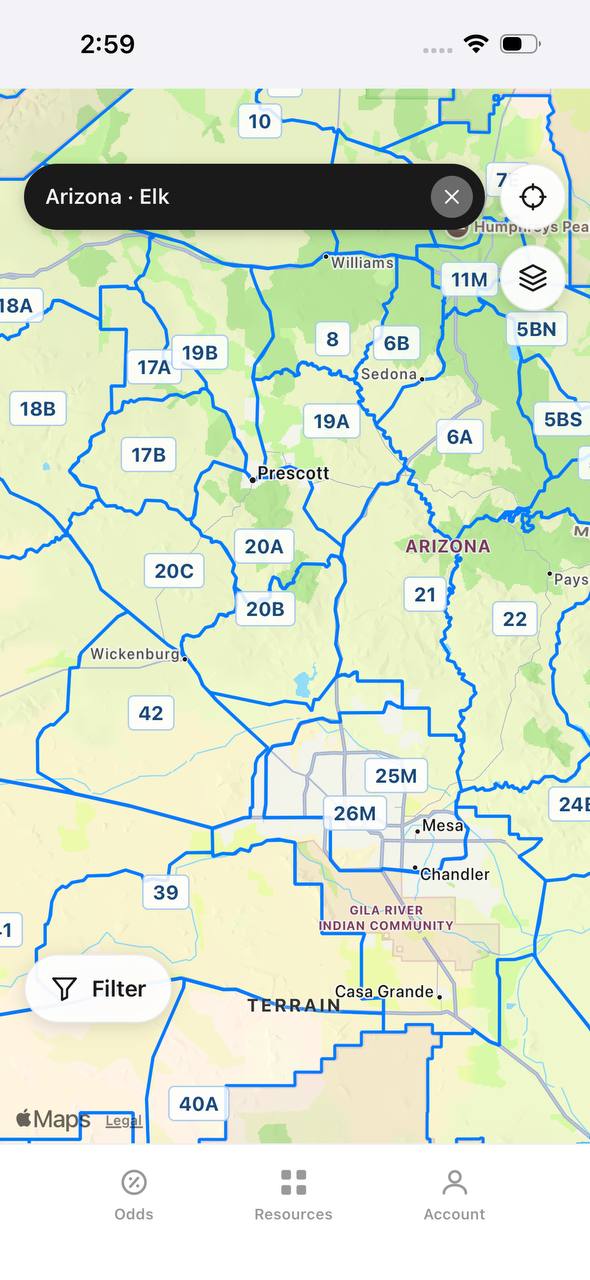
Mountain goat tags are among the hardest to draw in the West, with many units requiring a decade or more of preference points. TAGZ helps you track your points across states, compare draw odds for different units, and identify areas where bonus point systems give applicants a realistic chance. The platform's terrain maps and unit boundaries let you evaluate alpine goat habitat before you ever apply, so you can prioritize units with accessible terrain and realistic recovery opportunities.
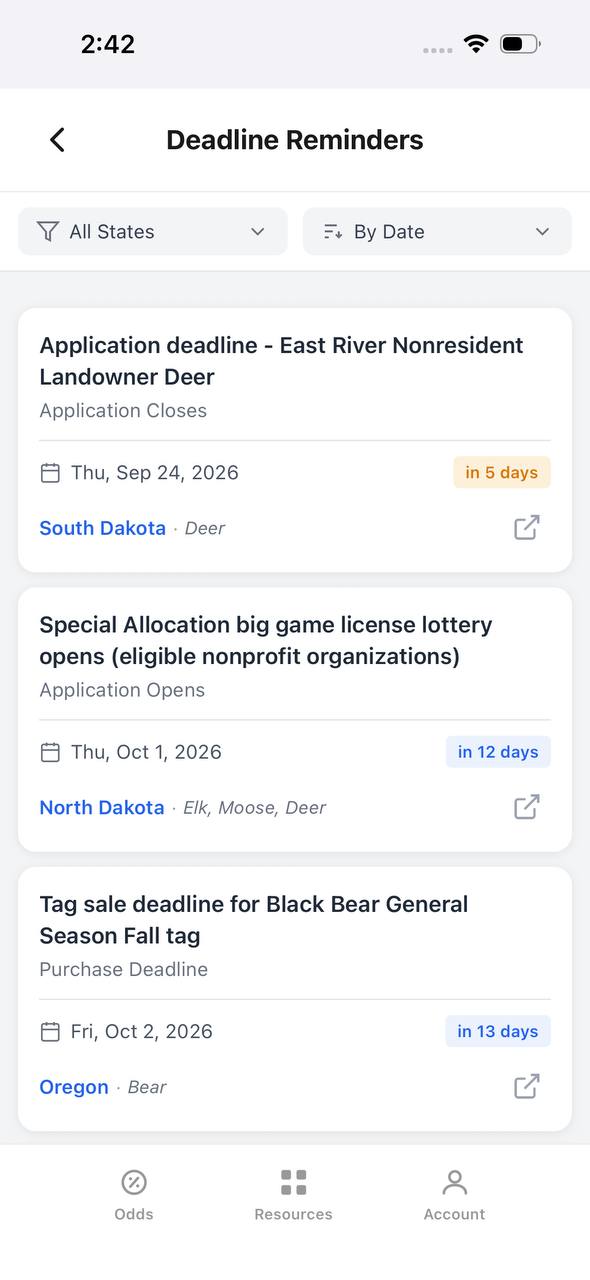
Whether you are building points for a dream Montana goat hunt or applying in multiple states to increase your odds, TAGZ gives you the tools to make smarter decisions from application season through the hunt itself. The combination of historical draw data, terrain analysis, and deadline tracking ensures you never miss a chance to apply and that you are prepared when your tag finally comes through.
FAQ — Mountain Goat Behavior
Why do mountain goats live on cliffs instead of in forests?
Cliffs provide protection from predators that cannot follow them onto narrow ledges and vertical rock faces. Goats sacrifice access to better forage in exchange for terrain that keeps wolves, bears, and cougars at bay.
Do mountain goats migrate like elk or deer?
No. Goats make small vertical movements of a few hundred feet between summer and winter ranges, but they do not migrate across drainages. Their home ranges are small and highly localized.
How do you tell a billy from a nanny at long range?
Billies are slightly larger with blockier heads, thicker horn bases, and more prominent shoulder humps. The differences are subtle, and misidentification is common. When in doubt, do not shoot.
What time of day are mountain goats most active?
Goats feed primarily during the first two hours after sunrise and the last two hours before sunset. Midday activity is limited to bedding and ruminating, though they may feed during calm, cool conditions.
Will a mountain goat leave a drainage if pressured?
Rarely. Goats retreat to cliffs when threatened but typically remain in the same basin. Unlike elk that travel miles when spooked, goats rely on vertical escape routes and return to feeding areas once pressure subsides.
How dangerous is it to hunt mountain goats?
Extremely dangerous if you are unprepared. The terrain is steep, unstable, and often requires scrambling or light climbing. Shot placement must account for recovery — a goat killed on a cliff may be unrecoverable or require technical rope work to access.
Continue Planning Your Hunt
Mountain goat hunting demands years of planning, physical preparation, and an understanding of behavior that few other species require. If you are building points or researching units, explore the TAGZ platform to compare draw odds, track your applications across states, and analyze terrain maps that show where goats live and how to access them. For more insights on alpine hunting strategies, browse the full library of articles on the TAGZ Insights page. When you are ready to commit to a multi-year point strategy or plan your first goat application, check out TAGZ pricing to see how the platform can simplify the process and give you confidence in every decision from application season through the mountain.
Was this article helpful?
Previous
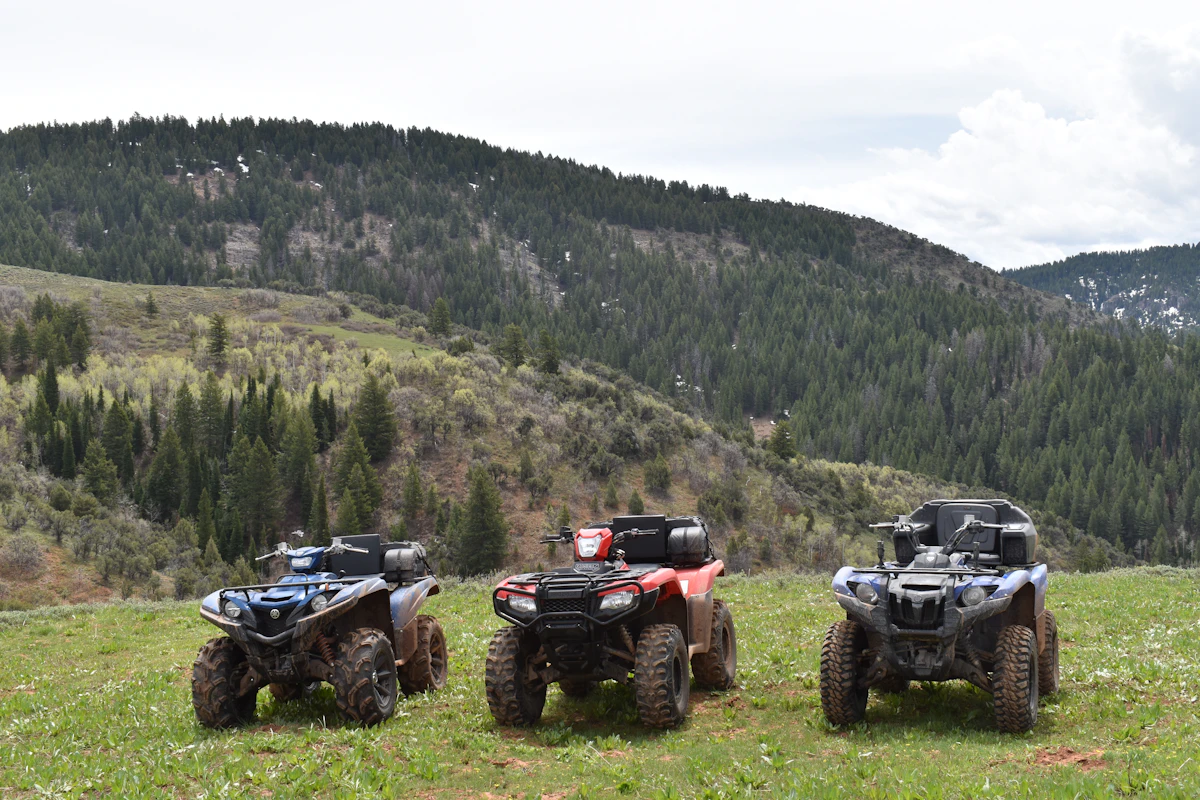
Best ATVs for Western Hunting: Models Built for Backcountry Access
Choosing the right ATV for western hunting means balancing payload capacity, fuel range, and terrain capability. We break down the top models that actually perform in alpine basins, desert flats, and steep canyon country.
Related
Best Game Bags for Elk and Big Game in 2026: Field-Tested Picks
Quality game bags protect your meat from flies, dirt, and spoilage during the critical hours between kill and cooler. We break down the top breathable, tear-resistant options for elk, deer, and backcountry packing in 2026.
Next
Hunt Smarter: Navigation Skills Every Western Hunter Needs
Learn essential GPS, map, and compass navigation techniques that keep western big-game hunters on target and safe in remote backcountry terrain.