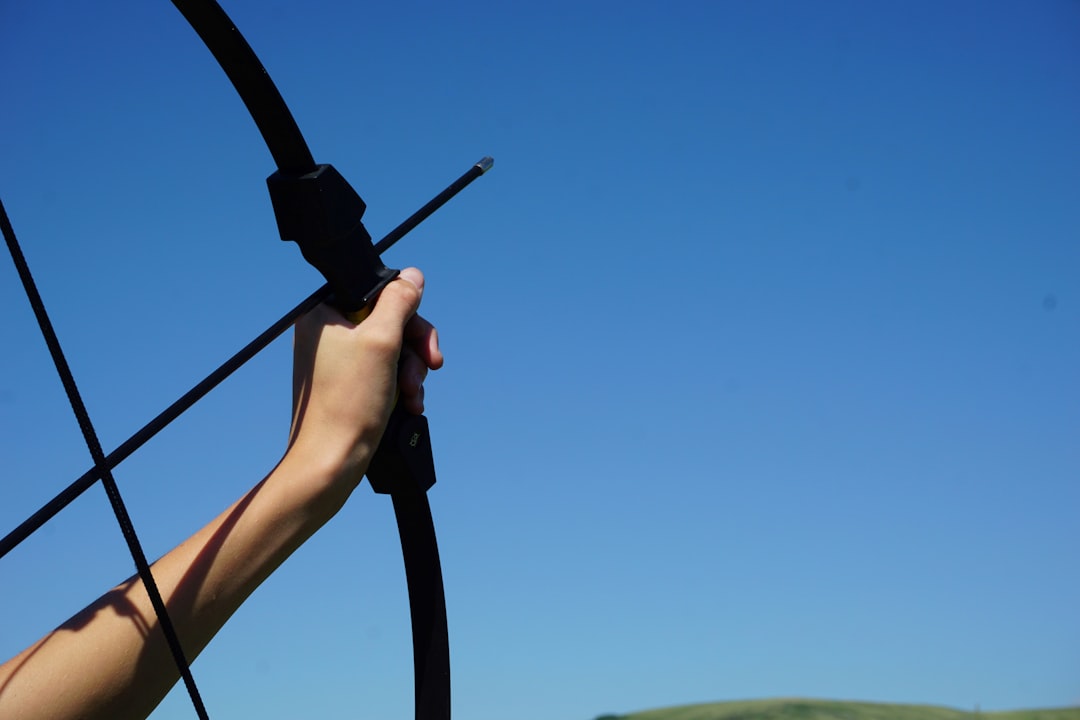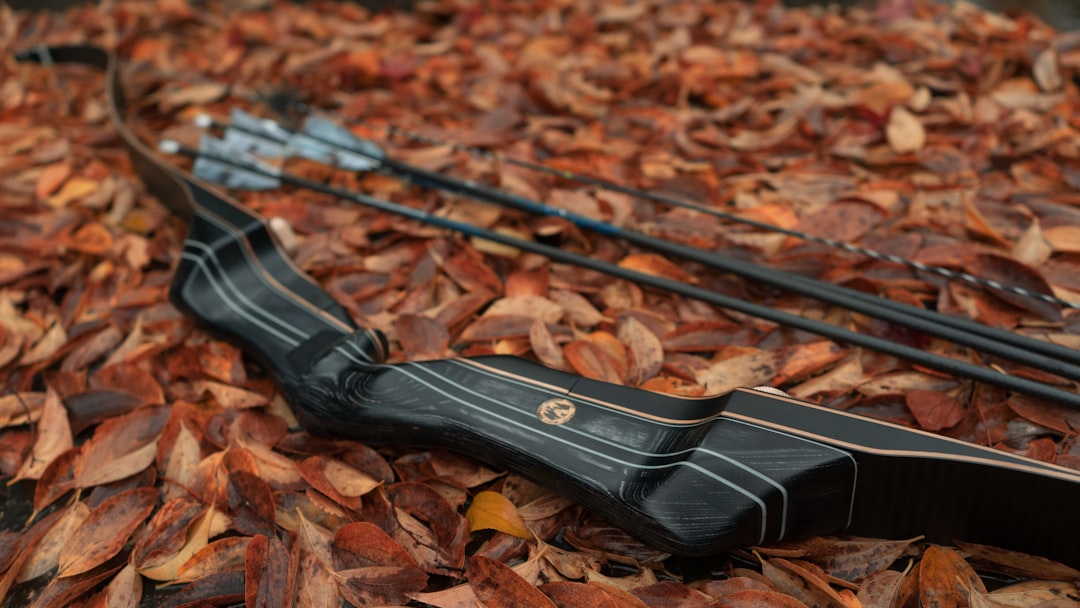
A forgiving bow masks your mistakes. It holds steadier at full draw, tolerates inconsistent anchor points, and launches arrows on target even when your form falls apart under pressure. For western hunters glassing mule deer across a canyon or drawing on a bugling bull at twelve yards, forgiveness matters more than an extra five feet per second.
The most forgiving compound bows share three traits: long axle-to-axle measurements that resist torque, tall brace heights that shrink timing windows for release errors, and valley-heavy draw cycles that let you settle your pin without fighting back tension. Speed sells bows. Forgiveness kills animals.
What Makes a Bow Forgiving
Forgiveness is engineering tolerance for human inconsistency. A forgiving bow reduces the penalty for imperfect shots by widening the margin between correct form and disaster.
Brace height measures the distance from the grip to the string at rest. Taller brace heights — 7 inches and above — give the arrow less time on the string during release, shrinking the window where torque, grip pressure, or a flinch can steer the shaft off course. A bow with a 6-inch brace height magnifies every mistake. A bow at 7.5 inches hides half of them.
Axle-to-axle length controls stability. Longer bows — 33 inches and up — resist cant and settling movement at full draw. They track steadier in wind, hold quieter during the shot, and punish sloppy releases less than compact hunting rigs. Short bows feel nimble in a treestand. Long bows shoot tighter groups when your heart rate is spiking.
Draw cycle forgiveness lives in the valley. A deep, soft valley with minimal holding weight lets you settle your sight picture without fighting creep or wall pressure. Aggressive cams that dump you into a hard back wall feel fast on the range. Smooth cams that cradle you at full draw perform better when a bull is raking timber thirty yards out.
Top Forgiving Bows for 2026
Mathews Phase4 37 — 37-inch axle-to-axle, 7-inch brace height, 342 fps IBO. The Phase4 37 is the benchmark for western hunting forgiveness. The long riser tames pin float on glassing shots, the tall brace height absorbs release flaws, and the Switchweight cam system delivers a buttery valley with zero stack. It is three ounces heavier than the Phase4 29, but that mass damps vibration and steadies hold. Hunters who glass and stalk mule deer or call elk in thick timber rely on this platform because it shoots the same whether you are calm or redlining.
Bowtech SR350 — 35-inch axle-to-axle, 7-inch brace height, 350 fps IBO. The SR350 pairs forgiveness with legitimate speed. Bowtech's DeadLock cam system lets you micro-tune without a bow press, and the Deadlock Quick Detach system means you can swap sight and rest in seconds without losing zero. The draw cycle is firmer than Mathews but still valleys deep enough to hold comfortably. Archers who want one bow for spot-and-stalk pronghorn and close-quarters elk end up here.
Hoyt RX-9 Alpha — 34.5-inch axle-to-axle, 7.25-inch brace height, 338 fps IBO. The tallest brace height in Hoyt's 2026 lineup. The RX-9 Alpha uses the HBX Pro cam for a rolling draw that builds tension gradually, then settles into a confidence-building back wall. Hoyt's In-Line system routes the sight and rest through the riser's centerline, reducing torque sensitivity. This bow rewards smooth execution and punishes bad habits less than any other rig in Hoyt's stable. It is the choice for hunters who prioritize first-arrow hits over kinetic energy specs.
Elite Omnia — 35-inch axle-to-axle, 7-inch brace height, 345 fps IBO. Elite's S.E.T. technology decouples cam timing from draw length, giving the Omnia a silky draw regardless of your personal settings. The riser is machined from a single billet, and the wider stance produces exceptional stability off shooting sticks or kneeling positions. The Omnia is quieter than most forgiveness-class bows and holds like a target rig at full draw. Hunters who shoot from unconventional positions — sitting, kneeling, or braced against a tree — appreciate how little this bow moves when you are fighting to stay still.
Prime Nexus 7 — 36-inch axle-to-axle, 7.375-inch brace height, 335 fps IBO. The tallest brace height on this list. Prime's Swerve cam delivers the smoothest draw cycle in the industry, with zero hump and a valley so soft it feels like the bow is helping you aim. The Nexus 7 is slow on paper but deadly in the field because it eliminates the variables that cause misses under pressure. This is the bow for hunters who have struggled with target panic, flinching, or inconsistent groups and need a platform that fights back less.
How to Match Forgiveness to Your Hunt
Long bows win in open country. If you glass mule deer across basins, stalk pronghorn on prairie, or call elk into meadows, a 35-inch-plus axle-to-axle rig gives you the stability to make shots when there is no rest and no time to settle. The Phase4 37 and Prime Nexus 7 dominate here because they track through wind and fatigue.
Tight cover favors balance over length. Hunters who call elk in dark timber, still-hunt whitetail thickets, or climb into treestands benefit from bows in the 33- to 35-inch range that still carry tall brace heights. The Bowtech SR350 and Elite Omnia thread this needle, offering forgiveness without the bulk of a true long bow.
Shooter experience shapes the equation. New archers and hunters returning after years away need maximum forgiveness to rebuild consistency. The Hoyt RX-9 Alpha and Prime Nexus 7 compensate for form breakdowns better than any speed bow. Experienced shooters who have dialed mechanics but want insurance against high-pressure mistakes can run the Mathews Phase4 37 or Bowtech SR350 and gain forgiveness without sacrificing performance.
Forgiveness vs. Speed Trade-Offs
Every inch of brace height costs roughly 10 fps. A bow with a 7.5-inch brace height will shoot 15 to 20 fps slower than an identical rig at 6 inches. For elk inside 50 yards, that speed loss is irrelevant. For pronghorn at 70 yards in wind, the flatter trajectory of a faster bow can matter.
The math changes when you account for hit probability. A forgiving bow that shoots 335 fps and delivers a double-lung hit beats a 360-fps rig that catches one lung or liver because the shooter pulled the trigger during pin float. Speed is meaningless if the arrow does not go where you aimed.
Most western big-game hunters should prioritize forgiveness. Elk, mule deer, pronghorn, and bear die quickly from well-placed arrows whether they are traveling 330 fps or 350 fps. They survive and vanish after marginal hits regardless of kinetic energy. The bow that helps you make the first arrow count is the bow that fills more tags.
Free to join
Download mobile app
- Detailed draw odds
- Point tracking
- Deadline reminders
- 18 states covered


Free to join
Download mobile app
- Detailed draw odds
- Point tracking
- Deadline reminders
- 18 states covered

Free to join
Download mobile app
- Detailed draw odds
- Point tracking
- Deadline reminders
- 18 states covered

Setup Tips for Maximum Forgiveness
Draw weight determines consistency. Most adult male hunters can pull 70 pounds on a static scale but cannot execute clean shots at that poundage after a mile-long stalk or while shivering in September cold. Dialing down to 60 or 65 pounds improves draw cycle smoothness, reduces fatigue, and tightens groups. A forgiving bow at 60 pounds will kill elk deader than an aggressive bow at 70 pounds that you cannot draw smoothly.
Draw length affects valley comfort. Most archers set draw length a half-inch too long, chasing speed or copying a number from an old bow. Shortening draw length by a quarter-inch often deepens the valley, improves anchor consistency, and makes the bow easier to hold at full draw. If your sight picture wobbles or you struggle to stay at full draw for more than a few seconds, try shortening before adding stabilizer weight.
Stabilizer configuration controls hold. Front-heavy stabilizers — 10 to 12 inches with 8 to 10 ounces of weight — settle pin movement and absorb shooting-position inconsistencies. A forgiving bow becomes more forgiving when the mass distribution resists torque. Hunters who shoot off sticks, kneeling, or from unconventional braced positions gain the most from aggressive stabilizer setups.
Common Forgiveness Mistakes
Buying based on IBO speed rankings. Speed sells bows because it is an easy number to compare. Forgiveness does not appear on spec sheets, so hunters default to velocity even when accuracy matters more. If you shoot a bow in a pro shop and struggle to hold steady or feel rushed at full draw, no amount of speed will fix that in the field.
Ignoring brace height. Many hunters assume axle-to-axle length drives forgiveness and overlook brace height entirely. A 35-inch bow with a 6-inch brace height is less forgiving than a 33-inch bow at 7 inches. Brace height governs timing tolerance. Length governs stability. Both matter, but brace height matters first.
Over-prioritizing weight savings. Ultralight bows feel great walking up a mountain but amplify every form flaw at full draw. A bow that weighs 4.5 pounds ready to hunt will hold steadier and shoot tighter groups under pressure than a 3.8-pound rig. The ounces you save carrying the bow cost you stability when the shot matters.
How TAGZ Helps You Plan the Hunt That Requires the Shot
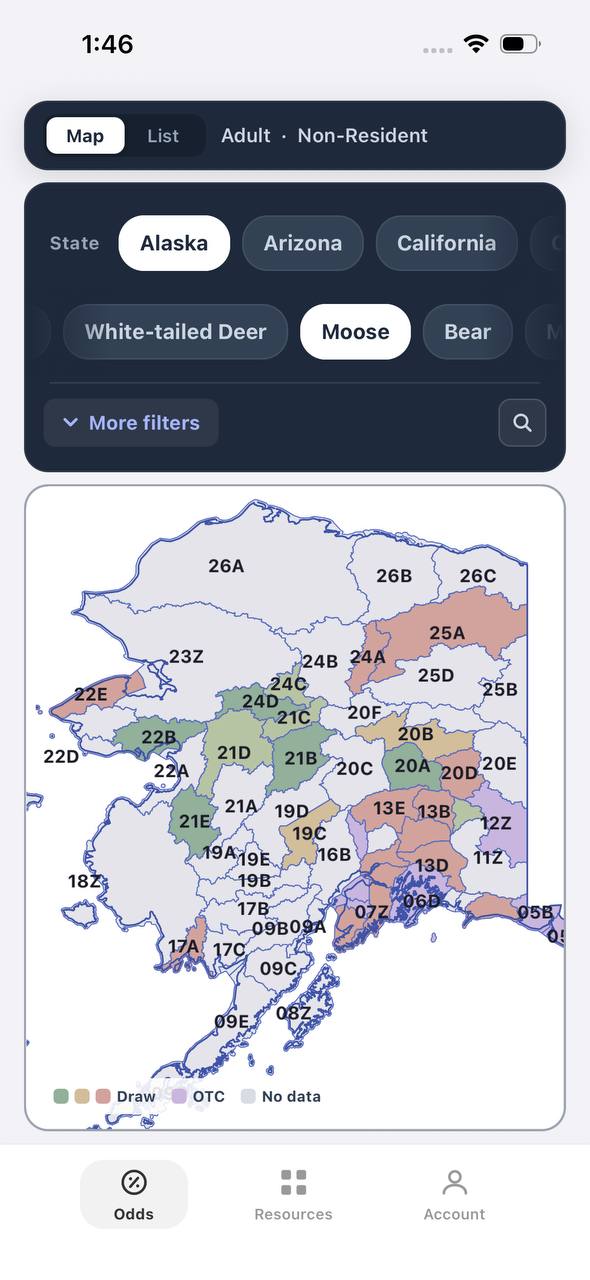
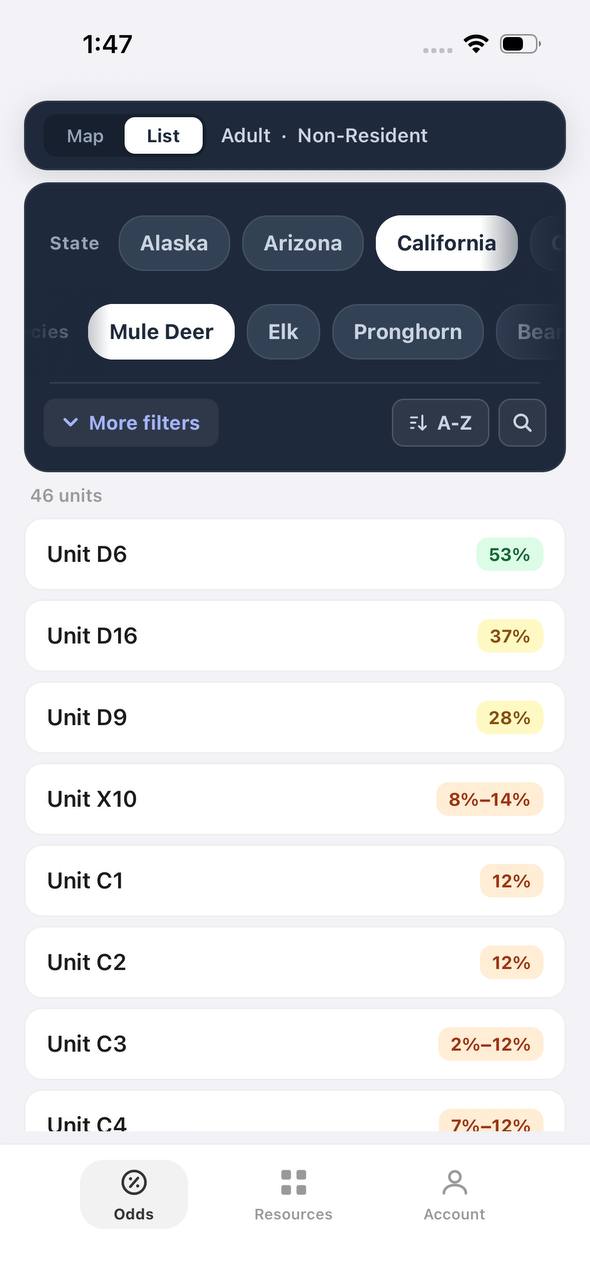
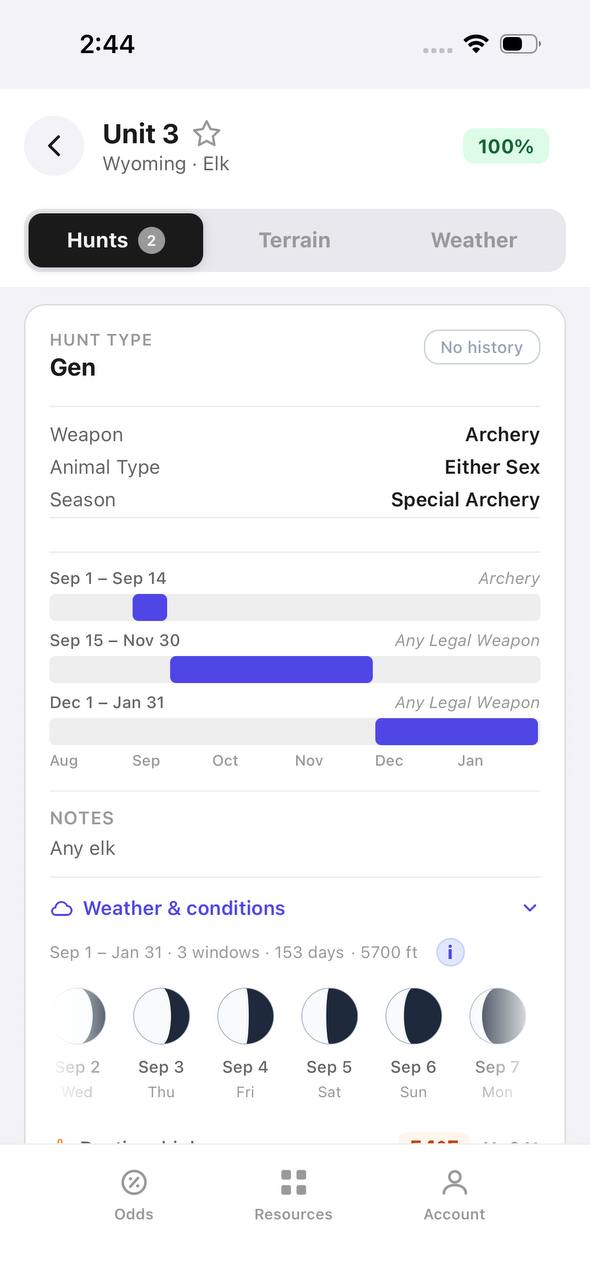
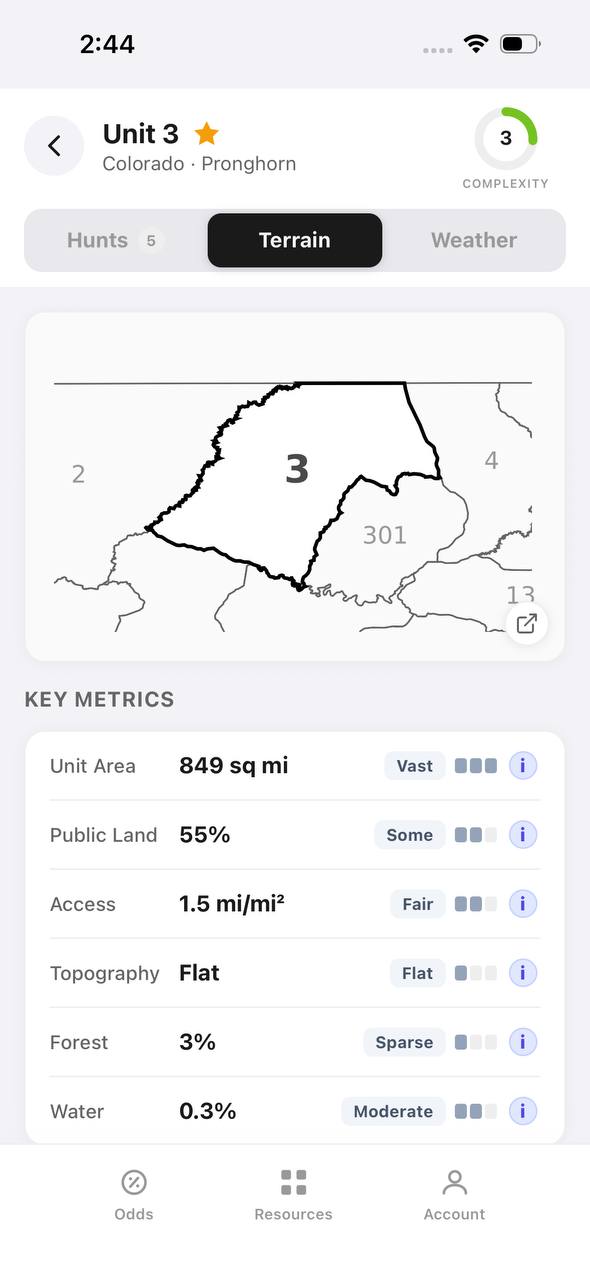
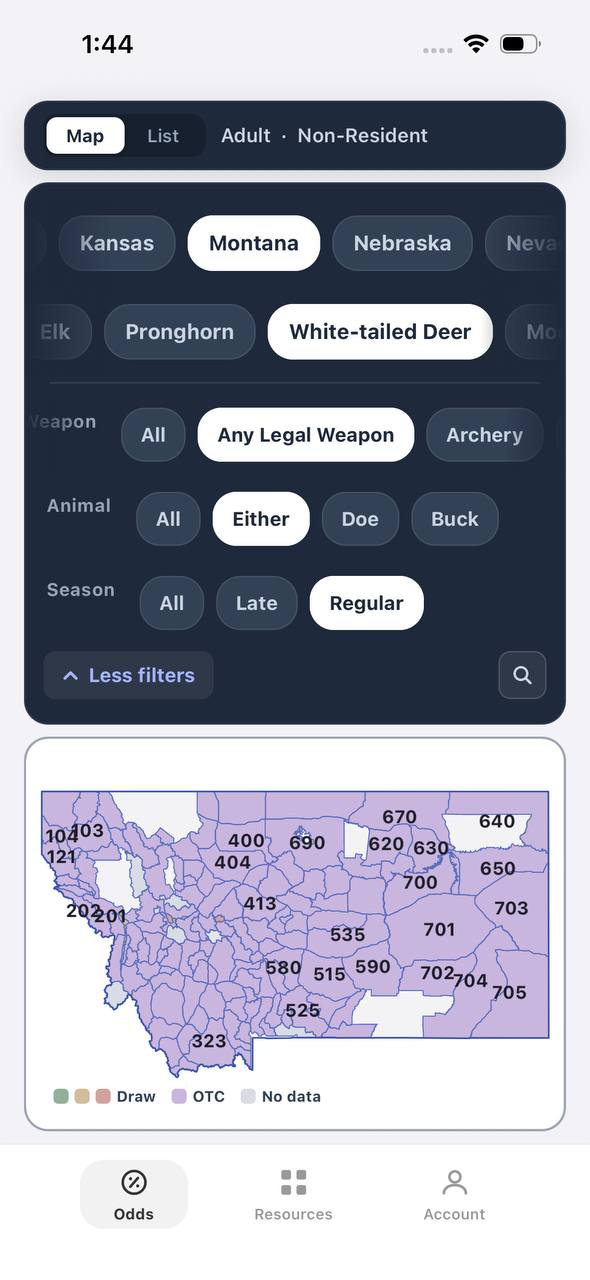
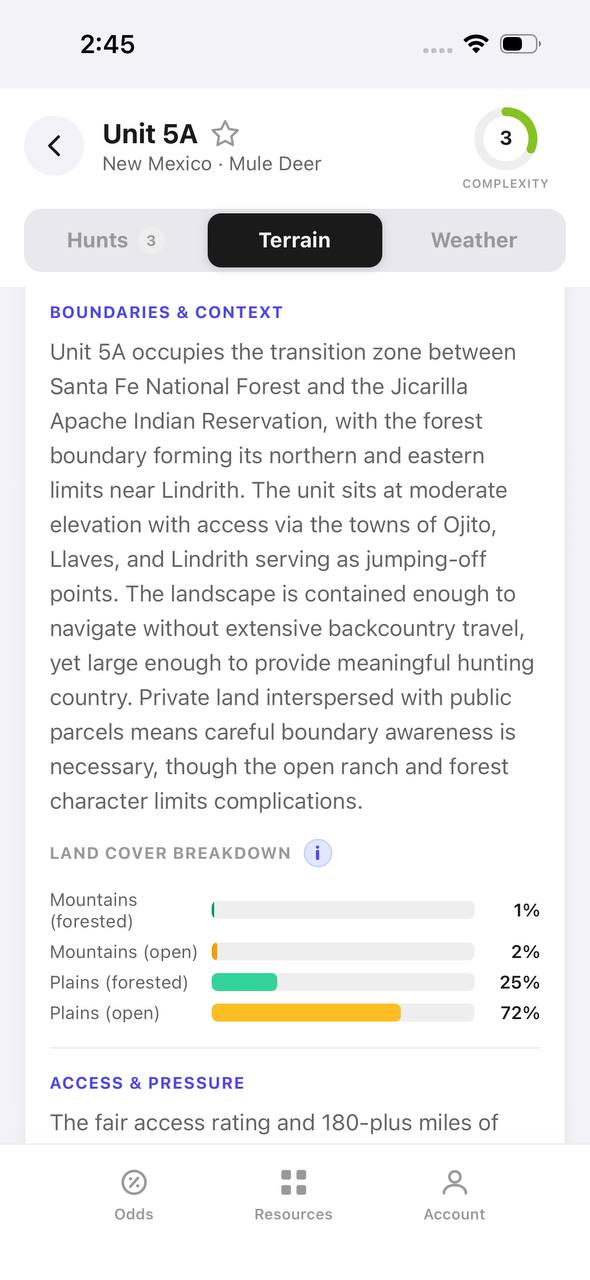
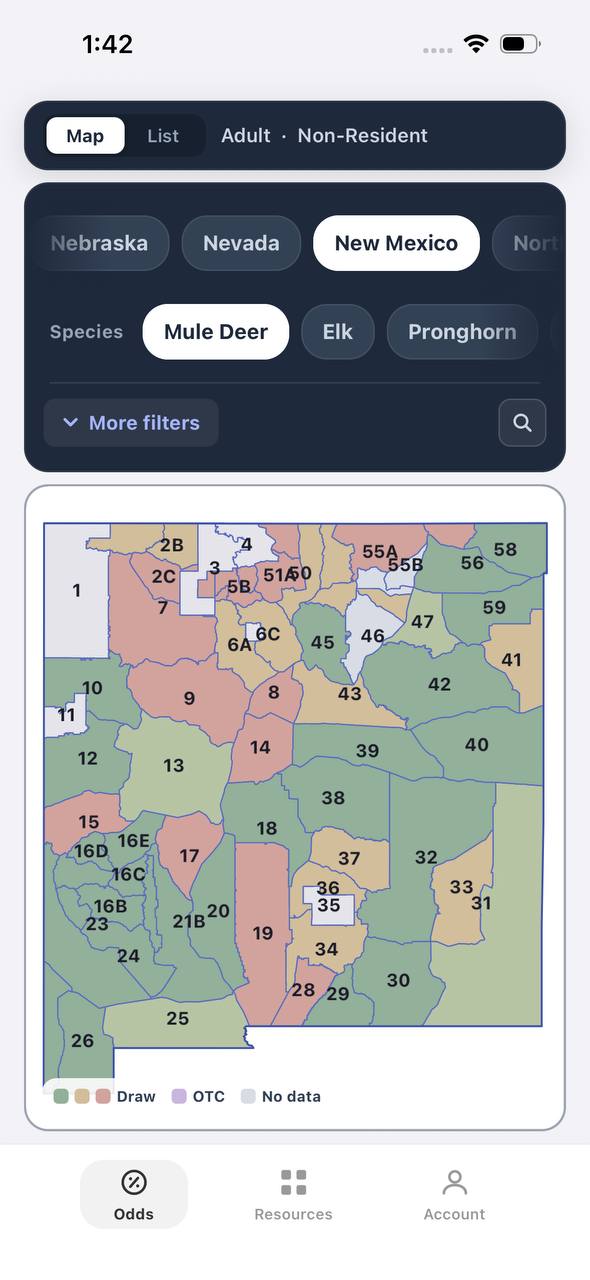
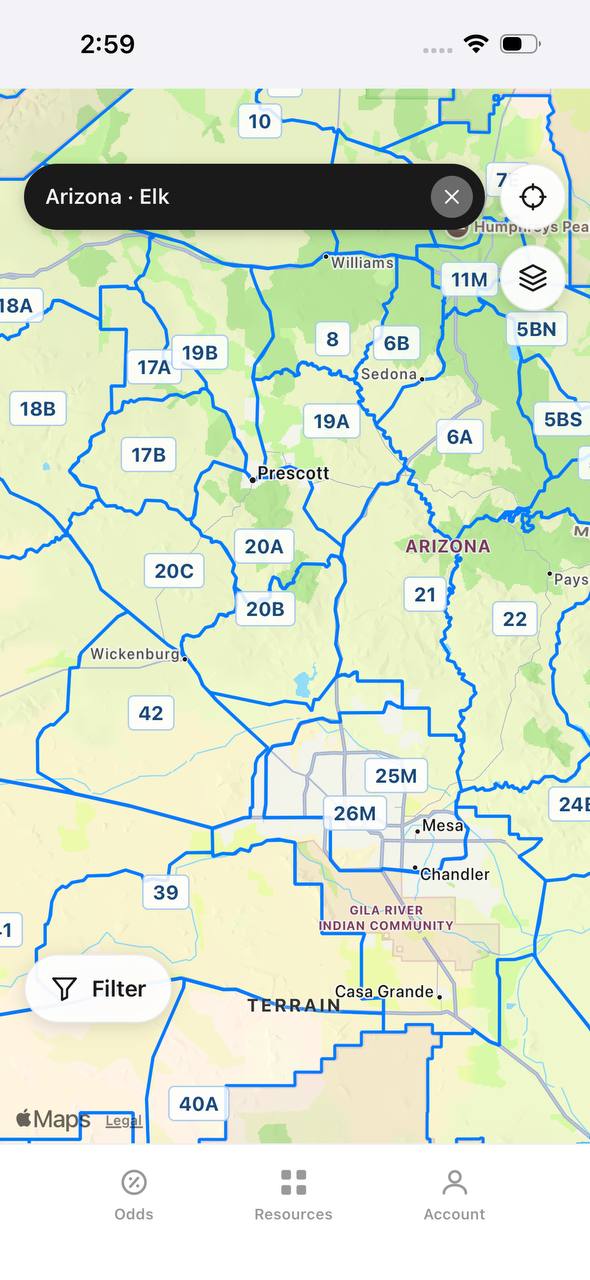
Forgiveness only matters if you draw your tag. TAGZ helps western hunters compare draw odds, track preference points and bonus points across multiple states, and filter units by weapon type, season, and terrain. Whether you are chasing OTC Colorado archery elk or applying for limited-entry Utah mule deer, TAGZ gives you the tools to maximize your draw opportunities and plan hunts that put you in position for ethical shots.
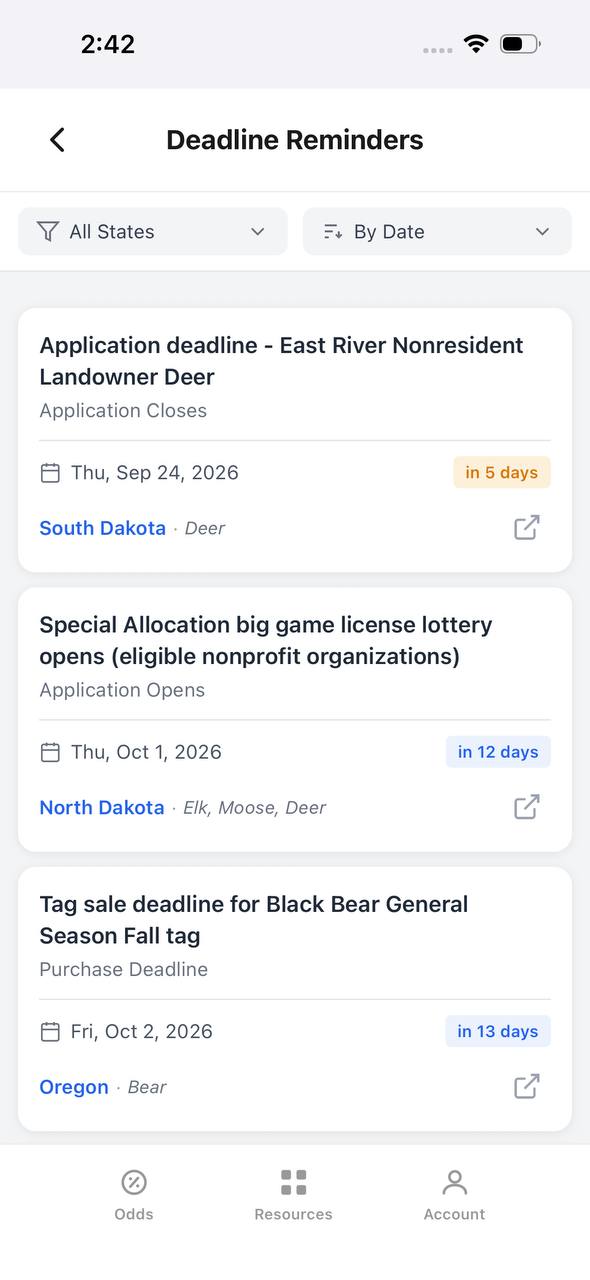
Use TAGZ to research archery seasons with longer windows, identify units with good public land access for glassing and stalking, and track application deadlines so you never miss a draw. The platform helps you make smarter decisions before you step into the field, so when you do draw, your forgiving bow setup is matched to the hunt you planned.
FAQ — Forgiving Compound Bows
What is the most forgiving compound bow for elk hunting? The Mathews Phase4 37 offers the best combination of long axle-to-axle length, tall brace height, and smooth draw cycle for western elk hunting. Its 37-inch stance and 7-inch brace height minimize shooter error on high-pressure shots.
Does a longer axle-to-axle bow shoot more accurately? Longer bows resist torque and cant, which improves hold stability and reduces the impact of form inconsistencies. Accuracy comes from the shooter, but a longer platform makes consistent execution easier under field conditions.
Is a 7-inch brace height better than 6 inches? Yes for forgiveness. A 7-inch brace height shortens the time the arrow spends on the string during release, reducing the window where grip pressure or torque can steer the shot. The trade-off is roughly 10 fps less speed.
Can a beginner shoot a forgiving bow well? Forgiving bows are ideal for beginners because they compensate for inconsistent form and anchor points. The smooth draw cycles and stable platforms help new archers build confidence and develop repeatable mechanics.
What is the best forgiving bow under 340 fps? The Prime Nexus 7 delivers maximum forgiveness with a 7.375-inch brace height, 36-inch axle-to-axle, and buttery draw cycle. It prioritizes accuracy over speed, making it perfect for hunters who value first-arrow hits.
Should I sacrifice speed for forgiveness? For most western big-game hunting inside 60 yards, yes. A forgiving bow that places the arrow accurately at 335 fps will kill more consistently than a fast bow that magnifies shooter error at 350 fps. Speed matters less than shot placement.
Was this article helpful?
Previous
Best Beginner Compound Bows for Hunting in 2026
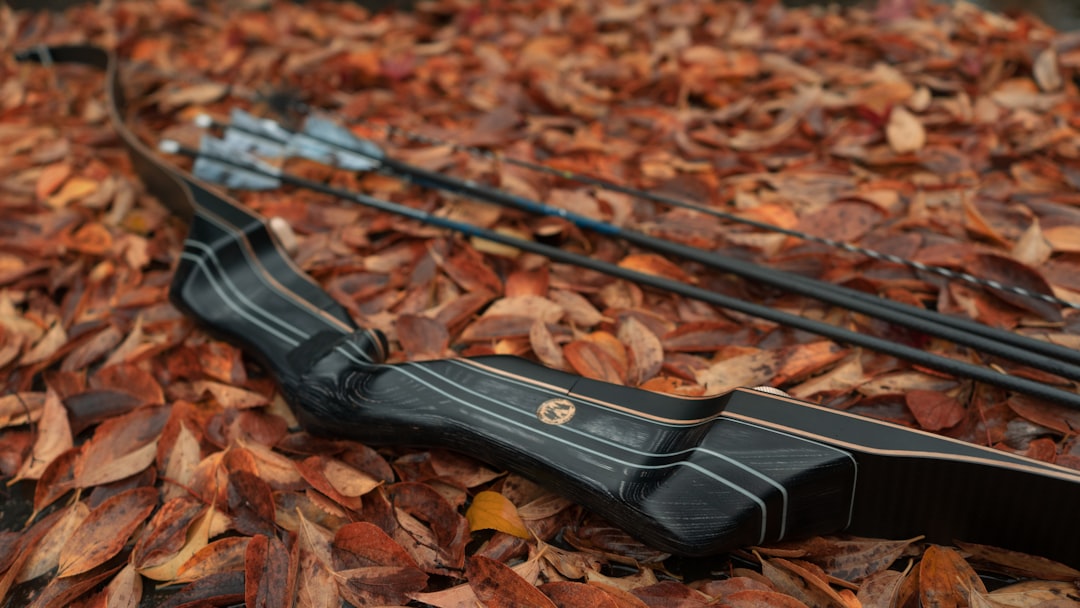
Choosing your first compound bow can make or break your archery hunting journey. This guide breaks down the top beginner-friendly compounds for 2026, covering adjustability, draw weight, forgiveness, and real-world field performance to help new bowhunters start strong.
Related
Best Compound Bows for Mule Deer Hunting in 2026
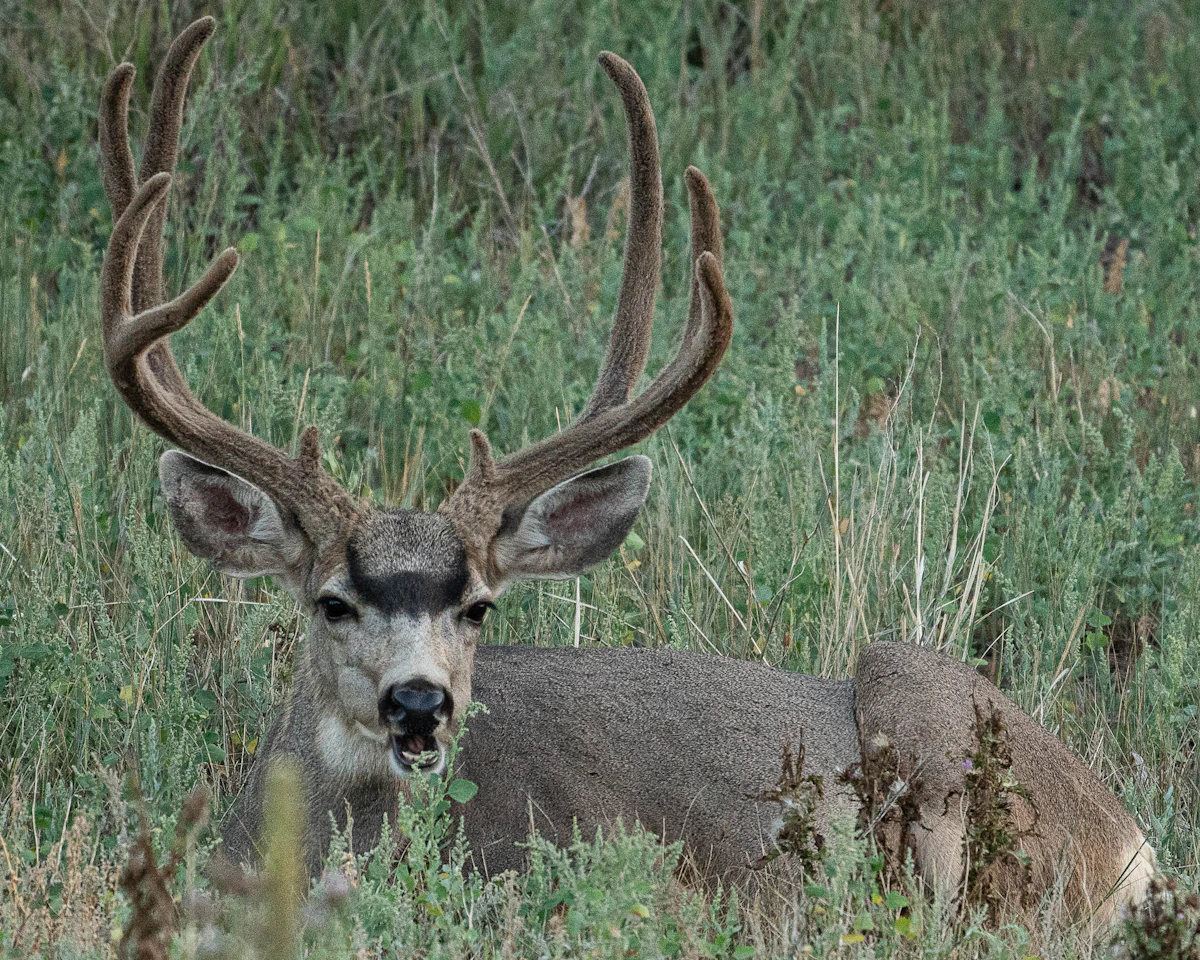
The right compound bow can make or break your mule deer hunt. We break down the top bows for 2026, covering speed, adjustability, accuracy, and field performance for western terrain.
Next
Best Compound Bows for Western Hunting in 2026
The top compound bows for western big-game hunters in 2026 balance speed, forgiveness, and packability for backcountry hunts. We break down the standout models from Mathews, Hoyt, Bowtech, and Elite for elk, mule deer, and mountain terrain.