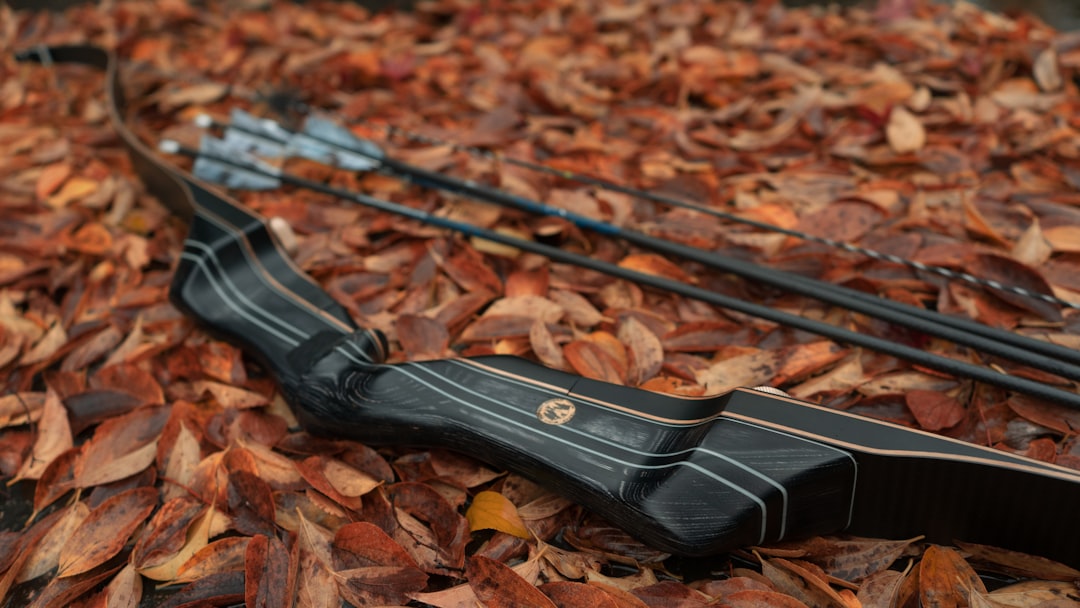
Western hunting demands a compound bow that can handle steep shots, high elevation, and mile-deep pack-ins without compromise. The best bows for 2026 deliver speed for extended ranges, forgiveness for awkward shooting positions, and lightweight design for packability. Whether you are chasing bugling elk in September or glassing mule deer at timberline in November, the right bow makes the difference between a clean shot and a blown opportunity.
This breakdown covers the standout compound bows for 2026 based on real-world performance in western terrain. We focus on models that excel in backcountry conditions, not range shooting or 3D competitions.
What Makes a Compound Bow Right for Western Hunting
Western hunting is not whitetail hunting from a treestand. You need a bow that performs when you are winded at 9,000 feet, shooting uphill at 40 yards, or drawing on a bull that appeared at 15 yards with no time to range.
Speed matters for flat trajectory at extended ranges, but forgiveness matters more when you are shooting off your knees or dealing with quartering shots. A bow that delivers 340 fps but requires perfect form every time will cost you more elk than a 320 fps bow that stays honest when your form breaks down.
Weight is critical for backcountry hunts. Every ounce counts when you are packing a bow five miles into wilderness elk country. Bows under 4.5 pounds are ideal for extended backpack hunts. Over 5 pounds starts to feel heavy after a week of glassing and hiking.
Brace height influences forgiveness. Longer brace heights (7 inches or more) forgive form flaws and torque better than short brace heights. If you are a perfect shooter who practices year-round, a 6-inch brace height delivers more speed. For most western hunters who shoot a few dozen arrows before the season, 7+ inches is smarter.
Draw length adjustability helps when you are wearing heavy layers in late-season hunts or shooting in a ground blind. Modular cams that adjust without a bow press are worth the investment.
Mathews Phase 4 — Best Overall for Elk and Mule Deer
The Mathews Phase 4 remains the gold standard for western hunters who prioritize shot execution over raw speed. At 4.49 pounds and a 7-inch brace height, it balances forgiveness and packability better than any flagship bow on the market.
Speed tops out at 343 fps IBO, which is plenty for ethical shots out to 60 yards on elk and mule deer. The Switchweight Technology lets you change draw weight modules without a bow press, which is useful for drop-camp hunts where you might adjust for altitude fatigue.
The Phase 4 is quieter than previous Mathews models thanks to the new Bridge-Lock stabilizer system. Noise matters when you are calling elk at close range or sneaking mule deer in their beds.
Real-world performance in Colorado and Montana backcountry hunts shows the Phase 4 holds zero through brutal pack-outs and elevation changes. It is not the fastest bow you can buy, but it is the bow that keeps working when conditions get bad.
MSRP is $1,299. That is top-tier pricing, but resale value on Mathews bows stays strong if you upgrade in two years.
Hoyt RX-9 Ultra — Best for Speed and Long-Range Shots
The Hoyt RX-9 Ultra delivers 350+ fps IBO with a 6-inch brace height, making it the choice for hunters who need flat trajectory at extended ranges. If you are hunting open-country pronghorn or canyon mule deer where 70-yard shots are realistic, the RX-9 gives you the speed to stay ethical.
At 4.3 pounds, it is one of the lightest flagship bows available. The In-Line system puts the grip, riser, and cam in perfect alignment, which reduces torque and improves consistency on uneven terrain.
The trade-off is forgiveness. The 6-inch brace height is less forgiving than the Phase 4 or V3X. If your form breaks down under pressure, you will notice it. This is a bow for confident shooters who practice regularly.
Quiet it is not. The RX-9 is louder than comparable bows from Mathews and Elite. You can dampen it with additional stabilizers and string silencers, but out of the box it is noticeably louder on the shot.
MSRP is $1,499. The price reflects Hoyt's premium positioning, but the bow delivers on the promise of speed and precision.
Bowtech SR350 — Best Value for Performance
The Bowtech SR350 hits 350 fps IBO at a fraction of the cost of Mathews and Hoyt flagships. MSRP is $999, which makes it the best value in the premium bow category.
At 4.6 pounds, it is not the lightest bow on this list, but the Deadlock Cam System delivers serious speed without sacrificing tuning flexibility. You can micro-adjust cam timing and string angle without a bow press, which is a game-changer for hunters who tune their own equipment.
The 6.5-inch brace height splits the difference between speed and forgiveness. It is not as forgiving as a 7-inch bow, but it is more forgiving than the Hoyt RX-9.
Real-world durability is excellent. Bowtech bows handle abuse better than most competitors. If you are hard on equipment or hunt in extreme weather, the SR350 holds up.
The downside is resale value. Bowtech bows depreciate faster than Mathews and Hoyt, so if you upgrade every two years, you will take a bigger hit on resale.
Free to join
Download mobile app
- Detailed draw odds
- Point tracking
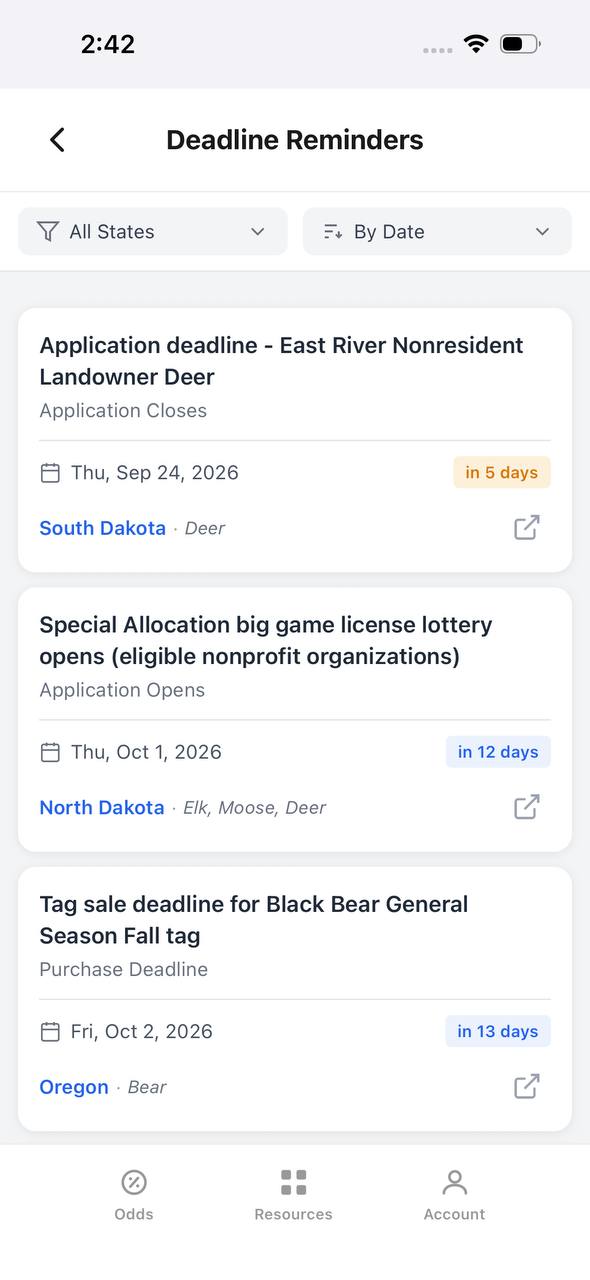
- Deadline reminders
- 18 states covered

Free to join
Download mobile app
- Detailed draw odds
- Point tracking
- Deadline reminders
- 18 states covered
Free to join
Download mobile app
- Detailed draw odds
- Point tracking
- Deadline reminders
- 18 states covered

Elite Omnia — Best for Forgiveness and All-Around Use
The Elite Omnia is built for hunters who want a do-everything bow that performs in the backcountry and the treestand. At 4.4 pounds and a 7.25-inch brace height, it is the most forgiving bow in this roundup.
Speed is 338 fps IBO, which is slower than the Hoyt RX-9 but fast enough for ethical western hunting. The longer brace height forgives torque and form flaws better than shorter brace heights, which makes it ideal for hunters who do not shoot year-round.
The asymmetric riser design reduces hand shock and vibration, which improves shot comfort on long shooting sessions. If you are shooting 50+ arrows a day during scouting season, the Omnia is easier on your hands and shoulders than stiffer bows.
Elite's S.E.T. Technology (Simplified Exact Tuning) makes paper tuning easier than any other bow on this list. If you tune your own equipment, the Omnia saves time and frustration.
MSRP is $1,199. That is competitive with Mathews but cheaper than Hoyt.
Prime Revex 4 — Best for Backcountry Pack Weight
The Prime Revex 4 weighs 3.9 pounds, making it the lightest flagship bow on the market. If you are backpack hunting elk or sheep and counting every ounce, the Revex 4 is unmatched for packability.
Speed is 335 fps IBO with a 7-inch brace height. That combination of speed and forgiveness in a sub-4-pound package is rare. The Revex 4 does not sacrifice shootability for weight savings.
The Shift Technology cam system allows draw length and weight adjustments without a bow press. That flexibility is useful for hunters who switch between heavy layers in early season and light layers in late season.
The downside is dealer availability. Prime is a smaller brand with fewer dealers than Mathews, Hoyt, or Bowtech. If you need service or tuning on the road, finding a Prime dealer in rural Montana or Wyoming can be challenging.
MSRP is $1,299. The price is justified by the engineering and weight savings, but you are paying for a niche product.
How TAGZ Helps You Plan Archery Hunts
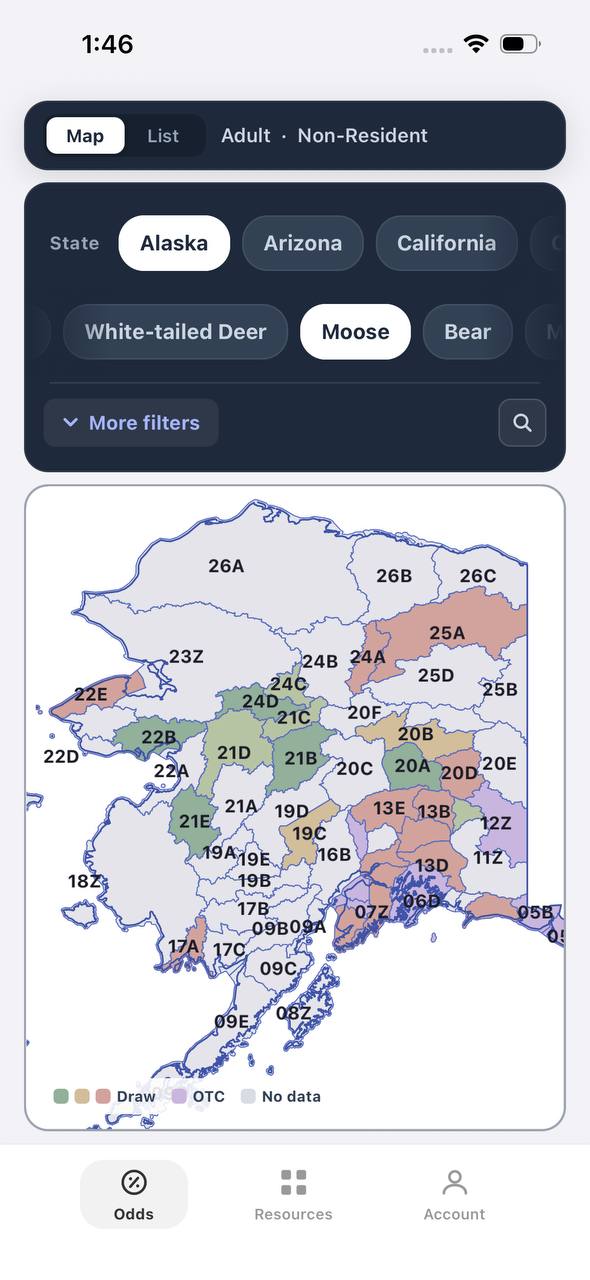
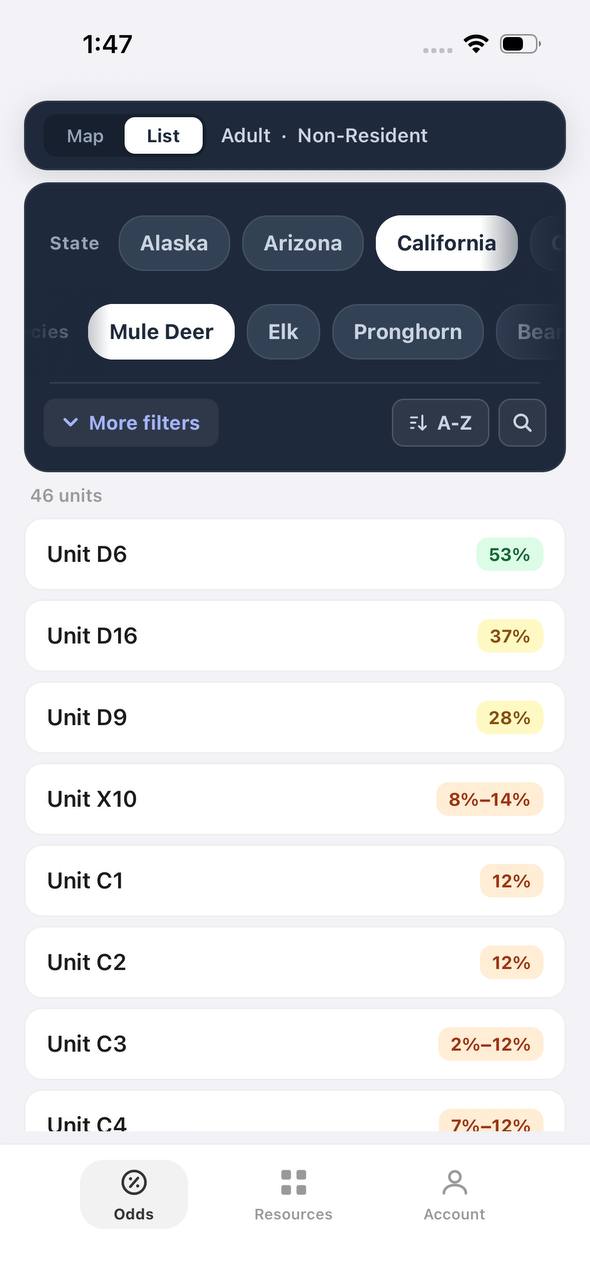
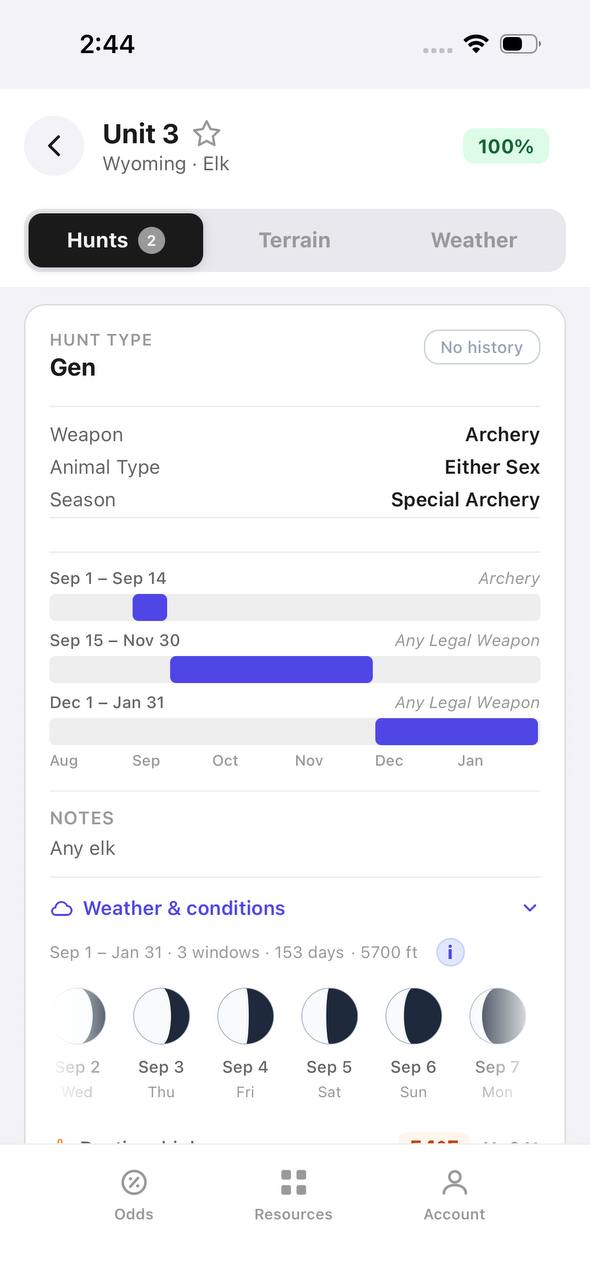
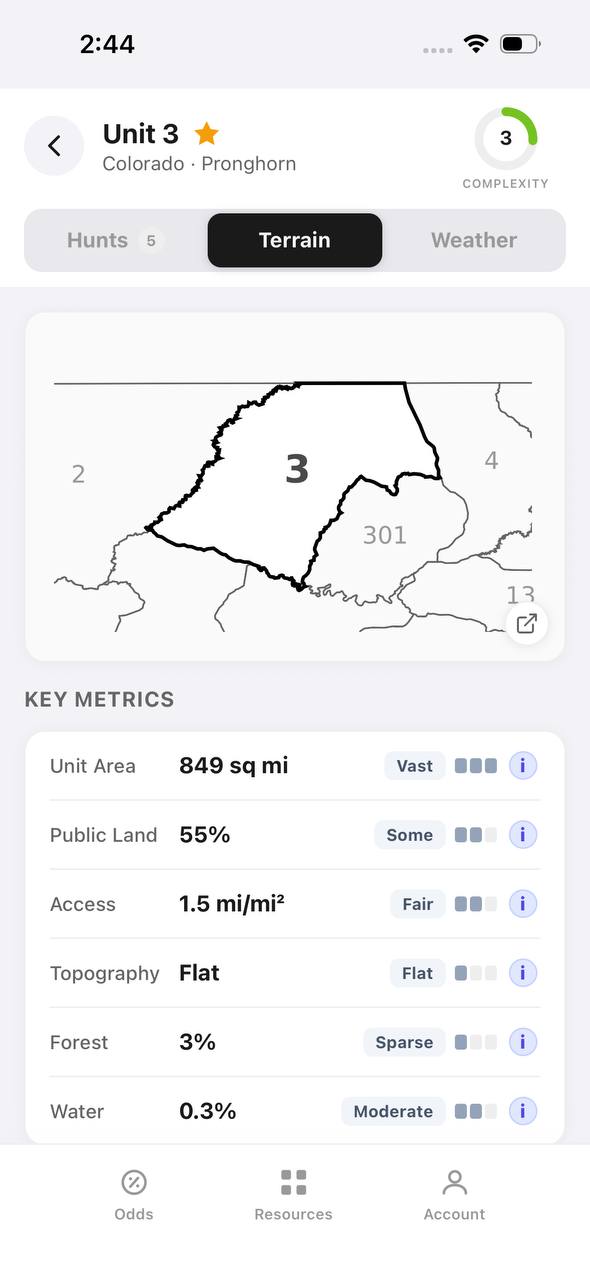
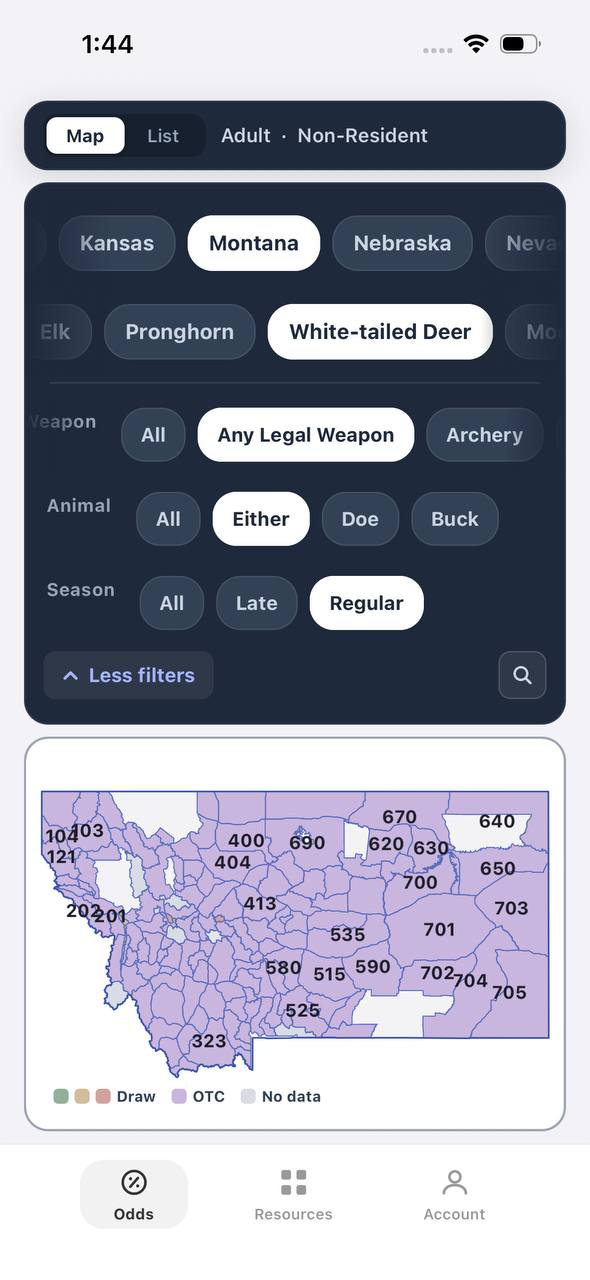
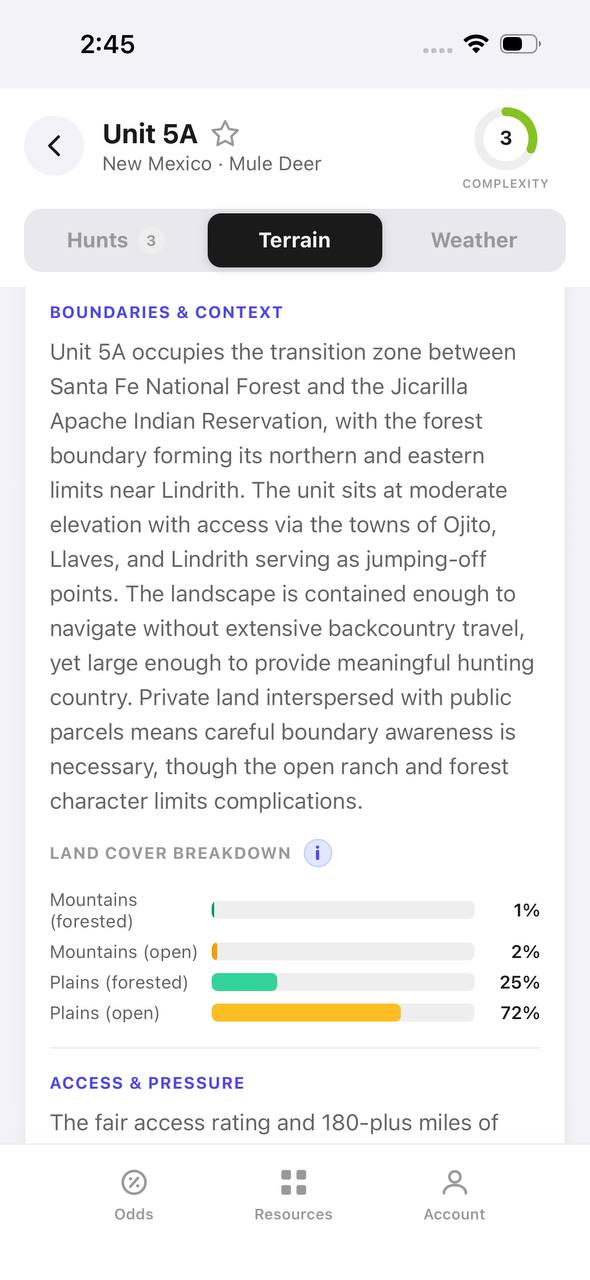
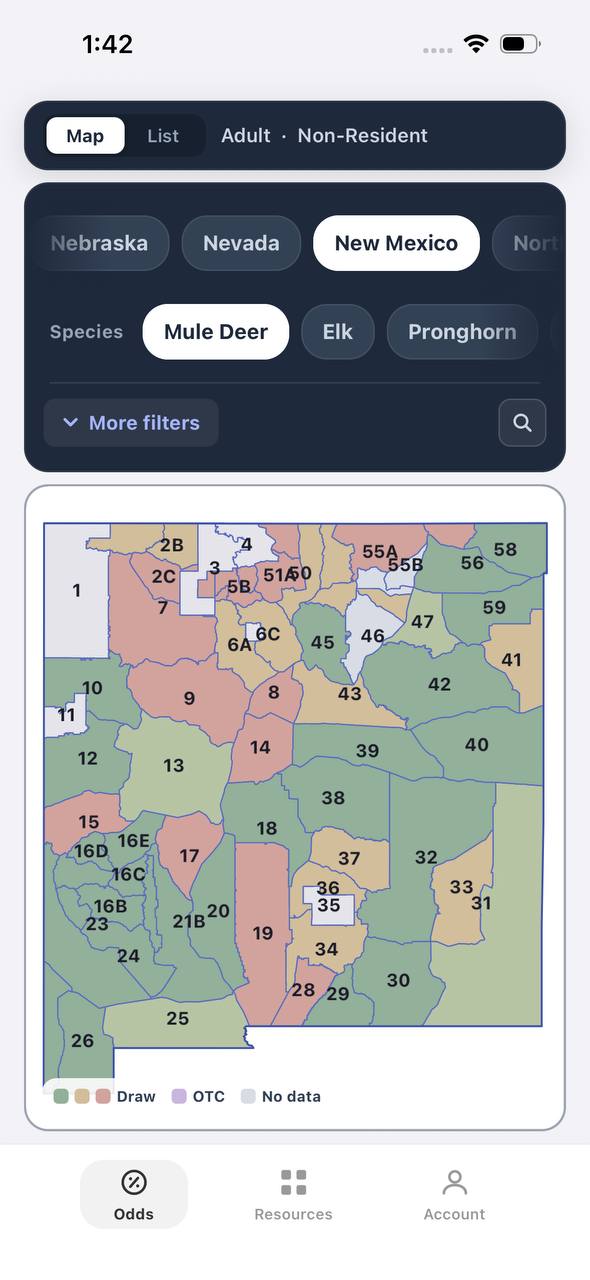
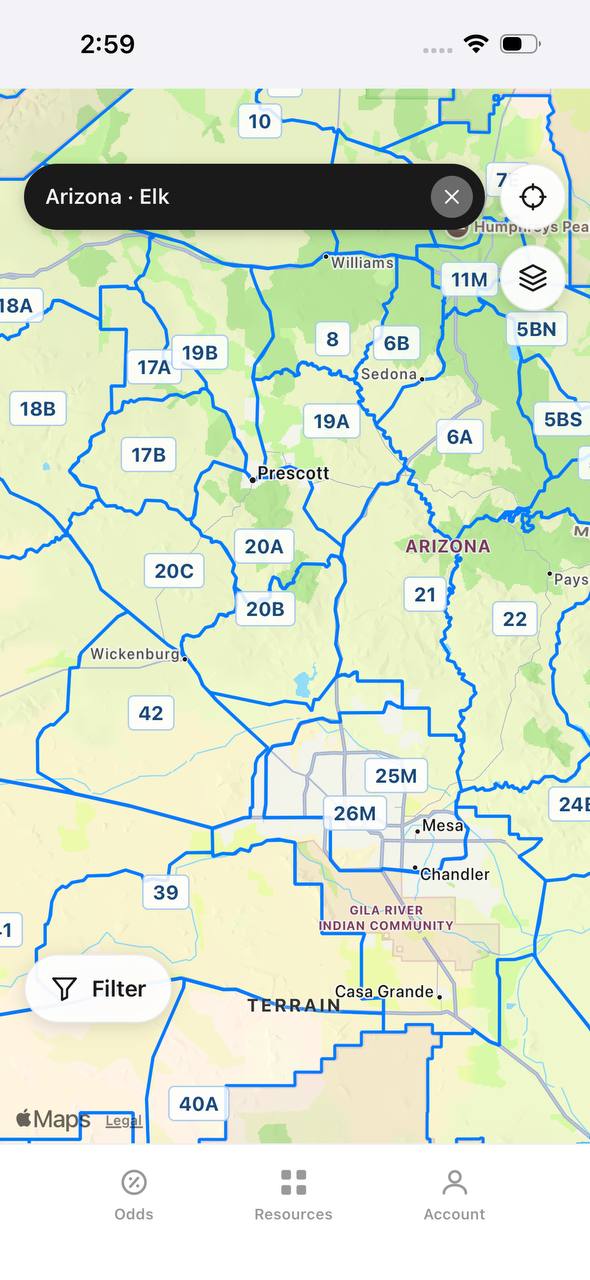
TAGZ helps archery hunters filter units by archery season dates, draw odds, and terrain so you can plan hunts around your bow setup and shooting range. Track archery-only draw deadlines across multiple states so you never miss an application window. Whether you are chasing OTC Colorado elk in September or drawing a limited-entry Utah mule deer tag, TAGZ gives you the tools to compare units side by side using terrain maps, unit boundaries, and historical draw data.
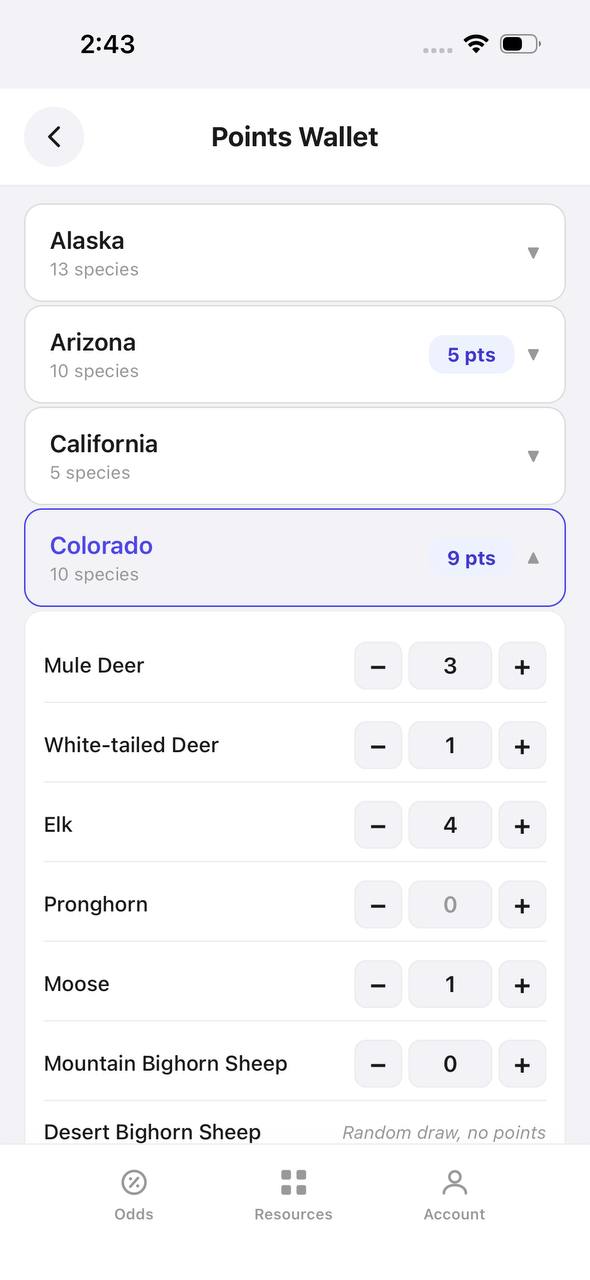
You can filter hunts by weapon type to focus exclusively on archery opportunities, then cross-reference public land access and elevation profiles to match your bow's effective range and your physical conditioning. TAGZ tracks your preference points and bonus points so you know exactly where you stand in every state's draw system before you commit to a bow purchase or hunt plan.
Free to join
Download mobile app
- Detailed draw odds
- Point tracking
- Deadline reminders
- 18 states covered
Free to join
Download mobile app
- Detailed draw odds
- Point tracking
- Deadline reminders
- 18 states covered
Free to join
Download mobile app
- Detailed draw odds
- Point tracking
- Deadline reminders
- 18 states covered
Choosing the Right Draw Weight for Western Hunting
Most western hunters shoot 60 to 70 pounds of draw weight. That range delivers enough kinetic energy for ethical shots on elk at 50 yards while staying manageable for all-day shooting and altitude fatigue.
Elk require 50+ pounds of kinetic energy for reliable pass-throughs on quartering shots. A 70-pound bow with a 450-grain arrow delivers 75+ pounds of kinetic energy, which is plenty. A 60-pound bow with a 500-grain arrow delivers similar energy with less draw effort.
Mule deer and pronghorn require less energy, but most hunters stick with 60+ pounds to simplify arrow selection and tuning across multiple species.
Altitude affects performance. At 10,000 feet, your effective draw weight feels heavier due to reduced oxygen. If you struggle to draw 70 pounds at sea level, you will struggle more at elevation. Test your bow at altitude before the season if possible.
Draw weight modules make it easy to adjust for altitude or fatigue. Starting a hunt at 70 pounds and dropping to 65 pounds mid-week is smarter than fighting fatigue and risking poor shot execution.
Arrow Setup for Western Big Game
Your bow is only half the equation. Arrow setup matters as much as bow selection for western hunting success.
Total arrow weight should be 450 to 550 grains for elk, 400 to 500 grains for mule deer and pronghorn. Heavier arrows penetrate better on quartering shots and handle wind better at extended ranges. Lighter arrows fly flatter but lose energy faster.
Front of center (FOC) balance should be 10 to 15 percent for hunting arrows. Higher FOC improves penetration and flight stability in wind. Lower FOC increases speed but reduces penetration.
Broadhead selection depends on shooting confidence. Fixed-blade broadheads penetrate better and fly more predictably in wind. Mechanical broadheads deliver larger wound channels but require more kinetic energy for reliable deployment. Most western hunters shoot fixed-blade heads for elk and mechanicals for mule deer and pronghorn.
Practice with the same arrows and broadheads you hunt with. Switching from field points to broadheads the week before your hunt is a recipe for blown shots. Shoot broadheads at 40+ yards to confirm point of impact and flight stability.
Free to join
Download mobile app
- Detailed draw odds
- Point tracking
- Deadline reminders
- 18 states covered
Free to join
Download mobile app
- Detailed draw odds
- Point tracking
- Deadline reminders
- 18 states covered
Free to join
Download mobile app
- Detailed draw odds
- Point tracking
- Deadline reminders
- 18 states covered
Bow Accessories That Matter for Western Hunting
Accessories can make or break a western bow setup. Focus on components that improve shot execution and durability in the field.
Sights should be single-pin or slider-style for western hunting. Multi-pin sights work for whitetails at known distances, but western hunting requires precise ranging at unknown distances. A single-pin slider sight eliminates pin clutter and improves accuracy at 50+ yards.
Rests should be drop-away style for clearance and accuracy. Whisker biscuit rests are durable but reduce arrow speed and accuracy at extended ranges. Drop-away rests require more maintenance but deliver better performance.
Stabilizers reduce vibration and improve balance. A 10 to 12-inch front stabilizer with a 6 to 8-inch back bar improves accuracy on uneven terrain and reduces hand shock on the shot. Longer stabilizers improve balance but add weight and bulk for pack-ins.
Releases should be wrist-style or thumb-trigger for western hunting. Handheld releases work for target shooting, but wrist releases are faster and more reliable when a bull appears at 20 yards with no warning. Thumb-trigger releases offer the precision of a handheld release with the speed of a wrist release.
Quivers should be detachable for spot-and-stalk hunting. Fixed quivers add weight and bulk when you are stalking bedded mule deer or sneaking elk. Detachable quivers let you drop the quiver and move quietly with just your bow and one arrow.
Practice Drills for Western Bow Hunting
Owning a great bow means nothing if you cannot execute under pressure. These drills prepare you for real western hunting scenarios.
Shoot uphill and downhill at 20 to 60 yards. Western hunting is rarely flat. Practice steep-angle shots to understand how gravity affects arrow flight and point of impact. Most hunters shoot high on steep uphill shots because they do not account for the reduced effective distance.
Shoot from your knees, sitting, and awkward positions. You will not always have time to stand and draw. Practice shooting from realistic hunting positions so you can execute when a bull appears in thick timber or a buck stands up at 30 yards.
Shoot in wind at extended ranges. Wind drifts arrows more than most hunters expect. Practice in 10 to 20 mph crosswinds to learn how much your arrows drift at 40, 50, and 60 yards. Adjust your aiming point accordingly.
Shoot after physical exertion. Hike uphill for 10 minutes, then shoot immediately. Your heart rate and breathing will be elevated, just like after stalking an elk or climbing to a glassing point. Learn to control your breathing and execute accurate shots while winded.
Shoot in full hunting gear with your pack on. Your shooting form changes when you are wearing a heavy pack and layered clothing. Practice in the same gear you hunt in so you know your effective range and limitations.
Continue Planning Your Hunt
Once you have the right bow, the next step is finding the right hunt. TAGZ helps you compare archery seasons across multiple states using draw odds, terrain maps, and unit boundaries so you can plan hunts that match your skill level and equipment. Track preference points and bonus points so you know exactly when to apply for that trophy limited-entry tag versus hunting OTC units this season.
Visit the TAGZ product page to explore unit filtering by weapon type, season dates, and public land access. Read more western hunting strategy on the TAGZ Insights blog. Compare draw odds and preference point requirements on the TAGZ home page. Check out pricing options to unlock multi-state draw tracking and hunt planning tools.
FAQ — Best Compound Bows for Western Hunting
What is the best compound bow for elk hunting in 2026?
The Mathews Phase 4 is the best all-around bow for elk hunting due to its 7-inch brace height, 4.49-pound weight, and proven reliability in backcountry conditions. The Hoyt RX-9 Ultra is better if you prioritize speed and long-range accuracy over forgiveness.
How much draw weight do I need for western big game?
Sixty to seventy pounds is ideal for elk, mule deer, and pronghorn. That range delivers 50+ pounds of kinetic energy for ethical pass-throughs at 50 yards while staying manageable at high elevation.
Is a 6-inch or 7-inch brace height better for western hunting?
Seven inches is better for most hunters because it forgives form flaws and torque on awkward shots in the field. Six inches delivers more speed but requires perfect form every time. If you shoot year-round, 6 inches works. If you shoot a few dozen arrows before the season, choose 7 inches.
How heavy should my hunting arrows be for elk?
Four hundred fifty to 550 grains is ideal for elk. Heavier arrows penetrate better on quartering shots and handle wind at extended ranges. Lighter arrows fly flatter but lose energy faster and penetrate less reliably.
What is the best bow for backpack elk hunting?
The Prime Revex 4 at 3.9 pounds is the lightest flagship bow available and the best choice for backpack hunts where every ounce matters. The Mathews Phase 4 at 4.49 pounds is a close second with better dealer support and resale value.
Should I buy a flagship bow or a mid-tier model?
Flagship bows deliver better performance, lighter weight, and higher resale value than mid-tier models. If you hunt multiple states every year and shoot regularly, a flagship bow is worth the investment. If you hunt one state per year and shoot occasionally, a mid-tier bow like the Bowtech SR350 offers excellent value.
Was this article helpful?
Previous
Best Compound Bows for Treestand Hunting in 2026
Treestand hunting demands short axle-to-axle bows with smooth draw cycles and quiet shots. We break down the top compound bows for 2026 based on maneuverability, forgiveness, and real-world performance from elevation.
Related
Best Beginner Compound Bows for Hunting in 2026
Choosing your first compound bow can make or break your archery hunting journey. This guide breaks down the top beginner-friendly compounds for 2026, covering adjustability, draw weight, forgiveness, and real-world field performance to help new bowhunters start strong.
Next
Best Compound Bows for Spot-and-Stalk Hunting in 2025
Spot-and-stalk bowhunting demands compact, quiet bows that shoot accurately under field conditions. We break down the top compound bows built for covering ground, quick shots, and western terrain—from flagship flagships to budget options that perform when it counts.