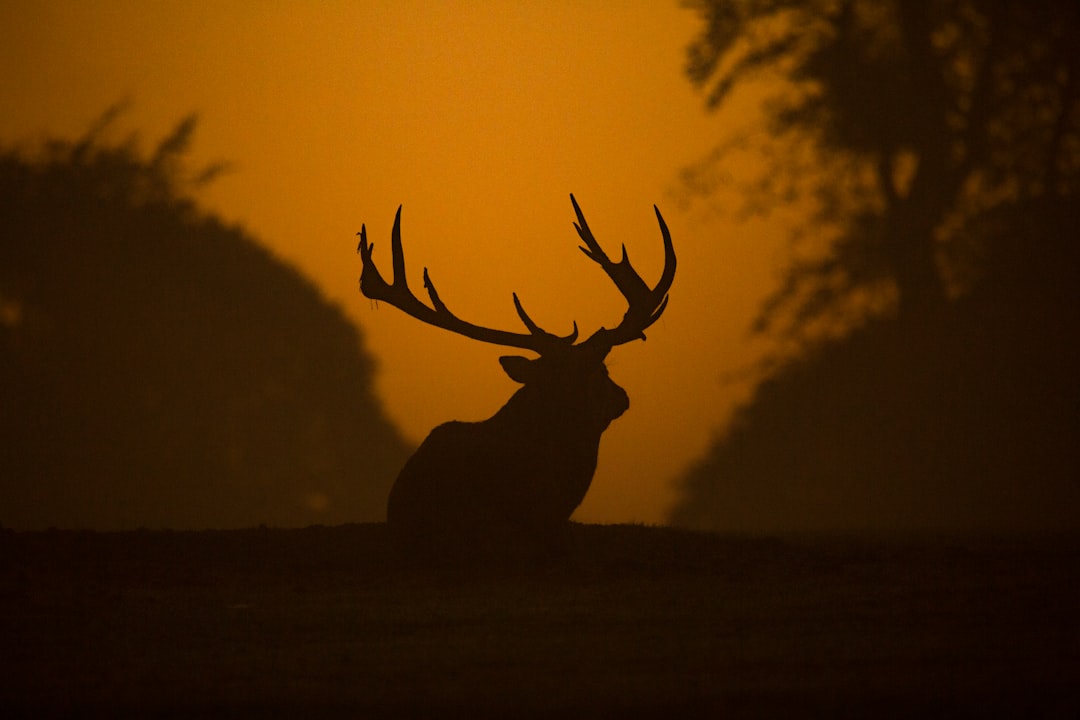
Location Bugles Explained: When, Why, and How to Use Them
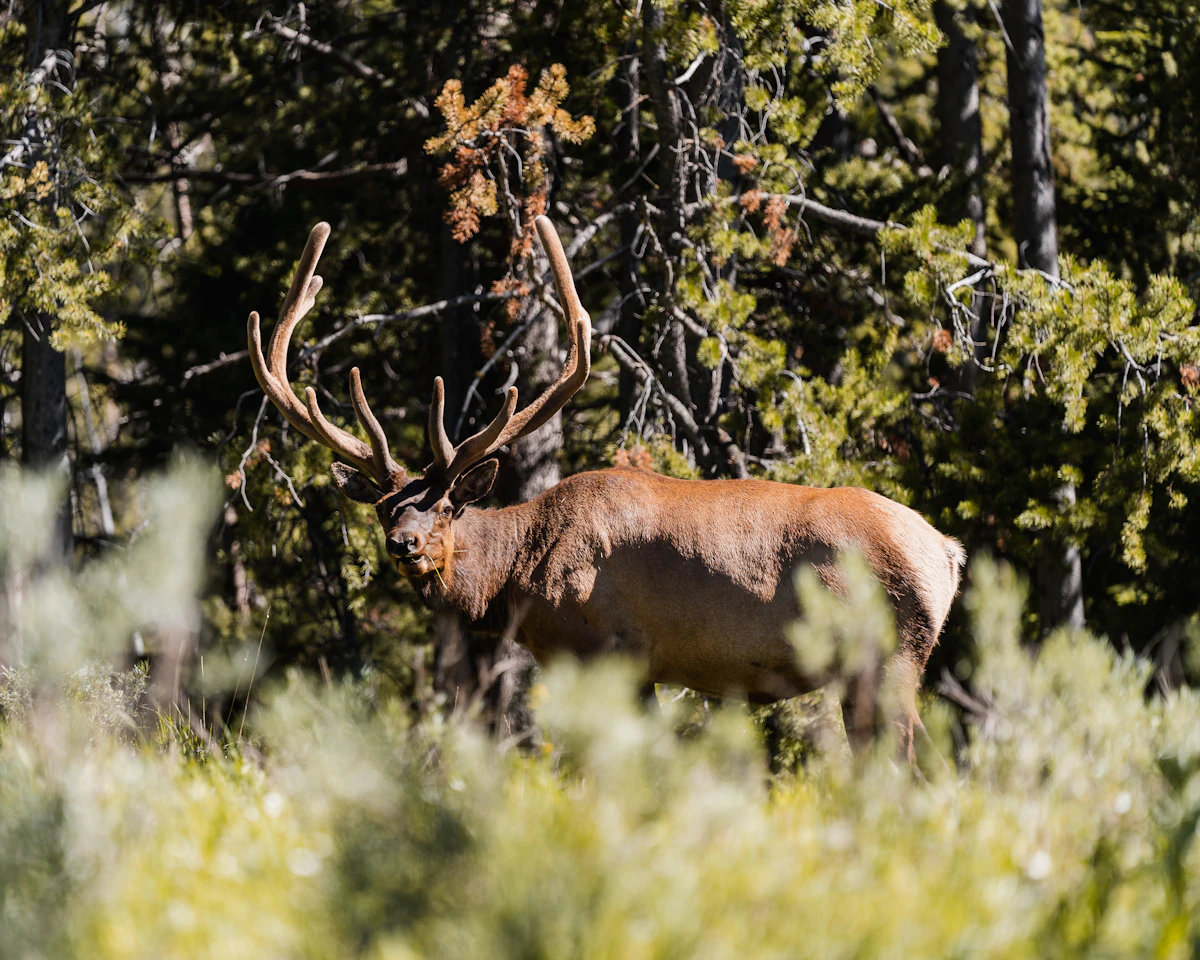
A location bugle is exactly what it sounds like: a short, exploratory call designed to make a bull reveal his position without committing you to a full calling sequence. It's one of the most effective tools in an elk hunter's arsenal during the early rut, yet it's also one of the most misused. Understanding when and how to throw a location bugle can mean the difference between closing the distance on a hot bull and educating every elk on the mountain.
What Makes a Location Bugle Different
A location bugle isn't a challenge. It's not a display of dominance or a mating advertisement. Think of it as a question rather than a statement. You're asking, "Is anyone out there?" rather than announcing, "I'm here and I'm ready to fight."
The structure is simple: a single, clean bugle without aggressive chuckles or extended screaming. Keep it short, around two to four seconds, with a natural rise and fall. You want it loud enough to carry across a basin but controlled enough that it doesn't sound like a fired-up herd bull ready for combat.
The goal is to trigger a reflexive response from a bull who can't help himself. Bulls bugle for many reasons: to locate cows, to warn rivals, or simply because they heard another bull and feel compelled to answer. A well-timed location bugle exploits that instinct without raising alarm bells.
Best Conditions for Location Bugles
Timing matters more than most hunters realize. Location bugles work best during the pre-rut and early rut when bulls are actively seeking cows and establishing territories. During this window, bulls are vocal but not yet call-shy from weeks of hunting pressure.
Time of day plays a critical role. The classic windows are the first hour of legal light and the last hour before dark. Bulls are on their feet, moving between bedding and feeding areas, and far more likely to answer. Mid-morning location bugles can work in remote country with low pressure, but expect fewer responses when the sun is high.
Weather conditions affect sound transmission. Cold, calm mornings with a temperature inversion carry bugles remarkably far. Wind kills your odds in two ways: it makes hearing responses difficult and pushes your scent in unpredictable directions. If you're dealing with steady wind, save your breath.
Terrain also dictates success. Open parks, saddles between drainages, and high points above timberline are ideal launch points. Sound travels cleanly, and you can often pinpoint a bull's location to within a hundred yards based on his response.
Executing the Location Bugle Sequence
Start by getting into position before you call. Find a spot with good visibility or at least multiple exit routes if a bull charges in silently. Too many hunters bugle from terrible positions, then scramble when they get a close response.
Blow your first bugle and immediately go silent. This is where discipline separates successful hunters from the ones who over-call. Wait a full two to three minutes before even thinking about calling again. Bulls don't always respond instantly. Some will take a minute to process what they heard, stand up from their bed, or move to a better vantage point before answering.
If you get a response, note the direction and estimated distance. A second bugle from the same spot can help confirm the bull's location, but resist the urge to keep hammering. One or two location bugles should tell you everything you need to know. After that, it's time to close the distance or adjust your strategy.
If you get nothing after three or four attempts spread across ten to fifteen minutes, move at least 400 yards before trying again. You've either got no bulls in earshot or they're not in the mood to talk.
Common Mistakes That Kill Your Hunt
The biggest error is over-calling. Hunters throw location bugles every thirty seconds, turning a subtle probe into an obvious threat. Pressured bulls learn quickly that excessive calling equals danger. One hunter I know calls this "machine-gunning the mountain," and it clears elk out of a drainage faster than anything except a helicopter.
Another mistake is calling from exposed positions. If a bull bugles back from 200 yards and you're standing in the middle of a meadow, you're done. He'll pick you out instantly, associate the bugle with a human silhouette, and go silent for the rest of the day. Always set up in cover, preferably with shooting lanes already identified.
Using an overly aggressive bugle defeats the purpose. You want a generic, non-threatening call. The moment you add chuckles, growls, or extended high-pitched screaming, you've escalated the encounter. Some bulls will respond to aggression, but many mature bulls will simply gather their cows and slip away quietly.
Finally, ignoring wind direction gets more hunters busted than bad calling ever will. Your location bugle might be perfect, but if your scent is pouring into the basin you're probing, every elk down there knows something's wrong.
Pairing Location Bugles With Other Tactics
Location bugles are a starting point, not a complete strategy. Once you've located a bull, you'll likely need to switch tactics. If he's aggressive and coming, shut up and get ready. If he's answering but holding tight with cows, consider adding cow calls to create social curiosity. If he's a satellite bull hanging on the edge of a herd, a challenge bugle might pull him away from the dominant bull.
The TAGZ platform helps you identify units with lower hunting pressure, which directly correlates with more vocal bulls. When you're hunting country that sees fewer hunters, location bugles tend to produce better results because the elk haven't been educated yet.
Many hunters find success combining location bugles with aggressive hiking. Cover ground quickly during the quiet hours, then slow down and probe with a bugle when you hit likely terrain features. This mobile approach works especially well in vast wilderness units where elk densities are lower but the animals are less wary.
When Location Bugles Stop Working
By the second or third week of September in heavily hunted units, expect diminishing returns. Bulls that answered every bugle during the opener have now heard dozens of hunters making the same calls. They've learned that bugles often mean danger, and many simply won't respond.
When this happens, switch to passive strategies. Focus on finding fresh sign, glassing feeding areas at first and last light, and ambush hunting near water sources and wallows. Some hunters abandon calling entirely during late season, preferring to hunt silently and let the elk come to them.
In pressured areas, consider hunting midday when other hunters are back at camp. Bulls that won't bugle at dawn sometimes relax during the quiet hours when they've heard no calling for several hours. A single location bugle at noon, when the mountain has been silent for four hours, can sometimes produce a response from a bull that ignored twenty calls that morning.
Gear Considerations for Location Calling
External reed calls like the Phelps or Rocky Mountain Hunting Calls models offer the volume and reach needed for location bugles across big country. Diaphragm calls work but generally don't project as far, making them better suited for close-in work once you've located a bull.
Carry your call ready to use. Fumbling through your pack after hearing a distant bugle wastes precious seconds. Many hunters wear their external reed on a lanyard around their neck for instant access.
If you're hunting solo, consider how you'll range and shoot if a bull responds and closes the distance quickly. Hot bulls sometimes cover 300 yards in under a minute. Having your bow on your back while you're focused on calling is a recipe for missed opportunities.
FAQ — Location Bugles
How loud should a location bugle be?
Loud enough to carry 400 to 600 yards across typical terrain. You want it to reach distant bulls without sounding like you're standing right next to every elk in the immediate area.
Can cows respond to location bugles?
Yes. Cows will sometimes mew or bark in response to bugles, especially if they're separated from the herd. Any vocal response gives you useful information about elk presence and location.
Should I use location bugles during the late season?
Rarely. By October, most bulls have stopped bugling regularly, and pressured elk have learned to associate calls with hunters. Focus on sign, glassing, and ambush tactics instead.
How many location bugles should I throw before moving?
Three to four bugles spread across ten to fifteen minutes is usually enough. If you've heard nothing after that window, move at least 400 yards to probe new country.
Do location bugles work on public land with heavy pressure?
They work early in the season before bulls get call-shy. After opening week in popular units, expect fewer responses and consider switching to cow calls or silent hunting methods.
Is a location bugle the same as a locator bugle?
Yes. The terms are interchangeable. Both refer to a short, non-aggressive bugle designed to elicit a response and reveal a bull's position.
If you're planning an elk hunt and want to find units where bulls still respond to calling, start by analyzing draw odds and historical pressure data. The TAGZ Insights page covers unit-specific strategies across Western states, and the draw odds tools help you identify opportunities that match your points and hunting style. For information on subscription options, visit the pricing page.
Was this article helpful?
Previous
The Best Time of Day to Move Through Timber for Elk
Timber elk demand perfect timing. Learn when to move through dark timber to intercept bedded bulls, avoid spooking herds, and position yourself for close-range encounters during peak feeding transitions.
Next
7 Common Mistakes First-Time Elk Hunters Make (And How to Avoid Them)
Most first-time elk hunters make the same preventable errors that cost them opportunities. Learn the most common mistakes—from conditioning to calling—and how to hunt smarter from day one.