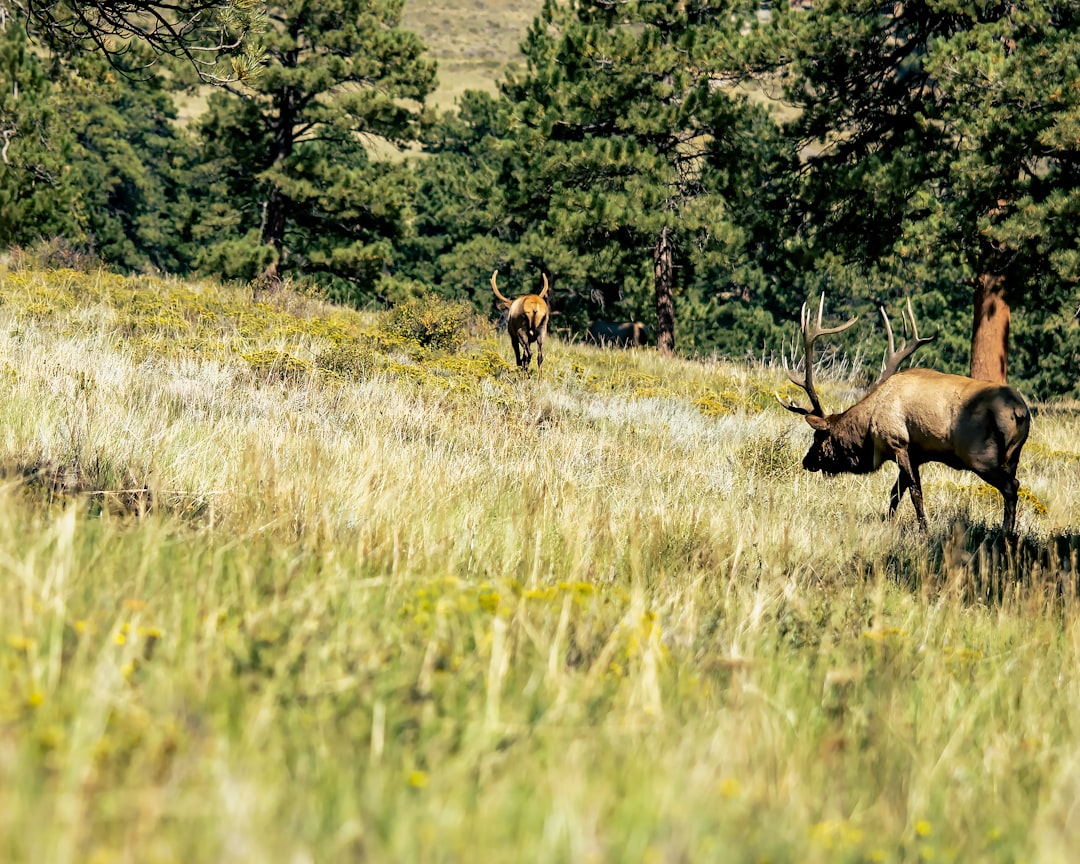
How to Bugle Elk: A Hunter's Guide to Calling in Bulls
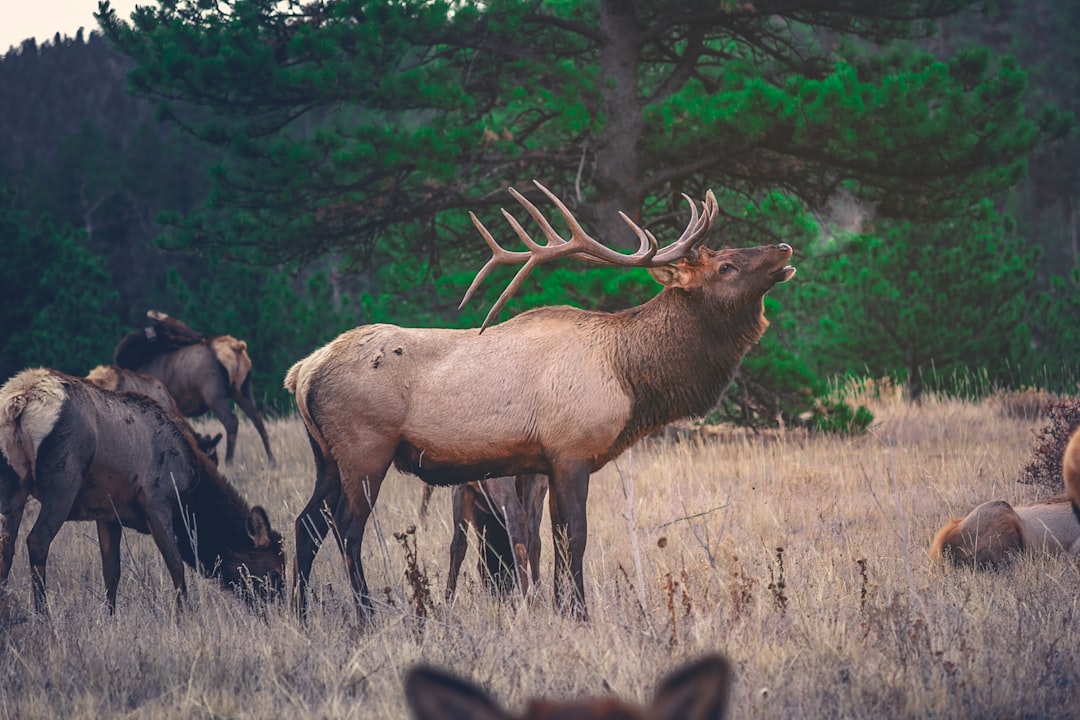
Bugling elk is equal parts science and instinct. Get it right, and a fired-up herd bull will come crashing through the timber looking for a fight. Get it wrong, and you'll watch him push his cows in the opposite direction while you wonder what happened.
The good news: bugling is a learnable skill. The mechanics matter less than understanding when and why to call. This guide breaks down the essentials so you can confidently challenge bulls this September.
Understanding Why Bulls Bugle
Before you put a tube to your lips, you need to understand what bugling actually communicates. A bugle is not a single message. Depending on context, it can signal dominance, location, frustration, or readiness to breed.
Herd bulls bugle to advertise their presence to cows and warn satellite bulls to stay away. Satellite bulls bugle to challenge herd bulls or announce themselves to cows that might slip away. Lone bulls bugle to locate other elk and gauge the competition.
When you bugle, you're inserting yourself into this social hierarchy. A bull hearing your call has to decide: is this a threat worth confronting, or a bluff he can ignore? Your job is to sound like a bull worth investigating.
Choosing the Right Bugle Style
Not all bugles are created equal. The tone, length, and aggression level you project should match the situation.
The Location Bugle
This is your prospecting call. A mid-range bugle, moderate volume, with a clean finish. You're not challenging anyone directly. You're asking, "Who's out here?" Use this when you're covering ground in the dark or working a new drainage. If a bull answers, you've found your target.
The Challenge Bugle
Once you've located a bull, you may need to escalate. A challenge bugle is longer, louder, and finishes with aggressive chuckles. You're telling the herd bull, "I'm here for your cows." This works best on dominant bulls protecting harems. A bull with something to lose is more likely to come check you out.
The Estrus Bugle
This is a desperate, whiny bugle that mimics a young bull who's found a hot cow. It's less about dominance and more about triggering jealousy. Herd bulls often can't resist investigating, worried a satellite bull is breeding one of their cows behind their back.
Timing Your Bugles
The September rut is not a single event. It builds, peaks, and fades over roughly three weeks, and your calling strategy should shift accordingly.
Pre-Rut (Early September)
Bulls are gathering cows but aren't fully committed to fighting. They're more curious than aggressive. Location bugles work well here. Bulls will often answer just to figure out who you are. Keep calling sequences short and give bulls time to respond.
Peak Rut (Mid-September)
This is when bulls are most vocal and most aggressive. Herd bulls are exhausted from fighting and breeding. They're running on adrenaline and short tempers. Challenge bugles can trigger immediate responses. But be warned: some burned-out bulls will simply move their cows rather than engage another challenger. Read the bull's tone. If he sounds tired or disinterested, consider switching to cow calls.
Post-Rut (Late September)
Bulls are worn down. Many have lost their harems. They're often alone and more cautious. Soft location bugles and cow calls work better than aggressive challenges. A bull that's been beaten up all month isn't looking for another fight.
The Mechanics of a Good Bugle
You don't need a perfect bugle to kill bulls. But you do need a consistent, confident sound.
Start with diaphragm control. The bugle's pitch comes from air pressure against the reed, not from your throat. Practice sustaining a clean note before adding any variation. Most beginners rush through the bugle and end up with a choppy, unconvincing sound.
The classic bugle structure is: low growl, rising pitch, sustained high note, descending finish, chuckles. But real bulls rarely follow this formula perfectly. Adding some raspiness, breaking the note slightly, or trailing off early can actually sound more authentic.
Use an external bugle tube to add resonance and throw your sound. In thick timber, a tube helps your bugle carry without sounding thin.
Common Bugling Mistakes
Even experienced hunters make these errors.
Over-Calling
The most common mistake. You bugle, a bull answers, and then you bugle again immediately. And again. You've just told that bull exactly where you are, how far away you are, and that you're not moving. He has no reason to come closer. After initial contact, shut up and close distance. Let him wonder where you went.
Wrong Volume
Bugling too loud at close range is a dead giveaway. If a bull is within 200 yards, tone it down. Cup the tube, turn away, or muffle the sound in your jacket. You want to sound like a bull that's right there, not one screaming from across the canyon.
Ignoring Cow Talk
Many hunters get so fixated on bugling that they forget cow calls entirely. A lonely mew or excited estrus whine is often more effective at pulling a hung-up bull those last 50 yards. Bulls come to breed cows, not fight other bulls. TAGZ Insights covers calling strategies that combine bugles with cow sounds for better results.
Calling From Bad Positions
Never bugle from a spot you can't shoot from. Bulls can cover ground fast, and if you're caught in the open, tangled in brush, or facing the wrong direction, the opportunity is gone. Set up first, then call.
When to Stop Bugling and Start Stalking
Sometimes the smartest call is no call at all.
If a bull answers but won't commit, he's probably with cows and doesn't want to leave them. You have two options: wait him out or go to him. If terrain and wind allow, close the distance silently. Get inside 100 yards before calling again, if you call at all.
Pressured bulls, especially on public land, often go silent after one or two bugles. They've learned that answering brings hunters. These elk require spot-and-stalk tactics or extremely patient setups. Don't keep hammering a call sequence that's clearly not working.
Gear That Helps
A quality diaphragm call is essential. Brands like Phelps, Rocky Mountain, and Primos all make reliable options. Buy several and practice until you find one that fits your mouth and air pressure.
External tubes add volume and realism. Some hunters prefer open-reed calls for bugling, though these take more practice to master.
Carry multiple call types. At minimum, pack a bugle tube, a diaphragm for cow calls, and an external estrus call. Switching sounds mid-sequence can convince a skeptical bull that there's a real herd ahead.
Putting It All Together
Successful bugling comes down to three things: reading the bull, matching your call to the situation, and knowing when to shut up.
Start with location bugles until you get a response. Assess the bull's tone and location. If he's aggressive and coming, get ready. If he's hesitant, add cow sounds. If he's moving away, either sprint to cut him off or let him go and find another bull.
Every encounter teaches you something. Bulls that hang up show you where your calling broke down. Bulls that charge in confirm what worked. Keep adjusting until you crack the code for your specific hunting area.
For help finding units with quality bugling action, TAGZ's hunt planning tools let you compare elk draw odds across Western states so you can stack the deck in your favor before the season even starts.
FAQ — How to Bugle Elk
What time of day should I bugle for elk?
First light and last light are prime times when bulls are most vocal and active. Midday bugling can work during peak rut, but expect slower responses and quieter bulls.
How close should I be before bugling at a bull?
Ideally within 200 to 400 yards. Bugling from long range gives bulls too much information and time to evaluate you. Close the gap before making aggressive calls.
Should beginners focus on bugling or cow calling?
Cow calling is more forgiving and often more effective. Master cow sounds first, then add bugling as you gain confidence. A bad bugle can spook elk; a mediocre cow call rarely does.
Why won't the bull come to my bugle?
He's likely with cows and won't leave them, or he's been pressured and doesn't trust the sound. Try adding cow calls, going silent and repositioning, or switching to a stalk.
Can I bugle too much and educate elk?
Yes. Over-calling the same area or using the same sequence repeatedly teaches elk to avoid that sound. Mix up your calls, use them sparingly, and hunt new areas when possible.
Is an expensive bugle tube worth it?
A quality tube adds realism and volume, but it won't fix bad technique. Spend more time practicing and less time worrying about gear. A $30 tube in skilled hands beats a $100 tube used poorly.
Was this article helpful?
Previous
Best Muzzleloaders for Deer in 2025: Top Picks for Accuracy and Performance
From CVA's Paramount to Thompson/Center's Strike series, modern muzzleloaders deliver rifle-level accuracy at extended ranges. We break down top picks for deer hunters across budget tiers, break-action vs. bolt-action designs, and what features actually matter in the field.
Next
5 Lessons I Learned Guiding Elk Hunters in the West
After years of guiding elk hunters across Montana, Colorado, and Wyoming, these five hard-earned lessons changed how I approach every hunt — from gear choices to mental preparation.