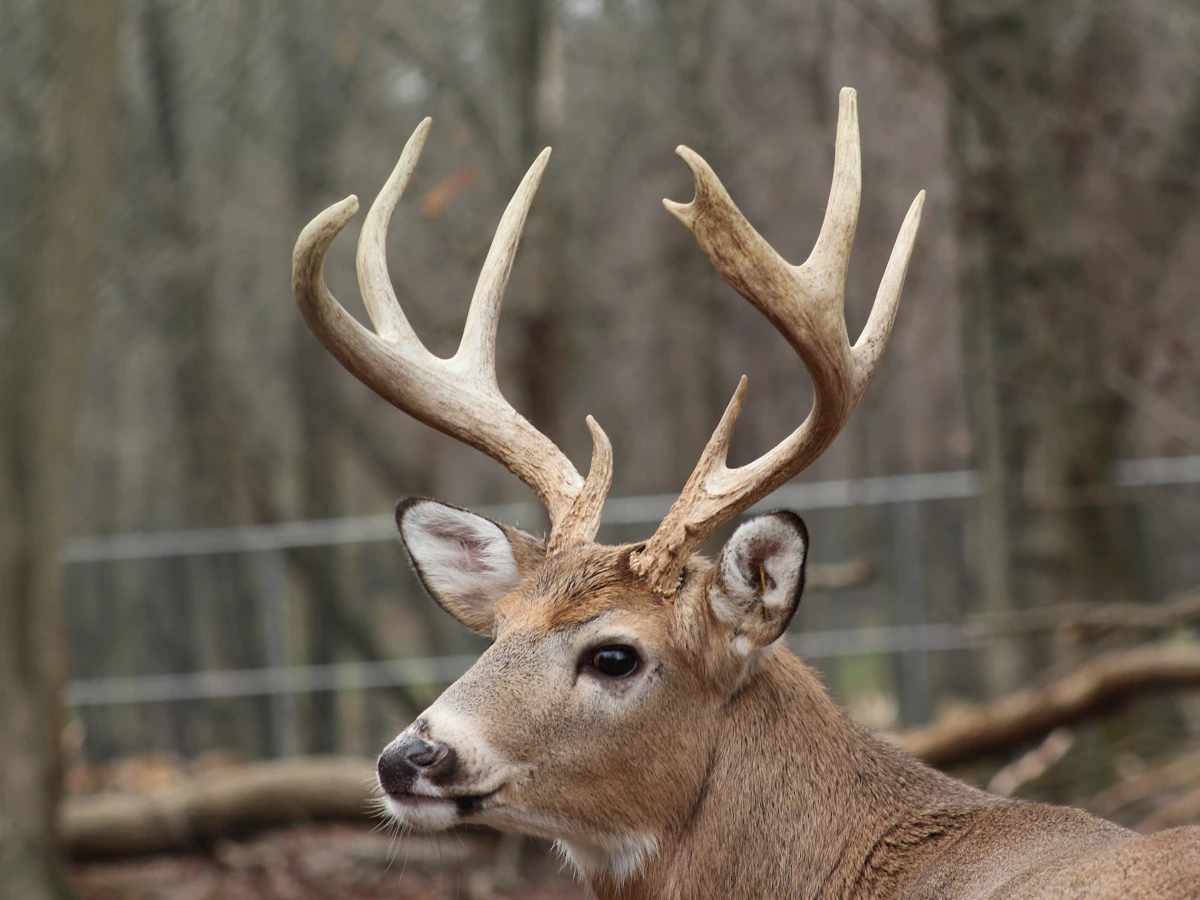
Best Muzzleloaders for Deer in 2025: Top Picks for Accuracy and Performance
Modern muzzleloaders have transformed deer hunting. What once meant 100-yard iron-sight shots now includes sub-MOA rifles capable of ethical kills past 300 yards. Whether you're chasing a late-season whitetail in Ohio or planning a muzzleloader elk hunt in Colorado, the right front-stuffer makes all the difference.
This guide breaks down the best muzzleloaders for deer hunting in 2025, covering accuracy, effective range, reliability, and what features actually help you fill tags. We've hunted with these rifles across multiple states and terrain types, and we'll explain what works and what doesn't.
What Makes a Great Deer Muzzleloader?
Before diving into specific models, understand what separates a good muzzleloader from a great one. Accuracy tops the list. A deer-capable muzzleloader should shoot 2-inch groups or better at 100 yards with the right load. Anything worse limits your effective range and confidence.
Ignition system matters more than most hunters realize. 209 primers deliver consistent ignition in all weather conditions. Some states require traditional percussion caps or flintlock ignition, so check your regulations before buying. Break-action designs reload faster than inline bolt-actions but may sacrifice some accuracy potential.
Weight and balance affect field performance. A 9-pound rifle sounds manageable until you're climbing mountains in New Mexico or still-hunting thick timber. Shorter barrels (24–26 inches) handle better in blinds and thick cover. Longer barrels (28–30 inches) maximize velocity for extended-range shooting.
Trigger quality separates budget models from premium rifles. A crisp 2.5–3 pound trigger helps you shoot accurately. Heavy, gritty triggers waste the accuracy potential of otherwise good barrels.
CVA Paramount Series: Long-Range Precision
The CVA Paramount and Paramount Pro changed muzzleloader hunting. These rifles shoot like centerfire magnums, delivering sub-MOA accuracy with proper loads. The Paramount Pro handles 200-grain charges of Blackhorn 209 powder behind 300-grain bullets, producing velocities over 2,500 fps.
Effective range extends to 400 yards with the right shooter and conditions. The free-floating Bergara barrel and adjustable TriggerTech trigger create a true long-range platform. The VariFlame breech plug ensures consistent ignition with large rifle primers, and the PowerBelt ELR bullet design maintains energy downrange.
Downsides include weight (around 10 pounds scoped) and price. The Paramount Pro retails near $1,400 before adding optics. You'll also spend more on premium components. This rifle makes sense for serious hunters chasing Western tags where long shots are common, or for whitetail hunters who want maximum capability.
Thompson/Center Strike Series: Proven All-Around Performance
The Thompson/Center Strike and Strike LDR balance affordability and performance. These break-action rifles consistently shoot 2-inch groups at 100 yards with saboted bullets and Blackhorn 209 powder. The Strike LDR (Long Distance Rifle) includes a longer barrel and better stock for extended-range work.
Ignition uses 209 shotshell primers, which are easier to find than large rifle primers. The Speed Breech XT allows fast reloads, and the Flex Tech stock reduces recoil noticeably. Effective range runs 150–200 yards for most hunters, stretching to 250 yards with practice.
Price runs $500–$700 depending on configuration. That positions these rifles perfectly for hunters who want quality without premium pricing. The Strike series works across terrain types and hunting styles, from Midwest tree stands to mountain mule deer hunts.
CVA Accura V2: Budget-Friendly Accuracy
The CVA Accura V2 delivers surprising accuracy for under $400. This break-action inline uses 209 primers and handles up to 150 grains of powder. Accuracy runs 2–3 inches at 100 yards with decent ammunition, which covers most deer hunting scenarios.
The quick-release breech plug speeds cleaning, and the adjustable stock allows proper fit for different shooters. CVA includes their Quake Claw sling, which actually works in the field. Effective range tops out around 150–175 yards for most hunters.
This rifle makes sense for hunters entering muzzleloader season for the first time, or for those who hunt shorter-range situations where extreme accuracy isn't required. It's light enough for mountain hunting but accurate enough for food plots and hardwood ridges.
Traditions Vortek StrikerFire: Reliable and Adaptable
The Traditions Vortek StrikerFire uses an accelerator breech plug that accepts either 209 primers or musket caps. That flexibility matters in states with primitive weapon restrictions. The Chromoly steel barrel and CeraKote finish handle weather abuse, and the drop-out trigger assembly simplifies cleaning.
Accuracy runs 2–2.5 inches at 100 yards with quality loads. The LT (Light Weight) version weighs under 7 pounds, making it ideal for mobile hunting. Effective range reaches 200 yards with proper load development.
Price sits around $500–$600. The StrikerFire works well for hunters who split time between traditional and inline seasons, or those who hunt multiple states with different ignition requirements. The Nitride-treated barrel resists corrosion better than standard bluing.
Remington Model 700 Ultimate Muzzleloader: Custom-Grade Platform
The Remington 700 Ultimate Muzzleloader uses the proven 700 action, creating a true long-range hunting platform. The closed breech design uses large rifle magnum primers, not 209 shotshell primers. That generates more consistent ignition pressure and allows powder charges up to 200 grains.
Accuracy potential matches the CVA Paramount series. Sub-MOA groups are achievable with load development. The UM handles heavier bullets (up to 350 grains) at higher velocities than most inline muzzleloaders. Effective range extends to 300–400 yards in capable hands.
Downsides include availability (production has been inconsistent) and price (around $1,200). You'll need a universal decapping die to remove spent primers. The rifle requires more involved cleaning than break-action designs. This makes sense for hunters who already reload and want maximum long-range capability.
Knight Disc Extreme: Speed and Simplicity
The Knight Disc Extreme uses a unique full plastic jacket ignition system instead of traditional primers. The disc system ensures consistent ignition and simplifies cleanup. The bolt-action design is fast for second shots, and the Green Mountain barrel delivers consistent accuracy.
Groups typically run 2–3 inches at 100 yards. Effective range reaches 200 yards for most hunting situations. The rifle handles 150 grains of powder comfortably. Knight's reputation for customer service and reliability makes this a solid choice for hunters who value simplicity.
Price runs $600–$800 depending on stock and finish options. The disc ignition system has loyal followers but isn't as widely available as 209 primers. Consider your access to components before committing to this platform.
Load Development: Maximizing Your Muzzleloader's Accuracy
Even the best muzzleloader shoots poorly with the wrong load combination. Start with Blackhorn 209 powder if your rifle allows it. Blackhorn burns cleaner than traditional black powder substitutes and delivers more consistent velocities. Pyrodex and Triple Seven work well in states that prohibit Blackhorn.
Bullet selection matters as much as powder. PowerBelt bullets shoot accurately in most rifles and load easily. Barnes TMZ and TEZ bullets deliver excellent terminal performance but require sabots. Federal Trophy Copper and Hornady SST-ML bullets balance accuracy and expansion.
Start load development at 100 grains of powder (by volume) and work up in 10-grain increments. Most deer rifles shoot best between 100–120 grains. Magnum loads (150+ grains) make sense for elk-sized game or extreme-range shooting, but they aren't necessary for whitetails at normal distances.
Test loads at 100 yards from a solid rest. Clean the barrel completely between three-shot groups. Record your powder charge, bullet weight, and seating depth for each group. Once you find an accurate combination, verify it at your maximum hunting range before the season opens.
Optics and Accessories: Setting Up for Success
A quality scope transforms muzzleloader accuracy. Use at least a 3-9x scope for most hunting. Long-range specialists benefit from 4-16x or 5-25x optics with exposed turrets. Mount the scope as low as possible while maintaining proper eye relief.
Ballistic reticles help with holdovers beyond 200 yards. Learn your rifle's trajectory so you know which hash mark corresponds to which distance. A laser rangefinder is mandatory for shots past 150 yards. Muzzleloader trajectories are too curved for guessing.
Invest in a quality ramrod. Aluminum rods bend during loading. Carbon fiber rods stay straight and weigh less. Carry a range rod in the field for removing stuck bullets. Keep a possibles bag with extra bullets, powder, primers, and cleaning supplies.
A shooting stick or bipod stabilizes field shots. Muzzleloaders are heavier than most centerfire rifles, and they require precise bullet placement since you typically only get one shot. Practice shooting from field positions before the season starts.
State Regulations: Know Before You Go
Muzzleloader regulations vary dramatically between states. Some allow scopes, sabots, and 209 primers. Others require iron sights, patched round balls, and traditional ignition systems. Pennsylvania and Idaho have different rules than Colorado and Montana.
Scope restrictions affect rifle choice. If your state requires iron sights or restricts magnification, long-range models make less sense. Check whether your state allows synthetic stocks, weatherproof finishes, or quick-detach scope mounts.
Ignition system rules determine which rifles you can use. States with primitive weapon seasons may prohibit 209 primers, inline actions, or closed breech designs. Verify current regulations before buying a muzzleloader, as rules change periodically.
TAGZ helps you track muzzleloader season dates and weapon restrictions across Western states. Compare unit regulations side by side so you know exactly what rifle configuration is legal before you apply. Our hunt filtering system shows which units allow scoped muzzleloaders versus traditional equipment, saving you research time and preventing expensive mistakes.
Maintenance and Storage: Protecting Your Investment
Muzzleloaders require more maintenance than centerfire rifles. Black powder substitutes leave corrosive residue that damages barrels if left uncleaned. Clean your rifle within 24 hours of shooting, sooner if possible.
Use hot soapy water or dedicated black powder solvents. Run wet patches until they come out clean. Follow with dry patches, then apply a light coat of rust-preventive oil. Remove the breech plug periodically and clean the threads. Replace the O-ring annually to prevent gas leakage.
Store muzzleloaders in a dry environment. Humidity accelerates corrosion on barrels and actions. Consider a dehumidifier or desiccant packs in your gun safe. Inspect stored rifles monthly during the off-season.
Check firing mechanisms before each season. Caps and primers corrode over time. Replace any that show green oxidation. Test fire your rifle before hunting to verify zero and function. A misfired cap on a mature buck is a season-defining mistake.
Budget Tiers: What You Get at Each Price Point
Under $500, expect reliable break-action rifles that shoot 2–3 inch groups at 100 yards. The CVA Accura V2 and Traditions Buckstalker fit here. These rifles handle most deer hunting situations effectively but lack the accuracy and features of premium models.
The $500–$800 range includes quality rifles like the Thompson/Center Strike and Knight Disc Extreme. Expect 2-inch accuracy, better triggers, and improved stock ergonomics. These rifles work for hunters who want performance without breaking the budget.
Premium rifles ($1,000–$1,500) like the CVA Paramount and Remington 700 Ultimate deliver sub-MOA accuracy and extended effective ranges. These make sense for serious hunters who chase Western tags or want maximum capability. You'll also spend more on premium ammunition components.
Accessories and ammunition push the total investment higher. Budget $300–$500 for a quality scope, rings, and sling. Plan on $50–$100 to develop an accurate load. Component costs add up if you shoot frequently, so factor ongoing expenses into your decision.
Making the Right Choice for Your Hunting Style
Choose based on how and where you hunt. Eastern whitetail hunters in thick cover need reliability and fast-handling characteristics more than extreme accuracy. The Thompson/Center Strike or CVA Accura V2 makes sense here.
Western hunters chasing mule deer or elk in open country benefit from long-range accuracy. The CVA Paramount or Remington 700 Ultimate delivers the precision needed for 300-yard shots across canyons. Plan on spending time developing accurate long-range loads.
Mountain hunters prioritize weight. The Traditions Vortek LT weighs under 7 pounds and handles steep terrain better than heavier rifles. Accuracy is adequate for most hunting distances, and the reduced weight matters after hours of climbing.
Multi-state hunters face varying regulations. A rifle that accepts both 209 primers and musket caps, like the Traditions Vortek StrikerFire, provides flexibility. Check regulations in each state where you plan to hunt before buying.
FAQ — Best Muzzleloaders for Deer
What is the most accurate muzzleloader for deer hunting?
The CVA Paramount Pro and Remington 700 Ultimate Muzzleloader deliver the best accuracy, both capable of sub-MOA groups with proper loads. These rifles shoot like centerfire magnums at ranges exceeding 300 yards. For most hunters, the Thompson/Center Strike provides excellent accuracy at a more reasonable price point.
How far can you shoot a deer with a muzzleloader?
Effective range depends on the rifle and your skill level. Quality modern muzzleloaders like the CVA Paramount handle 300–400 yard shots. Most hunters should limit shots to 200 yards with mid-range rifles like the Thompson/Center Strike. Traditional muzzleloaders work best inside 150 yards. Practice at your maximum hunting distance before the season.
What powder charge should I use for deer hunting?
Most muzzleloaders shoot accurately with 100–120 grains of powder by volume. This generates enough velocity for clean kills on deer-sized game out to 200 yards. Magnum charges (150+ grains) increase recoil without adding much practical benefit for whitetails. Start at 100 grains and work up in 10-grain increments until you find an accurate load.
Are 209 primers better than musket caps?
Yes, for reliability and consistency. 209 shotshell primers generate more consistent ignition pressure and work better in wet conditions than percussion caps. Some states require traditional ignition systems during primitive weapon seasons. Check your state regulations before buying a muzzleloader.
How often should I clean my muzzleloader?
Clean within 24 hours of shooting to prevent corrosion from black powder residue. Use hot soapy water or dedicated black powder solvents. During load development sessions, clean between three-shot groups for consistent accuracy. Inspect and clean the breech plug at least annually. Proper maintenance prevents rust and ensures reliable ignition.
What bullet weight is best for deer?
Bullets between 250–300 grains work well for deer-sized game. The 250-grain PowerBelt and 270-grain Barnes TMZ are excellent choices that balance accuracy and terminal performance. Heavier bullets (300–350 grains) make sense for elk or long-range shooting but aren't necessary for whitetails at typical hunting distances.
Continue Planning Your Hunt
Choosing the right muzzleloader sets you up for success during one of hunting's most rewarding seasons. Whether you're after a late-season whitetail in the Midwest or planning a Western muzzleloader hunt, match your rifle to your hunting style and budget.
TAGZ helps you identify the best muzzleloader units across Western states by showing historical draw odds, season dates, and weapon restrictions. Track your preference points and bonus points so you never miss a draw deadline. Filter hunts by species, weapon type, and terrain to find units that match your capabilities. Compare unit boundaries, public land access, and success rates side by side. Our platform simplifies the application process so you can focus on preparing for your hunt.
Explore more hunting strategies and gear reviews on the TAGZ Insights blog, learn how our platform helps with multi-state application planning, or create your free account to start tracking draw odds and planning your next muzzleloader hunt today.
Was this article helpful?
Previous
Diaphragm Calls vs External Reed Calls: Which Elk Call Should You Use?
Diaphragm calls offer hands-free convenience and versatility for close encounters, while external reed calls deliver louder, more consistent bugles for long-distance communication. Most serious elk hunters carry both.

Next
Early Season Whitetail Hunting: Strategies That Work When Bucks Are Predictable
Early season whitetail hunting offers some of the year's best opportunities when bucks follow predictable summer patterns. Learn proven stand placement, scouting tactics, and how to capitalize on food sources before hunting pressure changes everything.