How Elk Communicate Throughout the Day: A Hunter's Guide to Vocalizations and Body Language
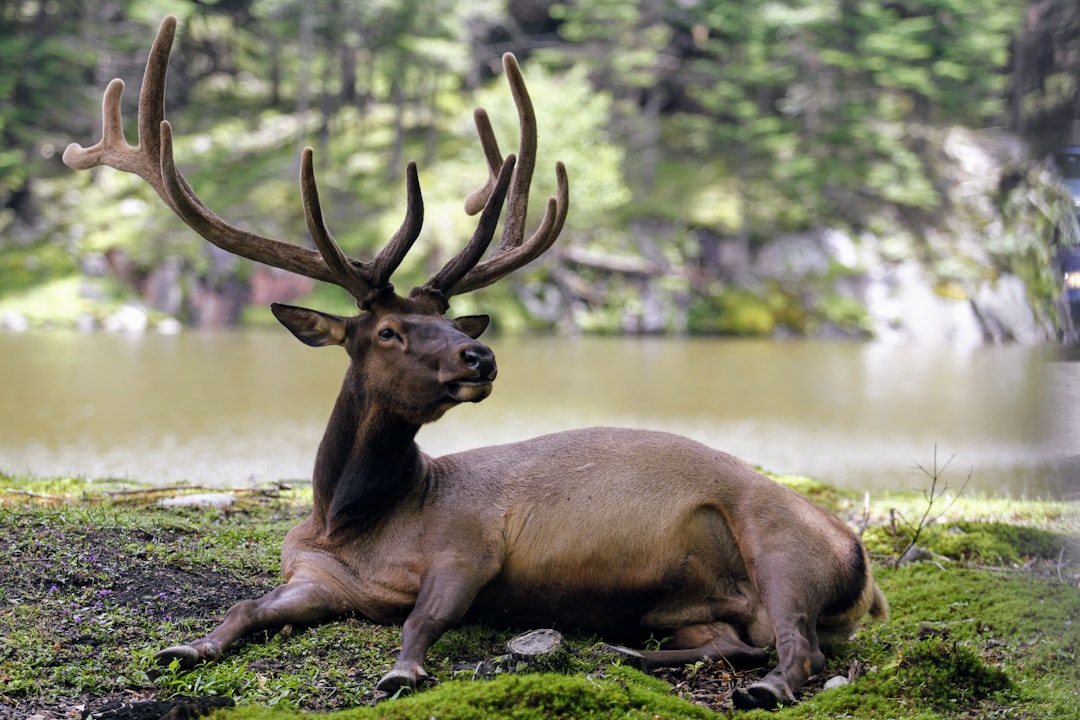
Elk never shut up. Even when the mountains seem silent, cows are mewing to calves, satellite bulls are testing the air with location bugles, and herd bulls are grinding their teeth in warning. The difference between a hunter who fills a tag and one who eats tag soup often comes down to understanding what elk are saying and when they say it.
This guide breaks down elk communication across the day, from the pre-dawn chatter to the midnight overtures most hunters never hear.
Dawn: The Morning Chaos
The hour before sunrise is prime time for elk vocalization. Bulls that bedded apart from cows overnight begin locating herds with searching bugles — those long, drawn-out calls that rise and fall across canyons. These location bugles are lower-intensity than the aggressive screams you hear during midday confrontations. A herd bull will often answer with a quick, assertive bugle that says, "She's mine, keep moving."
Cows add their own layer to the soundscape. Contact mews — soft, nasally calls — keep the herd cohesive as elk feed out of timber and into meadows. A hunter who hears frequent cow talk without bugles might be dealing with a henned-up bull who feels no pressure to vocalize. That's valuable intel: aggressive calling won't pull him off cows, but a subtle cow call or the sound of a competing bull raking brush might force a reaction.
Calves this time of year are vocal too. Their higher-pitched mews carry well, and a cow-calf exchange can reveal exactly where the herd is staging before daylight movement.
Midday: The Quiet Hours Aren't Quiet
Conventional wisdom says elk go silent when they bed. That's half true. Volume drops, but communication continues through body language and low-intensity vocalizations most hunters miss because they're back at camp eating sandwiches.
Bedded cows will issue soft mews to maintain herd awareness. These are barely audible beyond 50 yards. Bulls may let out occasional grunts — not full bugles, just throaty reminders of their presence. A bull's glunking (a deep, rhythmic grunt sometimes called chuckling) often happens during midday when he's lying near cows but not actively herding.
Body language dominates. A herd bull will posture even while bedded — head high, ears forward, antlers tilted to catch light. Satellite bulls lurking on the periphery keep their bodies low and their movement subtle to avoid triggering a charge. Understanding these visual cues helps hunters who glass bedding areas make better decisions about when and where to set up for an evening approach.
For more on identifying bull behavior at distance, TAGZ Insights covers glassing strategies and elk movement patterns in detail.
Afternoon Transition: The Warm-Up
As shadows lengthen, elk begin stirring. Bulls will often bugle from their beds before standing — a warm-up that tells the herd it's time to move. These transition bugles are shorter and less aggressive than morning or evening calls but serve as a reliable indicator that feeding movement is imminent.
Cows stretch, shake off, and begin mewing more frequently. A hunter set up on a known travel corridor between bedding and feeding areas should be in position by this phase. When cow talk picks up and you hear that first lazy bugle from the timber, elk are 15 to 45 minutes from stepping into the open.
This is also when satellite bulls start pushing boundaries. They'll issue challenge bugles — higher-pitched, more urgent than location calls — to test the herd bull's attention. A herd bull stretched thin by multiple cows may ignore these provocations, creating an opportunity for a hunter to call in a frustrated satellite.
Evening: Peak Aggression
The two hours before dark are when elk communication hits full volume. Bulls bugle with intent now, layering their calls with grunts, chuckles, and the distinctive high-pitched scream that carries for miles. This is competition signaling. A bugle that includes deep glunks at the end is a bull advertising size and dominance.
Cow estrus calls — longer, more plaintive mews — can trigger immediate bull response. Hunters who master the estrus mew can pull bulls off travel routes and into shooting lanes. But timing matters. Use it too early in the afternoon and you sound out of place. Use it during peak evening activity and you become the most interesting sound in the drainage.
Antler raking adds another communication layer. Bulls thrash brush and small trees to advertise aggression and location. That sound carries. Experienced hunters will rake a branch or use a rattle bag to simulate a bull working a wallow edge — a tactic that brings curious or combative bulls into range.
After Dark: The Conversation Continues
Elk don't stop communicating at sunset. In fact, some of the most intense bugling happens in full darkness, especially during the rut's peak in mid-September. Bulls that avoided confrontation during daylight will engage in bugling duels after dark when visual assessment isn't possible.
Hunters can use this to their advantage. Roosting within earshot of a bugling bull at night lets you pinpoint his location for a pre-dawn approach. Glass the area at last light to note terrain features, then return in darkness to listen. When a bull bugles at 3 a.m. from the same ridge where you marked cows feeding at dusk, you have your morning setup.
Cows continue contact calling through the night, especially when bedded in larger herds. These soft mews reassure calves and maintain herd structure. A sudden silence followed by alarm barks — sharp, loud calls — indicates a predator or other disturbance. If you hear barks while sneaking into position before dawn, freeze. You've been detected or something else has spooked the herd.
Reading the Full Picture
Effective elk hunting requires combining auditory and visual cues into a coherent picture. A bugle alone doesn't tell you much. A bugle followed by aggressive cow calling tells you the bull is with his herd and confident. A bugle answered by silence might mean satellite bulls are present but intimidated — or that the herd bull is alone and vulnerable.
Body language at distance confirms what calls suggest. A bull strutting stiff-legged with his head high is displaying dominance. A bull moving quickly with his head low is either chasing cows or fleeing a larger bull. Cows that cluster tightly are nervous; cows that spread out and feed calmly indicate no immediate threat.
For hunters building a multi-year strategy around Western big game, the TAGZ product suite helps analyze draw odds and identify units where elk vocalization peaks during your available hunt dates.
Matching Calls to Context
Knowing what elk say is only half the equation. Knowing when to say it back separates successful callers from those who educate elk into silence.
Morning setups favor location bugles and subtle cow calls. You're trying to sound like elk waking up, not a challenger storming into the drainage. Midday calling should be minimal — soft mews if you're trying to keep a bedded bull interested, nothing if you're still-hunting toward a known bed.
Evening is when aggression pays off. Challenge bugles, estrus mews, and raking can all trigger responses from bulls feeling competitive pressure. But read the situation first. A bull already screaming doesn't need more stimulation; he needs a reason to come your direction. That's often a cow call or the sound of a rival working closer.
If you're planning a guided or DIY elk hunt and want to compare unit options based on season dates, success rates, and pressure levels, TAGZ pricing tiers offer tools for every budget.
FAQ — Elk Communication
What does a bugle actually mean?
Bugles serve multiple purposes: locating other elk, advertising dominance, warning rivals, and attracting cows. The tone, length, and added vocalizations (like chuckles) modify the message.
Why do elk stop bugling in late September?
Bulls reduce bugling as the rut winds down and breeding competition decreases. Heavily pressured bulls may also go silent to avoid hunters. Calling strategies should shift toward cow sounds in late season.
Can cow calls work on a herd bull?
Yes. A herd bull is constantly managing cows and will often respond to an estrus mew or lost-cow call, especially if he thinks one is wandering away from the group.
What's the best time of day to call elk?
The first and last two hours of daylight see the most vocal activity. However, midday calling can work on bedded bulls if you're subtle and close enough to be heard without alarming the herd.
Do elk communicate without sound?
Absolutely. Body posture, ear position, antler angle, and movement speed all convey information. A bull may never bugle but constantly signal dominance through posture alone.
Should I match the intensity of a bull's bugle?
Not always. Matching or exceeding intensity can challenge a dominant bull into a fight — or send him the other direction if he's not confident. Start below his intensity level and escalate based on his response.
Elk are talking all day. The hunters who learn to listen — and respond correctly — find more opportunities in range. Build your elk strategy with TAGZ and put this knowledge to work in units where the odds match your goals.
Was this article helpful?
Previous
Calling Elk in Dark Timber: Proven Tactics for Tight-Cover Bulls
Calling elk in dark timber demands close-range setups, aggressive calling sequences, and reading wind in confined spaces. This guide covers proven techniques for locating, calling, and closing the distance on bulls in dense lodgepole, spruce, and fir stands where visibility drops to yards, not hundreds.
Next
Best States for DIY Shiras Moose Hunting: Where to Apply and What to Expect
Shiras moose tags are notoriously hard to draw, but some states offer better odds and more accessible hunts than others. Here's where DIY hunters should focus their applications.