Best Custom Hunting Rifles for Western Big Game in 2025
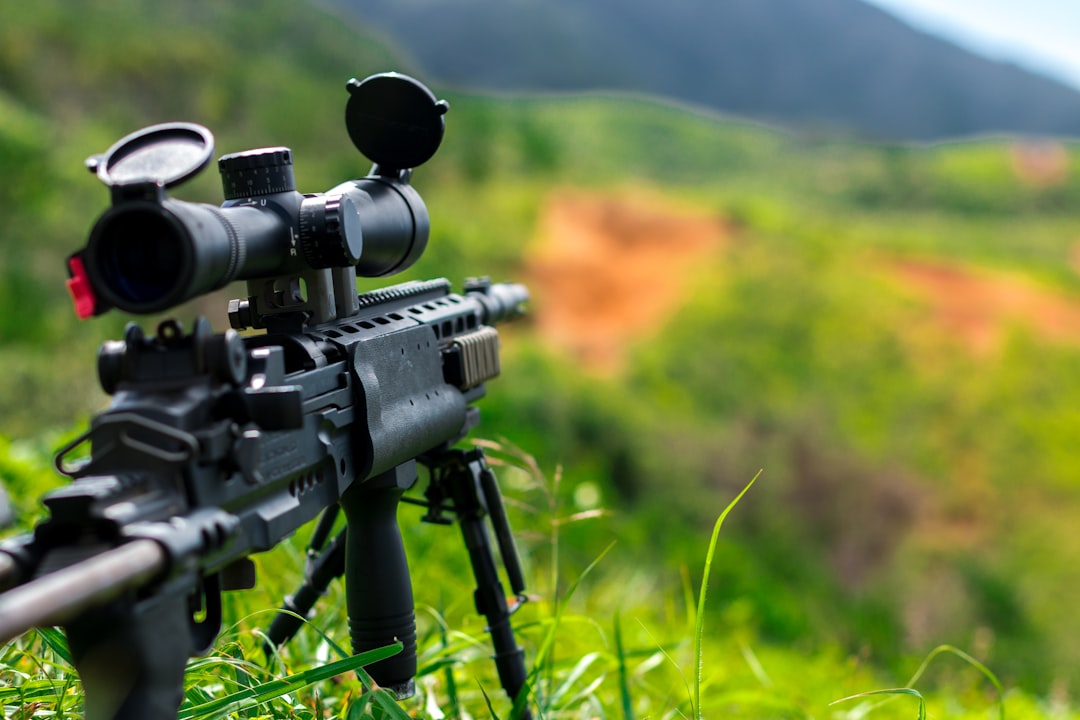
A custom hunting rifle represents more than upgraded components. It delivers a purpose-built tool matched to your hunting style, terrain, and species. Factory rifles serve many hunters well, but when you demand sub-MOA accuracy at altitude, reliable function in freezing conditions, and a stock that fits your frame perfectly, custom builds justify the investment.
This guide examines what separates elite custom rifles from production models, which builders consistently deliver, and how to spec a rifle that performs across western hunting scenarios from September archery elk to late-season mule deer.
Why Custom Rifles Outperform Factory Options
Factory rifles have improved dramatically, but they still accommodate the average shooter rather than your specific needs. Custom rifles solve three fundamental problems.
First, precision matters more at distance. A factory rifle shooting 1.5 MOA groups becomes a six-inch spread at 400 yards. A custom build holding 0.5 MOA cuts that to two inches, transforming marginal shots into ethical kills. When you glass a mature mule deer buck at first light across a Wyoming basin, that difference decides whether you take the shot.
Second, stock fit affects accuracy as much as barrel quality. Factory stocks rarely match your length of pull, cheek height, or grip angle. A custom stock built to your measurements eliminates the compensation and inconsistency that develops when you adjust your face or shoulder to meet the rifle rather than the rifle meeting you.
Third, reliability under field conditions separates custom actions from mass-produced receivers. Tight tolerances and hand-fitting ensure feeding, extraction, and ejection function flawlessly when temperatures drop below zero or you are working a bull at 10,000 feet elevation. Factory rifles may deliver 95% reliability. Custom builds target 100%.
Top Custom Rifle Builders for Western Hunting
Several builders have earned reputations among western guides and serious hunters for consistent quality and performance.
Gunwerks dominates the long-range hunting market. Their rifles ship with verified ballistics at distance, complete load data, and custom turrets calibrated to your specific ammunition. Hunters serious about 600-plus-yard shots on open-country mule deer or pronghorn find the system approach reduces variables. Expect $8,000 to $12,000 for a complete package.
Hill Country Rifles builds lighter mountain rifles without sacrificing accuracy. Their carbon-fiber-wrapped barrels and skeletonized actions produce rifles under seven pounds that still shoot half-MOA groups. For hunters covering miles in steep terrain chasing elk or sheep, the weight savings matter more than marginal ballistic advantages from heavier barrels. Builds start around $6,500.
Proof Research specializes in carbon-fiber barrel technology that reduces weight while maintaining accuracy and thermal stability. Many custom builders now spec Proof barrels into their rifles. Buying direct from Proof gets you a rifle engineered around their barrel technology from the start. Complete rifles run $5,000 to $8,000.
Seekins Precision bridges the gap between true custom and high-end production. Their semi-custom approach allows caliber and stock options while maintaining reasonable lead times and pricing. For hunters wanting better than factory performance without full custom cost, Seekins delivers rifles under $4,000 that shoot consistent sub-MOA groups.
Cooper Firearms builds classic-style hunting rifles with hand-fitted actions and meticulous attention to wood-to-metal fit. Hunters preferring walnut stocks and traditional lines over tactical aesthetics find Cooper rifles deliver custom quality with timeless design. Prices range from $3,500 to $6,000.
Choosing the Right Cartridge for Western Terrain
Cartridge selection drives every other component decision. Match your choice to realistic shooting distances and the species you hunt most.
For elk hunters covering mixed terrain from dark timber to alpine basins, 6.5 PRC has become the standard. It delivers sufficient energy for ethical elk kills past 500 yards, manageable recoil for quick follow-ups, and excellent barrel life. Factory ammunition availability makes it practical for hunters who do not handload.
300 Winchester Magnum remains the default for hunters prioritizing terminal performance over recoil. Shooting 200-grain bullets, it handles elk reliably past 600 yards and bucks wind better than smaller cartridges. The recoil demands practice and a properly fitted stock to shoot accurately.
7mm Remington Magnum offers a middle ground with better ballistics than 6.5 PRC and less recoil than 300 Win Mag. For all-around western hunting from mule deer to elk, it remains difficult to beat. Components and ammunition are widely available.
28 Nosler appeals to hunters chasing maximum long-range performance in a standard-length action. It matches 300 Win Mag energy with flatter trajectory and less wind drift. Barrel life averages only 800 to 1,200 rounds, making it expensive to practice with extensively.
For mule deer and pronghorn specialists who rarely shoot past 400 yards, 6.5 Creedmoor delivers adequate performance with minimal recoil, excellent barrel life, and the widest factory ammunition selection. Hunters comfortable with their shooting limits find it perfectly capable.
Custom Action Features That Matter
The action forms the foundation of accuracy and reliability. Several features separate custom actions from factory receivers.
Controlled-round feed designs like the Mauser 98 system ensure positive feeding and extraction under any conditions. Push-feed actions work reliably in normal conditions but can fail when you run the bolt quickly or at odd angles. For dangerous game and conditions where failure is unacceptable, controlled-round feed actions provide insurance.
Precision-ground bolt raceways and locking lugs ensure the bolt seats identically with every cycle. This consistency translates directly to accuracy. Factory actions often show measurable variation in how the bolt locks up shot to shot. Custom actions eliminate that variable.
Integral scope bases or Picatinny rails machined into the action maintain zero better than two-piece bases. When you remove and remount a scope or switch between optics, a one-piece mounting system returns to zero reliably.
Three-position safeties allow you to unload the rifle safely while keeping the trigger locked. This matters when you need to descend steep terrain or navigate blowdowns with a chambered round. Factory two-position safeties force you to work the bolt to unload, potentially bumping the trigger during the process.
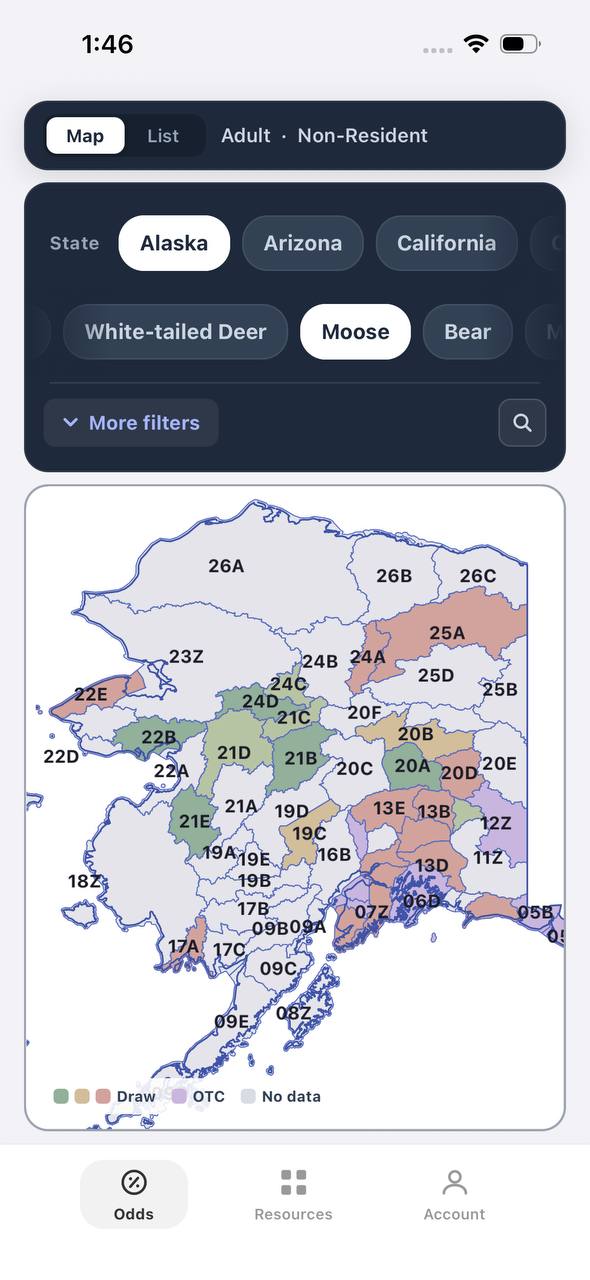
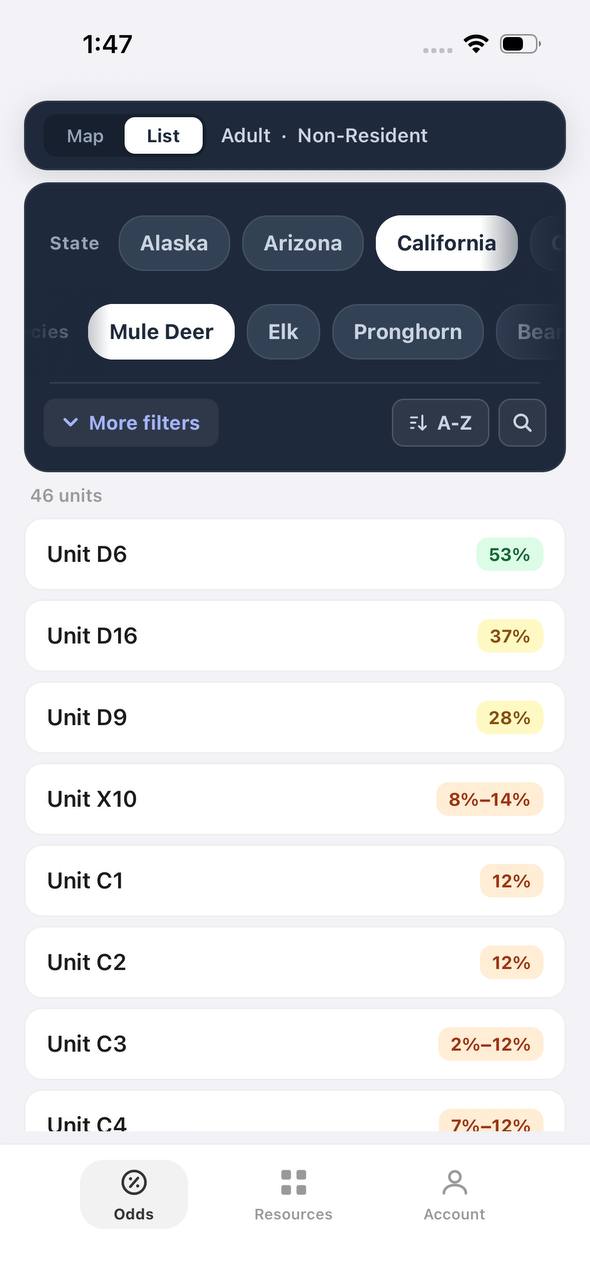
Free to join
Download mobile app
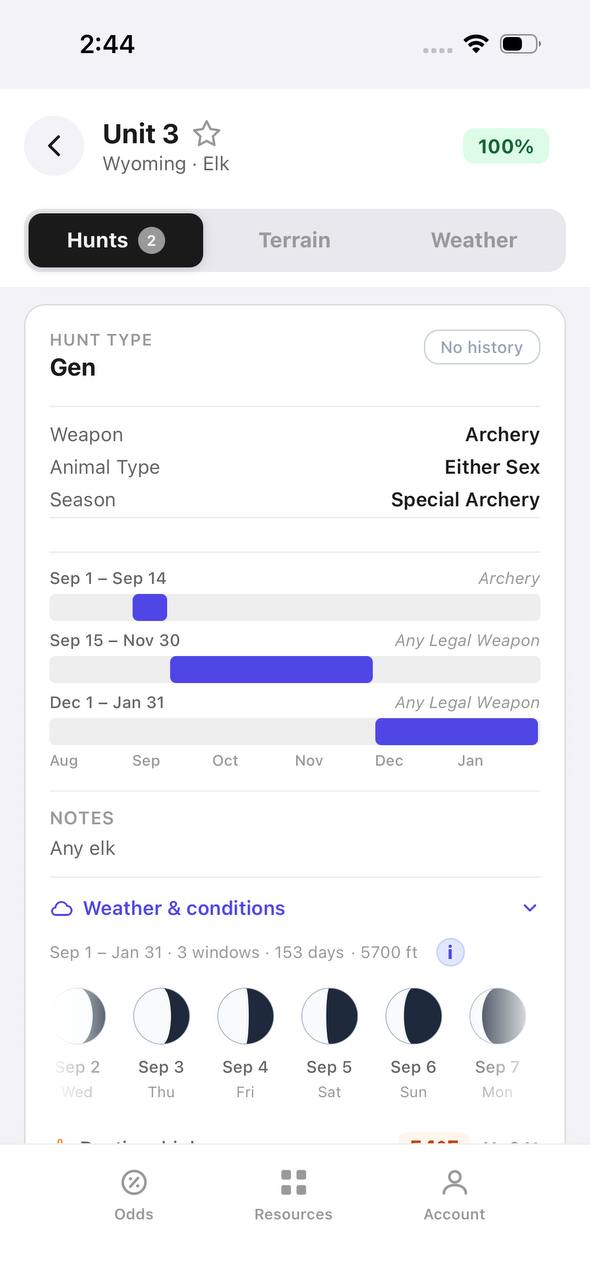
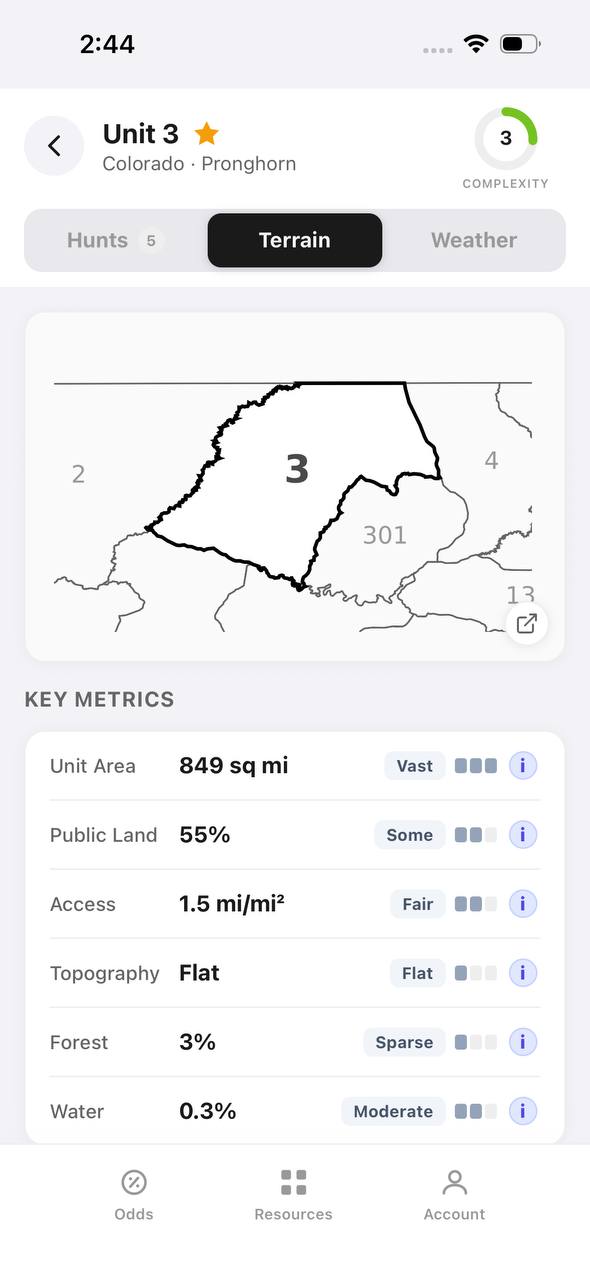
- Detailed draw odds
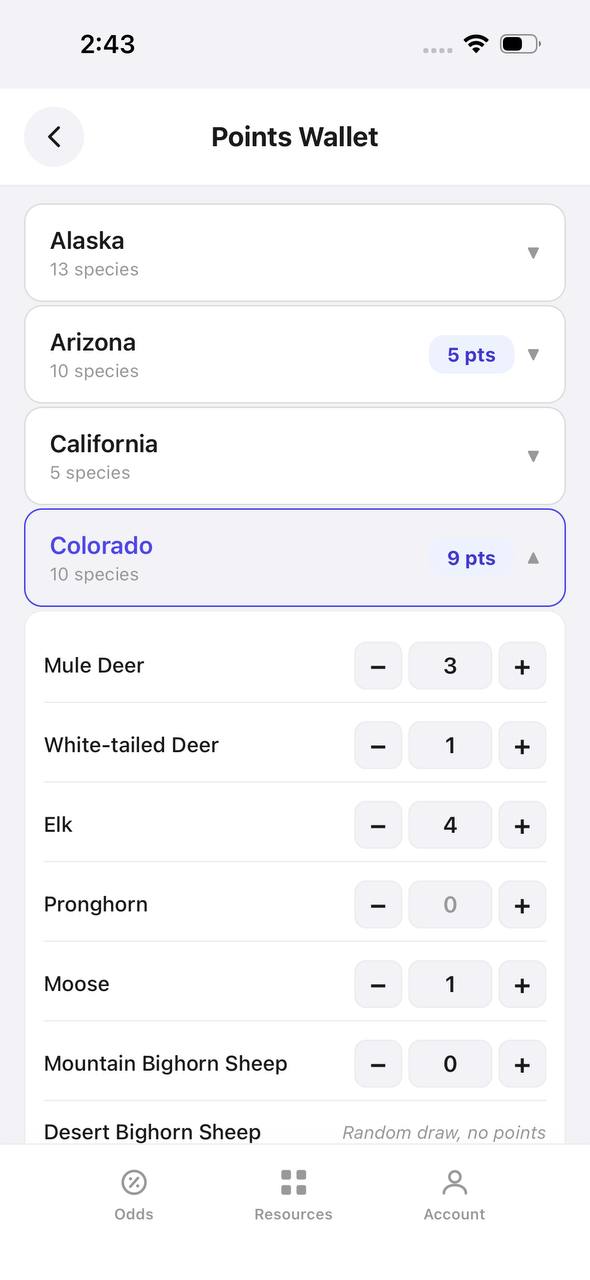
- Point tracking
- Deadline reminders
- 18 states covered

Free to join
Download mobile app
- Detailed draw odds
- Point tracking
- Deadline reminders
- 18 states covered
Free to join
Download mobile app
- Detailed draw odds
- Point tracking
- Deadline reminders
- 18 states covered
Stock Configuration for Mountain Hunting
Stock design affects field performance more than most hunters recognize until they spend days climbing mountains with a poorly balanced rifle.
Carbon-fiber stocks from manufacturers like AG Composites or McMillan reduce weight by a full pound compared to fiberglass or wood without sacrificing rigidity. For mountain hunters covering vertical terrain, that pound makes a measurable difference by day three of a backcountry hunt.
Adjustable cheek risers let you achieve proper eye alignment with any scope height. When you switch from a 3-9x to a 5-25x scope, the larger objective requires higher rings. An adjustable comb maintains consistent head position without requiring permanent stock modification.
Vertical grips improve control during recoil compared to traditional hunting stock angles. The steeper angle lets your wrist stay straight rather than bent backward, reducing muzzle rise and improving follow-up shot speed. This matters most with magnums or when shooting from improvised field positions.
Length of pull between 13 and 13.5 inches fits most adult hunters when wearing hunting clothing. Factory rifles often ship at 13.5 to 14 inches, which works in shirtsleeves but becomes too long when wearing heavy jackets at altitude. Custom stocks account for field clothing from the start.
Optics Integration and Load Development
A custom rifle deserves an optic matched to its capabilities and ammunition developed specifically for that barrel.
For western hunting, variable-power scopes in the 3-15x or 4-16x range provide sufficient magnification for long shots while remaining usable at close range. Lower-end magnification matters more than maximum power. A scope that starts at 5x becomes difficult to use quickly on a bull working toward you at 40 yards.
First-focal-plane reticles maintain accurate holdover references at any magnification. Second-focal-plane reticles only provide correct subtensions at maximum power. For hunters who range game and dial turrets, this matters less. For those using holdovers, first focal plane eliminates mental math under pressure.
Load development transforms a custom rifle from capable to exceptional. Most builders include basic load development, but serious hunters benefit from working with the builder or an experienced handloader to identify the specific bullet, powder, and seating depth combination that delivers best accuracy from that particular barrel.
Carbon-fiber barrels often show preference for specific bullets. A Proof barrel might shoot 140-grain Berger VLDs into quarter-MOA groups while printing inch groups with 143-grain Hornady ELD-X bullets. Testing reveals these preferences before hunting season.
What Custom Rifles Cost and Why
Entry-level custom rifles start around $3,500 and climb past $15,000 for full-house builds with premium components and extensive load development.
A basic custom hunting rifle includes a precision action, custom barrel, quality stock, and trigger work. This combination typically runs $4,000 to $6,000 and delivers accuracy and reliability far beyond any factory rifle under $2,000.
Mid-tier builds incorporate carbon-fiber barrels, adjustable stocks, and upgraded bottom metal. These rifles cost $6,000 to $9,000 and reduce weight while improving field usability through features like adjustable combs and flush-mount magazine systems.
Top-tier custom rifles include comprehensive packages with verified ballistics, custom turrets, premium glass, and complete load development. Gunwerks and similar builders charge $10,000 to $15,000 for rifles that arrive ready to shoot precise groups at distance with minimal field development required.
The investment makes sense for hunters who shoot regularly, pursue limited-entry hunts requiring maximum confidence, or hunt in conditions where reliability cannot be compromised. A $10,000 rifle on a $15,000 stone sheep hunt represents 40% of the total investment while being the single component most directly tied to success.
Maintenance and Barrel Life Considerations
Custom rifles require the same basic maintenance as factory guns but benefit from more careful attention to barrel condition.
Carbon-fiber barrels handle heat differently than steel barrels. They dissipate heat quickly, reducing throat erosion and extending barrel life. Proof Research barrels often deliver 2,000 to 3,000 accurate rounds in cartridges like 6.5 PRC where traditional steel barrels might last 1,500 rounds.
Cleaning frequency depends on the barrel and ammunition combination. Many custom barrels shoot best slightly fouled with 10 to 20 rounds through them. Cleaning after every range session can actually reduce accuracy compared to cleaning every 40 to 60 rounds. Work with your builder to understand the specific barrel's preferences.
Throat erosion eventually affects accuracy in all rifles. Custom barrels typically maintain sub-MOA accuracy longer than factory barrels, but magnum cartridges still erode throats faster than standard cartridges. Budget for barrel replacement every 1,500 to 2,500 rounds with magnums, 2,500 to 4,000 rounds with standard cartridges.
Rebarreling a custom action costs less than building a new rifle. Expect $1,200 to $2,000 for a replacement barrel and installation. This extends the useful life of a quality action indefinitely, making custom rifles better long-term investments than repeatedly buying factory rifles.
Building Your First Custom Rifle
Start by defining your specific hunting application rather than trying to build one rifle for everything.
Consider the species you hunt most, the terrain you cover, and the distances you realistically shoot. A hunter chasing Colorado high-country elk primarily during archery season with occasional rifle hunts needs a different tool than a Wyoming pronghorn specialist taking 400-yard shots across sagebrush flats.
Consult with the builder before finalizing component choices. Experienced custom rifle builders understand how actions, barrels, stocks, and cartridges work together. They catch incompatibilities before they become expensive problems. A builder might steer you from a cartridge choice that shortens barrel life unnecessarily or recommend a different stock configuration based on your described hunting style.
Plan for a six-month to one-year lead time with most quality builders. Custom rifles cannot be rushed without compromising quality. Ordering during the off-season ensures delivery before the following hunting season. Trying to order a rifle in July for a September elk hunt rarely works.
Budget for the complete system including quality glass and ammunition development. A $7,000 rifle with a $400 scope underperforms a $4,000 rifle with $2,000 glass. Similarly, shooting cheap factory ammunition through a rifle capable of quarter-MOA accuracy wastes the rifle's potential.
TAGZ helps hunters maximize limited-entry draw opportunities across western states by comparing unit terrain, historical draw odds, and hunt quality side by side. When you draw a premium limited-entry elk or mule deer tag after years of building points, having a rifle that performs reliably at distance becomes as important as the tag itself. Track your preference points and bonus points across multiple states so you never miss a draw deadline. Whether you are chasing OTC tags or planning a trophy limited-entry hunt, TAGZ gives you the tools to make smarter decisions before you ever step into the field.
FAQ — Custom Hunting Rifles
How much does a quality custom hunting rifle cost?
Quality custom hunting rifles start around $4,000 for basic builds with precision actions and custom barrels. Mid-tier builds with carbon-fiber barrels and upgraded stocks run $6,000 to $9,000, while complete packages with premium glass and load development cost $10,000 to $15,000.
Are custom rifles worth it for average hunters?
Custom rifles benefit hunters who shoot regularly, pursue premium limited-entry hunts, or need guaranteed reliability in extreme conditions. For hunters shooting factory rifles adequately well and hunting general seasons, the investment may not improve success rates enough to justify the cost.
What is the best caliber for a custom elk rifle?
6.5 PRC has become the most popular choice for all-around elk hunting, offering sufficient energy past 500 yards with manageable recoil and excellent barrel life. 300 Winchester Magnum remains the standard for hunters prioritizing maximum terminal performance, while 7mm Remington Magnum splits the difference.
How long does it take to get a custom rifle built?
Most quality custom rifle builders require six months to one year from order to delivery. Lead times vary by builder, component availability, and time of year. Ordering during the off-season provides the best chance of delivery before the following hunting season.
Do custom rifles shoot better than high-end factory rifles?
Yes. Custom rifles typically deliver sub-MOA accuracy consistently while factory rifles average 1 to 1.5 MOA even in premium lines. Custom rifles also provide better stock fit, more reliable feeding and extraction, and component integration optimized for your specific hunting application.
How often do custom rifle barrels need replacing?
Barrel life depends on cartridge choice and shooting volume. Magnum cartridges erode throats in 1,500 to 2,500 rounds, standard cartridges last 2,500 to 4,000 rounds, and mild cartridges like 6.5 Creedmoor can exceed 5,000 rounds before accuracy degrades noticeably. Carbon-fiber barrels often extend these numbers by 20% to 30%.
Continue Planning Your Hunt
Custom rifles represent one component of successful western hunting. Understanding draw systems, unit selection, and terrain analysis helps you hunt smarter before opening day.
Explore more hunting strategies and application planning guides on the TAGZ Insights page, where we break down draw odds, unit research, and hunt planning across western states.
Compare custom rifle investments against your draw strategy using TAGZ tools that show historical draw data, preference point projections, and unit boundaries with terrain overlays.
Ready to build a multi-state application strategy that maximizes your draw opportunities? Review TAGZ pricing options and start tracking points across states before the next application deadline.
Return to the TAGZ home page to access draw deadline calendars, unit filtering tools, and the resources that help western hunters make confident tag decisions from application season through the hunt itself.
Was this article helpful?
Previous
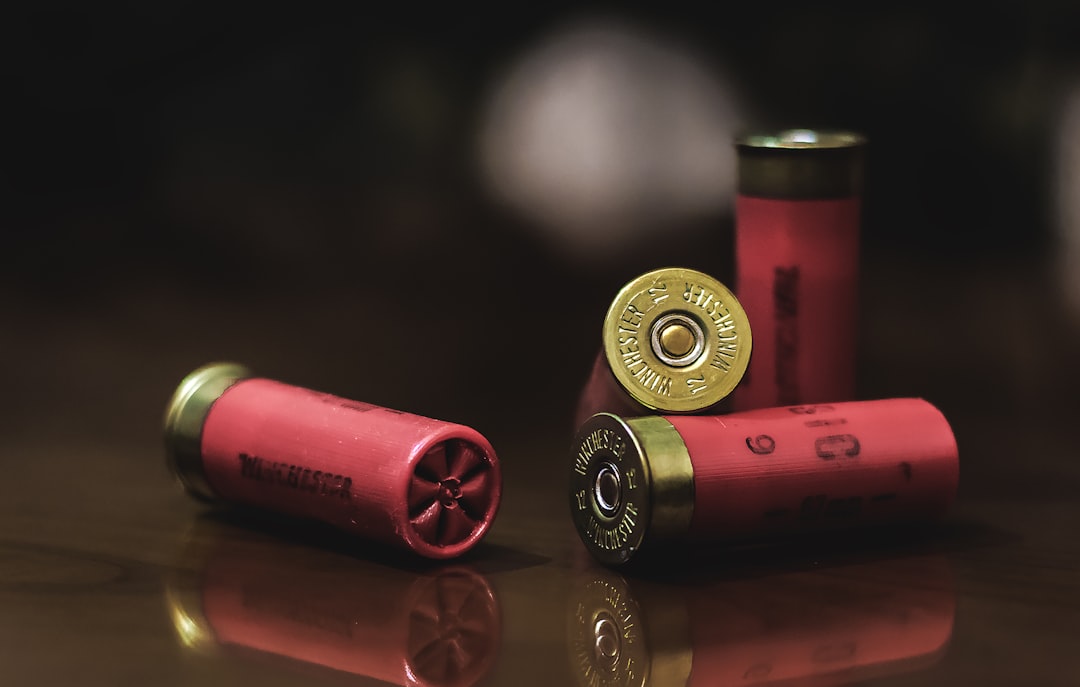
LRI Long Rifles Inc. — Custom Rifles Built for Western Hunting
Long Rifles Inc. builds precision custom rifles engineered for western big-game hunts. Known for meticulous blueprinting, hand-lapped barrels, and multi-year wait times, LRI rifles deliver sub-MOA accuracy in lightweight mountain platforms trusted by serious backcountry hunters.
Related
Best Camp Pillows for Western Hunters — Field-Tested Picks for Backcountry & Truck Camping
A good camp pillow makes the difference between restless nights and waking up ready to hunt. We break down the best options for weight-conscious backpackers and truck campers who refuse to sacrifice sleep quality in the field.
Next
Best Gun and Bow Mounts for UTVs: Secure Your Weapons for the Hunt
The right UTV weapon mount keeps your rifle or bow protected, accessible, and legal while navigating rough terrain to your hunting spot. This guide compares the top mounts for different hunting scenarios and vehicle setups.