How to Pack a Side-by-Side for an Elk Hunt: Complete Gear and Organization Guide
A side-by-side transforms elk hunting logistics, letting you haul gear deeper into the backcountry and pack out quarters without destroying your knees. But a poorly packed UTV becomes a liability the moment you hit rough terrain and critical gear shifts, falls out, or ends up buried under a tarp when you need it most.
The difference between a successful pack job and a frustrating hunt often comes down to organization and weight distribution. This guide walks through the complete process, from choosing what to bring to securing loads for the ride out with meat.
Start with a weight and space audit
Before you start loading, know your machine's limits. Check your owner's manual for bed capacity and total payload rating. Most hunting-capable UTVs handle 600–1,000 pounds in the bed, but that number drops fast when you add passengers, fuel, and aftermarket accessories.
Make a realistic gear list first. Lay everything out in your driveway and eliminate redundancies. Two hunters do not need two full camp stoves, two sets of tire repair tools, or two complete first aid kits. Consolidate shared items and split the weight of bulky shelter components.
Weigh your load if possible. A hanging scale or bathroom scale gives you a baseline. Knowing you are starting at 400 pounds of gear helps you plan for adding 200–300 pounds of boned-out elk meat on the way back.
Organize gear by access priority
Think in layers based on how often you will need each item. The worst packing mistake is burying your kill kit under sleeping bags and coolers, then needing to unload half the bed when you have an elk on the ground.
Immediate access items go in the cab or cab storage: GPS, rangefinder, binos, handheld radio, knife, headlamp, wind checker, license, kill tags, gloves, and a light rain layer. If you are glassing from the machine or stopping for quick stalks, this gear stays within arm's reach.
Frequent access items go in the top layer of the bed or in external racks: game bags, paracord, bone saw, latex gloves, headlamp, trash bags for meat protection, and a tarp for field work. Add a small cooler with water and snacks for mid-day glassing sessions.
Camp and overnight gear goes in the bottom layer: tent, sleeping bags, cooking system, food bins, extra clothing, and bulky layers. You will unload this once at camp and reload it once when you leave. Strap it down securely so it does not shift during transit.
Use the cab wisely
The cab is prime real estate for small, high-value items that should not get wet or bounced around. Install a roof-mounted overhead storage net for gloves, calls, and caps. Use door panel pockets or aftermarket pouches for knives, multitools, and fire starters.
Keep your rifle secured in a cab-mounted gun rack or soft case wedged behind the seats. Vertical racks work better than horizontal mounts on rough terrain because they keep muzzles pointed safely up and reduce flex. Pad the stock and scope with a towel or foam.
Store ammunition in a waterproof hard case in the cab, not loose in the bed. Keep it separated from the rifle per transport laws in most states, and know your specific state regulations on loaded firearms in vehicles.
Pack the bed with weight distribution in mind
Weight bias toward the front of the bed improves handling and reduces rear-end bounce on washboard roads. Load your heaviest items like coolers, water jugs, and tool boxes directly behind the cab. Keep weight centered left-to-right to prevent side-to-side sway on off-camber terrain.
Use stackable, rigid containers instead of duffel bags. Plano totes, action packers, and military surplus ammo cans create a stable base layer and protect contents from dust and moisture. Label each container clearly so you do not have to dig through three bins to find the cook stove.
Place soft items like sleeping bags and tents on top of the hard containers. They compress under straps and fill gaps, creating a more secure load. Avoid putting anything hard on top of something crushable.
Free to join
Download mobile app
- Detailed draw odds
- Point tracking
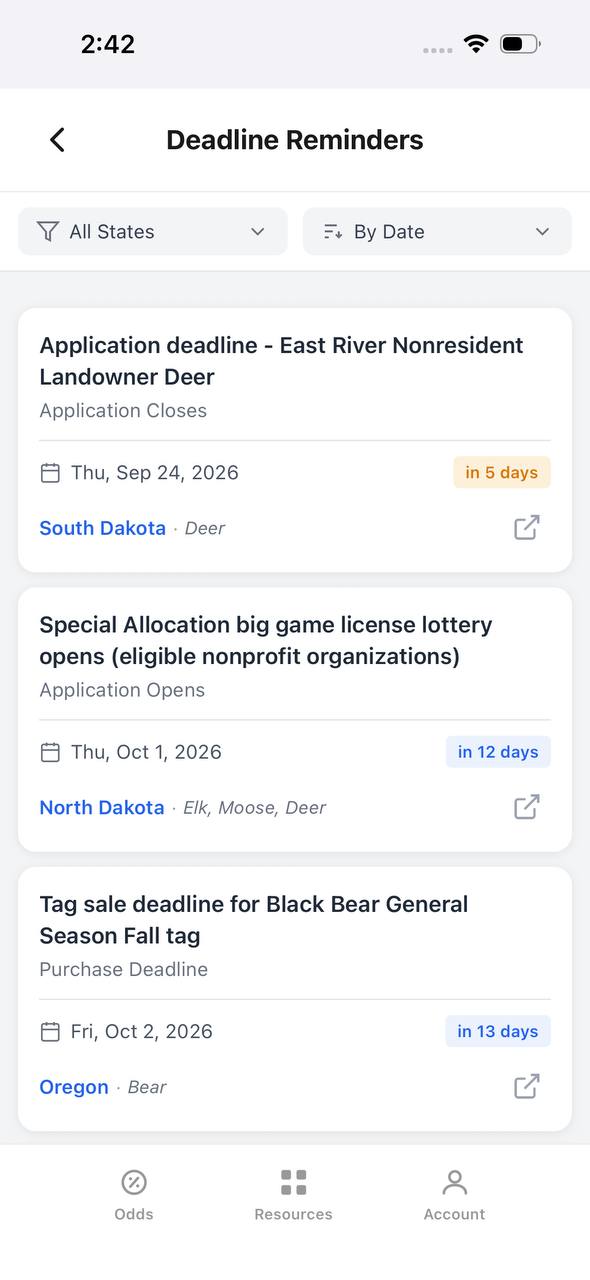
- Deadline reminders
- 18 states covered

Free to join
Download mobile app
- Detailed draw odds
- Point tracking
- Deadline reminders
- 18 states covered
Free to join
Download mobile app
- Detailed draw odds
- Point tracking
- Deadline reminders
- 18 states covered
Strap everything down correctly
Ratchet straps are non-negotiable. Bungee cords stretch and fail on rough trails. Run at least two heavy-duty ratchet straps across the main load, anchored to bed tie-downs. Crisscross them if possible to prevent forward and backward shift.
For tall loads, add a top-down strap that compresses everything vertically. This keeps items from bouncing out on big hits. Secure loose items like shovels and axes to the bed rails or roof rack with cam straps or paracord.
Test your load on a short rough section before committing to miles of trail. Stop after the first mile and re-tighten straps. Loads settle and loosen after initial vibration.
Add the right accessories for elk country
A roof rack expands capacity and keeps dirty, wet items out of the cab. Mount a high-lift jack, traction mats, and a chainsaw up top. Secure them with lock-tight mounting hardware because vibration loosens bolts fast.
Install a rear cargo rack or basket if your machine allows it. This gives you a dedicated space for muddy boots, bloody game bags, and wet rain gear on the ride home. Keep it separate from clean camp gear.
A bed extender works well for hauling rifles or long items like tripods and trekking poles. It prevents them from sliding around loose in the bed and frees up cab space.
Consider a spray-in bed liner or heavy rubber mat. Elk blood and dirt are hard on bare plastic. A liner makes cleanup easier and reduces gear slide during transit.
Plan for the pack-out before you leave camp
Before you head out to hunt, prep your UTV for meat hauling. Carry extra large game bags, paracord, and a tarp for lining the bed. Bring a second cooler specifically for meat or plan to use empty gear totes as meat haulers once you have camp established.
Know how much space you need for an elk. A quartered bull produces roughly 250–350 pounds of boned-out meat. That is four to six large game bags plus the head and cape if you are keeping them. Clear at least half your bed space before the shot if you are hunting solo or plan to make multiple trips.
If you are hunting with a partner, coordinate loads. One UTV can carry camp and personal gear while the other stays light for meat hauling. This strategy works especially well on multi-day hunts where you are moving camp locations.
Load meat correctly for the ride out
When you have an elk down, prioritize meat care over convenience. Line your bed with a tarp, then load game bags flat in a single layer if possible. Stacking bags reduces airflow and traps heat, which accelerates spoilage. If you must stack, place a breathable layer like a game bag or clean tarp between layers.
Keep meat off the bottom of the bed if the trail is wet. Use a cooler or lay down dry gear totes first, then place meat on top. This prevents bags from sitting in mud and water during the ride out.
Secure meat bags with ratchet straps just like gear. A sudden stop or steep descent can send unsecured bags sliding forward. Make sure nothing sharp like antler tines or exposed bone can puncture bags during transit.
Drive slower with a meat load. The added weight changes your machine's handling, especially on descents and off-camber sections. Take your time and avoid aggressive braking or sharp turns that could shift the load.
Maintain your load during multi-day hunts
Check straps and tie-downs every morning before heading out. Temperature swings cause materials to expand and contract, loosening connections overnight. Retighten everything before you start the engine.
Reorganize your load as you consume food and water. A half-empty cooler becomes a projectile if it is not secured properly. Consolidate partial containers and adjust straps to account for reduced weight and volume.
Keep your machine clean between hunts. Dirt, mud, and blood attract scavengers and accelerate rust. Hose down the bed, wipe out the cab, and check under seats for missed food wrappers or bloody gloves.
Essential gear checklist for UTV elk hunts
Use this list as a starting point and adjust based on your hunt length, weather, and hunting style.
Hunting essentials:
- Rifle and ammunition in secure transport
- Optics: binos, rangefinder, spotting scope
- Kill kit: knives, bone saw, game bags, paracord, latex gloves
- Headlamp with extra batteries
- Calls and wind checker
- Flagging tape for marking trails and blood
- License and tags in waterproof holder
Recovery and safety:
- First aid kit including tourniquet
- GPS or OnX maps device with backup power
- Handheld radio or satellite communicator
- Fire starter and waterproof matches
- Emergency shelter or bivy
- Tire repair kit and 12V compressor
- Tow strap and shackles
- Basic tool kit: wrenches, sockets, zip ties, duct tape
Camp and comfort:
- Tent and stakes
- Sleeping bag and pad
- Cook stove and fuel
- Food and water (1 gallon per person per day)
- Camp chair
- Extra clothing layers in waterproof stuff sacks
- Rain gear and puffy jacket
Hauling and organization:
- Ratchet straps (4-6 heavy-duty)
- Tarps (2-3 in various sizes)
- Bungee cargo net
- Rigid storage containers
- Extra large trash bags
- Cooler for meat storage
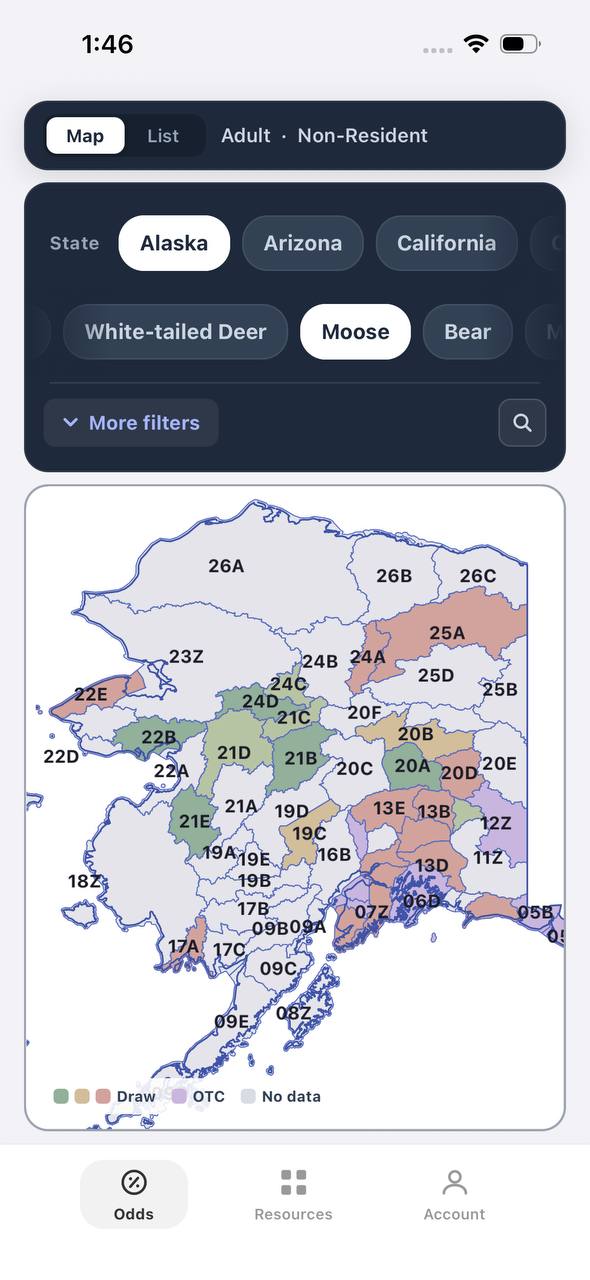
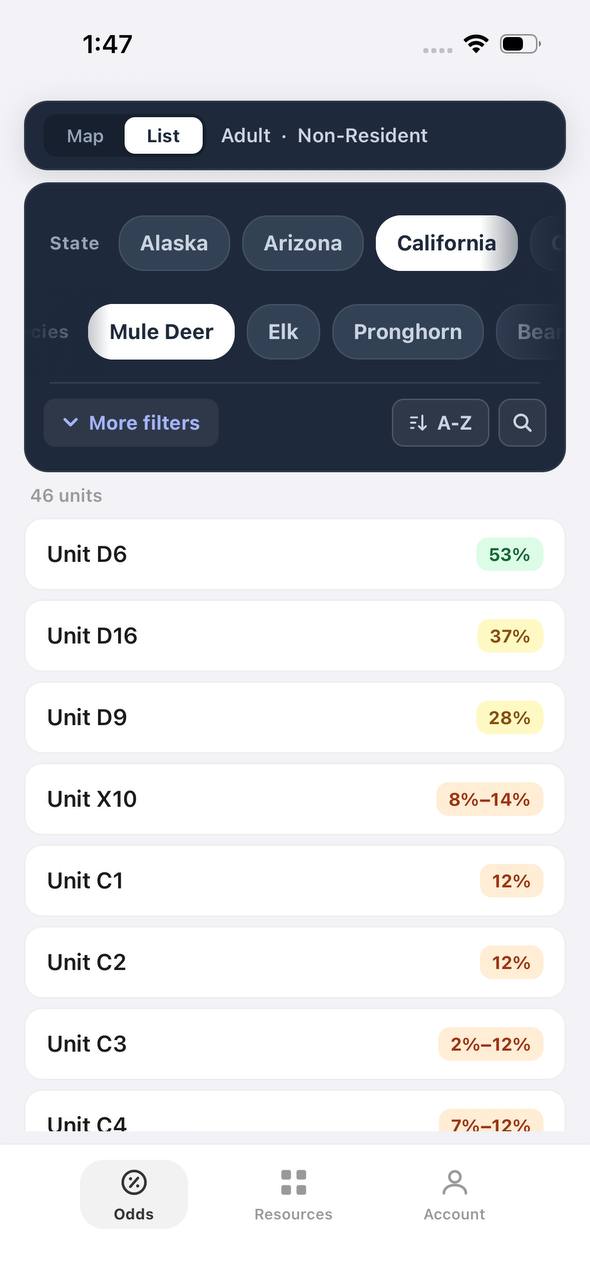
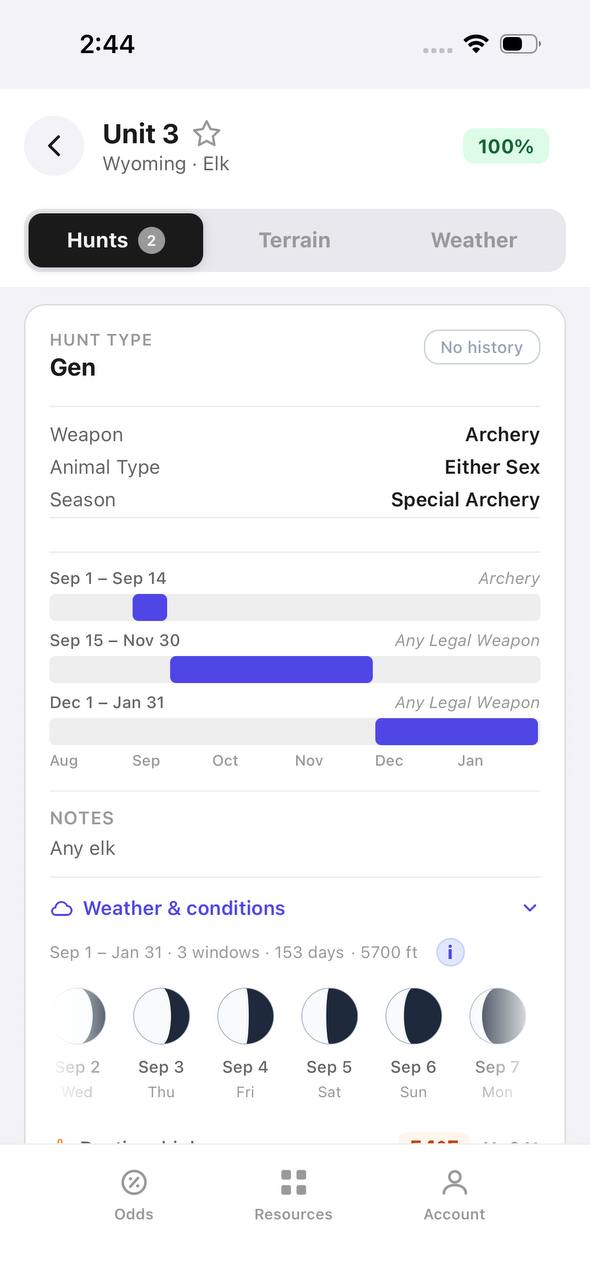
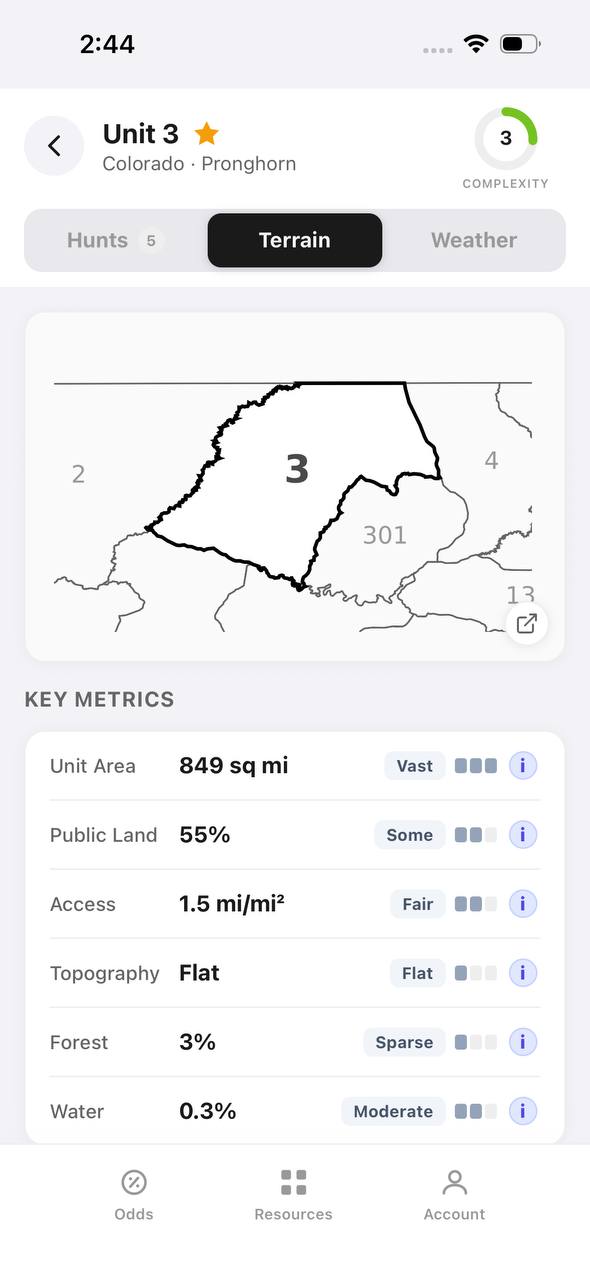
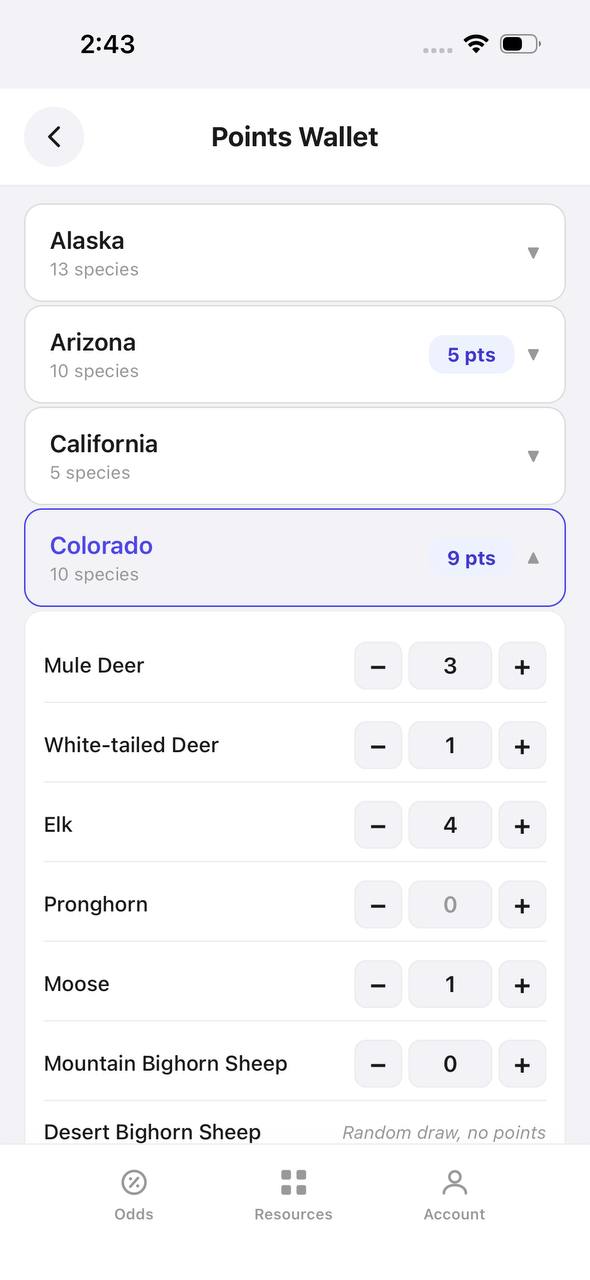
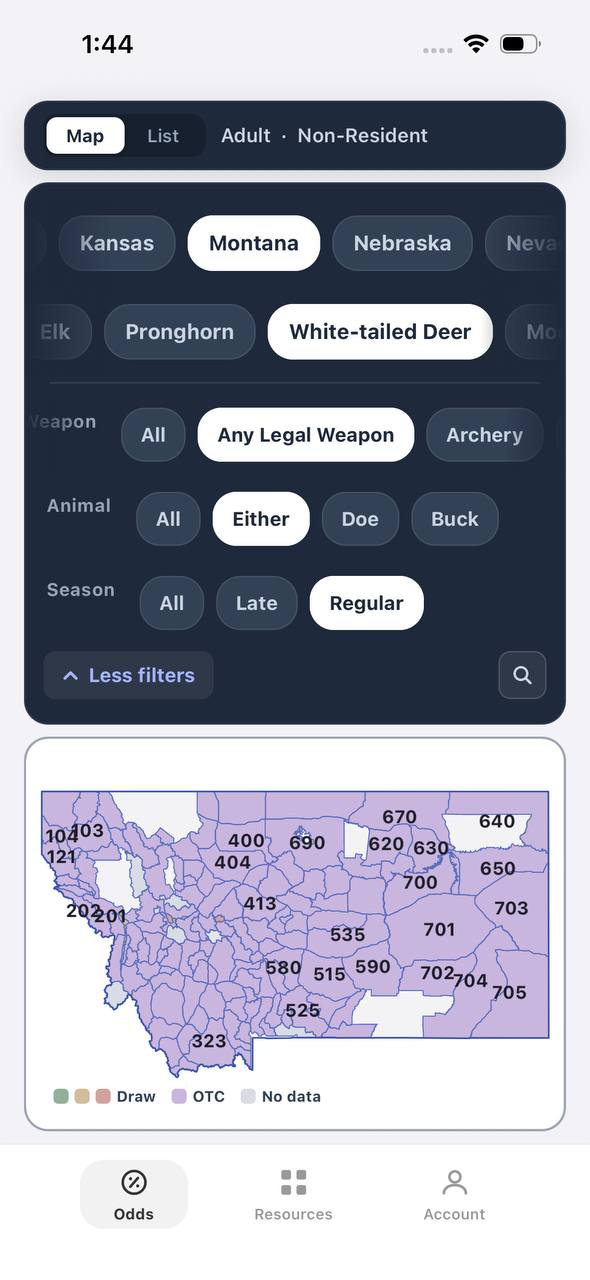
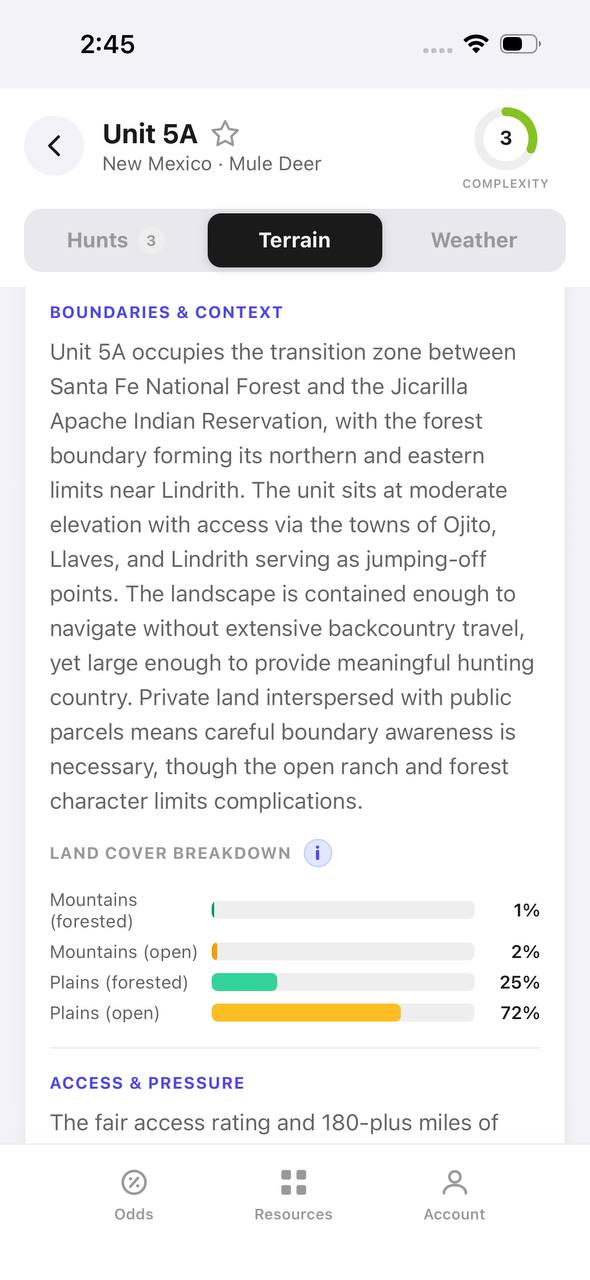
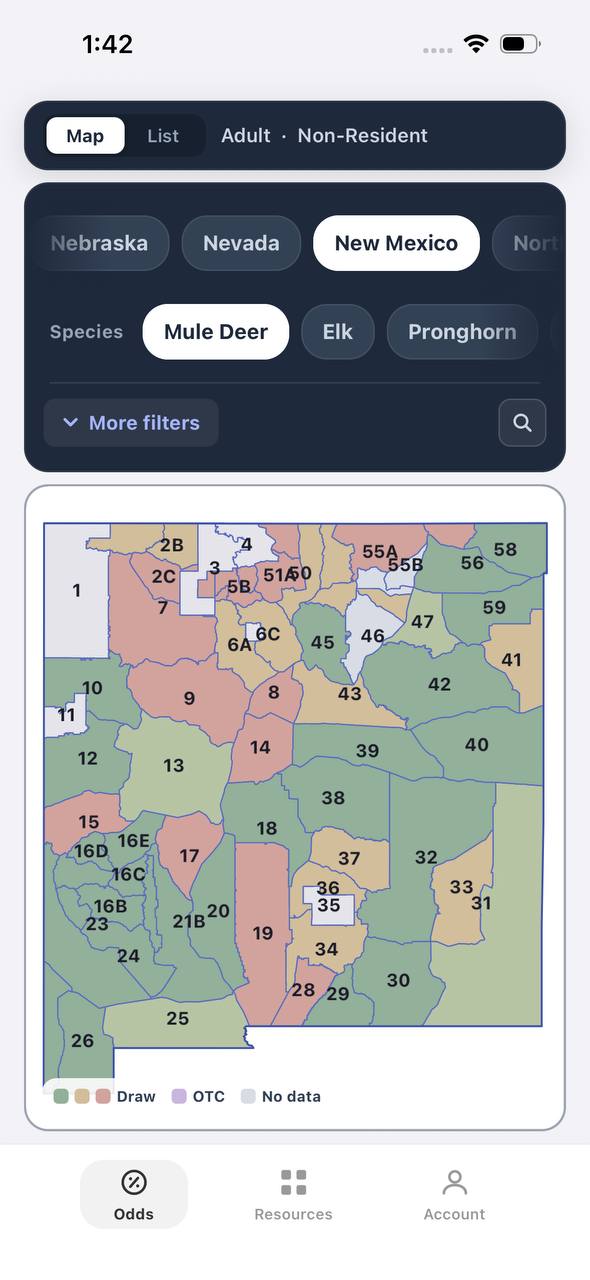
TAGZ helps you plan every detail of your elk hunt, from selecting high-odds units to tracking draw deadlines across multiple states. Use the platform to compare units side by side with terrain maps, public land boundaries, and historical success rates. Whether you are planning an OTC Colorado archery hunt or applying for limited-entry Montana rifle tags, TAGZ gives you the research tools and point tracking to make smarter decisions before you load the UTV.
FAQ — Packing a Side-by-Side for Elk Hunting
How much weight can a side-by-side safely carry on an elk hunt? Most hunting UTVs handle 600–1,000 pounds in the bed, but factor in passenger weight, fuel, and accessories. Start with 400 pounds of gear and plan for 200–300 pounds of meat. Check your owner's manual for exact payload limits.
Where should I store my rifle in a UTV? Secure your rifle in a cab-mounted vertical gun rack or behind the seats in a soft case. Keep ammunition separate in a waterproof container per most state transport laws. Vertical mounts reduce flex and keep muzzles pointed safely upward on rough terrain.
What is the best way to keep meat cool in a UTV bed during pack-out? Line the bed with a tarp, load game bags in a single layer for maximum airflow, and avoid stacking if possible. If you must stack, separate layers with breathable material. Keep bags off the bed floor on wet trails by placing them on coolers or dry totes.
Should I pack differently for a multi-day hunt versus a day hunt? Yes. Multi-day hunts require camp gear in the bottom layer with frequent-access items on top. Day hunts let you leave camp gear at the trailhead and maximize bed space for meat hauling. Always pack your kill kit where you can reach it without unloading half the bed.
How do I prevent gear from bouncing out on rough trails? Use heavy-duty ratchet straps instead of bungee cords. Run at least two straps across the load anchored to bed tie-downs, and add a top-down compression strap for tall loads. Test the load on a rough section after the first mile and retighten as needed.
What accessories are worth adding to a UTV for elk hunting? A roof rack for bulky items like jacks and chainsaws, a bed liner for easier cleanup, and a rear cargo basket for dirty gear on the ride home. A bed extender helps with long items like rifles and tripods. Skip accessories that add weight without solving a real problem.
Was this article helpful?
Previous
Emergency Communications in the Backcountry: Satellite Messengers, PLBs, and When to Use Them
Backcountry emergencies happen fast. Learn which satellite communication devices work best for western hunters, how to use them effectively, and why having a backup plan can save your life when cell service disappears.
Related
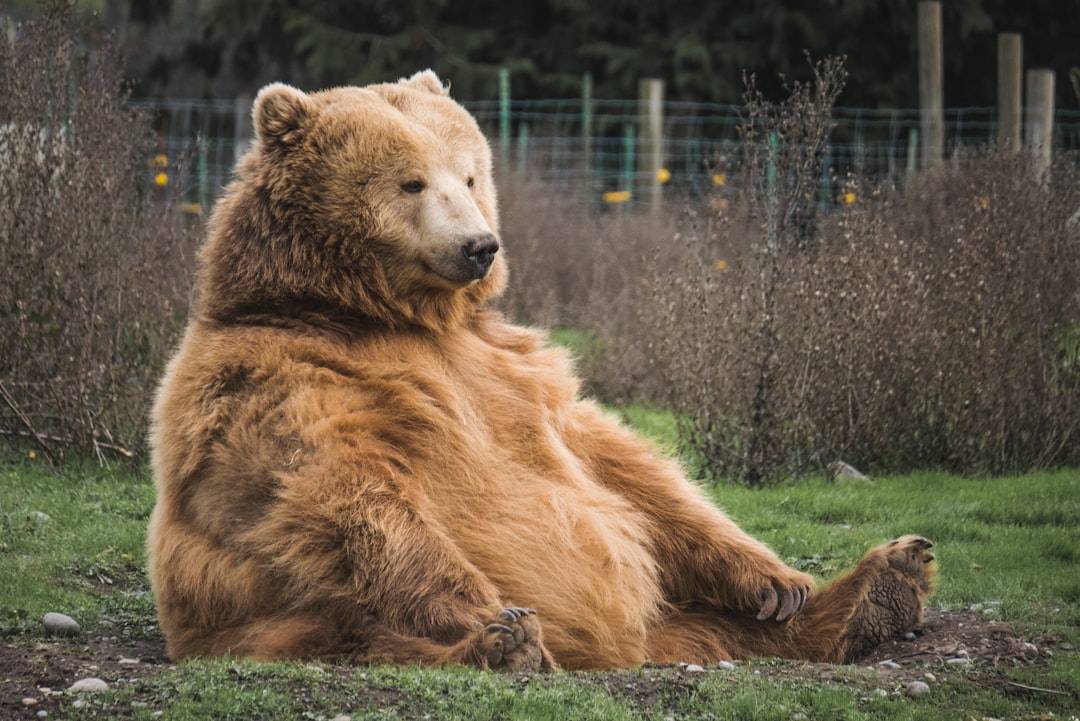
Bear Behavior in 2026: What Western Hunters Need to Know
Understanding bear behavior patterns, seasonal movements, and threat assessment helps hunters stay safe and successful in bear country. Learn how recent population trends and habitat changes are shaping 2026 encounters.
Next
Monolithic vs Bonded Bullets: Which Performs Better for Big-Game Hunting?
Monolithic and bonded bullets each excel in different hunting scenarios. Understanding penetration, expansion, and weight retention helps you match bullet construction to your hunt.