Emergency Communications in the Backcountry: Satellite Messengers, PLBs, and When to Use Them

You are three days into an Idaho elk hunt when your partner collapses with chest pain. The nearest trailhead is eight miles away. Cell service disappeared two ridges ago. This is when emergency communication gear stops being optional weight in your pack and becomes the difference between a rescue helicopter and a body recovery.
Western hunters operate in some of North America's most remote terrain. A twisted ankle in Colorado's Flat Tops or a charging grizzly encounter in Montana's Bob Marshall Wilderness can turn a dream hunt into a survival situation in seconds. The question is not whether you will face an emergency, but whether you can call for help when you do.
Why Cell Phones Fail in Hunting Country
Most hunters carry smartphones, and most assume they will work when needed. They are wrong. Cell towers require line-of-sight communication and sufficient signal strength. Mountain terrain blocks both.
Colorado's Weminuche Wilderness, Nevada's Ruby Mountains, and Wyoming's Gros Ventre Range share a common problem. Deep canyons, thick timber, and ridgeline shadowing create dead zones where even emergency-only 911 calls cannot connect. A hunter standing on a ridge might have full bars while his partner in the drainage below has none. Moving 200 yards can mean the difference between communication and isolation.
Cell service also depends on infrastructure that does not exist in backcountry hunting units. The farther you travel from roads and towns, the less reliable your phone becomes. By the time you are glassing elk in Unit 76 or packing a mule deer out of the Breaks, your smartphone is just a expensive camera.
Carriers advertise coverage maps that show service across entire states. These maps lie. They represent theoretical coverage under ideal conditions, not real-world performance in canyons and valleys where hunters actually operate. Relying solely on cell service in the backcountry is betting your life on technology designed for cities.
Satellite Messengers: The Hunter's Primary Communication Tool
Satellite messengers have become standard gear for serious backcountry hunters. These handheld devices communicate directly with satellites orbiting overhead, bypassing the need for cell towers entirely. The result is reliable two-way messaging from anywhere on earth with a clear view of the sky.
Garmin inReach devices dominate the hunting market. The inReach Mini 2 weighs 3.5 ounces and fits in a chest pocket. The inReach Messenger offers a full keyboard for longer messages. Both use the Iridium satellite network, which provides global coverage including polar regions. Messages typically send within seconds to minutes depending on satellite positioning.
The core function is simple. You compose a text message on the device or paired smartphone app. The messenger transmits that message to an Iridium satellite passing overhead. The satellite relays your message to a ground station, which forwards it to any phone number or email address you specify. Recipients respond the same way, and you receive their replies on your device.
This capability transforms backcountry safety. You can update your family on your location and status daily. You can coordinate with hunting partners separated by miles of terrain. You can request non-emergency assistance like a vehicle pickup or gear resupply. And critically, you can trigger professional rescue when facing a genuine emergency.
Every inReach device includes an SOS button protected by a cover to prevent accidental activation. Pressing and holding this button connects you directly to GEOS International Emergency Response Coordination Center, a 24/7 rescue coordination service. GEOS operators see your GPS coordinates, can exchange messages with you to assess the situation, and dispatch appropriate rescue resources whether that means local search and rescue, helicopter evacuation, or law enforcement.
Subscription plans start around $15 monthly for basic messaging during hunting season. Annual plans reduce costs for year-round users. Message limits vary by plan, but most hunters find the mid-tier Safety plan sufficient for a two-week hunt.
SPOT devices offer a budget alternative. SPOT Gen4 and SPOT X provide satellite messaging and SOS capabilities at lower subscription costs than Garmin. The tradeoff is slower message delivery, less reliable two-way communication, and coverage gaps in extreme latitudes. For hunters operating in the Lower 48, SPOT works. For Alaska sheep hunters or Canadian moose hunts, Garmin's Iridium network is worth the premium.
Zoleo represents the newest competitor in this space. The Zoleo Satellite Communicator integrates cellular, Wi-Fi, and satellite networks automatically, switching to the best available connection. Monthly plans include unlimited satellite messaging after the device tries cellular and Wi-Fi first. This hybrid approach reduces costs while maintaining backcountry capability.
Personal Locator Beacons: When Nothing Else Matters
Personal Locator Beacons (PLBs) serve one purpose: summoning rescue when your life depends on it. Unlike satellite messengers that send custom text messages, PLBs transmit a distress signal to search and rescue satellites monitored by government agencies worldwide. This signal includes your unique beacon ID and GPS coordinates. Rescue coordination centers immediately begin dispatch procedures.
ACR ResQLink 400 and Ocean Signal rescueME PLB1 represent the current standard. Both are rugged, waterproof, and require no subscription fees. You purchase the device once, register it with NOAA, and carry it for years. Battery life exceeds 24 hours of continuous distress transmission, and shelf life reaches five years or more before replacement.
The advantage of PLBs over satellite messengers is simplicity and reliability. There are no subscription lapses to worry about. No message limits. No user interface complexity. You flip up the antenna, press the button, and professional rescue launches. The 406 MHz signal reaches search and rescue satellites that prioritize distress calls above all other traffic.
The disadvantage is lack of two-way communication. When you activate a PLB, rescue knows your location but not your situation. They cannot ask whether you need helicopter evacuation or ground-based assistance. They cannot confirm you are still conscious. They dispatch maximum resources and sort out details later. This all-or-nothing approach works perfectly for life-threatening emergencies but offers no intermediate options.
PLBs also lack the daily check-in and routine messaging functions that satellite messengers provide. You cannot tell your spouse you are running a day late or ask your hunting partner to bring more fuel to spike camp. PLBs sit in your pack unused until catastrophe strikes.
Many experienced backcountry hunters carry both devices. The satellite messenger handles routine communication and minor emergencies. The PLB serves as backup if the messenger fails or if you need absolute certainty that rescue is coming. Redundancy weighs ounces but provides exponential safety margins.
Satellite Phones: When You Need to Talk
Satellite phones enable voice calls from anywhere with satellite coverage. Unlike messengers and PLBs, sat phones let you conduct real conversations with family, hunting partners, and emergency services. This capability proves invaluable during medical emergencies requiring expert advice or complex coordination scenarios.
Iridium and Globalstar operate competing satellite phone networks. Iridium offers true global coverage through 66 low-earth-orbit satellites. Globalstar provides service across most of North America, Europe, and Australia but has gaps in polar regions and parts of South America. For hunters in the western United States, both networks function reliably.
The Iridium 9555 represents the classic satellite phone design. It looks like a cell phone from 2005, complete with external antenna and numeric keypad. Call quality is clear enough for conversations despite the half-second delay inherent to satellite routing. Battery life supports several hours of talk time or days on standby. Rental options start around $75 per week plus airtime charges of $1 to $2 per minute.
Globalstar's GSP-1700 offers similar capabilities at slightly lower costs. The tradeoff is smaller satellite constellation and occasional dead zones where satellite coverage gaps exist. In practice, western hunters rarely encounter these gaps during normal use.
The Garmin inReach Messenger pairs with Garmin's Iridium network to provide voice calls through the Earthmate app. This hybrid approach turns your satellite messenger into a sat phone for occasional voice communication without carrying separate hardware.
Sat phone weight and expense limit their appeal to most hunters. A basic Iridium phone weighs 9 ounces versus 3.5 ounces for an inReach Mini. Rental costs add up quickly, and purchasing a sat phone outright runs $1,000 to $1,500. Unless your hunt demands regular voice coordination or you guide professionally, satellite messengers provide better value.
The exception is guided hunts and large group expeditions. When coordinating multiple camps, managing horse logistics, or dealing with medical emergencies requiring physician consultation, sat phone voice capability justifies the weight and cost. Guides and outfitters often carry sat phones as part of their professional equipment alongside personal satellite messengers.
Free to join
Download mobile app
- Detailed draw odds
- Point tracking
- Deadline reminders
- 18 states covered

Free to join
Download mobile app
- Detailed draw odds
- Point tracking
- Deadline reminders
- 18 states covered
Free to join
Download mobile app
- Detailed draw odds
- Point tracking
- Deadline reminders
- 18 states covered
Choosing the Right Device for Your Hunt
The correct emergency communication setup depends on where you hunt, how long you stay out, and who else is with you. Solo hunters operating in grizzly country face different risks than rifle hunters on weeklong drop camps with partners.
For most western big-game hunts, a satellite messenger like Garmin inReach provides the best balance of capability, weight, and cost. Daily check-in messages reassure family while two-way communication enables coordination with partners. SOS functionality covers true emergencies. The device pays for itself in peace of mind during the first serious hunt.
Archery elk hunters spending September in wilderness units should prioritize lightweight gear. An inReach Mini 2 weighs less than a box of granola bars but provides full satellite coverage. Pair it with your smartphone for easy message composition, or use the device's built-in interface to conserve phone battery.
Drop camp hunts lasting ten days or more benefit from devices with longer battery life. The standard inReach Explorer or Messenger models run several days between charges when used conservatively. Bring a lightweight solar panel or battery pack if you plan to send multiple messages daily. SPOT Gen4 offers 30-day battery life on lithium cells, making it ideal for extended hunts where recharging is impossible.
Hunters traveling into Alaska or northern Canada should verify their device uses the Iridium network. Globalstar's satellite constellation provides marginal coverage above 60 degrees latitude. SPOT's network similarly degrades in extreme northern regions. Iridium-based devices like Garmin inReach work reliably to the North Pole.
Consider adding a PLB as backup for hunts involving significant objective hazards. Grizzly encounters, river crossings, steep terrain, and solo travel all increase risk profiles. A $300 PLB weighs four ounces and requires no subscription. If your satellite messenger battery dies or the device gets destroyed in a fall, the PLB still works.
Guided hunts often include communication gear as part of outfitter services. Confirm what your guide provides before duplicating equipment. Some outfitters maintain sat phones at base camp but expect clients to carry personal satellite messengers in the field. Others provide inReach devices for each hunting party. Clarifying this before your hunt prevents both gaps and redundancy.
How to Use Emergency Communication Devices Effectively
Owning a satellite messenger or PLB means nothing if you do not know how to operate it under stress. Practice before your hunt, understand limitations, and establish communication protocols with people back home.
Register your device properly. PLBs must be registered with NOAA's beacon registry, linking the unique beacon ID to your contact information and emergency contacts. Satellite messengers require account setup and contact list creation. Complete this process at home where you have internet access and time to verify everything works.
Test your device before leaving the trailhead. Send a test message or initiate a check-in to confirm satellite connectivity. This simple step catches subscription lapses, dead batteries, and user error before you need the device for real communication.
Establish a communication schedule with family or friends. Agree to send a daily check-in message at a specific time window. If they do not hear from you within that window plus a reasonable buffer, they know something is wrong. This protocol provides automatic emergency detection without requiring you to press SOS.
Understand weather impacts. Heavy tree cover blocks satellite signals. Dense clouds occasionally delay message transmission. Snow and rain rarely affect performance, but you still need clear sky exposure. If your first message attempt fails, move to higher ground or a clearing and try again.
Compose messages efficiently. Satellite messenger plans charge by message length or message count. Brevity saves money and battery life. "Safe. Elk down. Need 2 days." communicates more effectively than a paragraph explaining your entire hunt. Recipients understand you are alive, successful, and running behind schedule.
Carry devices accessibly. A satellite messenger buried in your pack bottom is useless during a fall or grizzly charge. Chest pocket, shoulder strap pouch, or belt holster keeps the device within immediate reach. Some hunters attach their inReach to pack shoulder straps using carabiners, ensuring it stays with them even if they drop the pack.
Know when to press SOS. Genuine emergencies include severe injury, immediate life threat, or situations where self-rescue is impossible. Twisted ankles, getting temporarily lost, or running out of food do not qualify. False alarms tie up rescue resources and may result in cost recovery charges. When in doubt, use two-way messaging to describe your situation and ask for advice before triggering full rescue dispatch.
PLB activation is irreversible. Once you press the button, search and rescue launches. You cannot cancel the signal or send an "all clear" message. This design prevents injured or unconscious users from inadvertently stopping their own rescue. Only activate a PLB when you genuinely need emergency evacuation.
Free to join
Download mobile app
- Detailed draw odds
- Point tracking
- Deadline reminders
- 18 states covered
Free to join
Download mobile app
- Detailed draw odds
- Point tracking
- Deadline reminders
- 18 states covered
Free to join
Download mobile app
- Detailed draw odds
- Point tracking
- Deadline reminders
- 18 states covered
Battery Management and Device Care
Electronics fail when you need them most unless you maintain them properly. Battery management, weatherproofing, and preventive care extend device reliability.
Satellite messengers consume significant power during message transmission. An inReach Mini sending hourly track points and multiple messages daily might drain its battery in three days. Extending battery life requires conservative settings and smart usage.
Reduce tracking intervals. Default settings often log GPS position every ten minutes, creating a detailed breadcrumb trail but destroying battery life. Change this to hourly or manual tracking for most hunts. You can always enable frequent tracking during the final stalk or dangerous terrain sections.
Dim or disable the screen. The backlit display draws power even when you are not sending messages. Turn off the screen after checking messages or set the shortest auto-off timer available. Most satellite messengers include low-power modes that reduce functionality but extend battery life dramatically.
Carry backup power. A 10,000mAh battery pack weighs six ounces and can recharge an inReach Mini five times or more. USB-compatible solar panels work during sunny layover days but prove unreliable as primary charging methods in cloudy or timbered conditions. Lithium batteries tolerate cold better than other chemistries, but still store them inside your sleeping bag overnight in freezing temperatures.
PLBs use non-rechargeable lithium batteries rated for six years of shelf life and 24-plus hours of emergency transmission. These devices are truly "set and forget" until you need them. Check expiration dates annually and replace batteries before they expire. Most manufacturers offer battery replacement programs cheaper than buying new beacons.
Weatherproof your devices even though most are already water-resistant. Rain, snow, and sweat degrade electronics over time. Simple solutions like keeping devices in Ziploc bags during pack transport or using waterproof phone cases add layers of protection. If your inReach gets soaked crossing a creek, dry it thoroughly before charging to prevent corrosion.
Carry devices in impact-resistant locations. Satellite messengers survive drops better than smartphones but still break when crushed under heavy loads or smashed against rocks. Chest pockets and shoulder strap pouches protect better than hip belt pockets or pack tops where devices get squeezed during pack weight shifts.
Update firmware before major hunts. Manufacturers release updates that improve GPS accuracy, fix bugs, and enhance battery management. Connect your device to Wi-Fi or computer at home and install any available updates. This five-minute task prevents field failures caused by known software issues.
Legal and Ethical Considerations
Emergency communication devices operate under specific regulations and create ethical obligations to other users and rescue services. Understanding these issues prevents problems and maintains the integrity of rescue systems.
False SOS activations waste resources and endanger rescuers. Search and rescue teams take every distress call seriously, mobilizing helicopters, ground crews, and sometimes military assets. Accidental button presses, curiosity tests, or minor inconveniences misclassified as emergencies tie up these resources and prevent response to genuine crises.
Some states allow cost recovery for unnecessary rescues. If you trigger emergency response without genuine need, you may receive a bill for helicopter time, personnel costs, and equipment use. These bills can reach tens of thousands of dollars. Most states waive costs for legitimate emergencies even if you made poor decisions leading to the situation. The difference is intent and severity.
Satellite messenger subscription terms often include emergency services coverage as part of monthly fees. Garmin inReach plans include SAR coordination by GEOS at no additional cost beyond subscription. This coverage does not pay for helicopter evacuation, medical treatment, or other direct rescue expenses, but it ensures you have professional rescue coordination available.
Some hunting units prohibit electronic devices during primitive weapon seasons. Check regulations before carrying satellite messengers during archery or muzzleloader hunts. Most states allow emergency communication devices even in wilderness areas or limited-technology seasons, but a few restrict them. The difference usually hinges on whether you use GPS navigation features versus pure communication functions.
Leave No Trace principles apply to electronic devices. Pack out dead batteries, damaged devices, and any components that fail during your hunt. Lithium batteries contain toxic materials that contaminate water and soil. Many trailheads and outdoor retailers offer battery recycling programs.
Respect other hunters' experiences. Satellite phones enable calling home nightly, but the sound of one-sided conversations destroys the wilderness atmosphere for nearby camps. Use voice communication sparingly and move away from other parties. Text messaging via satellite messengers maintains silence while providing communication.
Ethical hunters do not abuse emergency communication to gain hunting advantages. Using satellite messengers to coordinate drives with multiple parties spread across miles, or to request real-time weather updates that influence stalk timing, crosses the line from safety tool to unfair advantage. The spirit of fair chase hunting includes accepting uncertainty and self-reliance.
Real-World Emergency Scenarios
Understanding how emergency communication works in practice helps hunters prepare mentally and practically for crisis situations.
A Montana elk hunter broke his femur when his horse spooked and threw him in the Bob Marshall Wilderness. His inReach let him message his hunting partner five miles away and simultaneously notify his wife of the injury. He texted GEOS through the SOS function, describing the fracture and requesting helicopter evacuation. GEOS coordinated with local search and rescue, who dispatched a helicopter from Kalispell. The hunter provided GPS updates as he moved to a nearby meadow suitable for landing. Total time from injury to hospital was six hours. Without satellite communication, his partner would have needed a full day to ride out and notify authorities.
Two Colorado deer hunters got turned around during a whiteout snowstorm in the Flat Tops Wilderness. Terrain features disappeared under fresh snow, and their planned route became unrecognizable. Rather than risk hypothermia hiking in circles, they used their inReach to message their coordinates to a friend with mapping software. The friend identified their position relative to the trailhead and texted step-by-step navigation instructions. The hunters reached their truck that evening tired but safe. They never pressed SOS because they were not injured or truly lost, just disoriented.
An Idaho bear hunter suffered a heart attack while glassing alone in the Selway-Bitterroot Wilderness. He managed to activate his PLB before losing consciousness. The distress signal reached search and rescue satellites within minutes. Rescue coordination centers identified his registered location data and dispatched a helicopter. Ground crews reached him within three hours. He survived because the PLB worked exactly as designed, requiring no complex input beyond pressing a button.
These scenarios share common elements. The hunters carried appropriate devices for their hunt type and distance from roads. They understood how to use the devices under stress. They made good decisions about when to request help versus self-rescuing. And they benefited from the robust satellite infrastructure that makes backcountry rescue possible.
Free to join
Download mobile app
- Detailed draw odds
- Point tracking
- Deadline reminders
- 18 states covered
Free to join
Download mobile app
- Detailed draw odds
- Point tracking
- Deadline reminders
- 18 states covered
Free to join
Download mobile app
- Detailed draw odds
- Point tracking
- Deadline reminders
- 18 states covered
Building a Complete Communication Plan
No single device solves every communication challenge. Effective backcountry safety requires layered systems and advance planning.
Start with the assumption that cell phones will not work. They might function at trailheads and ridgetops, providing free communication when available, but never bet your safety on cell coverage.
Carry a satellite messenger as your primary communication tool. This device enables daily check-ins, coordination with partners, and emergency SOS when needed. Choose a model that fits your budget and hunt duration. Budget $200 to $400 for the device plus $15 to $50 monthly for service.
Add a PLB if your hunt involves serious objective hazards or you travel solo frequently. The one-time $300 purchase provides lifetime emergency backup without subscriptions. Register it properly and test it annually.
Consider a satellite phone for extended expeditions, guided operations, or situations requiring voice coordination. Rental makes sense for occasional use. Purchase suits professional guides and outfitters.
Create a communication schedule with emergency contacts. Specify when you will check in, what happens if you miss check-ins, and how long to wait before notifying authorities. This protocol catches problems early without triggering unnecessary rescues.
Leave detailed trip plans with responsible people. Include GPS coordinates for planned camps, expected routes, vehicle information, and participant names. Update these plans if you change your itinerary. This information guides rescue if you activate an emergency beacon.
Carry physical maps and compasses as navigation backup. GPS devices and smartphones fail, get broken, or run out of battery. Paper maps and magnetic compasses work without power and survive rough handling. Know how to use them before relying on them.
Practice emergency scenarios at home or during short trips. Send test messages, activate tracking, and familiarize yourself with menu structures. Muscle memory developed during practice transfers to real emergencies when stress degrades cognitive function.
Backcountry hunting demands self-reliance, but self-reliance includes knowing when and how to call for help. Emergency communication devices bridge the gap between wilderness independence and access to rescue when you truly need it.
FAQ — Backcountry Emergency Communication
Do satellite messengers work under heavy tree cover?
Partially. Thick canopy blocks satellite signals, causing delayed or failed transmissions. Move to a clearing, ridgetop, or opening when sending critical messages. Devices usually succeed eventually even under trees, but it may take 10-30 minutes instead of seconds.
Should I carry both a satellite messenger and a PLB?
Yes if you hunt solo in remote or dangerous terrain. The satellite messenger handles routine communication and most emergencies. The PLB serves as backup if the messenger fails, gets lost, or runs out of battery. Together they weigh less than a pound and provide redundant rescue capability.
Can I use an inReach to track my hunting partners in real-time?
Yes through the MapShare feature. Each inReach user can share their GPS position with other devices or web viewers. This allows coordinating hunts across multiple drainages or keeping tabs on solo hunters who check in hourly. It also shows rescuers exactly where you are if something goes wrong.
How much does helicopter rescue cost if I press SOS?
Typically $5,000 to $20,000 depending on flight time and resources required. Many health insurance plans cover emergency medical evacuation. Some credit cards include travel rescue insurance. Dedicated rescue insurance through companies like Global Rescue costs $300 annually and covers full evacuation expenses worldwide.
Will pressing my PLB summon rescue even if I made a stupid mistake?
Yes. Search and rescue responds to all PLB activations regardless of how the emergency occurred. You will not be abandoned because you got lost, fell off a cliff, or made poor decisions. Some states may bill you for costs if you were grossly negligent, but rescue happens first and billing later.
Can I text regular cell phone numbers from my satellite messenger?
Yes. Garmin inReach, SPOT X, and Zoleo all send messages to regular phone numbers and email addresses. Recipients respond through normal SMS or email. They do not need special devices or apps. This makes coordinating with non-hunting family members simple.
Continue Planning Your Hunt with TAGZ
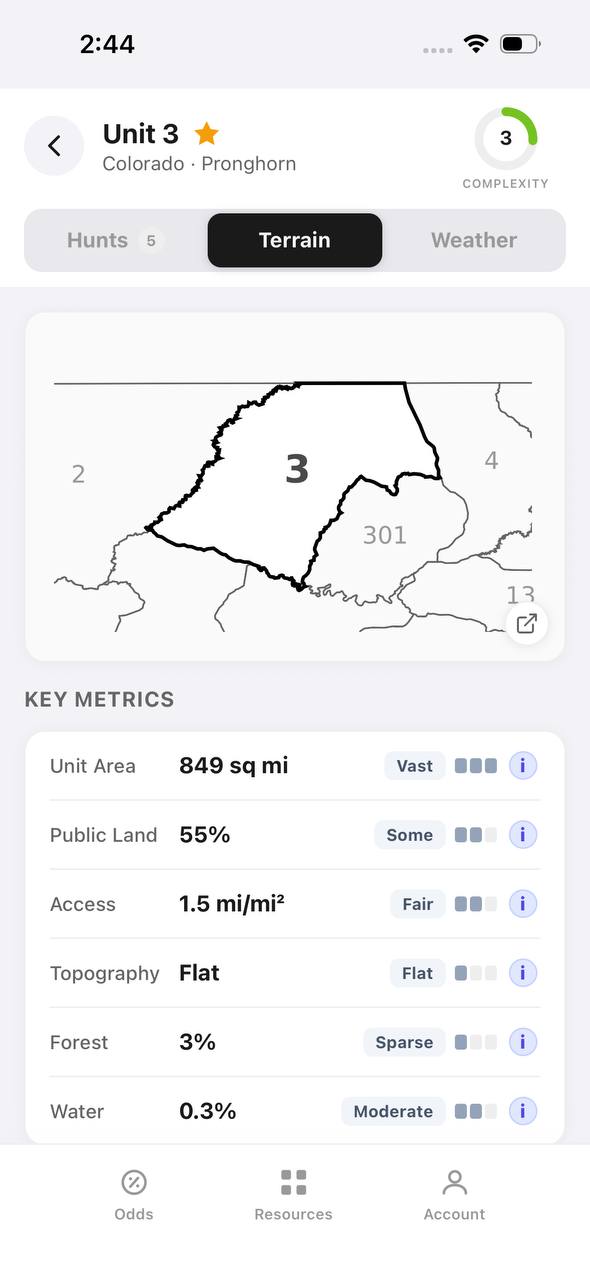
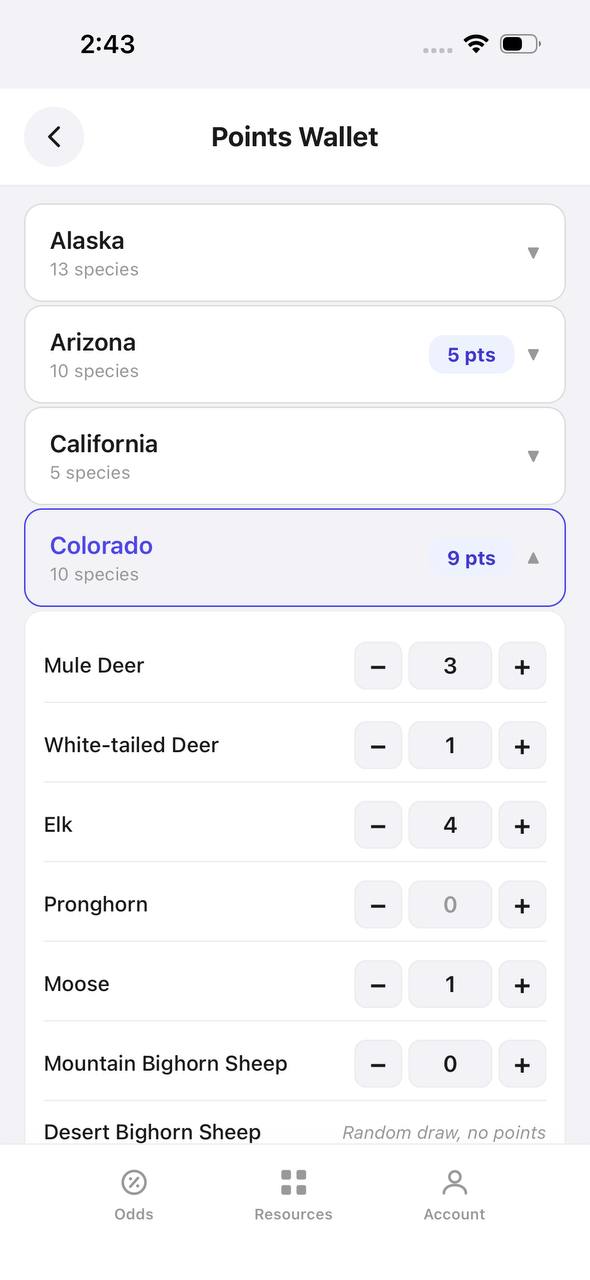
Emergency communication keeps you safe in the backcountry, but smart planning prevents emergencies in the first place. TAGZ helps you research units, analyze terrain, and choose hunts that match your experience level before you ever leave home.
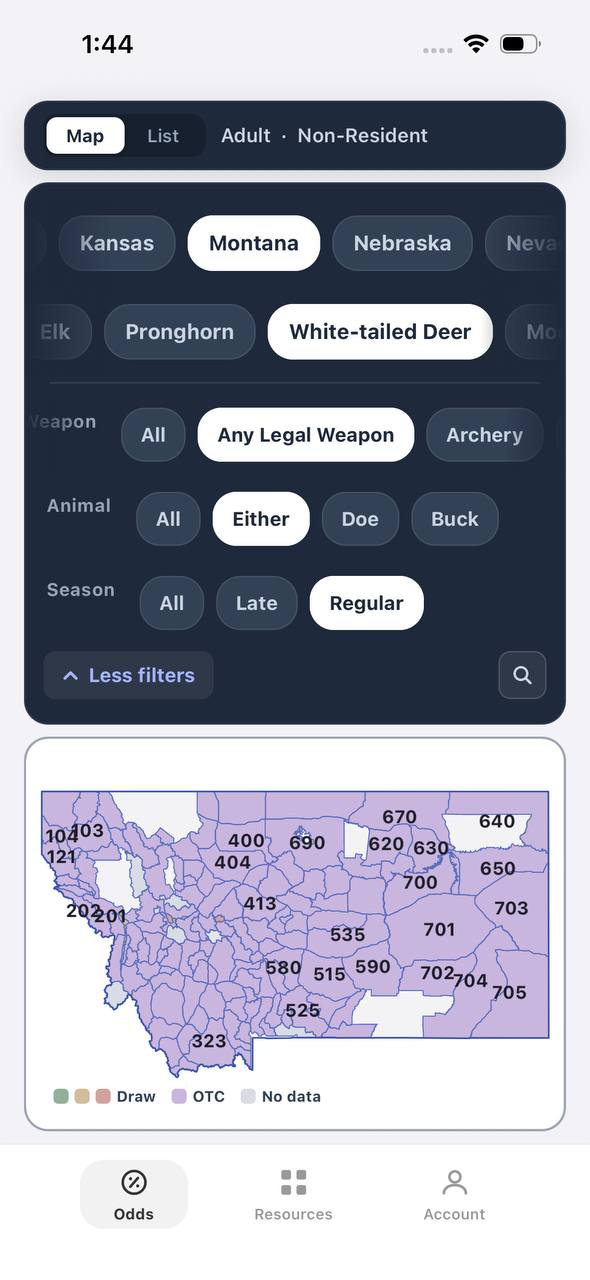
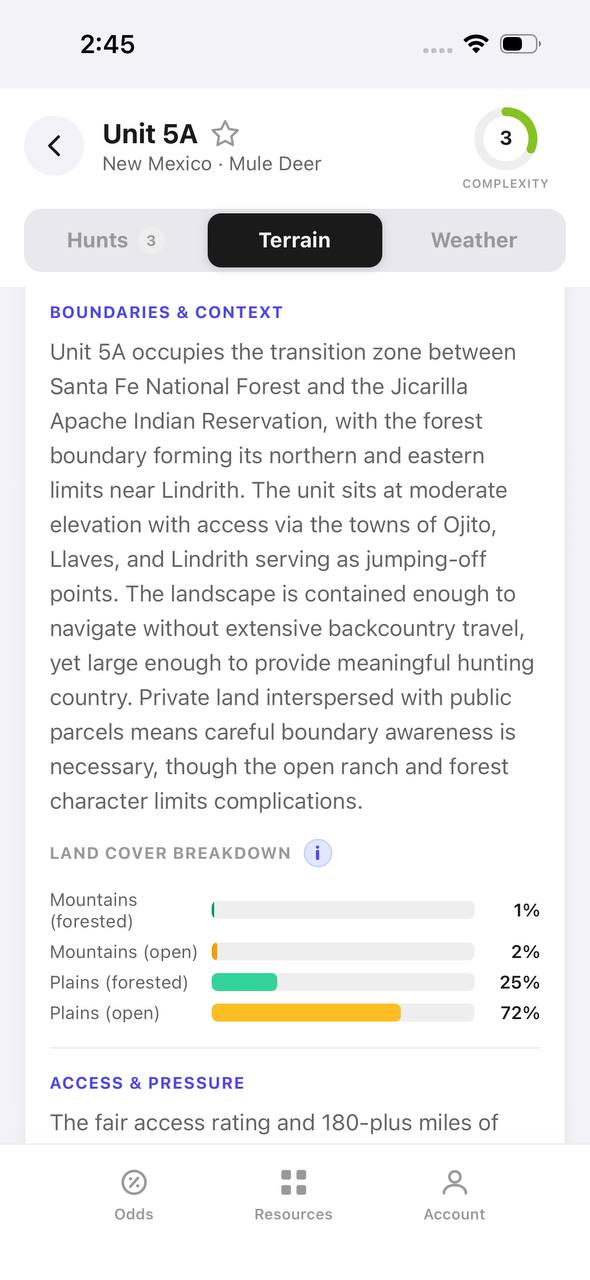
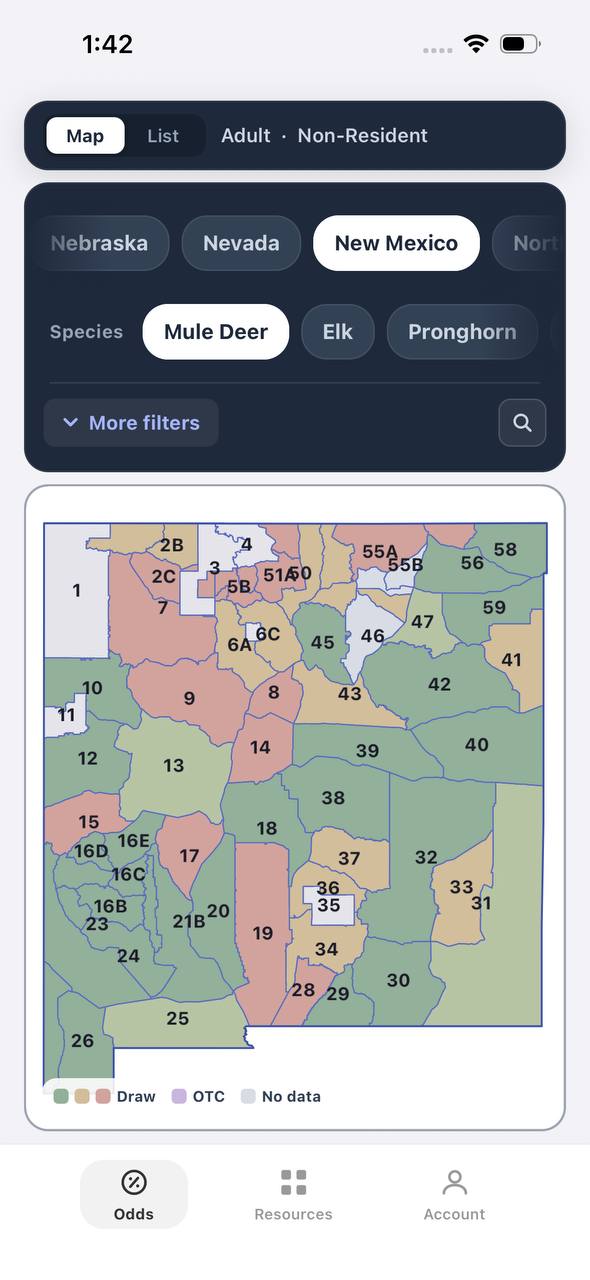
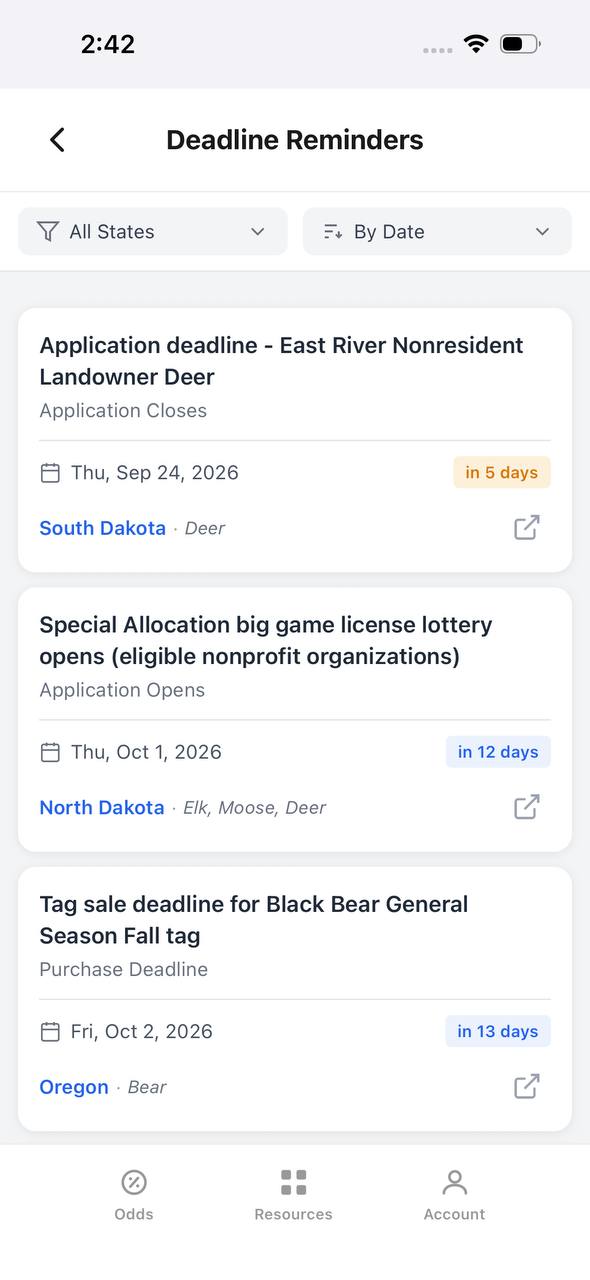
Compare public land access across western states using TAGZ mapping tools. Identify units with good road networks for easier evacuation if needed. Review historical weather patterns to avoid hunts during dangerous storm seasons. Track application deadlines so you never miss drawing tags for the units you have researched.
Whether you are planning an OTC Colorado elk hunt or applying for limited-entry tags across multiple states, TAGZ gives you the unit data and draw odds analysis you need to hunt smarter and safer. Explore pricing options and start building your hunt strategy today at getmytagz.com.
Was this article helpful?
Previous
Monolithic vs Bonded Bullets: Which Performs Better for Big-Game Hunting?
Monolithic and bonded bullets each excel in different hunting scenarios. Understanding penetration, expansion, and weight retention helps you match bullet construction to your hunt.

Related
How to Pack a Side-by-Side for an Elk Hunt: Complete Gear and Organization Guide
Learn how to efficiently pack your UTV for elk hunting with proven organization strategies, essential gear lists, and weight distribution tips that maximize storage while keeping critical equipment accessible in the backcountry.
Next
Bergara B-14 vs Christensen Mesa: Which Rifle Wins for Western Hunters?
The Bergara B-14 and Christensen Mesa dominate the sub-$1,500 hunting rifle market. This head-to-head comparison breaks down accuracy, weight, features, and value to help you choose the right rifle for backcountry hunts.