How to Organize Your Hunting Truck for Western Big-Game Hunts
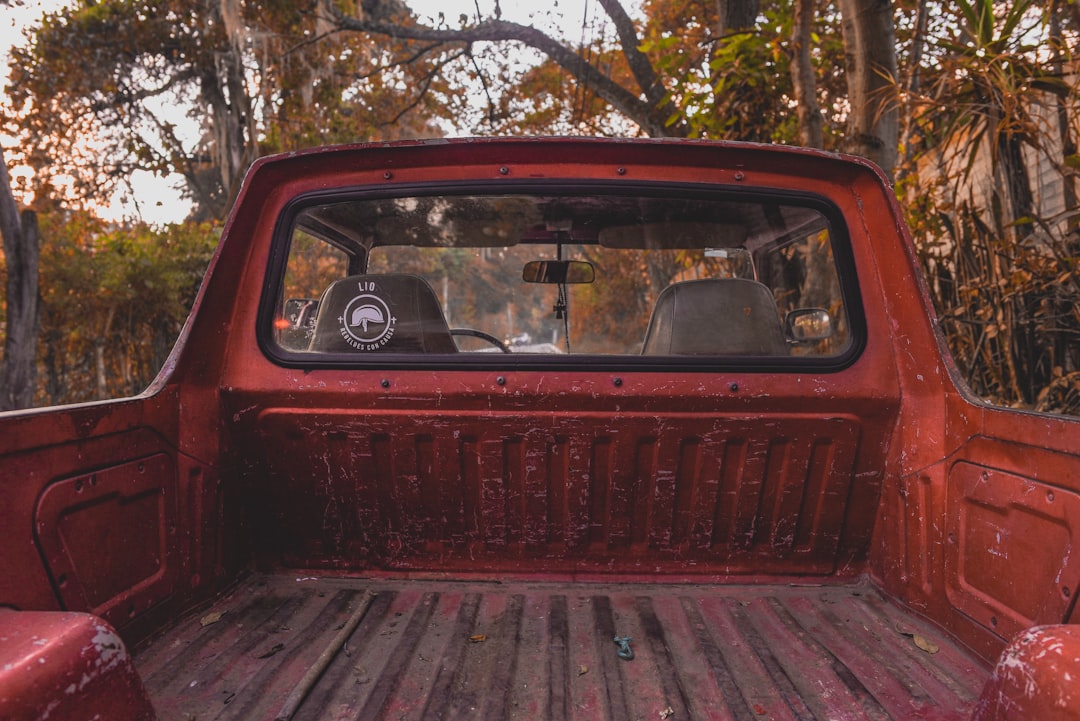
Your hunting truck is more than transportation. It's your mobile command center, gear locker, and sometimes your shelter when weather turns or you're glassing past dark. A poorly organized rig means digging through piles of camo and coolers every morning while your hunting partners wait. A well-organized truck keeps critical gear accessible, protects expensive optics and weapons, and lets you focus on hunting instead of searching.
This guide covers how to set up your hunting truck for western big-game hunts, from daily essentials to emergency gear you hope you never need.
Start with a Storage System
Before you load anything, establish zones. Your truck bed, cab, and any storage boxes serve different purposes.
Use a truck bed toolbox or deck system as your foundation. Mount a crossover toolbox behind the cab for tools, recovery gear, and items that stay in the truck year-round. Add a sliding drawer system or bed dividers if you frequently haul ATVs or coolers alongside hunting gear.
Keep your cab organized with a backseat organizer or rifle case that hangs behind the front seats. This creates dedicated space for rangefinders, calls, extra clothing layers, and snacks without cluttering the footwells.
Rubber bed mats protect gear from sliding and make cleanup easier after muddy boots and bloody game bags. Weatherproof action packer totes stack securely and keep clothing, food, and camp gear separated and dry.
Organize by Access Frequency
The gear you need most often should be easiest to reach. Store items based on how frequently you use them during a hunt.
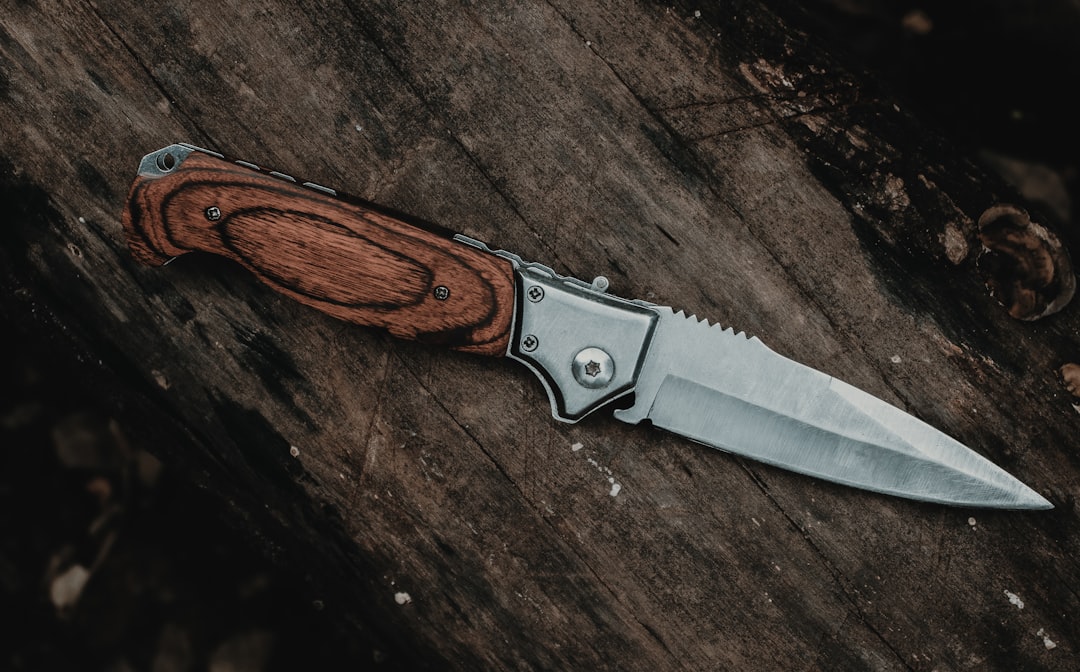
Daily essentials go in the cab or easily accessible bed compartments. This includes your rangefinder, wind checker, extra ammunition, knife, headlamp, glassing pad, snacks, and water. You should be able to grab these without opening multiple containers or moving other gear.
Hunt-specific gear goes in the main bed area or rear seat. Packs, spotting scopes, tripods, game bags, meat processing tools, and extra clothing layers fall into this category. You'll access these items once or twice per day, usually at the trailhead or when you return to the truck.
Emergency and backup gear stays in locked toolboxes or under-seat storage. Recovery straps, first aid kits, fire starters, emergency blankets, spare batteries, and backup optics live here. You rarely need them, but when you do, you need them immediately.
Weapon Storage and Safety
Rifles and bows deserve secure, protected storage that keeps them accessible but safe during transport.
For rifles, use a locking hard case in the bed or a padded truck gun rack in the rear window area. Never leave rifles loose in the bed where they can slide or get damaged. Remove bolts during transport and store ammunition separately from firearms.
Bows require padded cases that protect limbs and sight pins from bumps and vibration. Hard cases work for long drives. Soft cases are fine for shorter trips if the bow won't shift during transport. Always remove arrows from quivers before hitting rough roads.
Store ammunition in factory boxes inside a waterproof container. Keep it away from direct sunlight and extreme temperature swings. A small ammo can in your toolbox works perfectly and keeps cartridges organized by caliber.
Food and Water Management
Proper food storage prevents spoilage, keeps bears from destroying your truck, and ensures you stay fueled during long days.
Use a quality rotomolded cooler, not a cheap styrofoam box. Pre-freeze water bottles and use them as ice packs — they keep food cold and give you cold water as they thaw. Pack food in sealed containers or ziplock bags to prevent leaks and cross-contamination.
Keep a separate dry box for non-perishable snacks, energy bars, instant coffee, and trail mix. This stays accessible in the cab or bed without worrying about temperature. Restock it after every trip so you're never caught without calories.
Carry more water than you think you need. A five-gallon jug in the bed serves as backup drinking water and lets you rinse bloody hands or wash mud off boots. Refill it every time you pass a reliable source.
Free to join
Download mobile app
- Detailed draw odds
- Point tracking
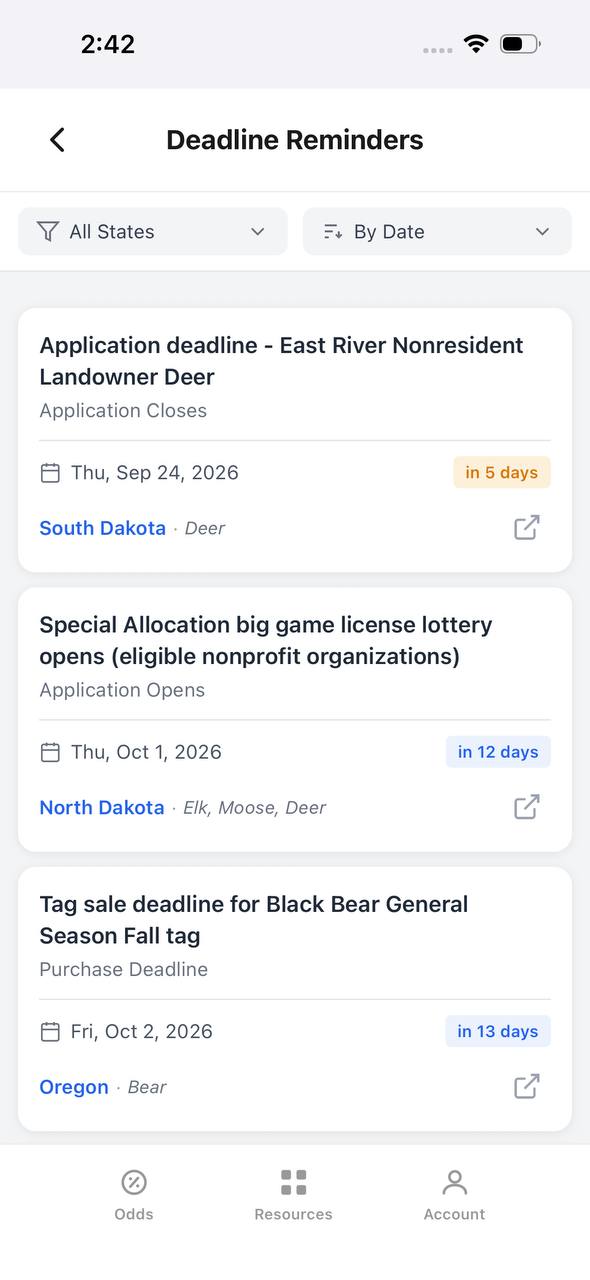
- Deadline reminders
- 18 states covered

Free to join
Download mobile app
- Detailed draw odds
- Point tracking
- Deadline reminders
- 18 states covered
Free to join
Download mobile app
- Detailed draw odds
- Point tracking
- Deadline reminders
- 18 states covered
Clothing and Layering System
Clothing organization separates experienced hunters from those who end up wearing the same sweaty base layer for three days.
Use compression stuff sacks or packing cubes to separate clothing by category — base layers in one, mid layers in another, rain gear in a third. Label them with masking tape if you're hunting with partners who use similar gear.
Keep a dirty clothes bag separate from clean gear. A simple trash bag works. This prevents contaminating fresh clothing with scent and makes laundry easier when you get home.
Store an extra set of dry clothing in a waterproof bag in your toolbox. If you fall in a creek, get soaked by rain, or sweat through everything, having completely dry base layers, socks, and a warm jacket can prevent hypothermia.
Tool and Repair Kit
Breakdowns happen. The difference between a minor inconvenience and a ruined hunt is whether you have the right tools.
Your truck repair kit should include basic hand tools, duct tape, zip ties, baling wire, spare fuses, electrical tape, and a multi-tool. Add items specific to your vehicle — extra serpentine belt, spare tire pressure gauge, and fluids your truck runs.
Hunting-specific tools go in a separate bag. This includes a field dressing kit, bone saw, knife sharpener, rope, paracord, game bags, trash bags, and latex gloves. Keep this kit accessible but separate from general truck tools.
Carry a tire repair kit even if you have a spare. A plug kit and portable air compressor can fix a puncture in ten minutes. Changing a tire in the dark on a steep mountain road takes an hour and tests your patience.
Electronics and Optics Protection
Broken glass, dead batteries, and waterlogged GPS units end hunts. Protect your electronics like the expensive investments they are.
Store optics in padded cases whenever they're not in use. Binoculars and spotting scopes should ride in the cab where temperature swings are less extreme. Avoid leaving them in direct sunlight on the dashboard.
Keep batteries and memory cards in a small waterproof case. Organize by type — AA for headlamps, CR123 for rangefinders, proprietary batteries for GPS and cameras. Cold drains batteries faster, so carry extras.
Invest in a charging system for your phone and GPS. A simple 12-volt USB adapter works for short trips. A portable battery bank or truck-mounted power inverter handles longer hunts where you're running cameras, GPS, and phones daily.
Free to join
Download mobile app
- Detailed draw odds
- Point tracking
- Deadline reminders
- 18 states covered
Free to join
Download mobile app
- Detailed draw odds
- Point tracking
- Deadline reminders
- 18 states covered
Free to join
Download mobile app
- Detailed draw odds
- Point tracking
- Deadline reminders
- 18 states covered
First Aid and Emergency Supplies
Hope you never need them, but keep comprehensive emergency supplies in your truck year-round.
Your first aid kit should go beyond basic band-aids. Include trauma supplies — Israeli bandages, tourniquets, blood clotting agents, and chest seals. Add blister care, pain relievers, antihistamines, tweezers, and any personal medications. Check expiration dates annually.
Emergency supplies include fire starting tools, emergency blankets, a headlamp with extra batteries, water purification tablets, high-calorie food bars, and a signal mirror. Add a backup communication device like a Garmin inReach or SPOT if you hunt in areas without cell service.
Keep recovery gear accessible even if you never plan to need it. Tow straps, D-rings, a hi-lift jack, traction boards, and a shovel have saved countless hunters from spending a night on a muddy forest road.
Scent Control and Cleanliness
Organization isn't just about efficiency. It's about keeping your hunting gear effective, and that means managing scent.
Store scent-controlled clothing in sealed plastic totes or scent-proof bags. Don't throw clean camo in the same bag as bloody game bags or muddy boots. Keep hand sanitizer, scent-free wipes, and a spray bottle of scent eliminator accessible for quick touch-ups.
Keep your truck interior clean. Mud, food wrappers, and spilled coffee create smells that transfer to your clothing. Vacuum regularly during hunting season. Use rubber floor mats that you can hose off instead of carpet that traps odors.
Designate one area for bloody or dirty gear. Line a corner of your truck bed with a tarp or use a dedicated tote for game bags, knives, and processing equipment. This prevents contaminating clean gear and makes cleanup easier.
Seasonal Adjustments
Your truck organization should adapt to the season and hunt type. Early archery hunts in August require different gear than November rifle hunts.
For early season hunts, prioritize water storage, cooling vests, and lightweight clothing. Meat care becomes critical — pack extra ice, game bags, and shade tarps. Bug spray and tick prevention move to daily essentials.
Late season hunts demand cold weather gear, extra fuel for warming the truck, sleeping bags rated for freezing temperatures, and hand warmers. Tire chains move from storage to ready-access. Add a small shovel for digging out from snow.
Backcountry hunts mean lighter loads and more efficient packing. Strip your organization down to essentials. Leave the full toolbox and heavy cooler behind. Focus on dehydrated food, ultralight shelters, and gear that earns its space through function.
Free to join
Download mobile app
- Detailed draw odds
- Point tracking
- Deadline reminders
- 18 states covered
Free to join
Download mobile app
- Detailed draw odds
- Point tracking
- Deadline reminders
- 18 states covered
Free to join
Download mobile app
- Detailed draw odds
- Point tracking
- Deadline reminders
- 18 states covered
Pre-Trip Checklist System
Even the best organization fails if you forget critical items. Develop a pre-trip checklist system and use it every time.
Create a written or digital checklist organized by category — weapons, optics, clothing, food, camping gear, emergency supplies. Walk through your truck before every hunt and physically verify each item.
Perform a post-hunt inventory. Restock food, replace used first aid supplies, refuel propane bottles, and clean dirty gear immediately. This prevents the scramble of discovering you're out of water purification tablets at 5 AM on opening morning.
Keep a small notebook or use your phone's notes app to track what worked and what you wished you had. Adjust your system after every hunt. The best organization evolves based on real experience, not theory.
TAGZ Helps You Plan Beyond the Truck
Organizing your truck is one piece of hunt preparation. Knowing where to hunt, when to apply, and how to maximize your draw odds determines whether that organized truck ever makes it to elk country.
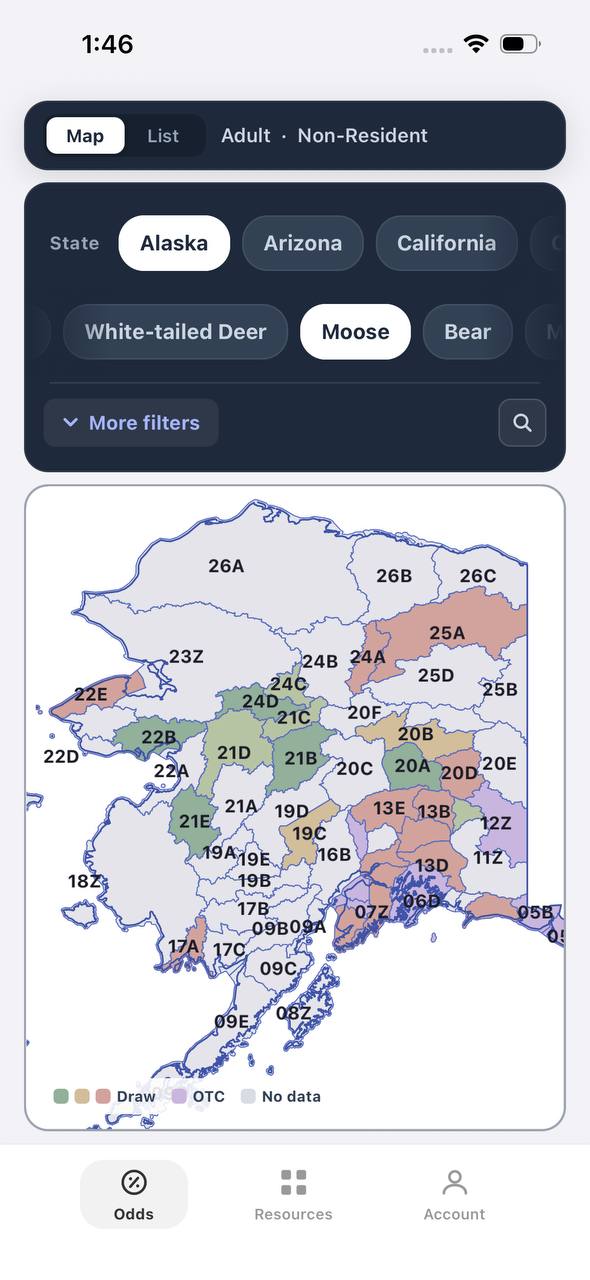
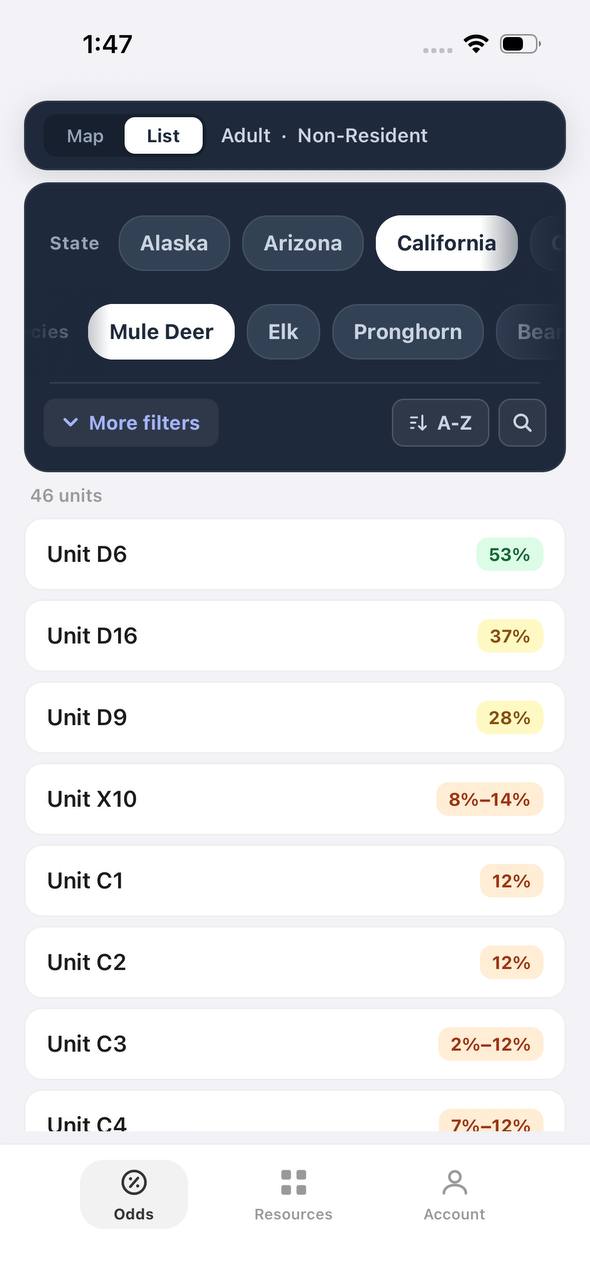
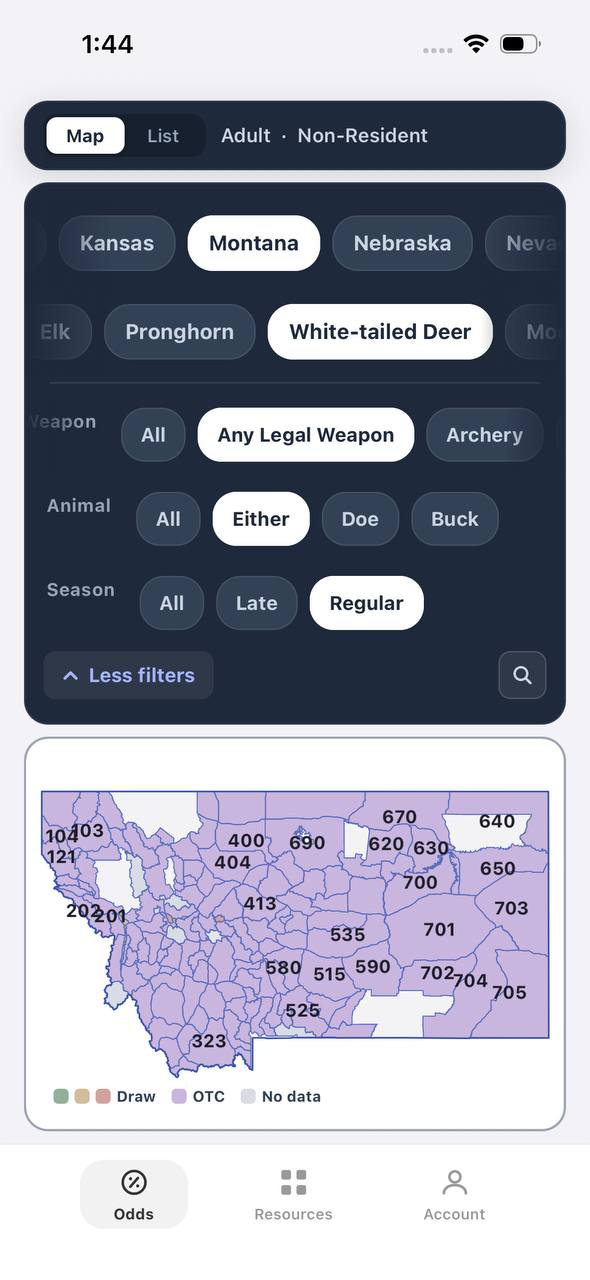
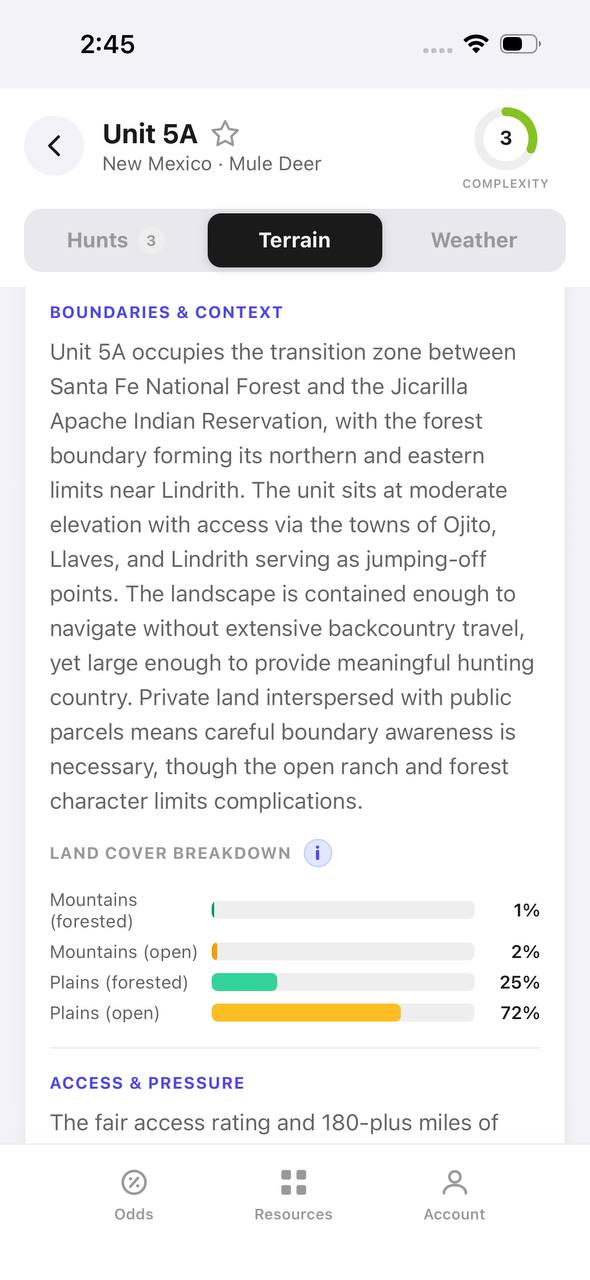
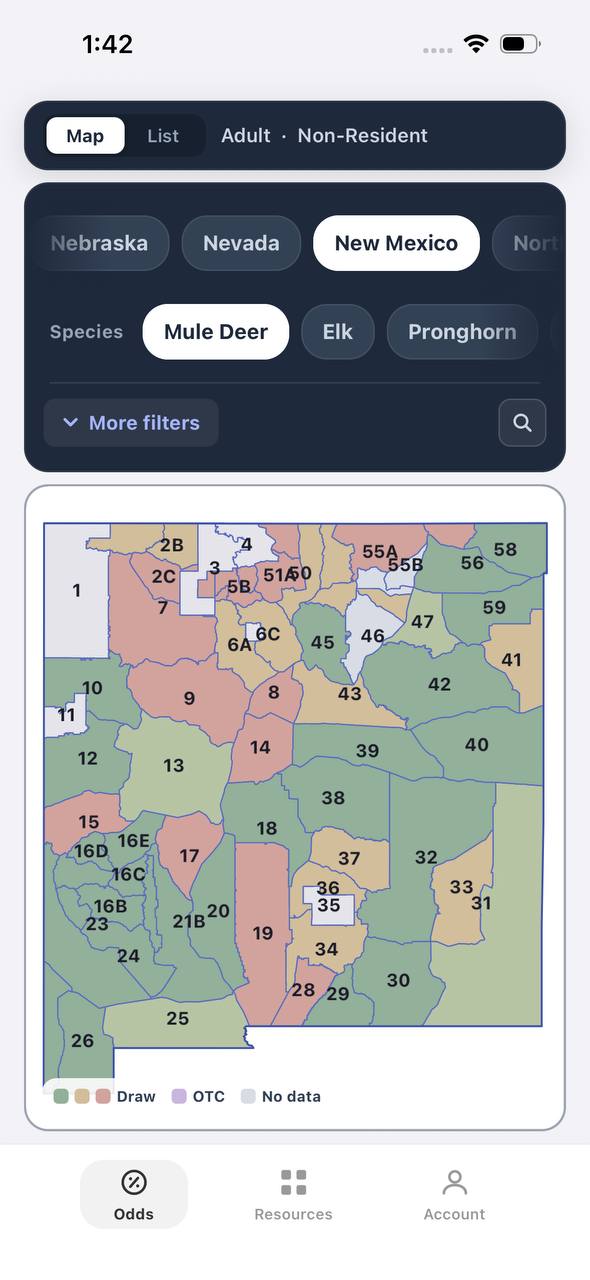
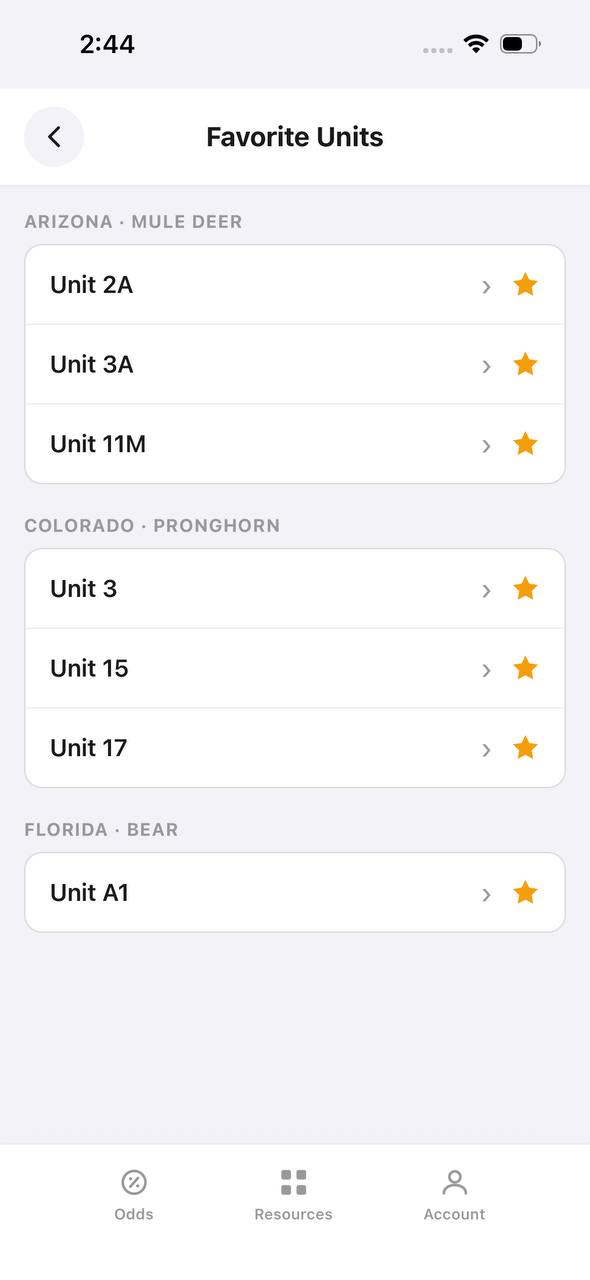
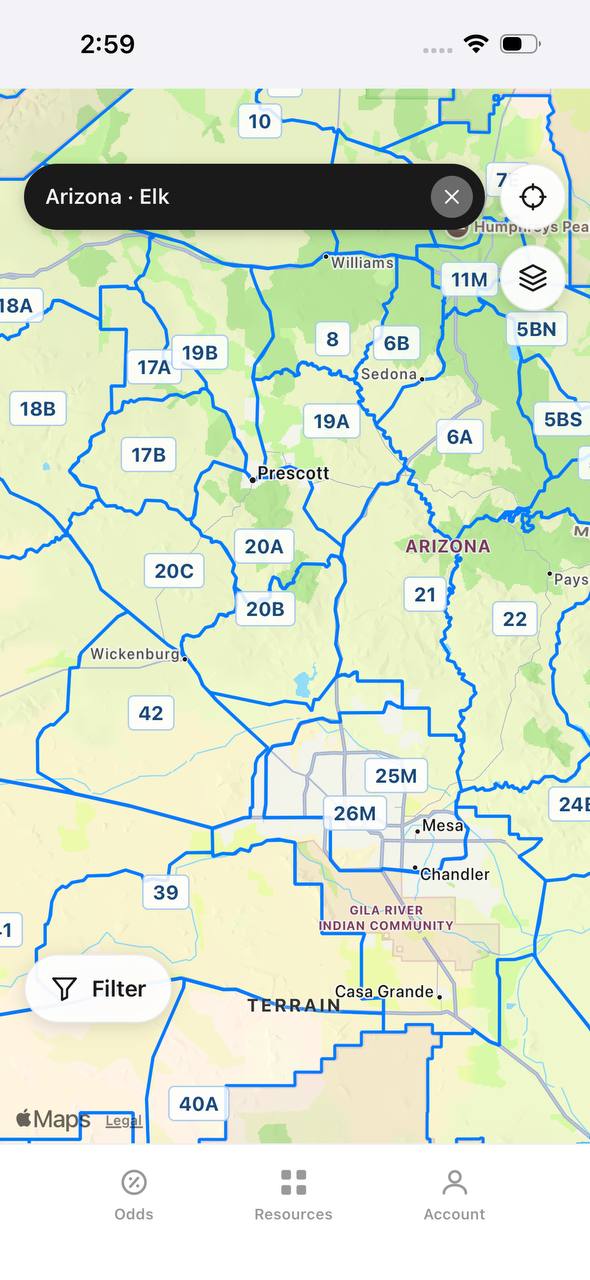
TAGZ helps you compare units side by side using terrain maps, unit boundaries, and historical draw data. Track your preference points and bonus points across multiple states so you never miss a draw deadline. Whether you're chasing OTC tags or planning a trophy limited-entry hunt, TAGZ gives you the tools to make smarter decisions before you ever load the truck.
Filter hunts by weapon type, season dates, and success rates. See which units offer the best balance of draw odds and hunting quality. TAGZ turns months of research into minutes of confident decision-making.
FAQ — Hunting Truck Organization
What's the most important organizational tool for a hunting truck? A locking crossover toolbox provides secure, weatherproof storage for tools, emergency gear, and items that stay in your truck year-round. It's the foundation everything else builds on.
How do I keep meat cool in my truck during warm weather hunts? Use a quality rotomolded cooler, pre-freeze water bottles as ice packs, and park in shade whenever possible. Quarter meat quickly, get it into game bags, and transfer to the cooler within hours, not days. For extended trips, buy additional ice at the nearest town.
Should I store ammunition in my truck year-round? No. Ammunition stored in hot vehicles can degrade over time from temperature cycling. Keep a small amount in a sealed, insulated container for current hunts, but store bulk ammunition in climate-controlled spaces at home.
What's the best way to organize gear when hunting with partners? Assign each person a specific storage area and use labeled bags or totes. This prevents gear from mixing and eliminates arguments over who forgot to repack the stove. Keep shared items like recovery gear and first aid in a neutral, accessible location.
How often should I reorganize my hunting truck? Perform a complete reorganization at the start and end of each season. Do a quick inventory and restock after every multi-day hunt. This prevents gear from accumulating haphazardly and ensures you're always prepared.
Do I really need all this organization, or is it overkill? If you hunt close to home and make day trips, simple organization works fine. If you're traveling hundreds of miles for multi-day western hunts, thorough organization prevents expensive mistakes, wasted time, and hunts that end early because you forgot critical gear.
Continue Planning Your Hunt
An organized truck gets you to the trailhead prepared. Choosing the right unit and applying strategically gets you the tag in the first place.
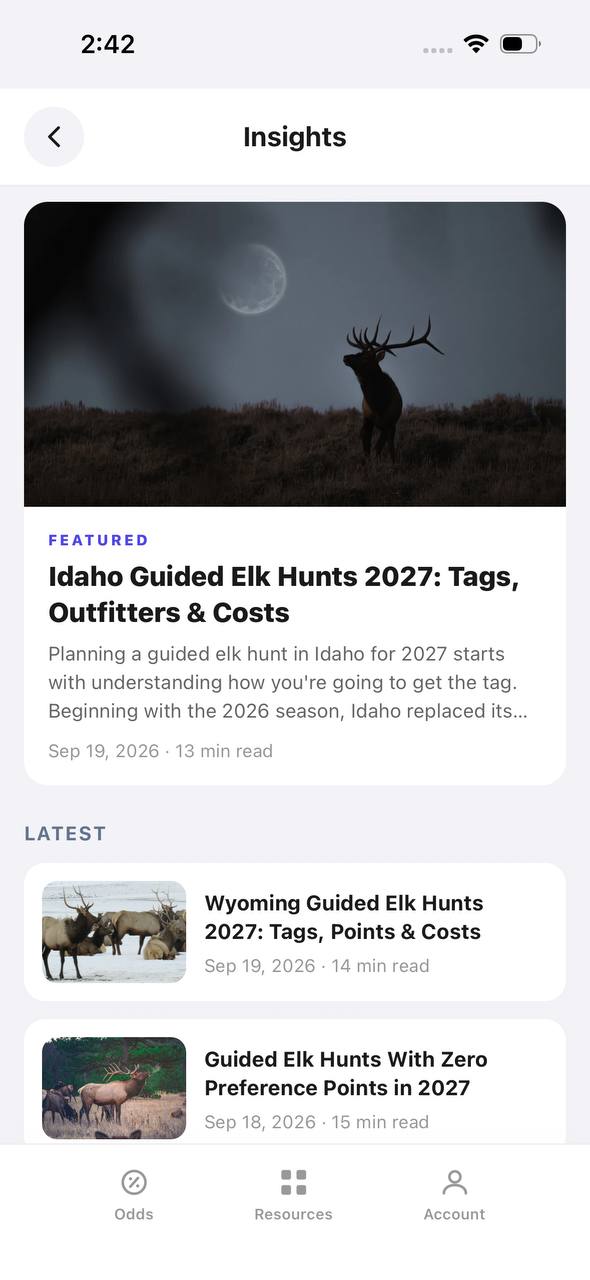
Explore more western hunting strategies and application advice on the TAGZ Insights blog, where you'll find unit breakdowns, draw strategy articles, and species-specific planning guides.
Ready to simplify your application process? See how TAGZ works on the product page, compare pricing options that fit your hunting style, or return to the home page to start exploring hunt opportunities across the West.
Was this article helpful?
Previous
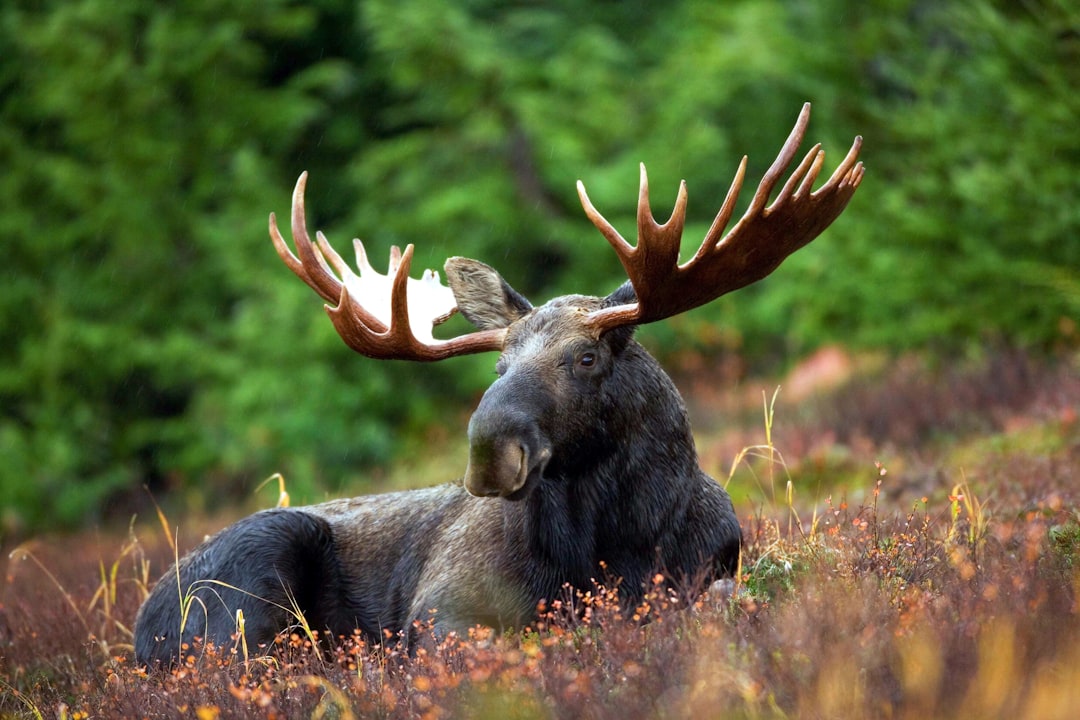
7 Common Moose Hunting Mistakes That Cost Hunters Their Tag
Drawing a moose tag can take years or even decades, yet preventable mistakes ruin hunts every season. Learn the critical errors that cost hunters their once-in-a-lifetime opportunity and how to avoid them.
Related
Best Deer Calls for Whitetail and Mule Deer Hunting in 2026
Master vocal tactics for whitetail and mule deer with the right calls. From grunt tubes and doe bleats to rattling sequences, learn which calls work during rut, early season, and late season hunts across public and private land.
Next
Best Hunting Knives for Field Dressing and Processing Game in 2025
A comprehensive guide to selecting hunting knives for field dressing, boning, and processing big game. Compare blade styles, steel types, and proven designs that perform from the field to the meat pole.