You waited seven years for a moose tag. The unit looked perfect on paper — good bull-to-cow ratios, decent road access, historical harvest data trending positive. Then you spent opening day glassing willow thickets from a logging road, never saw a legal bull, and drove home wondering what went wrong.
Moose hunting is fundamentally different from chasing elk or deer. The animals are larger, slower, and far less predictable in their movements. A decade of whitetail experience will not prepare you for how a bull moose uses terrain, responds to calling, or reacts under pressure. Hunters who treat moose like oversized elk make preventable mistakes that turn a premium tag into a learning experience instead of a freezer full of meat.
The good news is that most moose hunting failures follow predictable patterns. Glassing the wrong habitat, calling at the wrong time, and misjudging shot distances account for more blown opportunities than bad luck or tough conditions. Understanding these mistakes before you step into the field gives you a massive advantage over hunters learning the hard way.
Hunting the Wrong Habitat at the Wrong Time
Moose are not where you think they are. Hunters scout areas that held bulls in early September, then show up in late October and glass the same willow bottoms for days without seeing an antler. Moose shift habitats throughout the fall based on rut activity, weather, and browse availability.
Early-season moose prefer wet areas — creek drainages, beaver ponds, lake edges, and willow flats below treeline. As the rut kicks in during mid-September, bulls move upslope to find cows in transitional zones between timber and open parks. By late October, after the rut ends and snow starts falling, moose drop back into thick timber and north-facing drainages where browse stays accessible.
Hunters who ignore this seasonal shift waste entire days glassing beautiful moose country that no longer holds animals. If your tag is valid across multiple weeks, scout different elevation bands and habitat types as the season progresses. A willow bottom that was empty on September 15 might hold three bulls by September 28 when cows congregate there during peak rut.
Overcalling During the Rut
Moose respond to calling better than almost any big-game animal in North America. A well-timed cow call during peak rut can pull a bull across a mile of timber in under an hour. That same calling sequence used too aggressively will educate bulls and make them vanish.
The mistake is thinking that more calling equals more success. Hunters who grew up elk hunting often run aggressive sequences — long cow calls, multiple bull grunts, raking trees every twenty minutes. Moose are not elk. A mature bull moose has heard every cow in his home range for years. He knows what a receptive cow sounds like, and he knows when something sounds wrong.
Call sparingly and let silence do the work. One soft cow call every 30–45 minutes is often enough to bring a curious bull within range. If a bull responds vocally but does not approach, wait him out. Moose move slowly and deliberately. A bull that grunted 400 yards away might take 45 minutes to close the distance, and if you call again halfway through that approach, you risk spooking him.
Pay attention to wind and thermal currents when calling. Moose have incredible noses, and a bull that hears a cow but cannot smell her will often circle downwind before committing. Set up with the wind in your favor and expect bulls to approach from angles that let them scent-check your position.
Underestimating Shot Distance and Bullet Drop
Moose are big animals. A mature bull can stand six feet at the shoulder and weigh 1,200 pounds. That size creates an optical illusion that makes bulls look closer than they actually are. Hunters routinely misjudge distances by 50–100 yards, leading to low hits, gut shots, and wounded animals that disappear into thick timber.
A bull standing in a willow flat 350 yards away looks like he is at 250. Without a rangefinder, you are guessing. Bring a quality rangefinder and range everything — landmarks, treelines, boulders, anything that gives you reference points if a bull steps out at an unexpected distance.
Bullet drop on moose-sized targets is less forgiving than it looks. A 300-yard shot with a .30-06 shooting 180-grain bullets might drop 8–10 inches below point of aim depending on your zero. On a deer, that low hit might still catch vitals. On a moose, it might hit brisket or front leg, resulting in a long tracking job or lost animal.
Know your rifle's trajectory and practice at extended distances before the hunt. A 400-yard shot on a moose is not unethical if you have the skill and equipment to make it, but most hunters do not. If you are not confident past 300 yards, get closer. Moose are not spooky animals — a patient hunter can often close distance by using terrain and waiting for the bull to feed into range.
Ignoring Wind and Thermals in Thick Timber
Moose spend most of their time in timber, not open parks. Bulls bed in thick spruce stands, feed along creek bottoms choked with willows, and travel through dark timber corridors between feeding areas. In these environments, wind direction matters more than glassing skill.
Hunters who walk logging roads or push through timber without considering wind direction bump moose they never see. A bull bedded 80 yards off a trail will smell you long before you hear him crashing away through the trees. Once spooked, that bull might leave the drainage entirely and not return for days.
Pay attention to thermals, especially in mountain terrain. Morning thermals drop cold air downhill into drainages, carrying your scent with them. Afternoon thermals rise, pushing scent upslope. If you are hunting a creek bottom in the afternoon, any moose above you will wind you before you see them.
Still-hunt into the wind whenever possible. Move slowly, glass ahead, and stop frequently to let the woods settle. Moose are not whitetails — they do not spook and sprint 400 yards before stopping. A bumped moose will trot 100 yards, stop, look back, and then keep moving if it still smells danger. If you bump a bull in thick timber, sit tight for 20 minutes and listen. Sometimes they circle back or bed down close enough that patience wins.
Free to join
Download mobile app
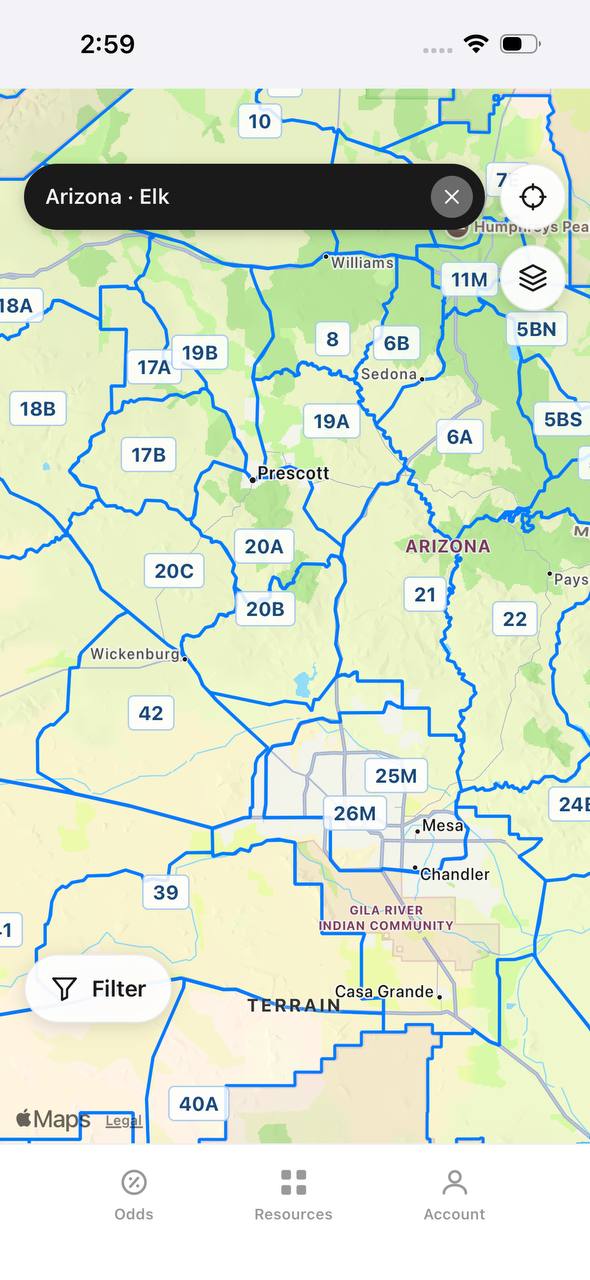
- Detailed draw odds
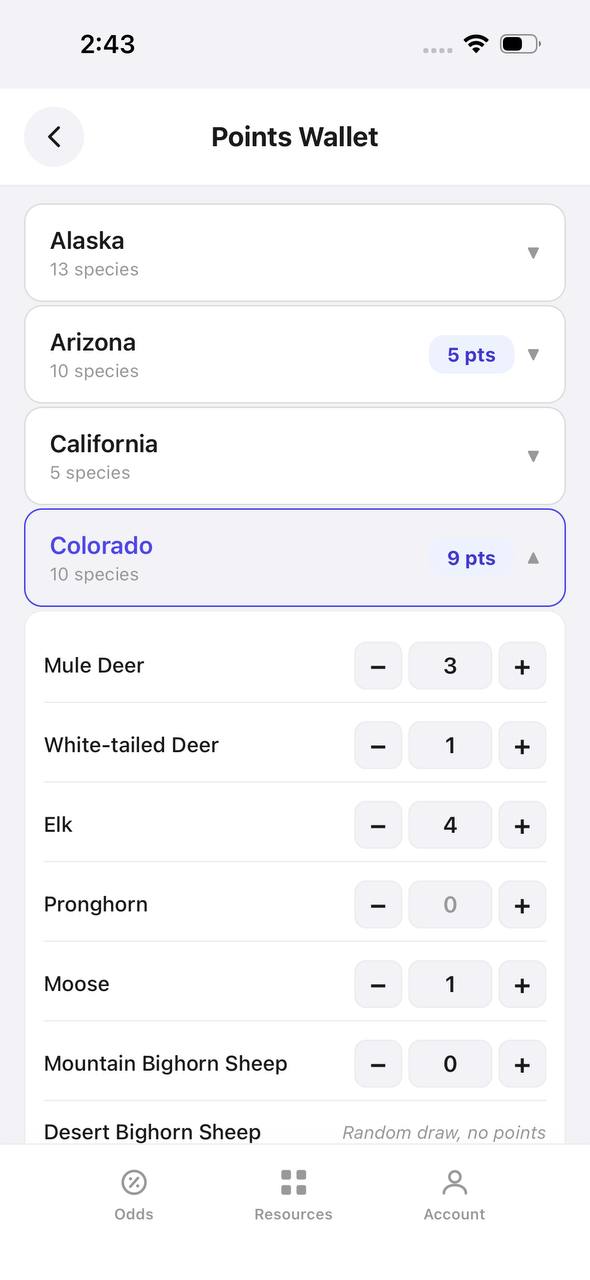
- Point tracking
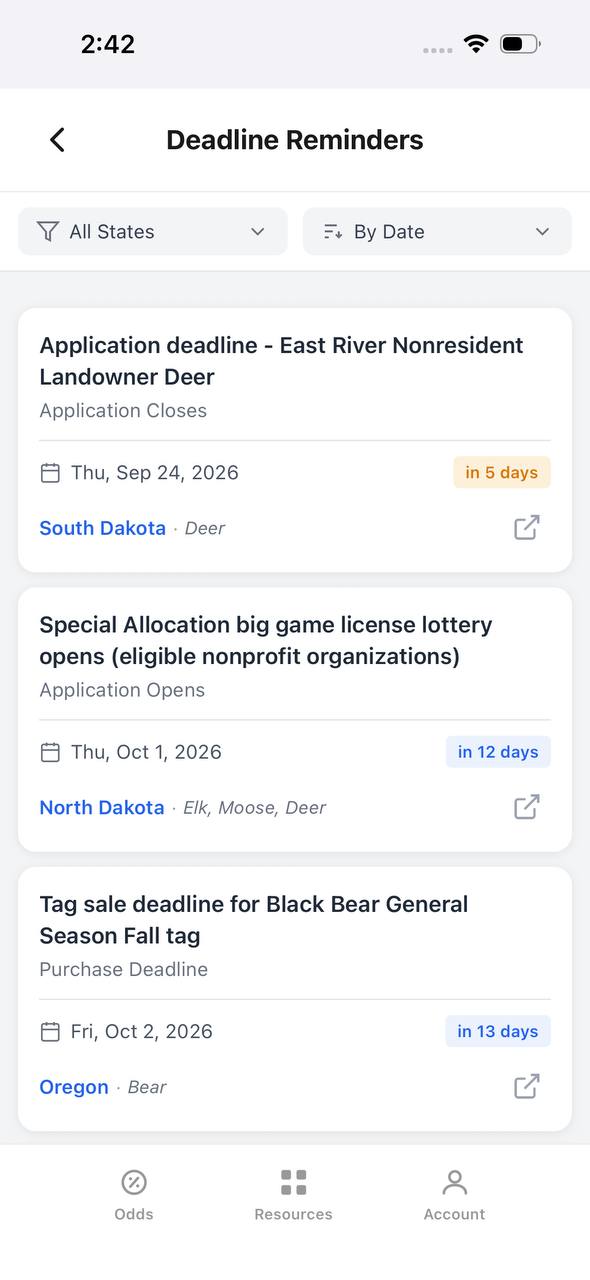
- Deadline reminders
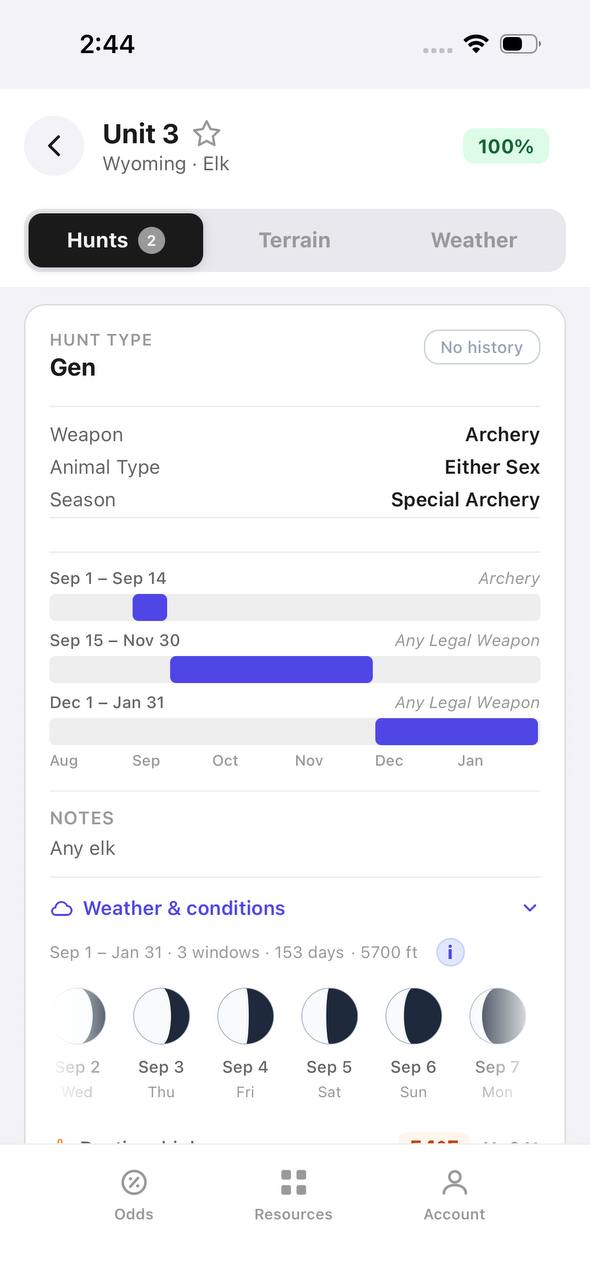
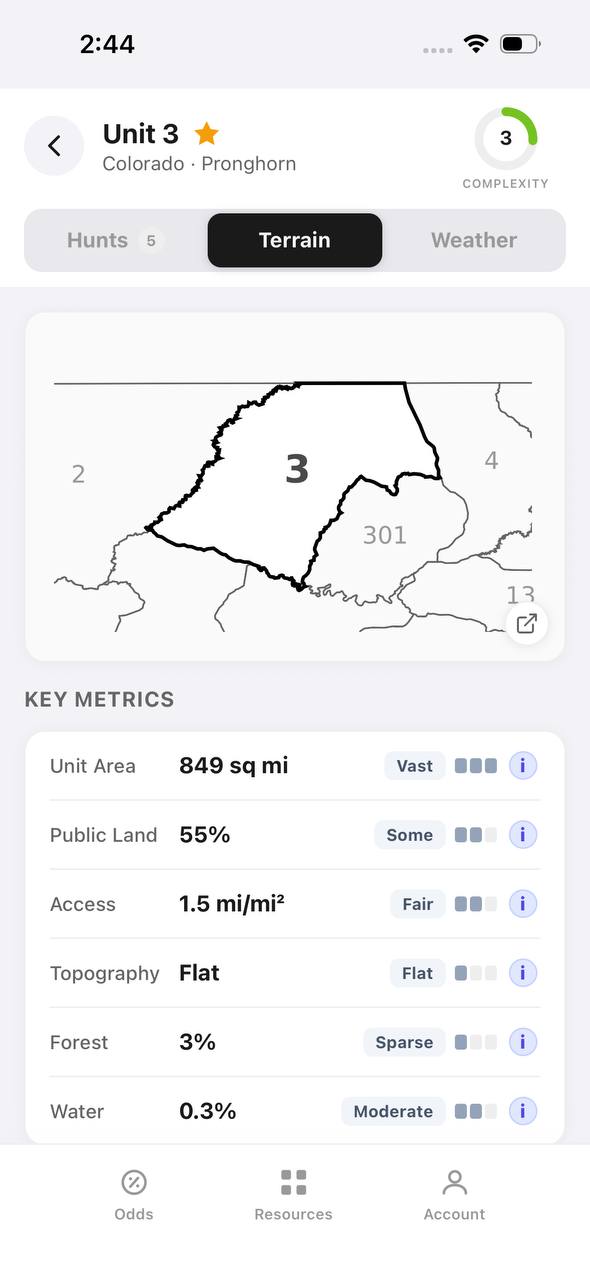
- 18 states covered

Free to join
Download mobile app
- Detailed draw odds
- Point tracking
- Deadline reminders
- 18 states covered
Free to join
Download mobile app
- Detailed draw odds
- Point tracking
- Deadline reminders
- 18 states covered
Poor Shot Placement and Follow-Through
Moose are tough animals. A poorly placed bullet might not drop a bull immediately, and wounded moose can cover serious ground before going down. Hunters who take marginal shots or fail to follow up properly turn recoverable animals into lost meat.
The kill zone on a moose is larger than a deer or elk, but it is not where most hunters think. The heart and lungs sit low and forward in the chest cavity, just behind the front shoulder. A shot placed too high — mid-body behind the shoulder — often misses vitals entirely and results in a liver or gut hit. A bull with a liver hit might walk 200 yards and bed down, then get up hours later and travel another half mile before dying.
Aim low and tight to the shoulder. If you are shooting a bull quartering toward you, place the bullet in the front third of the chest, angling back toward the opposite shoulder. If the bull is quartering away, wait for a broadside shot or aim for the far shoulder to ensure the bullet passes through vitals.
After the shot, watch the bull's reaction. A heart-shot moose will often run hard for 50–100 yards and then crash. A lung-shot bull might hump up, walk slowly, and then tip over within sight. A liver-hit or gut-shot bull will flinch, walk stiffly, and disappear into timber without obvious distress. If you are unsure of the hit, mark the spot where the bull was standing, note the direction of travel, and wait 30 minutes before tracking.
Failing to Plan for Pack-Out Logistics
Moose are massive animals. A mature bull can yield 400–600 pounds of boneless meat, plus another 100 pounds of hide, head, and antlers if you are packing everything out. Hunters who kill moose a mile or more from the truck often underestimate how long it takes to quarter, pack, and haul that much weight.
Before the hunt, plan your pack-out strategy. Do you have game bags, a good knife, a bone saw, and a packable meat tarp? Can you reach the kill site with an ATV or on horseback, or are you doing everything on foot? If you are hunting solo, are you prepared to make multiple trips over several days?
Many units allow hunters to leave meat overnight if properly cared for, but check local regulations. In grizzly country, leaving meat overnight creates conflict risk and may require immediate removal. If you kill a bull in the backcountry, consider hiring a packer or bringing extra help before you pull the trigger. A $500 packing bill is cheaper than losing meat to spoilage or predators.
Quarter the bull methodically and keep meat clean. Moose hair is hollow and sheds aggressively during field dressing. Getting hair on the meat is nearly impossible to avoid entirely, but keeping quarters off the ground and using clean game bags minimizes contamination. Hang meat in shade if possible and let quarters cool before packing. A warm hindquarter shoved into a pack can sour before you reach the trailhead.
Hunting Solo Without a Backup Plan
Moose hunting is physical, remote, and unforgiving. Hunters who go solo without telling anyone their plan, carrying a GPS communicator, or preparing for emergencies put themselves at serious risk. A twisted ankle two miles from the truck becomes a life-threatening situation when no one knows where you are.
Carry a satellite communicator like an InReach or Zoleo. These devices allow two-way messaging, SOS activation, and location sharing even when cell service is nonexistent. Share your hunt plan with someone who will notice if you do not check in — include unit numbers, trailheads, and expected return times.
Bring more gear than you think you need. A daypack with fire-starting materials, an emergency shelter, extra food, and a headlamp can turn a forced overnight stay from a crisis into an inconvenience. Moose hunting often means miles of hiking through wet, cold conditions. Hypothermia kills hunters every year, and most victims are found less than a mile from safety.
If you kill a bull late in the day and cannot finish the pack-out before dark, do not push it. Set up camp, build a fire, and finish the job in daylight. Trying to navigate unfamiliar terrain in the dark while carrying a 90-pound pack is how hunters get hurt.
FAQ — Moose Hunting Mistakes
What is the biggest mistake moose hunters make? Hunting the wrong habitat for the time of season. Moose shift from low wetlands to mid-elevation rut zones to thick timber as fall progresses, and hunters who ignore these movements waste days glassing empty country.
How close should I get before shooting a moose? Most ethical hunters limit shots to 300 yards or less. Moose look closer than they are due to their size, so always use a rangefinder and know your rifle's trajectory before taking long shots.
Can you call moose too much during the rut? Yes. Overcalling educates bulls and makes them wary. One soft cow call every 30–45 minutes is usually enough to bring a curious bull within range without spooking him.
How long should I wait before tracking a wounded moose? If you suspect a liver or gut shot, wait at least 30 minutes before tracking. Pushing a wounded bull too soon can push him miles away. Heart and lung-shot moose usually go down within 100 yards.
What should I bring for a solo moose hunt? A satellite communicator, extra clothing, fire-starting materials, an emergency shelter, a good knife, game bags, a rangefinder, and enough food and water for an unexpected overnight stay. Always share your hunt plan with someone.
How do I avoid getting hair all over the meat during field dressing? Moose hair sheds aggressively, so complete contamination is impossible. Keep quarters off the ground, use clean game bags, and quarter methodically to minimize hair transfer. Hang meat in shade to cool before packing.
Continue Planning Your Hunt
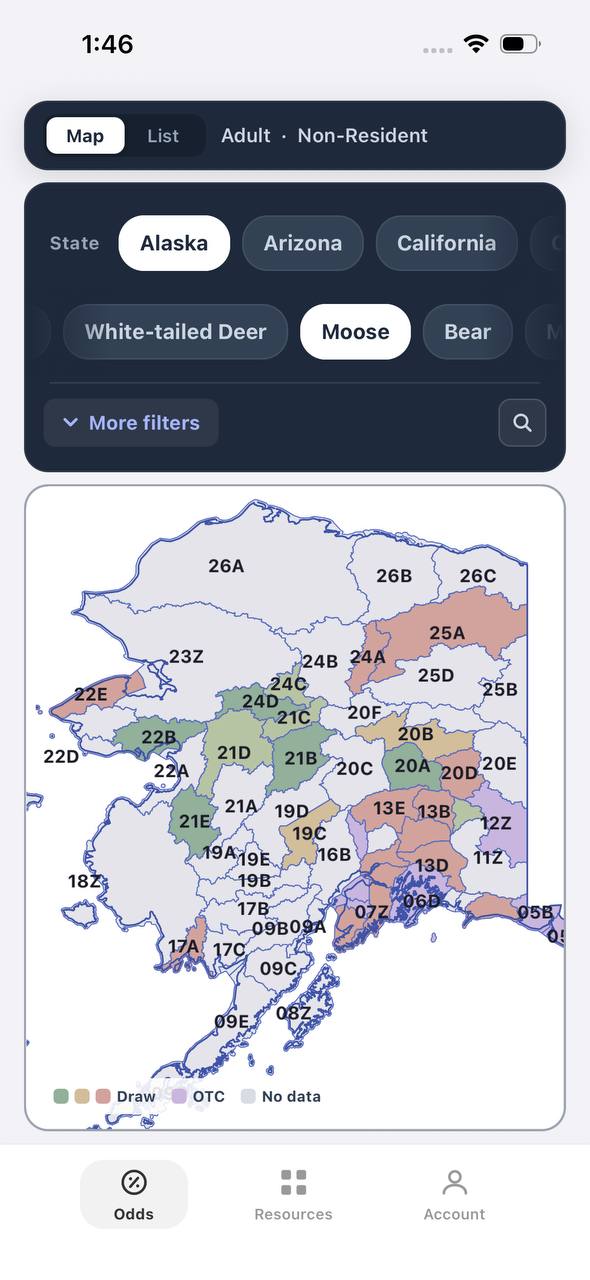
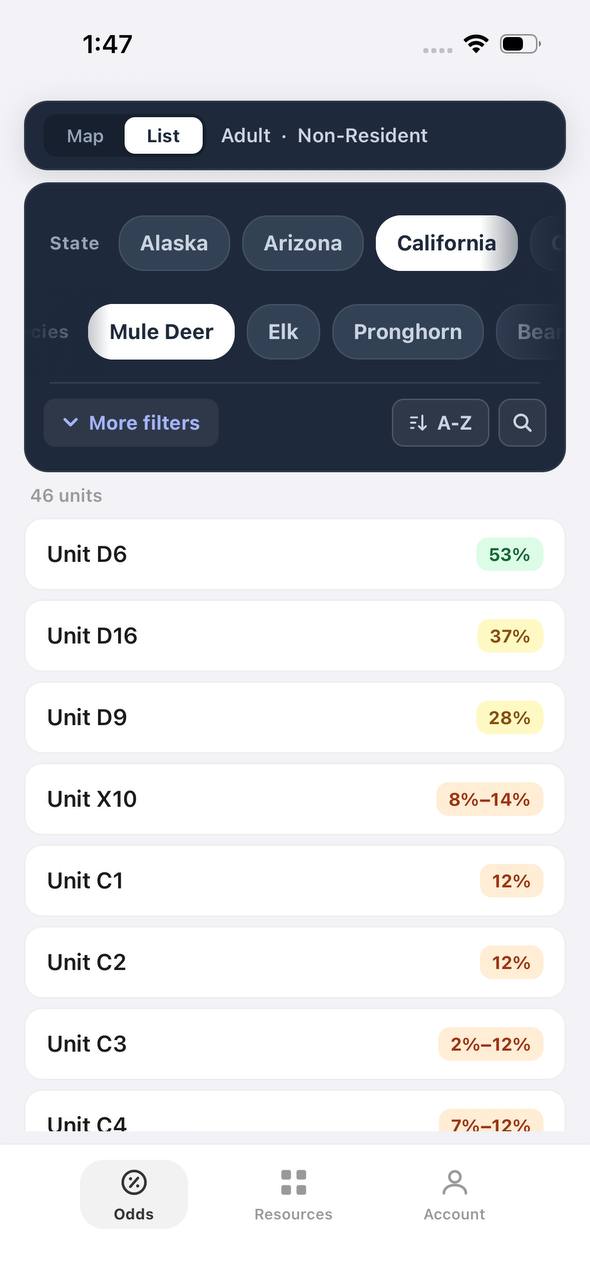
Moose hunting is a long game. Most hunters wait years to draw a tag, and turning that tag into success requires more than showing up on opening day. TAGZ helps you compare moose units side by side using historical draw data, preference point tracking, and terrain maps so you apply smarter and hunt better when your number finally comes up.
Whether you are chasing your first tag or planning your next application strategy, TAGZ gives you the tools to make confident decisions about where to hunt, when to apply, and how to maximize draw odds across multiple states. Track your preference points and bonus points in one place, compare unit statistics, and never miss a draw deadline again.
Ready to start planning your next moose hunt? Explore draw odds, research units, and track your points at the TAGZ home page. For more western hunting insights, check out the full library of articles on the TAGZ Insights blog. If you are ready to take control of your hunt planning, compare pricing options and create your account at TAGZ Pricing.
Was this article helpful?
Previous
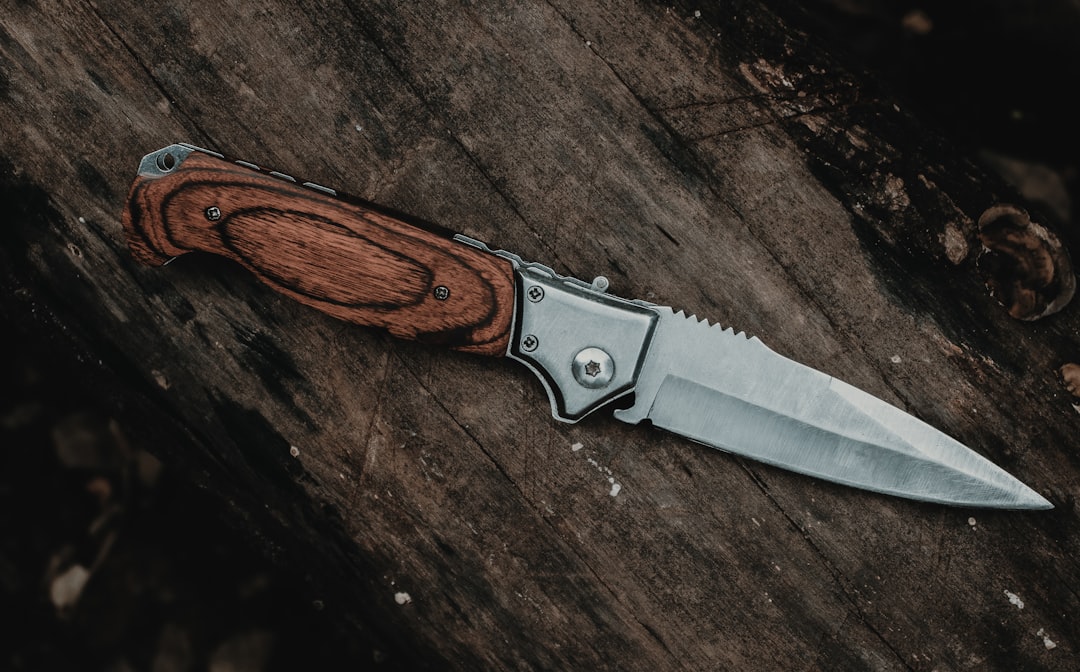
Best Hunting Knives for Field Dressing and Processing Game in 2025
A comprehensive guide to selecting hunting knives for field dressing, boning, and processing big game. Compare blade styles, steel types, and proven designs that perform from the field to the meat pole.
Related
How to Organize Your Hunting Truck for Western Big-Game Hunts
A well-organized hunting truck keeps critical gear accessible when it matters most and prevents pre-dawn panic searches. Learn how to set up your rig for everything from scouting trips to backcountry elk camps.
Next
Backcountry Camping for Western Hunters — Gear, Setup, and Proven Tactics
Master backcountry camping strategies that extend your range, reduce pressure, and put you closer to elk, mule deer, and other big game in remote western units.