Choosing the right hunting knife is one of the most personal decisions a hunter makes. A quality knife becomes an extension of your hand in the field — cutting hide, separating quarters, and trimming meat with precision. Whether you are field dressing your first mule deer or breaking down an elk in the backcountry, the knife you carry determines how efficiently you process game and how much meat you salvage.
This guide covers blade styles, steel types, handle designs, and proven models that perform season after season. The focus is on knives built for big game field work — not survival knives, tactical folders, or general camping blades.
Fixed Blade vs Folding Knives
Fixed blade knives offer strength and reliability. There are no moving parts to fail when cutting through cartilage or prying around joints. The full tang construction — where the blade extends through the handle — provides leverage for heavy work like splitting the pelvis or removing shoulders. Fixed blades are easier to clean after field dressing and safer to use when your hands are bloody.
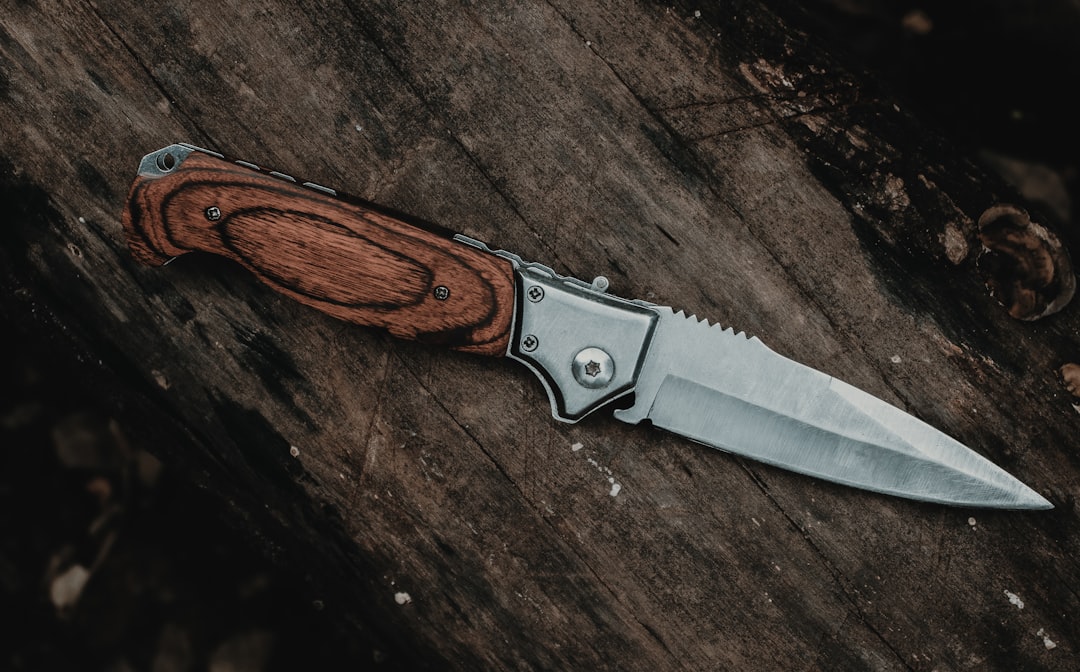
Folding knives offer portability and convenience. A quality lockback or liner lock folds into a compact package that rides easily in a pocket or small belt pouch. Modern folders with replaceable blades eliminate field sharpening. The tradeoff is durability — folders have pivot points that collect blood and tissue, and they lack the structural integrity for heavy prying or bone work.
Most experienced hunters carry both. A fixed blade handles the initial field dressing and quartering. A smaller folder or replaceable-blade knife performs detail work like caping or trimming backstraps.
Blade Length and Shape
Blade length between 3.5 and 4.5 inches handles most big game field dressing tasks. Longer blades become unwieldy for precise cuts around organs and increase the risk of puncturing the paunch. Shorter blades lack reach for deep cuts on larger animals like elk or moose.
Drop point blades are the most versatile design. The curved spine and centered point provide control for detail work while offering enough belly for long slicing cuts. The reinforced point resists breaking when cutting through tough connective tissue.
Skinning blades feature an exaggerated curved edge and swept-back point. This design excels at separating hide from meat without puncturing the skin. The downside is reduced tip strength for puncture cuts.
Caping knives use short, narrow blades with fine points for delicate work around the face, ears, and cape edges on trophy animals. These are specialty tools, not primary field knives.
Gut hook blades include a sharpened notch on the spine near the tip. Slide the hook under the hide and pull to unzip the belly without puncturing organs. Gut hooks work well for deer-sized game but are unnecessary for experienced hunters who can open an animal with a standard blade.
Steel Types and Edge Retention
Knife steel determines how long the blade holds an edge and how easily it resharpens in the field. Modern stainless steels balance corrosion resistance with edge retention. Carbon steels take a sharper edge but require more maintenance.
440C stainless steel is the baseline for quality hunting knives. It resists rust, holds a working edge through multiple animals, and resharpens easily with a pocket stone. Knives using 440C offer proven performance at accessible price points.
S30V and S35VN stainless steels provide superior edge retention. These high-carbon stainless alloys maintain sharpness through an entire elk without resharpening. The tradeoff is harder field sharpening — you need diamond stones or ceramic rods to restore the edge.
CPM-154 stainless steel balances edge retention and ease of sharpening. It holds an edge longer than 440C but resharpens more readily than S30V. Many custom knife makers favor CPM-154 for big game knives.
Carbon steel (1095 or 5160) takes the sharpest edge and responds well to field sharpening. The disadvantage is rust — carbon blades require oiling after each use and careful storage. Hunters in wet climates or those who process meat over multiple days often avoid carbon steel.
Blade thickness matters as much as steel type. Hunting knives should use 0.125 to 0.140-inch blade stock. Thicker blades provide strength but require more force to cut. Thinner blades slice effortlessly but risk breaking on bone.
Handle Design and Grip
Handle design determines how the knife performs when your hands are wet, cold, or covered in blood. The best hunting knife handles provide a secure grip without hot spots during extended cutting sessions.
Rubber and synthetic handles offer the most secure grip in wet conditions. Materials like Kraton, Zytel, or Grivory mold to the hand and resist slipping. These handles are easy to clean and maintain.
G10 and Micarta handles balance grip with durability. Both are composite materials that provide texture without being overly aggressive. They are nearly indestructible and maintain their shape across temperature extremes.
Wood handles feel natural and look traditional but require more maintenance. Moisture causes wood to swell and contract. In freezing temperatures, wood handles can become uncomfortable to hold. Stabilized wood — impregnated with resin — solves some of these issues.
Handle shape matters more than material. Look for handles with a slight palm swell and defined finger grooves. Avoid handles that taper dramatically toward the blade — they offer less control during detail work. The handle should extend fully into your palm when gripping normally, providing leverage without excess length.
Free to join
Download mobile app
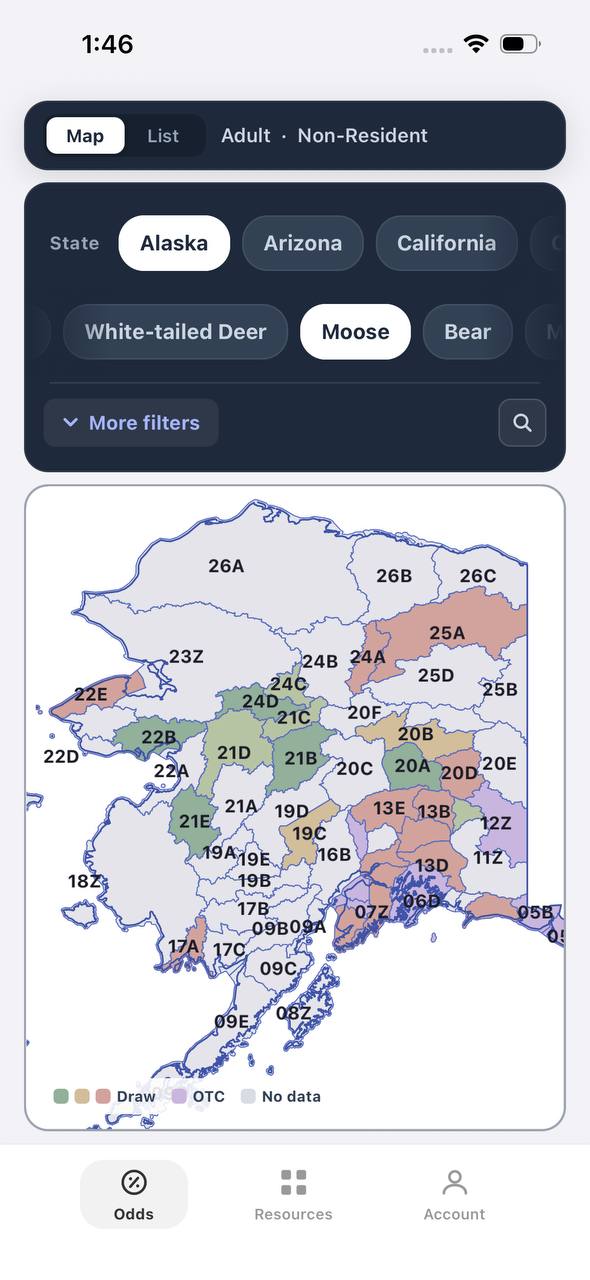
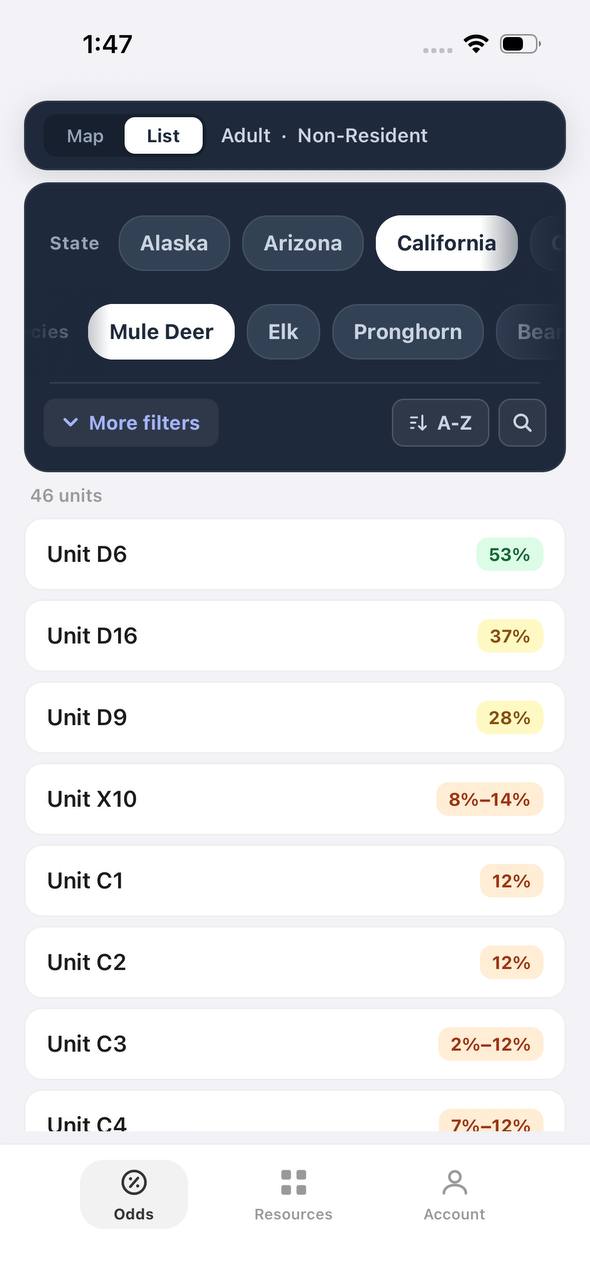
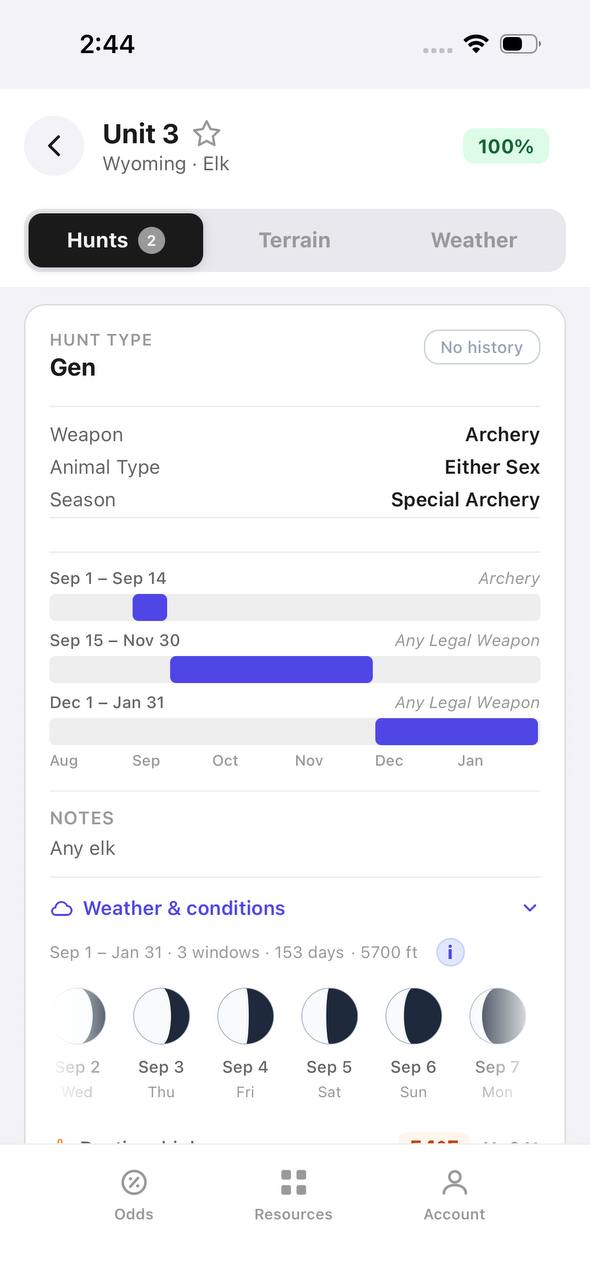
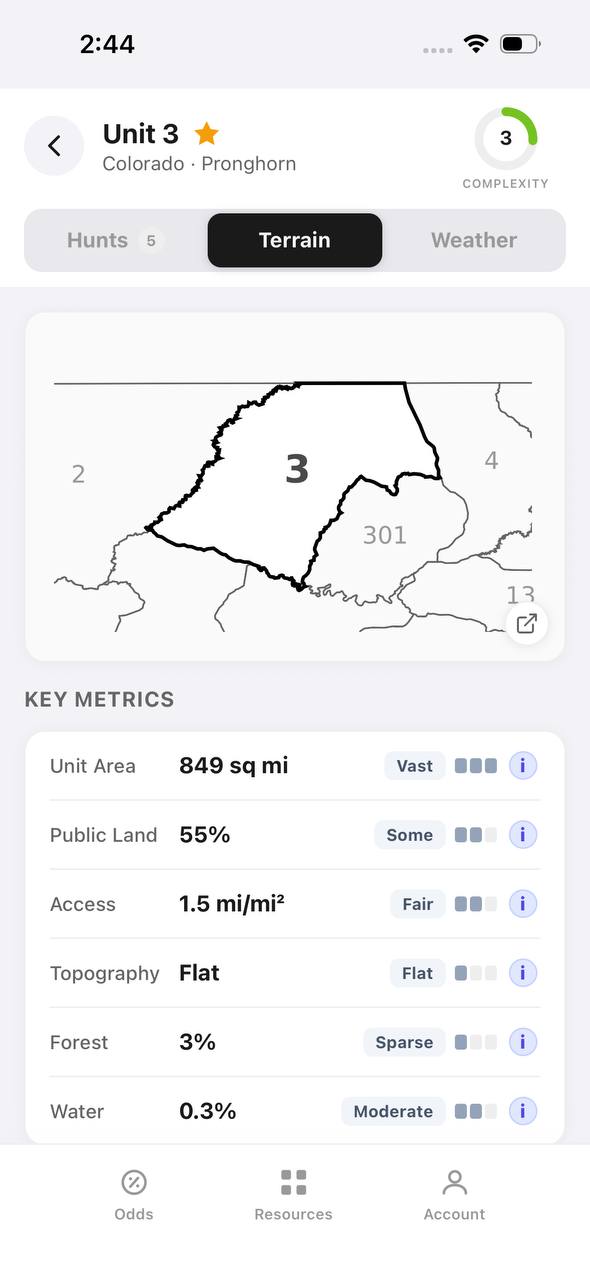
- Detailed draw odds
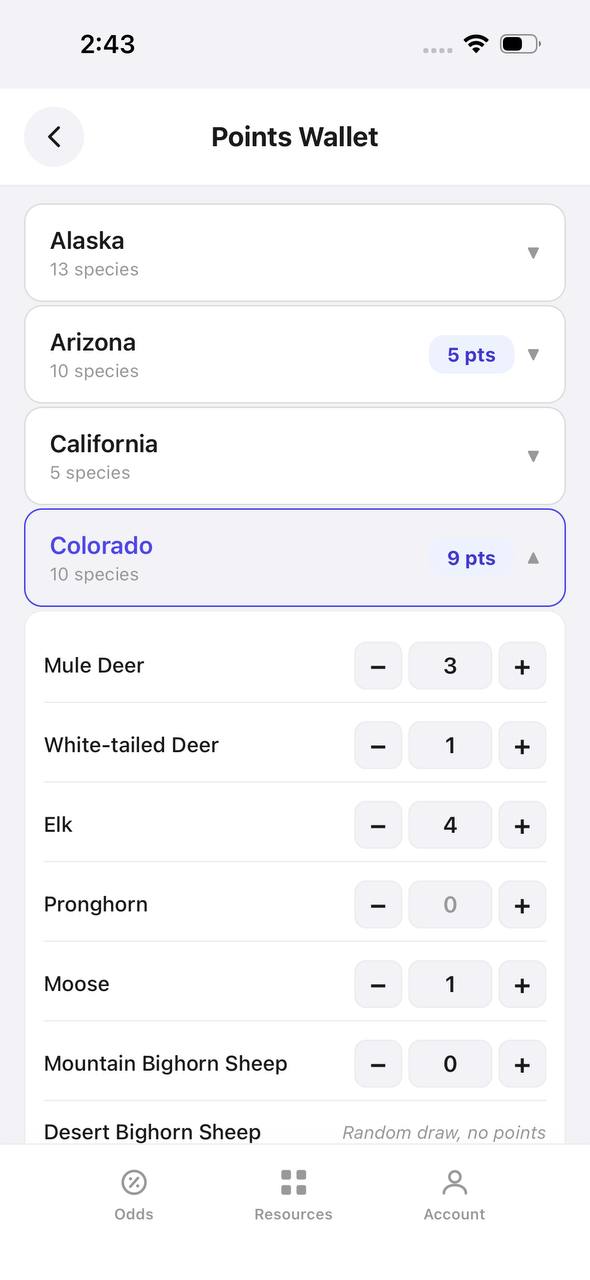
- Point tracking
- Deadline reminders
- 18 states covered

Free to join
Download mobile app
- Detailed draw odds
- Point tracking
- Deadline reminders
- 18 states covered
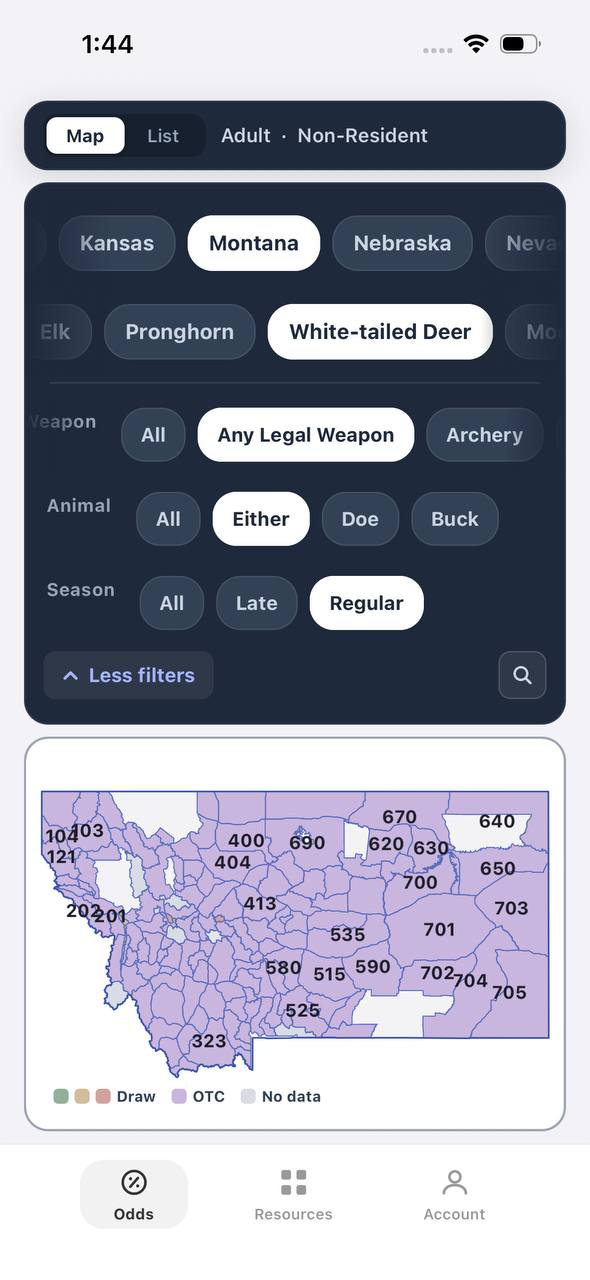
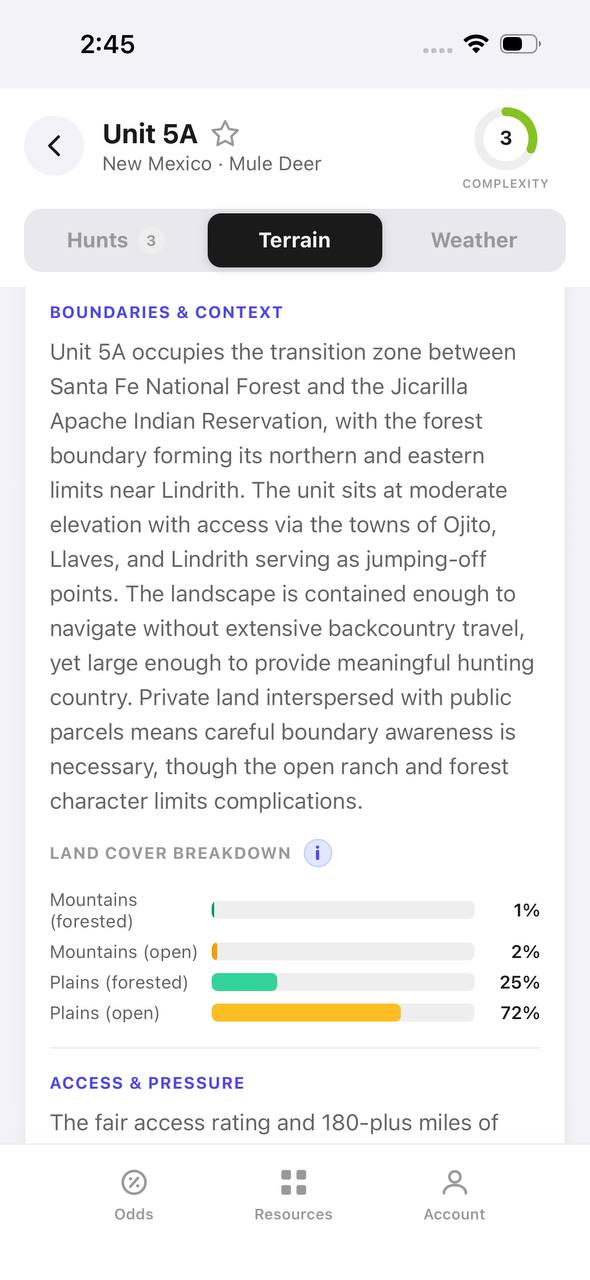
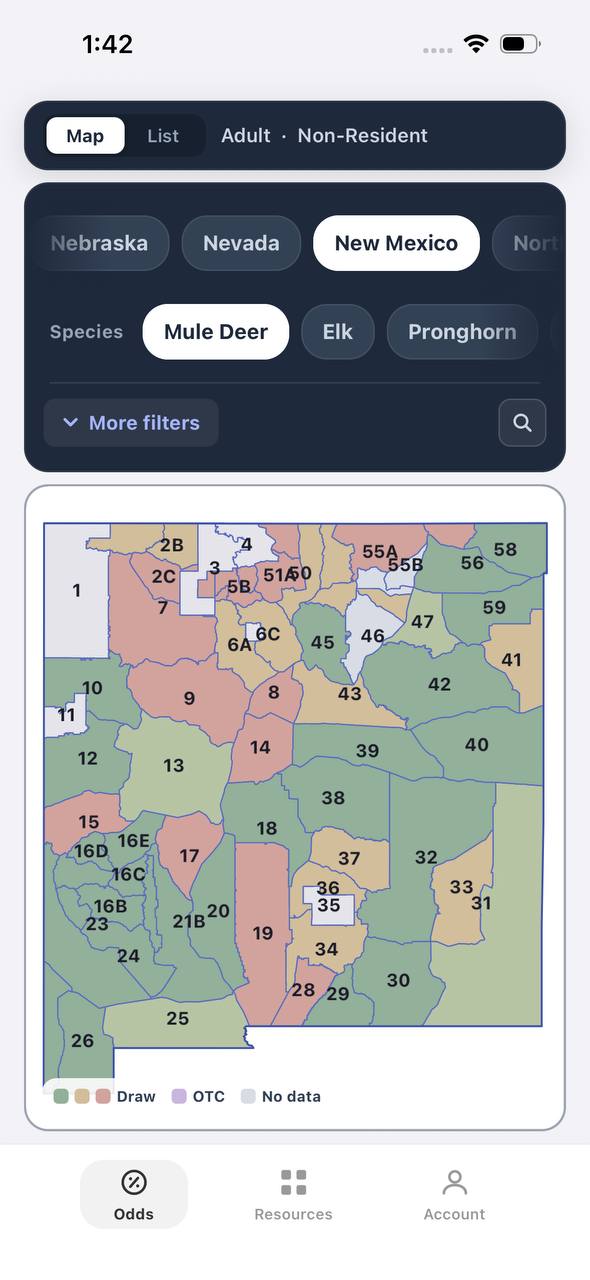

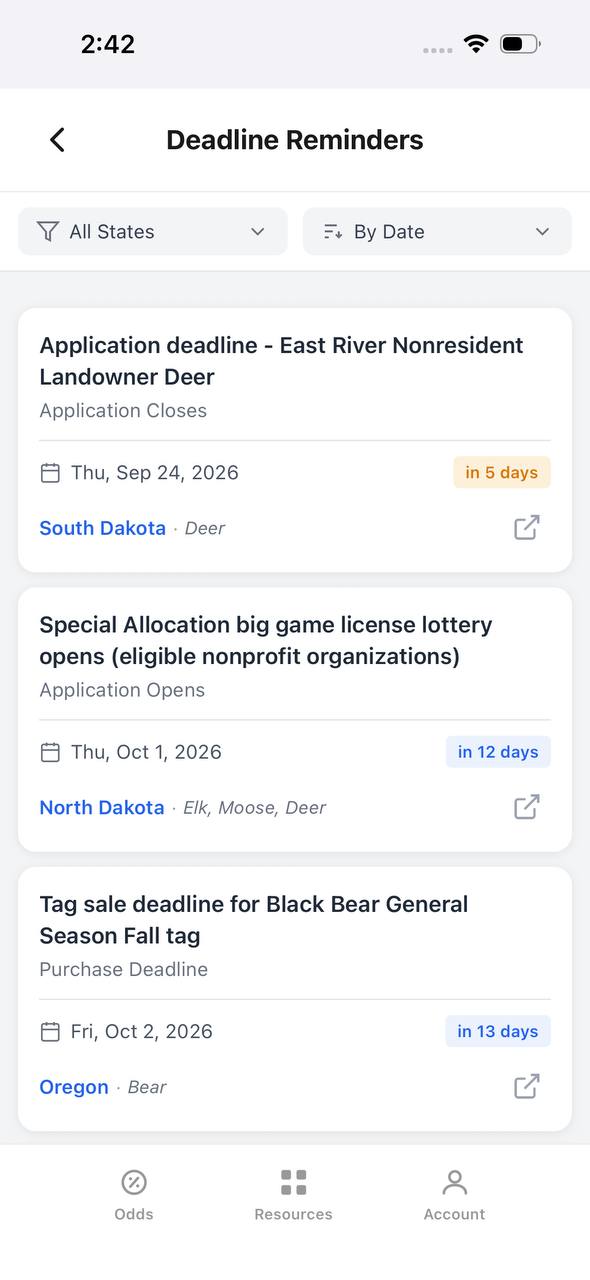
Free to join
Download mobile app
- Detailed draw odds
- Point tracking
- Deadline reminders
- 18 states covered

Proven Hunting Knife Models
These knives represent different price points and design philosophies. Each has earned a reputation for field performance over years of use by hunters.
Benchmade Steep Country — A 3.7-inch drop point fixed blade using S30V steel. The SelectEdge technology allows swapping between a standard edge or gut hook blade. Orange G10 handles stay visible if dropped. Weighs 3.2 ounces with the sheath. Premium pricing reflects American manufacturing and Benchmade's lifetime warranty.
Havalon Piranta — A folding knife using surgical-grade replaceable blades. The 2.75-inch blade cuts like a scalpel and swaps out in seconds without field sharpening. Ideal for detail work and caping. The thin blades flex and break easily on heavy work — this is a finishing knife, not a quartering tool. Lightweight at 3 ounces.
Outdoor Edge SwingBlade — A unique rotating design with both a drop point blade and a gutting blade on a single handle. Push the lock button and swing between blades. The 3.5-inch blades use 420HC stainless steel. Rubberized Kraton handle provides grip in wet conditions. Affordable and backed by a lifetime warranty.
Buck Knives 119 Special — A traditional fixed blade that has field dressed deer for over 50 years. The 6-inch clip point blade uses 420HC steel. Phenolic handle is durable but lacks modern grip texture. Heavier than current designs at 7.2 ounces. The sheath uses a leather construction that requires maintenance. This knife represents proven design over modern materials.
Argali High Country Fixed Blade — Designed specifically for backcountry elk hunters. The 3.6-inch CPM-154 blade balances edge retention with field sharpenability. Blaze orange G10 scales remain visible in the field. The included Kydex sheath mounts to pack straps or belt. Weighs 4.5 ounces. Mid-tier pricing reflects small-batch American manufacturing.
Field Sharpening and Maintenance
The sharpest knife in camp is the one that stays sharp in the field. Carry a compact sharpening system — either a folding diamond stone or a ceramic rod sharpener. Touch up the edge every few cuts when field dressing to maintain efficiency.
For diamond stones, use light pressure and consistent angle. Stroke away from the edge 10 to 15 times per side. Test sharpness by slicing paper or shaving hair from your forearm.
Ceramic rods work well for quick touch-ups on modern stainless steels. Hold the rod stationary and draw the blade across at a 20-degree angle. Focus on the curved belly where most cutting happens.
After field dressing, clean the knife immediately. Blood and stomach acid corrode even stainless steel if left on the blade. Use water and a cloth to remove tissue. Dry the blade completely. Apply a light coat of mineral oil to the blade and pivot points on folding knives.
Store knives in a dry location. Leather sheaths trap moisture and promote rust — switch to Kydex or nylon for long-term storage.
Choosing Based on Your Hunting Style
Your primary hunting method determines the best knife setup. Consider where you hunt, how you transport meat, and what species you pursue.
Backcountry elk hunters prioritize weight and packability. A lightweight fixed blade paired with a replaceable-blade folder handles quartering and detailed meat trimming. Look for knives weighing under 4 ounces.
Whitetail hunters near roads can carry heavier knives with longer blades. A traditional 5 to 6-inch fixed blade speeds field dressing when you can return to the truck for additional tools.
Multi-species hunters benefit from versatile mid-sized knives. A 4-inch drop point fixed blade handles everything from pronghorn to elk. Add a small caping knife if you pursue trophy animals.
Meat processors who break down entire animals at home need different knives than field hunters. Consider a boning knife with a flexible 6-inch blade for separating meat from bone, plus a stiff blade for cutting through joints.
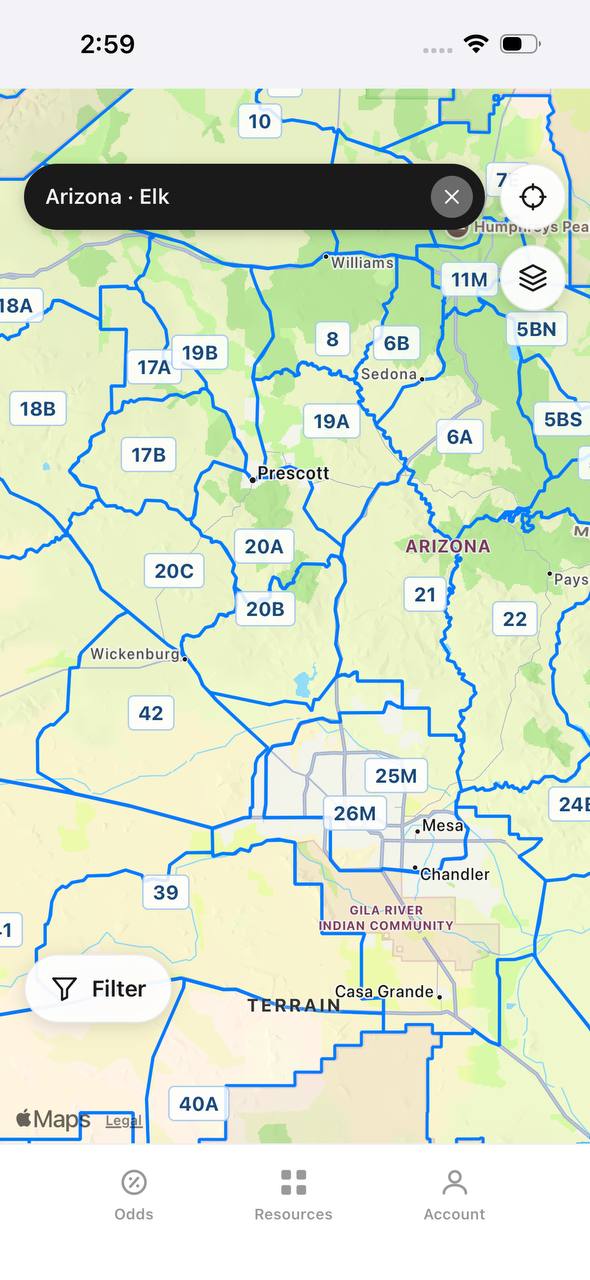
TAGZ helps you plan hunts by comparing draw odds and unit maps across states, but the right knife ensures you can efficiently process meat once you are successful. Whether you draw a limited-entry tag or hunt an OTC unit, having quality cutlery means more meat in the freezer and a better field experience.
Knife Laws and Regulations
Knife laws vary by state and even between counties. Most western states allow fixed blade knives of any length for hunting purposes, but restrictions apply to concealed carry and urban areas.
Colorado, Wyoming, and Montana permit open carry of fixed blade knives during hunting season. Check county ordinances for cities — Denver restricts blade length to 3.5 inches within city limits.
California limits fixed blades to specific carry methods. Knives must be carried openly or in a sheath — pocket carry of large folders may violate concealed weapon laws.
Washington and Oregon have few restrictions on knife carry during hunting. Urban areas like Seattle and Portland impose stricter rules.
When traveling to hunting units, keep knives stored in the bed of your truck or locked in a case. Visible knives in the cab may attract unwanted attention during traffic stops. Check current regulations through TAGZ state-by-state hunt planning tools before your trip.
Budget Considerations
Hunting knives range from $30 work knives to $500 custom pieces. Most hunters find their ideal knife between $80 and $150 — a price point that delivers quality steel, durable handles, and reliable construction without custom pricing.
Budget knives under $50 often use softer steels that dull quickly or handles that break after one season. These knives work for occasional hunters who process one or two animals per year.
Mid-range knives between $80 and $150 represent the best value. You get modern stainless steel, ergonomic handles, and warranties that cover normal use. Brands like Benchmade, Outdoor Edge, Buck, and Argali compete in this space.
Custom knives above $200 offer handcrafted quality and premium materials. Unless you are a knife collector or need specific dimensions for a specialized task, custom knives are a luxury rather than a necessity.
Replaceable-blade systems like Havalon or Outdoor Edge RazorPro offer exceptional value. The knife body costs $25 to $40, and replacement blades run $10 for a dozen. You get scalpel sharpness every time without field sharpening.
FAQ — Hunting Knives
What is the best knife for field dressing deer?
A 3.5 to 4-inch drop point fixed blade using 440C or better stainless steel handles all field dressing tasks on deer. Look for a full tang design with a rubber or G10 handle for grip in wet conditions.
Should I use a gut hook on my hunting knife?
Gut hooks work well for unzipping hide on deer-sized game, but they are not essential. Experienced hunters can open an animal cleanly with a standard drop point blade. Gut hooks add cost and complexity without significantly improving performance.
How often should I sharpen my hunting knife in the field?
Touch up the edge every few minutes during extended field dressing. A few strokes on a ceramic rod or diamond stone maintains cutting efficiency. A sharp knife requires less force and reduces the risk of slipping.
What is the difference between a hunting knife and a survival knife?
Hunting knives prioritize cutting performance with thinner blades and sharper edges. Survival knives use thicker blades designed for batoning, prying, and heavy-duty tasks. A hunting knife excels at processing meat but performs poorly for shelter building or firewood processing.
Can I use a fillet knife for big game?
Fillet knives work well for boning out meat after initial quartering, but their flexible blades lack the strength for field dressing. The thin tips break easily when cutting through hide or cartilage. Use a fixed blade hunting knife for field work and save the fillet knife for the meat pole.
Do I need multiple knives for hunting?
Most hunters benefit from a primary fixed blade for field dressing and quartering, plus a smaller replaceable-blade knife for detail work. A bone saw or game shears are useful additions but not necessary for every hunt. Build your knife setup based on the species you pursue and how far you pack meat.
Was this article helpful?
Previous
Backcountry Camping for Western Hunters — Gear, Setup, and Proven Tactics
Master backcountry camping strategies that extend your range, reduce pressure, and put you closer to elk, mule deer, and other big game in remote western units.
Related
7 Common Moose Hunting Mistakes That Cost Hunters Their Tag
Drawing a moose tag can take years or even decades, yet preventable mistakes ruin hunts every season. Learn the critical errors that cost hunters their once-in-a-lifetime opportunity and how to avoid them.
Next
How to Track Bears: Reading Sign, Understanding Movement, and Closing the Distance
Bear tracking requires understanding feeding patterns, interpreting tracks and scat, and using terrain to predict movement. Master these skills to turn fresh sign into bear encounters during spring and fall hunts.