How to Manage Hunting Preference Points Across Multiple States

Western big-game hunters serious about draw tags quickly find themselves managing preference points in Colorado, Wyoming, Montana, Arizona, and beyond. Each state runs its own system with unique deadlines, point costs, refund policies, and species-specific rules. Without a tracking system, it's easy to miss an application window, waste points on a unit you've outgrown, or let valuable points expire. A disciplined approach to multi-state point management keeps you in the game for premium tags while maximizing your odds of hunting every year.
Why Multi-State Point Management Matters
Preference points are investments. In states like Colorado, Wyoming, and Nevada, points directly improve your draw odds for limited-entry hunts. In Arizona and New Mexico, bonus points increase your chances in weighted lotteries. If you apply consistently in four or five states, you're building equity in multiple systems simultaneously. The challenge is that each state operates on a different calendar, charges different fees for point-only applications, and uses points differently depending on the species. Hunters who don't track their portfolios end up applying for the wrong units, burning points prematurely, or missing deadlines that cost them a year of progress. A spreadsheet, notebook, or digital tool that centralizes your point totals, application dates, and unit research keeps you ahead of the chaos.
Track Point Totals and Deadlines in One Place
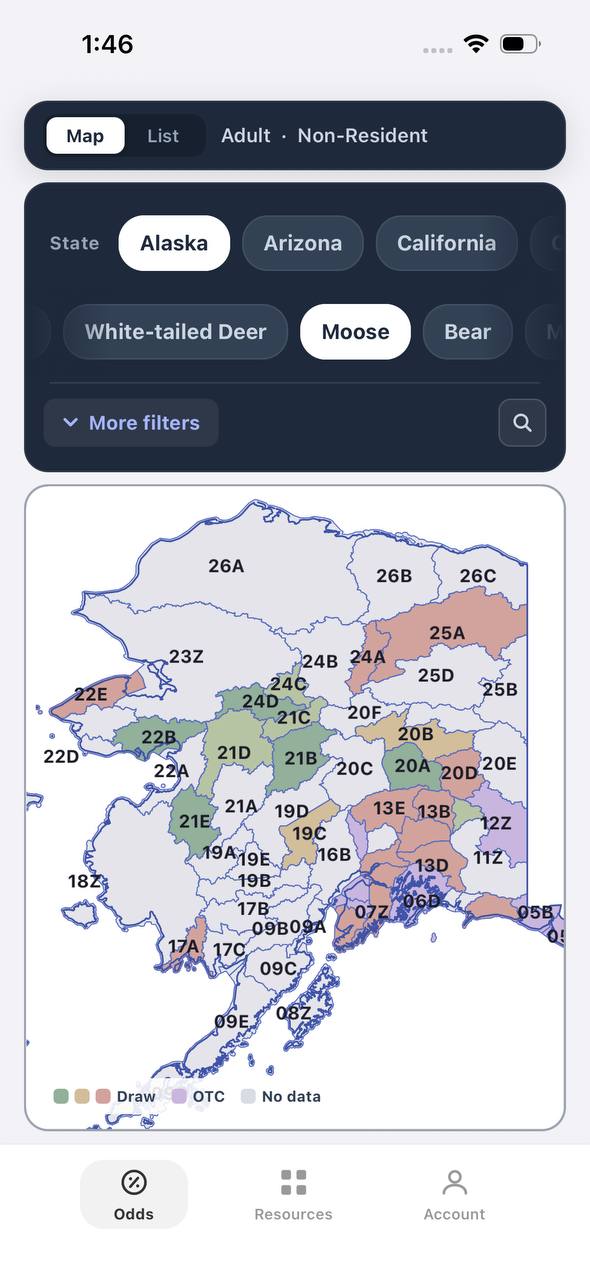
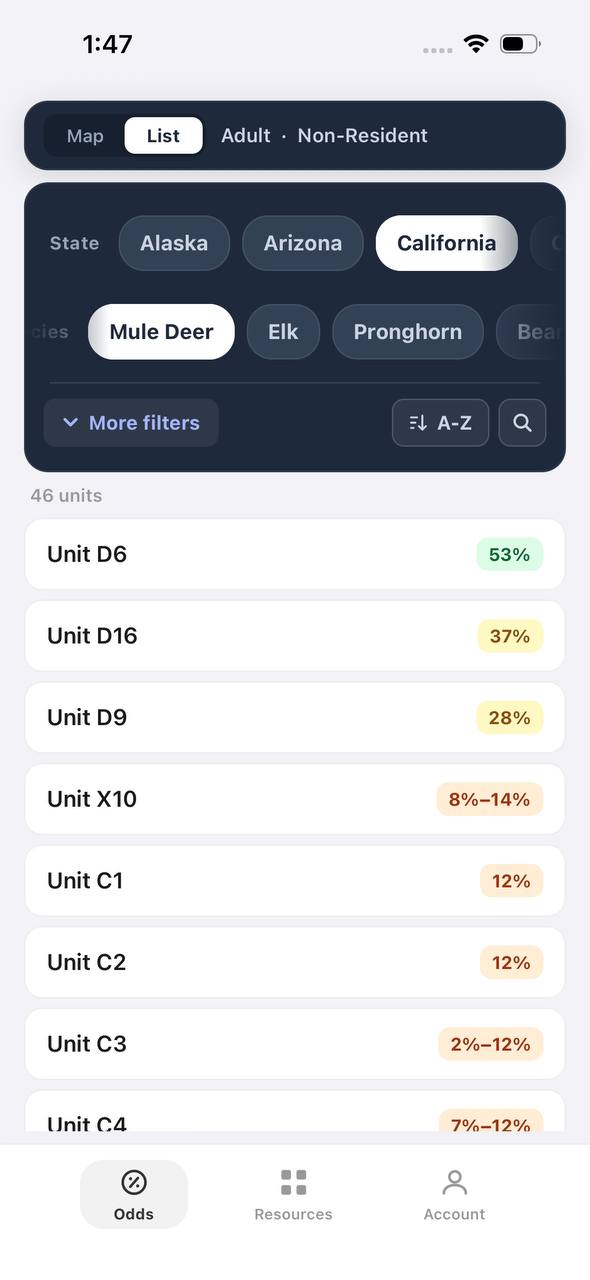
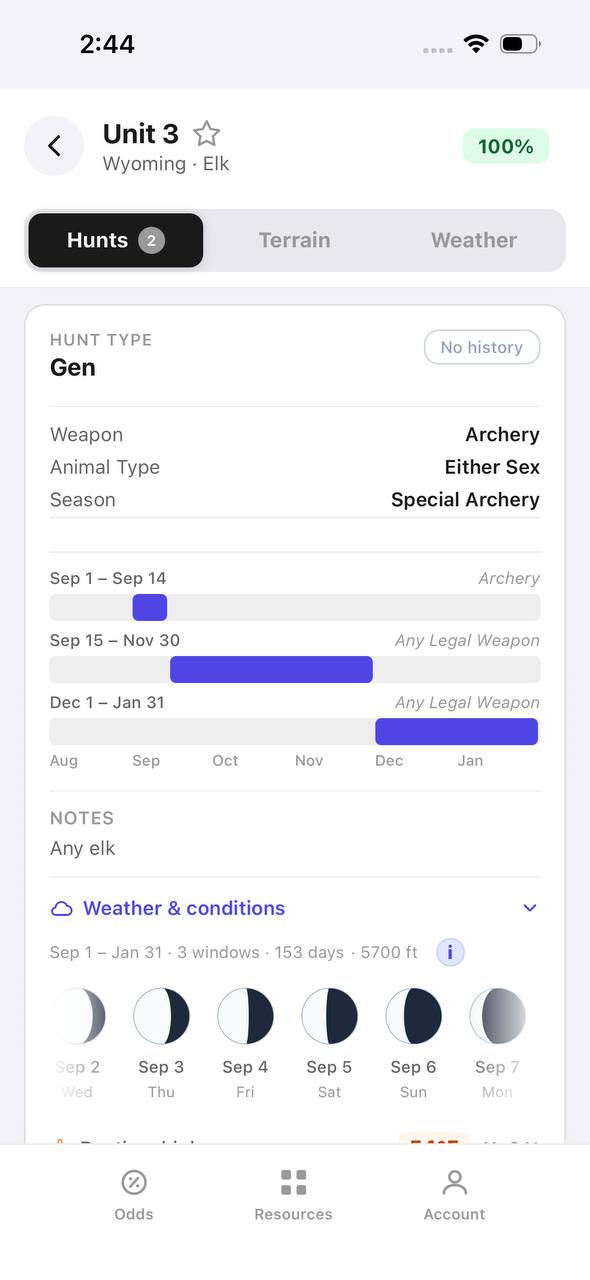
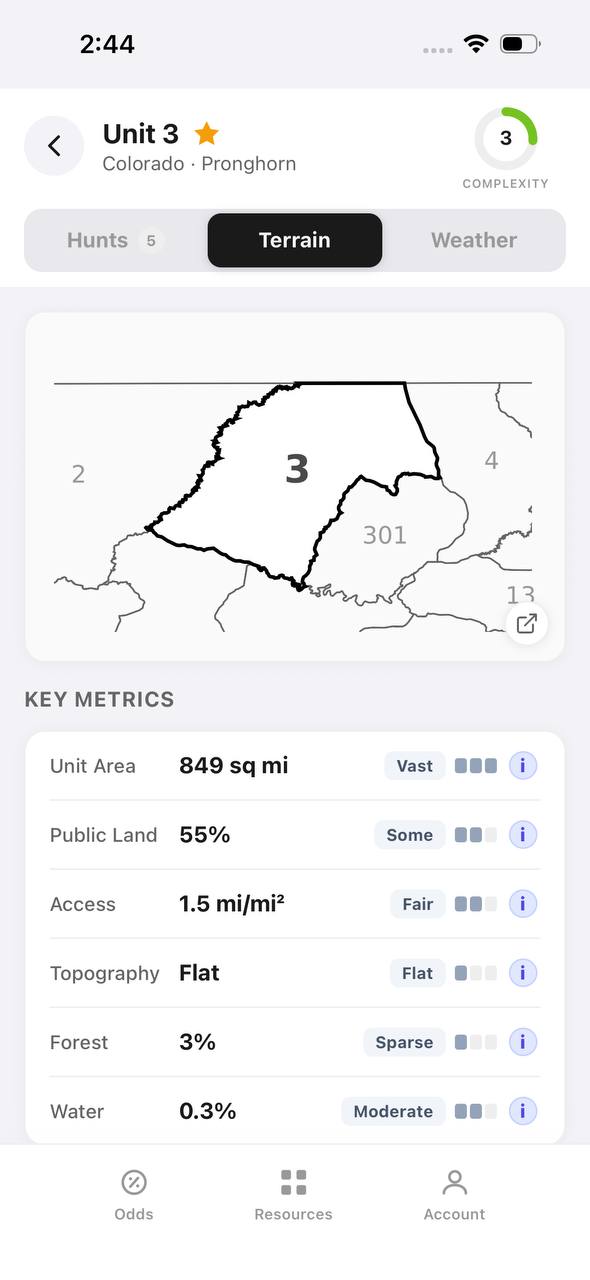
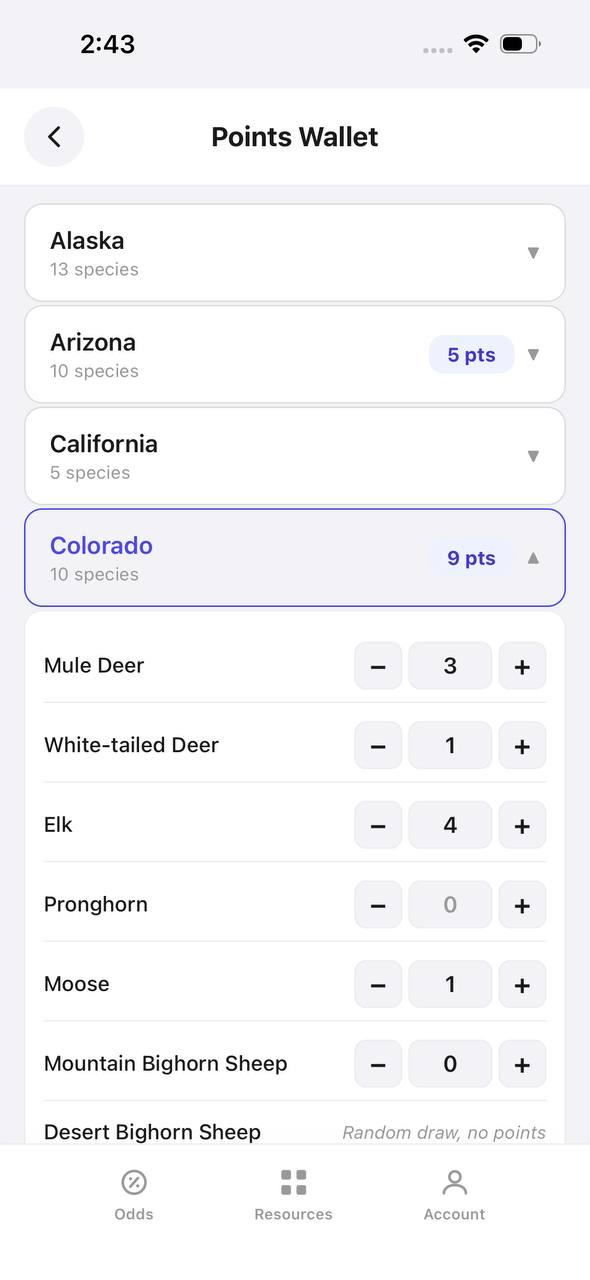
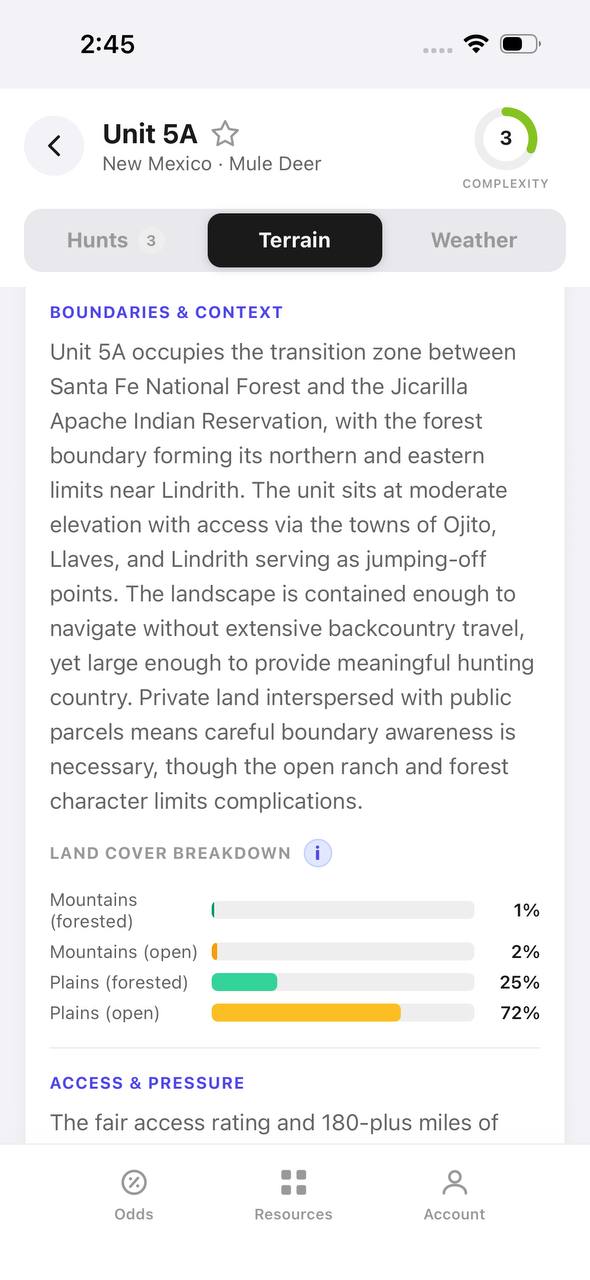
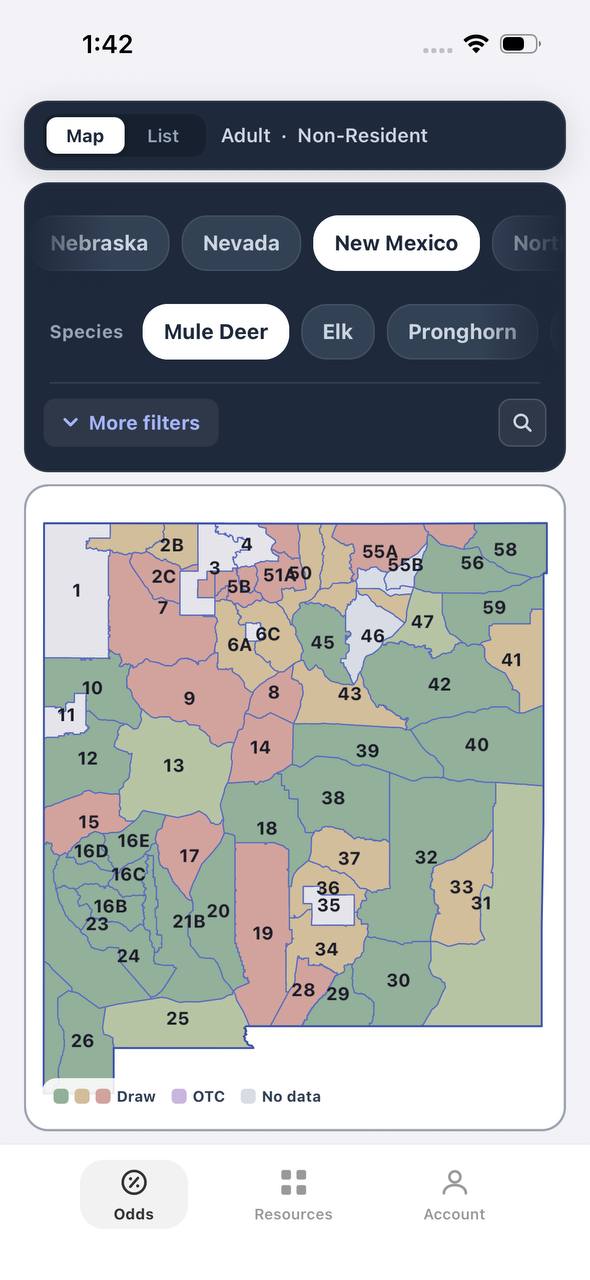
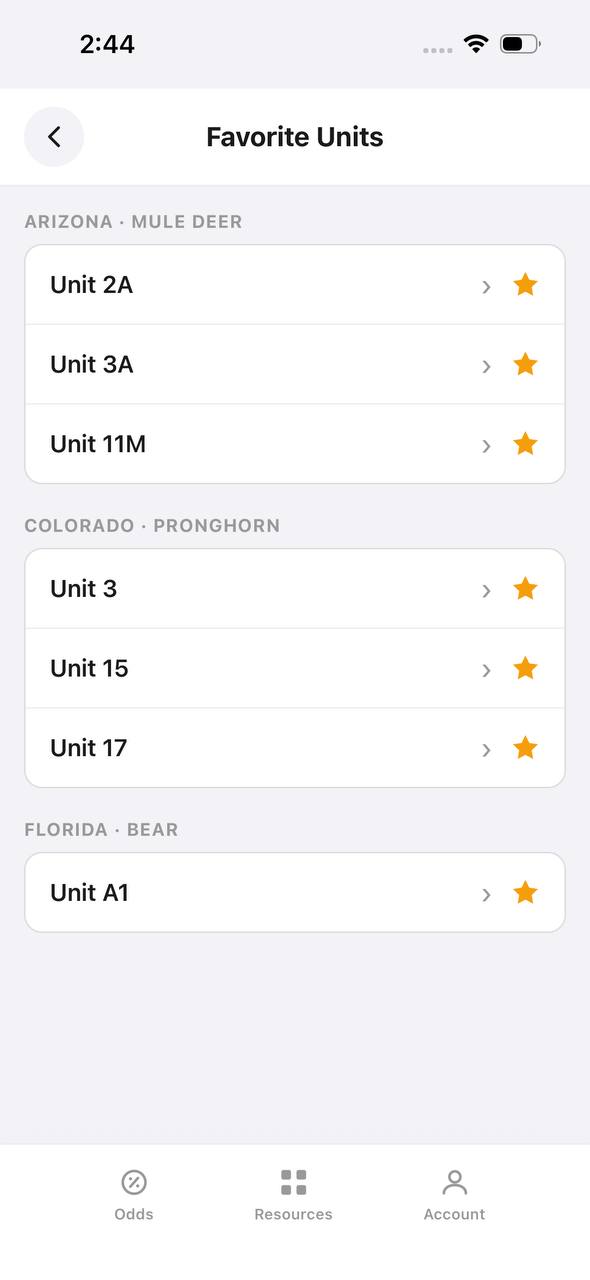
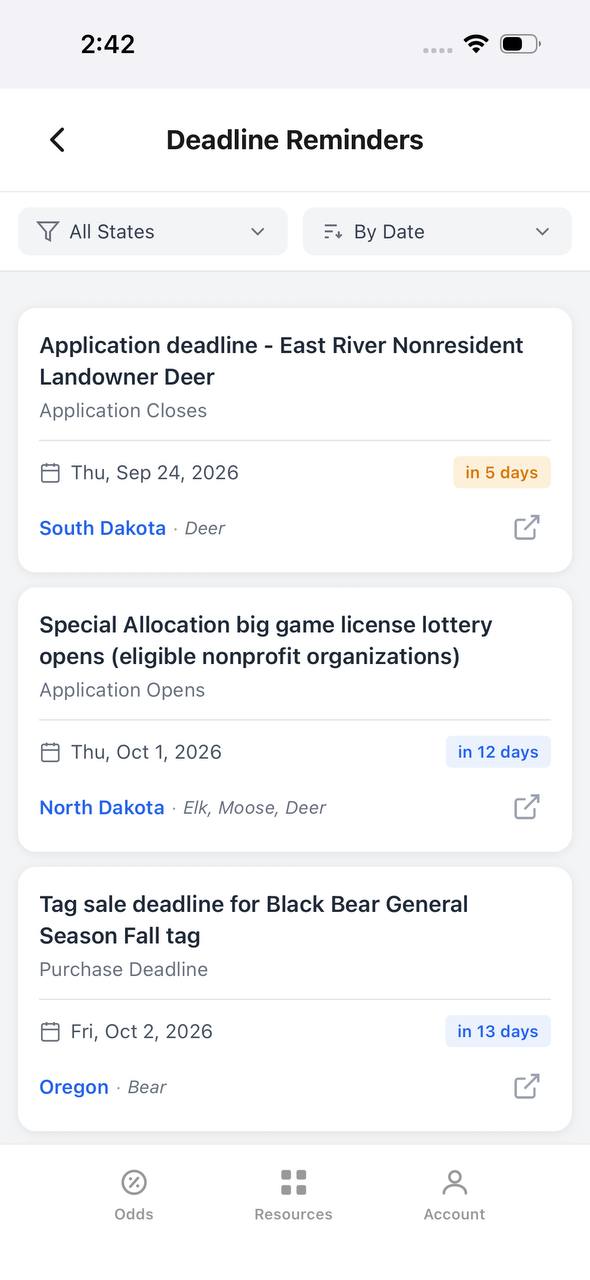
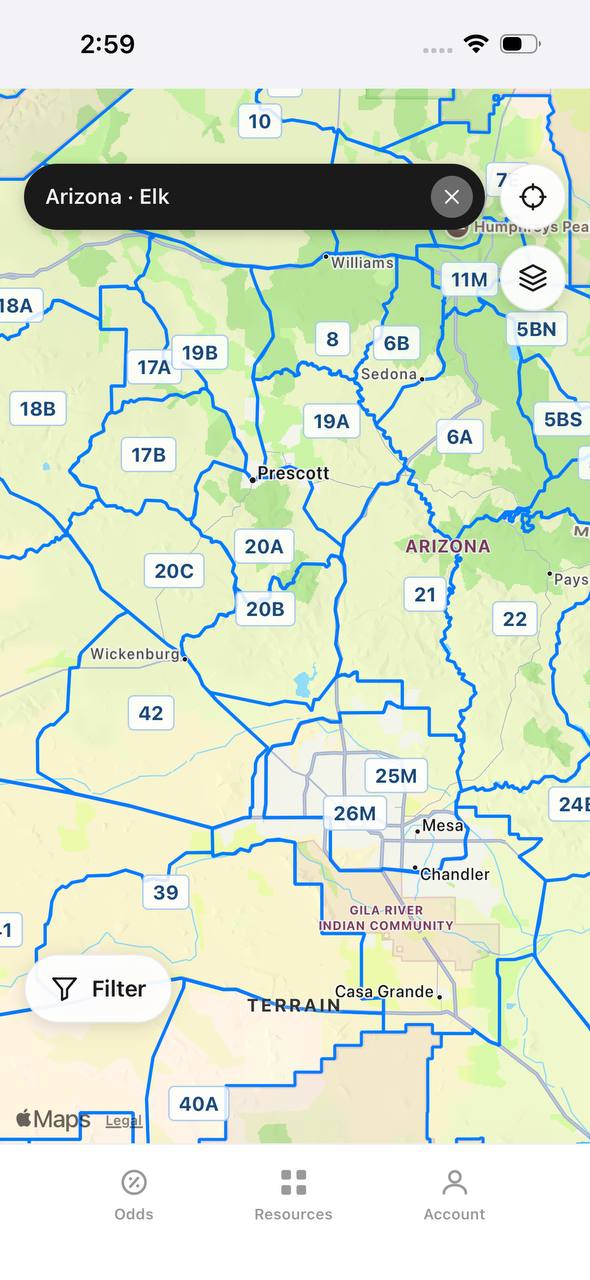
Start by creating a master tracking document that lists every state where you hold points, the species, your current point total, and the next application deadline. Include columns for point cost, whether the state offers a point-only option, and any notes about units you're targeting. Update this document immediately after every application season and again after draw results are posted. Many hunters use a simple spreadsheet, but platforms like TAGZ consolidate draw odds, point totals, and application deadlines in one dashboard, reducing the risk of oversight. Set calendar reminders for each state's application window at least two weeks in advance. Some states like Wyoming and Montana have narrow windows or require payment upfront, so last-minute scrambling can mean missing the deadline entirely. If you apply in five states, you're managing at least five deadlines per species per year — more if you're chasing multiple species.
Evaluate Whether to Burn or Build in Each State
Not every point pool deserves continued investment. Each year, review your point totals against current draw odds for your target units. If you've reached the threshold where you can draw a hunt you actually want, consider applying for the tag rather than banking another point. Holding points indefinitely waiting for a "perfect" hunt often backfires as point creep pushes your target units further out of reach or interest shifts as you age. Conversely, if you're only halfway to competitive odds in a state like Arizona for desert bighorn sheep, buying another point makes sense. The key is honest self-assessment: will this unit still appeal to you in three years? Can you physically handle the terrain? Are you prepared to hunt it if you draw? Hunters who fail to burn points when the time is right often find themselves sitting on 15 Colorado elk points with no intention of ever using them. For states where you're not actively building toward a specific hunt, consider dropping out of the point game entirely. The annual fees add up, and those dollars could fund an over-the-counter hunt or a different state's application.
Consult official state wildlife agency resources when evaluating point values and draw odds. For Colorado elk and deer point strategies, review the Colorado Parks and Wildlife Big Game Draw information. Wyoming hunters should reference the Wyoming Game and Fish Department Preference Point System for current rules and draw statistics. Arizona's bonus point system is detailed on the Arizona Game and Fish Department Draw Page. Montana's bonus point rules for deer, elk, and antelope are explained on the Montana Fish, Wildlife & Parks Bonus Point Page. Always verify point costs, refund policies, and species-specific rules directly with the state before committing to another year of point purchases.
Coordinate Applications to Hunt Every Year
Building points in multiple states allows you to hunt annually even while chasing trophy units that require years of point accumulation. Structure your applications so that you're applying for a realistic tag in at least one state per year. For example, you might burn Wyoming antelope points on a mid-tier unit, apply for a low-point Colorado muzzleloader elk hunt, and continue banking Arizona and Nevada points for future premium draws. This approach keeps you in the field while maintaining long-term point portfolios. Many hunters fall into the trap of applying only for top-tier units across all states, which often results in zero tags and years without hunting. Diversify your strategy. Use states with generous general or over-the-counter seasons like Montana and Idaho to fill gaps when draw hunts don't pan out. The goal is to maximize hunting opportunities while still advancing toward your high-point-requirement dream hunts.
Free to join
Download mobile app
- Detailed draw odds
- Point tracking
- Deadline reminders
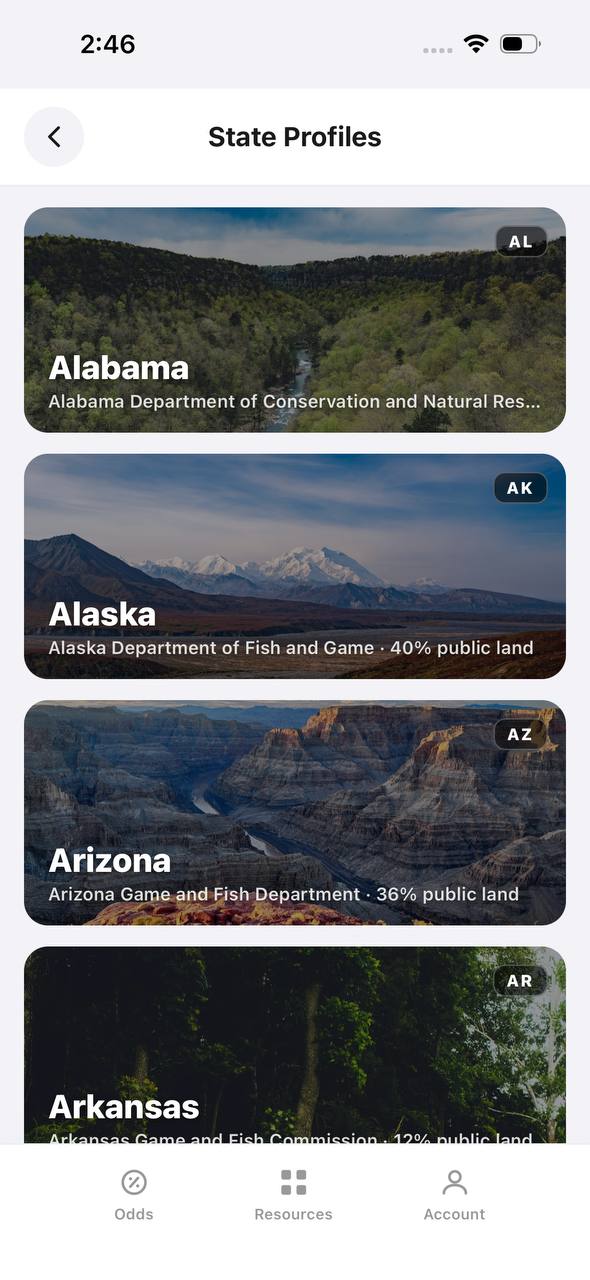
- 19 states covered

Free to join
Download mobile app
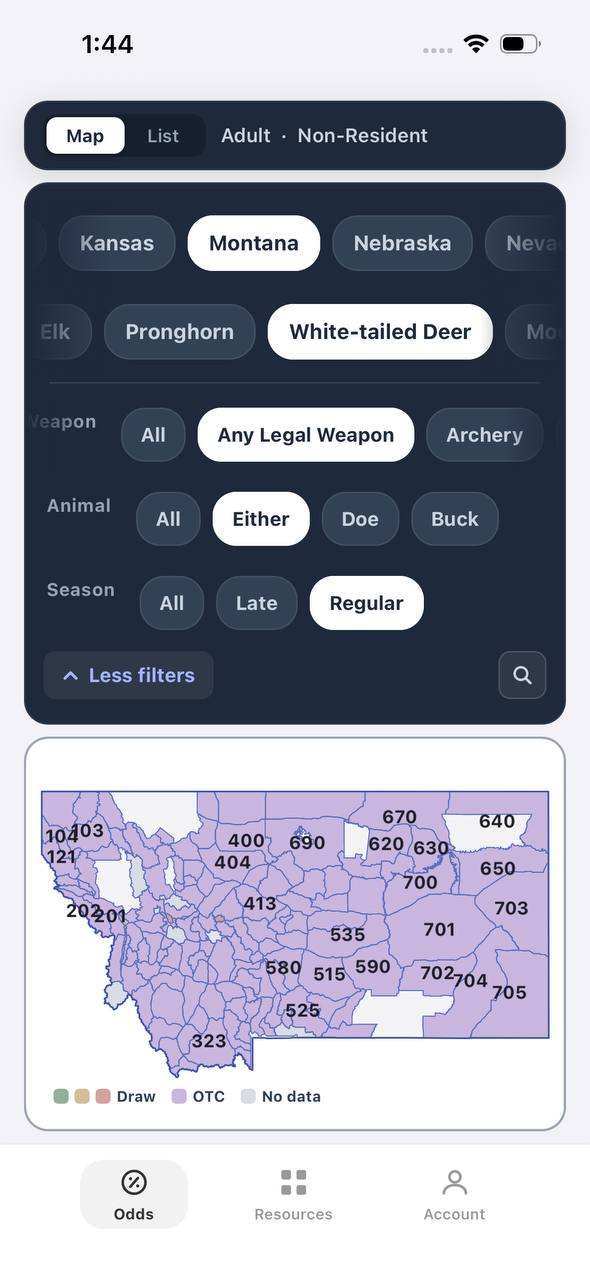
- Detailed draw odds
- Point tracking
- Deadline reminders
- 19 states covered
Free to join
Download mobile app
- Detailed draw odds
- Point tracking
- Deadline reminders
- 19 states covered
Understand State-Specific Point Rules and Pitfalls
Every state has quirks that can trip up multi-state applicants. Colorado refunds your point if you don't draw in the first choice, but only if you list that hunt first. Wyoming requires upfront tag fees for some species, meaning you're fronting hundreds of dollars per application. Arizona's bonus point system is squared, so 10 points give you 100 entries in the draw, but you can also lose all points by drawing any hunt. Montana's bonus points apply to nonresident combination licenses for general deer and elk, but limited-entry permits use separate squared bonus points that reset after a draw. New Mexico has no point system at all — it's a pure lottery every year. Failing to understand these nuances leads to costly mistakes. Before applying in a new state, read the official regulations cover to cover. Many states publish draw odds reports that show point distributions for every unit and hunt code. Use these reports to identify realistic targets and avoid wasting applications on hunts that require more points than you'll ever accumulate.
Plan for the Long Game and Life Changes
Your point strategy should evolve with your hunting goals, physical capabilities, and life circumstances. A 30-year-old building points for a Wyoming Region G elk hunt has a different timeline than a 55-year-old eyeing the same unit. If your knees aren't what they used to be, banking points for a backcountry sheep hunt might not make sense. Family obligations, career changes, and retirement all affect how much time and money you can dedicate to hunting. Revisit your point portfolio annually and adjust. If you've been building points for a physically demanding hunt and realize you're no longer willing or able to do it, cash out those points on a hunt you'll actually enjoy. Points have no value if you never use them. Some hunters treat points as a status symbol rather than a tool for hunting. The best strategy is the one that gets you into the field on hunts you're excited about.
Use Technology to Simplify Multi-State Management
Managing points across five or six states by hand is tedious and error-prone. Digital tools centralize your data and automate reminders. TAGZ tracks your point totals, application deadlines, and draw odds for every Western state in one place, eliminating the need to log into multiple state portals or maintain separate spreadsheets. Set up email or push notifications for upcoming deadlines. Use draw odds filters to identify units where your current points make you competitive. Some hunters still prefer a physical notebook or Excel sheet, which works fine if you're disciplined about updates. The method matters less than consistency. Whatever system you choose, make it your single source of truth and commit to keeping it current. Missing a deadline because you forgot to update your tracker is an avoidable failure.
Common Mistakes to Avoid
Multi-state applicants make predictable errors that cost them points, money, or hunting opportunities. Applying for the same high-point unit year after year without checking updated draw odds wastes applications as point creep pushes the unit out of reach. Forgetting to buy a hunting or conservation license before the point deadline in states like Wyoming and Montana can disqualify your application. Listing a low-odds first choice and a realistic second choice in Colorado forfeits your point even if you draw the second-choice tag. Letting points expire by missing consecutive application years throws away years of investment — most states require annual participation to maintain points. Applying for a hunt without researching current herd health, access changes, or season-date conflicts leads to buyer's remorse if you draw. Double-check every application before submitting. Review your strategy with other hunters or online forums to catch blind spots.
When to Drop a State from Your Portfolio
Not every state deserves a permanent spot in your point-buying rotation. If you've been building points in a state for five years and still have no clear path to a hunt you want, it might be time to cut your losses. Point creep in some states has become so severe that mid-level units now require double-digit points, and trophy units are functionally unattainable for new applicants. If the annual cost of buying points exceeds the value you place on a potential future hunt, redirect that money toward states where you're more competitive. Some hunters drop Nevada or Arizona after realizing they'll never accumulate enough points for a true trophy tag, then focus on states like Wyoming or Montana where lower-point hunts still offer quality experiences. This isn't quitting — it's smart resource allocation. The worst outcome is spending thousands on points you never burn because you overcommitted to too many states.
FAQ — Managing Multi-State Preference Points
How many states should I apply in each year?
Most serious hunters manage points in three to five states. Applying in more than six becomes expensive and difficult to track, while fewer than three limits your draw opportunities. Focus on states where you can realistically hunt if you draw.
Can I transfer or sell my preference points?
No. Preference and bonus points are nontransferable and have no cash value. If you stop applying, most states allow points to remain on your account indefinitely, but some states like Utah require annual participation to avoid point loss.
What happens to my points if I draw a tag?
It depends on the state and species. In Colorado, you lose your points for the species you drew. In Wyoming, you lose points only for the specific hunt type you drew (e.g., antelope points are lost if you draw antelope, but elk points remain). Arizona bonus points are lost if you draw any big-game tag. Always check the specific state's rules.
Should I buy points for species I've never hunted?
Only if you're committed to learning that species and hunting it when you draw. Buying points "just in case" wastes money unless you have a genuine plan. Focus on species you actively research and want to hunt within the next five to ten years.
How do I know when my points are competitive for a unit?
Review the state's official draw odds reports, which show the number of applicants and points required to draw each hunt code. Units where 50 percent or more of successful applicants had your point total or fewer are realistic targets. TAGZ draws odds tools filter units by your current points to show where you're competitive.
Is it better to apply for one premium unit or spread applications across multiple hunts?
That depends on your goals. If you're willing to wait years for a trophy hunt, a single premium first-choice application makes sense. If you want to hunt sooner, list a realistic first choice and a backup second choice in states like Colorado that refund points for unsuccessful first-choice draws.
Was this article helpful?
Previous
5 Draw Application Mistakes That Cost Hunters Tags Every Year
Thousands of hunters lose tags to preventable application errors — from missed deadlines to incorrect preference point strategies. Here's how to avoid the most common and costly mistakes.

Related
Best Western States for Trophy Pronghorn Hunting Applications
Wyoming, Arizona, and New Mexico offer the best trophy pronghorn opportunities, with Montana and Nevada providing strong value for hunters willing to research units strategically.

Next
Nonresident Hunting License Requirements in Every Western State (2025 Guide)
A complete breakdown of nonresident hunting license requirements across all eleven Western states, including application deadlines, point systems, and costs for elk, deer, and other big game species.