5 Draw Application Mistakes That Cost Hunters Tags Every Year
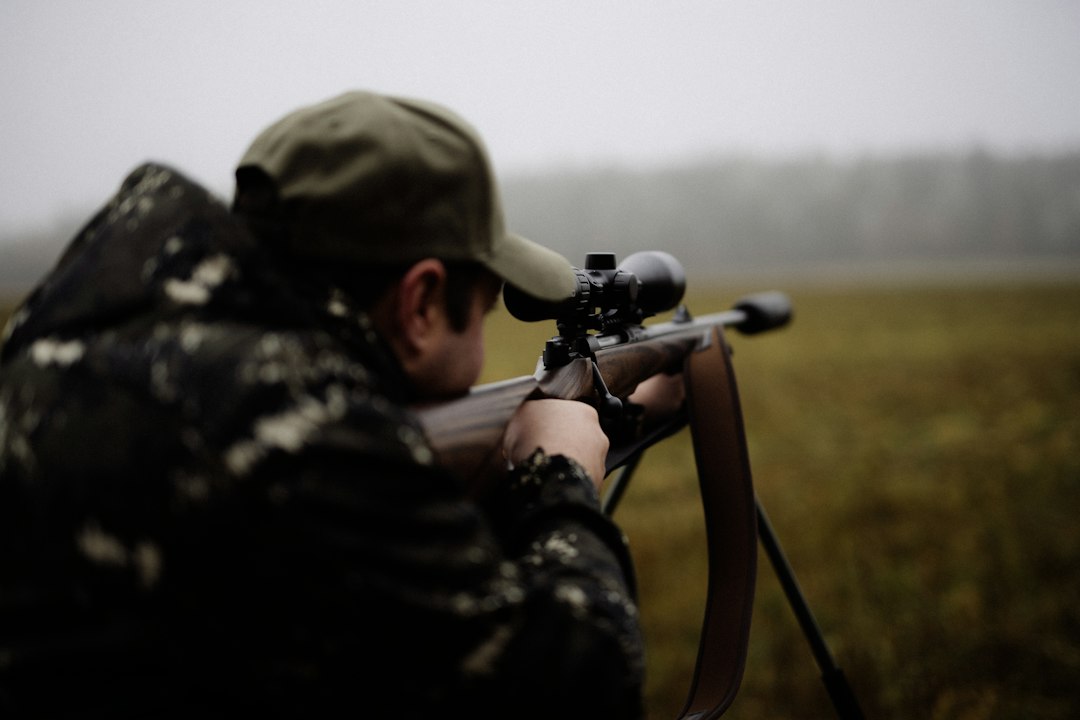
Every spring, thousands of western hunters submit draw applications for elk, mule deer, pronghorn, and other big game tags. Many will draw. Many more will burn points or lose opportunities entirely because of avoidable mistakes made during the application window. The difference between drawing your dream tag and wasting years of accumulated points often comes down to understanding how the system works — and knowing where applicants commonly go wrong.
Applying in the Wrong Preference Point Pool
One of the most expensive mistakes hunters make is misunderstanding how preference points work in their target state. Not all point systems are created equal, and applying in the wrong pool can cost you a tag you should have drawn or waste points you've been building for years.
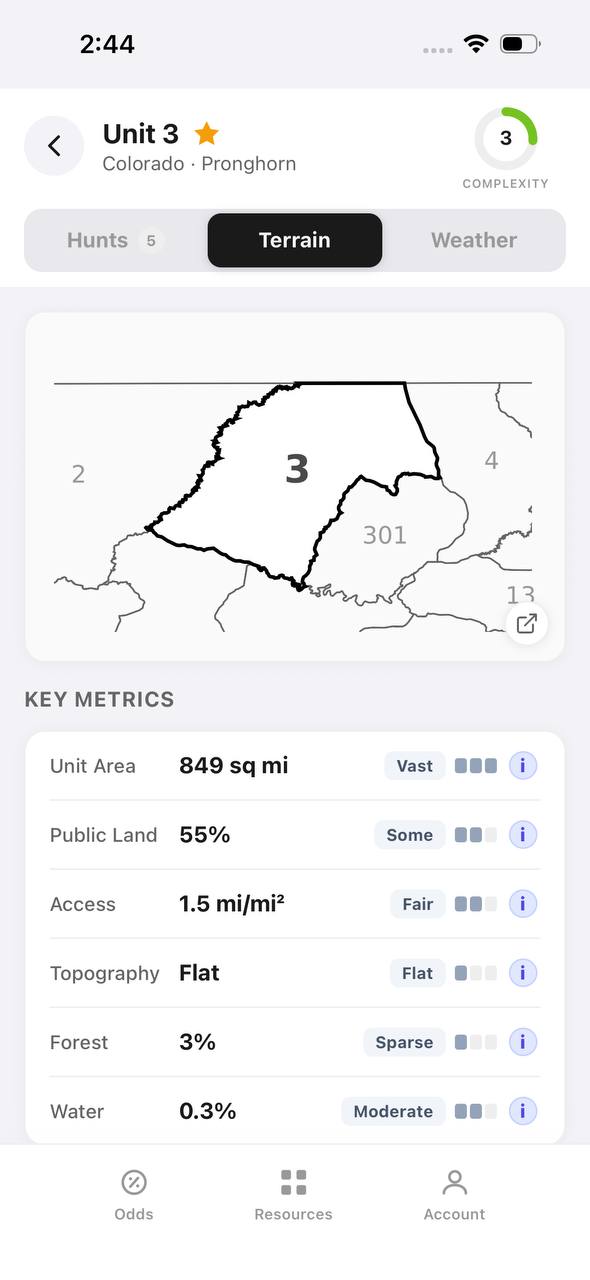
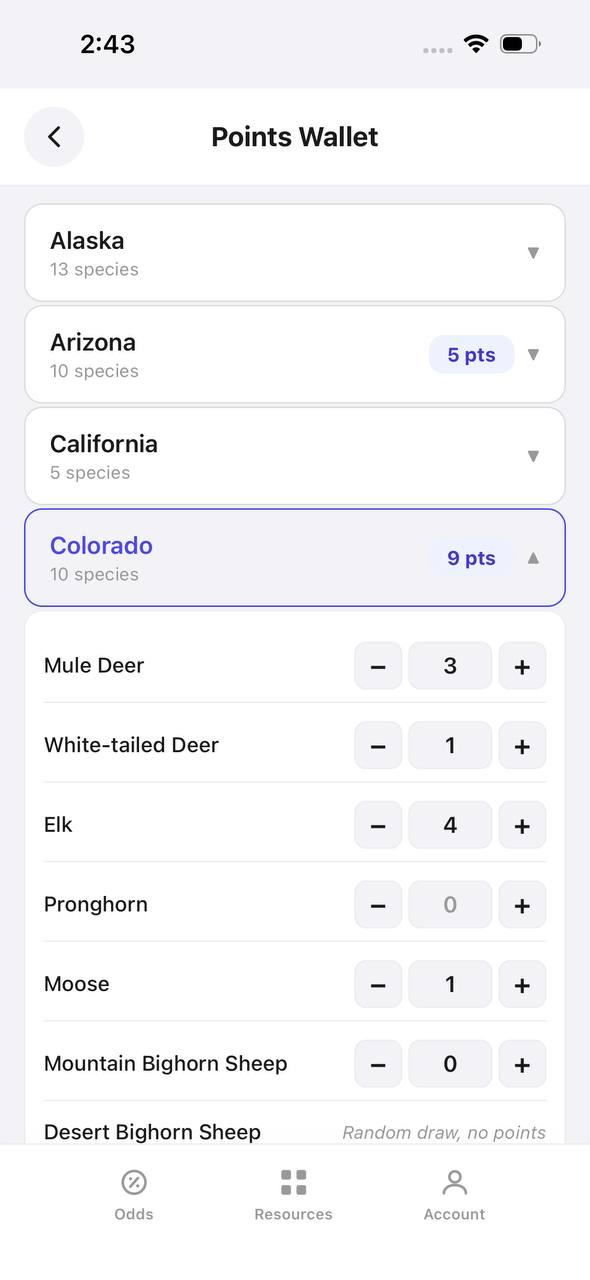
Colorado operates a weighted preference point system where applicants with more points have proportionally higher odds in the random draw. If you apply for a unit that takes five points to draw with 100 percent odds but you only have three points, you're not building toward that tag — you're just entering a lottery with poor odds. Meanwhile, units requiring two to three points offer near-guaranteed draws you're overlooking. Many hunters chase trophy units without researching realistic point requirements, burning years in low-odds pools when better opportunities exist. Always check the Colorado Parks and Wildlife draw statistics before committing your points.
Wyoming splits nonresident tags into preference point and random pools. Seventy-five percent of tags go to the preference point pool, where high-point holders draw first. The remaining 25 percent are random, meaning a first-time applicant can draw a premium tag while hunters with ten points strike out. If you're sitting on eight Wyoming preference points but keep applying for a unit that takes twelve to guarantee, you're stuck in limbo. Either commit to waiting four more years or pivot to a unit you can draw now. Applying with the wrong strategy wastes time and money. Review the Wyoming Game and Fish draw results to understand where your points actually position you.
Missing Critical Application Deadlines
Missing a deadline is the fastest way to lose a year of hunting opportunity — and in some states, it costs you more than just that season. Western state draw deadlines are firm, often falling months before the hunt. There are no extensions, no grace periods, and no exceptions for forgotten passwords or payment issues.
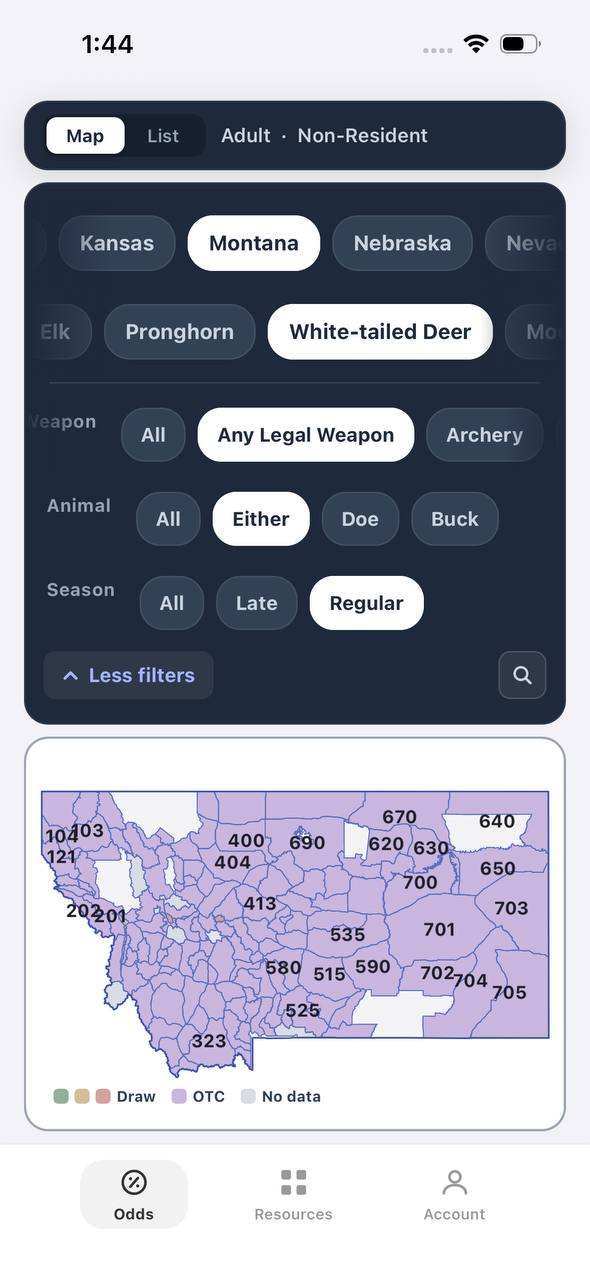
Montana's nonresident combination license deadline typically falls in mid-March for hunts occurring in the fall. If you miss it, you cannot hunt general-season elk or deer in Montana that year, period. The state does not offer a secondary draw or leftover license pool for nonresident combinations. Worse, if you're building bonus points and forget to apply, you lose that year's point accumulation. Montana operates on a bonus point system where each point gives you an additional entry in the draw — but only if you apply. Check the Montana Fish, Wildlife & Parks application page well before the deadline and set multiple calendar reminders.
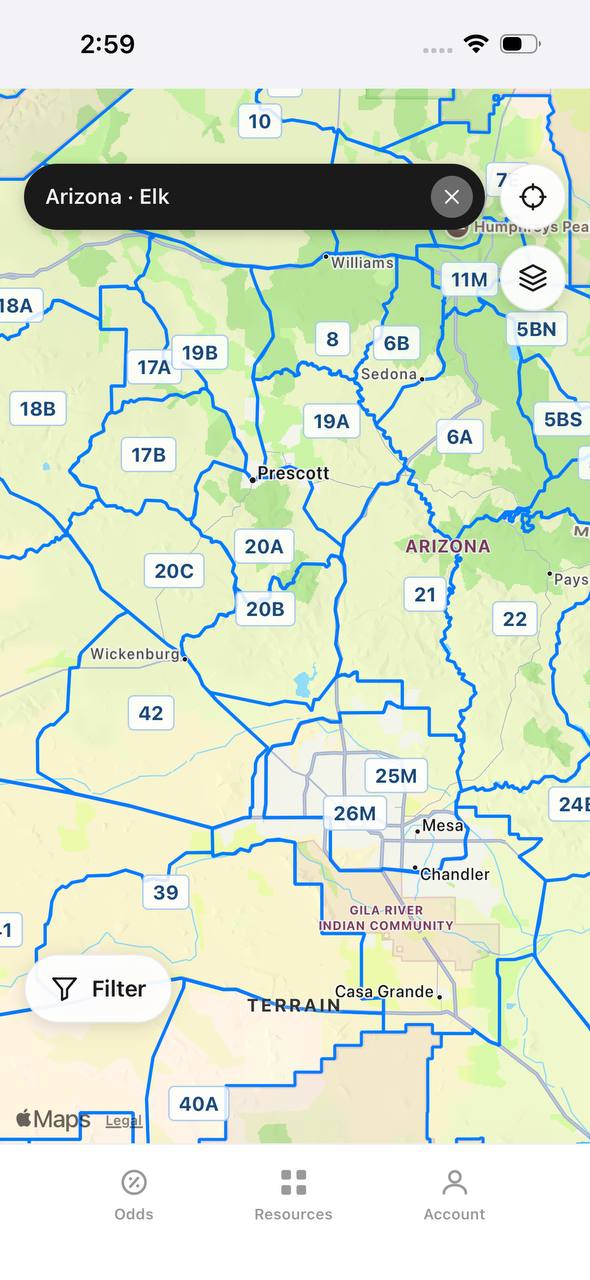
Arizona's draw deadline usually lands in mid-June, but the application window opens months earlier. Many hunters wait until the last week to apply and encounter website crashes, credit card issues, or forgotten hunter ID numbers. Arizona also charges application fees upfront for each species and hunt choice, so a technical glitch at 11:59 PM on deadline day means you're out of luck. If you're applying for multiple species or as a group, start early. The Arizona Game and Fish draw page provides current deadlines and application instructions.
Choosing Units Based on Outdated Information
Draw odds and unit quality change every year. Applying based on outdated research, old hunting reports, or information from several seasons ago is a common mistake that leads to disappointment. Units that were sleeper opportunities three years ago may now be oversubscribed. Units that were point sinks may have declining draw odds due to habitat changes, fire, or shifts in herd populations.
Utah's draw odds fluctuate significantly year to year, especially for general-season deer and elk units. A unit that took two points to draw in 2022 might take four in 2024 due to increased applicant pressure or reduced tag numbers. Relying on a forum post from two seasons ago without checking current draw statistics leaves you underprepared. Always reference the most recent data from the Utah Division of Wildlife Resources draw results before finalizing your application.
Public land access and hunting quality also shift. Units that were productive five years ago may have experienced significant wildfires, reduced herd numbers, or increased hunting pressure. Cross-reference draw odds with current herd population estimates and harvest statistics. If a unit's success rates are declining while draw odds remain high, that's a red flag. Do your homework every year, not just once.
Group Applications and Party Strategy Errors
Applying as a group can be a great way to hunt with friends or family, but it also introduces complications that trip up many applicants. Group applications require every member to agree on hunt choices, and in most states, the group's draw odds are determined by the member with the fewest points. If you're applying as a party and one member has zero points while you have eight, your odds drop to match the lowest point holder. That can be a costly sacrifice if you're not expecting it.
In Wyoming, group applications average the points of all party members for deer and elk draws. If you're a solo applicant with six points applying for a unit that requires five to draw, you'll likely succeed. Add a buddy with three points, and your average drops to 4.5 — now you're both unlikely to draw. Unless you're committed to hunting with that specific person and willing to wait longer, applying solo may be the smarter choice. The Wyoming Game and Fish party application rules explain how group averaging works for each species.
Some states also penalize group applications by reducing flexibility. Idaho's controlled hunt system allows group applications, but the entire party must agree on the same hunt choices in the same order. If you're trying to maximize odds across multiple units and seasons, applying as a group limits your options. Groups also require every member to have the correct license type, accurate information, and successful payment processing. One person's mistake can sink the whole party's application. For Idaho-specific controlled hunt information, visit the Idaho Department of Fish and Game controlled hunts page.
Free to join
Download mobile app
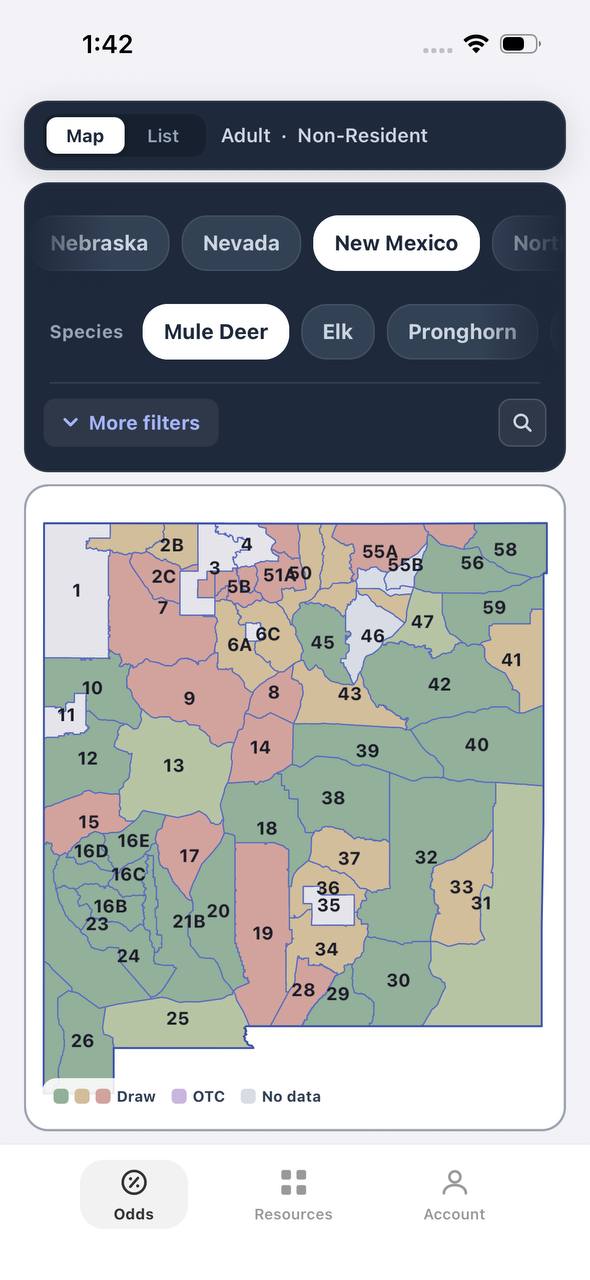
- Detailed draw odds
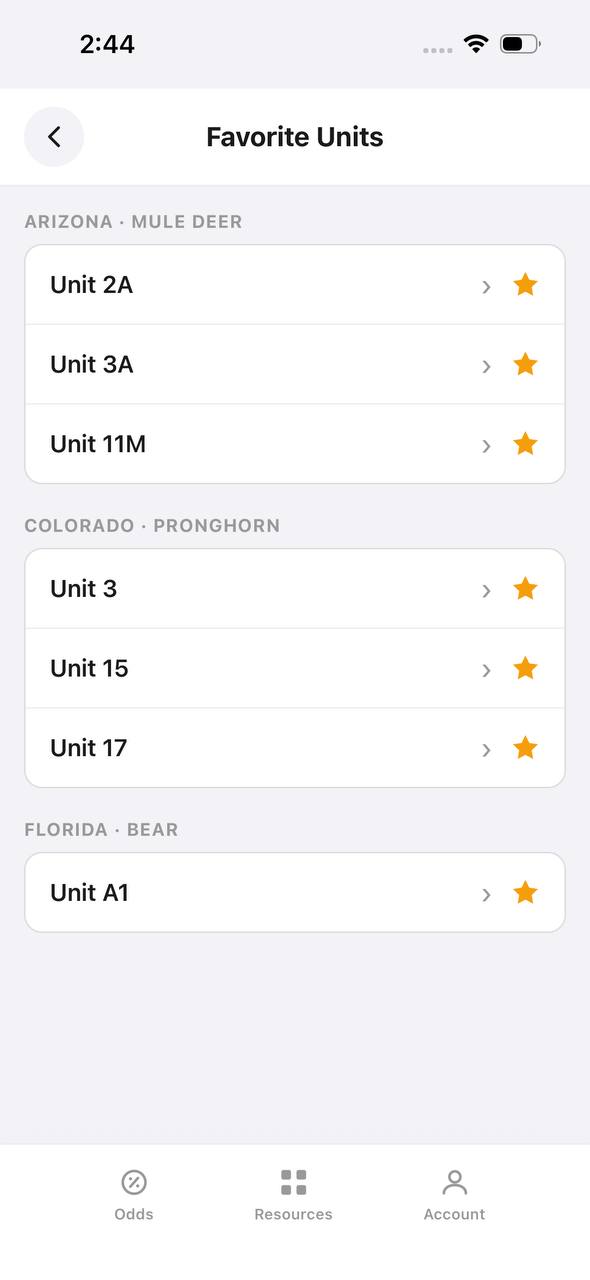
- Point tracking
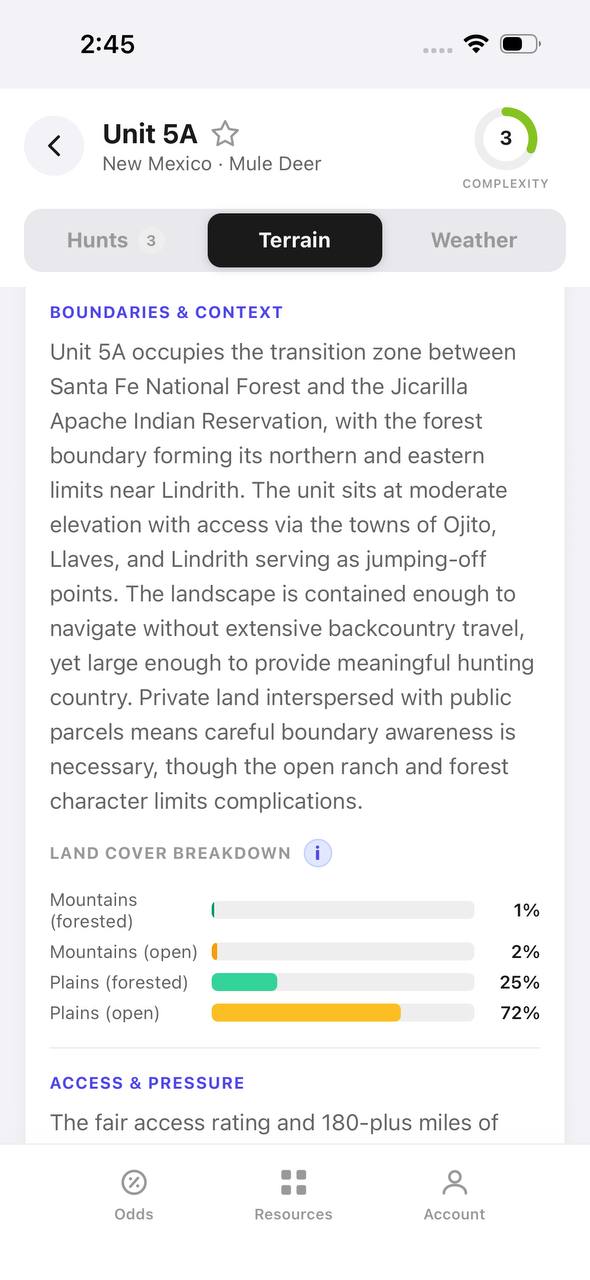
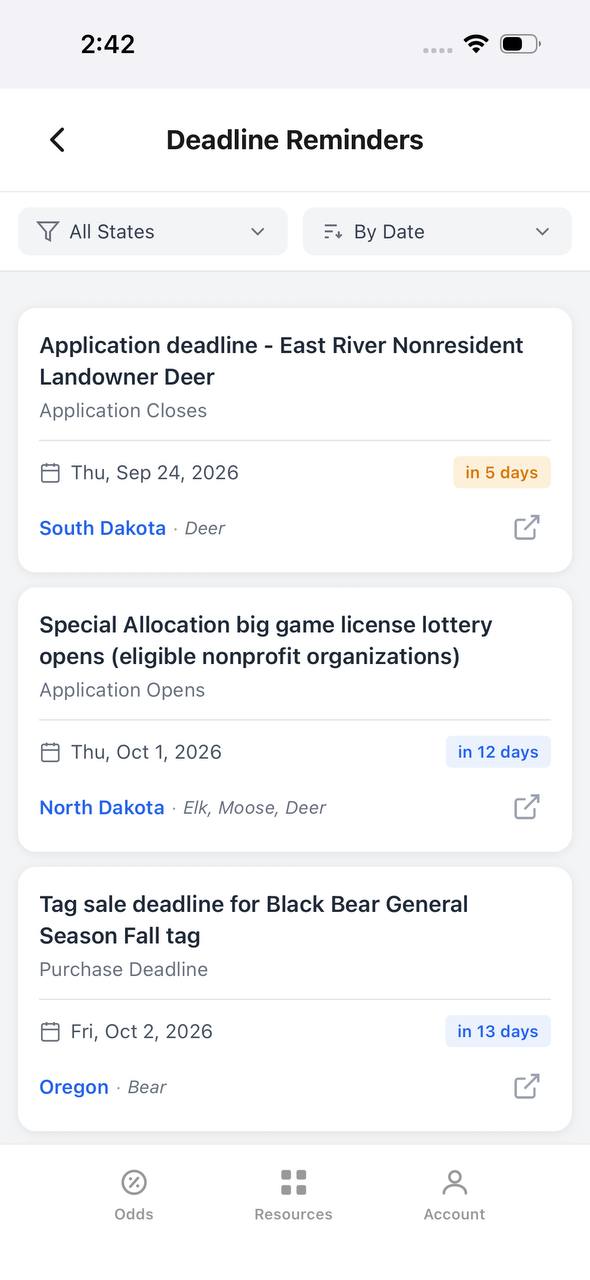
- Deadline reminders
- 19 states covered

Free to join
Download mobile app
- Detailed draw odds
- Point tracking
- Deadline reminders
- 19 states covered
Free to join
Download mobile app
- Detailed draw odds
- Point tracking
- Deadline reminders
- 19 states covered
Failing to Build a Backup Plan
Many hunters put all their eggs in one basket by applying only for their top-choice unit without designating second or third choices. If your first choice requires more points than you have or the draw odds are low, failing to list backup options means you draw nothing — and in some states, you lose your points anyway.
New Mexico operates a pure random draw with no preference points. Every applicant has equal odds regardless of how many years they've applied. If you apply only for a premium elk unit with 1 percent draw odds and don't list backup hunts, your chances of drawing any tag are slim. New Mexico allows up to five hunt choices per application. Listing realistic second and third options dramatically increases your odds of drawing something. Even if your top choice is a long shot, you can still secure a quality hunt by thinking strategically. Check the New Mexico Department of Game & Fish draw odds before applying.
Colorado also penalizes applicants who fail to plan. If you apply with high points for a low-odds unit and don't list alternatives, you might draw nothing and return your points. Some hunters assume they'll automatically keep building points if they don't draw, but that only happens if you check the preference point-only option. If you apply for hunts without a backup plan, you risk going home empty-handed.
FAQ — Draw Application Mistakes
What is the most common mistake first-time draw applicants make?
Missing the application deadline or failing to understand how preference points work. Many new applicants assume they can apply any time before the season, but most western states close applications months in advance. First-timers also often apply for units requiring five to ten points without realizing they need to build points over several years.
Can I get my points back if I make a mistake on my application?
It depends on the state and the type of mistake. Most states do not refund points if you apply incorrectly, miss the deadline, or draw a tag and choose not to hunt. Some states allow you to withdraw an application before the draw deadline and retain your points, but once the draw runs, your points are spent or lost. Contact the state wildlife agency immediately if you discover an error.
Should I apply as a group or solo for better draw odds?
Applying solo usually gives you better odds unless every member of your group has similar point totals. Many states average group points or use the lowest point holder's total, which reduces your chances. If hunting with friends is your priority and you're willing to wait longer, group applications make sense. If maximizing your odds is the goal, apply individually.
What happens if I apply for a hunt and don't draw?
In most preference point states, you'll receive a point for the following year. In random draw states like New Mexico or Idaho, you simply try again next year with the same odds. Some states also offer leftover license sales or second draws for tags that go unallocated, giving you another chance without spending points.
How do I know which units to apply for if draw odds keep changing?
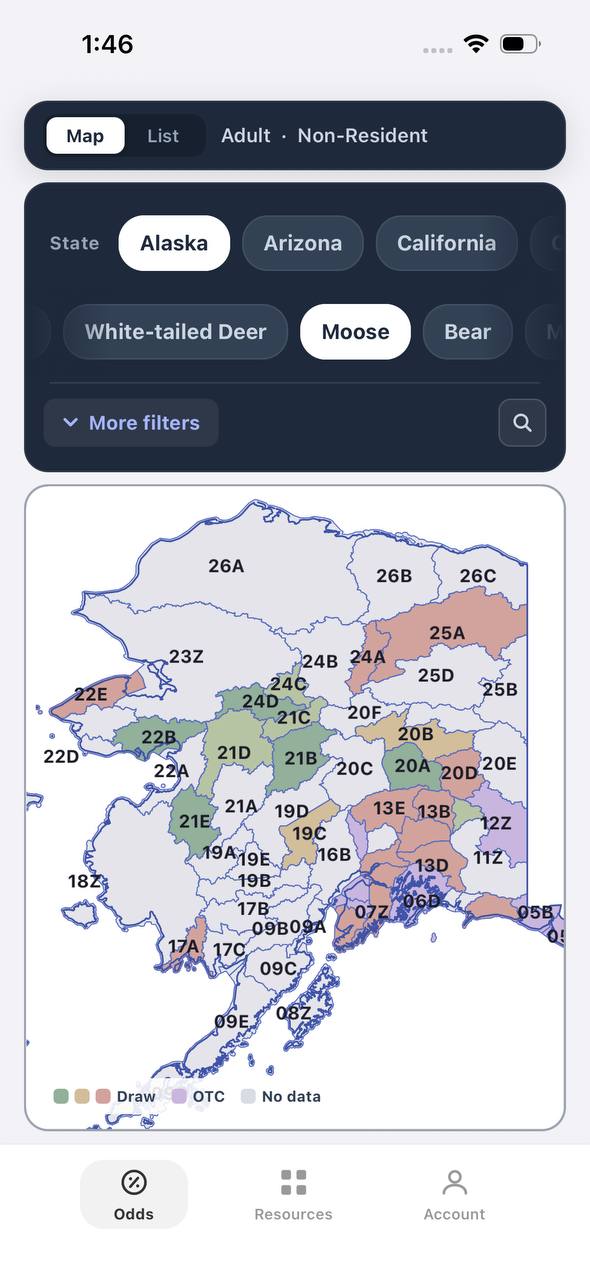
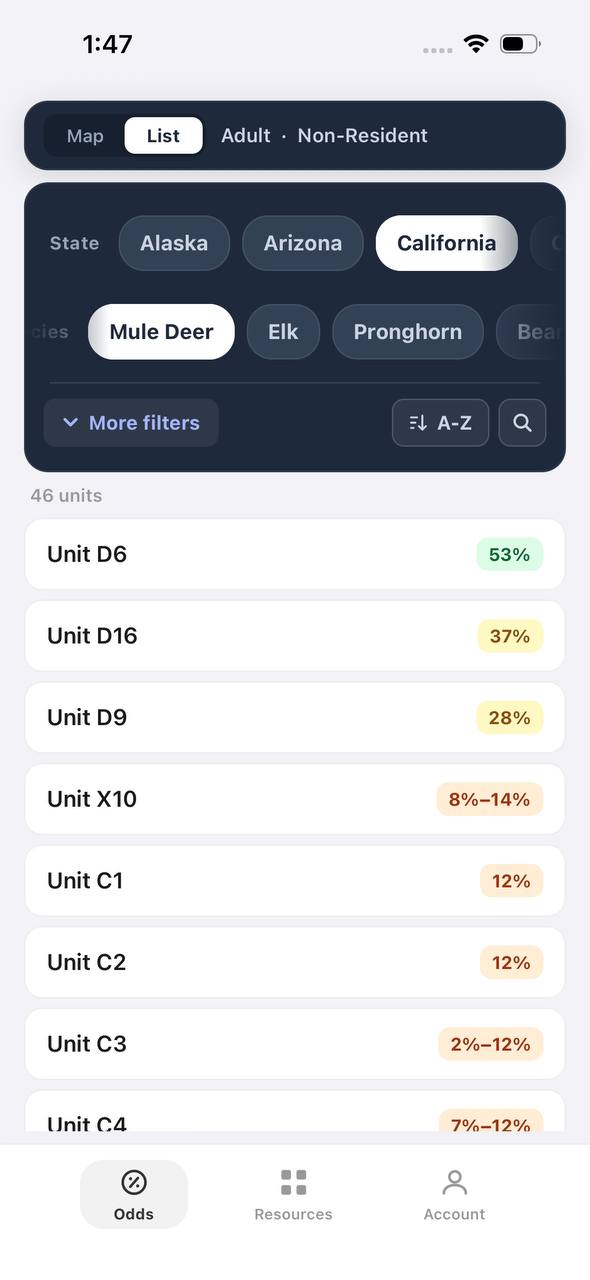
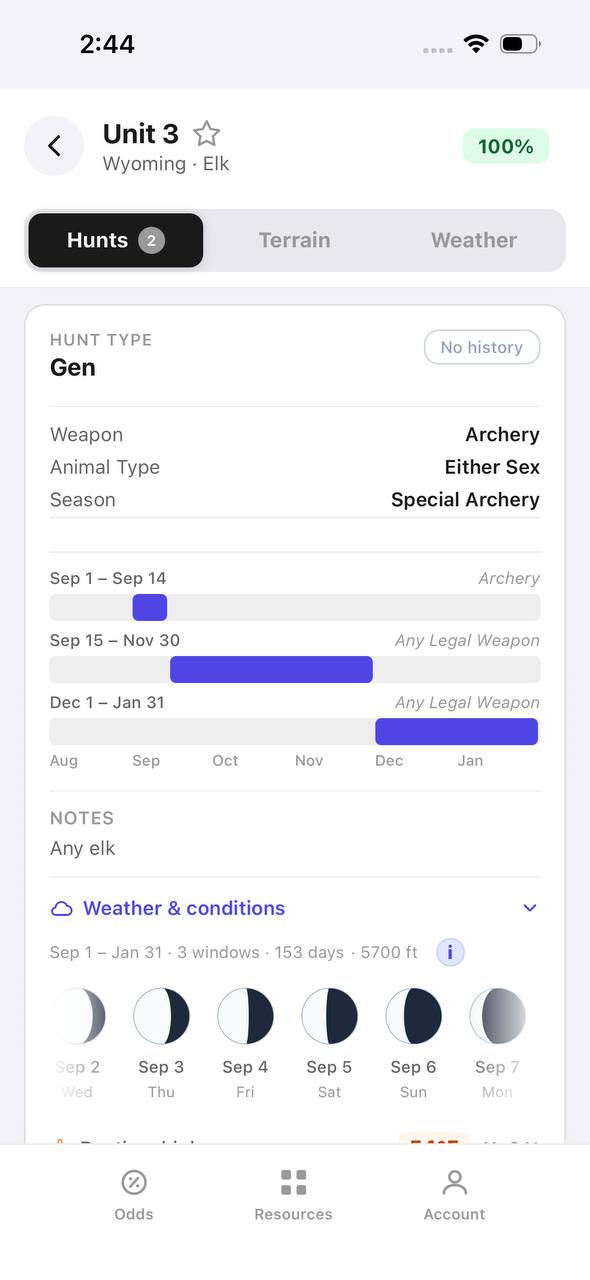
Use the most recent official draw statistics from the state wildlife agency, cross-reference harvest success rates, and check for recent changes in tag allocations or herd populations. Online tools like TAGZ help hunters analyze draw odds, compare units, and plan applications based on current data. Never rely solely on anecdotal reports or outdated forum posts.
Is it better to burn points on a marginal unit or keep waiting for a premium tag?
That depends on your hunting goals and how long you're willing to wait. If you're sitting on five points and your dream unit requires ten, you're facing at least five more years of waiting — and odds may worsen during that time. Many experienced hunters advocate for applying with realistic expectations and hunting quality units you can draw now rather than waiting a decade for a tag that may not meet inflated expectations.
Was this article helpful?
Previous
How to Manage Hunting Preference Points Across Multiple States
Western hunters juggling preference points in multiple states need a system to track deadlines, evaluate point values, and decide when to burn versus build. Here's how to manage a multi-state point portfolio without missing critical application windows.
Related
Best Western States for Trophy Pronghorn Hunting Applications
Wyoming, Arizona, and New Mexico offer the best trophy pronghorn opportunities, with Montana and Nevada providing strong value for hunters willing to research units strategically.

Next
Nonresident Hunting License Requirements in Every Western State (2025 Guide)
A complete breakdown of nonresident hunting license requirements across all eleven Western states, including application deadlines, point systems, and costs for elk, deer, and other big game species.