How to Choose the Right Compound Bow for Hunting in 2026
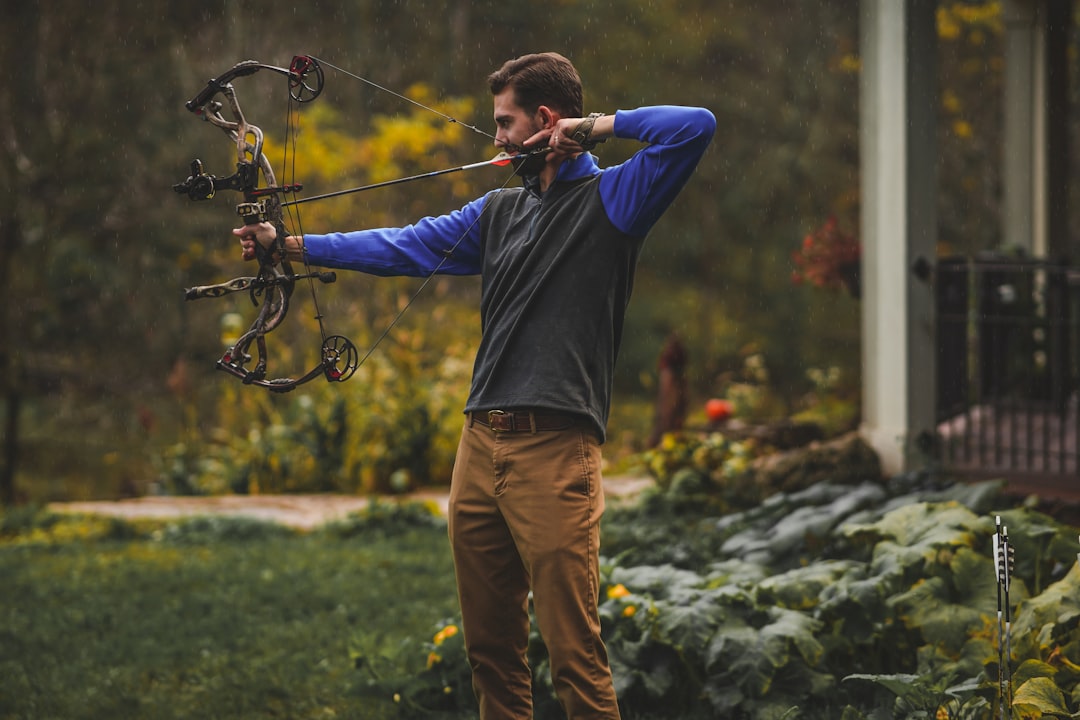
Choosing a compound bow is part science, part personal fit. Get the specs right and your setup becomes an extension of your body in the field. Get them wrong and you will struggle with accuracy, fatigue, and missed opportunities on game. With dozens of models released every year, knowing what to prioritize cuts through the noise and gets you shooting confidently before archery season opens.
Start with Draw Length — The Foundation of Fit
Draw length is the single most critical measurement when selecting a compound bow. It is the distance from the nock point on the string to the throat of the grip at full draw, and it must match your arm span and shooting form. Too short and you will feel cramped, anchor inconsistently, and lose arrow speed. Too long and you will strain to reach full draw, collapse your bow arm, and sacrifice accuracy.
To measure your draw length, stand with your back against a wall and extend both arms out to your sides, palms flat against the wall. Have someone measure your fingertip-to-fingertip wingspan in inches, then divide by 2.5. This gives you a starting point. Most adult male hunters fall between 28 and 31 inches. Women and younger hunters typically range from 24 to 28 inches.
Modern compound bows offer modular cam systems that adjust across a range of draw lengths without a bow press, often spanning 4 to 6 inches. This flexibility is valuable if you are still refining your form or if multiple family members will shoot the same bow. Flagship models from Mathews, Hoyt, Bowtech, and Elite all feature adjustable systems in 2026, making it easier to dial in your exact measurement at the pro shop or in your garage.
Draw Weight — Power Meets Control
Draw weight is the amount of force required to pull the bow to full draw, measured in pounds. For hunting, you need enough kinetic energy to achieve complete pass-throughs on big game at realistic yardages, but not so much weight that you cannot hold steady at full draw or draw smoothly in cold weather or awkward positions.
Most western states require a minimum draw weight of 40 pounds for big game. Elk, moose, and bear hunters typically pull 60 to 70 pounds to maximize penetration on heavy-boned animals. Whitetail and mule deer hunters often shoot 50 to 65 pounds, balancing power with the ability to hold at full draw during long sits or when standing in a tree. Pronghorn hunters can get away with the lower end of that range given the species' lighter bone structure.
Do not max out your draw weight. If you can barely pull the bow back in the comfort of a pro shop, you will not be able to draw on a bull at 40 yards after a steep hike in freezing temperatures. Aim for a weight you can draw smoothly and hold for 15 to 20 seconds without shaking. Most compound bows allow 10 pounds of adjustment within a given limb set, so you can start lighter and increase weight as your form and strength improve.
Let-off percentage also matters. Modern compounds offer 70 to 85 percent let-off, meaning at full draw you are only holding a fraction of the peak weight. An 80 percent let-off on a 60-pound bow means you hold just 12 pounds at full draw, giving you more time to settle your pin and execute the shot. Higher let-off benefits spot-and-stalk hunters and those shooting from treestands where holding at full draw is common.
Axle-to-Axle Length — Maneuverability vs. Stability
Axle-to-axle (ATA) measurement is the distance between the two axles that hold the cams. It directly affects how the bow handles in the field. Shorter ATA bows — 28 to 32 inches — are nimble in thick cover, easier to maneuver in a treestand, and lighter to carry on long stalks. Longer ATA bows — 33 to 36 inches — offer a more forgiving shot with greater stability and less torque sensitivity, making them easier to shoot accurately, especially at extended ranges.
If you hunt timber, mountainous terrain, or tight cover where quick shots from awkward positions are common, a shorter ATA bow suits that style. If you hunt open country, shoot from elevated stands, or frequently take shots beyond 40 yards, a longer ATA bow improves your consistency. Most hunters land in the 31- to 34-inch range, balancing versatility across different hunting scenarios.
Brace height — the distance from the grip to the string at rest — also influences forgiveness. A longer brace height (6.5 to 7.5 inches) is more forgiving of minor form flaws, while a shorter brace height (under 6.5 inches) delivers higher arrow speeds but punishes inconsistent releases. For hunting, forgiveness usually outweighs a few extra feet per second.
Speed, Kinetic Energy, and Momentum
Arrow speed is advertised heavily, but raw feet per second (fps) numbers do not tell the whole story. Manufacturers measure IBO speed using a 70-pound draw weight, 30-inch draw length, and a 350-grain arrow — a setup that almost no one actually hunts with. Real-world speeds with a hunting arrow, broadhead, and accessories attached are typically 30 to 50 fps slower.
What matters more is kinetic energy and momentum. Kinetic energy (KE) measures the arrow's ability to penetrate, calculated using arrow weight and velocity. For elk, moose, and bear, aim for at least 65 foot-pounds of KE. Whitetail and mule deer hunters can be effective with 50 to 60 foot-pounds. Momentum accounts for arrow mass and how well the arrow drives through bone and tissue. Heavier arrows sacrifice speed but gain momentum, often resulting in better blood trails and more forgiving shot placement.
In 2026, most flagship compound bows generate IBO speeds between 320 and 350 fps, which translates to real-world hunting speeds of 270 to 310 fps depending on your setup. Do not chase speed at the expense of a well-tuned, accurate bow. A 280-fps bow that you shoot confidently at 60 yards is far more lethal than a 310-fps bow you cannot group consistently.
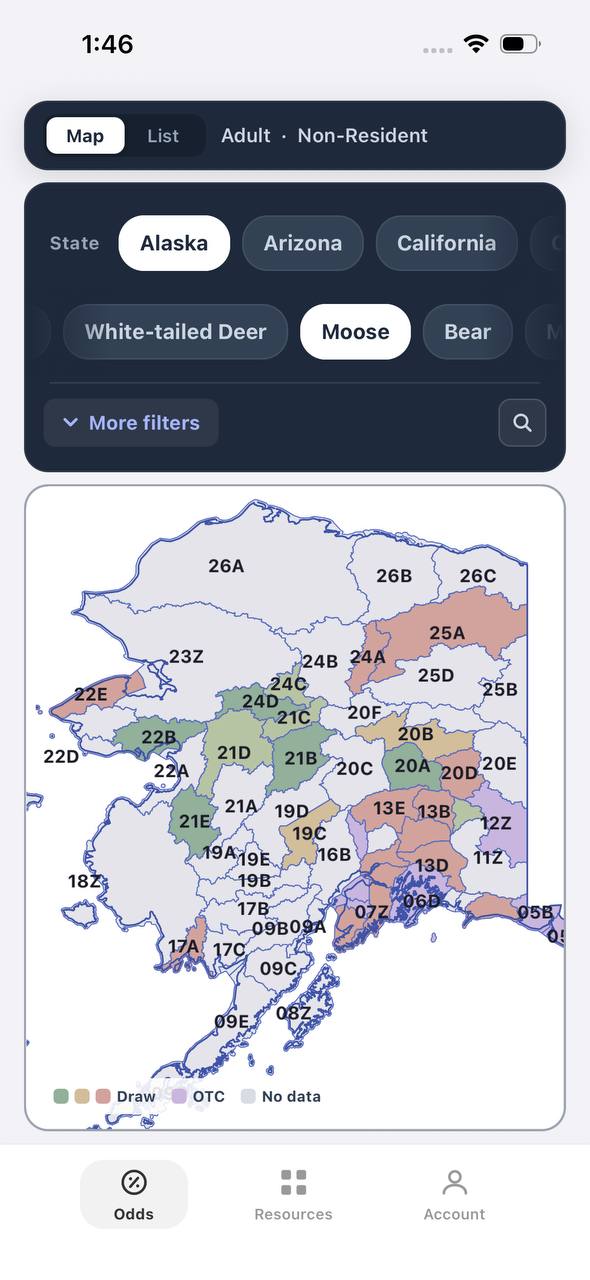
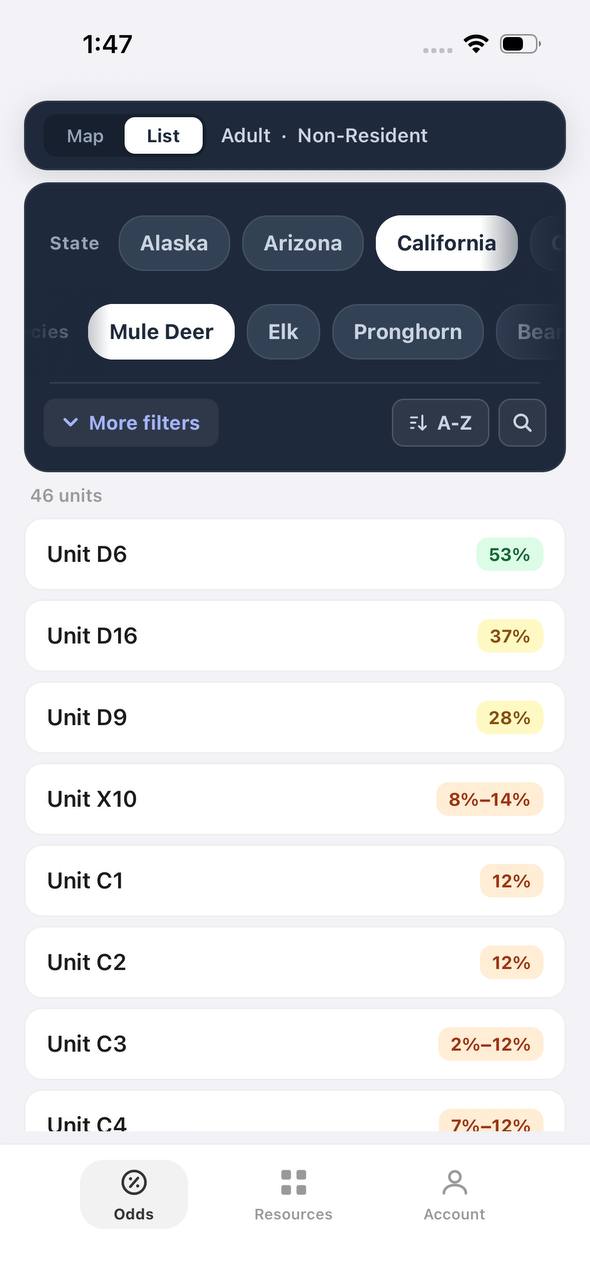
Free to join
Download mobile app
- Detailed draw odds
- Point tracking
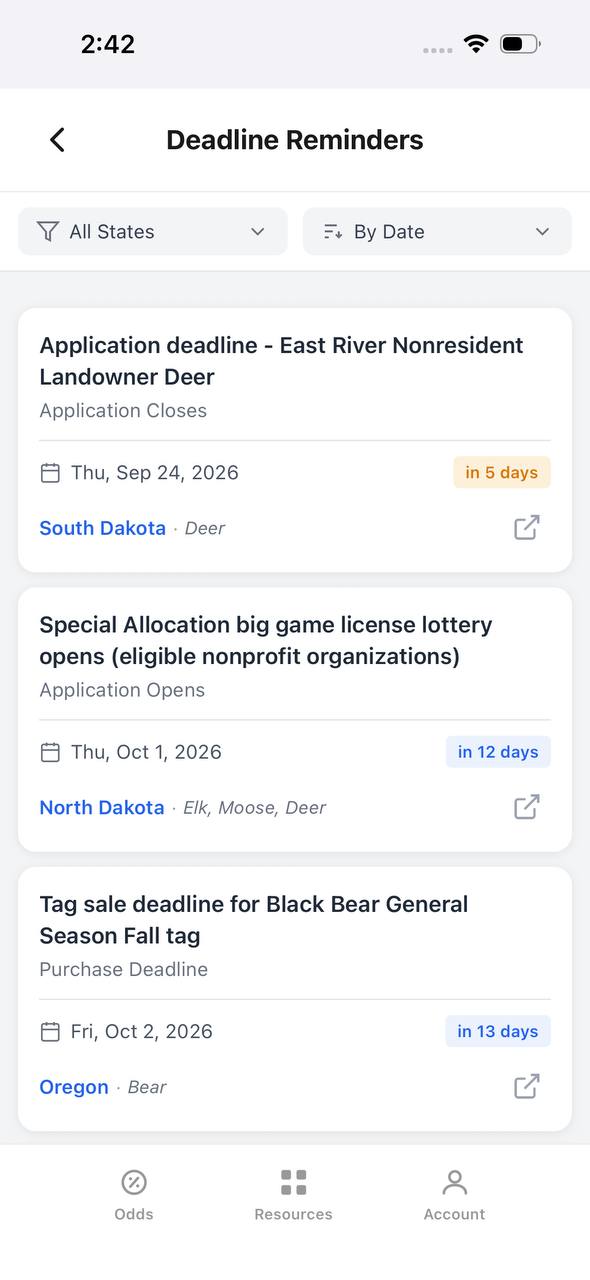
- Deadline reminders
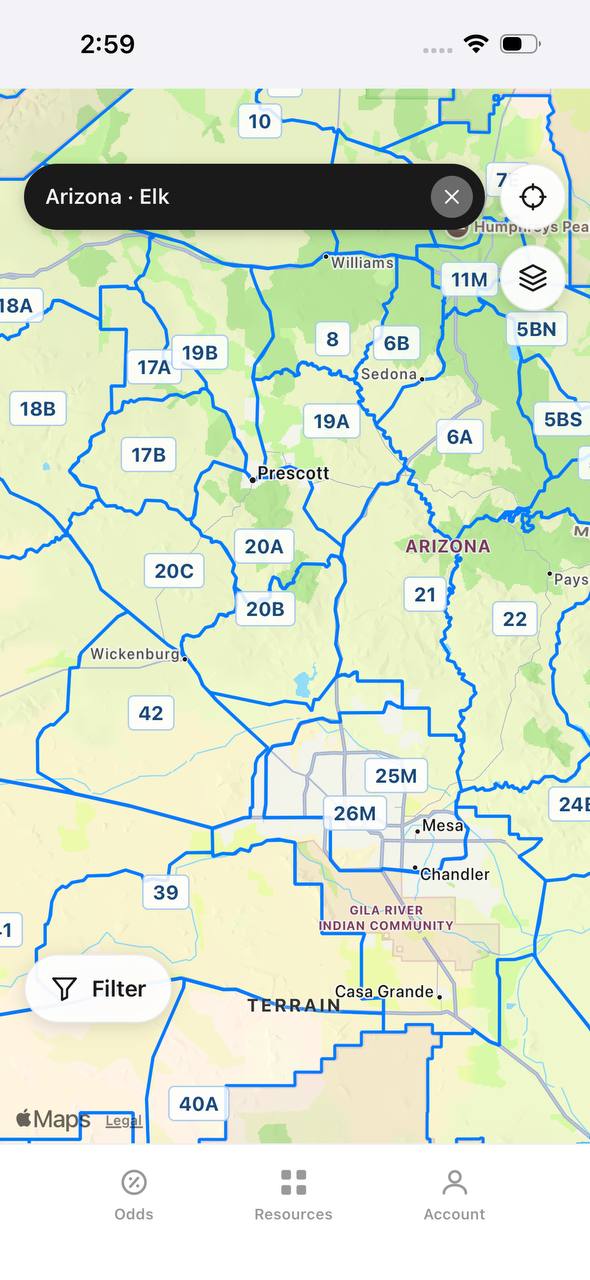
- 18 states covered

Free to join
Download mobile app
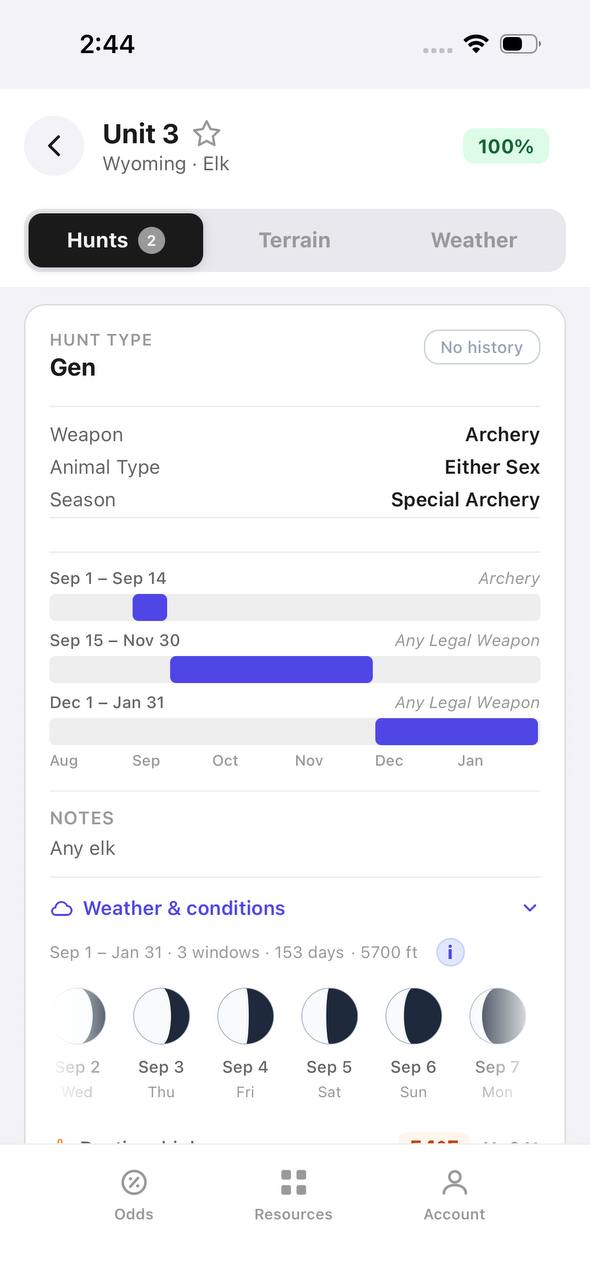
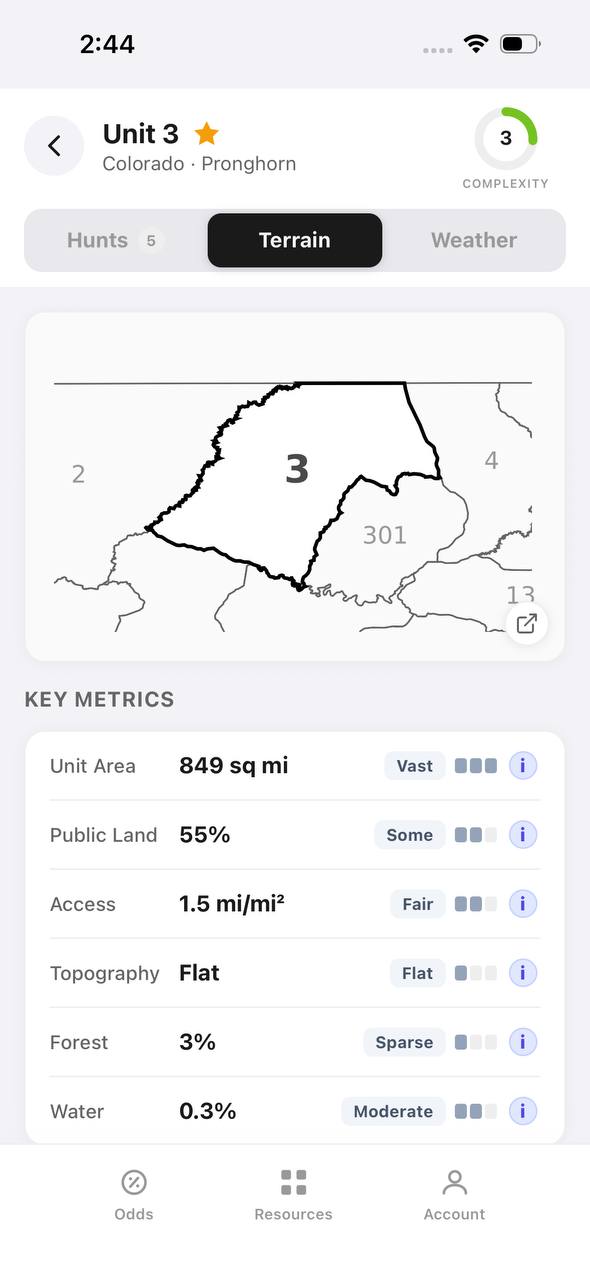
- Detailed draw odds
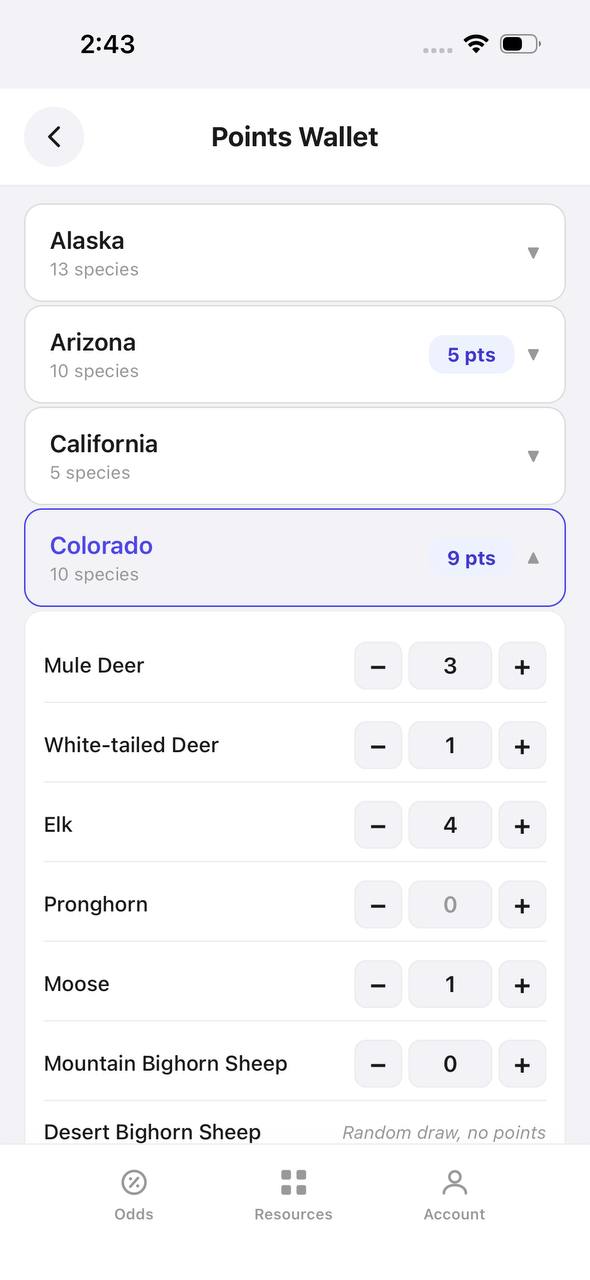
- Point tracking
- Deadline reminders
- 18 states covered
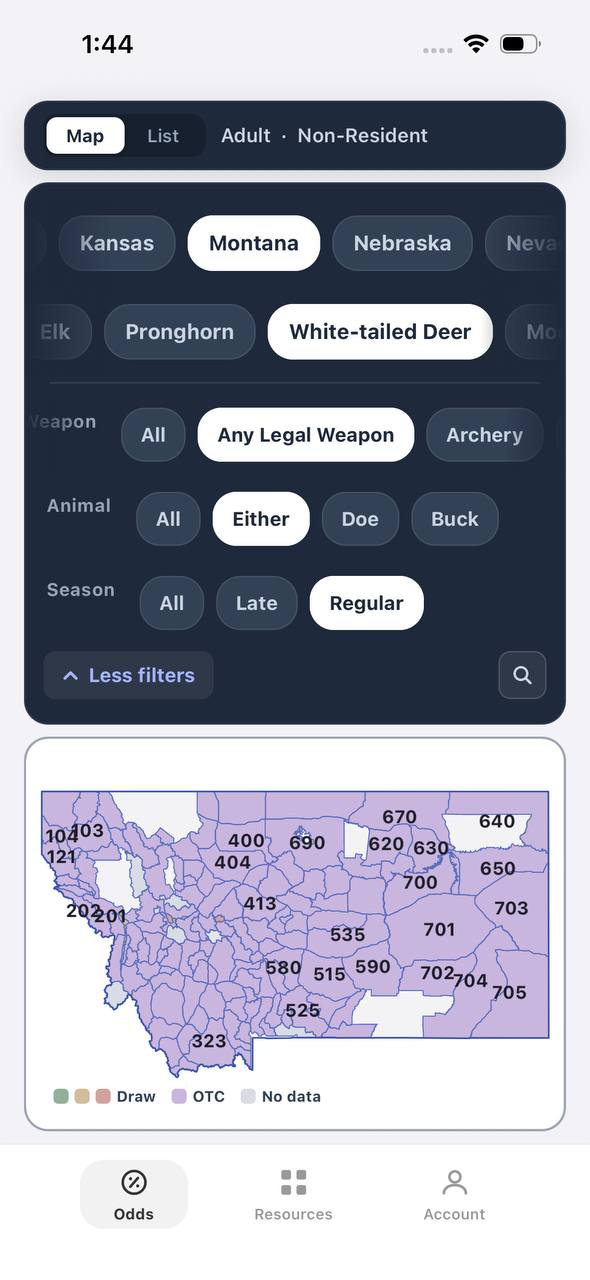
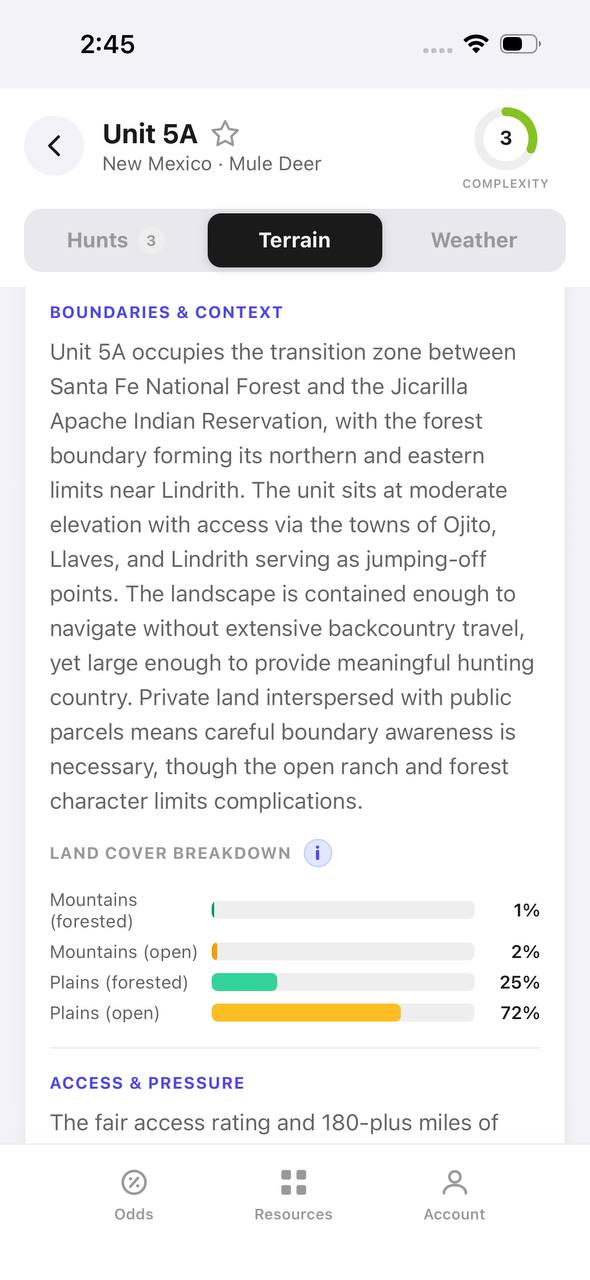
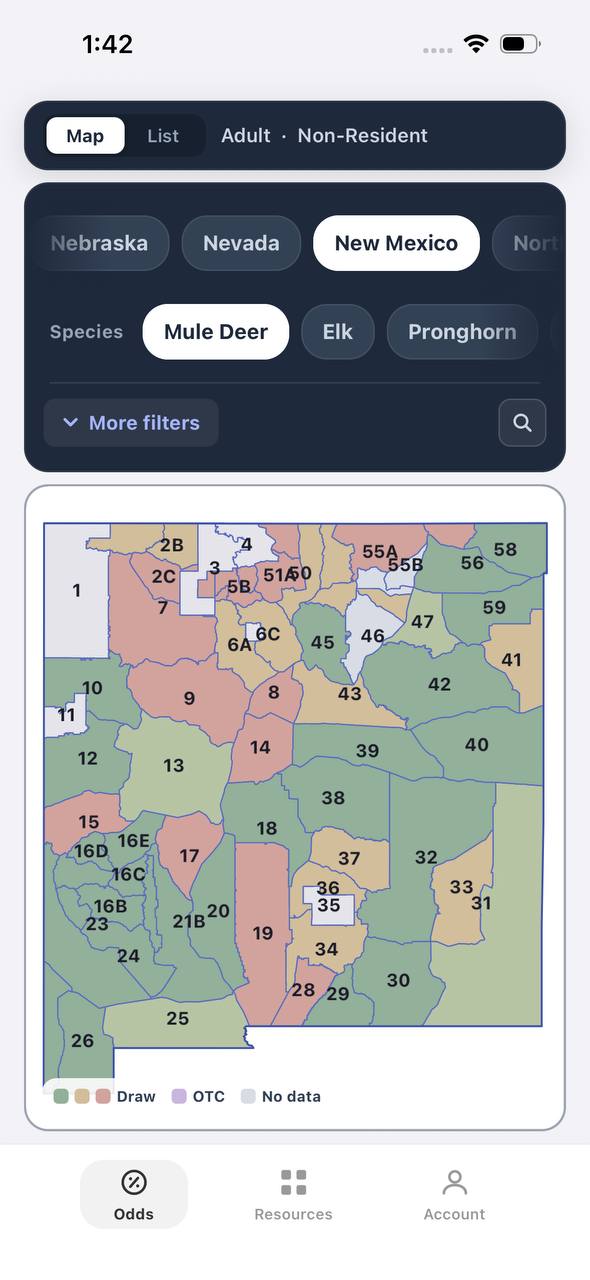
Free to join
Download mobile app
- Detailed draw odds
- Point tracking
- Deadline reminders
- 18 states covered

Cam Systems — Single vs. Binary vs. Hybrid
Cams control how the bow stores and releases energy. The three main systems are single cam, binary (dual) cam, and hybrid cam. Single cams are simple, easy to tune, and forgiving. Binary cams are faster and smoother but require more precise tuning. Hybrid cams split the difference, offering speed and ease of maintenance.
For most hunters, the practical difference is minimal. Modern cam systems are reliable and efficient regardless of design. What matters more is how the bow feels at full draw — the valley (the space where you hold before the string begins to pull forward) and the wall (the hard stop at full draw). A deep valley and solid back wall make it easier to settle your pin and execute a clean release under pressure.
Test multiple bows at full draw. Some hunters prefer a hard wall that locks in solidly. Others like a softer, more gradual stop. There is no right answer, just personal preference that affects your confidence in the moment of truth.
Weight and Balance
Bow weight without accessories typically ranges from 3.5 to 4.5 pounds. Add a sight, rest, quiver, stabilizer, and arrows, and your total rig weight can reach 6 to 8 pounds. If you hunt steep country, pack long distances, or spend hours glassing with your bow nearby, lighter is better. If you primarily hunt from a stand or blind, a heavier bow offers more stability.
Balance is equally important. A well-balanced bow sits naturally in your hand with minimal wrist torque. When you extend the bow forward as if drawing, it should not feel front-heavy or tip downward. Test balance with accessories attached, not just the bare bow in the shop.
Top Compound Bow Models for Hunting in 2026
Several models dominate the 2026 hunting bow market, each offering proven performance across a range of hunting situations.
Mathews Phase4 — Compact, quiet, and deadly accurate with a 29-inch ATA and 6-inch brace height. Ideal for treestand hunters and those who value forgiveness. Draw cycle is smooth, back wall is firm, and the bow tunes quickly.
Hoyt RX-9 — A longer ATA (33.5 inches) with a blazing-fast cam system. Built for open-country hunters who need flat trajectories at long range. Slightly less forgiving than the Phase4 but offers higher arrow speeds.
Bowtech SR350 — Binary cam system delivers 350-plus fps IBO speeds in a relatively short (31.5-inch ATA) platform. Aggressive speed bow with excellent tuning stability, favored by elk and mule deer hunters.
Elite Enkore — Ultra-smooth draw cycle with adjustable mods and a balanced feel. Great all-around hunting bow for both whitetail and western big game. Quieter than most speed bows.
Prime Nexus 7 — Innovative one-cam system with exceptional tuning ease. Longer brace height (7 inches) makes it one of the most forgiving bows on the market. Excellent choice for beginners and experienced hunters alike.
Each of these bows performs well across a variety of hunting scenarios. Your choice should depend on how the bow feels at full draw, how it balances with your accessories, and whether the specs align with your hunting style.
Accessories That Complete Your Setup
A bow is only part of your system. Choosing the right accessories affects accuracy, reliability, and confidence.
Sight — Single-pin sights offer an uncluttered sight picture and are ideal for spot-and-stalk hunting where you have time to range and adjust. Multi-pin sights (3 to 5 pins) allow faster shooting at varying distances, common in treestand hunting. Fixed-pin sights are bombproof and require no batteries. Slider sights give you infinite adjustability but add complexity.
Arrow rest — Drop-away rests (like the QAD UltraRest or Hamskea Epsilon) provide maximum arrow clearance and accuracy. Whisker biscuit-style rests are more forgiving for beginners and hold arrows securely in rough terrain. Most serious bowhunters choose drop-away rests for precision and consistency.
Release — Wrist-strap releases are faster to use and less likely to be dropped, making them popular for treestand hunters. Handheld releases (thumb or hinge) encourage better back-tension execution and cleaner releases, favored by western hunters who value accuracy at longer ranges.
Stabilizer — A front stabilizer (8 to 12 inches) reduces pin float and absorbs vibration. Longer stabilizers add stability but also weight. Side-bar and rear stabilizers further balance the bow and dampen torque. Test different lengths to find what feels steady without being cumbersome.
Arrows — Arrow spine (stiffness) must match your bow's draw weight and draw length. Underspined arrows flex too much and fly erratically. Overspined arrows are stiff and lose energy. Most manufacturers provide spine charts. Total arrow weight should be 5 to 6 grains per pound of draw weight for a balance of speed and penetration. Heavier arrows (450+ grains) sacrifice speed but penetrate deeper and are quieter.
Tune Before You Hunt
Even the most expensive bow will not shoot accurately without proper tuning. Paper tuning, walk-back tuning, and broadhead tuning are essential steps that ensure your arrows fly true. A well-tuned bow groups tightly at 40 yards and shoots field points and broadheads to the same point of impact.
If you are not confident tuning your own bow, invest in a session with a certified bow technician. A pro shop can set your draw length, adjust poundage, time your cams, and fine-tune your rest and nocking point in under an hour. The difference between a factory-set bow and a professionally tuned bow is the difference between hoping for a good shot and knowing you will make it.
Practice with the same arrows, broadheads, and accessories you will use hunting. Shoot from realistic positions — kneeling, sitting, uphill, downhill, with your pack on. Build muscle memory so that drawing and anchoring feels automatic, even when your heart is pounding and a bull is closing the distance.
FAQ — Choosing a Compound Bow
What draw weight should I use for elk hunting?
Most elk hunters pull 60 to 70 pounds for maximum kinetic energy and penetration. Choose a weight you can draw smoothly and hold steady for 15 seconds without shaking.
How do I know my correct draw length?
Measure your wingspan (fingertip to fingertip with arms extended) and divide by 2.5. Most adult males measure 28 to 31 inches. Confirm with a pro shop using a draw length measurement bow.
Is a faster bow always better for hunting?
No. Speed matters, but accuracy and kinetic energy matter more. A slower, well-tuned bow that you shoot confidently is more lethal than a fast bow you struggle to control.
What is the best axle-to-axle length for hunting?
Shorter bows (28-32 inches) are better for tight cover and treestands. Longer bows (33-36 inches) are more stable and forgiving at longer ranges. Most hunters prefer 31 to 34 inches for versatility.
Do I need a drop-away arrow rest?
Drop-away rests provide the best arrow clearance and accuracy, making them the top choice for serious bowhunters. Whisker biscuits are simpler and more forgiving for beginners.
How much should I spend on a hunting bow?
Flagship models range from $1,000 to $1,400. Quality mid-tier bows run $600 to $900 and perform well for most hunters. Budget bows under $500 work for beginners but lack adjustability and refinement.
Continue Planning Your Hunt
Once you have selected and tuned your bow, the next step is planning where and when to hunt. TAGZ helps you compare archery seasons across western states, research unit-specific terrain and draw odds, and track application deadlines so you never miss an opportunity. Whether you are chasing OTC elk tags or planning a limited-entry mule deer hunt, TAGZ gives you the tools to make smarter decisions before you step into the field.
Explore proven unit strategies, compare draw odds side by side, and map out your next archery hunt using the same data that serious western hunters rely on. Start planning your hunt with TAGZ today and turn research into action.
For more insights on western hunting strategies, gear, and draw systems, visit the TAGZ Insights blog and continue building your knowledge base for your next season.
Was this article helpful?
Previous
Ruger American Gen II Review — Worth the Upgrade for Western Hunters?
The Ruger American Gen II brings meaningful improvements to an already proven platform. This review breaks down accuracy, ergonomics, and field performance for elk, mule deer, and pronghorn hunters.
Related
Carbon vs Aluminum Compound Bows: Which Is Better for Hunting in 2026?
Carbon and aluminum compound bows each offer distinct advantages for western hunters. Carbon risers deliver lighter weight and superior vibration dampening, while aluminum provides proven durability and thermal stability at a lower price point.
Next
Spot and Stalk Bear Hunting: Complete 2026 Guide for Western Hunters
Spot and stalk bear hunting demands glassing skills, patience, and smart unit selection. This guide covers terrain tactics, gear essentials, and draw strategies across the West for spring and fall 2026 bear seasons.