Carbon vs Aluminum Compound Bows: Which Is Better for Hunting in 2026?
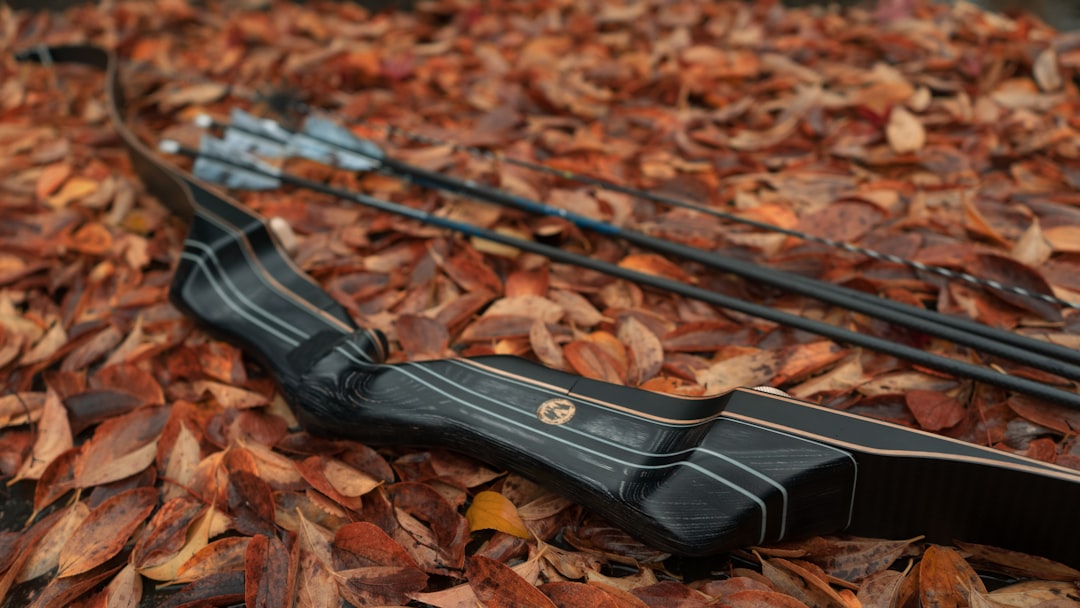
Choosing between a carbon and aluminum compound bow comes down to how you hunt, what you're willing to carry, and how much you want to spend. Both materials build reliable platforms for taking elk, mule deer, and other western big game, but they perform differently in the field. Carbon risers shed weight and absorb shock better than aluminum, making them ideal for backcountry hunters who cover miles on foot. Aluminum bows cost less, handle temperature swings without concern, and have decades of proven performance behind them. Understanding the trade-offs helps you match the bow to your hunting style instead of chasing trends.
Weight and Pack Carry
Carbon risers weigh 15 to 25 percent less than equivalent aluminum models. A carbon bow might come in at 3.5 pounds ready to hunt, while an aluminum bow with the same draw weight and axle-to-axle length runs closer to 4.2 pounds. That difference feels minor in the truck, but it matters when you're hiking into a backcountry elk unit at 10,000 feet or packing out quarters on your second trip. Carbon bows also balance differently — the weight sits closer to your hand, which reduces torque and makes the bow feel steadier during the draw cycle.
Aluminum bows are heavier, but the added mass can improve stability in the wind. If you hunt from a treestand or blind where weight doesn't matter, aluminum's heft can actually work in your favor by dampening your movement and providing a more forgiving hold at full draw.
Vibration and Noise
Carbon absorbs vibration better than aluminum. When you release an arrow, carbon risers dampen the shock wave faster, which translates to less hand shock and quieter shots. In close-range archery situations — calling elk during the rut or still-hunting bedded mule deer — that reduced noise can mean the difference between a clean shot and an animal jumping the string. Carbon's natural dampening also reduces the need for aftermarket stabilizers and dampeners, though most hunters still run them for balance.
Aluminum transmits more vibration, but modern aluminum bows mitigate this with limb pockets, string stops, and dampening systems built into the riser. High-end aluminum bows from Mathews, Hoyt, and Bowtech rival carbon models for quietness after you add the right accessories. The vibration difference is real, but it's not a deal-breaker if you're willing to tune your setup.
Durability and Temperature Performance
Aluminum handles abuse better. Drop an aluminum bow off a rock or bang it against a tree, and it might pick up a ding, but the riser won't crack. Carbon risers are strong, but a hard impact in the wrong spot can create a fracture that's difficult to spot and potentially catastrophic if it fails during a shot. Aluminum also handles extreme temperature swings without issue — carbon can expand and contract slightly in severe cold or heat, though this rarely affects accuracy in real hunting conditions.
Carbon's vulnerability to impact is manageable with a quality bow case and careful handling, but it's a consideration if you hunt rough country or pack your bow in and out of trucks, UTVs, and aircraft. Aluminum gives you more peace of mind in high-abuse scenarios.
Accuracy and Consistency
Both materials shoot accurately when the bow is tuned correctly. Carbon's lighter weight and vibration dampening can make it easier to hold steady during long sits at full draw, which benefits hunters who wait for the perfect shot angle on bedded animals. Aluminum's added mass can improve follow-through and reduce the effect of minor form flaws, which helps newer archers shoot more consistently.
The bigger accuracy factor is the bow's design — cam system, brace height, and axle-to-axle length — not the riser material. A well-tuned aluminum bow will outshoot a poorly tuned carbon bow every time. Focus on finding a bow that fits your draw length and shooting style, then worry about the riser material second.

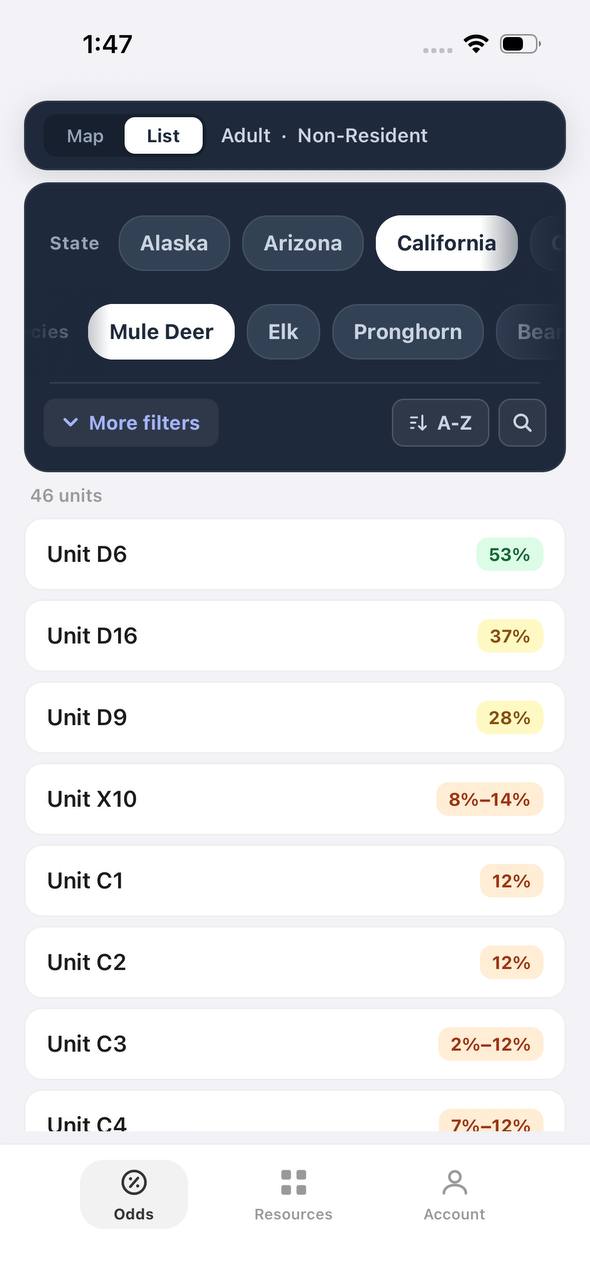
Free to join
Download mobile app
- Detailed draw odds
- Point tracking
- Deadline reminders
- 18 states covered

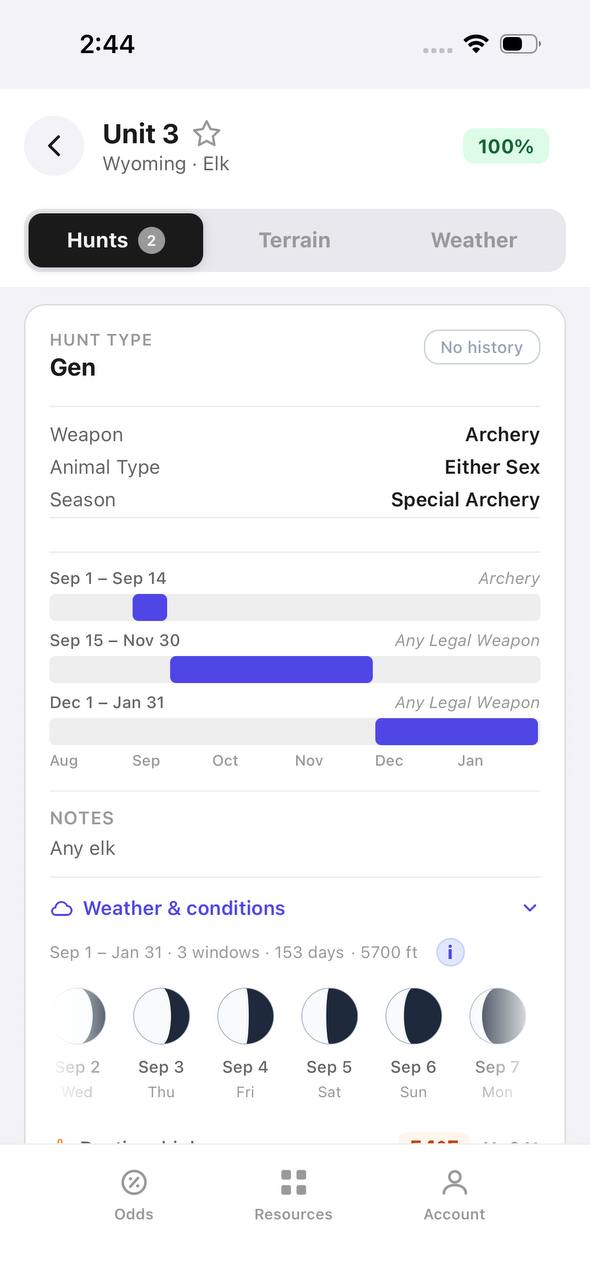


Free to join
Download mobile app
- Detailed draw odds
- Point tracking
- Deadline reminders
- 18 states covered



Free to join
Download mobile app
- Detailed draw odds
- Point tracking
- Deadline reminders
- 18 states covered

Price and Value
Carbon bows cost more. Expect to pay $1,200 to $1,800 for a flagship carbon model, while equivalent aluminum bows run $900 to $1,400. The premium reflects carbon's manufacturing complexity and the material's performance advantages, but it doesn't always translate to better hunting results. If you're a backcountry hunter who prioritizes weight savings and quiet shots, the extra cost makes sense. If you hunt closer to the truck or primarily from treestands, aluminum delivers better value.
Used carbon bows hold their value well, but aluminum bows are easier to find on the secondary market and typically cost 30 to 50 percent less than new. If you're building your first serious hunting setup or upgrading from an older bow, aluminum gives you more options within a tighter budget.
Which Material Fits Your Hunt Style?
Choose carbon if you're a backcountry elk hunter, sheep hunter, or alpine mule deer hunter who covers serious vertical and horizontal miles on foot. The weight savings reduce fatigue, and the vibration dampening pays off when you're making close shots after long stalks. Carbon also makes sense if you're upgrading from a budget bow and want a noticeable performance jump.
Choose aluminum if you hunt from treestands, ground blinds, or short walks from the truck. Aluminum's durability and lower cost free up budget for better arrows, broadheads, and practice time — all of which matter more than riser material for most hunters. Aluminum also makes sense if you hunt in extreme conditions where impact damage is a real risk, or if you're hard on gear and want a bow that can take punishment.
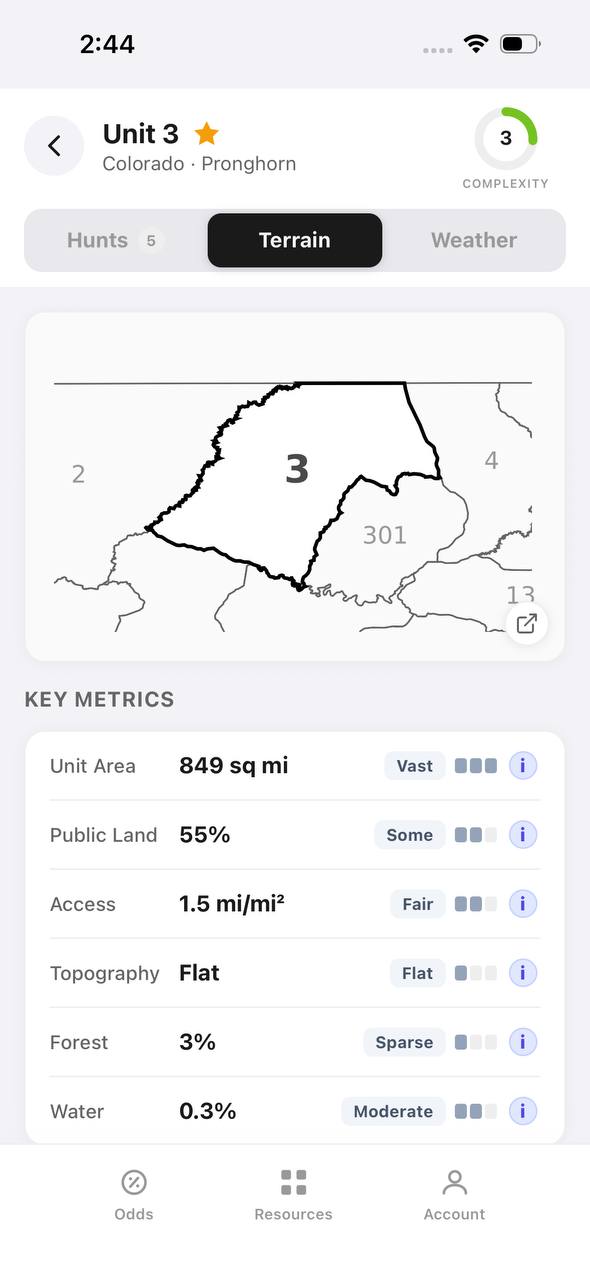
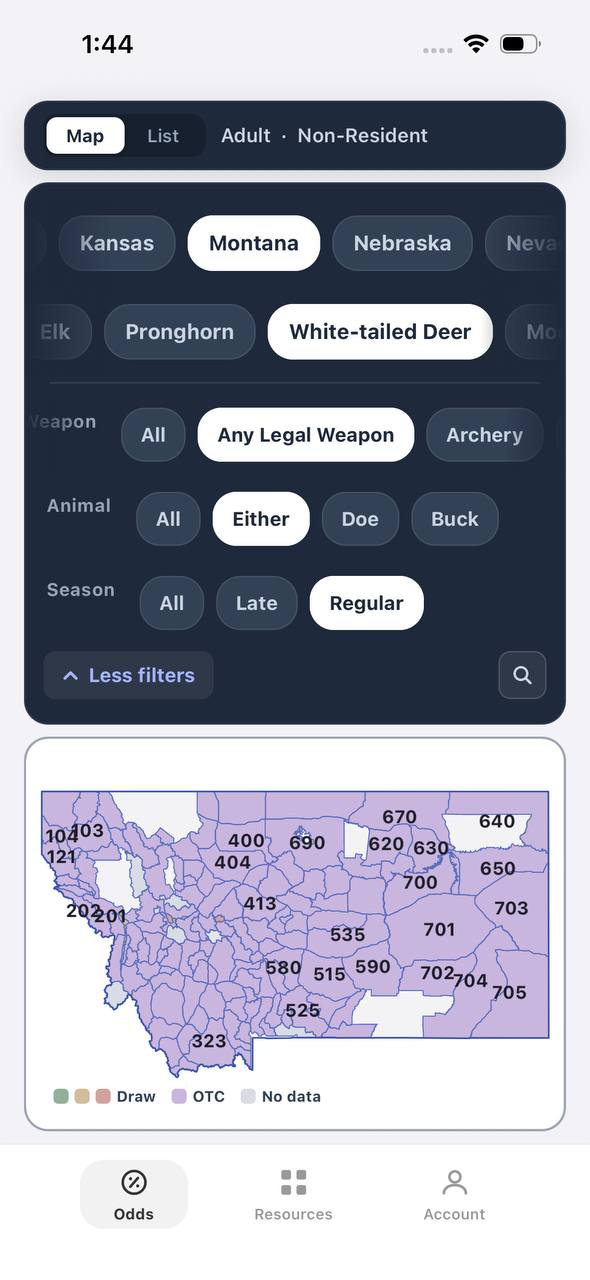
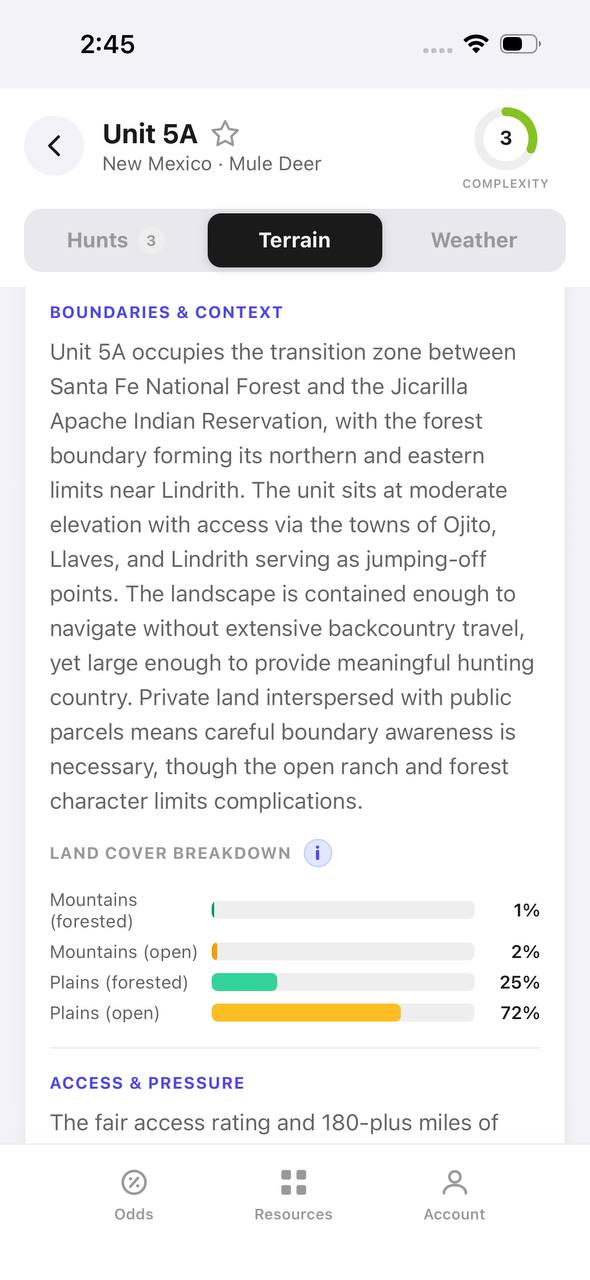
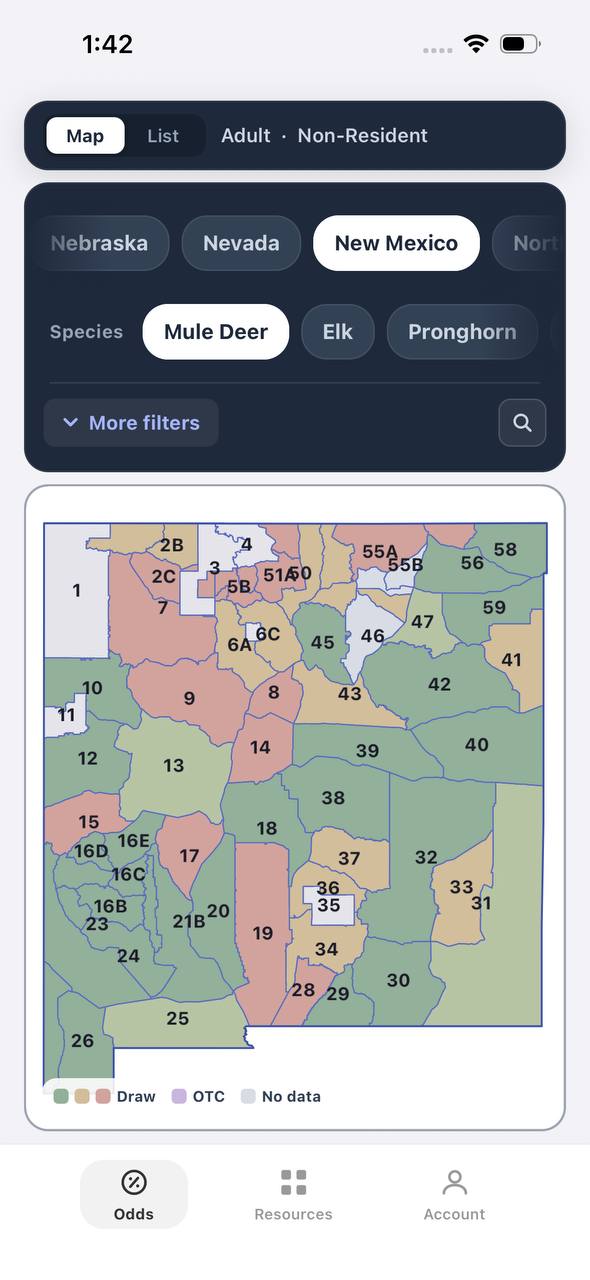
TAGZ helps you filter hunts by weapon type, season, and terrain so you can match your bow setup to the unit you're applying for. If you're planning a high-country archery elk hunt in Colorado or a backcountry mule deer hunt in Nevada, you can compare units side by side and see which hunts justify a lightweight carbon bow versus a more affordable aluminum model. Track your preference points, bonus points, and draw deadlines across multiple states so you never miss an application window. Whether you're chasing OTC archery tags or planning a trophy limited-entry hunt, TAGZ gives you the tools to make smarter decisions before you ever step into the field.
FAQ — Carbon vs Aluminum Bows
Is a carbon bow worth the extra cost?
Yes if you hunt backcountry and cover significant miles on foot. The weight savings and vibration dampening justify the premium for mountain hunters. For treestand or truck hunters, aluminum offers better value.
Will a carbon riser crack if I drop my bow?
It can, but it's not common with normal use. A hard impact on a sharp rock or concrete can fracture carbon, while aluminum will dent but remain functional. Use a quality case and handle your bow carefully.
Does carbon or aluminum shoot more accurately?
Both shoot accurately when tuned correctly. The bow's design and your form matter more than riser material. Carbon's lighter weight can help you hold steadier, but aluminum's mass can improve follow-through.
How much lighter is a carbon bow compared to aluminum?
Carbon bows typically weigh 15 to 25 percent less — around 0.5 to 0.7 pounds lighter than an equivalent aluminum model. A carbon bow might weigh 3.5 pounds versus 4.2 pounds for aluminum.
Do carbon bows handle cold weather as well as aluminum?
Aluminum handles temperature extremes slightly better, as carbon can expand and contract in severe conditions. In practice, both materials perform reliably in typical hunting temperatures from below zero to over 90 degrees.
Should a beginner choose carbon or aluminum?
Aluminum. It costs less, holds up to abuse better during the learning curve, and shoots just as accurately. Save the carbon upgrade for when you have solid form and know exactly what you need in a hunting bow.
Continue Planning Your Hunt
Matching your bow to your hunt matters, but so does choosing the right unit, season, and weapon type before you apply. TAGZ helps you compare units using terrain maps, unit boundaries, and historical draw data so you can see which hunts fit your skill level and gear. Track your preference points and bonus points across states, filter hunts by species and weapon, and never miss a draw deadline. Whether you're applying for OTC archery elk tags or planning a limited-entry mule deer hunt, TAGZ gives you the tools to make confident decisions from application season through the field. Explore more hunting insights or see how TAGZ simplifies western hunt planning on the product page.
Was this article helpful?
Previous
How to Choose the Right Compound Bow for Hunting in 2026
Selecting the right compound bow means matching draw weight, draw length, and axle-to-axle measurements to your hunting style and physical build. This guide breaks down specs, performance features, and what matters most when shopping for a hunting bow in 2026.

Related
Best Compound Bows for Spot-and-Stalk Hunting in 2025
Spot-and-stalk bowhunting demands compact, quiet bows that shoot accurately under field conditions. We break down the top compound bows built for covering ground, quick shots, and western terrain—from flagship flagships to budget options that perform when it counts.
Next
Ruger American Gen II Review — Worth the Upgrade for Western Hunters?
The Ruger American Gen II brings meaningful improvements to an already proven platform. This review breaks down accuracy, ergonomics, and field performance for elk, mule deer, and pronghorn hunters.