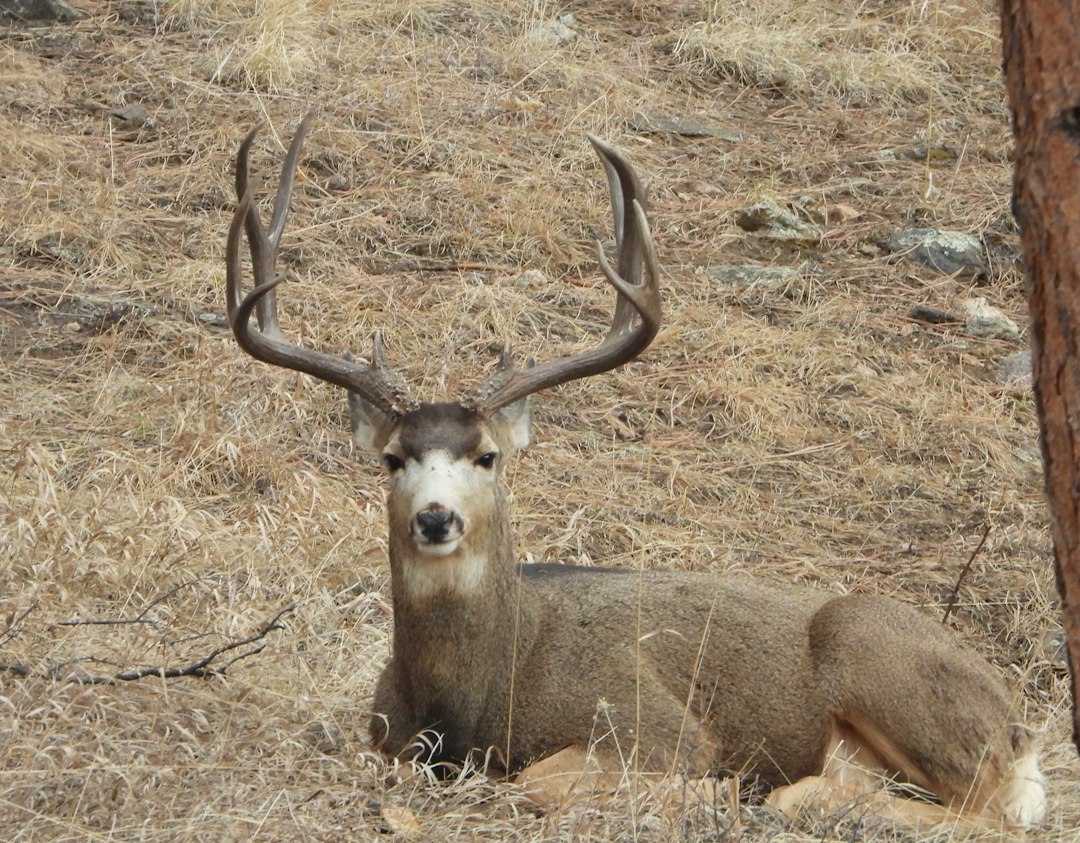
How to Apply for Hunting Tags in Multiple States in 2027

Hunting big game across multiple Western states starts with a solid application strategy. Each state operates its own draw system with unique deadlines, point structures, and license requirements. Successfully managing applications in several states means coordinating timelines, budgeting smartly, and understanding how preference points, bonus points, and random draws interact across your portfolio. This guide covers the essential steps to build a multi-state tag strategy that keeps you hunting every fall.
Build Your Application Calendar First
The foundation of any multi-state strategy is a master calendar. Western state application periods run from January through June, with some states offering multiple drawing periods. Start by listing every state you plan to apply in, then add application opening dates, deadlines, and results announcement dates. Arizona typically opens in early February. Wyoming's deadline falls in late January for most species. Colorado runs February through early April depending on species. Montana closes in mid-March for deer and elk combinations. New Mexico runs late March for most species. Idaho holds controlled hunt applications through early April.
Mark not just the final deadline but also when you need to have funds available. Some states charge upfront, while others only charge if you draw. Missing a deadline by even one day costs you an entire year of opportunity. Use a shared calendar app or spreadsheet that sends reminders two weeks out, one week out, and 48 hours before each deadline.
Understand Each State's Cost Structure
Budget planning separates successful multi-state applicants from those who overextend. States handle application fees and tag costs in three primary ways. Some states charge the full tag price upfront when you apply, refunding if you don't draw. Others charge only a small application fee upfront and bill for the tag if you're successful. A third group uses a hybrid approach, charging a percentage of the tag cost as a deposit.
Colorado charges the full license cost upfront for most species, though residents get refunded if unsuccessful. Wyoming charges application fees but not the full license cost until you draw for most species. Montana takes the full combination license fee upfront for nonresidents. Arizona charges only a small application fee plus a point fee if you're building preference points. New Mexico charges minimal application fees but requires a hunting license before applying.
Calculate your maximum exposure by assuming you draw every tag you apply for in a given year. If that number exceeds your budget, scale back your applications or focus on states with lower upfront costs.
Choose Between Points and Opportunity
Deciding where to burn points versus where to build them shapes your entire strategy. Preference point states like Colorado, Wyoming, and Utah reward applicants who have waited longest for premium units. If you're early in the point-accumulation game for a trophy unit, applying with zero chance of drawing still makes sense to gain another point. But if you have enough points to draw a solid unit today, waiting for perfection may cost you years of hunting.
Bonus point states like Nevada, Idaho, and Arizona increase your odds with each point but never guarantee a tag. You might draw with zero points or wait a decade with ten. Random draw states like New Mexico and Idaho's general tags give everyone the same odds regardless of history. These create opportunities for first-time applicants and serve as reliable backups in a multi-state portfolio.
Balance your portfolio between building points in a few states for future dream hunts and burning points or applying for random draws where you can hunt now. Putting all your applications into point-building mode means years without tags. Burning every point annually leaves nothing for the units that require patience.
Layer General Tags and Leftover Opportunities
Controlled hunt draws get the most attention, but over-the-counter tags and leftover lists fill gaps in your hunting calendar. Colorado offers over-the-counter elk tags in many units for archery and some rifle seasons. Idaho sells general elk and deer tags to nonresidents. Montana's combination licenses function as general tags for many units after you draw the base license.
After controlled hunt draw results post, most states publish leftover tag lists. These are permits that went unallocated in the main draw and become available first-come, first-served or through secondary drawings. Wyoming runs a leftover draw. Colorado posts leftover lists online with real-time inventory. New Mexico holds a separate draw for unsold permits. Setting aside time the day results drop to review leftover lists has put hunters in the field on tags they never applied for initially.
General and leftover tags may not be for the premier units, but they provide backup options when your controlled hunt applications don't pan out.
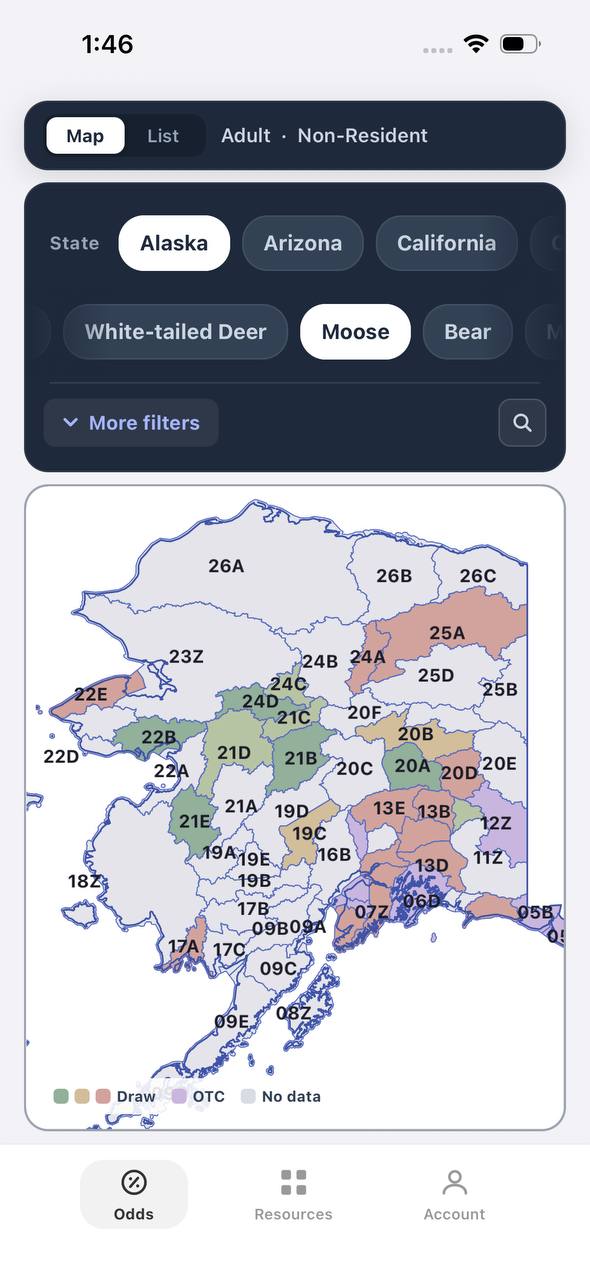
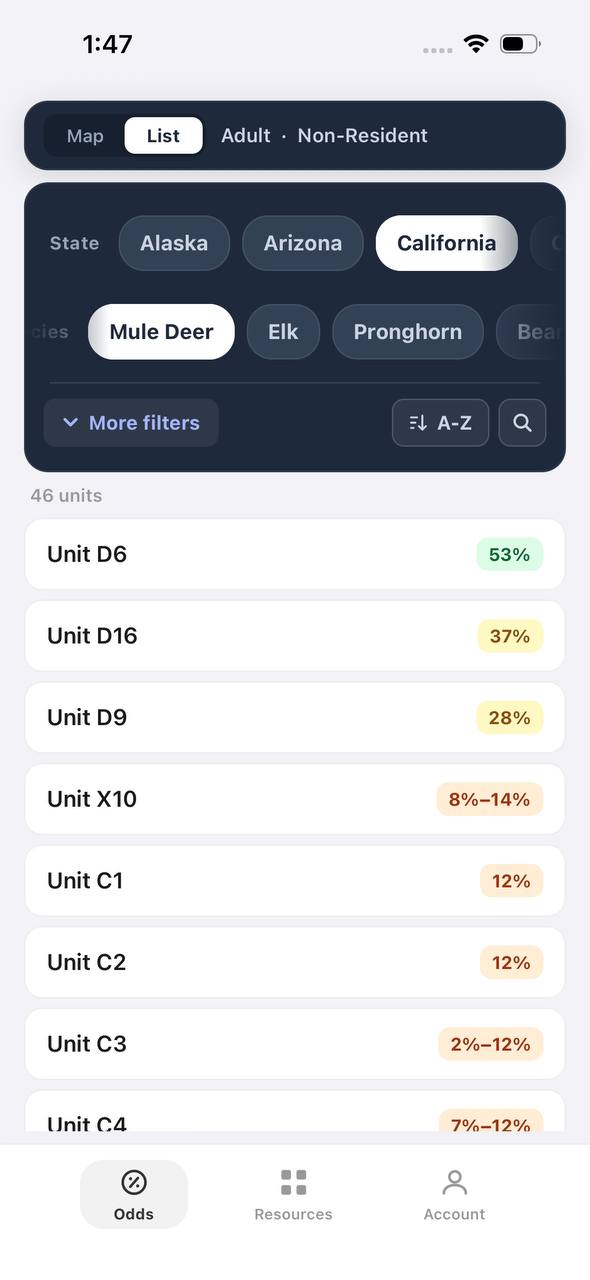
Free to join
Download mobile app
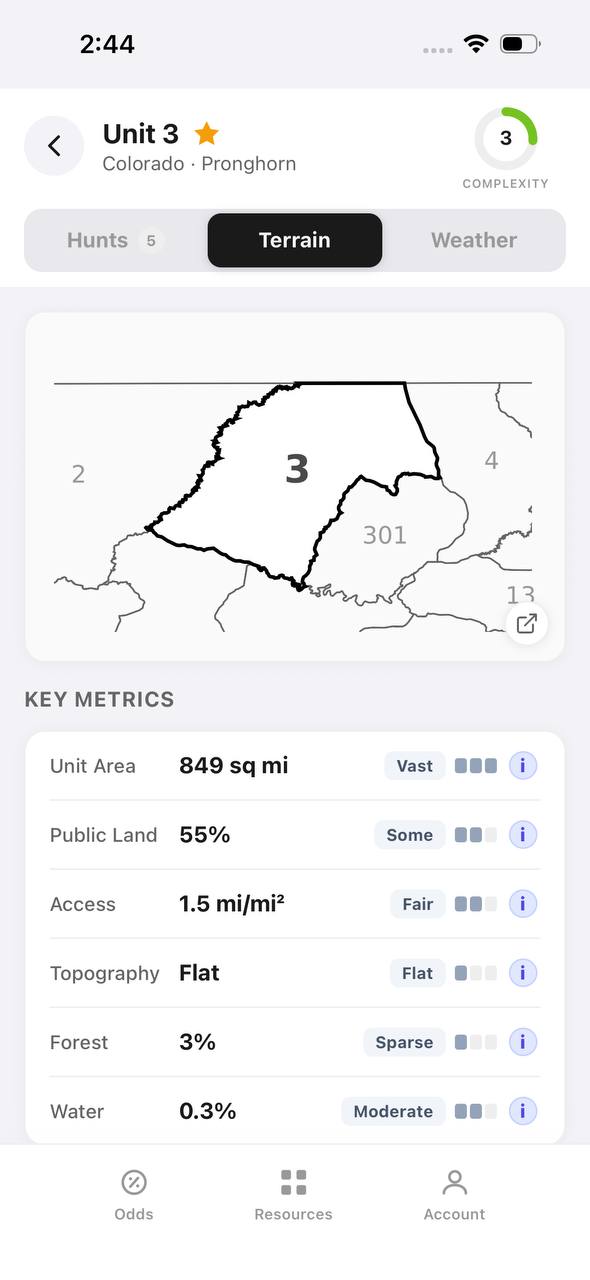
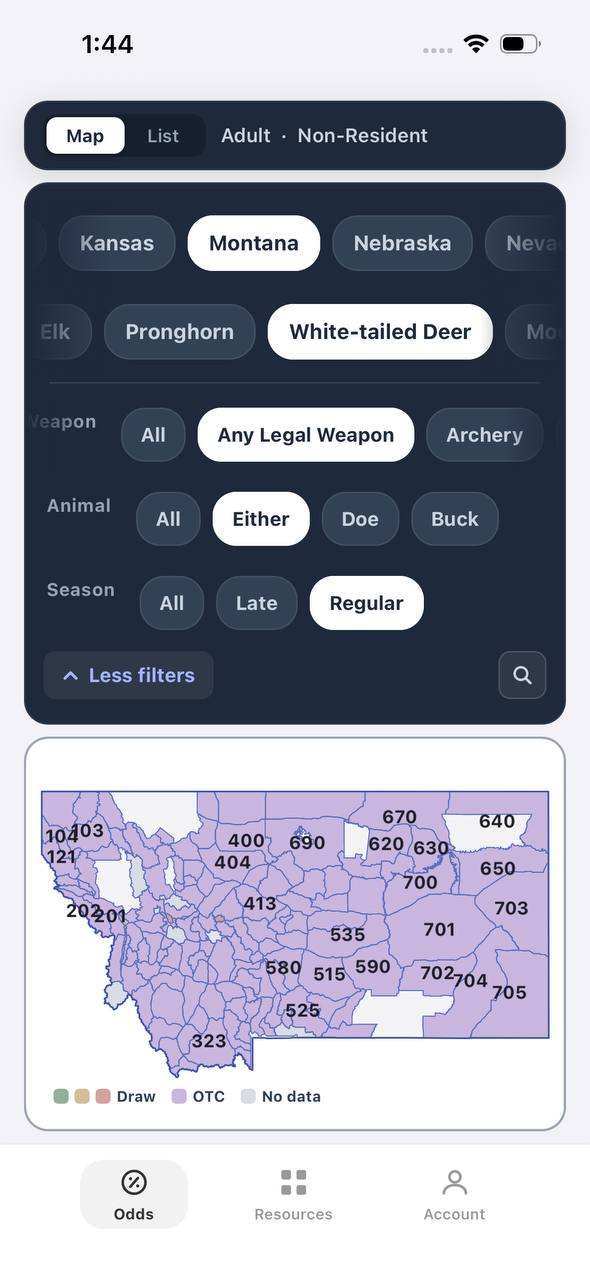
- Detailed draw odds
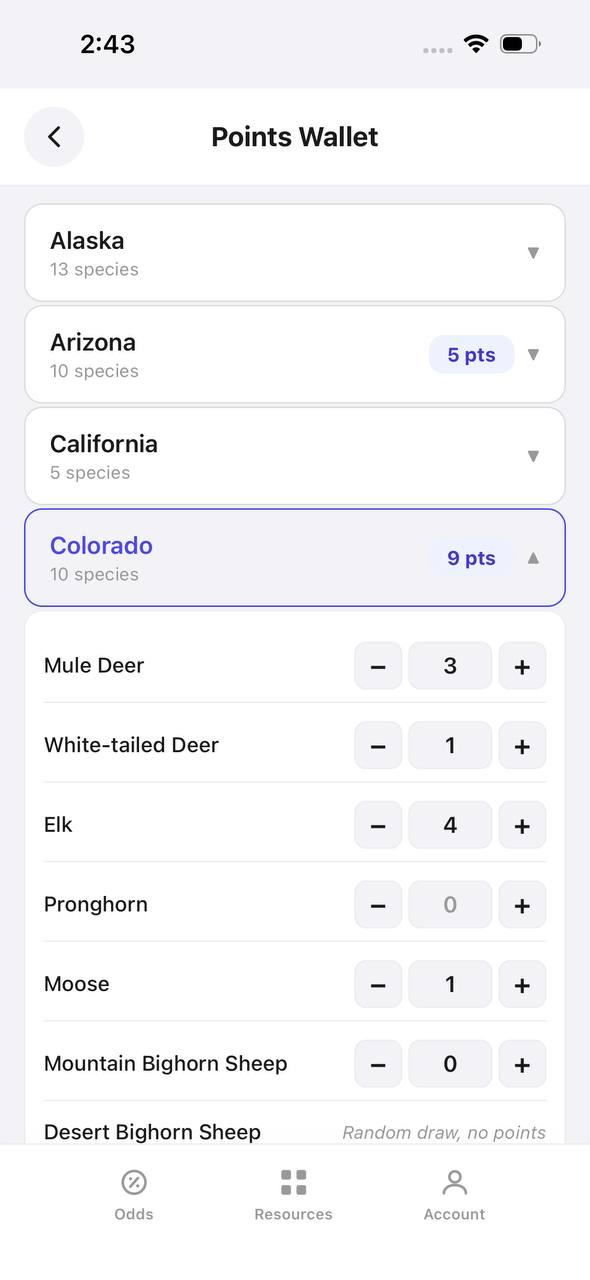
- Point tracking
- Deadline reminders
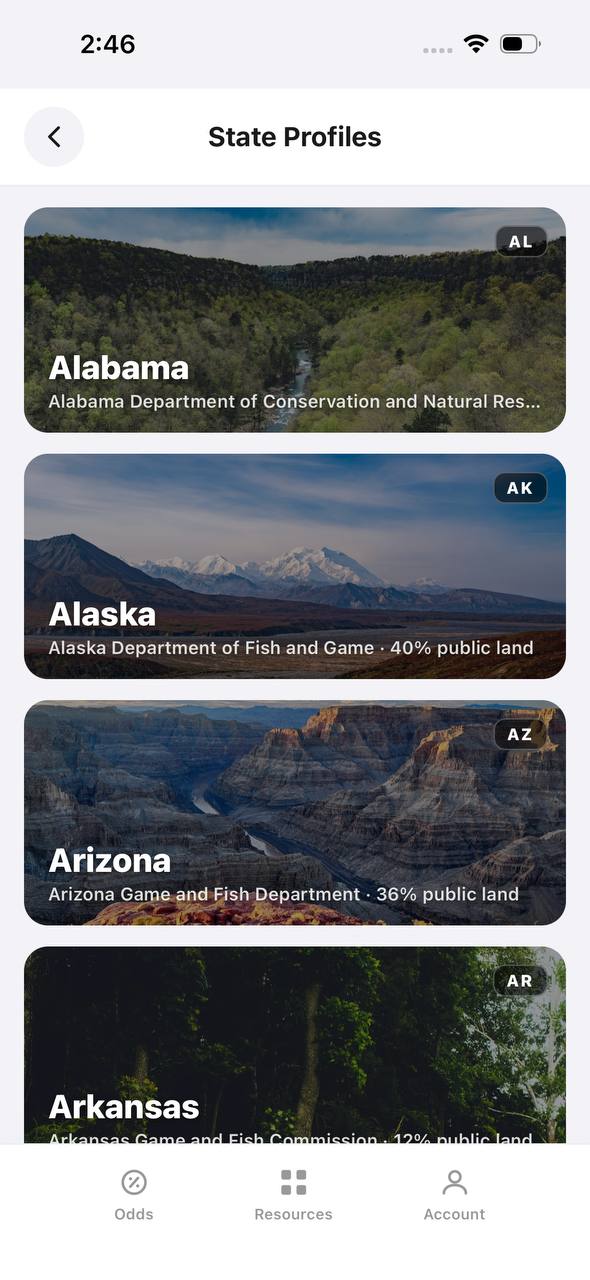
- 19 states covered

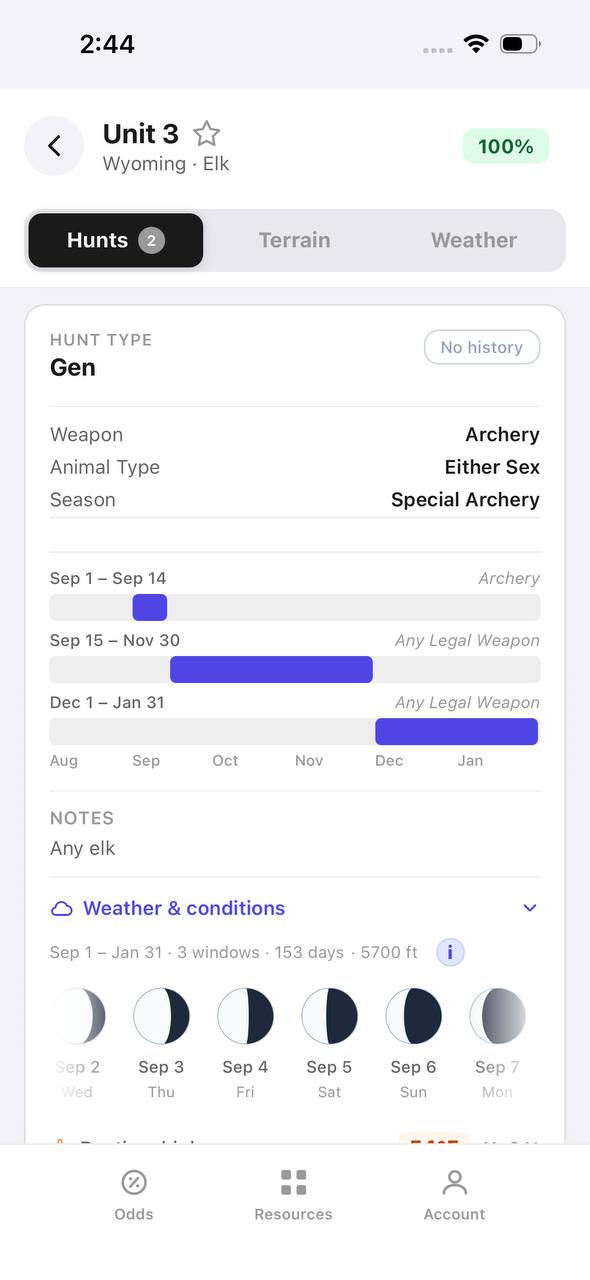
Free to join
Download mobile app
- Detailed draw odds
- Point tracking
- Deadline reminders
- 19 states covered
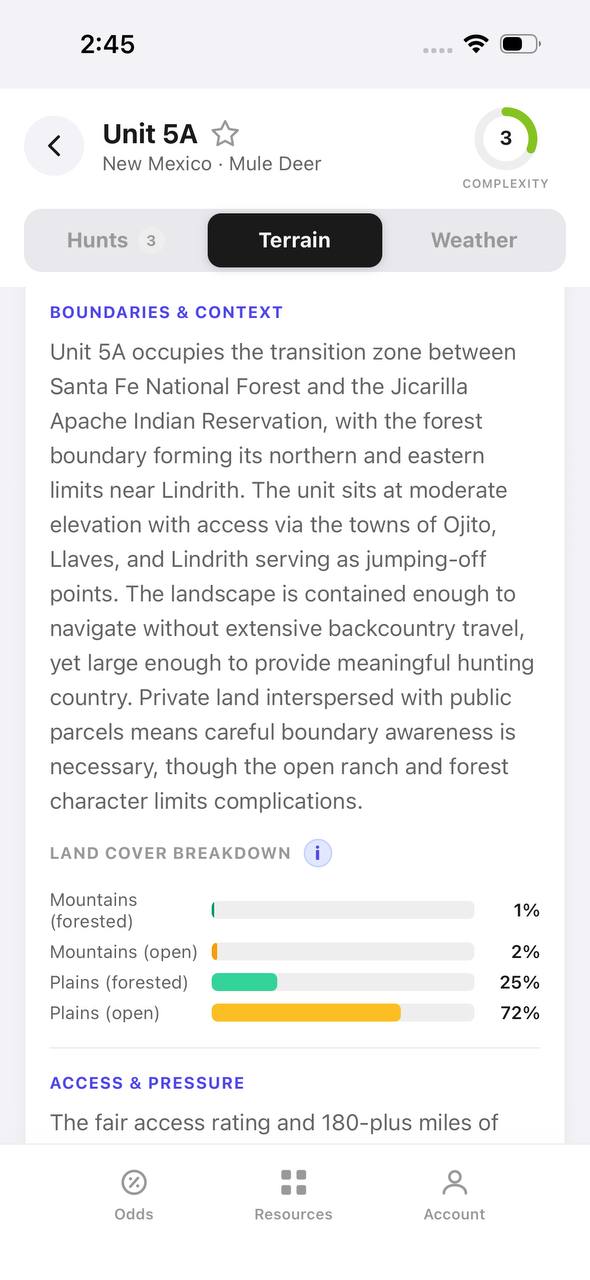
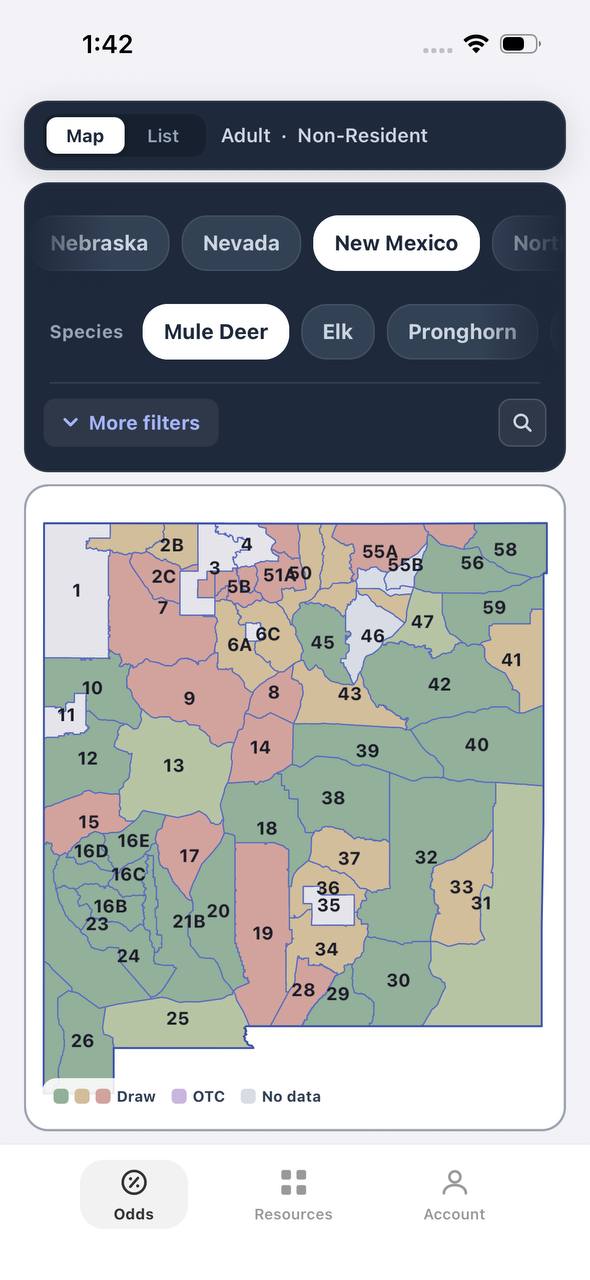
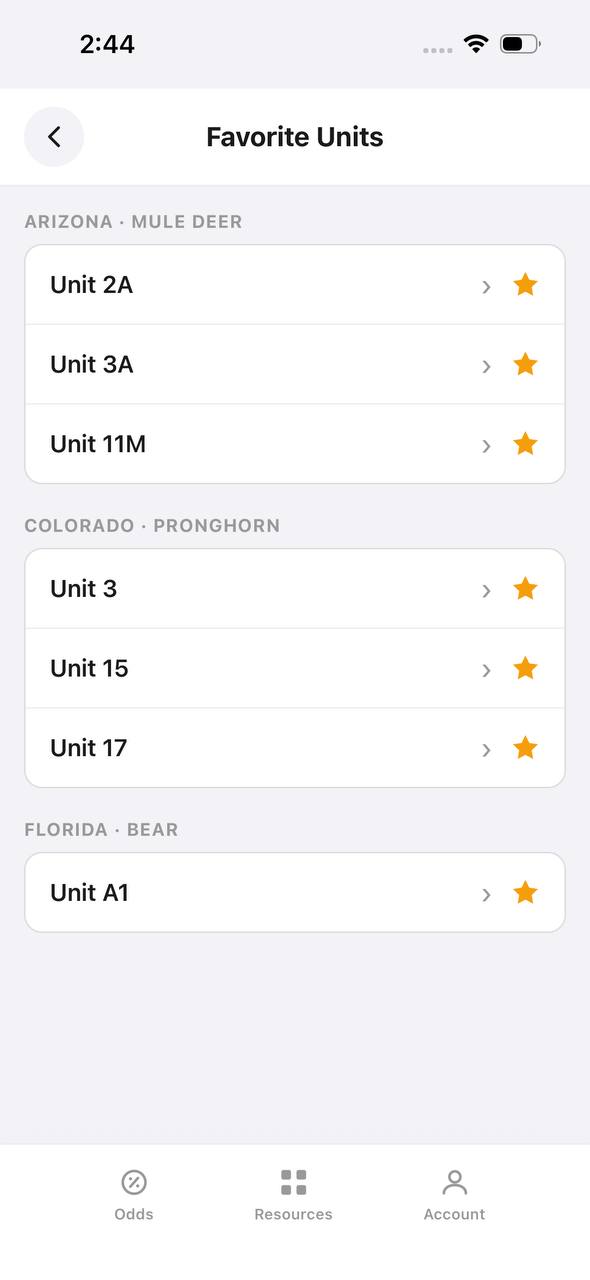
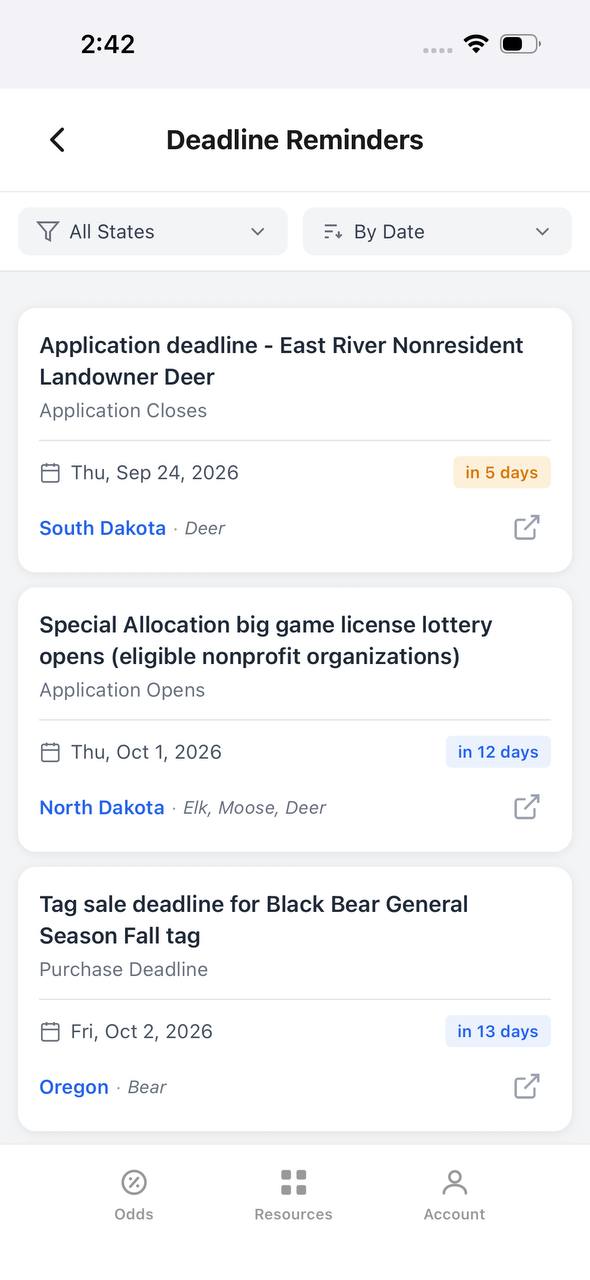
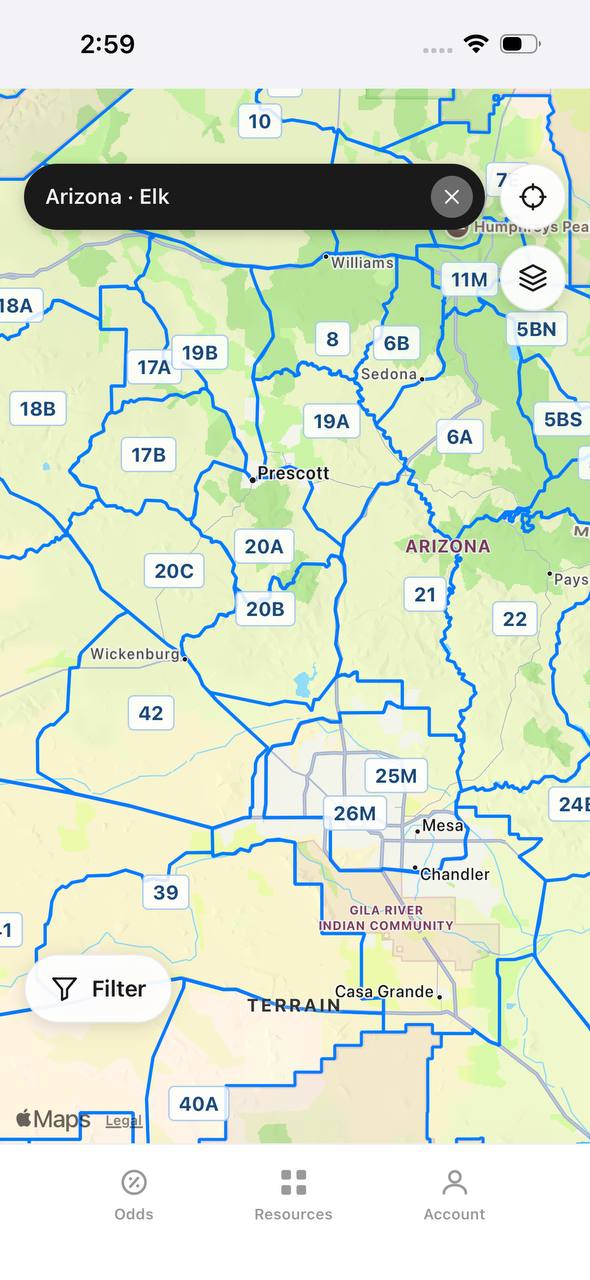
Free to join
Download mobile app
- Detailed draw odds
- Point tracking
- Deadline reminders
- 19 states covered
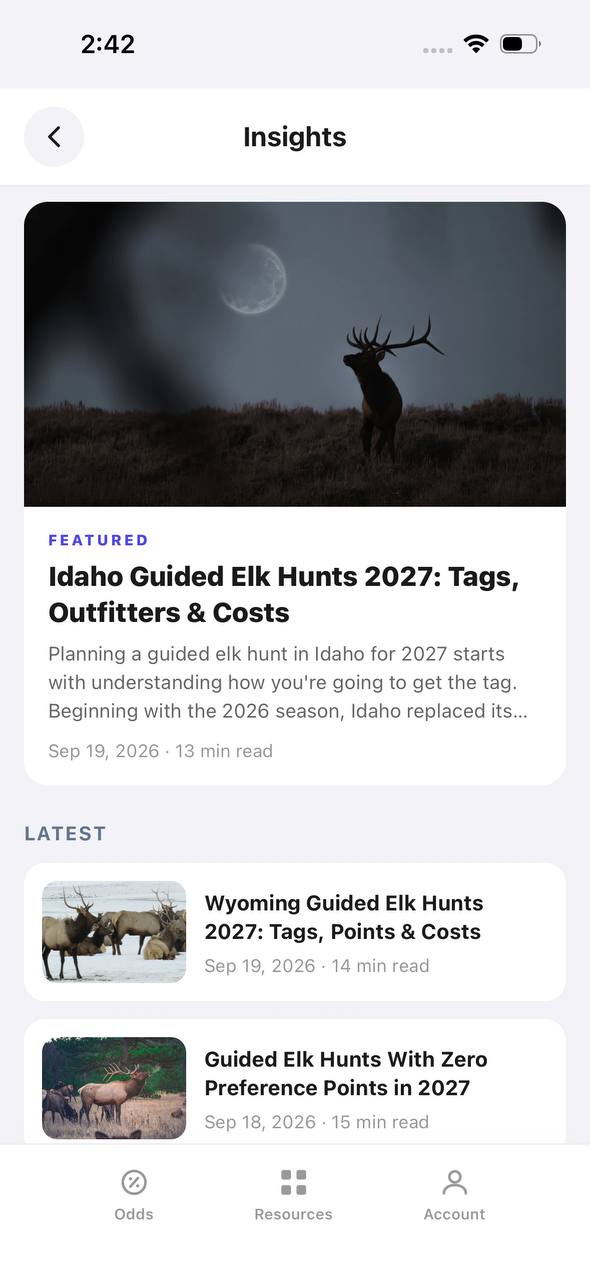
Manage License Requirements Across States
Every Western state requires you to hold a base hunting license before applying for or purchasing big-game tags. Some states require the license before submitting your application. Others let you apply first and purchase the license only if you draw. Missing this detail disqualifies your application or prevents you from claiming a tag you successfully drew.
Montana requires nonresidents to purchase a conservation license and base hunting license before applying. Colorado requires a Habitat Stamp in addition to a small-game or big-game license. Arizona requires a hunting license before applying, and the system won't let you submit without one on file. Wyoming does not require a license at application but does require one before the season if you draw. New Mexico requires a hunting license at application.
Create a checklist for each state listing whether the license is required at application or only if drawn. If you're applying in five states, you may need to purchase five hunting licenses by March even if you only hunt in two states that fall. Budget for these costs separately from tag fees.
Track Point Totals and Manage Multiple Accounts
If you're building points in multiple states, you need a system to track where you stand. Each state maintains your preference or bonus point total separately. Some states list your points clearly in your online account profile. Others require you to dig through past application confirmations or contact the agency directly.
Before applying each year, log in to every state portal and record your current point totals. Compare those against unit draw odds to identify which units you can realistically draw. The worst outcome is burning points on a unit you could have drawn with fewer points, or applying for a unit that requires twice as many points as you hold.
Keep login credentials and customer ID numbers for each state agency in a password manager. Trying to recover a lost password the day before an application deadline adds unnecessary stress.
Avoid Common Multi-State Mistakes
Three mistakes kill more multi-state strategies than any other. First, applying for a point in a state you'll never actually hunt. If you're not willing to book a trip when you draw, don't apply. Points cost money, and the goal is tags you'll use. Second, applying for tags that overlap in season dates. Drawing a Wyoming archery elk tag and a Montana rifle elk tag sounds great until you realize the seasons overlap and you can only hunt one. Check season dates before submitting applications. Third, failing to maintain continuous point accumulation. Some states penalize applicants who skip years, resetting points or making you ineligible for the next year. If you've built points in a state, don't let one missed year wipe out your investment.
Use Technology to Stay Organized
Managing multiple state applications manually with sticky notes and memory is a recipe for missed deadlines. Use spreadsheets, shared calendars, or dedicated draw-odds platforms to centralize your information. Track application dates, point totals, costs, season dates, and results for every state in one place. Set automated reminders for deadlines. Review your calendar weekly starting in December so nothing sneaks up on you.
Some hunters use physical binders with printed state regulations, checklist pages, and calendar inserts. Others rely entirely on digital tools. The method matters less than consistency. Pick a system and use it every year.
Plan for the Unexpected Draw
The best multi-state problem is drawing more tags than you have time to hunt. It happens more often than you'd expect when you apply strategically across random draws, low-point units, and leftover opportunities. Before applying, ask yourself whether you can realistically take three weeks off work if you draw tags in September, October, and November. If not, limit your applications or focus on adjacent states where you can combine trips.
Some hunters apply for a mix of archery and rifle tags in different states to spread seasons across the calendar. Others focus all applications on one weapon type to simplify gear and scouting. Neither approach is wrong, but intentionality matters. Apply with a plan for what you'll do if everything goes right.
Adjust Your Strategy Based on Results
After draw results post each spring, review what worked and what didn't. If you've applied unsuccessfully in a state for three straight years with the same point total, the units you're targeting may have crept out of range. If you drew multiple tags in states where you applied randomly, those states may deserve more applications next year. If you spent $2,000 on applications and drew nothing, your strategy may be too aggressive for your budget.
Successful multi-state applicants treat each year as a learning cycle. They adjust unit choices, shift budget allocations, and refine their balance between point-building and tag-burning. The goal isn't perfection in year one but steady improvement in odds, success rates, and return on investment.
FAQ — Multi-State Tag Applications
How many states should I apply in as a beginner?
Start with two to three states. This keeps costs manageable and lets you learn each system without overwhelming yourself. Add more states as you gain experience and budget allows.
Can I apply for the same species in multiple states in the same year?
Yes. Each state's draw is independent, and there's no rule against applying for elk in five different states simultaneously. Season dates and your ability to travel are the only limits.
What happens if I draw tags in two states with overlapping seasons?
You'll have to choose which hunt to pursue and forfeit the unused tag unless one state allows you to return it for a refund or point reinstatement. Always check season dates before applying to avoid this scenario.
Do I lose points if I apply but don't draw?
No in preference point states — your points carry forward and increase. In bonus point states, your points also remain and increase. If you draw a tag, most states reset your points to zero for that species.
Is it worth applying in random draw states if I have no points?
Absolutely. Random draw states like New Mexico give every applicant the same odds regardless of point totals. These are excellent opportunities for first-time applicants and reliable backups for multi-state strategies.
How much should I budget for multi-state applications?
Plan for $1,500–$3,000 depending on how many states you apply in and whether those states charge upfront or only upon drawing. Include hunting license fees, application fees, point fees, and worst-case tag costs if you draw everything.
Was this article helpful?
Previous
Best Elk Tags You Can Draw With Zero Preference Points in 2027
Zero-point elk tags exist across the West in quality units offering legitimate hunting opportunities. We break down the top draw options for first-time applicants and hunters who want to hunt now instead of waiting years.
Related
2027 Western Hunting Application Deadlines: Complete State-by-State Guide
Western big-game application deadlines for 2027 span from January through June, with most states clustering in March and April. Missing a deadline costs you an entire year.
Next
Best Mule Deer Tags You Can Draw With Zero Points in 2027
Zero-point mule deer hunts exist across the West, from Colorado's high-country OTC archery to Wyoming's Region G general licenses. Here are the tags worth applying for without years of waiting.