2027 Western Hunting Application Deadlines: Complete State-by-State Guide
Western big-game application deadlines for 2027 span from January through June, with most states clustering in March and April. Missing a deadline costs you an entire year, so knowing when each state opens and closes applications is non-negotiable. This guide breaks down confirmed 2027 deadlines for elk, deer, pronghorn, and other species across 13 Western states, organized chronologically so you can plan your application calendar now.
January 2027 Deadlines
Idaho's controlled hunt application period typically opens in early December and runs through early January. For 2027, expect the deadline to fall around January 5–10. Idaho uses a bonus-point system for most species, and you can apply for up to five hunt choices on a single application. Residents and nonresidents compete in the same pools, though nonresident caps apply to certain hunts.
Wyoming's moose, bighorn sheep, mountain goat, and bison applications open in early January and close around January 31. These are separate from deer, elk, and pronghorn applications, which come later. Wyoming uses a preference-point and random-draw hybrid depending on the species and hunt area.
February 2027 Deadlines
Montana's deer, elk, and pronghorn applications for nonresident combination licenses typically open in mid-January and close in late February or early March. The 2027 deadline is expected around March 1. Montana uses preference points for nonresident combination licenses only. Residents hunt general seasons without applying, though some districts have permit-only requirements.
Utah's big-game application period opens in mid-January and closes in late February or early March. For 2027, expect a deadline around February 25–March 1. Utah uses bonus points for most species, and you can apply for up to five choices. Nonresident caps are strictly enforced, and the state's draw odds vary dramatically by unit and weapon type.
March 2027 Deadlines
Arizona's big-game draw opens in early January and closes in mid-February for most hunts. The 2027 deadline is expected around February 11–15. Arizona uses bonus points, and you can purchase up to three additional points per year. Nonresident caps are set at 10 percent for most tags, making Arizona one of the toughest draws for out-of-state hunters.
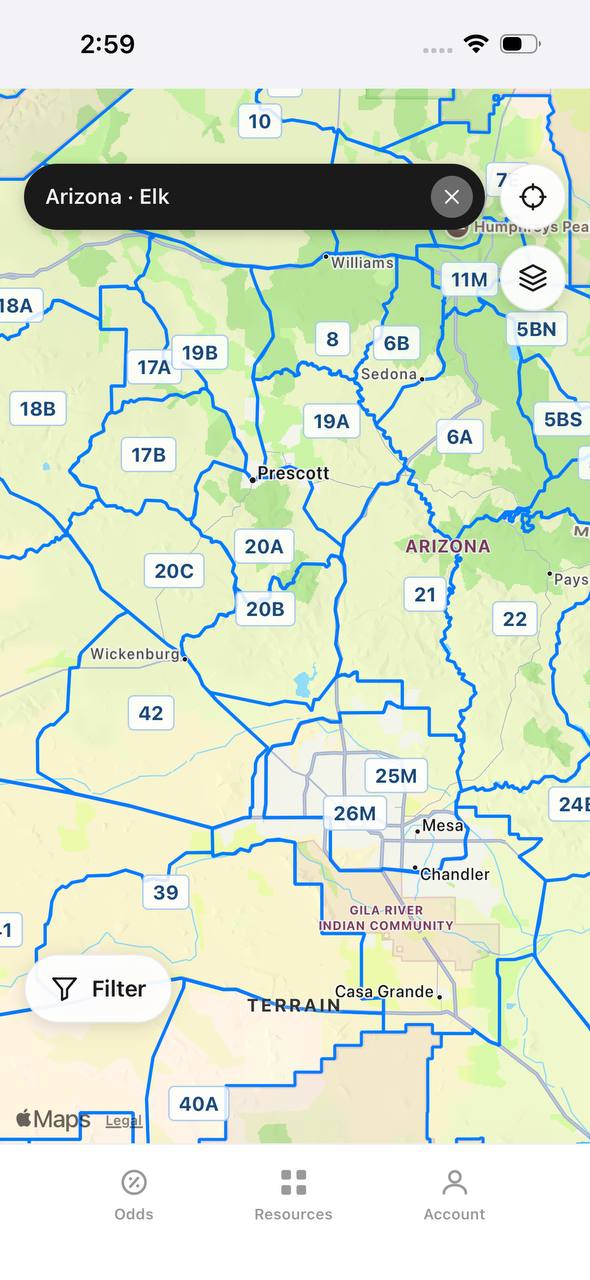
Colorado's big-game draw opens in early January and closes in early April. For 2027, expect the deadline around April 2–5. Colorado uses preference points for deer, elk, pronghorn, and bear, and you can apply for up to four choices. Leftover tags become available after the draw, often in August. Colorado also offers over-the-counter elk tags for certain units, though those are increasingly limited.
New Mexico's big-game draw opens in mid-January and closes in late March. The 2027 deadline is expected around March 25–30. New Mexico uses bonus points and allocates up to 12 percent of tags to nonresidents through the draw, with an additional 10 percent sold outfitter-allocated. You can apply for up to two hunt choices on a single application.
Wyoming's deer, elk, and pronghorn applications open in early January and close in late March or early April. For 2027, expect a deadline around March 31–April 5. Wyoming uses preference points for limited-quota hunts and random draws for general licenses in some regions. Nonresident caps are set at 25 percent for most species.
April 2027 Deadlines
Nevada's big-game draw opens in early March and closes in early May. For 2027, expect the deadline around May 5–10. Nevada uses bonus points, and nonresident caps are set at 10 percent for most tags. The state's elk and mule deer hunts are highly sought after, and draw odds for premium units are often less than 1 percent even with maximum points.
Oregon's big-game draw opens in mid-January and closes in late April or early May. For 2027, expect a deadline around May 1–5. Oregon uses preference points for deer and elk, and you can apply for up to five choices. Nonresident caps are set at 10 percent for most tags, though some controlled hunts are resident-only.
Washington's big-game draw opens in early March and closes in early May. For 2027, expect the deadline around May 10–15. Washington uses a preference-point system, and you can apply for up to four choices. Nonresident caps are enforced, and the state's elk and mule deer hunts are increasingly competitive.
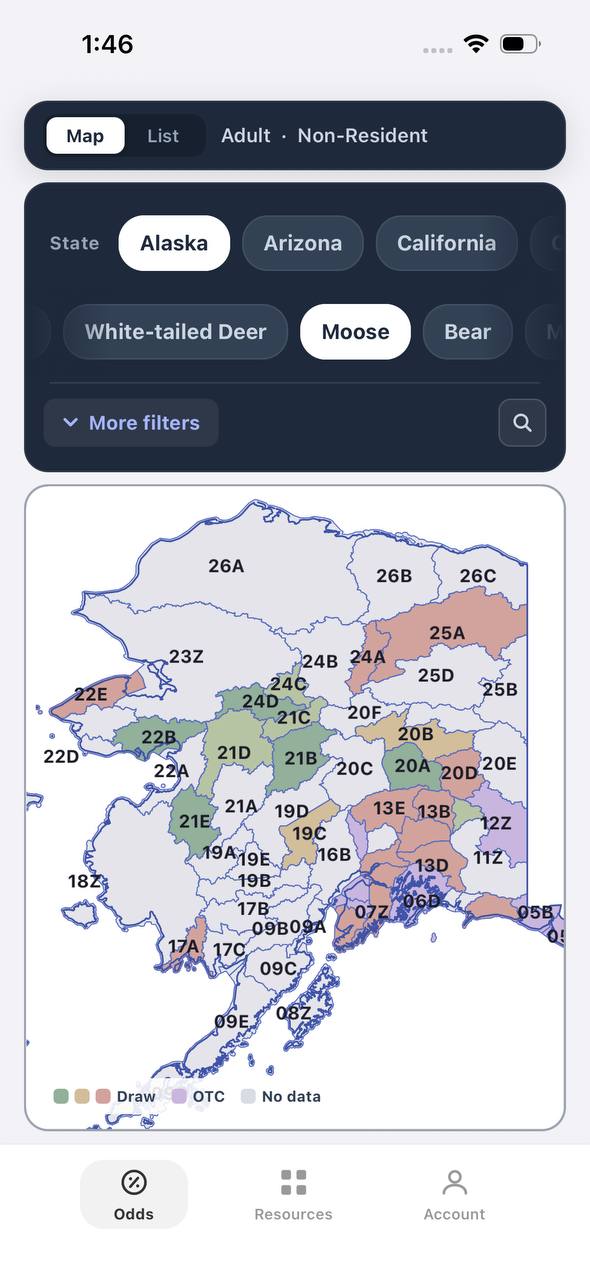
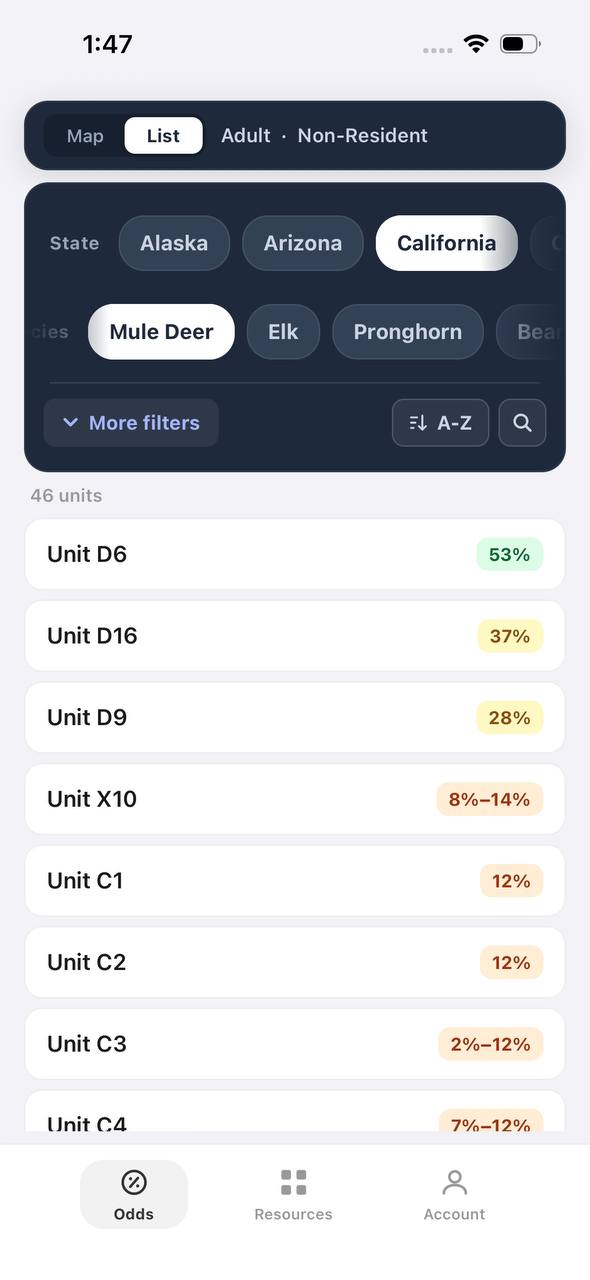
Free to join
Download mobile app
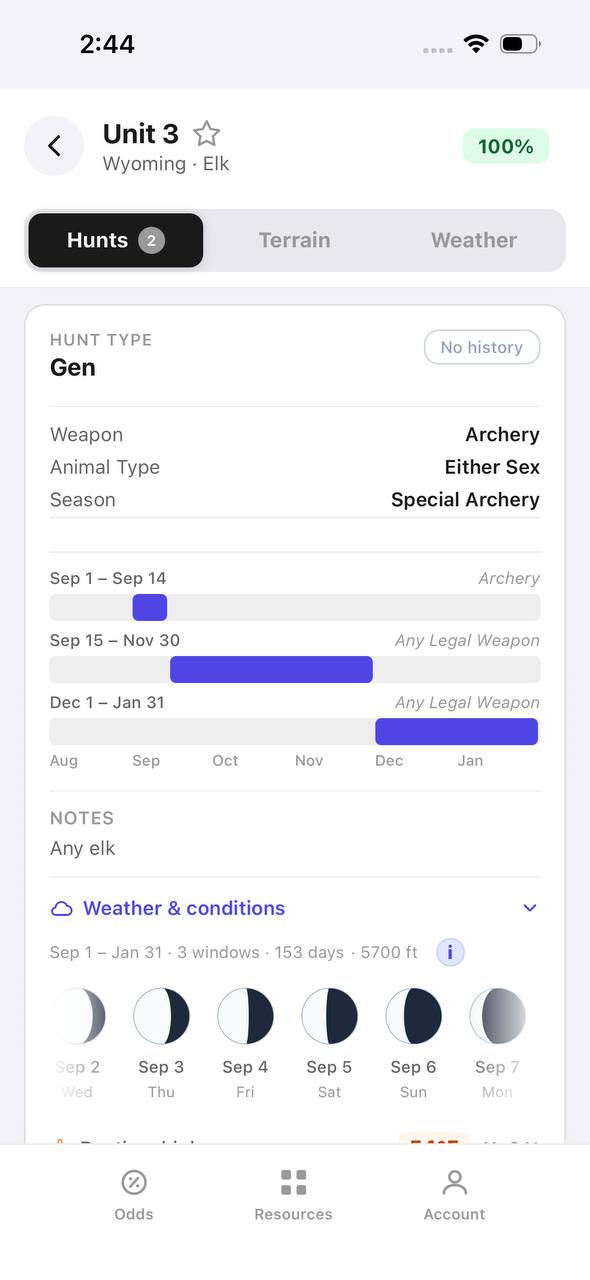
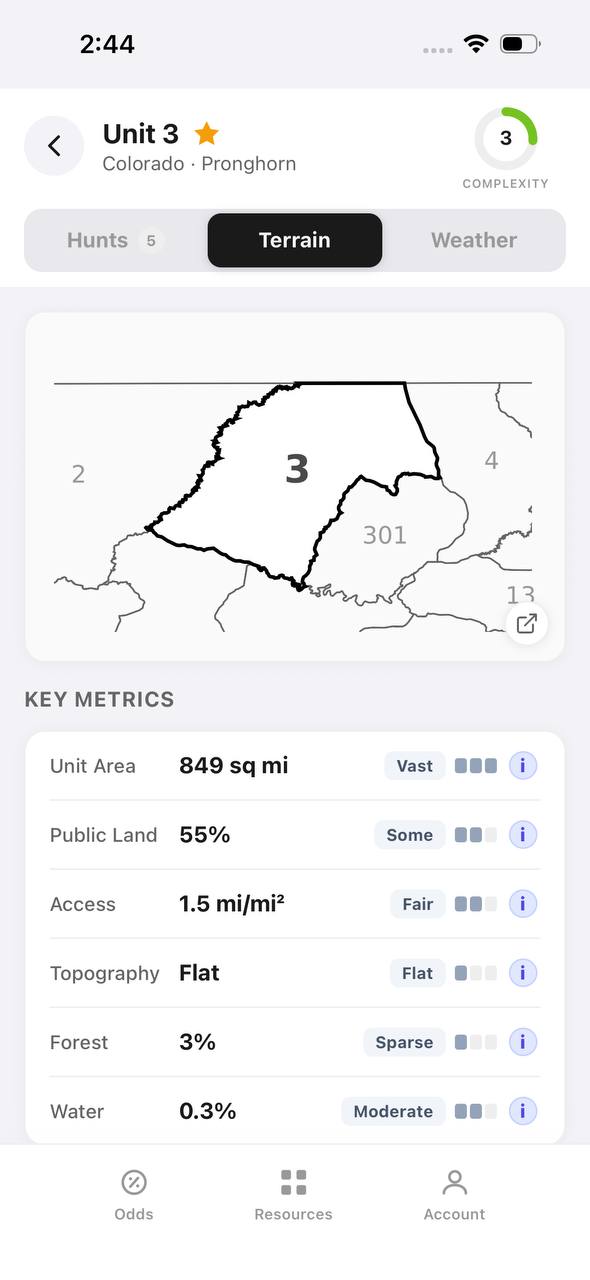
- Detailed draw odds
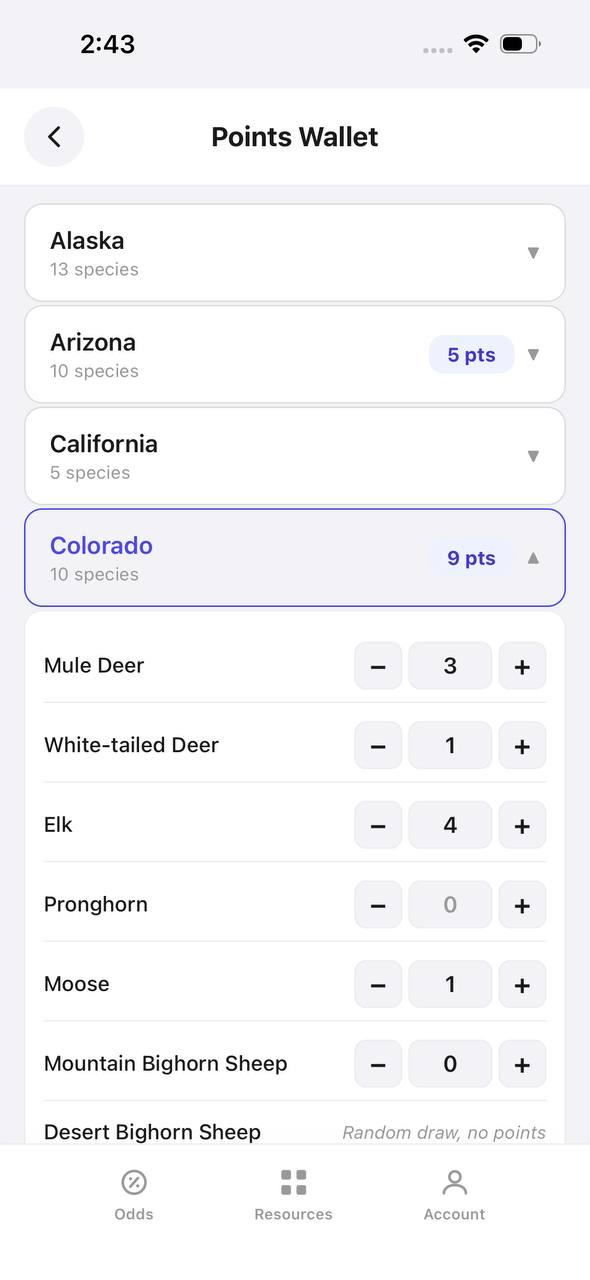
- Point tracking
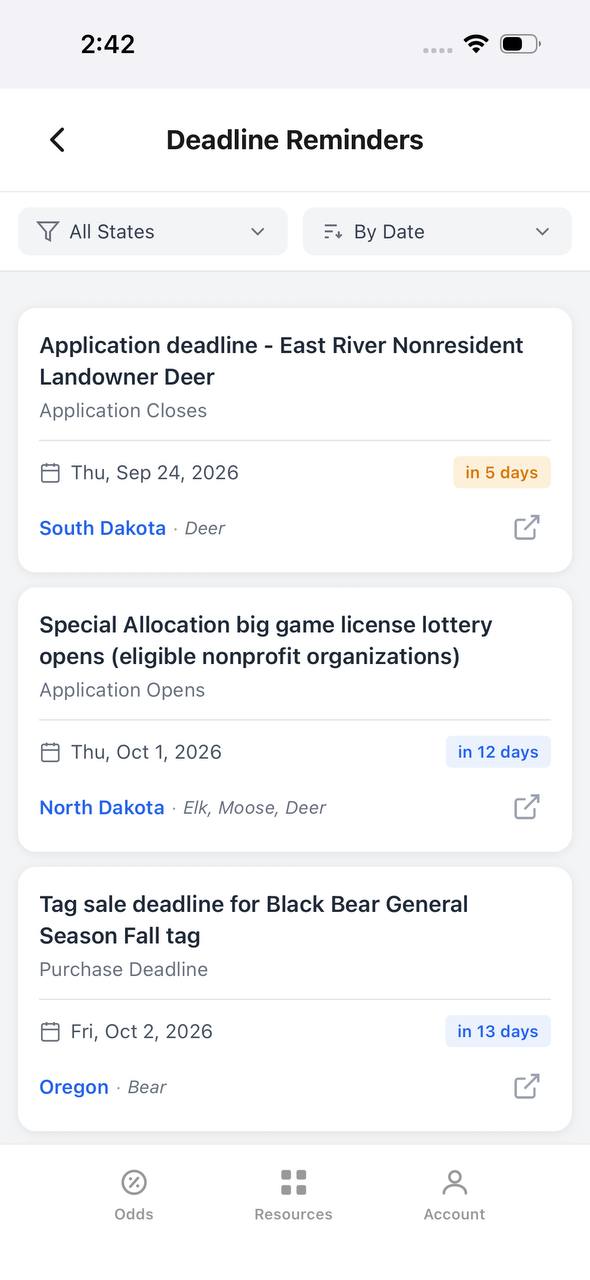
- Deadline reminders
- 19 states covered

Free to join
Download mobile app
- Detailed draw odds
- Point tracking
- Deadline reminders
- 19 states covered
Free to join
Download mobile app
- Detailed draw odds
- Point tracking
- Deadline reminders
- 19 states covered
May and June 2027 Deadlines
California's big-game draw opens in early April and closes in early June. For 2027, expect the deadline around June 2–5. California uses preference points for deer and elk, and nonresident participation is allowed for most hunts. The state's A-Zone deer hunts and Roosevelt elk hunts are particularly popular.
Alaska does not have a traditional draw system for most big-game species. Nonresident hunters must book with a registered guide or hunt with a resident family member for most species. Some permit hunts, such as muskox and bison, do require applications with deadlines typically in late fall or winter.
Application Strategy Across States
Successful Western hunters plan their application calendar months in advance. Most serious applicants track deadline dates using a spreadsheet or digital calendar with reminders set at least two weeks before each state's cutoff. Missing a deadline by even one day eliminates your chance to draw that year, and in preference-point states, you lose a year of point accumulation relative to other applicants.
Prioritize states where you have the best chance of drawing or where the hunts align most closely with your schedule and experience level. Applying in every state every year is expensive and often counterproductive. Focus on three to five states where you can build points strategically or where you have realistic draw odds with your current point total.
Residents of Western states have distinct advantages in most draw systems, including lower fees, higher tag allocations, and in some cases separate preference-point pools. If you live in a Western state, prioritize your home state's applications before spending money on nonresident tags elsewhere.
Point-Banking and Long-Term Planning
Several states allow you to bank points without submitting a full application. In Wyoming, for example, you can purchase a preference point during the summer point-only period if you did not apply during the main draw. Colorado offers a similar summer point-purchase window. This allows you to accumulate points in years when you cannot hunt without wasting an application or forfeiting a year of point growth.
Understand the point system in each state before you apply. Preference-point states like Colorado award tags to the highest point holders first, so your points guarantee eventual tag access as long as you keep applying. Bonus-point states like Utah and New Mexico give you more chances in the random draw but never guarantee a tag. Knowing which system applies helps you decide whether to burn points on a marginal hunt or wait for a better opportunity.
Multi-State Application Coordination
If you plan to apply in multiple states, coordinate your choices to avoid drawing two tags with overlapping seasons. Most states do not allow refunds or transfers once a tag is issued, and forfeiting a tag wastes money and often forfeits your points. Build your application strategy around realistic expectations of drawing, and avoid applying for top-tier hunts in multiple states simultaneously unless you are prepared to hunt more than one state in a single fall.
Some hunters apply for second-choice or third-choice hunts in point states to increase their draw odds while still accumulating points. If you do not draw any of your choices, you typically receive a point for the next year. This strategy allows you to hunt more frequently while still building toward premium units in the future.
Resident vs. Nonresident Considerations
Nonresident hunters face steeper odds and higher fees in nearly every Western state. Nonresident tag caps range from 10 percent in Arizona and Nevada to 25 percent in Wyoming and Montana. Some units and species have even lower nonresident allocations or are resident-only. Plan your strategy around states where you have realistic draw odds as a nonresident or where leftover tags are commonly available.
Establishing residency in a Western state dramatically improves your draw odds and reduces costs. Residency requirements vary by state but typically require 6–12 months of continuous physical presence before you qualify for resident hunting licenses. If you are considering a move or extended stay in a Western state, research residency requirements early and plan accordingly.
Internal Resources for Draw Planning
Understanding Western Big-Game Draw Systems explains how preference points, bonus points, and random draws work in each state. Colorado Elk Draw Strategy Guide offers unit-by-unit analysis for Colorado's most popular elk hunts. Wyoming Pronghorn Units: Where to Apply breaks down top pronghorn units and draw odds for nonresidents. How to Choose Your First Western Hunt helps new applicants prioritize states and species based on experience level and budget. Leftover Tag Strategies for Western Big Game covers how to secure tags after the main draw closes.
FAQ — 2027 Western Hunting Application Deadlines
What is the earliest Western state application deadline in 2027?
Idaho's controlled hunt deadline is typically the earliest, usually in early January. Wyoming's moose, sheep, goat, and bison applications also close in late January.
Can I apply in multiple states for the same species?
Yes. Each state operates an independent draw system, so you can apply for elk in Colorado, Wyoming, Montana, and other states simultaneously. Coordinate your choices to avoid overlapping seasons if you draw multiple tags.
What happens if I miss an application deadline?
You forfeit your opportunity to apply that year. In preference-point states, you also lose a year of point accumulation relative to other applicants. Most states do not offer extensions or late application periods.
Do I need a hunting license to apply for a draw?
Most states require a valid hunting license before you can submit a draw application. Some states allow you to purchase the license at the same time as your application. Check each state's specific requirements before applying.
Are nonresident draw odds lower than resident odds?
Yes, in nearly every Western state. Nonresident tag allocations are capped, often at 10–25 percent of total tags, and demand from nonresidents typically exceeds supply. Residents also pay lower fees and face fewer restrictions.
Can I buy preference points without applying for a hunt?
Several states, including Wyoming and Colorado, offer point-only purchase periods after the main draw closes. This allows you to accumulate points without submitting a full application, though you must still pay the point fee and in some cases a hunting license fee.
Was this article helpful?
Previous
How to Apply for Hunting Tags in Multiple States in 2027
Applying for tags across multiple Western states requires a strategic calendar, budget planning, and understanding each state's unique draw system. This guide walks you through the process of building a multi-state application strategy that maximizes your hunting opportunities without breaking the bank.

Related
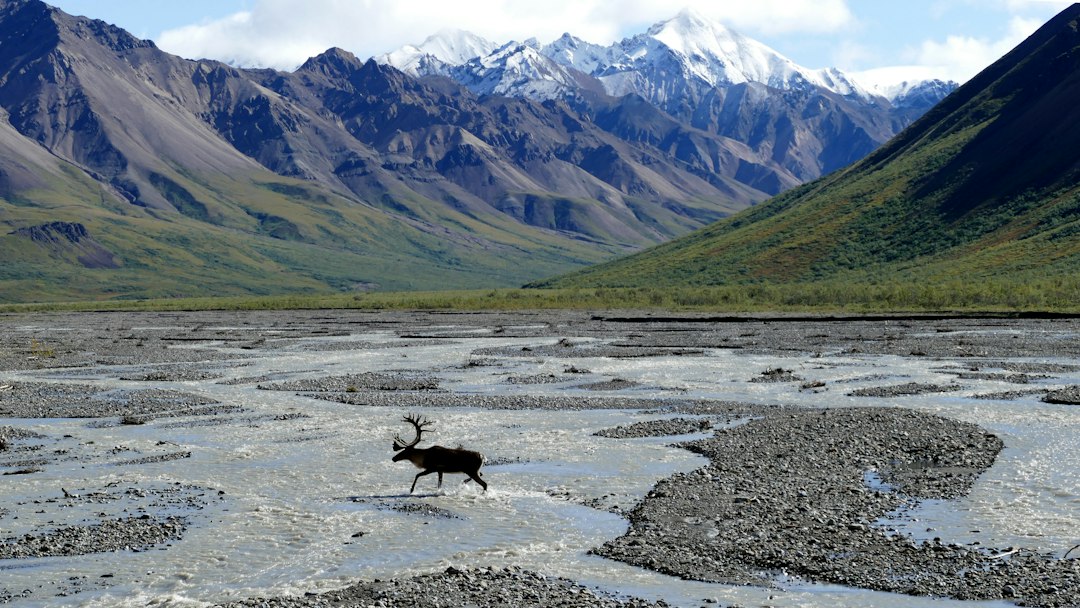
Alaska Caribou Hunting Guide 2027: Tags, Seasons, and Where to Hunt
Alaska offers some of North America's most accessible caribou hunting with generous bag limits, over-the-counter registration tags, and multiple herds spread across the state. This guide breaks down the 2027 registration system, herd locations, season timing, and strategic planning for nonresident and resident hunters.
Next
Best Elk Tags You Can Draw With Zero Preference Points in 2027
Zero-point elk tags exist across the West in quality units offering legitimate hunting opportunities. We break down the top draw options for first-time applicants and hunters who want to hunt now instead of waiting years.