Best Mule Deer Tags You Can Draw With Zero Points in 2027
Drawing a quality mule deer tag without preference points sounds impossible in 2027, but several Western states still offer legitimate opportunities for first-time applicants. Colorado's over-the-counter archery licenses, Wyoming's general-season regions, Montana's combination licenses, Idaho's controlled hunts, and New Mexico's pure-lottery system all provide accessible entry points. The tags below represent the best zero-point mule deer opportunities where success rates, buck quality, and public-land access align for hunters willing to work.
Colorado OTC Archery
Colorado remains the most accessible state for zero-point mule deer hunters through its over-the-counter archery program. Any resident or nonresident can purchase an archery deer license without applying, and most units containing mule deer are available OTC for archery seasons running late August through mid-September.
Second and third rifle seasons require preference points in most units, but archery hunters bypass the draw entirely. High-country units above timberline offer the best combination of buck quality and low hunter pressure during the early-season velvet period. Units in the Gunnison Basin, Flat Tops, and San Juan Mountains provide extensive public land where patient glassing and spot-and-stalk tactics produce opportunities on mature bucks.
Success rates for OTC archery mule deer hover around 10 to 15 percent statewide, but hunters who scout pre-season and focus on remote basins away from trailheads consistently encounter shootable bucks. The Colorado Parks and Wildlife website provides current license information and unit maps.
Wyoming Region G General License
Wyoming's Region G spans the southwestern corner of the state and offers general mule deer licenses available to residents and nonresidents without preference points. The region includes the Wyoming Range, Salt River Range, and vast sagebrush basins where mule deer densities remain strong.
Region G general licenses are sold in limited quantities and typically sell out within days of going on sale in early summer, but the quota system ensures moderate hunting pressure compared to true over-the-counter units. Nonresidents face a 16 percent quota on general licenses, meaning competition exists, but the draw odds for zero-point applicants often exceed 20 to 30 percent depending on the season.
Public-land access is excellent throughout the Bridger-Teton National Forest and BLM holdings. Rifle hunters targeting October rut activity find bucks concentrated near doe groups in transition zones between summer range and winter valleys. The Wyoming Game and Fish Department publishes draw odds for general licenses annually.
Montana General Combination License
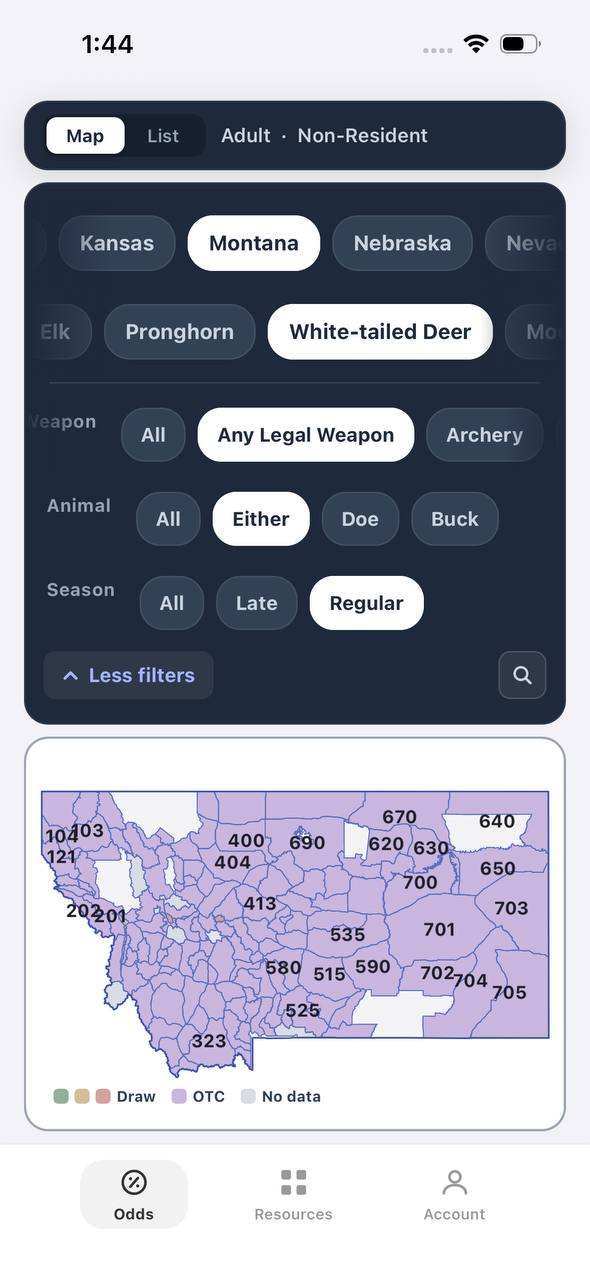
Montana's nonresident combination license includes a general mule deer tag valid across most of the state during the five-week rifle season running late October through Thanksgiving weekend. The combination license requires one or two preference points in most years, but leftover licenses often become available to zero-point applicants in the second draw or through the license release system.
Region 7 in eastern Montana and Region 4 in central Montana provide the most consistent mule deer hunting under general licenses. These areas contain large blocks of BLM land and state wildlife management areas where public access is straightforward. Buck quality varies by district, but mature four-point bucks are realistic goals for hunters who cover ground and glass methodically.
Montana's general mule deer season coincides with the rut, increasing buck visibility but also concentrating hunting pressure near roads and accessible ridges. Hunters willing to hike two miles or more from trailheads find significantly less competition. The Montana Fish, Wildlife & Parks website provides combination license information and draw statistics.
Idaho Controlled Hunts
Idaho operates a mix of general-season and controlled-hunt mule deer tags, with several controlled hunts in Units 36A, 39, 45, 49, and 66 drawing out at zero points for nonresidents. These units span central and southern Idaho where mule deer populations support moderate harvest quotas without requiring years of point accumulation.
Controlled hunts in Idaho typically offer rifle seasons during October and early November when bucks are approaching or entering the rut. Draw odds for zero-point hunts range from 10 to 40 percent depending on the unit and weapon type, making them realistic options for first-time applicants willing to apply consistently.
Public land is abundant in most controlled-hunt units through the Sawtooth, Salmon-Challis, and Boise national forests. Success rates average 25 to 35 percent in many controlled-hunt units, significantly higher than general-season areas. The Idaho Department of Fish and Game provides controlled-hunt odds and harvest statistics.
Free to join
Download mobile app
- Detailed draw odds
- Point tracking
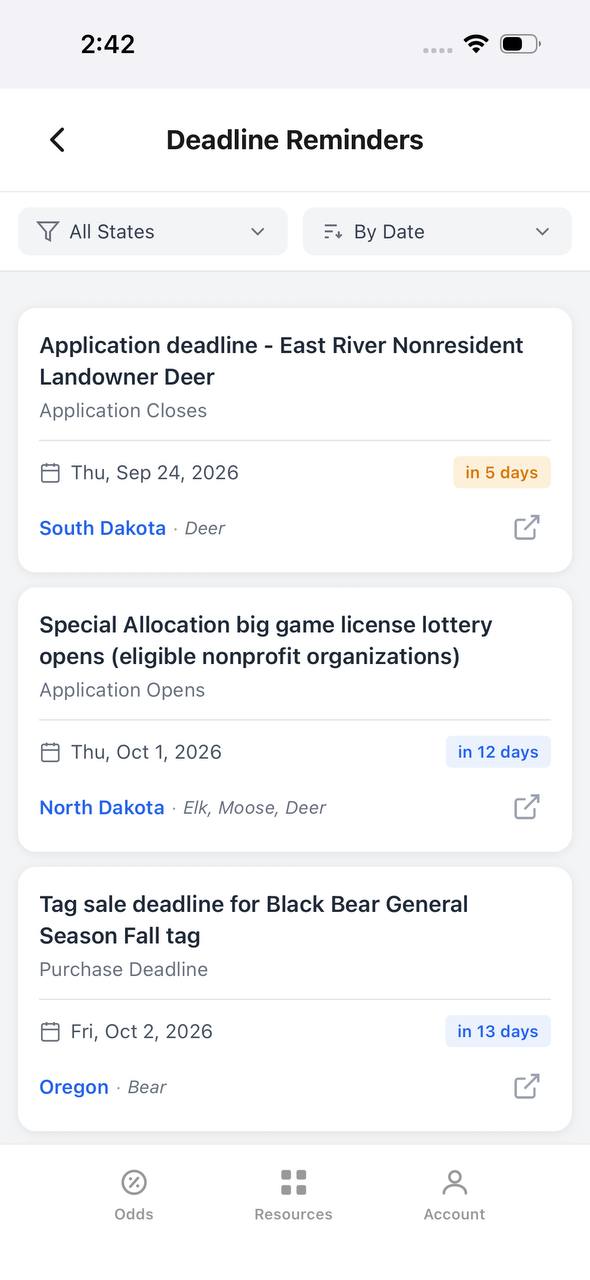
- Deadline reminders
- 19 states covered

Free to join
Download mobile app
- Detailed draw odds
- Point tracking
- Deadline reminders
- 19 states covered
Free to join
Download mobile app
- Detailed draw odds
- Point tracking
- Deadline reminders
- 19 states covered
New Mexico Pure Lottery System
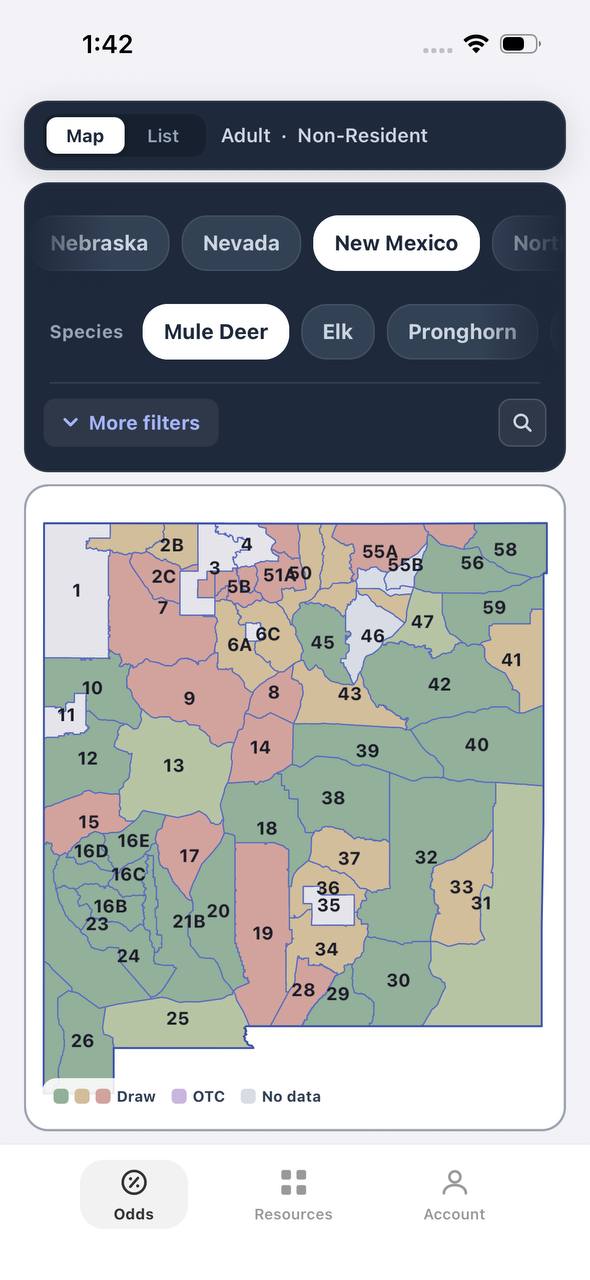
New Mexico operates a pure lottery system without preference points, meaning every applicant has an equal chance regardless of application history. This structure makes New Mexico the most democratic Western state for mule deer hunting, where zero-point hunters draw premium tags alongside 20-year applicants.
Units in the northwest corner near Farmington and units in the Gila National Forest offer the best combination of draw odds and buck quality for first-time applicants. Draw odds for quality rifle hunts range from 1 to 10 percent, while less-competitive units and seasons can exceed 20 percent.
New Mexico's October and November rifle seasons coincide with the rut, and public-land access through national forest and BLM land is extensive. Hunters who draw should invest in pre-season scouting or hire a reputable guide, as terrain is rugged and bucks often require glassing distant basins. The New Mexico Department of Game and Fish provides draw odds and application information.
Arizona Bonus Point System
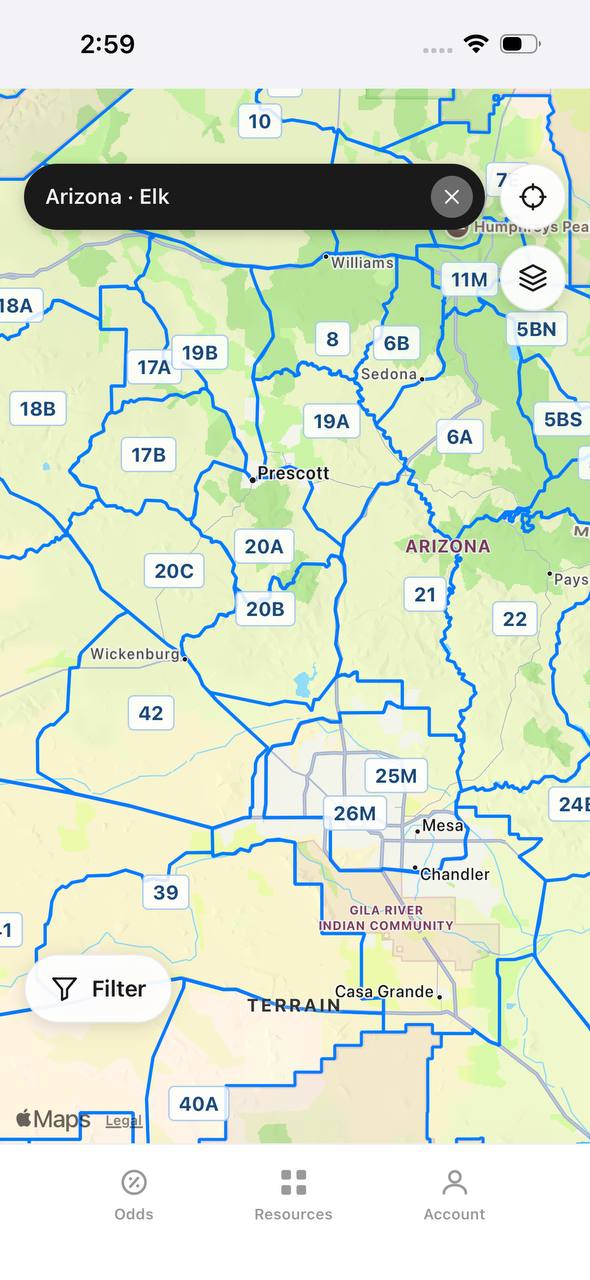
Arizona uses a bonus point system where points increase odds but do not guarantee draws, allowing zero-point applicants to draw tags in every unit every year. Units in the northern strip near the Kaibab Plateau and units along the Mogollon Rim offer the highest buck quality in the state, but draw odds for rifle hunts typically fall below 5 percent at zero points.
Archery hunts in units 22, 23, and 27 provide better odds for zero-point hunters, often exceeding 10 to 15 percent. These units contain large mule deer populations on the Coconino and Apache-Sitgreaves national forests where public access is straightforward. Archery seasons run late August through early September, targeting velvet bucks in high-country meadows and aspen groves.
Arizona's bonus point system rewards persistence, so applying annually increases odds incrementally even without accumulating preference points. The Arizona Game and Fish Department publishes detailed draw odds for all units and seasons.
Free to join
Download mobile app
- Detailed draw odds
- Point tracking
- Deadline reminders
- 19 states covered
Free to join
Download mobile app
- Detailed draw odds
- Point tracking
- Deadline reminders
- 19 states covered
Free to join
Download mobile app
- Detailed draw odds
- Point tracking
- Deadline reminders
- 19 states covered
Nevada Leftover Archery Tags
Nevada's controlled-hunt system typically requires several preference points for rifle tags, but leftover archery tags often become available after the main draw. Units in the northeastern corner near Elko and units in central Nevada along the Toiyabe Range occasionally offer leftover archery hunts for mule deer.
Leftover tags are sold on a first-come, first-served basis and typically become available in late summer. Hunters who monitor the leftover list closely can secure tags without competing in the main draw. Archery seasons in Nevada run late August through mid-September, with high-country units offering the best combination of buck quality and low hunter density.
Public land is extensive across BLM holdings and national forest boundaries, though water sources are critical for locating deer in Nevada's arid environment. The Nevada Department of Wildlife provides leftover tag information and application instructions.
South Dakota West River Units
South Dakota's West River mule deer units offer general-season any-deer licenses available to nonresidents without preference points. The western third of the state contains large blocks of Custer National Forest, national grasslands, and BLM land where mule deer populations support moderate harvest pressure.
Nonresident any-deer licenses are limited in quantity, but leftover licenses often become available in the second license release. Rifle seasons run from early November through late November, coinciding with the rut and providing excellent opportunities to intercept bucks moving between doe groups.
Buck quality in South Dakota's West River units averages smaller than peak units in Colorado or Wyoming, but mature four-point bucks are realistic goals for hunters who glass methodically and avoid overcrowded access points. The South Dakota Game, Fish and Parks website provides license availability and application information.
Oregon Eastern Units
Oregon's eastern mule deer units offer controlled rifle hunts in October and November where draw odds for nonresidents at zero points range from 15 to 40 percent. Units in the northeast corner near the Wallowa-Whitman National Forest and units in the southeast near the Malheur National Forest provide the best combination of public access and buck quality.
Oregon's controlled hunts typically coincide with the rut, increasing buck visibility and hunter success rates. Harvest statistics for eastern units average 25 to 35 percent, with mature bucks available to hunters who scout pre-season and focus on remote drainages away from road systems.
Public land is abundant throughout eastern Oregon, though private ranches checkerboard BLM holdings in some areas. The Oregon Department of Fish and Wildlife provides controlled-hunt odds and harvest data.
Free to join
Download mobile app
- Detailed draw odds
- Point tracking
- Deadline reminders
- 19 states covered
Free to join
Download mobile app
- Detailed draw odds
- Point tracking
- Deadline reminders
- 19 states covered
Free to join
Download mobile app
- Detailed draw odds
- Point tracking
- Deadline reminders
- 19 states covered
Utah General-Season Units
Utah's general-season mule deer hunts require no preference points and are available to residents and nonresidents on a limited quota basis. The Northern Region and Southeastern Region offer the most extensive public land where mule deer densities support moderate hunting pressure.
General-season rifle hunts run late October through early November, targeting the peak rut period. Draw odds for nonresident general-season tags typically range from 50 to 100 percent depending on the region, making Utah one of the most accessible zero-point options for rifle hunters.
Buck quality in Utah's general-season units averages lower than limited-entry units, but mature four-point bucks are realistic goals for hunters who cover ground and avoid crowded trailheads. The Utah Division of Wildlife Resources provides draw odds and application information.
Strategies for Zero-Point Success
Drawing a tag without points is only the first step. Success on zero-point hunts requires pre-season scouting, physical conditioning, and realistic expectations about buck size. The best zero-point hunts reward effort over entitlement, meaning hunters who hike farther, glass longer, and adapt to changing conditions consistently outperform those who expect trophy bucks near trailheads.
Focus on units with large blocks of contiguous public land where wilderness designation or rugged terrain limits motorized access. These areas naturally filter casual hunters and concentrate bucks in remote basins where patient glassing and spot-and-stalk tactics produce opportunities.
Apply for multiple states annually to maximize odds of drawing at least one zero-point tag. Building a rotation across Colorado OTC, Wyoming general licenses, Montana combinations, Idaho controlled hunts, and New Mexico lottery applications ensures consistent hunting opportunities without waiting years for points to accumulate.
FAQ — Zero-Point Mule Deer Tags
Can you really draw a quality mule deer tag with zero points?
Yes. Colorado OTC archery, Wyoming Region G, Montana general combinations, and New Mexico's pure lottery all provide legitimate opportunities for zero-point hunters. Success depends on choosing the right units and committing to backcountry effort.
Which state offers the best zero-point mule deer hunting?
Colorado's OTC archery program provides the most accessible entry point, while Wyoming's Region G general licenses offer the best combination of rifle hunting and moderate pressure. Montana's general combination licenses work well for hunters willing to target the rut.
Are zero-point hunts worth the effort compared to waiting for points?
Absolutely. Waiting five years for a mid-tier tag means missing five hunting seasons. Zero-point hunts provide immediate opportunities where effort and preparation matter more than draw odds. Many hunters kill mature bucks on zero-point hunts by targeting remote areas others overlook.
How do I find public land in zero-point units?
Use OnX Hunt or similar mapping apps to identify BLM land, national forest boundaries, and state trust land. Focus on roadless areas at least two miles from trailheads where motorized access is limited. Contact local BLM and Forest Service offices for current road closure information.
What is the success rate for zero-point mule deer hunts?
Success rates vary by state and weapon type. Colorado OTC archery averages 10 to 15 percent, Wyoming general licenses average 25 to 35 percent, and Montana general combinations average 20 to 30 percent. Hunters who scout and hunt remote areas often exceed statewide averages.
Should I apply for multiple states or focus on one?
Apply for multiple states to maximize odds of drawing at least one tag annually. Diversifying applications across Colorado, Wyoming, Montana, Idaho, and New Mexico ensures consistent hunting opportunities without gambling on a single state's draw.
Was this article helpful?
Previous
How Much Does It Cost to Apply for Elk Tags in Every Western State?
Western elk tag application fees range from $10 to over $2,000 depending on residency status and state requirements. This complete breakdown covers license costs, point fees, and application charges across all 11 western states.

Related
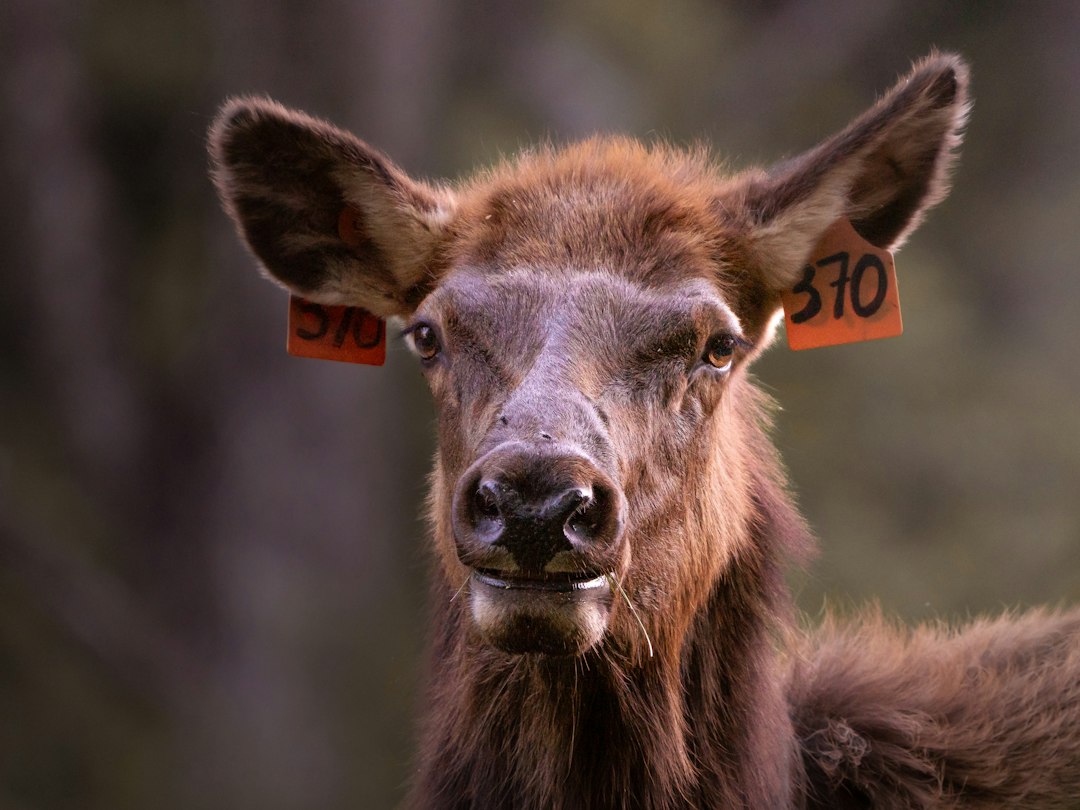
Best Elk Tags You Can Draw With Zero Preference Points in 2027
Zero-point elk tags exist across the West in quality units offering legitimate hunting opportunities. We break down the top draw options for first-time applicants and hunters who want to hunt now instead of waiting years.
Next
How to Build a Five-Year Western Hunting Application Strategy
A systematic approach to planning Western big-game applications across multiple states, balancing point accumulation with hunt opportunities to maximize your chances over five years.