Best Elk Tags You Can Draw With Zero Preference Points in 2027
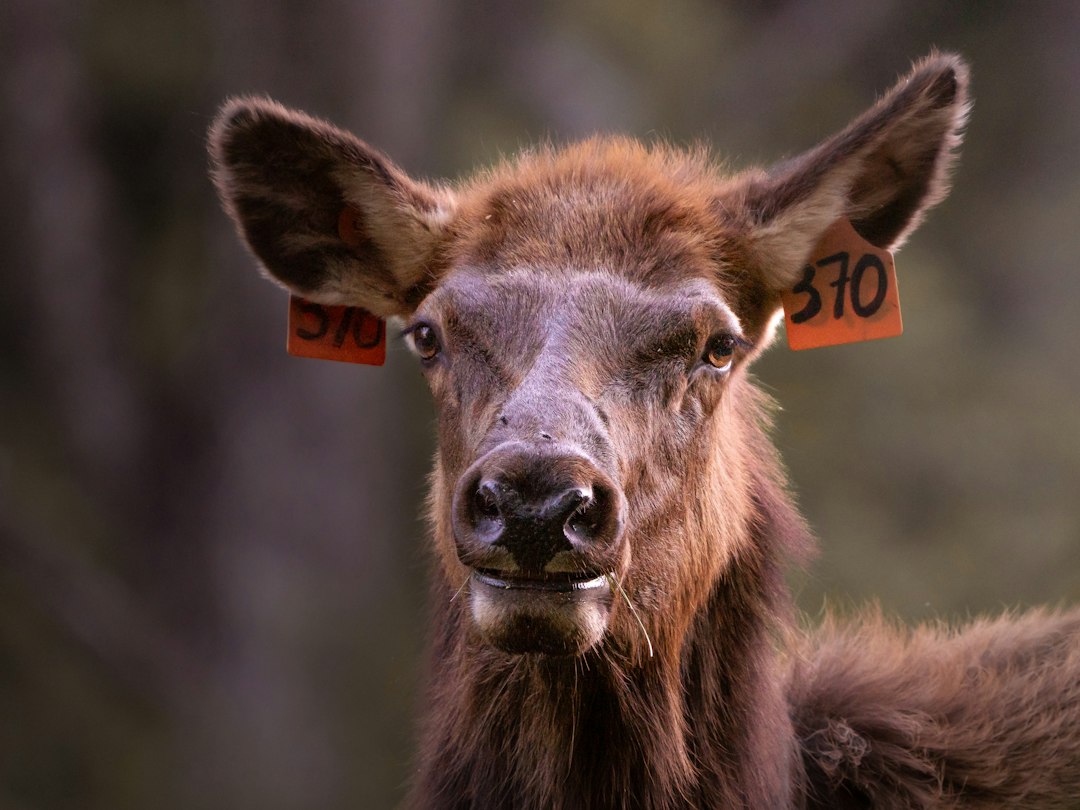
You don't need a decade of preference points to hunt elk in a quality unit. Several Western states offer legitimate elk-hunting opportunities that first-time applicants can draw with zero points, and 2027 is shaping up to be a strong year for hunters willing to target the right units and seasons. The key is knowing which states use bonus or preference systems that still allow zero-point draws, understanding draw odds in undersubscribed units, and timing your applications to seasons most hunters overlook.
Colorado: Second and Third Rifle in Undersubscribed Units
Colorado remains one of the best zero-point options because it uses a preference-point system but still offers leftover and secondary-draw tags in units that don't fill during the primary draw. For 2027, focus on second and third rifle seasons in units with lower trophy potential but solid elk populations. Units in the Uncompahgre Plateau, portions of the White River drainage, and select San Juan units often have tags available.
The Colorado Parks and Wildlife Big Game Season Structure publishes draw statistics annually, and reviewing 2025 and 2026 data will show which units had leftover tags or drew at zero points. Units with 10-20% draw odds for residents at zero points are realistic targets. Nonresidents face tougher odds but can still find opportunities in less-pressured units during late seasons.
Second rifle (late October) coincides with the rut's tail end, while third rifle (early November) offers post-rut hunting with less competition. Both seasons see fewer applications than first rifle, and bulls are still vocal enough in second rifle to respond to calling. Third rifle requires more spot-and-stalk skill but rewards hunters who can cover ground and glass effectively.
Wyoming: Reduced-Price Cow Tags and Type 6 Units
Wyoming's bonus-point system means every applicant has a chance in every draw, regardless of point totals. The state offers numerous cow elk tags and Type 6 (unlimited) licenses that provide meat-hunting opportunities with near-guaranteed draws. For hunters interested in bull tags, focus on units with 10-15% draw odds at zero points.
Region H (Cody area) and portions of Region G (Jackson) have general elk areas that require only the base elk license, which nonresidents can obtain through the Special draw with higher odds. The Wyoming Game and Fish Department Elk Hunting page provides current draw odds and leftover license information.
Type 1 (any elk) tags in units like 100 (open to general license holders) and select limited-quota areas in Regions F and G occasionally draw at zero points when weather or access concerns reduce applications. The key is applying early in the draw period and monitoring leftover lists in July. Wyoming's leftover draw happens mid-summer, and tags that don't sell in the initial draw become available to any applicant.
Idaho: General Season and Over-the-Counter Opportunities
Idaho doesn't use preference points for elk, making it ideal for first-time Western hunters. The state offers controlled-hunt tags through a random draw and over-the-counter general-season tags in many zones. For 2027, controlled-hunt tags in units with moderate hunting pressure and solid public land access provide quality opportunities without point creep.
Units in the Clearwater Region and portions of the Panhandle offer archery and rifle controlled-hunt tags with 15-30% draw odds. The Idaho Department of Fish and Game Elk Hunting Information page details controlled-hunt application deadlines and unit-specific regulations. Because Idaho uses a true random draw, applying with a hunting partner or group doesn't hurt your odds if you're willing to split up.
General-season tags are available over-the-counter for many zones, though they come with shorter seasons and more hunter competition. Archery hunters willing to hike into roadless areas can find bulls during the rut, and rifle hunters who avoid trailheads on opening weekend will encounter elk in mid-elevation timber. Idaho's general seasons run shorter than other states, so plan for a focused 9-10 day hunt rather than a month-long scouting and hunting trip.
Montana: Bonus Point System and Unlimited Districts
Montana's bonus-point system (called preference points but functioning as bonus points) means zero-point applicants still have draw odds in every unit. The state offers general elk licenses for nonresidents through a combination license draw and permits for specific hunting districts through a separate draw. First-time applicants should focus on general combination licenses, which provide access to general elk units statewide.
The Montana Fish, Wildlife & Parks Elk Hunting page outlines the application process and provides harvest statistics by district. General elk tags allow hunting in most of Montana's 300-plus hunting districts, excluding limited-entry areas. Districts in Regions 2, 3, and 4 offer solid public land access and huntable elk populations without premium draw odds.
For hunters interested in limited-entry permits, focus on archery either-sex permits in districts with moderate pressure. Some districts in the Missouri Breaks and portions of Region 7 occasionally draw at zero points when applications drop due to access concerns or shifts in elk distribution. Applying for a second-choice unit increases your odds of drawing something, even if it's not your top target.
Free to join
Download mobile app
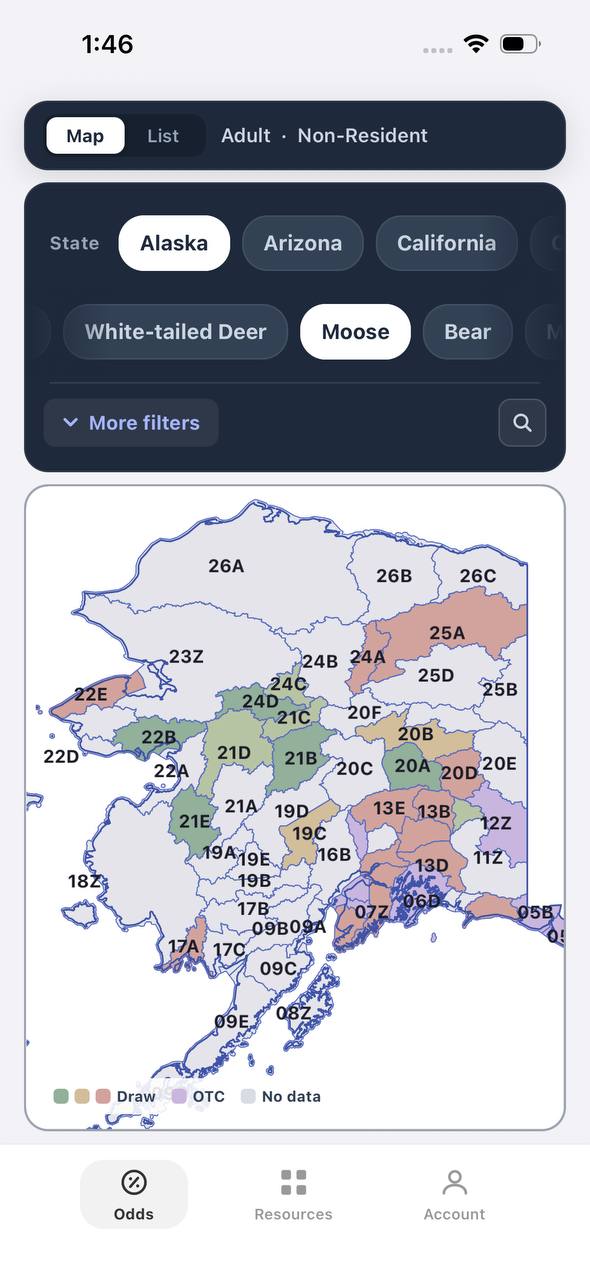
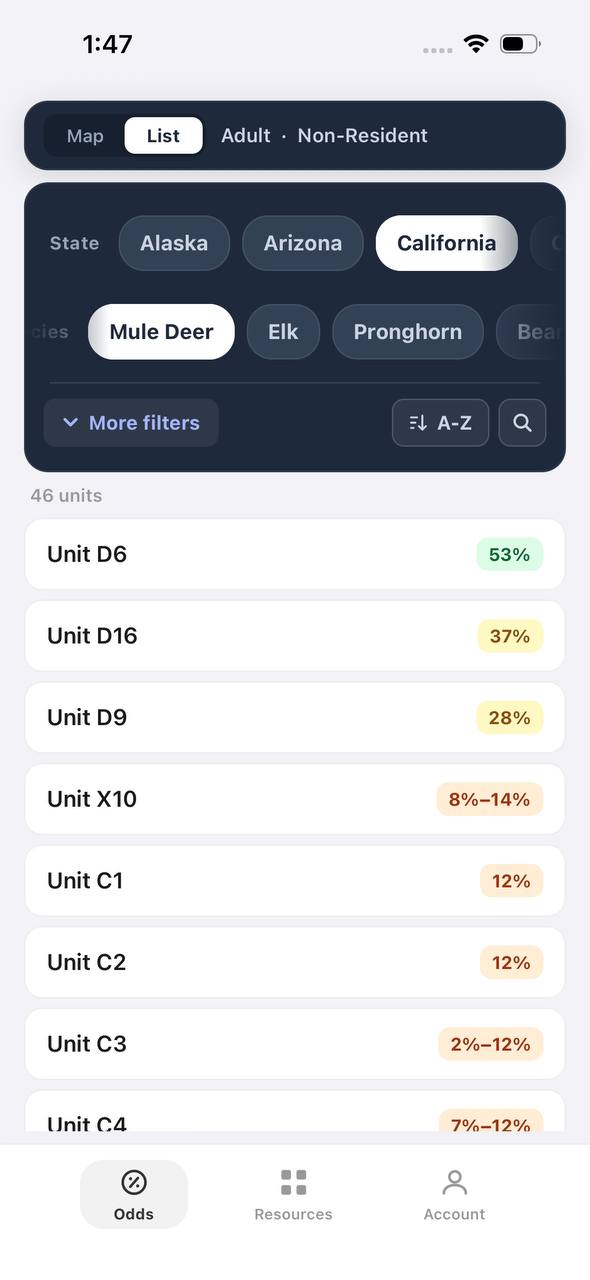
- Detailed draw odds
- Point tracking
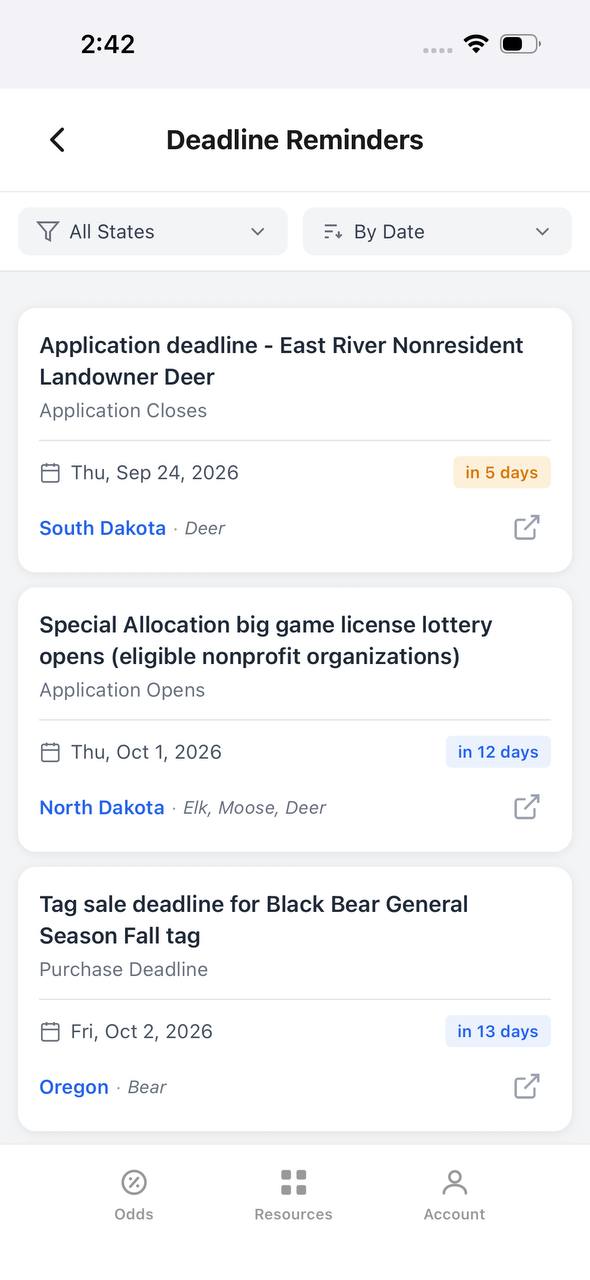
- Deadline reminders
- 19 states covered

Free to join
Download mobile app
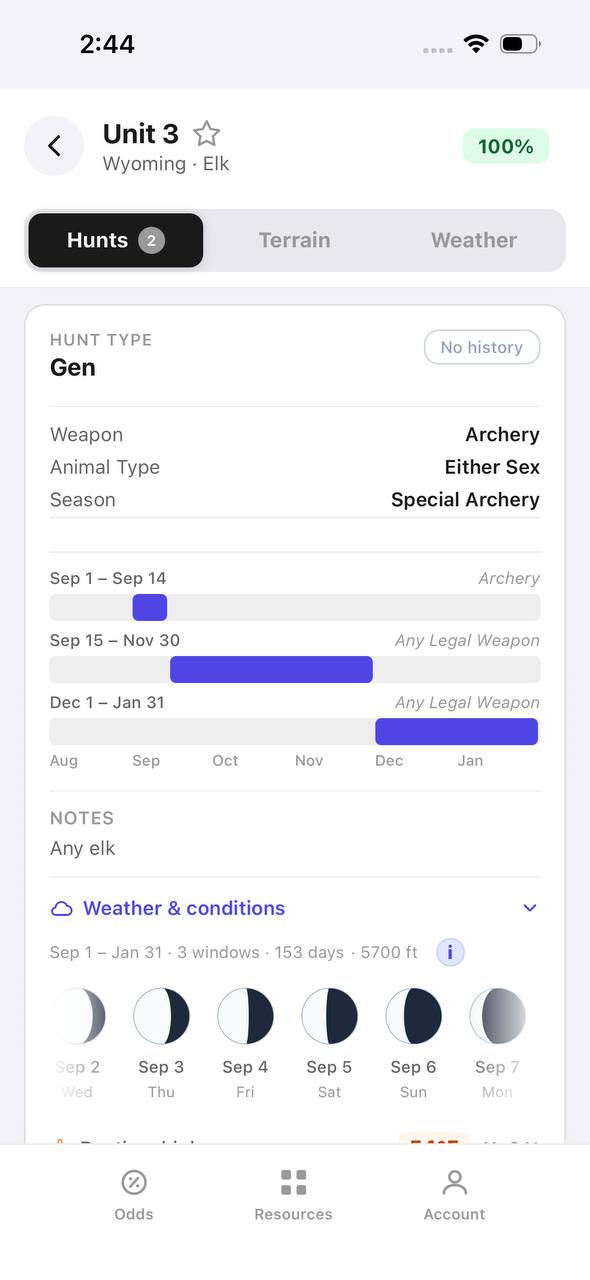
- Detailed draw odds
- Point tracking
- Deadline reminders
- 19 states covered
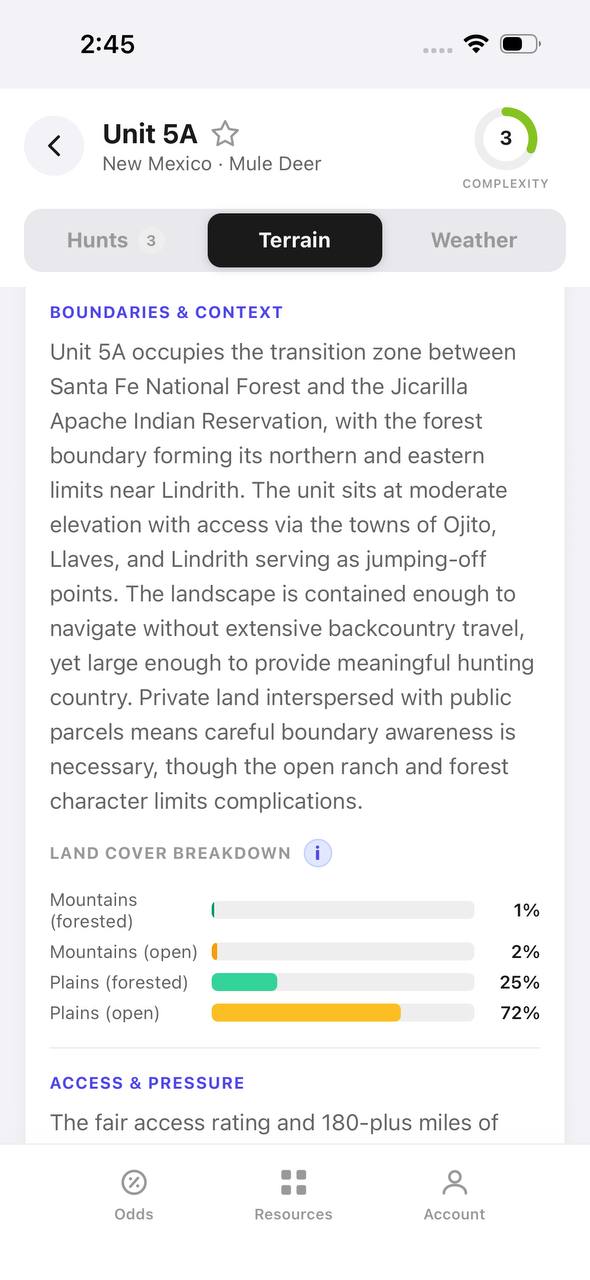
Free to join
Download mobile app
- Detailed draw odds
- Point tracking
- Deadline reminders
- 19 states covered
New Mexico: Completely Random Draw System
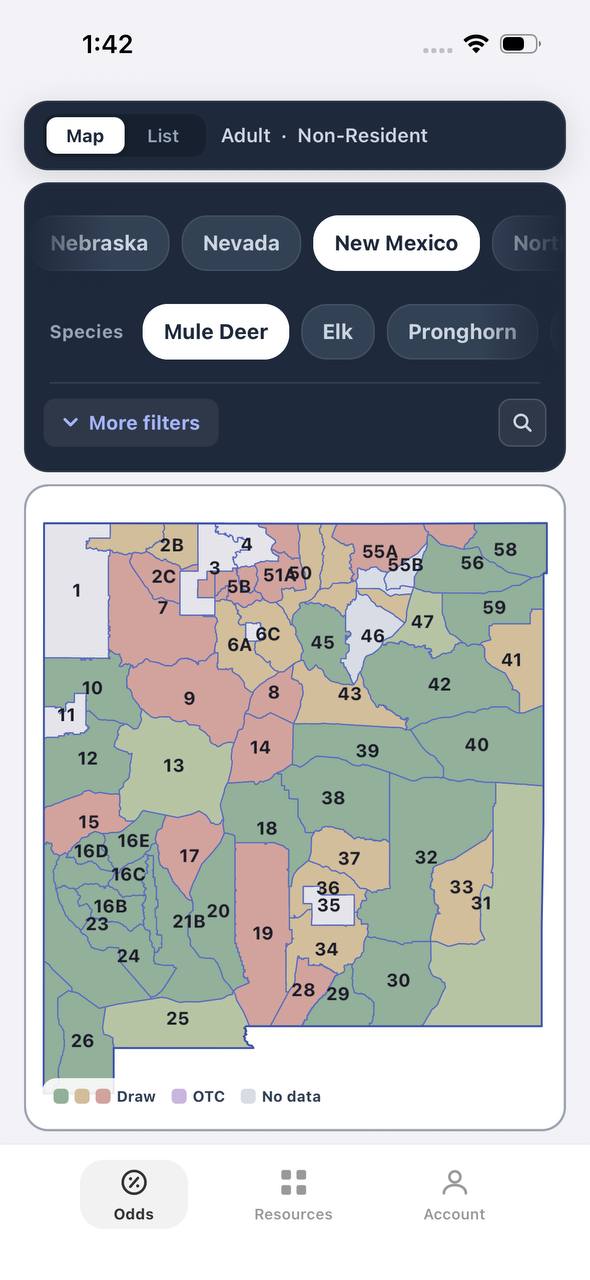
New Mexico uses a pure random draw with no preference or bonus points, meaning a first-time applicant has the same odds as someone who's applied for 20 years. This makes it the ultimate zero-point opportunity, though draw odds in quality units remain low across the board. The state's 2027 draw will follow the same structure, with applications due in March.
Focus on units with 5-10% draw odds in the resident or nonresident pools (depending on your residency). Units in the Gila, portions of the Jemez, and select northwest units offer quality public land hunting with reasonable tag allocations. The New Mexico Department of Game and Fish Elk Information page provides draw odds and harvest data.
Because New Mexico's draw is completely random, applying for a first-choice premium unit and a second-choice reasonable unit maximizes your chances of drawing something. If you don't draw your first choice, your second choice is still in the running. This system rewards hunters who research unit options and apply strategically rather than chasing trophy units every year.
Oregon: Controlled Hunt and General Season Opportunities
Oregon offers controlled-hunt tags through a preference-point draw but also provides general-season tags in many units. First-time applicants can target controlled hunts with less than three points required or hunt general seasons with over-the-counter tags. The state's 2027 season structure will include controlled hunts for archery, rifle, and muzzleloader seasons.
Units in the Ochoco, Malheur, and portions of the Coast Range offer controlled hunts with reasonable draw odds at zero points. The Oregon Department of Fish and Wildlife Controlled Hunt Tag Information provides draw odds and application details. General-season rifle tags are available over-the-counter for many eastern Oregon units, though hunters should expect competition near roads and campgrounds.
Oregon's general archery season runs most of September, allowing hunters multiple weeks to pattern bulls and hunt the rut. Controlled rifle hunts are shorter (5-9 days) but concentrate elk activity and reduce hunting pressure compared to general seasons. For first-time Oregon applicants, applying for a controlled hunt and purchasing a general tag as a backup provides maximum flexibility.
Application Strategy for Zero-Point Hunts
Drawing a zero-point tag requires strategic timing and realistic expectations. Apply early in the draw period to ensure your application is processed, and research draw odds from the past three years to identify trends. Units that consistently draw at zero points are your best targets, even if harvest success rates are lower than premium units.
Consider applying for second or third-choice hunts in states that allow multiple unit selections. This increases your odds of drawing something without committing to a low-odds premium unit as your only choice. Some states process second-choice applications only after first-choice tags are allocated, so research how each state handles multi-choice applications.
Group applications can help in states that award all members of a party or none, though this typically reduces odds because you're drawing for the highest point total in the group. If you're applying with a hunting partner who also has zero points, group applications work in your favor in states like Wyoming where bonus points increase odds for everyone in the party.
Timing Your Hunt for Success
Zero-point units often coincide with seasons that most hunters overlook. Late-season rifle hunts, mid-week archery seasons, and either-sex permits in units with high elk populations can provide better hunting than waiting years for a premium tag. Focus on when you can hunt rather than chasing the perfect unit and season combination.
Late October and early November rifle seasons in Colorado and Montana offer post-rut hunting with less pressure. Bulls are grouped up with cows but still respond to calling, and milder weather makes hiking into backcountry areas more feasible. Archery seasons in September align with the rut across most Western states, though success rates depend heavily on calling skill and physical conditioning.
Mid-week hunts in units with weekend OTC pressure can be productive if you're flexible with vacation time. Many zero-point units see heavy weekend traffic but clear out Monday through Thursday. Elk adapt quickly to hunting pressure, and shifting to weekday hunts can put you in contact with bulls that have been pressured into less accessible terrain.
Evaluating Unit Quality Beyond Draw Odds
Draw odds tell only part of the story. A unit with 100% draw odds at zero points may have low elk populations, limited public access, or heavy hunting pressure that reduces success rates. Use state harvest reports, forum scouting reports, and onX maps to evaluate whether a unit is worth applying for.
Look for units with 15-25% harvest success rates for the weapon and season you're targeting. This indicates a huntable elk population without requiring premium tag status. Public land percentage matters more than total unit size — a small unit with 70% public land offers more opportunity than a large unit with 90% private land and limited access.
Scouting reports from the past two seasons provide insight into access points, elk distribution, and hunter competition. OnX's hunting app allows you to identify trailheads, public land boundaries, and terrain features before committing to a unit. Spending a few hours researching online beats showing up to a unit and discovering all the elk are on private land.
Internal Resources for Draw Planning
TAGZ Insights covers draw strategy, unit breakdowns, and application deadlines for Western states. For more on navigating preference point systems, see our article on Understanding Western Draw Systems. To compare elk draw odds across multiple states, check out Where to Apply for Elk in 2027. For first-time Western hunters, Planning Your First Out-of-State Elk Hunt covers logistics, gear, and expectations.
FAQ — Zero-Point Elk Tags
Can you really draw a quality elk tag with zero points?
Yes. Colorado, Wyoming, Idaho, Montana, New Mexico, and Oregon all offer elk tags that first-time applicants can draw. Some are general seasons, others are controlled hunts in units with moderate pressure, and a few are leftover tags in undersubscribed areas.
Which state gives you the best odds with zero points?
Idaho and New Mexico offer the best zero-point odds because neither uses preference points. Idaho's controlled hunts draw at 15-30% in many units, and New Mexico's random draw means everyone has the same chance regardless of points.
Are zero-point elk tags worth hunting?
Absolutely. Many zero-point units have solid elk populations and public land access. Success rates may be lower than premium units, but hunting a zero-point unit this year beats waiting a decade for a trophy tag you may never draw.
Should I apply for cow tags or hold out for a bull tag?
If you want to hunt elk in 2027, apply for both. Cow tags in Wyoming and Montana draw with near-certainty at zero points, provide meat, and let you gain field experience. You can always build points for a bull tag while hunting cows annually.
Do leftover tags count as zero-point draws?
Yes. Leftover tags in Colorado, Wyoming, and Montana are available to any applicant regardless of points. These tags didn't sell in the primary draw and become available in secondary draws or over-the-counter sales.
What's the difference between bonus points and preference points for zero-point applicants?
Preference points (Colorado, Oregon) rank applicants by point totals, so zero-point holders draw only if tags remain after higher-point applicants are satisfied. Bonus points (Wyoming, Montana) give you extra chances in the random draw, so you still have odds at zero points but lower than applicants with more points.
Was this article helpful?
Previous
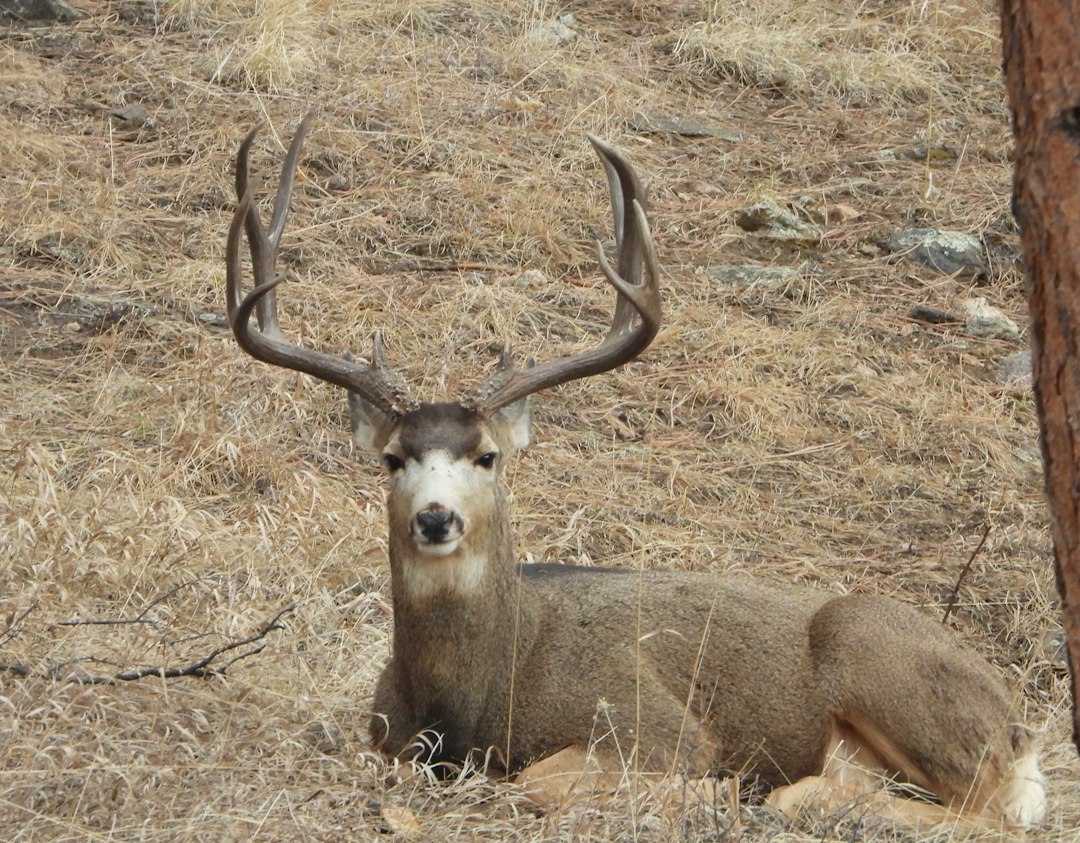
Best Mule Deer Tags You Can Draw With Zero Points in 2027
Zero-point mule deer hunts exist across the West, from Colorado's high-country OTC archery to Wyoming's Region G general licenses. Here are the tags worth applying for without years of waiting.
Related
How to Apply for Hunting Tags in Multiple States in 2027
Applying for tags across multiple Western states requires a strategic calendar, budget planning, and understanding each state's unique draw system. This guide walks you through the process of building a multi-state application strategy that maximizes your hunting opportunities without breaking the bank.

Next
How Much Does It Cost to Apply for Elk Tags in Every Western State?
Western elk tag application fees range from $10 to over $2,000 depending on residency status and state requirements. This complete breakdown covers license costs, point fees, and application charges across all 11 western states.