How Hard Is It to Draw a Florida Bear Permit? Draw Odds & Application Strategy
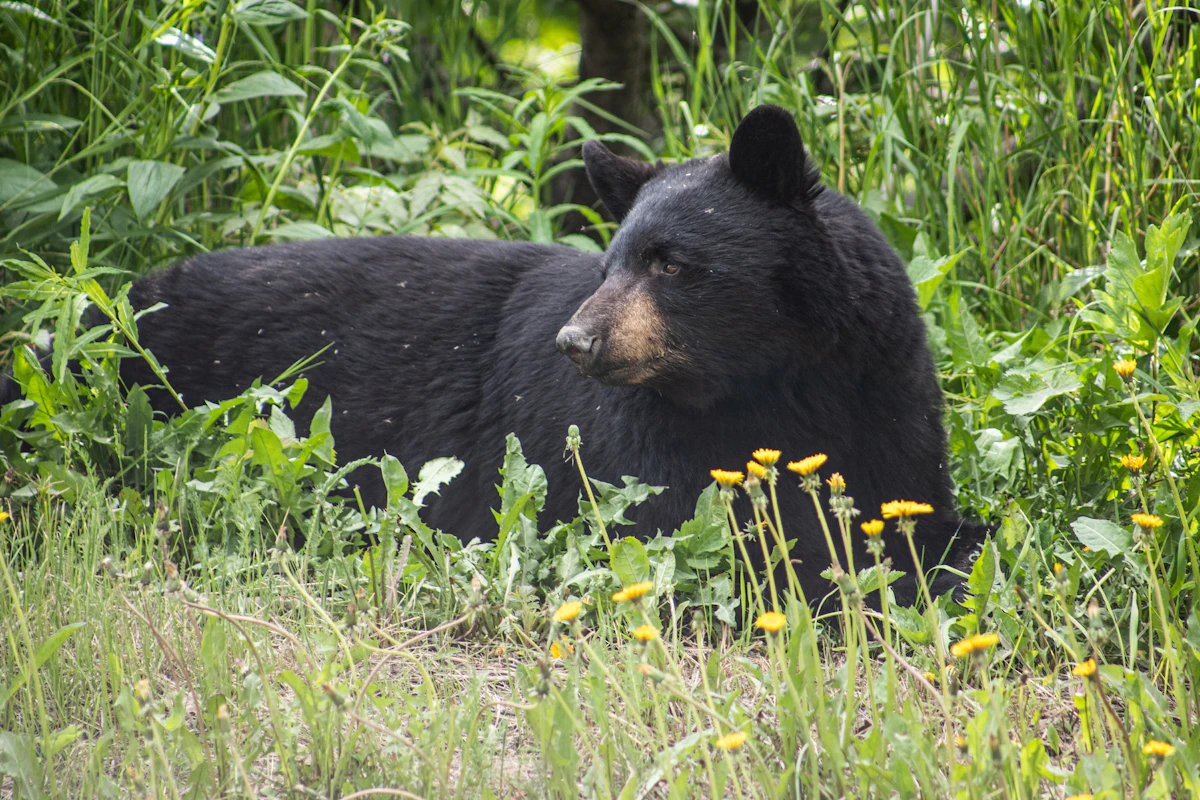
Florida bear permits rank among the most difficult hunting tags to draw in the United States. With only a handful of permits available across four management zones and thousands of applicants competing for them, your chances of success hover between 1-3% in most areas. The state's bear population has rebounded significantly since hunting was reinstated in 2015 after a 21-year closure, but Florida Fish and Wildlife Conservation Commission (FWC) maintains extremely conservative harvest quotas to ensure sustainable management.
The difficulty of drawing a Florida bear permit stems from three factors: severely limited permit numbers, a random draw system with no preference points, and the appeal of hunting one of the few bear populations in the Southeast. For hunters hoping to secure a permit, understanding zone-specific draw odds and application mechanics is essential.
Florida Bear Permit Zones and Allocation
Florida divides bear hunting into four Bear Management Units (BMUs): East Panhandle, Central, South, and the Big Cypress Addition. Not all zones open every year, and permit allocations vary based on population estimates and harvest data from previous seasons.
The East Panhandle and Central units typically receive the highest allocations when hunts occur, sometimes offering 200-300 permits each. The South unit is more restricted, often limited to 40-80 permits. The Big Cypress Addition sees the fewest permits when open, occasionally just 10-20 tags total. Each zone has separate draw odds, and applicants can apply for multiple units in a single year.
Resident and nonresident hunters compete in the same draw pool, though residents pay significantly lower fees. Florida does not set aside a nonresident allocation or give residents priority beyond pricing.
Draw Odds by Zone
Draw odds fluctuate year to year based on hunter interest and permit allocation, but recent hunts provide a clear picture of the challenge.
In the Central unit during recent hunts, draw odds ranged from 2-4% when 250-300 permits were available and 6,000-10,000 applicants entered. The East Panhandle sees similar or slightly better odds, occasionally reaching 5-6% when fewer applicants compete for a comparable permit allocation. The South unit consistently posts the worst odds, often below 2%, due to restrictive permit numbers and high application volume. Big Cypress Addition odds vary wildly depending on allocation but rarely exceed 3-4%.
These percentages mean a hunter applying for a Central unit permit with 3% odds would statistically need to apply 33 times to draw once, assuming odds remain constant. The reality is even more discouraging because Florida does not hold bear hunts annually. Seasons depend on population surveys, harvest data, and management objectives, meaning years can pass between opportunities to apply.
How the Draw System Works
Florida uses a pure random draw with no preference point, bonus point, or waiting period system. Every applicant has equal odds regardless of how many times they have applied unsuccessfully in the past. This levels the playing field for first-time applicants but also means veterans gain no advantage from years of applications.
Applications open in early summer, typically June or July, and close 30-45 days later. FWC announces draw results in late summer, usually August or September. Successful applicants must purchase their permit immediately upon notification, and permits are non-transferable.
Hunters can apply for multiple BMUs in a single application period, but each unit selection is treated as a separate entry. Applying for all open units does not increase your odds of drawing any specific tag, but it does increase your overall chance of drawing somewhere. The application fee is nominal, usually $5 per unit applied for, making it financially reasonable to apply for all available zones.
What Affects Your Draw Odds
Three primary factors influence whether Florida holds a bear season in any given year, and therefore whether you even get the chance to apply.
First, FWC conducts regular population surveys to estimate bear numbers across each BMU. If population estimates fall below target thresholds or show declining trends, the commission may cancel the hunt. Second, harvest data from previous seasons influences future allocations. If hunters exceeded harvest objectives too quickly in a prior hunt, FWC may reduce permits or close the unit temporarily. Third, public input and political pressure play a role. Bear hunting in Florida remains controversial among some wildlife advocacy groups, and FWC must balance biological data with public sentiment when making season decisions.
When a hunt does occur, your draw odds improve slightly if you apply for less popular units. The East Panhandle often sees marginally better odds than the Central unit, though success rates remain low across the board. Applying for all open units maximizes your chances of drawing somewhere, even if it is not your preferred zone.
Hunt Details and Season Structure
Florida bear seasons are short, typically running just one or two days depending on harvest quotas and hunter success. The season usually opens in late October, aligning with cooler weather and reduced risk of meat spoilage. Hunters can use any legal firearm or archery equipment, and both bait and hounds are prohibited statewide.
Each BMU has a zone-wide harvest quota, and FWC monitors harvest in real time throughout the season. Once the quota is reached, the season closes immediately for that unit, even if the scheduled end date has not arrived. This system creates urgency for permit holders to hunt early in the season.
Permit holders must check their bear within 24 hours at an official FWC check station. Biological data collected during check-in helps biologists refine population estimates and set future harvest objectives. Failure to check a harvested bear results in significant fines and potential loss of hunting privileges.
Why Draw Odds Are So Low
Florida manages its bear population conservatively due to habitat constraints, urban interface challenges, and the species' relatively slow reproductive rate. Female black bears typically produce cubs every two years, and recruitment rates depend heavily on hard mast production and environmental conditions.
The state's bear population is concentrated in forested areas that are increasingly fragmented by development. This limits available habitat and creates more frequent human-bear conflicts, which complicates management decisions. FWC must balance hunter opportunity with long-term population sustainability and public safety concerns.
Additionally, the political sensitivity surrounding bear hunting in Florida influences permit allocations. The 2015 hunt, which was the first in over two decades, generated significant public backlash despite being based on sound biological data. Subsequent hunts have been more limited, and some years see no season at all. This inconsistency, combined with high hunter interest, keeps draw odds stubbornly low.
Application Strategy for Florida Bear Permits
Given the random draw system and low odds, there is no foolproof strategy to guarantee a permit. However, several approaches can marginally improve your chances or help you make the most of the opportunity if you draw.
Apply for all open units unless you are absolutely unwilling to hunt a specific zone. Each unit application is a separate entry, and applying for multiple zones increases your overall odds of drawing somewhere. The East Panhandle often has slightly better odds than the Central unit, though both remain highly competitive. If a South or Big Cypress hunt opens, consider applying despite lower odds, as fewer applicants sometimes enter these zones.
Apply every year a hunt is offered, even if odds seem discouraging. With a random draw, your chances are the same whether you are a first-time applicant or a 10-year veteran, but you cannot win if you do not enter. Some hunters join the draw for years without success, while others draw on their first attempt. Persistence is the only strategy that improves long-term odds.
If you draw, scout heavily before the season. Permit holders who locate active bear sign in advance dramatically increase their harvest success. Use trail cameras, look for claw marks on trees, and identify food sources like oak stands or palmetto thickets. Since the season is short and quotas close units quickly, you may have only one or two days to capitalize on your permit.
Comparing Florida to Other States
Florida bear permits are harder to draw than most western big-game tags, even highly coveted limited-entry elk or pronghorn units. The combination of single-digit draw odds, no preference point system, and inconsistent hunt schedules makes Florida one of the most challenging bear hunts in the country.
States like Montana, Wyoming, and Idaho offer over-the-counter or general-license bear hunts with unlimited participation. Even limited-entry bear hunts in states like Utah or Nevada typically have better odds than Florida, with 10-20% success rates in many units. Colorado and New Mexico also offer more bear hunting opportunity through unlimited licenses in most units.
The only comparable bear hunts in terms of difficulty are limited-entry zones in states like California (where bear hunting is heavily restricted) or highly sought-after grizzly hunts if they ever reopen. For black bear hunting specifically, Florida stands alone in its combination of extreme competition and limited opportunity.
What to Do If You Do Not Draw
Given the low odds, most applicants will not draw a Florida bear permit in any given year. Hunters serious about bear hunting have several alternatives to consider while waiting for Florida results.
Many southeastern states offer over-the-counter bear seasons with good populations. North Carolina, Tennessee, and Georgia all have huntable bear numbers and more liberal permit structures. Virginia offers both over-the-counter and limited-draw hunts depending on the zone. These states provide opportunities to gain bear hunting experience and fill a freezer while continuing to apply in Florida.
Western states like Montana, Wyoming, Idaho, and Washington offer general or over-the-counter bear licenses with excellent success rates. These hunts often coincide with spring seasons, allowing hunters to chase bears during the rut when they are more active and predictable. Spring bear hunts in the Rockies provide a completely different experience from fall hunting in Florida but scratch the same itch.
Alternatively, some hunters focus on other limited-draw species in Florida while continuing to apply for bear permits. The state offers quality-managed deer hunts, turkey hunts, and alligator permits that also use draw systems. Diversifying your applications keeps you in the field while waiting for a bear tag.
Using TAGZ to Track Florida Bear Draw Odds
TAGZ helps hunters analyze draw odds across multiple states and species, including limited-entry hunts like Florida bear permits. The platform compiles historical draw data, success rates, and permit allocations so you can see trends over time and make informed decisions about where to apply.
For Florida bear permits, TAGZ tracks zone-specific draw odds year by year, showing how application volume and permit numbers have changed since the 2015 hunt reopened. You can compare odds between the East Panhandle, Central, South, and Big Cypress units to identify which zones offer slightly better chances. The platform also sends alerts when Florida announces application periods, ensuring you never miss a deadline.
Beyond Florida, TAGZ allows you to compare bear hunting opportunities across multiple states side by side. See which states offer the best odds for limited-entry tags, where over-the-counter hunts provide the most opportunity, and how Florida stacks up against other competitive draws. Track your applications across states, monitor preference point accumulation in states that use those systems, and plan a multi-year strategy for maximizing your chances at limited-entry permits.
FAQ — Florida Bear Permits
How many bear permits does Florida issue each year?
Permit numbers vary by zone and year, but typically range from 200-400 total tags when hunts occur. The Central and East Panhandle units receive the highest allocations, sometimes 250-300 permits each, while the South and Big Cypress units issue far fewer.
Does Florida have preference points for bear hunting?
No. Florida uses a pure random draw with no preference point, bonus point, or waiting period system. Every applicant has equal odds regardless of past applications.
Can nonresidents apply for Florida bear permits?
Yes. Residents and nonresidents compete in the same draw pool with no separate allocation. Nonresidents pay higher application and permit fees but have the same odds as residents.
What are realistic draw odds for Florida bear permits?
Draw odds typically range from 1-6% depending on the zone. The Central unit averages 2-4%, the East Panhandle 3-6%, and the South unit often falls below 2%. Big Cypress odds vary widely based on permit allocation.
How often does Florida hold bear hunts?
Florida does not hold bear hunts annually. Seasons depend on population surveys, harvest data, and management objectives. Some years see no hunt at all, while others open multiple zones. Since 2015, hunts have been inconsistent.
Should I apply for multiple bear management units?
Yes. Each unit application is a separate entry, and applying for multiple zones increases your overall chance of drawing somewhere. The application fee is low, usually $5 per unit, making it cost-effective to apply for all open zones.
Continue Planning Your Hunt
Whether you are chasing a Florida bear permit or researching hunts across the West, TAGZ helps you compare draw odds, track application deadlines, and build a multi-year strategy for maximizing your tag opportunities. Explore unit maps, terrain breakdowns, and public land access information for hunts nationwide at TAGZ Insights. Create an account at getmytagz.com to start tracking your applications and planning your next hunt with confidence. Compare draw odds across states and species, monitor your preference and bonus points, and never miss another application deadline with the tools serious western hunters rely on at TAGZ.
Was this article helpful?
Previous
Complete Elk Calling Guide: Mastering Bugling, Cow Calls, and When to Stay Silent
Learn proven elk calling techniques for every phase of the rut and hunting scenario. This guide covers bugling fundamentals, cow call sequences, common mistakes, and when silence is your best strategy.
Next
Challenge Bugles Explained: What Bulls Are Really Saying and How to Respond
Challenge bugles signal a bull elk's willingness to fight for dominance. Understanding when and how to respond can turn a stalemate into a filled tag.