Complete Elk Calling Guide: Mastering Bugling, Cow Calls, and When to Stay Silent
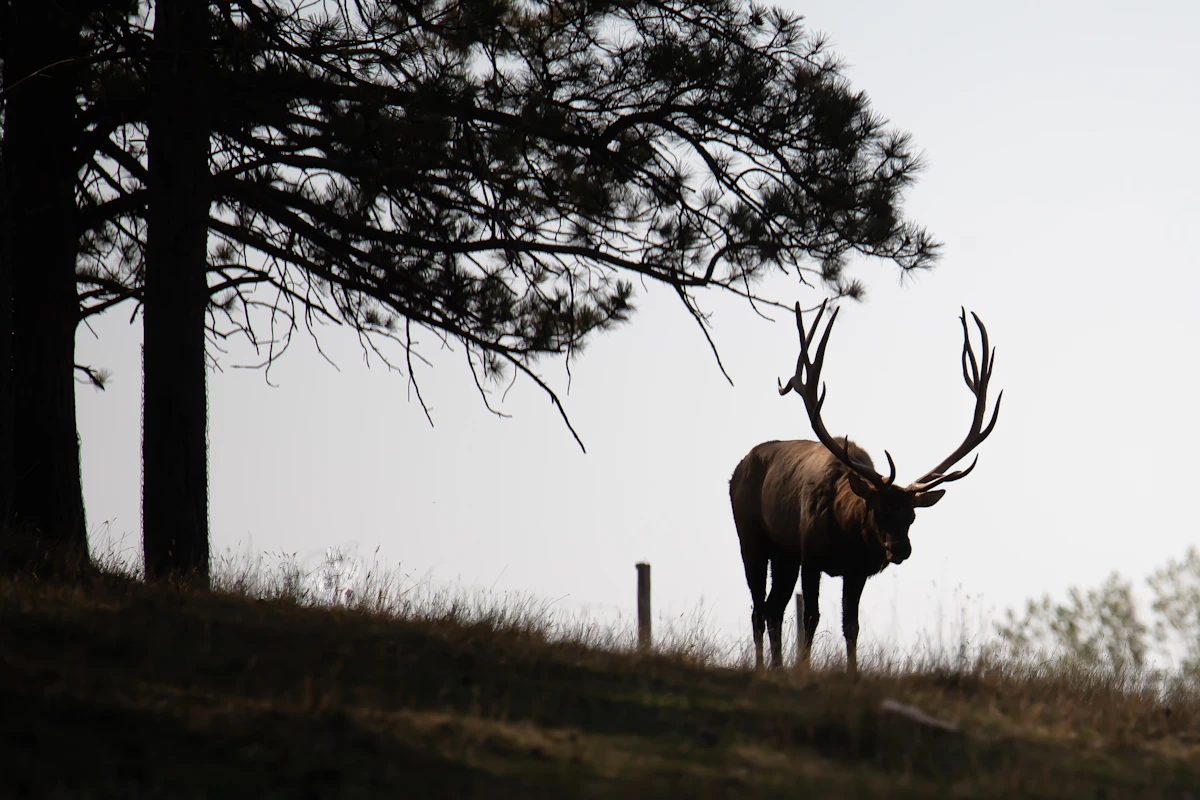
Every September, elk woods across the West fill with hunters trying to sound like a bull or cow elk. Some succeed. Most fail because they misunderstand when to call, how much to call, and what specific sounds trigger a response versus pushing elk into the next drainage.
This guide breaks down elk calling into practical strategies you can apply immediately. You will learn the difference between locator bugles and challenge bugles, when a soft mew works better than aggressive cow calls, and why the best elk callers sometimes never touch their tubes.
Understanding Elk Communication Basics
Elk use vocalizations to establish dominance, locate herd members, signal danger, and coordinate breeding. Bulls bugle to advertise their presence and warn rival males. Cows use multiple sounds ranging from soft mews to sharp barks depending on the situation.
The key is matching your calling to what elk naturally do at that specific time and place. A herd bull with cows responds differently than a satellite bull looking for breeding opportunities. Pre-rut bulls tolerate calling that would send a post-rut bull running.
Successful calling requires reading elk behavior, understanding rut phases, and knowing which sounds fit the scenario. Before you ever blow a call, observe how elk in your area are acting. Are bulls actively bugling? Are cows grouped or scattered? This context determines your approach.
The Three Rut Phases and Calling Strategy
Elk behavior changes dramatically as the rut progresses. Your calling must change with it.
Pre-Rut Calling (Late August to Early September)
Bulls are sparring, establishing hierarchies, and working into rutting condition. They bugle frequently but rarely commit to fights. Cows remain in summer feeding patterns.
Use locator bugles to find bulls without pressuring them. A single bugle from a ridge at dawn often triggers responses from multiple bulls. Keep calls non-threatening. You are gathering information, not challenging.
Cow calls work well for drawing satellite bulls closer. A few soft mews suggest a cow has separated from the herd, which interests younger bulls looking for breeding opportunities without confronting dominant herd bulls.
Peak Rut Calling (Mid to Late September)
This is when aggressive calling works best. Herd bulls are actively breeding and defending cows. Satellite bulls are constantly testing herd bulls for weaknesses.
Challenge bugles combined with raking sounds can pull herd bulls from their cows if timed correctly. The key is sounding like a legitimate threat, not an annoyance. Bulls ignore half-hearted challenges but respond to convincing aggression.
Cow calling reaches peak effectiveness now. Estrous cow sounds, especially when combined with bull bugles suggesting another male has found a receptive cow, trigger responses from both herd bulls and satellites.
Post-Rut Calling (Late September to October)
Bulls are exhausted, cautious, and less vocal. Most cows have been bred. Calling pressure has educated elk across public land.
Scale back dramatically. Soft cow calls work better than bugles. Bulls that have survived two weeks of hunters blowing tubes at them recognize fake calling instantly. Use minimal calling to confirm elk locations, then hunt silently.
The exception is targeting young satellite bulls still seeking breeding opportunities. They remain receptive to cow calls when mature bulls have stopped responding.
Bugling Techniques That Actually Work
Bugling is not just blowing hard into a tube. Effective bugles have structure, tone variation, and proper volume for the situation.
Locator Bugles
Use these to make bulls reveal their locations without committing to an encounter. Keep them short, medium volume, and non-threatening. A simple rising bugle without aggressive chuckles works perfectly.
Blow locator bugles from high points at first light and dusk when bulls are most vocal. Listen for 30 to 60 seconds after each bugle. Bulls often respond immediately or wait several minutes before answering.
Challenge Bugles
These are meant to sound like a competing bull challenging for cows. Start with a low grunt, transition to a rising bugle, and finish with aggressive chuckles. Volume matters. Challenge bugles should carry across drainages.
Combine challenge bugles with raking brush or trees. This simulates a bull thrashing vegetation, which adds realism and suggests you are close enough to be a legitimate threat.
Do not overuse challenge bugles. One or two well-executed challenges spaced 15 to 30 minutes apart works better than constant calling. Bulls respond to threats they take seriously, not background noise.
Satellite Bull Bugles
These mimic younger bulls testing boundaries without directly challenging herd bulls. Use shorter, less aggressive bugles with minimal chuckling. Satellite bugles work well for pulling bulls away from cows without triggering full aggression.
This technique excels when you hear a herd bull but want to draw him closer without spooking cows or starting a confrontation he will not commit to.
Cow Calling Mastery
Cow calls are often more effective than bugles, especially on pressured public land where bulls have heard every wannabe bugler in the state.
Soft Mews and Chirps
These are the foundation of cow calling. Soft mews signal contentment and location. Use them when moving through timber to sound like a cow feeding through the area.
Mews work year-round, not just during the rut. They are non-threatening and rarely spook elk even if they recognize them as calls. String together two to four soft mews every few minutes when still-hunting.
Estrous Cow Calls
These are higher-pitched, more urgent sounds indicating a cow ready to breed. They are incredibly effective during peak rut when bulls are actively seeking receptive cows.
Combine estrous calls with bull bugles to suggest another bull has found a hot cow. This scenario triggers responses from both herd bulls wanting to reclaim the cow and satellite bulls hoping to intercept her.
Assembly Calls and Barks
Loud, sharp cow barks signal alarm or are used by lead cows to gather scattered herd members. Use these sparingly and only in specific situations.
Assembly calls work when you have bulls located but they will not commit. The sound of cows gathering sometimes pulls bulls closer to investigate. However, overuse or poor timing spooks elk instantly.
Avoid alarm barks unless you are trying to stop an elk for a shot. That sharp bark can freeze a moving elk momentarily, but it also puts every animal in the area on high alert.
Reading Elk Responses
How an elk responds to calling tells you exactly what to do next. Most hunters fail because they do not adjust based on feedback.
If a bull bugles back immediately and sounds closer, he is interested. Keep calling but reduce volume. You want him searching for you, not pinpointing your exact location from 400 yards.
If a bull bugles back but does not move, he is with cows and reluctant to leave them. Switch to cow calls suggesting his cows are drifting away, or move closer and set up where he might come to investigate.
If a bull bugles once then goes silent, he is either coming in quietly or has lost interest. Stop calling and watch your downwind side. Many bulls circle to scent-check before committing.
If a bull sounds like he is moving away, you have two choices: pursue aggressively with challenge bugles and closing distance, or let him go and try a different bull. Chasing rarely works unless you can get ahead of his travel route.
When Silence Beats Calling
The best elk callers know when to shut up. Overcalling educates elk faster than anything else hunters do.
If you are hunting pressured public land during peak season, assume bulls have heard dozens of hunters calling poorly. Silence separates you from the crowd. Locate elk, move into position, and let them come to natural travel routes.
When a bull is closing distance, stop calling. Let him search for the elk he heard. Bulls that come in silent, looking for the source, offer better shot opportunities than bulls that bugle every 50 yards and spot you first.
If elk are grouped in thick timber and you cannot determine exactly where bulls are positioned, calling often pushes them deeper into cover. Instead, move quietly to a vantage point and wait for them to feed into shooting range.
Common Calling Mistakes That Spook Elk
Most hunters make the same errors repeatedly. Avoid these and your success rate immediately improves.
Calling Too Much
Real elk do not bugle every two minutes for an hour straight. Constant calling sounds fake and teaches bulls to avoid the area. Space calls 10 to 30 minutes apart and listen more than you call.
Poor Wind Discipline
No amount of perfect calling overcomes elk winding you. Always set up with wind in your face or crossing. If wind shifts, move immediately.
Calling From the Same Spot
Bulls that respond but hang up often are trying to circle downwind. If you remain stationary, they will scent you and leave. Move 50 to 100 yards between calling sequences to create the illusion of an elk moving through the area.
Using Only One Call Type
Real elk interactions involve multiple sounds. Combine bugles with cow calls, add raking sounds, and vary volume and intensity. Monotone calling patterns sound artificial.
Ignoring Terrain
Elk rarely cross wide-open parks or expose themselves unnecessarily. If you call from open meadows expecting bulls to walk out, you will wait forever. Set up near timber edges, saddles, and natural travel corridors.
Advanced Techniques for Pressured Bulls
Public land bulls hear calling constantly during September. These strategies work when standard approaches fail.
The Silent Setup
Locate bedding areas, then set up on travel routes between bedding and feeding areas before dawn. Never call. Let elk move naturally and intercept them.
This works especially well during late season when calling pressure has educated every bull in the unit.
The Team Approach
One hunter calls while another sets up 100 to 200 yards downwind on the route a bull is likely to circle. Bulls trying to scent-check the caller walk directly to the shooter.
This requires communication and planning, but it is devastatingly effective on bulls that refuse to commit to calls.
Calling From Elevation
Bugles carry farther downhill than uphill. Set up on ridges and call down into drainages where bulls are bedded. They often respond aggressively to what sounds like a bull above them.
Mimicking Specific Bulls
If you have been listening to a particular bull for several days, try matching his bugle cadence and tone. Bulls recognize individual voices and sometimes respond more readily to calls that sound like known rivals.
Using TAGZ to Plan Elk Calling Hunts
Successful elk hunting combines calling skills with being in the right units during peak rut timing. TAGZ helps you identify which units offer the best opportunities based on draw odds, terrain, and public land access.
Compare units side by side using terrain maps and unit boundaries to find areas with the right habitat for calling setups. Track your preference points and bonus points across multiple states so you can apply strategically for premium limited-entry elk tags while building points for dream hunts.
Use TAGZ to filter hunts by weapon type and season dates, ensuring you apply for archery or muzzleloader tags that coincide with peak rut activity when calling is most effective. Multi-state application strategy becomes simple when you can see all your options and draw odds in one platform.
Gear Essentials for Elk Calling
You do not need a dozen calls, but you do need the right ones and the practice to use them effectively.
Carry a quality bugle tube with both open-reed and diaphragm options. Open-reed calls are easier for beginners but can be inconsistent in cold weather. Diaphragm calls require more practice but allow hands-free calling, which is critical when a bull is closing distance.
Bring at least one cow call, preferably a combination call that produces both mews and estrous sounds. External cow calls are easier to control than diaphragms for most hunters.
Add a grunt tube for close-range, aggressive bull sounds and a raking tool like a broken branch or commercial antler rattling setup. These add realism to calling sequences.
Practice at home until you can produce consistent sounds without thinking about mechanics. The worst time to learn calling is when a bull is 80 yards out, closing fast.
FAQ — Elk Calling
What is the best elk call for beginners?
Start with an external cow call that produces mews and chirps. These are easier to master than bugles, work throughout the season, and rarely spook elk even when imperfect. Add a bugle tube after mastering cow sounds.
How often should I call when hunting elk?
Call sparingly, every 10 to 30 minutes during active periods. Overcalling is the most common mistake. Listen more than you call and adjust based on elk responses. If a bull answers, reduce calling frequency.
Do elk calls work after the rut ends?
Yes, but scale back to soft cow calls and mews. Post-rut bulls are call-shy and exhausted. Locator bugles still work for finding bulls, but aggressive calling usually pushes them away.
Should I call from the same spot or keep moving?
Move between calling sequences, especially if elk respond but do not approach. Bulls often circle downwind to scent-check. Moving 50 to 100 yards creates the illusion of an elk traveling and prevents bulls from pinpointing your exact location.
What is the biggest mistake elk hunters make when calling?
Calling too much and staying in one spot. Real elk move through terrain and call intermittently. Sitting in one location calling every few minutes sounds fake and educates elk quickly.
Can you call in elk on public land during peak hunting pressure?
Yes, but adjust your approach. Use minimal calling, set up on travel routes instead of calling aggressively, and hunt areas away from road access where pressure is lighter. Silence often works better than calling on heavily hunted units.
Was this article helpful?
Previous
Decoy Hunting Whitetails: Proven Strategies for Rut Success
Whitetail decoys can trigger aggressive responses from rutting bucks when deployed correctly. Learn when, where, and how to use buck and doe decoys to pull mature deer into bow range during the peak breeding phase.
Next
Reading Whitetail Sign: A Complete Field Guide for Deer Hunters
Master the art of reading whitetail sign in the field. Learn to identify rubs, scrapes, tracks, trails, bedding areas, and feeding patterns that reveal where mature bucks move, bed, and feed throughout the season.