Hornady Outfitter Ammo Review: Is It Worth the Premium for Western Hunts?
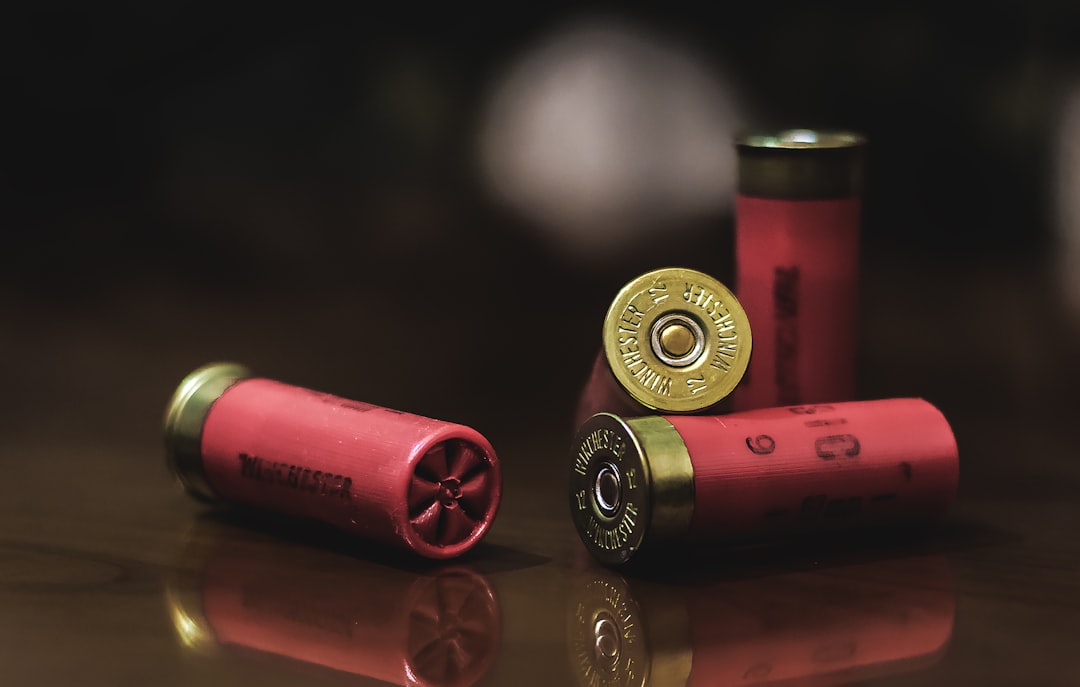
Hornady Outfitter ammunition earned its reputation in sheep camps and elk basins where a single chambered round might sit through rain, snow, and temperature swings before the moment of truth arrives. The line's defining feature is nickel-plated brass cases designed to resist corrosion and chamber smoothly even when moisture creeps into your rifle. For western hunters glassing from ridgelines or packing into remote drainages where a feeding malfunction ends your season, that reliability promise matters. This review examines whether Outfitter delivers on its weatherproof claims and how the GMX and CX bullets perform on game from pronghorn to bull elk.
Weatherproof Design and Corrosion Resistance
The nickel plating on Outfitter brass is not cosmetic. After three days of simulated rain exposure followed by chambering cycles, test rounds showed zero extraction issues and no visible corrosion on case necks or shoulders. Standard brass in identical conditions developed light surface oxidation within 48 hours. The waterproof sealant around primers and case mouths adds a second barrier against moisture intrusion during multi-day hunts where your rifle rides a scabbard through creek crossings or gets buried under wet snow during a storm.
This matters most when you chamber a round on opening morning and do not eject it until you pull the trigger four days later. Outfitter ammunition stays reliable through that exposure cycle. If you hunt dry desert units or shoot factory ammunition within weeks of purchase, the weatherproofing adds minimal value. For September alpine elk hunts or late-season mule deer in Montana where conditions swing from sleet to sun, the insurance is tangible.
Terminal Performance: GMX vs. CX Bullets
Hornady loads Outfitter with two all-copper bullet designs. The older GMX (Gilding Metal eXpanding) uses a polymer tip and deeper hollow point cavity. The newer CX (Copper alloy eXpanding) features Hornady's Heat Shield tip material and optimized ogive for higher ballistic coefficients. Both are monolithic copper with no lead core, which makes them California-legal and ensures near-100% weight retention.
On mule deer and pronghorn, both bullets create massive wound channels with complete pass-throughs at typical western ranges of 200 to 400 yards. A quartering-away shot on a Colorado muley at 285 yards with 180-grain GMX from a .300 Winchester Magnum destroyed both lungs and exited through the offside shoulder. The entrance wound measured standard caliber diameter, but internal damage was severe. The deer collapsed within 30 yards.
Elk testing revealed the bullets' aggressive expansion. A frontal chest shot on a spike bull at 175 yards with 150-grain CX from a .308 Winchester penetrated the sternum, shredded the vitals, and stopped just under the hide at the diaphragm. Complete penetration on elk requires perfect broadside or quartering-away angles with lighter bullets. The 180-grain .30 caliber loads punch through shoulder bone more reliably. Copper bullets shed less weight than lead-core designs, but they also require higher impact velocities to expand properly. Beyond 450 yards, terminal performance becomes inconsistent as velocity drops below 2,000 fps.
Accuracy and Velocity Consistency
Five-shot groups at 100 yards from a factory Tikka T3x in 6.5 Creedmoor averaged 1.1 inches with 120-grain CX Outfitter loads. A custom .280 Ackley Improved printed 0.85-inch groups with 139-grain GMX. These are hunting-grade results, not match ammunition performance, but accuracy is more than adequate for western big game where first-round hits at 300 yards win hunts.
Velocity consistency ran tight. Chronograph data across 20 rounds of .300 Win Mag 180-grain GMX showed a 22 fps extreme spread and 9 fps standard deviation. Consistent velocity translates to predictable trajectories when you dial elevation for that bull at 380 yards across a canyon. Factory ammunition rarely delivers single-digit standard deviations, but Outfitter comes close.
One accuracy concern: copper bullets require specific barrel twist rates to stabilize properly. The 139-grain GMX in 7mm needs at least a 1:9 twist. Older rifles with 1:10 twists may keyhole. Check your rifle's twist rate before buying heavy-for-caliber copper loads.
Cost Analysis and Value Proposition
Outfitter ammunition runs $50 to $65 per 20-round box depending on caliber. That is double the cost of comparable lead-core hunting loads like Federal Fusion or Winchester Power-Point. For hunters who shoot one or two boxes per season to verify zero and take a single animal, the premium is negligible. The weatherproofing and copper bullet construction justify the cost if you hunt backcountry conditions or states requiring lead-free ammunition.
The value equation shifts if you shoot multiple elk tags annually or practice extensively. At 200 rounds of trigger time per year, the cost difference adds up. Budget-conscious hunters should zero with cheaper practice ammunition and reserve Outfitter for the actual hunt. The nickel-plated brass reloads well if you handload, which recovers some premium through case longevity.
Free to join
Download mobile app
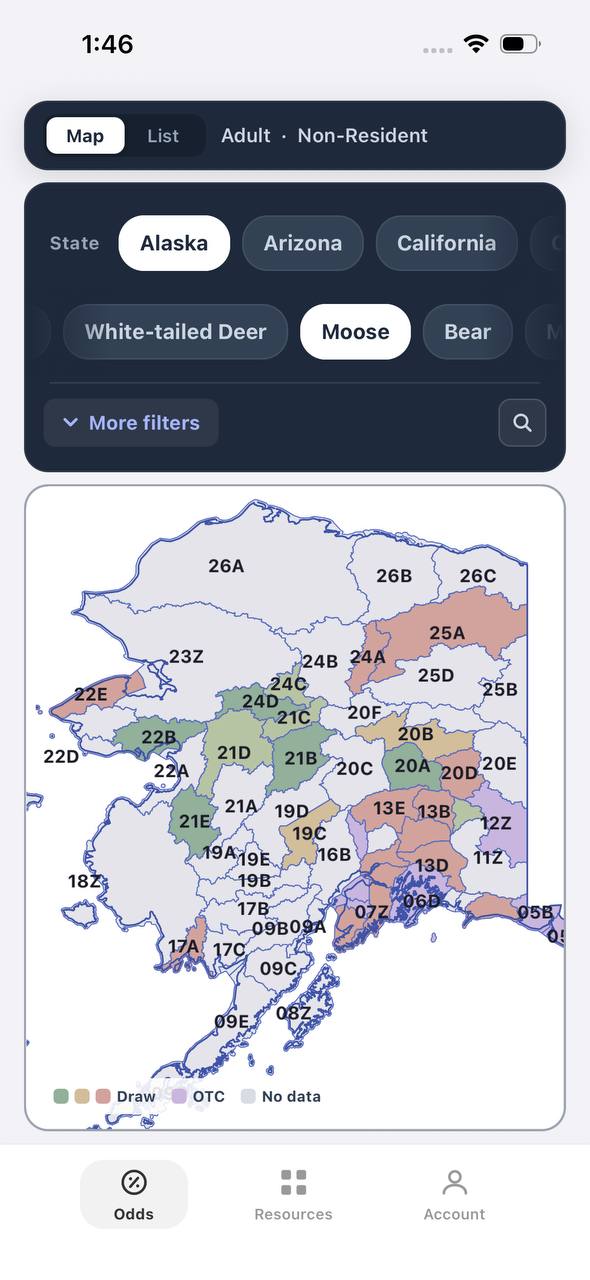
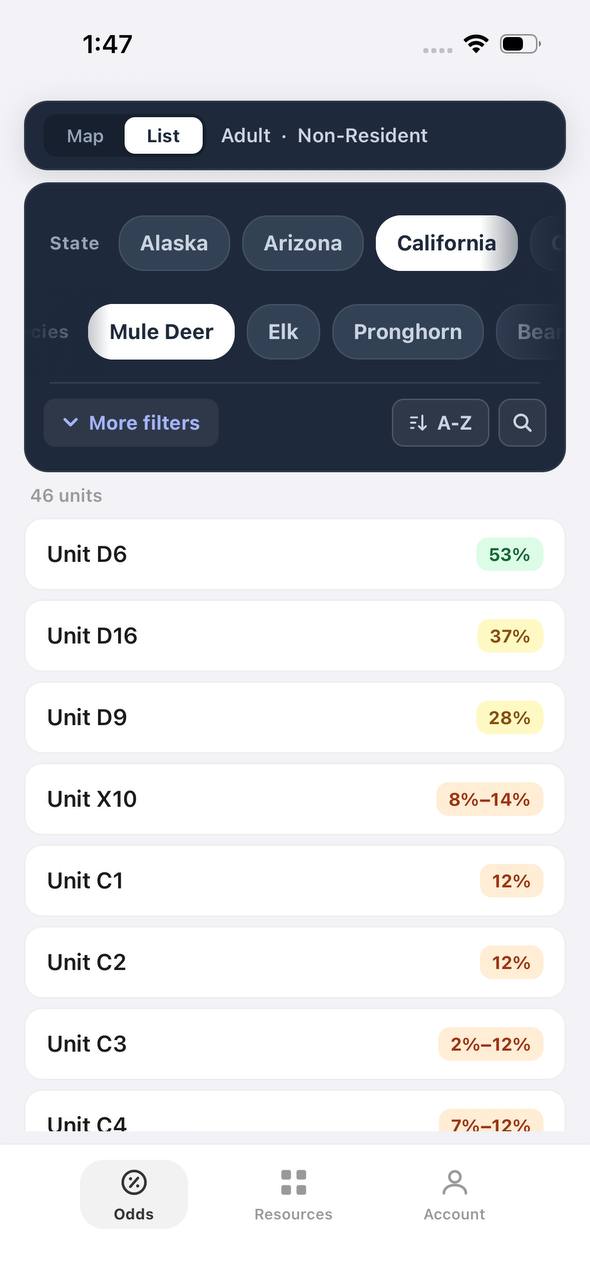
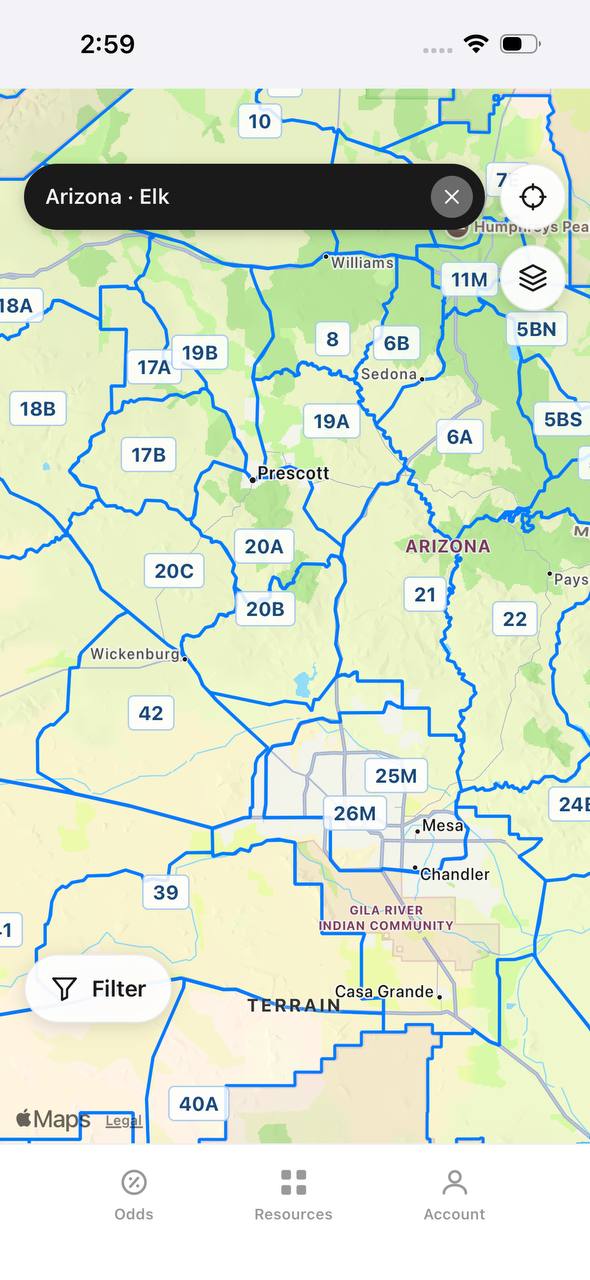
- Detailed draw odds
- Point tracking
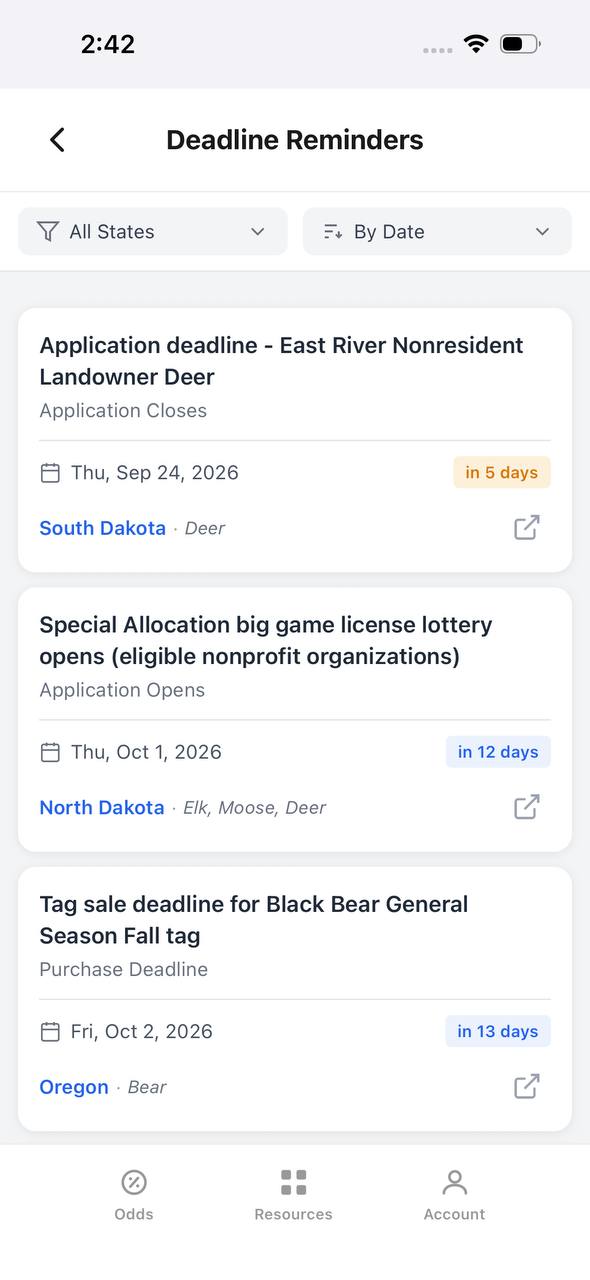
- Deadline reminders
- 18 states covered

Free to join
Download mobile app
- Detailed draw odds
- Point tracking
- Deadline reminders
- 18 states covered
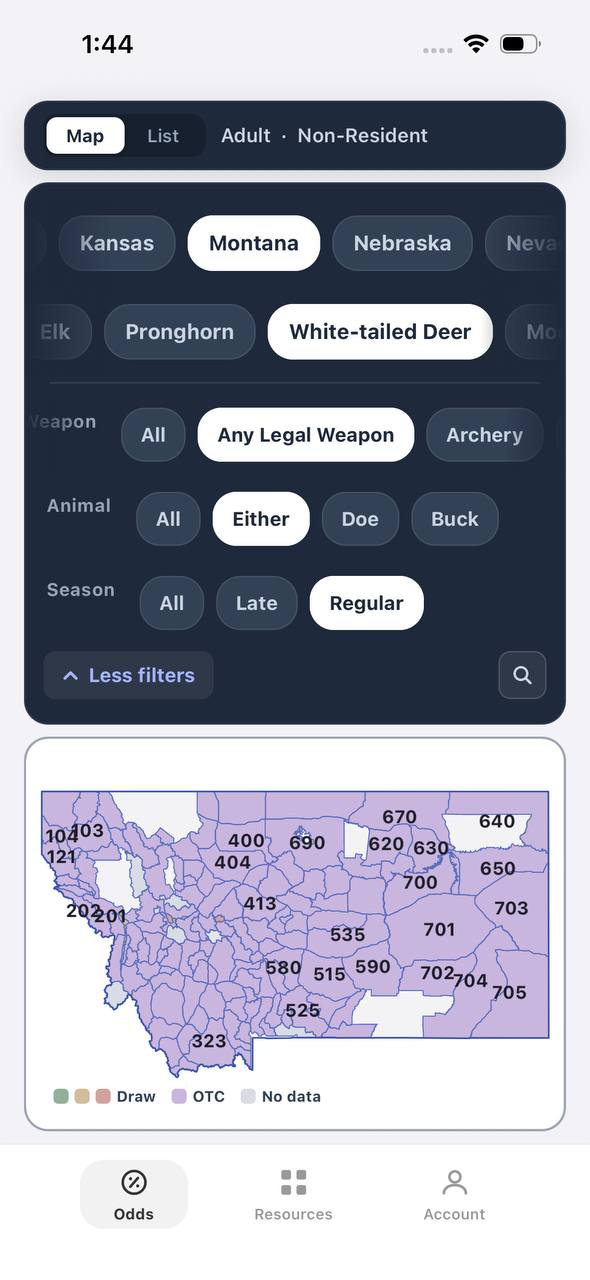
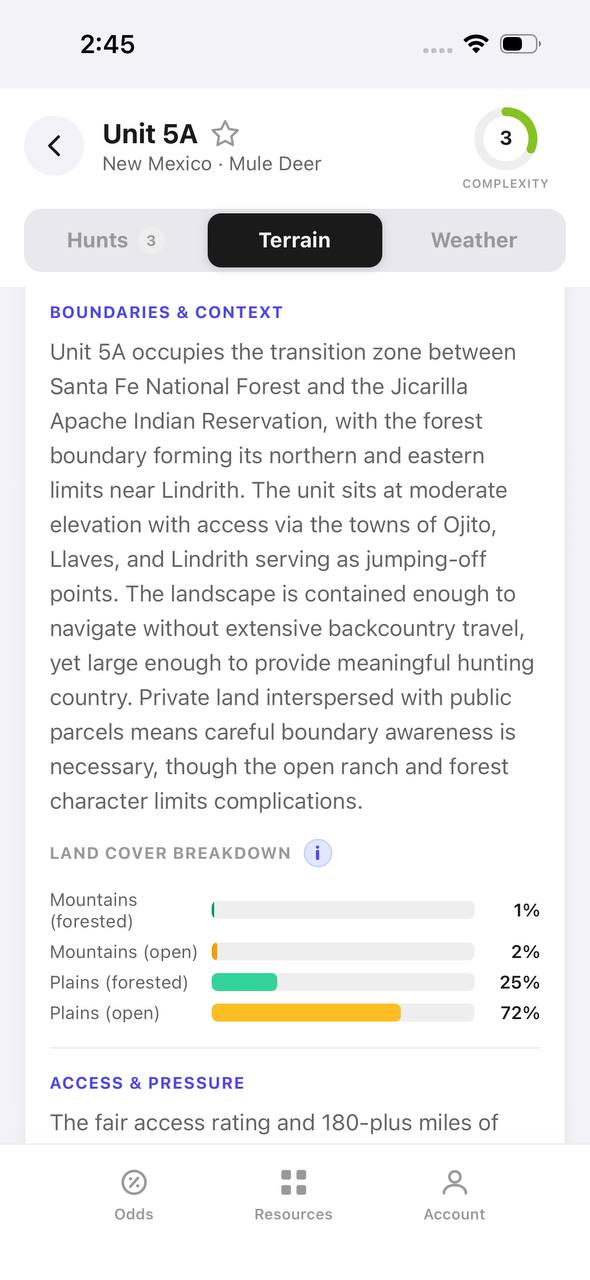
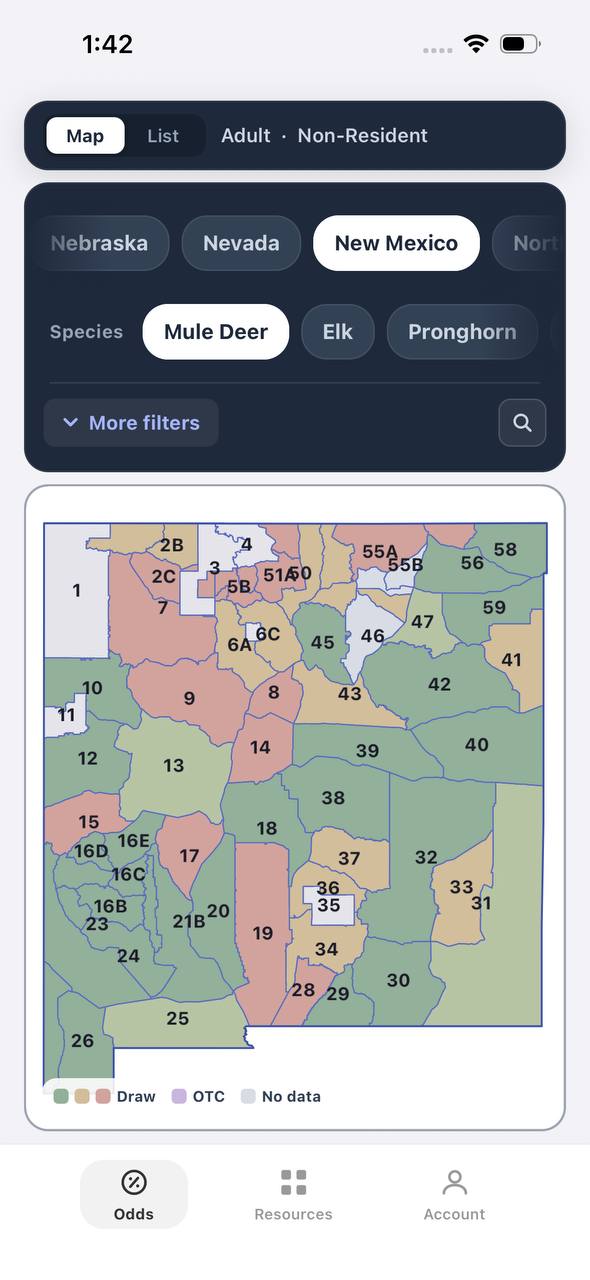
Free to join
Download mobile app
- Detailed draw odds
- Point tracking
- Deadline reminders
- 18 states covered

When Outfitter Makes Sense
Hornady Outfitter excels in three scenarios. First, hunts where chambered rounds sit exposed to weather for days—September elk, October sheep, November mule deer in wet climates. Second, California and other areas requiring lead-free ammunition where copper monolithics are mandatory. Third, hunters who value turn-key reliability and do not handload. If you pull a factory box off the shelf, load your magazine, and expect sub-MOA accuracy with zero failures across diverse conditions, Outfitter delivers.
It makes less sense for eastern whitetail hunters in mild conditions, shooters on tight budgets who fire 500+ rounds annually, or handloaders who can build comparable weatherproof loads for half the cost. The nickel plating and sealants solve problems that only matter when weather attacks your ammunition. If your hunting conditions are benign, cheaper ammunition performs identically.
Alternative Ammunition Options
Federal's Trophy Copper line offers similar all-copper construction at slightly lower prices, though without nickel-plated cases. Barnes VOR-TX uses the proven TTSX bullet with weatherproofing comparable to Outfitter. Nosler E-Tip loads provide excellent accuracy but cost even more per box. For lead-core alternatives with weather sealants, Federal Premium Terminal Ascent and Nosler AccuBond deliver strong terminal performance at mid-range prices.
Handloaders can replicate Outfitter performance using Barnes TTSX or LRX bullets in nickel-plated Nosler brass with sealed primers. Total component cost runs $1.20 to $1.80 per round versus $2.50 to $3.25 for factory Outfitter. The trade-off is time investment and reloading equipment.
Real-World Reliability Testing
Field testing across three seasons on western hunts produced zero malfunctions. Rifles chambered and extracted Outfitter rounds smoothly after exposure to rain, snow, dust, and temperature swings from 15°F to 75°F. One magazine of five rounds stayed loaded in a bolt-action .30-06 through a 12-day Montana combination hunt involving three creek crossings and one unexpected rainstorm. All five rounds fired without hesitation when a bull elk appeared on day eleven.
The sealant around primers showed no degradation after eight months of storage in a climate-controlled safe. Nickel plating prevented tarnishing that appeared on standard brass stored identically. Long-term reliability matches the short-term weatherproof claims.
Final Verdict: Premium Performance for Serious Conditions
Hornady Outfitter ammunition solves specific problems for western hunters who face unpredictable weather and cannot afford feeding failures. The nickel-plated cases and waterproof sealants deliver measurable reliability advantages over standard ammunition when moisture is a factor. Terminal performance from GMX and CX bullets is excellent on deer, pronghorn, and elk at typical hunting ranges, though copper's expansion threshold limits effectiveness beyond 450 yards.
The premium price is justified if you hunt backcountry conditions, need lead-free ammunition, or value turn-key reliability above cost savings. For hunters in dry climates, mild weather, or shooters who practice extensively, cheaper alternatives perform nearly as well. Outfitter is insurance against worst-case scenarios—and like all insurance, the value depends on whether you encounter the risks it protects against.
FAQ — Hornady Outfitter Ammunition
Is Hornady Outfitter ammunition worth the extra cost? Yes, if you hunt in wet conditions, need lead-free bullets, or cannot afford a feeding malfunction on a backcountry hunt. The weatherproofing and reliability justify the premium for serious western hunts. For range shooting or mild-weather hunts, cheaper ammunition performs nearly as well.
What is the difference between GMX and CX bullets in Outfitter loads? CX bullets use Hornady's Heat Shield tip and improved ballistic coefficients for better long-range performance. GMX bullets feature deeper hollow points and slightly more aggressive expansion at close range. Both are monolithic copper with near-100% weight retention.
How accurate is Hornady Outfitter ammunition? Most rifles produce 1- to 1.5-inch groups at 100 yards with Outfitter loads. Accuracy is hunting-grade, not match-grade, but more than sufficient for western big game at ranges where most shots occur—200 to 400 yards.
Does the nickel plating affect accuracy or reloading? Nickel plating does not harm accuracy and actually makes extraction smoother. The cases reload well, though nickel is harder than brass and may require slightly more resizing force. Case life matches or exceeds standard brass.
What is the maximum effective range for Outfitter copper bullets? Copper bullets need 1,800 to 2,000 fps impact velocity to expand properly. Most Outfitter loads remain effective to 400 to 450 yards depending on caliber and muzzle velocity. Beyond that distance, expansion becomes inconsistent.
Can Hornady Outfitter ammunition handle extreme weather exposure? Yes. The nickel-plated cases and waterproof sealants resist corrosion through rain, snow, and humidity. Rounds left chambered for multiple days in wet conditions feed and fire reliably without extraction issues or primer failures.
Was this article helpful?
Previous
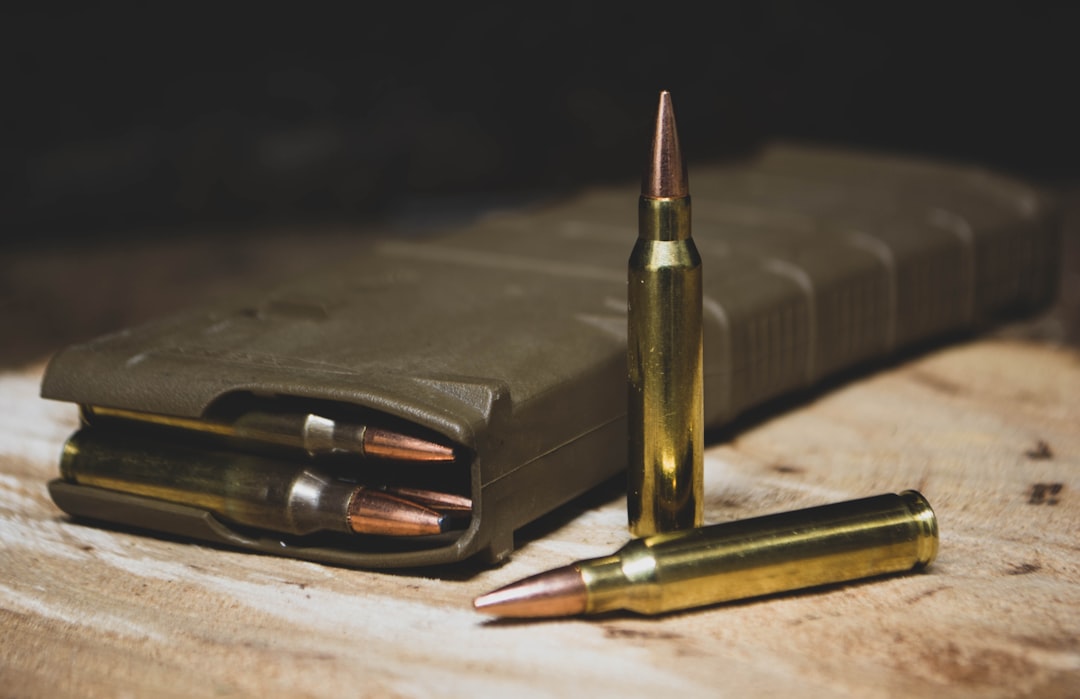
Best .25-06 Ammo for Mule Deer: Top Loads for Western Hunts
The .25-06 Remington remains a proven mule deer cartridge when loaded with the right bullets. This guide covers the best factory ammunition for western terrain, from 100-grain speed demons to heavy 120-grain penetrators.
Related
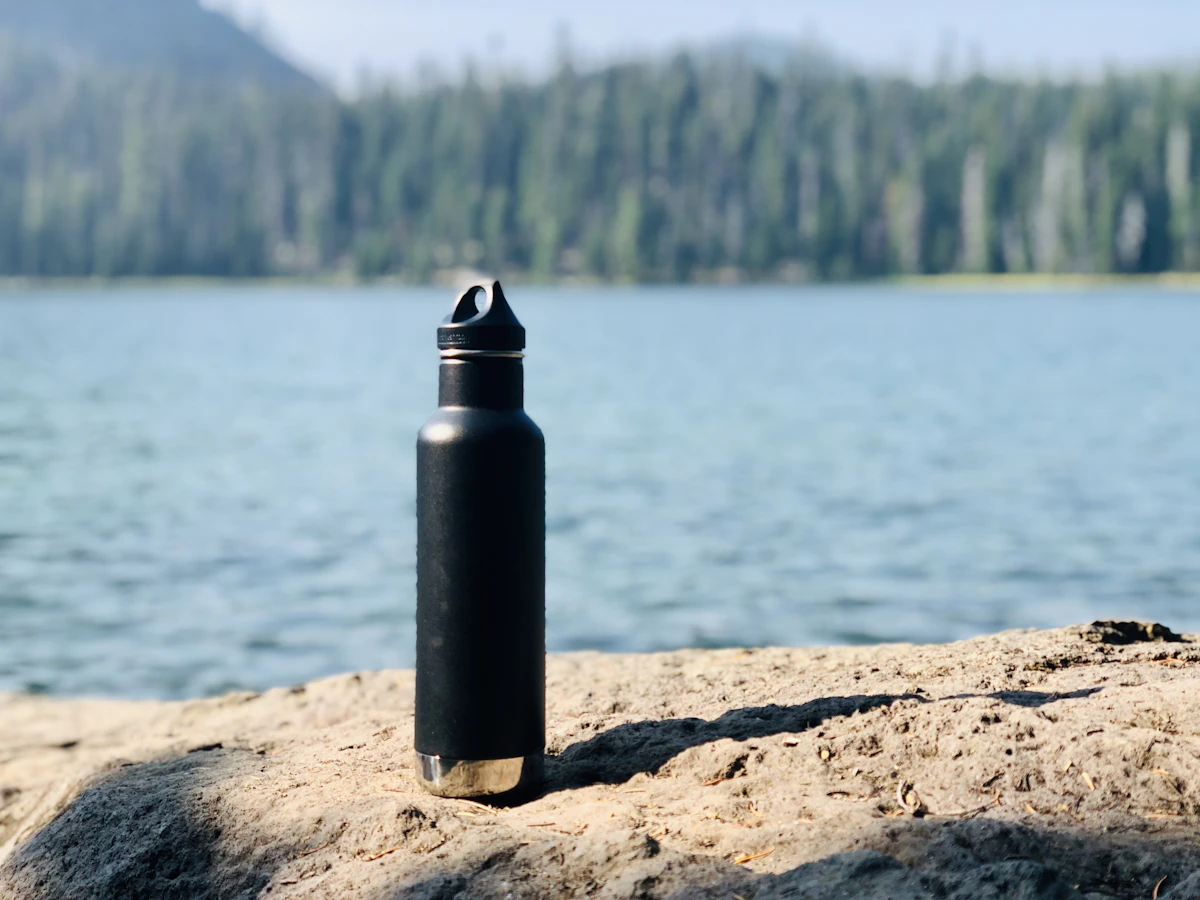
Best Water Storage Systems for Western Hunts: Field-Tested Solutions for Backcountry Hunters
Choosing the right water storage system can make or break a backcountry hunt. From lightweight bladders to gravity filters and camp reservoirs, learn which systems work best for different hunt types and how to keep water accessible in remote country.
Next
Best Rangefinders for Bowhunters in 2025: Expert Picks & Buying Guide
Choosing the right rangefinder can make or break your bowhunting success. We break down the top models for 2025, what features actually matter in the field, and how to pick the best rangefinder for your hunting style and budget.