Best Rangefinders for Bowhunters in 2025: Expert Picks & Buying Guide
A quality rangefinder is one of the most critical tools in a bowhunter's arsenal. Unlike rifle hunters who can compensate for minor distance errors, bowhunters need precise yardage to make ethical shots. A five-yard mistake at 40 yards can mean the difference between a clean harvest and a wounded animal.
This guide covers the best rangefinders for bowhunters in 2025, the features that actually matter in hunting situations, and how to choose the right model without overpaying for marketing gimmicks.
Why Bowhunters Need a Dedicated Rangefinder
Bowhunting demands precision that general-purpose rangefinders cannot deliver. Arrow trajectory drops significantly faster than a bullet, and factors like shooting angle drastically affect point of impact. A rangefinder designed for golf or general outdoor use might give you linear distance, but it will not account for the steep uphill or downhill shots common in western hunting.
Modern bowhunting rangefinders calculate angle-compensated distance using built-in inclinometers. This adjusted yardage tells you exactly what pin to use regardless of terrain. On a 45-degree downhill shot at a bull elk bedded 50 yards away, your rangefinder might read 50 yards line-of-sight but display 42 yards shoot-to distance. That eight-yard difference is the margin between a double-lung hit and a gut shot.
The best rangefinders also range quickly in low light, cut through brush to hit your target instead of nearby branches, and deliver readings you can trust when your heart is pounding and a mature buck is walking into range.
Top Rangefinder Picks for Bowhunters in 2025
Vortex Razor HD 4000 — Best Overall Performance
The Vortex Razor HD 4000 earns top marks for speed, accuracy, and versatility across western terrain. It ranges reflective targets out to 4,000 yards and deer-sized game reliably to 1,300 yards, far beyond what any bowhunter needs but useful for scouting distant ridges during pre-season glassing sessions.
What sets the Razor apart is its HCD (Horizontal Component Distance) mode, which provides angle-compensated distance to the nearest tenth of a yard. The unit also offers a scan mode that continuously updates readings as you pan across terrain, helping you build a mental map of shooting lanes before an animal appears. The OLED display remains crisp in bright sunlight and low light, and the glass quality rivals dedicated binoculars.
At around $500, the Razor HD 4000 sits at the premium end but delivers professional-grade performance that justifies the cost for serious bowhunters who hunt challenging terrain.
Leupold RX-1600i TBR/W — Best Value for Western Hunters
Leupold's RX-1600i TBR/W offers a compelling mix of performance and affordability. It ranges game reliably to 800 yards and features Leupold's True Ballistic Range (TBR) system, which accounts for射angle and provides a precise shoot-to distance for bowhunters and rifle hunters alike.
The 1600i includes selectable reticle options and a bright red OLED display that works in all lighting conditions. Build quality is excellent, with a rugged aluminum body that handles drops and weather without issue. Battery life is outstanding, often lasting an entire season on a single CR2 battery.
Priced around $350, the RX-1600i delivers 90 percent of the performance of units costing $200 more. It is the rangefinder TAGZ team members carry most often on archery elk and mule deer hunts across Montana, Colorado, and Wyoming.
Sig Sauer Kilo BDX 2200 — Best for Tech-Integrated Hunters
Sig Sauer's Kilo BDX 2200 bridges the gap between traditional rangefinding and digital hunt planning. It ranges reflective targets to 3,400 yards and game to 1,600 yards, but the real advantage is its BDX (Ballistic Data Xchange) technology, which pairs via Bluetooth with compatible Sig riflescopes and the company's BDX app.
For bowhunters, the BDX system allows you to input arrow specs, sight tape data, and environmental conditions. The rangefinder then calculates a precise shot solution and sends it to your paired scope or displays it directly. While this level of tech integration appeals more to long-range rifle hunters, bowhunters who also rifle hunt or enjoy data-driven preparation will appreciate the ecosystem.
The Kilo BDX 2200 runs about $550, positioning it as a premium option for hunters who want connectivity and advanced features beyond basic ranging.
Bushnell Prime 1300 — Best Budget Option
The Bushnell Prime 1300 proves you do not need to spend $500 to get a capable bowhunting rangefinder. It ranges deer to 800 yards and includes angle compensation, a clear LCD display, and a compact design that fits easily in a chest harness pocket.
While it lacks the optical clarity and lightning-fast ranging of premium models, the Prime 1300 delivers consistent performance in typical bowhunting scenarios. It struggles slightly in very low light compared to OLED-equipped competitors, but for hunters primarily shooting between dawn and dusk in open to moderate cover, it handles the job.
At around $180, the Prime 1300 is ideal for hunters new to archery, those on a tight budget, or anyone wanting a backup unit to keep in their truck.
Garmin Xero A1i Pro — Best for Competitive Archers and Tech Enthusiasts
Garmin's Xero A1i Pro is not a traditional handheld rangefinder but a bow-mounted rangefinder that integrates directly into your sight. It ranges targets, displays the distance, and illuminates the correct pin automatically. For bowhunters who shoot known-distance targets or hunt from treestands with predictable shooting lanes, the system offers unmatched speed.
The A1i Pro shines in situations where you have time to range and need to cycle through multiple pins quickly as animals move. However, it adds weight and bulk to your bow, and the system requires a learning curve that some traditional bowhunters find off-putting. Battery life is solid but requires monitoring, especially on multi-day backcountry hunts.
Priced at $1,000, the Xero A1i Pro targets serious bowhunters who prioritize technology and are willing to invest heavily in equipment. TAGZ helps hunters plan their western hunts using terrain maps, unit boundaries, and historical draw data, but deciding whether to spend $1,000 on a bow-mounted rangefinder versus upgrading optics or adding a hunt to your schedule is a personal call.
Key Features Every Bowhunting Rangefinder Must Have
Angle Compensation Technology
Angle compensation is non-negotiable for western bowhunters. Whether you hunt steep Idaho canyons, Colorado aspen ridges, or Wyoming plateaus, most shots involve some elevation change. A rangefinder without angle compensation forces you to do mental math in high-pressure moments, which is a recipe for mistakes.
Look for rangefinders that display angle-compensated distance as the primary readout. Some units show both line-of-sight and shoot-to distance, which can be confusing when your brain is running on adrenaline. The best models default to compensated yardage and make it impossible to forget which number to use.
Fast and Accurate Ranging
Speed matters when an elk steps into a shooting lane for three seconds before disappearing into timber. Premium rangefinders lock onto targets in under a second, even through moderate brush. Budget models can take two to three seconds and may struggle if you are trying to range an animal partially obscured by branches.
Accuracy to within one yard is standard across quality rangefinders, but consistency under field conditions separates good units from great ones. Test your rangefinder on uncooperative targets like dark fur in shadows or animals partially hidden by vegetation. If it struggles in your backyard, it will fail when it counts.
Display Quality in All Light Conditions
OLED and high-quality LCD displays outperform basic LCD screens dramatically in low light and bright sun. Many of the best bowhunting opportunities happen during the first and last 30 minutes of legal shooting light. If you cannot read your rangefinder display clearly during those windows, you might as well leave it in camp.
Red OLED displays are particularly effective in dim conditions. They also draw less power than backlit LCDs, extending battery life. Some units offer adjustable brightness, which helps in varying light but adds one more thing to think about in the moment. The best displays are readable without adjustment across the full range of hunting conditions.
Durable and Weatherproof Construction
Rangefinders take abuse. They ride in chest harnesses, get dropped on rocks, endure rain and snow, and operate in temperatures from below zero to over 90 degrees. Look for units with rubber armor, waterproof ratings (IPX4 minimum, IPX7 preferred), and fogproof nitrogen or argon purging.
Metal housings outlast plastic, and quality brands back their rangefinders with strong warranties. Vortex offers an unlimited lifetime warranty that covers nearly everything. Leupold and Sig Sauer provide excellent warranty support as well. Warranty strength signals the manufacturer's confidence in durability and can save you hundreds of dollars if something fails in the field.
How to Choose the Right Rangefinder for Your Hunting Style
Treestand and Blind Hunters
If you primarily hunt from fixed positions where you can pre-range landmarks, you can prioritize features like fast ranging and clear displays over extended range capability. A rangefinder that reaches 800 yards is plenty when your longest shot is 50 yards.
Compact size and quiet operation also matter. Fumbling with a bulky rangefinder or dealing with a loud beep when a deer approaches your stand can ruin a hunt. Look for models with vibration-only alerts or silent operation modes.
Treestand hunters benefit from rangefinders with strong angle compensation since most shots involve steep downward angles. Even a 20-foot treestand creates enough angle to affect point of impact on longer shots.
Spot-and-Stalk Western Hunters
Western hunters covering miles of terrain need rangefinders that balance performance with packability. Weight and size matter when you are glassing ridges and climbing mountains.
Extended ranging capability helps during scouting, even if you will not shoot at those distances. Being able to range a distant bull at 1,200 yards while glassing helps you judge whether the terrain is worth the stalk. It also lets you build precise mental maps of basins and canyons before committing to a route.
Battery life becomes more critical on backcountry hunts. Units that burn through batteries in a few days add weight in spares and create anxiety about running out of power mid-hunt. Look for models that deliver at least a week of regular use on a single battery.
TAGZ helps spot-and-stalk hunters research units using terrain maps, public land boundaries, and elevation data, which pairs perfectly with rangefinders that handle extended distances and steep angles. Planning your hunt with detailed maps and then executing it with a rangefinder built for mountain hunting gives you every advantage.
Run-and-Gun Bowhunters
Archery hunters who cover ground quickly, chase rutting deer through timber, or call elk into tight quarters need rangefinders they can deploy in seconds. Speed, compact size, and one-handed operation are priorities.
Scan mode is particularly valuable for run-and-gun hunters. Continuous ranging as you pan across terrain lets you quickly identify shooting lanes and memorize key distances without stopping to range individual trees or rocks. When a bull bugles 200 yards away and closes fast, knowing the distance to the oak at the field edge and the deadfall 10 yards beyond it can mean the difference between a shot opportunity and a busted stalk.
Chest harness compatibility matters as well. Rangefinders that fit standard harness pockets stay accessible without bouncing or requiring a separate case. Models slightly larger than a deck of cards work well. Anything bigger becomes annoying after a few miles.
Free to join
Download mobile app
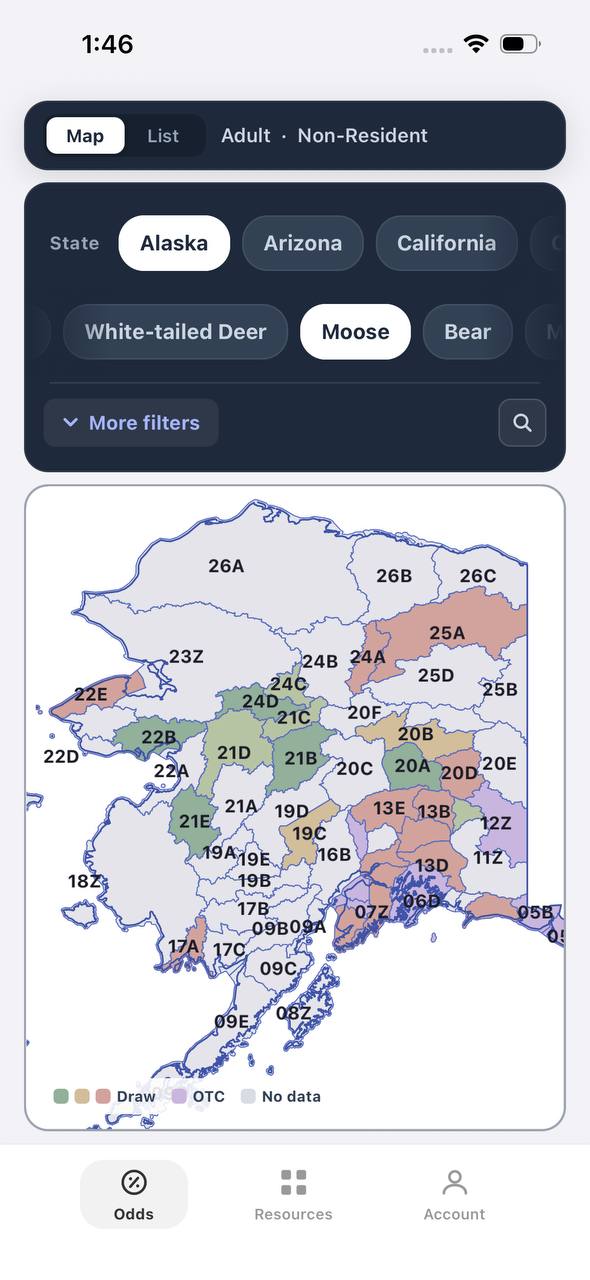
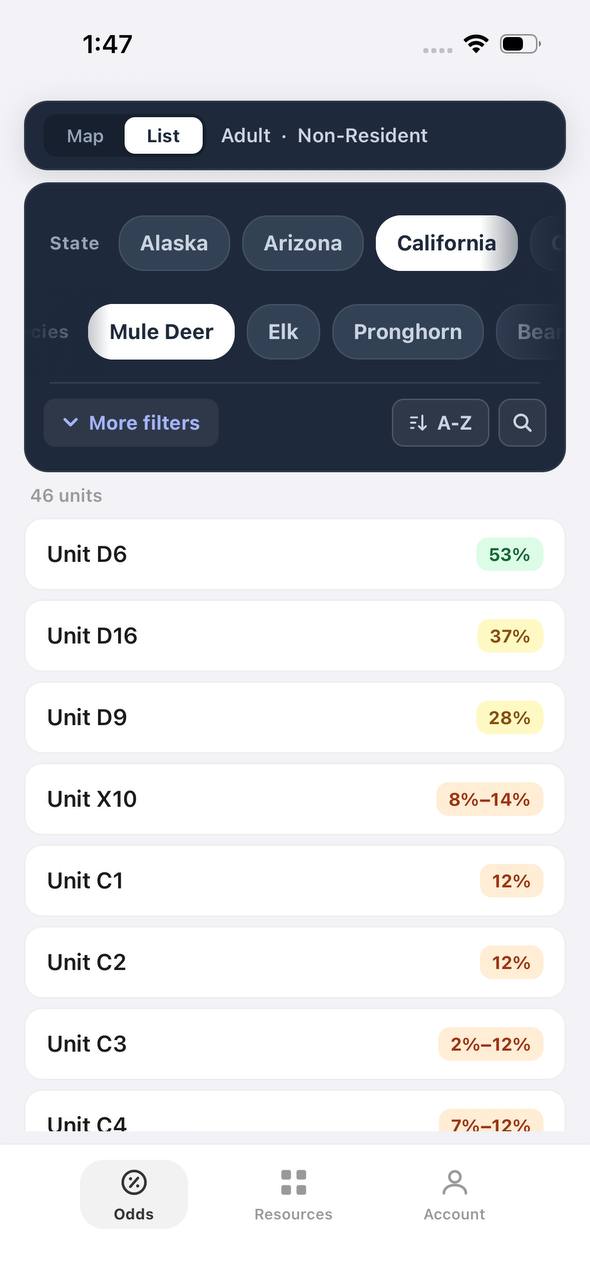
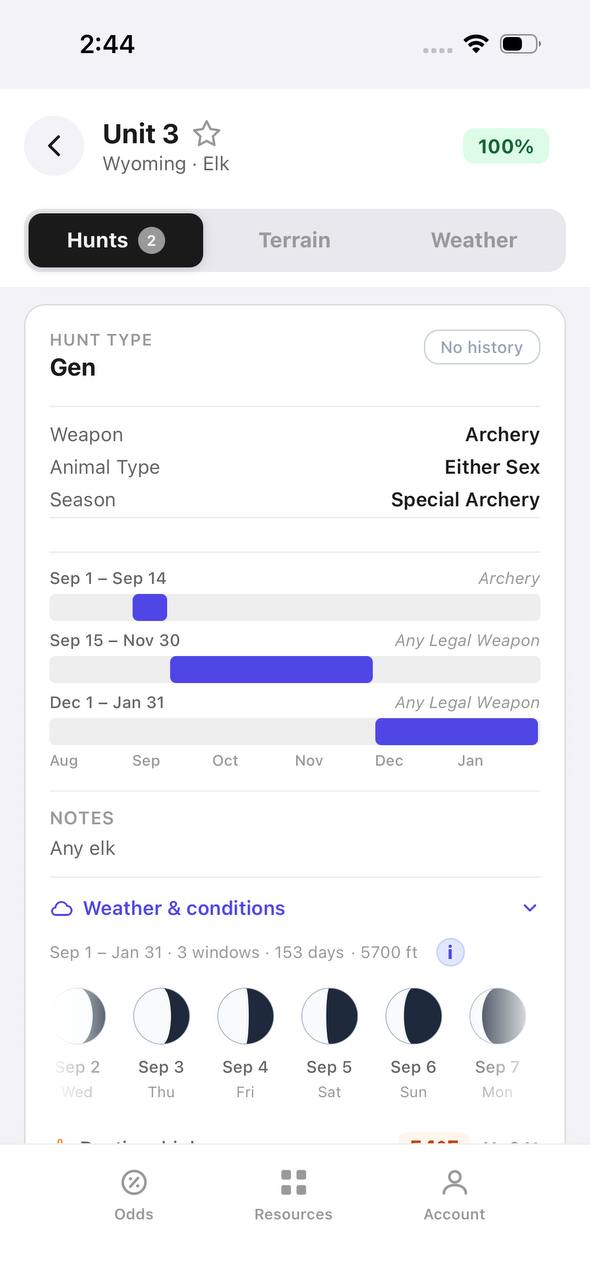
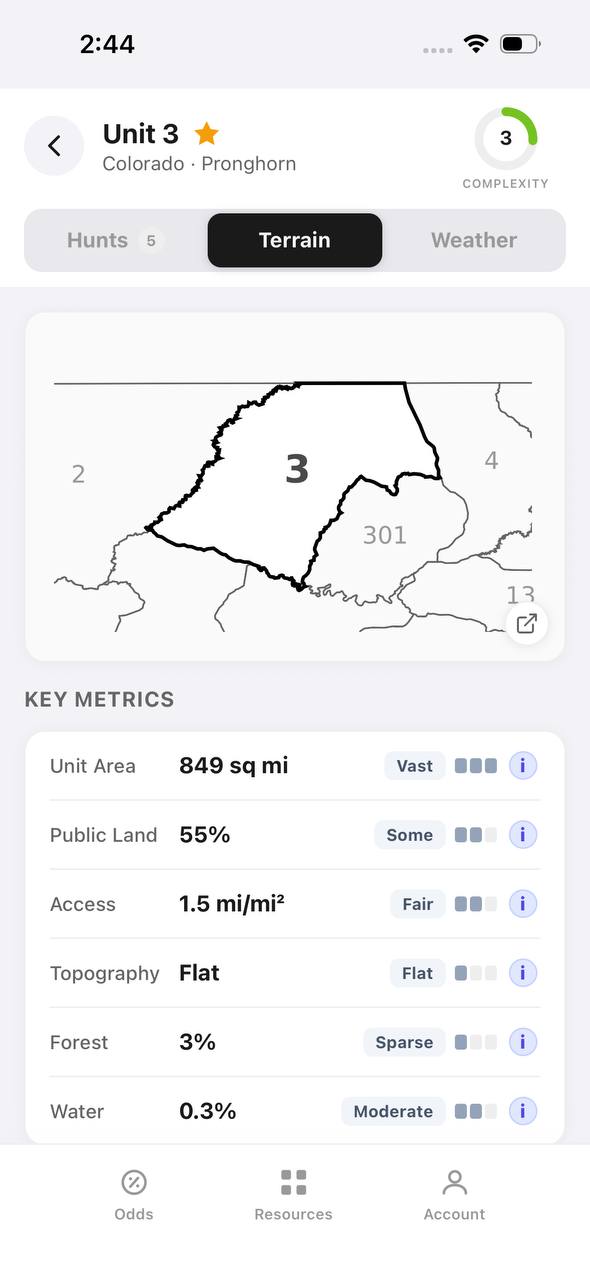
- Detailed draw odds
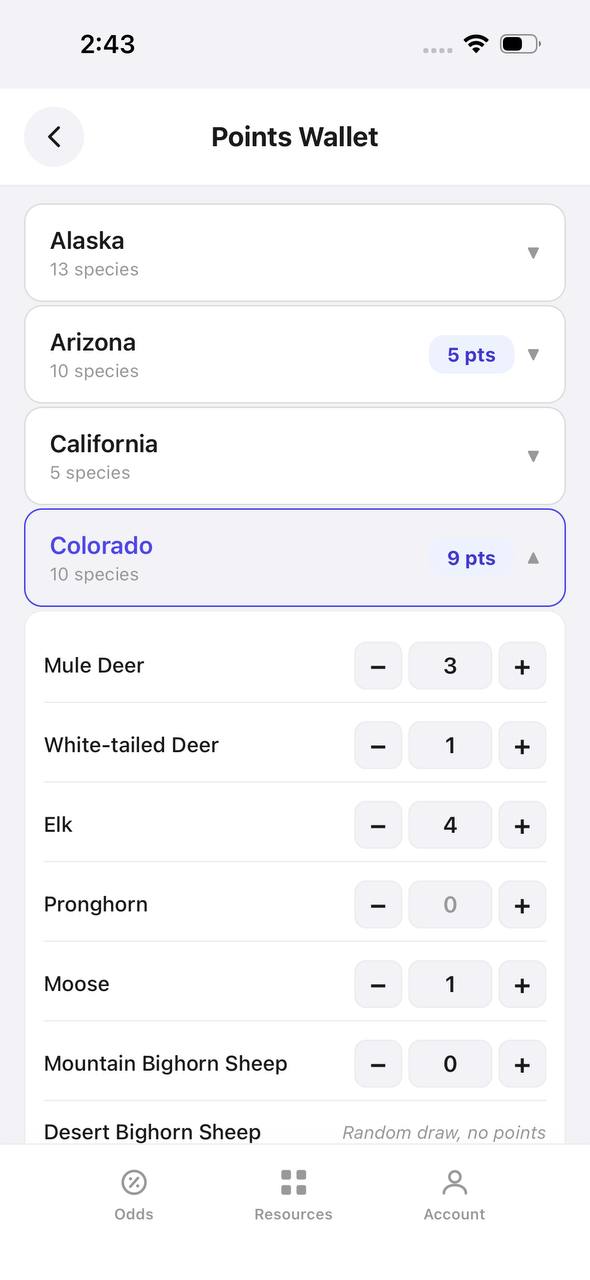
- Point tracking
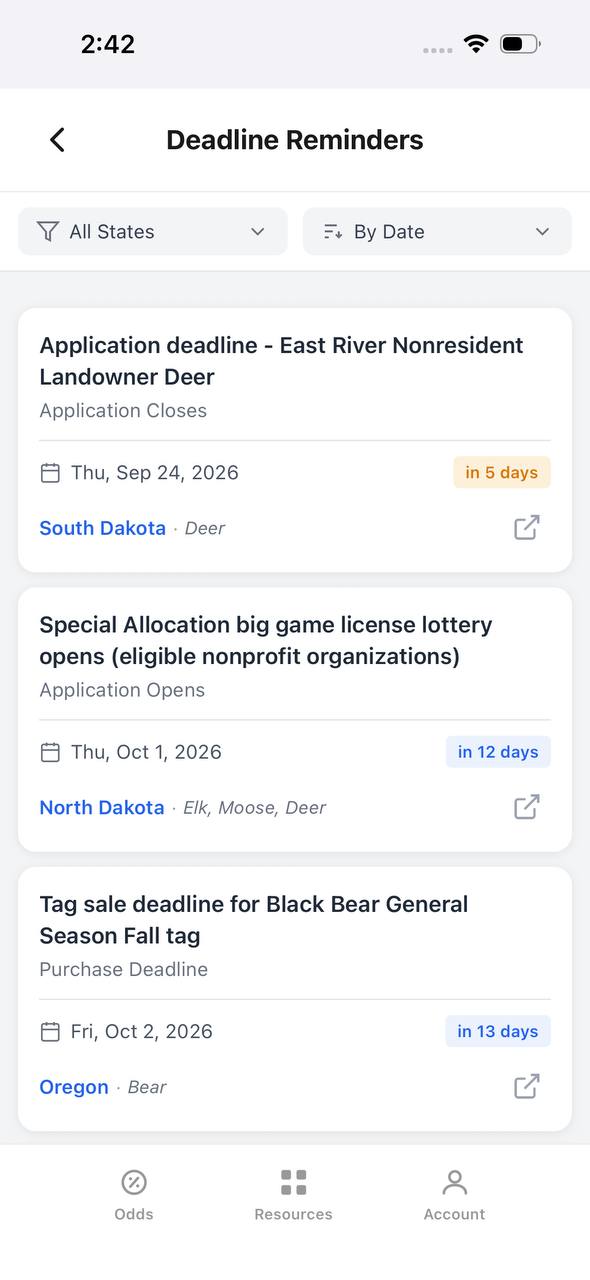
- Deadline reminders
- 18 states covered

Free to join
Download mobile app
- Detailed draw odds
- Point tracking
- Deadline reminders
- 18 states covered
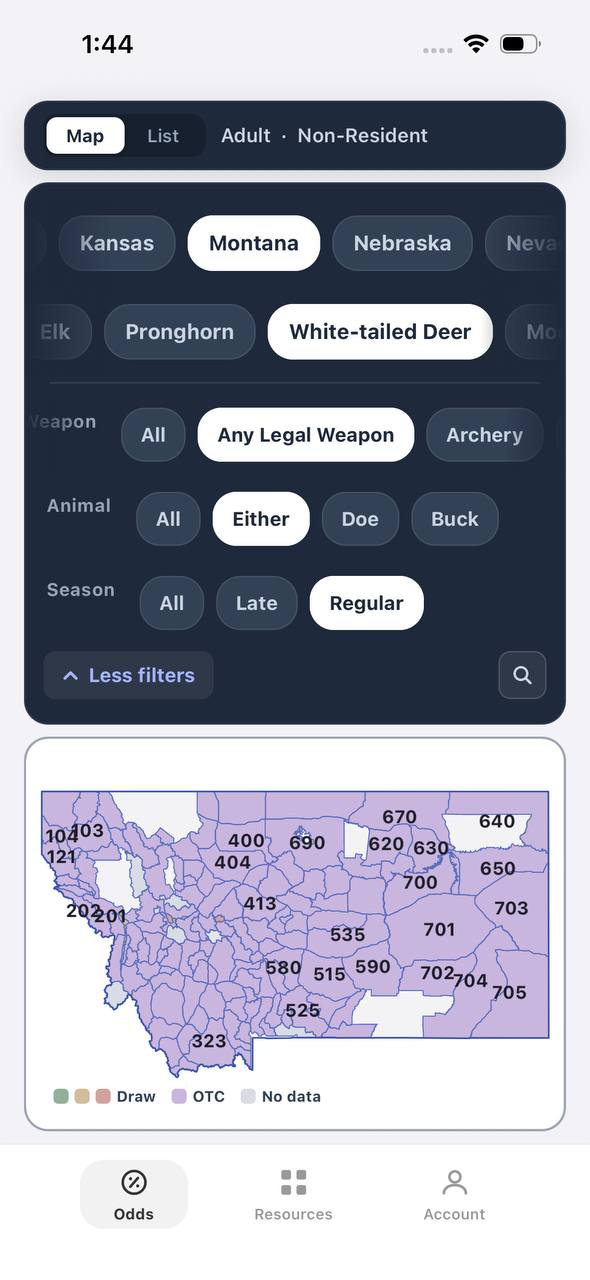
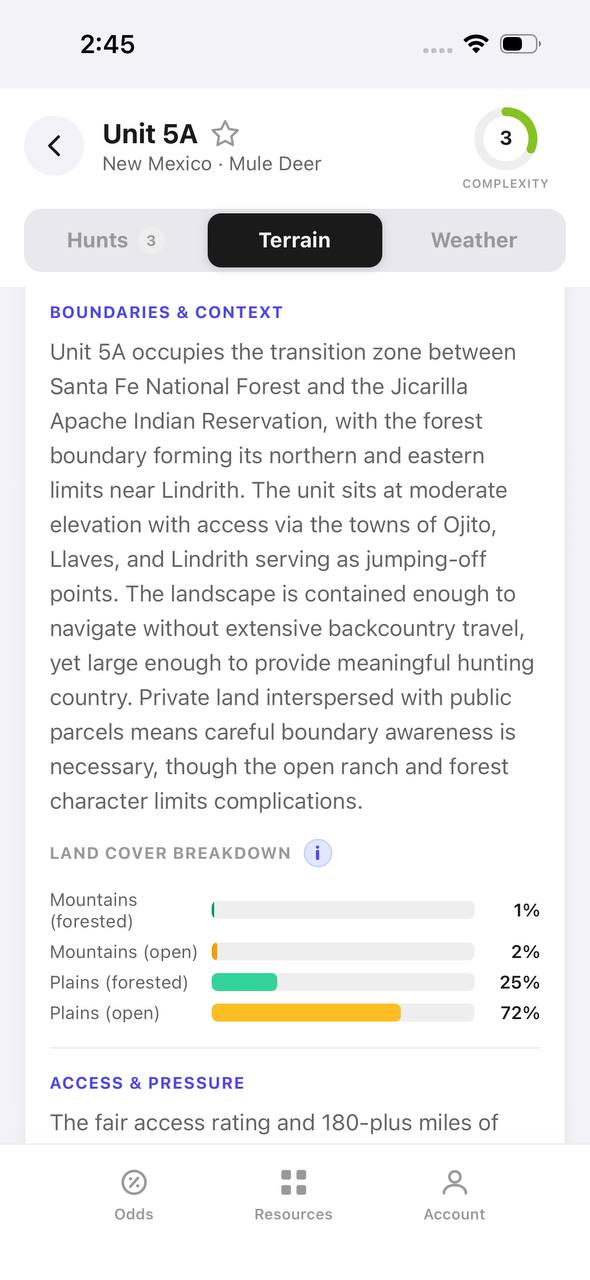
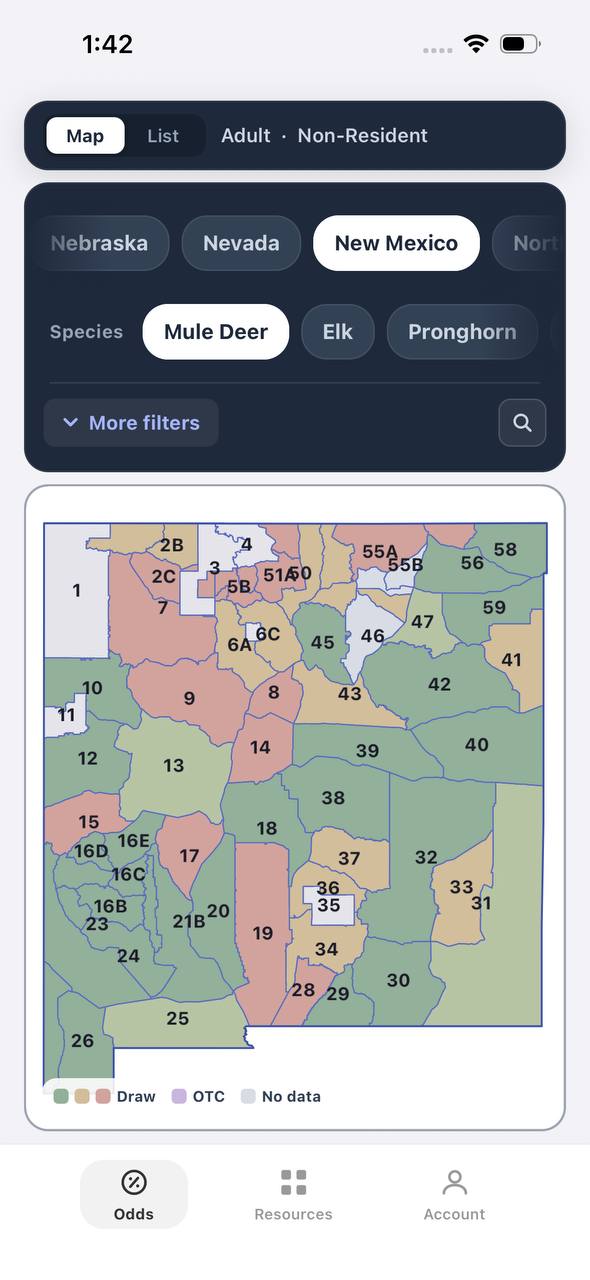
Free to join
Download mobile app
- Detailed draw odds
- Point tracking
- Deadline reminders
- 18 states covered
Common Rangefinder Mistakes Bowhunters Make
Ranging the Wrong Target
Brush, branches, and even tall grass can intercept a laser beam and give you a false reading. The best rangefinders have modes that ignore the first object and continue to the target behind it, but these modes are not foolproof. Always range twice if you are uncertain, and learn to recognize when a reading feels wrong.
Practice ranging animals in realistic conditions before hunting season. Set up targets at various distances and angles, then range them through vegetation similar to what you will encounter. This builds confidence and teaches you how your specific rangefinder behaves when conditions are not ideal.
Trusting Line-of-Sight Distance
One of the biggest mistakes bowhunters make is using line-of-sight distance instead of angle-compensated distance. Many rangefinders display both, and in the rush of the moment, it is easy to grab the wrong number.
If your rangefinder offers a bowhunting mode that displays only compensated distance, use it. Eliminate the possibility of error by removing the unnecessary data point. Your brain will thank you when a bull walks into 35 yards and you have three seconds to draw and shoot.
Neglecting to Practice with Your Rangefinder
Owning a $500 rangefinder means nothing if you cannot deploy it smoothly in the field. Practice pulling it from your harness, powering it on, and ranging targets with one hand while holding your bow with the other. Drill this until it becomes automatic.
Also practice ranging in low light, through brush, and on steep angles. Most hunters only test their rangefinders in ideal conditions, then discover limitations during a hunt when it is too late to adapt.
How TAGZ Helps You Plan Hunts Where Rangefinders Matter Most
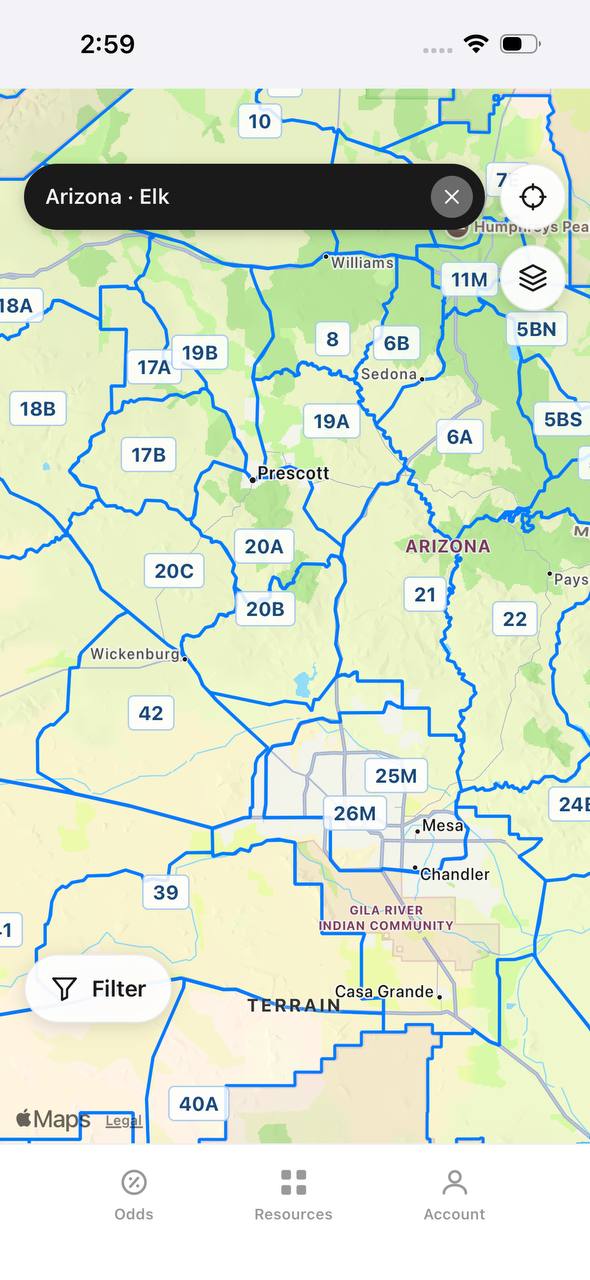
TAGZ simplifies western hunt planning by helping you research units, analyze draw odds, and track application deadlines across multiple states. When you are deciding between Colorado archery elk units or comparing Wyoming mule deer regions, TAGZ provides terrain maps, public land boundaries, and historical draw data so you can make informed decisions before applying.
Once you draw a tag, TAGZ's unit maps help you identify terrain features where a quality rangefinder becomes essential. Steep canyons, open ridges, and mixed timber all demand precise distance measurement and angle compensation. Planning your hunt with TAGZ and executing it with a rangefinder built for western conditions gives you every advantage.
Whether you are chasing OTC Colorado elk tags or planning a limited-entry mule deer hunt, TAGZ helps you understand draw odds, compare units side by side, and track preference points so you never miss a deadline or waste an application on a unit that does not match your hunting style.
FAQ — Rangefinders for Bowhunters
Do bowhunters really need angle compensation on a rangefinder?
Yes, especially in western terrain. Shooting uphill or downhill changes arrow trajectory significantly. A rangefinder with angle compensation provides shoot-to distance, which accounts for elevation changes and ensures accurate shot placement. Without it, you are guessing on steep shots.
What is the ideal maximum range for a bowhunting rangefinder?
Most bowhunters rarely shoot beyond 60 yards, but a rangefinder that reaches 800 to 1,000 yards is useful for scouting and glassing distant animals. It also ensures reliable readings on closer targets. Budget models that max out at 600 yards work fine if you only use the rangefinder during shot execution.
How often should I replace the battery in my rangefinder?
Replace the battery before each hunting season regardless of remaining charge. Batteries lose capacity over time, and the last thing you want is a dead rangefinder mid-hunt. Carry a spare battery in your pack as backup. Most rangefinders use CR2 or CR123 batteries, which are compact and lightweight.
Can I use a rifle rangefinder for bowhunting?
Yes, as long as it includes angle compensation and displays shoot-to distance. Many rangefinders are designed for both rifle and bowhunting and include selectable modes. Avoid rangefinders that only show line-of-sight distance without angle adjustment.
What is scan mode and why does it matter?
Scan mode continuously updates distance readings as you pan across terrain. Instead of stopping to range individual objects, you sweep the area and watch distances change in real time. This helps you quickly build a mental map of shooting lanes and key landmarks before an animal appears.
Are bow-mounted rangefinders worth the cost?
Bow-mounted rangefinders like the Garmin Xero A1i Pro offer speed and automation but add weight, complexity, and cost. They work well for hunters who shoot known distances or want technology integration. Traditional handheld rangefinders remain more versatile, lighter, and less expensive for most bowhunters.
Continue Planning Your Hunt
Choosing the right rangefinder is just one piece of successful bowhunting preparation. Before you invest in gear, make sure you are applying for the right tags in the right states. TAGZ helps hunters compare draw odds, track preference points and bonus points, and plan applications across multiple states. Whether you are chasing Colorado OTC elk or planning a Montana limited-entry mule deer hunt, TAGZ gives you the research tools to make smarter decisions.
Explore more hunting strategies, gear reviews, and unit breakdowns on the TAGZ Insights blog. Ready to simplify your hunt planning? Check out TAGZ pricing to see how the platform helps you maximize draw opportunities and confidently plan western hunts from application season through the hunt itself. Start planning your next hunt at getmytagz.com.
Was this article helpful?
Previous
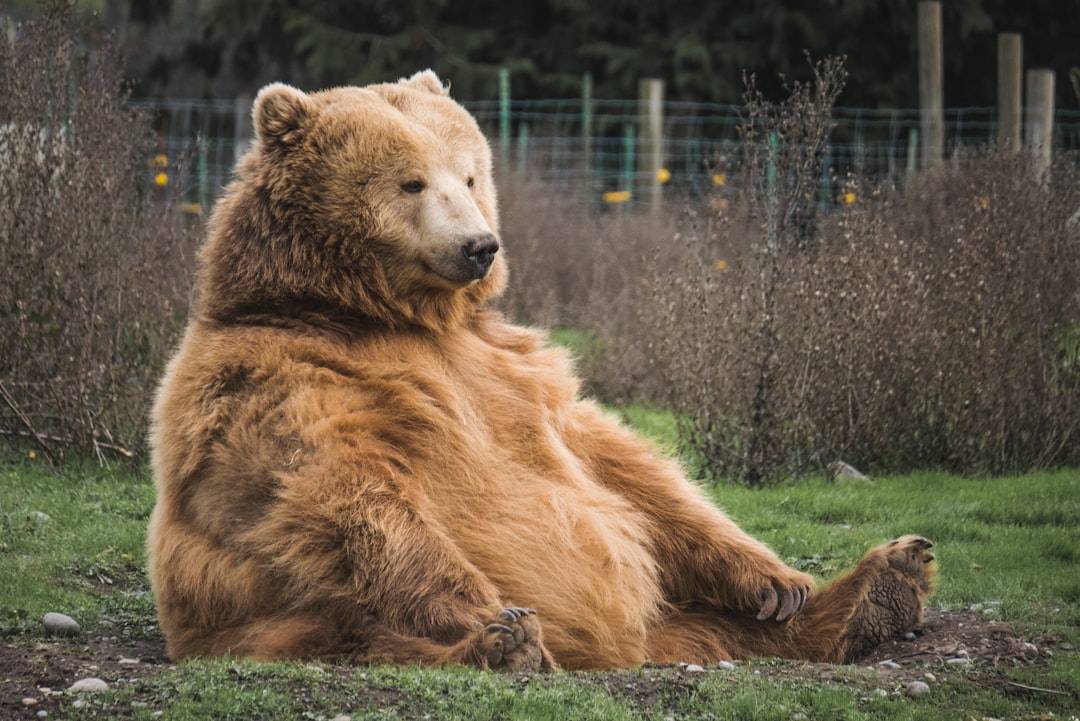
Bear Behavior in 2026: What Western Hunters Need to Know
Understanding bear behavior patterns, seasonal movements, and threat assessment helps hunters stay safe and successful in bear country. Learn how recent population trends and habitat changes are shaping 2026 encounters.
Related
Best .25-06 Ammo for Mule Deer: Top Loads for Western Hunts
The .25-06 Remington remains a proven mule deer cartridge when loaded with the right bullets. This guide covers the best factory ammunition for western terrain, from 100-grain speed demons to heavy 120-grain penetrators.
Next
How to Pack a Side-by-Side for an Elk Hunt: Complete Gear and Organization Guide
Learn how to efficiently pack your UTV for elk hunting with proven organization strategies, essential gear lists, and weight distribution tips that maximize storage while keeping critical equipment accessible in the backcountry.