Best Water Storage Systems for Western Hunts: Field-Tested Solutions for Backcountry Hunters
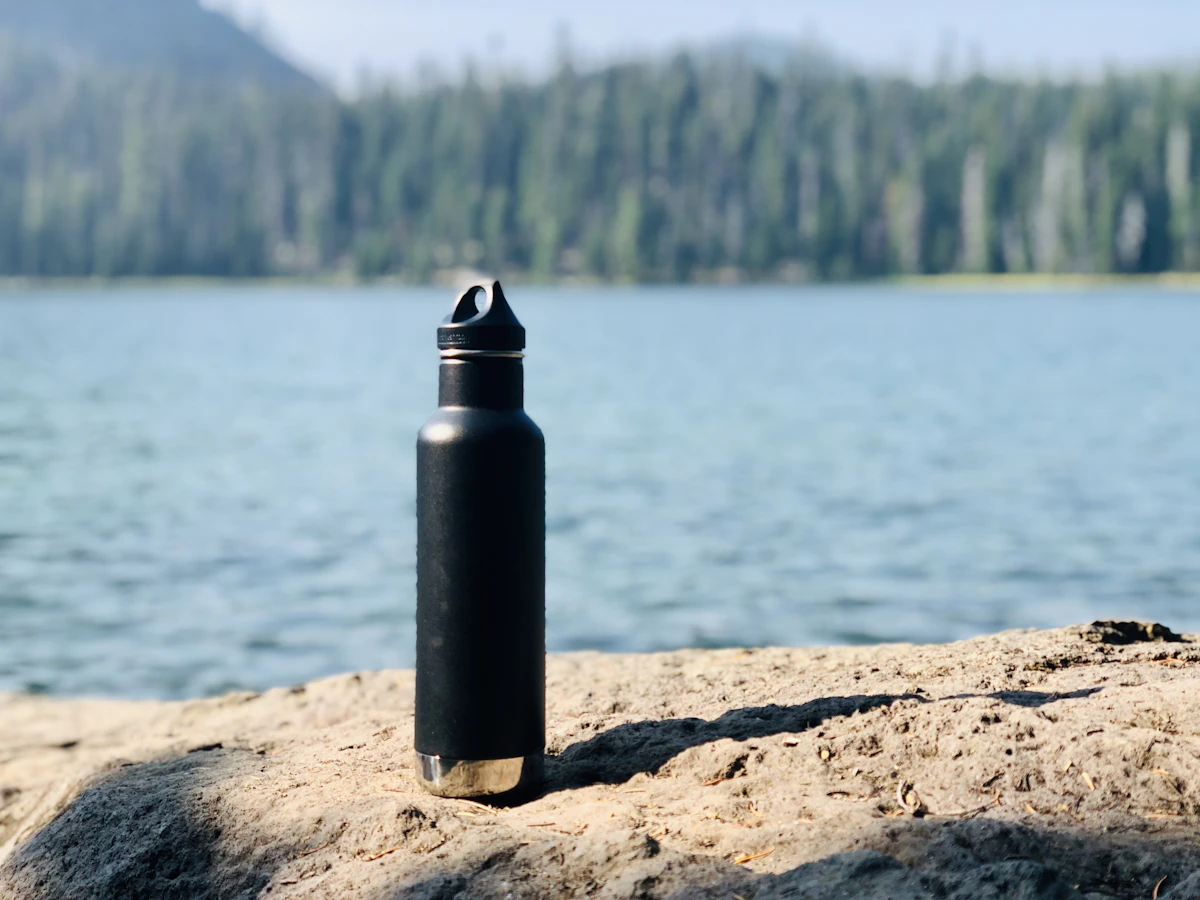
Water is the heaviest essential you will carry into the backcountry, and how you store it directly impacts your mobility, comfort, and safety. A poorly chosen system adds unnecessary weight, leaks at the worst moment, or leaves you rationing water when you should be glassing. After decades of hunting remote country from Colorado's high basins to Wyoming's Wind River Range, I have tested most systems worth considering. The right choice depends on your hunt type, camp setup, and how far you are from reliable water sources.
Hydration Bladders vs. Bottles: What Works in Hunting Scenarios
Hydration bladders dominate the hiking world, but hunting demands different priorities. A 3-liter bladder like the Platypus Big Zip or Osprey Hydraulics keeps you mobile during long glassing sessions without breaking concealment to dig out a bottle. You drink more consistently, which matters above 8,000 feet where dehydration hits faster than you realize. The downside is vulnerability. Bladders puncture on sharp rocks, freeze solid in October elk camps, and grow mold if you forget to dry them between trips. I have watched hunters lose their entire water supply two miles from camp because a bladder seam failed.
Nalgene bottles are bombproof and let you see exactly how much water remains. Wide-mouth models double as hot water bottles in your sleeping bag and accept most filter attachments. The tradeoff is accessibility. Stopping to pull a bottle from your pack disrupts rhythm during spot-and-stalk hunts and creates noise. For day hunts where you return to camp by dark, I carry one 32-ounce Nalgene and one collapsible Platypus SoftBottle. The Nalgene handles camp duties and water treatment. The collapsible bottle saves pack space and weight once emptied.
For multi-day spike camps, I rely on a bladder for mobility during the day and switch to bottles at camp for filtration and cooking. This hybrid approach covers both scenarios without redundant weight.
Gravity Filtration Systems for Base Camp and Spike Camps
Gravity filters change the game when you are camped near a creek or alpine lake. The Platypus GravityWorks 4-liter system filters enough water for two hunters in four minutes without pumping. Hang the dirty reservoir from a tree, let gravity do the work, and focus on glassing while your clean reservoir fills. This matters most on evening-to-morning turnarounds when you need to filter, cook, hydrate, and prep for the next day before light fades.
The MSR AutoFlow is faster but heavier. The Katadyn BeFree gravity setup is ultralight but requires more frequent backflushing in silty western water. I have used all three. For elk camps where I stay 5-7 days and filter 6-8 liters daily, the GravityWorks hits the best balance of speed, reliability, and packability. One caution: gravity systems fail in freezing temps. Store the filter in your sleeping bag overnight and only filter during midday warmth if overnight lows drop below 35 degrees.
For sheep hunts or other high-alpine camps where water sources are scarce, a gravity system lets you efficiently fill multiple containers at once when you finally reach a spring or snowmelt pool. Time spent filtering is time not spent hunting.
Large-Capacity Reservoirs for Extended Hunts
If your camp sits more than a quarter-mile from water, a large reservoir becomes essential. The MSR Dromedary bags (4-liter and 10-liter) are the standard. Tough laminate construction, stable when full, and compatible with MSR and Platypus filter systems. I use a 10-liter Dromedary as my base camp reservoir. One morning trip to the creek supplies cooking, coffee, and hydration for two hunters through the next day.
The Sea to Summit Watercell X collapses smaller when empty, which matters if you pack in and out frequently. But the trade-off is durability. I have seen Watercells develop pinhole leaks after a season of rough handling. Dromedaries survive years of use. For hunts where weight matters more than longevity, like a 10-day backpack sheep hunt, the Watercell X saves ounces. For truck-based elk camps or horse-packed base camps, the Dromedary wins.
One often-overlooked option: collapsible 5-gallon water cubes from camping suppliers. They are not designed for backpacking, but for wall-tent camps or truck campers, they provide bulk water storage at minimal cost. Fill them before you leave town, and you avoid filtering entirely for the first few days.
Cold-Weather Water Storage Strategies
Freezing temperatures destroy most hydration systems. Bladder hoses ice shut within an hour in sub-freezing weather, even with insulated sleeves. I learned this the hard way on a November mule deer hunt in Montana. By 10 a.m., my bladder was a useless ice brick. Since then, I use a different approach for cold-weather hunts.
Carry water in an insulated Nalgene bottle inside your pack, close to your back. Body heat keeps it liquid. For longer glassing sessions, wrap the bottle in a spare puffy jacket. At camp, store full bottles upside-down so ice forms at the bottom, leaving the cap accessible. Boil water before bed and fill a Nalgene as a sleeping bag warmer. By morning, it is still liquid and drinkable.
Never store your filter outside in freezing temps. Even one freeze-thaw cycle can crack the ceramic or hollow-fiber elements and render the filter useless. I keep my filter in a stuff sack inside my sleeping bag from October through December. This seems excessive until you are three days into a hunt and your filter stops working.
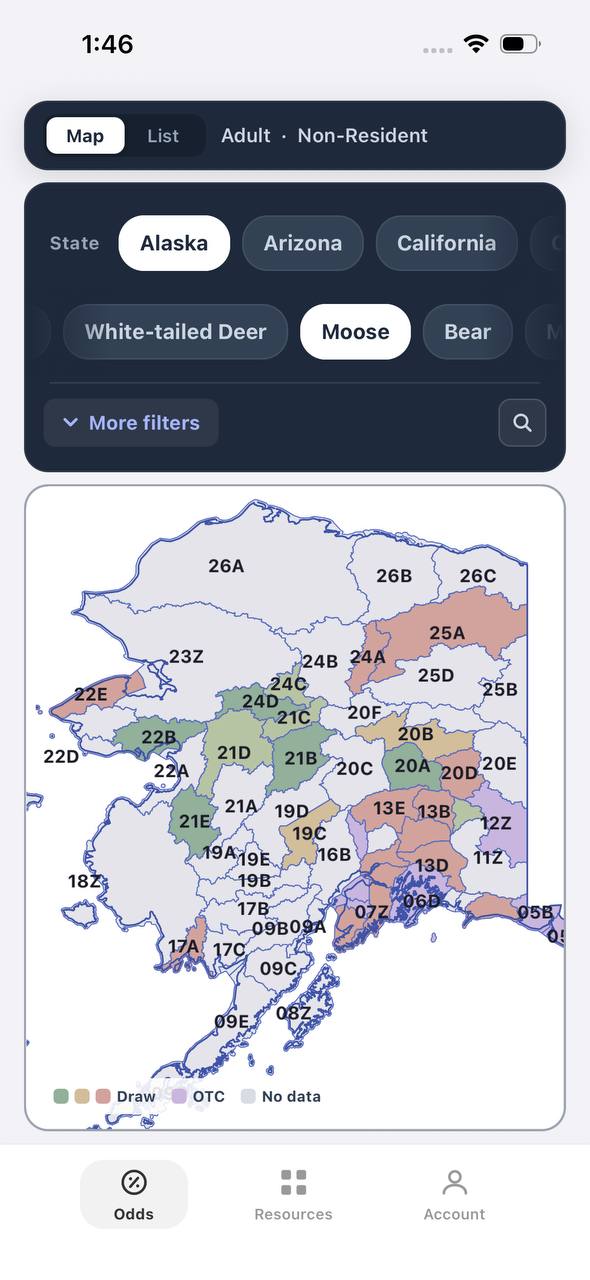
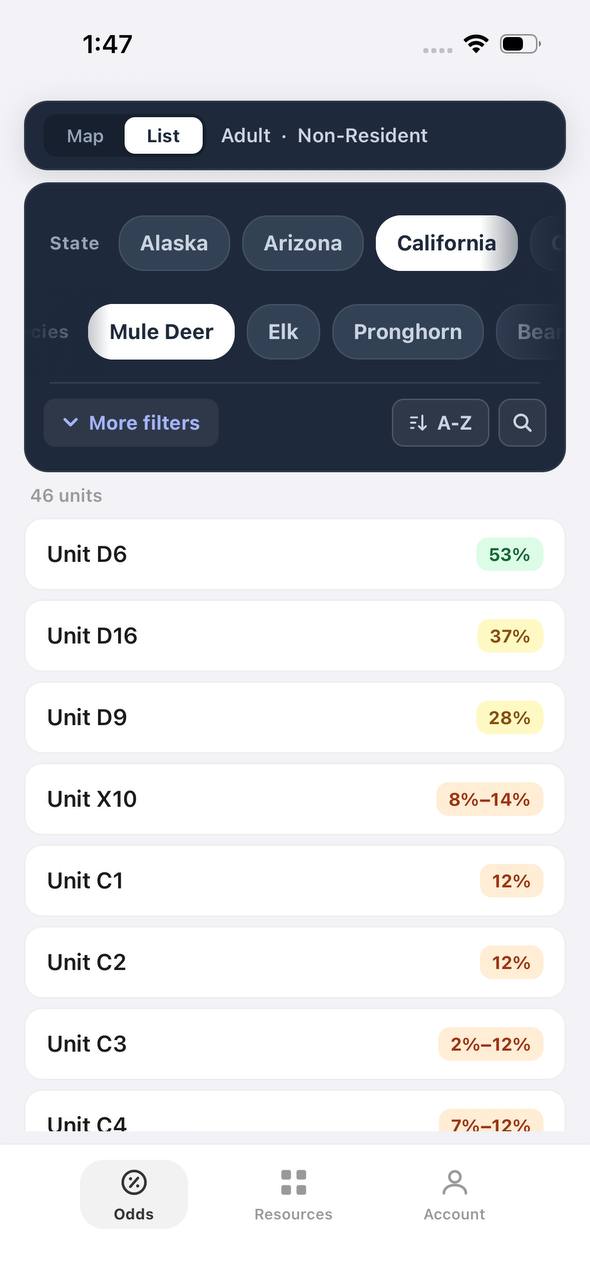
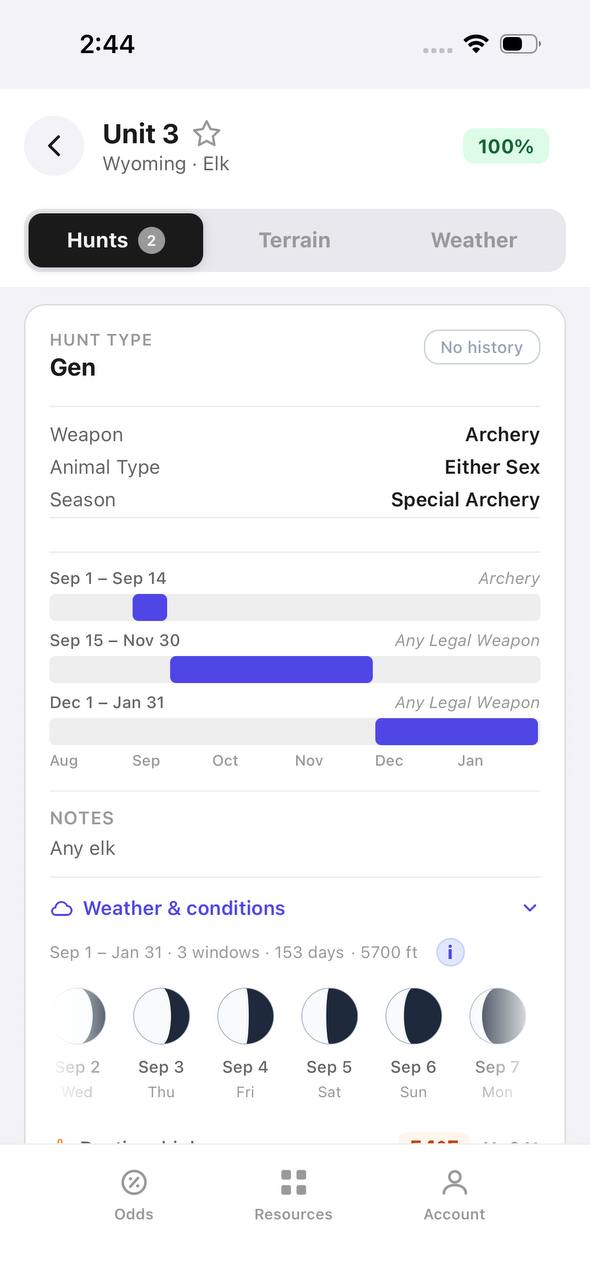
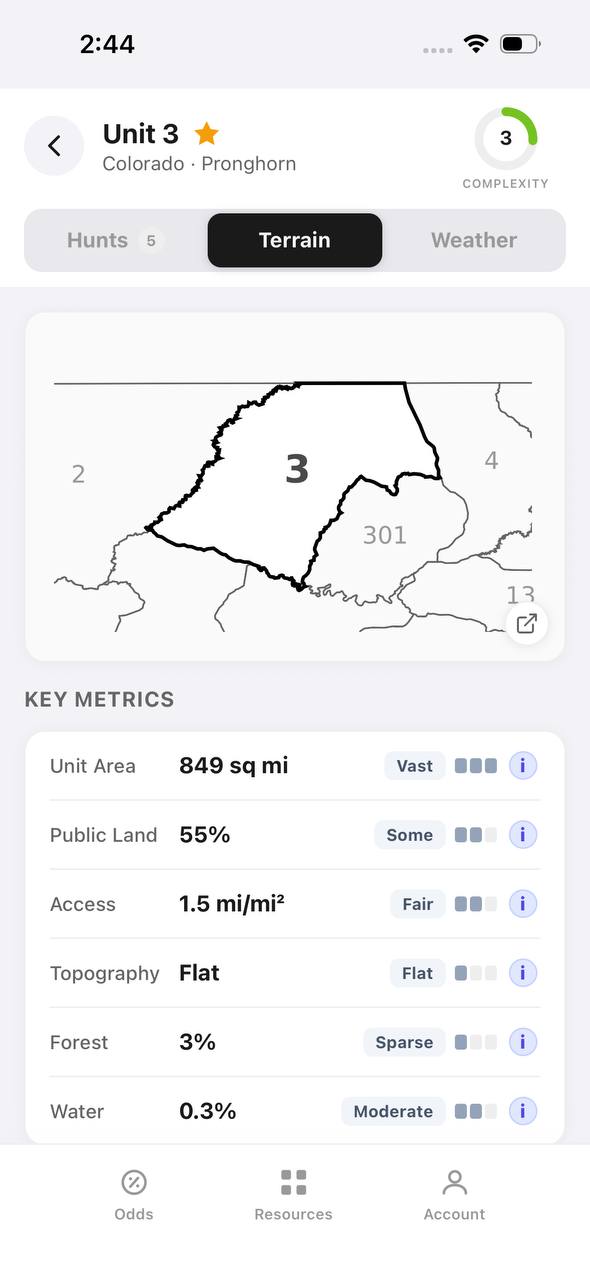
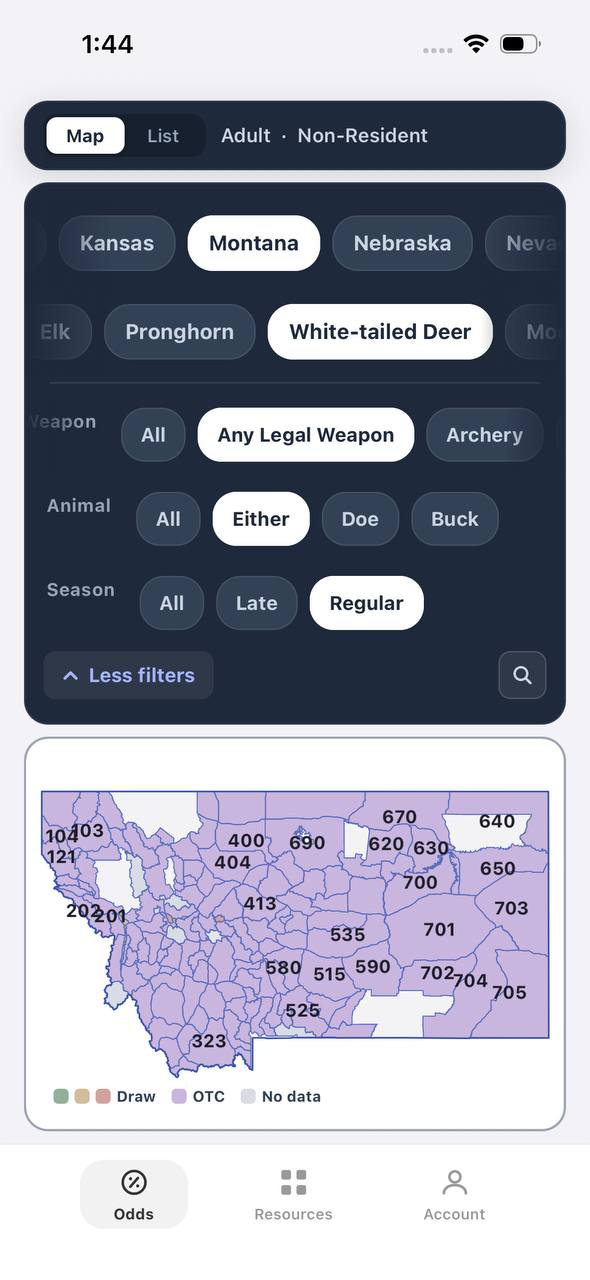
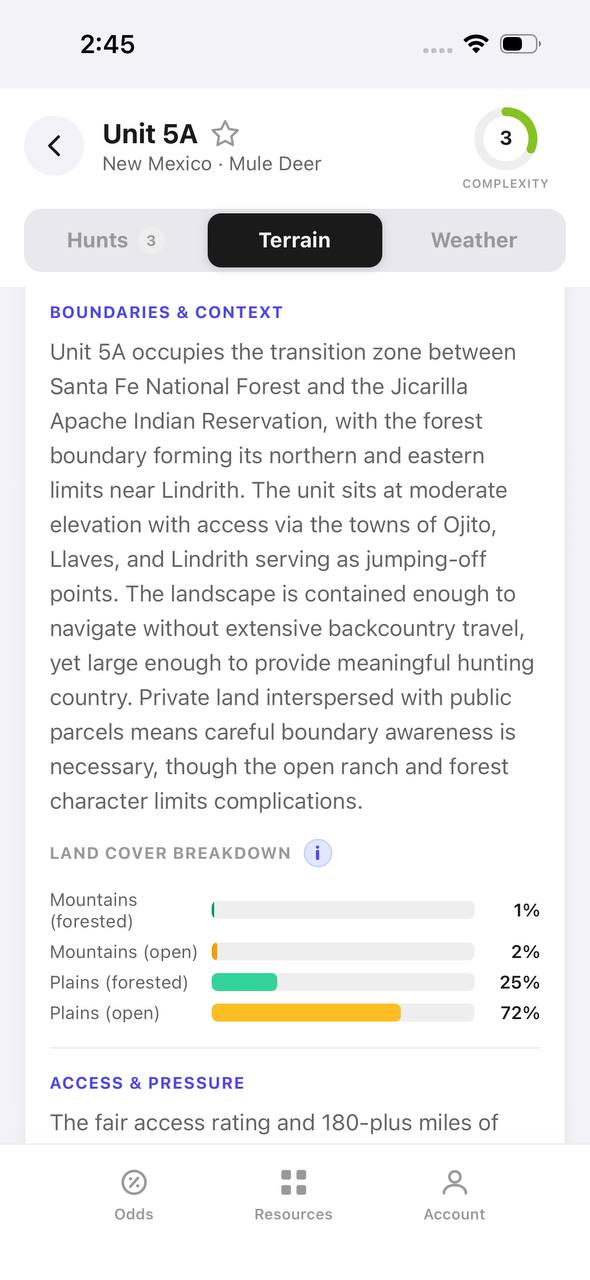
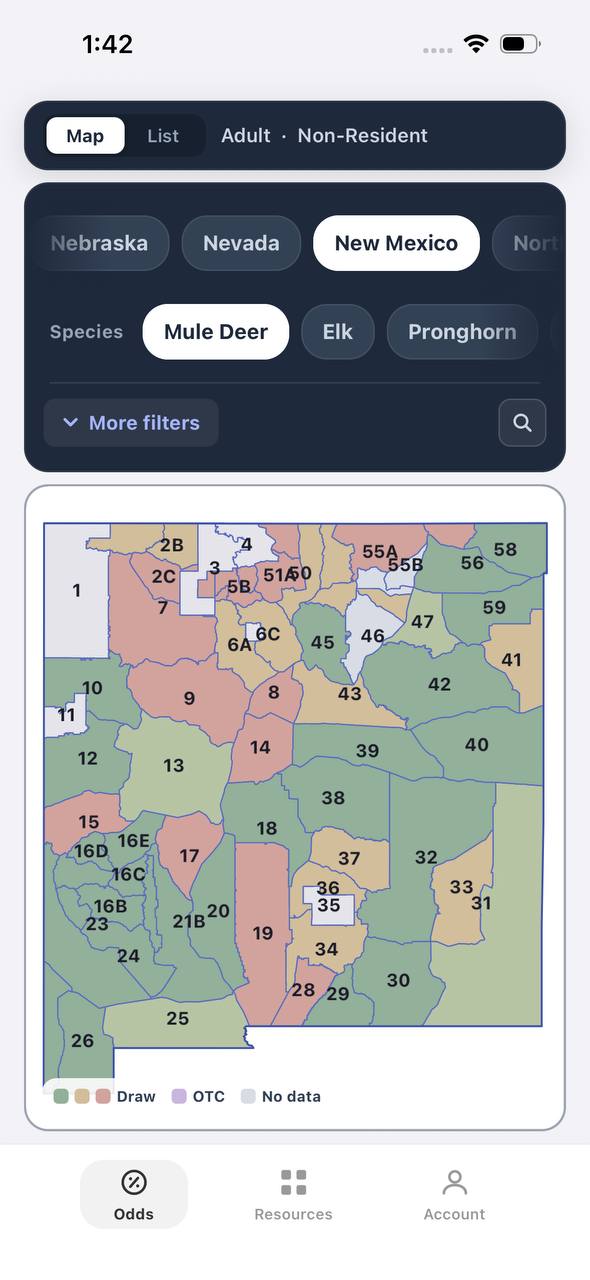
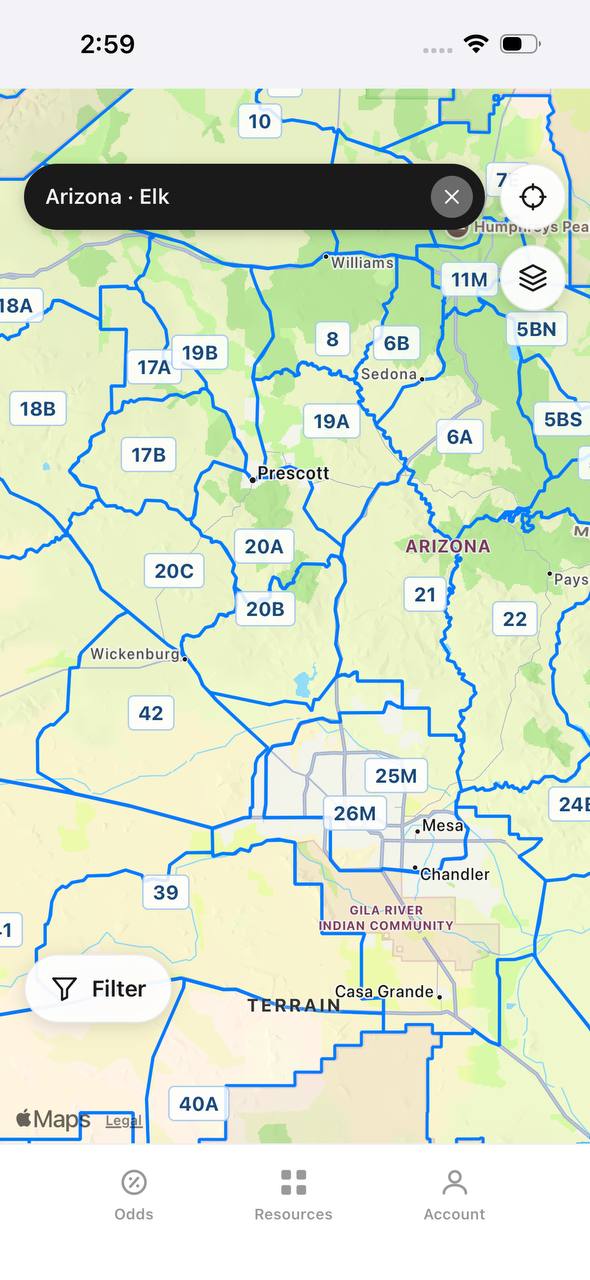
TAGZ helps you research hunt units and access points, but water planning is equally critical. Knowing whether your unit has reliable springs or only seasonal creeks changes what system you carry. TAGZ terrain maps show drainages and elevation changes so you can predict where water will be available and plan your camp accordingly.
Free to join
Download mobile app
- Detailed draw odds
- Point tracking
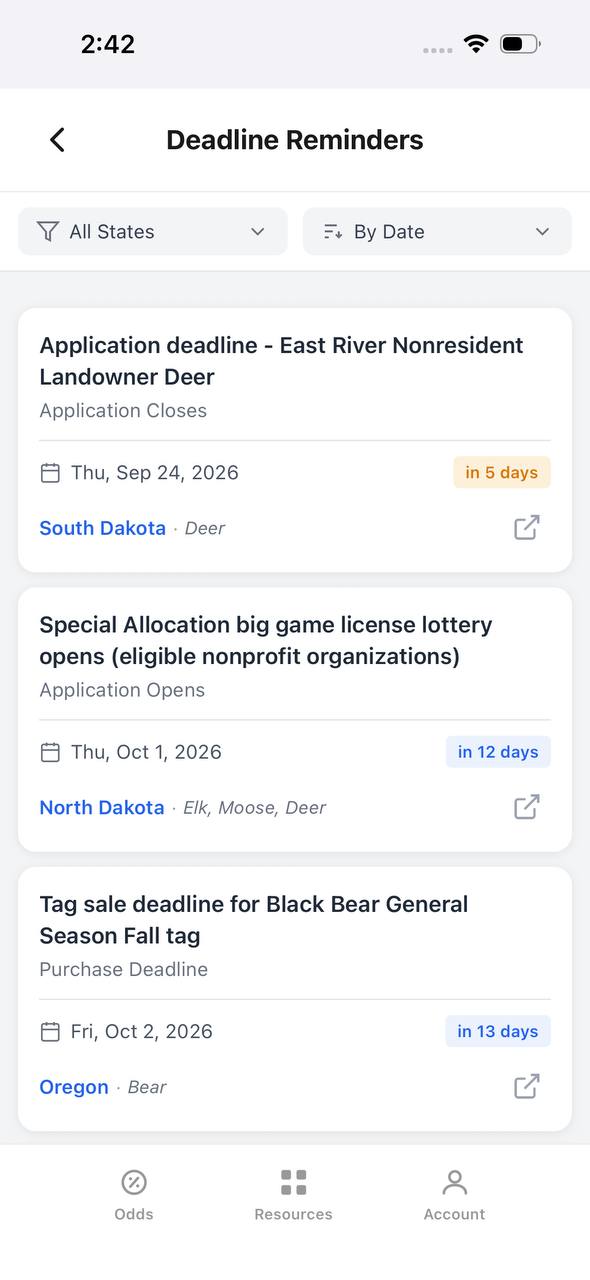
- Deadline reminders
- 18 states covered

Free to join
Download mobile app
- Detailed draw odds
- Point tracking
- Deadline reminders
- 18 states covered
Free to join
Download mobile app
- Detailed draw odds
- Point tracking
- Deadline reminders
- 18 states covered
Filtration and Purification: What You Actually Need
Western water quality varies wildly. High alpine snowmelt is often clean enough to drink untreated, though I filter anyway for giardia protection. Lower-elevation creeks near cattle grazing require more caution. Beaver ponds and stagnant alpine tarns carry higher pathogen loads. Understanding your water source determines whether you need a filter, purifier, or chemical treatment.
Most hollow-fiber filters like the Sawyer Squeeze, Katadyn BeFree, and Platypus QuickDraw remove protozoa and bacteria but not viruses. In North America, this is sufficient for backcountry hunting. Viruses are rare in wilderness water. These filters are light, fast, and effective for elk, deer, sheep, and moose camps. The Sawyer Squeeze is the lightest and cheapest but clogs quickly in silty water. The BeFree flows faster but requires a proprietary bottle.
If you hunt near livestock or in areas with heavy human traffic, consider a purifier like the MSR Guardian or chemical treatment like Aquamira drops. The Guardian is overkill for most western hunts but provides total protection. Aquamira is a backup I always carry. Two-ounce bottles treat 30 gallons, cost $15, and work when your filter freezes or breaks.
For UV purification, the SteriPEN works in clear water but fails in silty runoff and requires batteries. I tried one for two seasons and went back to filters. Simplicity and reliability matter more than technology when you are five miles from the trailhead.
Choosing the Right System for Your Hunt Type
Day hunts from a truck or lodge: One 32-ounce Nalgene bottle plus one collapsible liter bottle. Refill at camp. No filter needed if you start with treated water.
Backpack spike camps (3-5 days): 3-liter hydration bladder for daily use, 4-liter gravity filter system, one 10-liter Dromedary reservoir at camp. This setup supports two hunters with one water run per day.
Horse-packed base camps (7-10 days): Same as above but add a second 10-liter Dromedary. Horses let you carry the extra weight without penalty.
Sheep or goat hunts (remote, minimal water): 3-liter bladder, Sawyer Squeeze inline filter, two 1-liter collapsible bottles. Prioritize weight over capacity. Refill at every water source.
Cold-weather hunts (below freezing): Ditch the bladder. Carry two insulated Nalgene bottles. Keep your filter in your sleeping bag. Accept that you will drink less and plan accordingly.
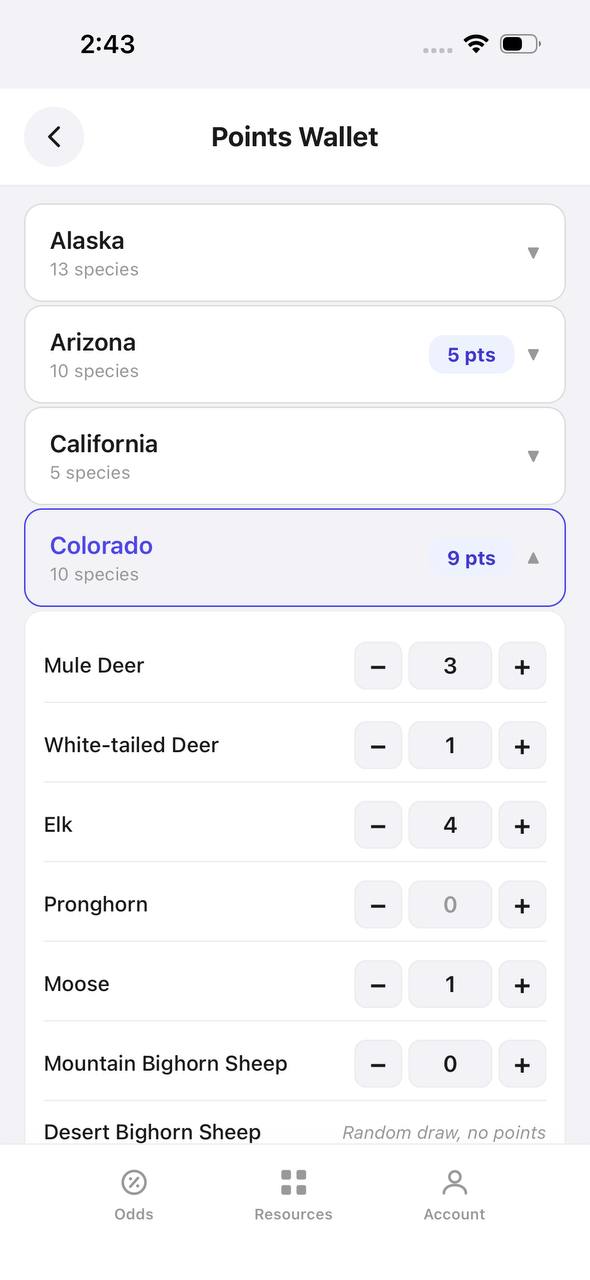
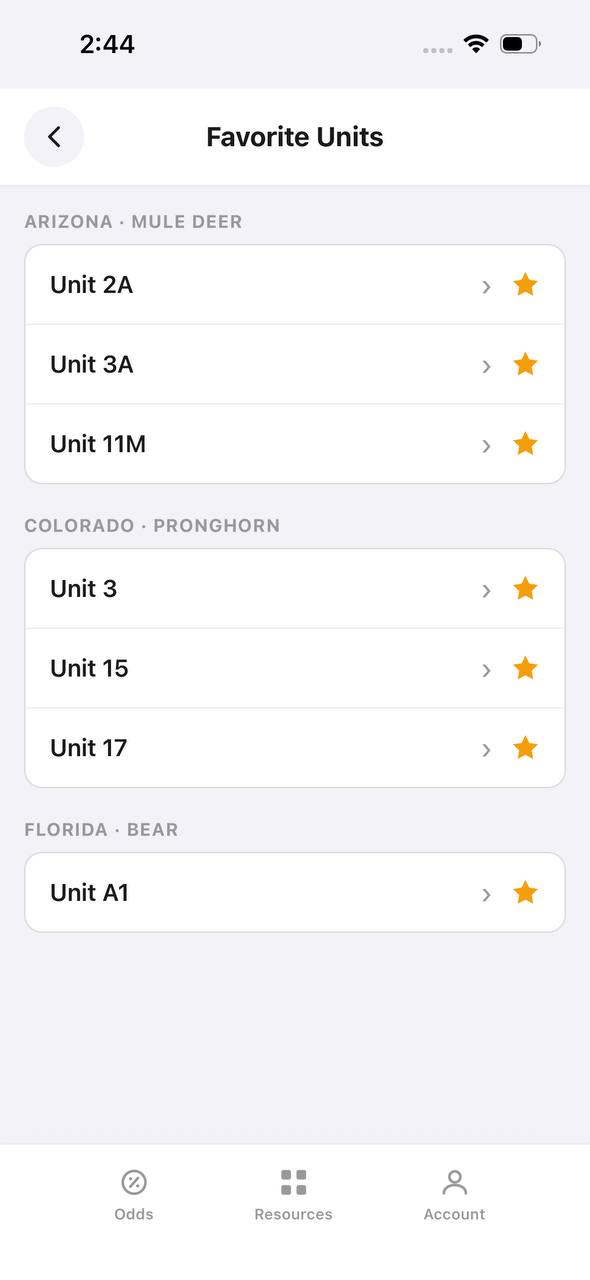
TAGZ lets you track your preference points and bonus points across multiple states so you never miss a draw deadline. But once you draw that tag, your water system keeps you functional in the field. A well-planned system means you spend more time hunting and less time hiking back to camp to refill.
Maintenance and Longevity Tips
Water storage systems fail when neglected. After every trip, rinse bladders and reservoirs with hot water and hang them open to dry. Mold grows fast in damp nylon. Store bladders in a freezer if you cannot dry them completely. This kills mold spores and keeps them fresh between seasons.
Backflush your filter every 5-10 liters to maintain flow rate. Carry a backflush syringe or use a water bottle to force clean water backward through the filter. This clears sediment and extends filter life. I get two seasons from a Sawyer Squeeze in Colorado's clear creeks, but only one season in Arizona's muddy stock tanks.
Replace O-rings and gaskets annually on Nalgene caps and Dromedary spouts. A $2 O-ring prevents a midnight leak that soaks your sleeping bag. Inspect bladder hoses for cracks before each trip. UV exposure degrades plastic. If a hose looks cloudy or stiff, replace it.
Never use soap inside water storage. Residue is nearly impossible to rinse out and taints every future fill. Hot water and a bottle brush handle 99% of cleaning needs. For stubborn mold, use a baking soda solution and rinse thoroughly.
FAQ — Water Storage Systems
What is the best water storage system for backcountry elk hunting?
A 3-liter hydration bladder for daily mobility, a 4-liter gravity filter like the Platypus GravityWorks, and a 10-liter Dromedary reservoir at camp. This combination handles hydration, filtration, and bulk storage without excessive weight.
Do hydration bladders work in cold weather?
No. Bladders and hoses freeze solid in sub-freezing temps. For October and November hunts, carry insulated Nalgene bottles inside your pack close to your body. Store your filter inside your sleeping bag overnight.
How much water capacity do I need for a 5-day spike camp?
Plan for 3-4 liters per hunter per day. A 10-liter Dromedary reservoir plus personal hydration bladders covers two hunters if you are camped near a water source. If water is scarce, increase capacity or plan daily refill trips.
What is the lightest water filtration system for sheep hunts?
The Sawyer Squeeze weighs 3 ounces and filters inline or into collapsible bottles. Pair it with two 1-liter Platypus SoftBottles for a total system weight under 8 ounces. This setup works for any remote high-alpine hunt where weight is critical.
Can I drink untreated alpine water?
High-elevation snowmelt above timberline is often clean, but giardia exists even in pristine-looking water. Always filter or treat unless you are willing to accept the risk. A lightweight filter adds minimal weight and eliminates gut-wrenching consequences.
How long do water filters last?
Hollow-fiber filters like the Sawyer Squeeze last 100,000 gallons if properly maintained. Backflush regularly and store dry. Replace ceramic filters like the Katadyn Hiker after 750 gallons or when flow rate drops significantly.
Continue Planning Your Hunt
Water systems keep you mobile and healthy in the field, but the hunt starts with drawing the right tag. TAGZ helps you compare units side by side using terrain maps, unit boundaries, and historical draw data. Track your preference points and bonus points across multiple states so you never miss a draw deadline. Whether you are chasing OTC tags or planning a trophy limited-entry hunt, TAGZ gives you the tools to make smarter decisions before you ever step into the field. Explore the platform at getmytagz.com.
For more field-tested hunting strategies and unit breakdowns, check out the full library of articles at TAGZ Insights. Every piece is written to help you plan smarter hunts from application season through your time in the mountains.
Was this article helpful?
Previous
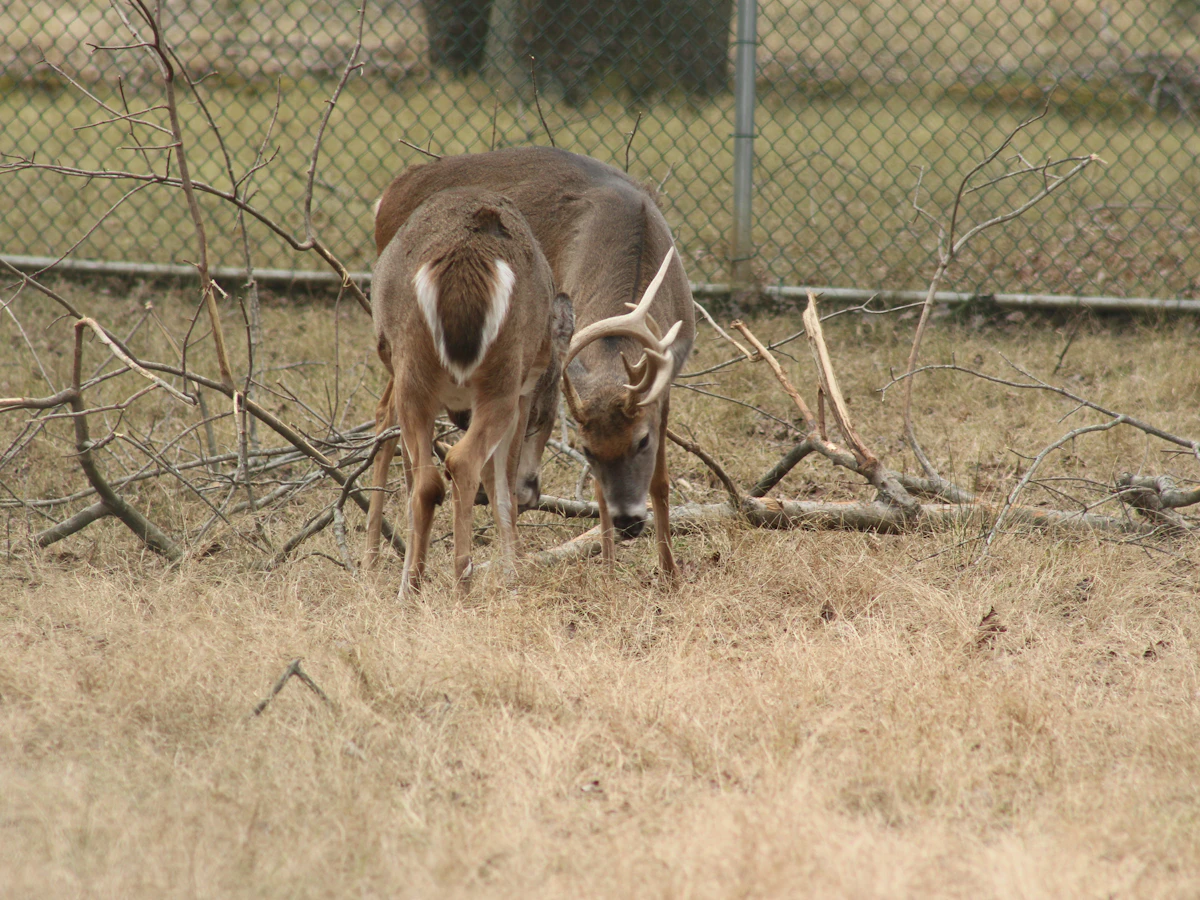
Florida Deer Hunting Guide 2026: Zones, Seasons & Top Public Land Units
Florida offers year-round deer opportunities across four distinct zones with varied seasons, weapons, and terrain. This guide breaks down 2026 regulations, zone-specific strategies, and the best public land units for both whitetail and the elusive Osceola turkey bonus.
Related
Hornady Outfitter Ammo Review: Is It Worth the Premium for Western Hunts?
Hornady Outfitter ammunition promises extreme weather reliability and consistent terminal performance across North America's toughest hunts. This review breaks down real-world field performance, accuracy testing, and whether the nickel-plated premium justifies the cost for backcountry hunters.
Next
Hells Canyon Armory Review: Long-Range Rifles for Western Hunters
Hells Canyon Armory builds custom precision rifles designed for western hunters who need reliable long-range performance in the mountains. This review covers their rifle lineup, build quality, and whether they're worth the investment for serious backcountry hunters.