Hells Canyon Armory Review: Long-Range Rifles for Western Hunters
Hells Canyon Armory builds custom precision rifles specifically for western hunters who need lightweight, reliable long-range performance in backcountry conditions. Based in Idaho, the company has earned a reputation among serious mountain hunters for rifles that balance accuracy, durability, and packability. Their rifles are designed for hunters who understand that a missed shot at 400 yards on a steep mountainside costs more than just a tag.
This review covers what sets Hells Canyon Armory apart, their rifle options, real-world performance, and whether their pricing matches the quality hunters are paying for.
What Makes Hells Canyon Armory Different
Hells Canyon Armory focuses exclusively on hunting rifles, not tactical or competition builds. Every rifle is built around the demands of western terrain: lightweight for steep climbs, accurate enough for ethical long-range shots, and tough enough to handle weather extremes without babying.
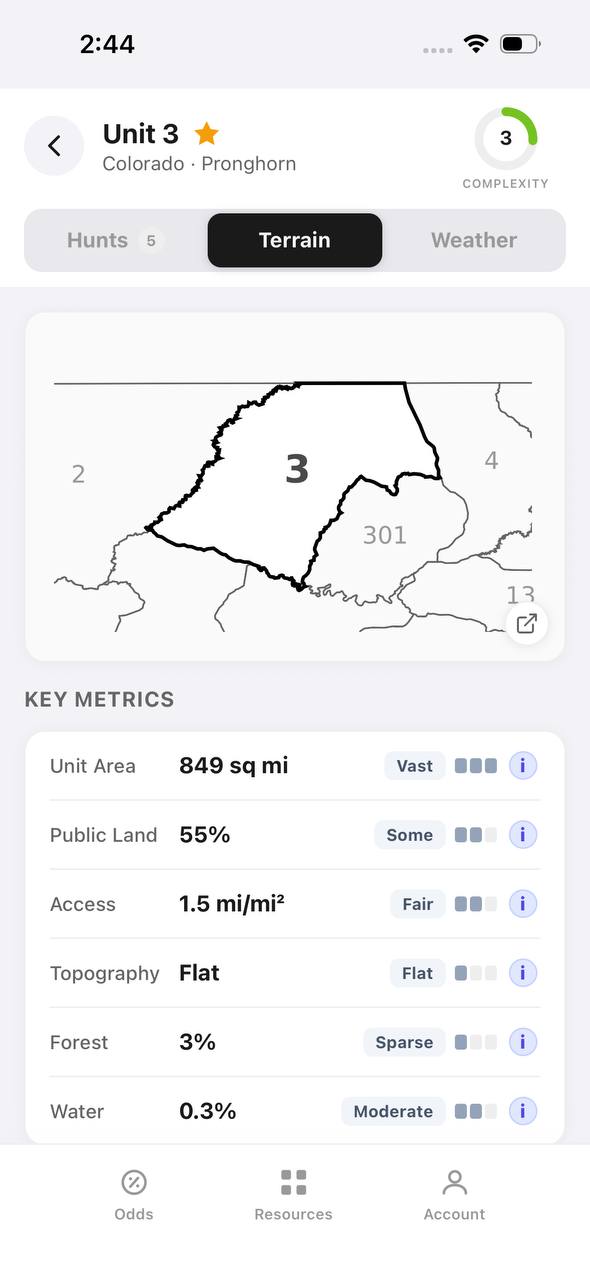
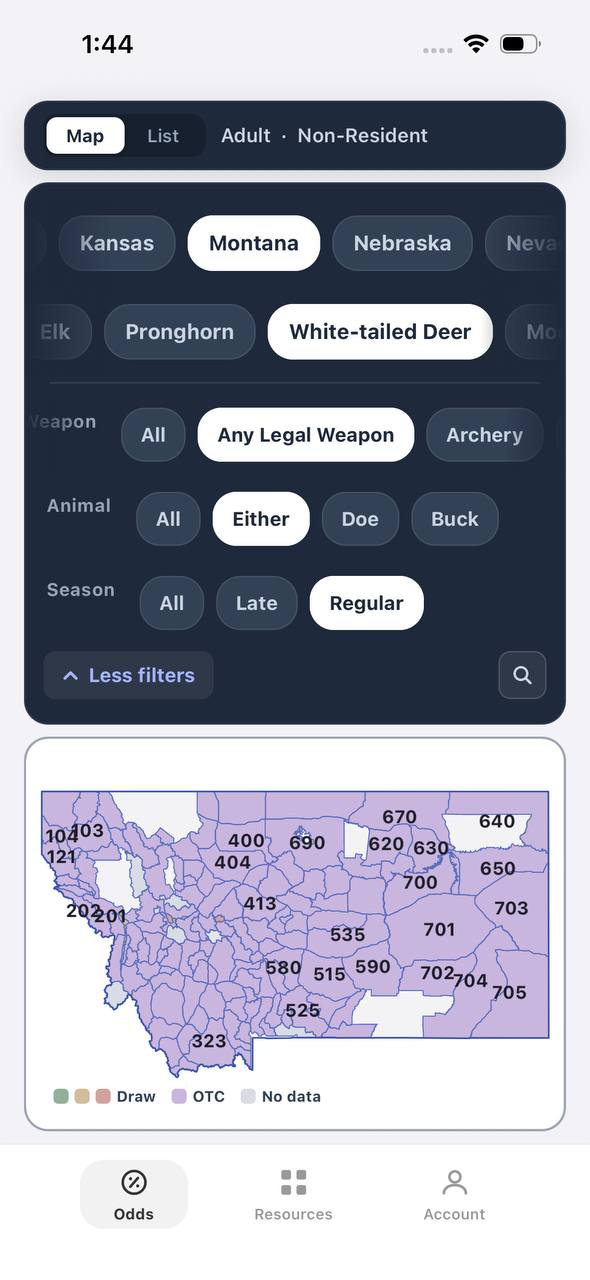
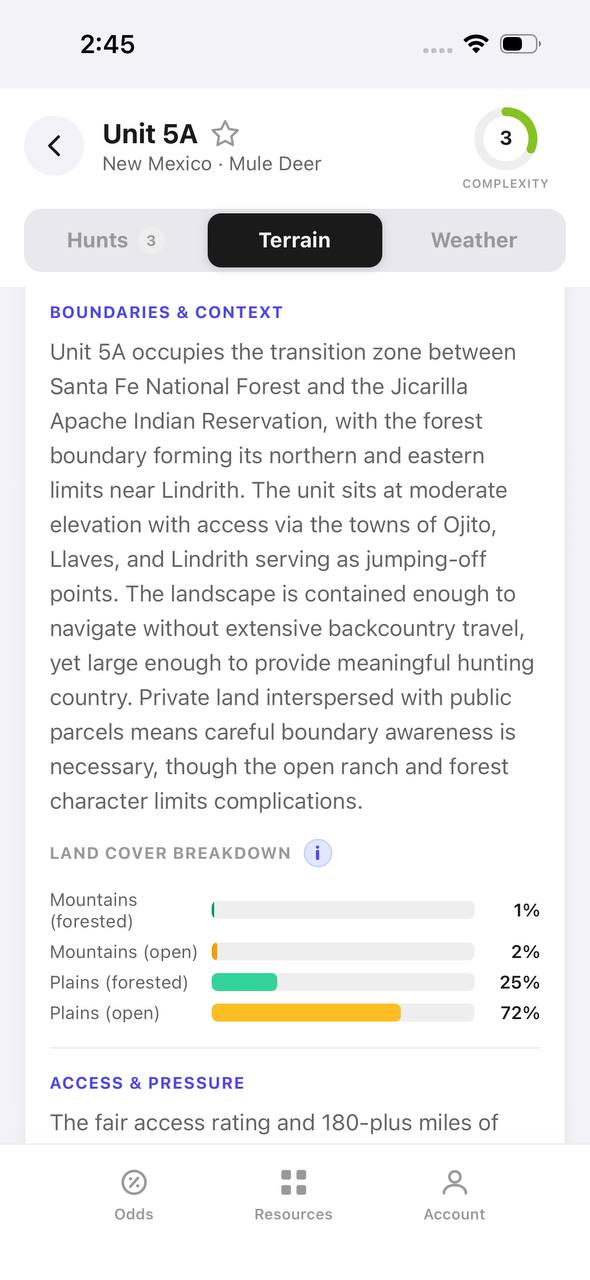
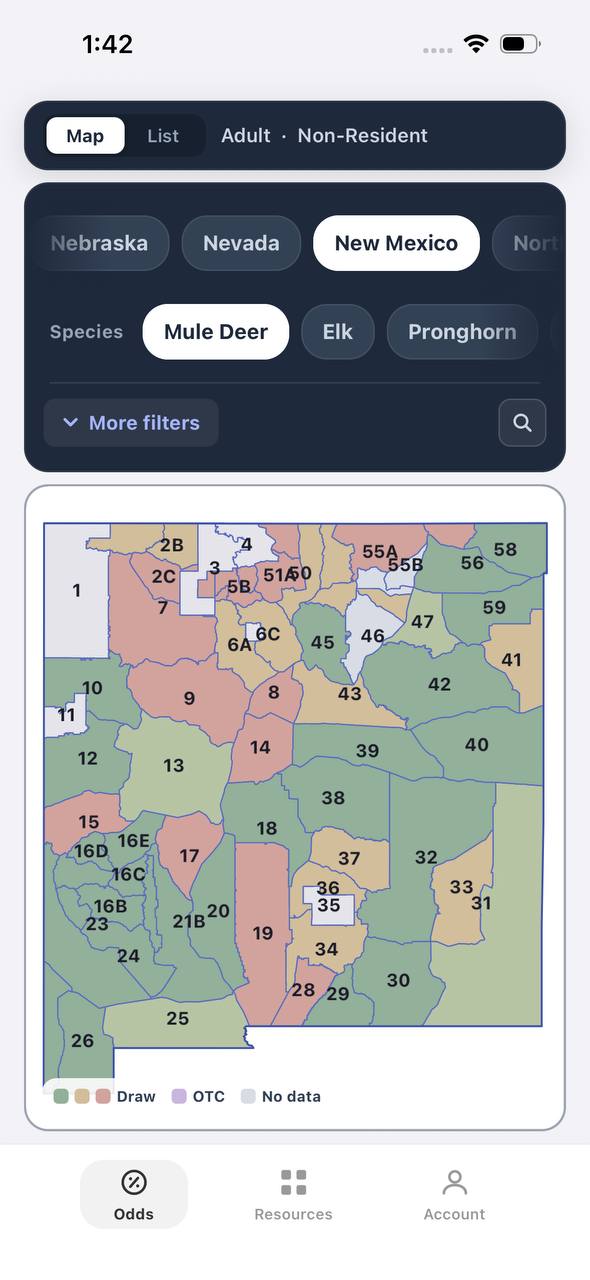
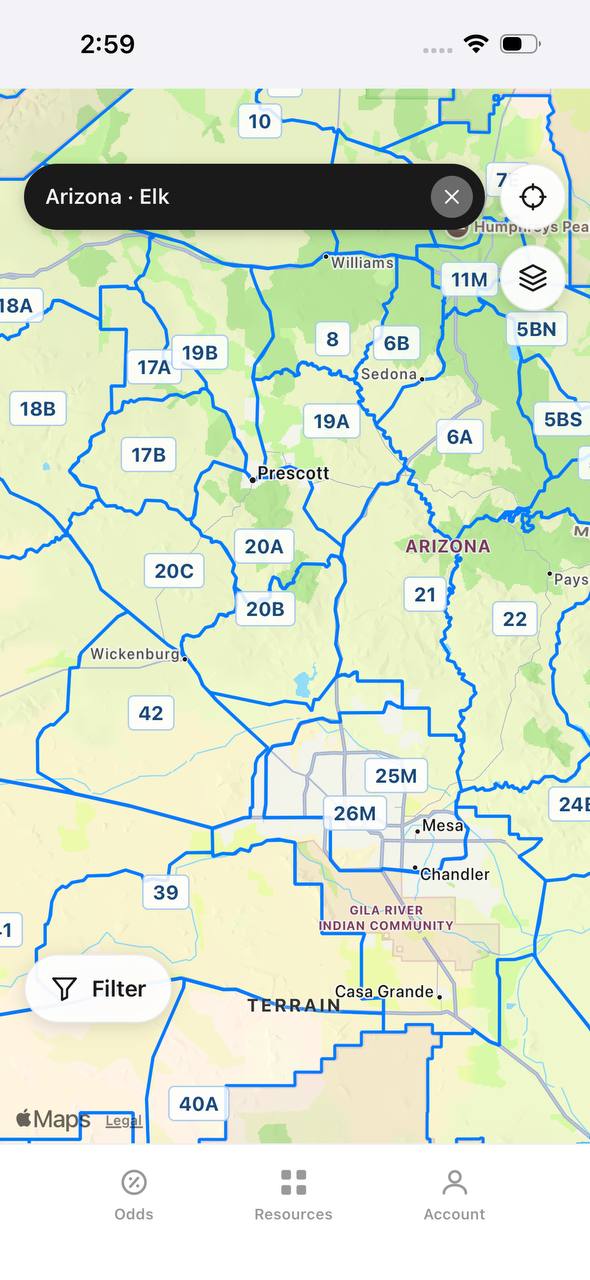
Their rifles use premium components but avoid unnecessary features that add weight. The result is a hunting tool that performs when you're exhausted, cold, and running out of daylight on a ridgeline miles from the truck. TAGZ helps you identify units where long-range capability matters most by comparing terrain features, elevation profiles, and hunt success data across western states, so you know exactly what your rifle needs to handle before you commit to a hunt.
Rifle Lineup and Build Options
Hells Canyon Armory offers several rifle models, all built on proven actions like the Defiance or Zermatt platform. Their most popular builds include the Hells Canyon Hunter, a lightweight backcountry rifle typically weighing 6.5 to 7.5 pounds scoped, and the Hells Canyon Long Range Hunter, which adds a heavier barrel profile for extended-range work while still keeping total weight manageable.
Calibration options cover the spectrum of western hunting needs. The 6.5 PRC and 6.5 Creedmoor are popular for mule deer and pronghorn where flat trajectory and low recoil matter. For elk hunters who want more energy on impact, the 300 PRC and 7mm Remington Magnum are common choices. Sheep and goat hunters often choose lighter calibers like the 6.5 Creedmoor or 7mm-08 to save weight without sacrificing effective range.
Every rifle is hand-bedded and individually tested for accuracy before it ships. Expect sub-MOA groups at 100 yards, often closer to half-MOA with quality ammunition. Stocks are either carbon fiber or fiberglass, both designed to handle temperature swings and moisture without shifting zero.
Real-World Performance in the Field
The defining characteristic of a Hells Canyon Armory rifle is reliability under hunting conditions that break lesser rifles. Carbon fiber barrels shed heat quickly, which matters when you need a follow-up shot on a wounded bull. Lightweight builds climb ridges without wearing you out, but the balance point keeps the rifle steady on improvised rests like a trekking pole or backpack.
Recoil management is thoughtful without being excessive. Muzzle brakes are available but not standard, which keeps noise manageable for hunters who don't wear electronic hearing protection in the field. Triggers are adjustable and break clean, typically between 2 and 3 pounds. Safeties are positive and easy to operate with gloves.
One weakness: lightweight rifles amplify shooter error. If you're not comfortable shooting from awkward positions under pressure, the rifle won't fix that. Practice matters more than the price tag, especially on steep angles where your fundamentals fall apart.
Optics and Accessories
Hells Canyon Armory builds rifles but doesn't sell complete packages with optics. That's intentional. Serious hunters have strong preferences about glass, and bundling a scope would either compromise quality or inflate the price unnecessarily.
Most buyers pair these rifles with mid-to-high-tier optics like Leupold VX-5HD, Vortex Razor LHT, or Nightforce SHV models. Budget $800 to $2,000 for glass that matches the rifle's capability. Cheap scopes on expensive rifles are a common mistake among first-time custom rifle buyers.
Bipods, slings, and muzzle devices are available as add-ons. If you're hunting solo in rough country, invest in a quality sling. The rifle spends more time on your shoulder than in your hands, and a poorly designed sling will remind you of that mistake for miles.
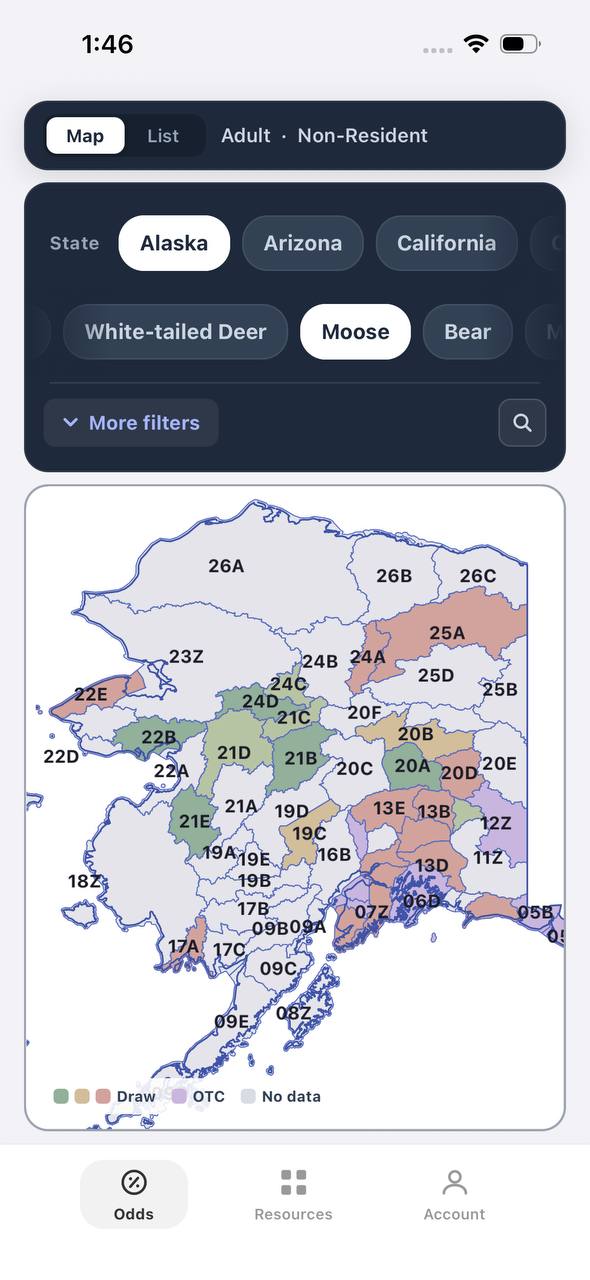
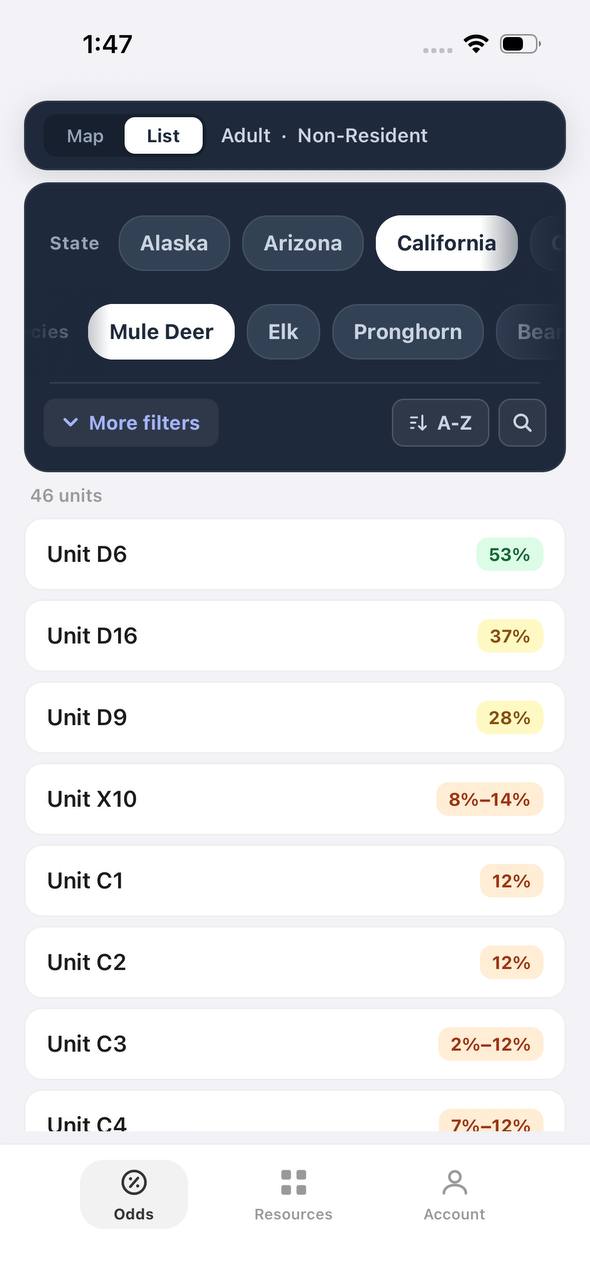
Free to join
Download mobile app
- Detailed draw odds
- Point tracking
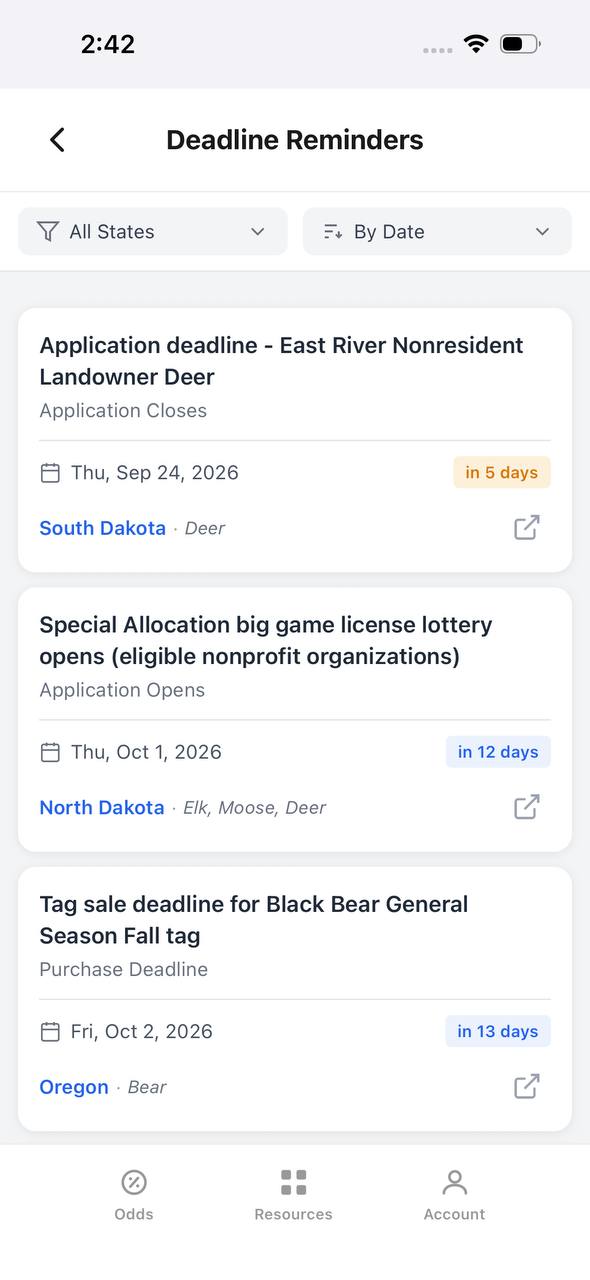
- Deadline reminders
- 18 states covered

Free to join
Download mobile app
- Detailed draw odds
- Point tracking
- Deadline reminders
- 18 states covered
Free to join
Download mobile app
- Detailed draw odds
- Point tracking
- Deadline reminders
- 18 states covered

Pricing and Value
Hells Canyon Armory rifles start around $4,500 and climb depending on caliber, barrel material, and stock choice. That's a significant investment compared to factory rifles from Browning, Tikka, or Weatherby that cost $1,500 to $2,500. The question is whether the performance gap justifies the cost.
For hunters who draw limited-entry tags once every five to ten years, the answer is often yes. A missed shot on a Montana moose or Wyoming bighorn sheep because your rifle shot 2 MOA instead of 0.5 MOA is a far more expensive mistake than the rifle itself. For OTC elk hunters who fill tags every year with factory rifles, the math changes. Factory rifles from Tikka or Bergara deliver 90 percent of the performance for 40 percent of the cost.
If you're hunting units where success rates are low, terrain is punishing, and shot opportunities are scarce, TAGZ unit comparisons and terrain maps help you understand whether your gear matches the difficulty level of the hunt you're planning.
Who Should Buy a Hells Canyon Armory Rifle
These rifles make sense for hunters who already understand ballistics, practice regularly at distance, and hunt units where long-range capability creates real advantages. If you're applying for limited-entry units in Nevada, Utah, or Arizona where tags are scarce and terrain is open, a rifle that shoots half-MOA at distance can be the difference between success and eating your tag.
They also suit hunters who value weight savings and are willing to pay for it. Shaving two pounds off your rifle matters when you're climbing 2,000 vertical feet to glass basins above timberline. Factory rifles can be lightened, but the cost of aftermarket barrels, stocks, and triggers often exceeds the price of a custom build.
First-time western hunters should start with a quality factory rifle, master shooting fundamentals, and hunt a few seasons before spending $5,000 on a custom build. Experience matters more than equipment until you reach a skill level where equipment becomes the limiting factor.
Alternatives Worth Considering
If Hells Canyon Armory's pricing doesn't fit your budget, several builders offer similar performance at lower cost. Proof Research builds lightweight hunting rifles starting around $3,500 with excellent accuracy and carbon barrels. Seekins Precision offers factory rifles with custom-grade accuracy for $2,000 to $2,500. Christensen Arms builds lightweight rifles with carbon barrels in the $2,500 range, though quality control has been inconsistent in recent years.
For hunters who want the lightest possible rifle, Gunwerks and NULA offer ultralight builds, but expect to pay $6,000 or more. At that price point, you're shaving ounces, not pounds, compared to Hells Canyon Armory.
Maintenance and Long-Term Durability
Carbon fiber barrels last longer than traditional steel barrels, often exceeding 3,000 rounds before accuracy degrades. For hunters who shoot 50 to 100 rounds per year, that's decades of service. Cleaning is straightforward but required. Carbon barrels foul differently than steel, and accuracy suffers if you neglect bore maintenance.
Bedding and stock integrity hold up well in wet conditions. Fiberglass stocks are nearly indestructible. Carbon fiber stocks are lighter but can crack under extreme impact. If you're horsepacking or flying to remote hunts, invest in a quality hard case.
Warranty coverage is solid but not unlimited. Hells Canyon Armory stands behind their work, but normal wear and damage from abuse aren't covered. Treat the rifle like the tool it is, not a safe queen, but don't expect warranty support if you drop it off a cliff.
How TAGZ Helps You Hunt Smarter
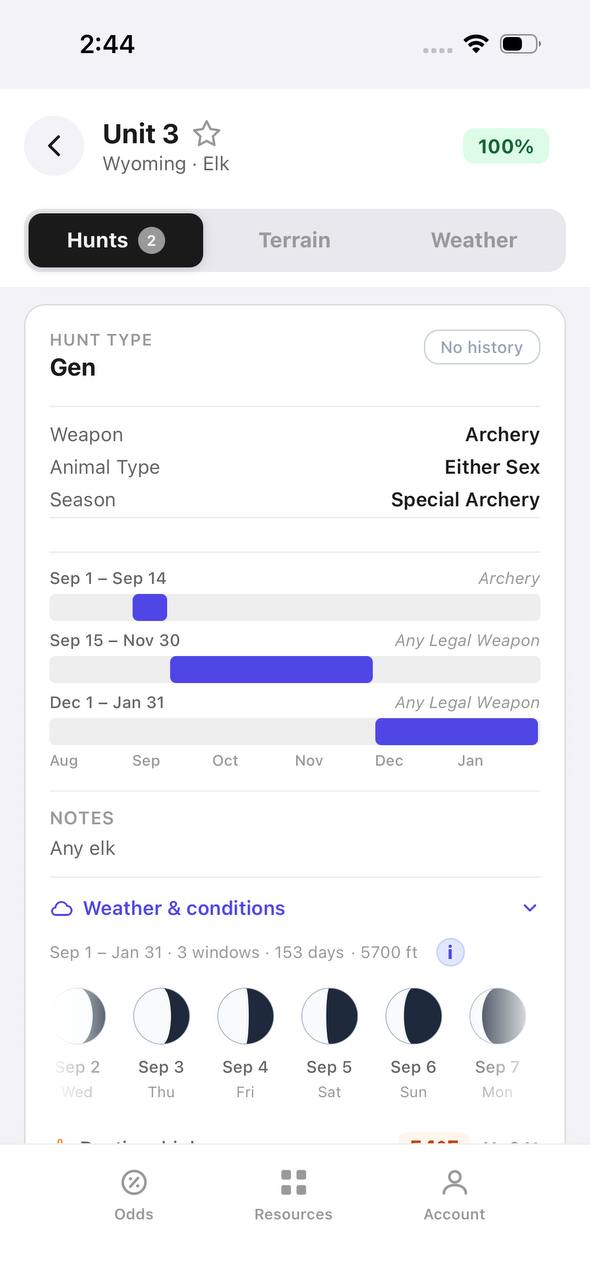
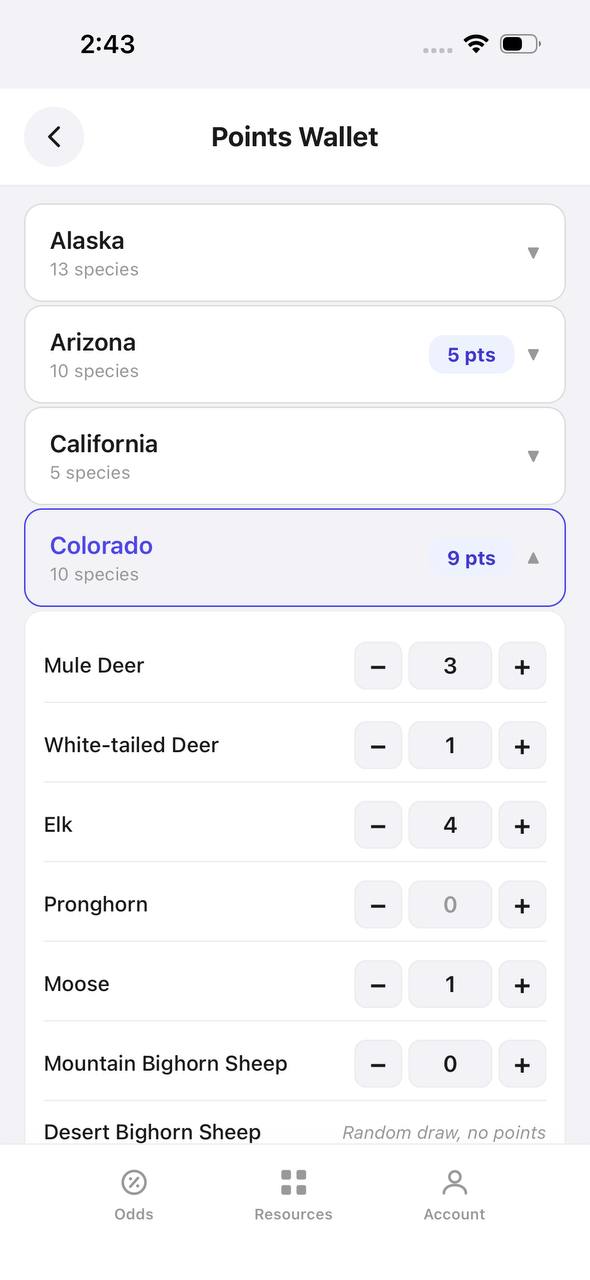
TAGZ helps western hunters make better decisions before they ever step into the field. Compare draw odds across states to find units where your preference points maximize opportunity. Filter hunts by weapon type, season, and terrain difficulty to match your rifle's strengths. Track application deadlines and point totals so you never miss a draw window. Whether you're chasing OTC elk in Colorado or planning a once-in-a-lifetime sheep hunt in Montana, TAGZ gives you the tools to research units, analyze terrain, and build a strategy that puts you in position for success.
FAQ — Hells Canyon Armory
Are Hells Canyon Armory rifles worth the price? For serious backcountry hunters who draw limited-entry tags or hunt difficult terrain where accuracy and weight matter, yes. For casual OTC hunters, factory rifles deliver similar performance at lower cost.
What caliber should I choose for western elk hunting? The 300 PRC and 7mm Remington Magnum are excellent choices for elk at extended range. The 6.5 PRC works for hunters comfortable with precise shot placement and lighter recoil.
How much does a complete Hells Canyon Armory rifle weigh? Most builds weigh 6.5 to 8 pounds scoped, depending on barrel profile, caliber, and stock choice. Carbon fiber stocks and barrels save the most weight.
Do Hells Canyon Armory rifles come with a warranty? Yes, they warranty craftsmanship and materials but not damage from misuse or normal wear. Expect solid support if there's a defect, not if you drop the rifle.
How long does it take to get a custom rifle from Hells Canyon Armory? Lead times vary by season but typically range from 6 to 12 months. Order well before your hunt if you need the rifle for a specific season.
Can I use a Hells Canyon Armory rifle for long-range target shooting? Yes, but these rifles are optimized for hunting, not competition. If you want a dedicated precision rifle for matches, other builders specialize in that market.
Continue Planning Your Hunt
Ready to find your next hunt? Visit the TAGZ home page to explore draw odds, research units, and compare hunts across the West. Browse the TAGZ Insights blog for strategies on draw systems, unit breakdowns, and gear advice. Check out the TAGZ product to see how terrain maps, draw data, and hunt filters help you make smarter decisions, or review pricing to find the plan that fits your hunting goals.
Was this article helpful?
Previous
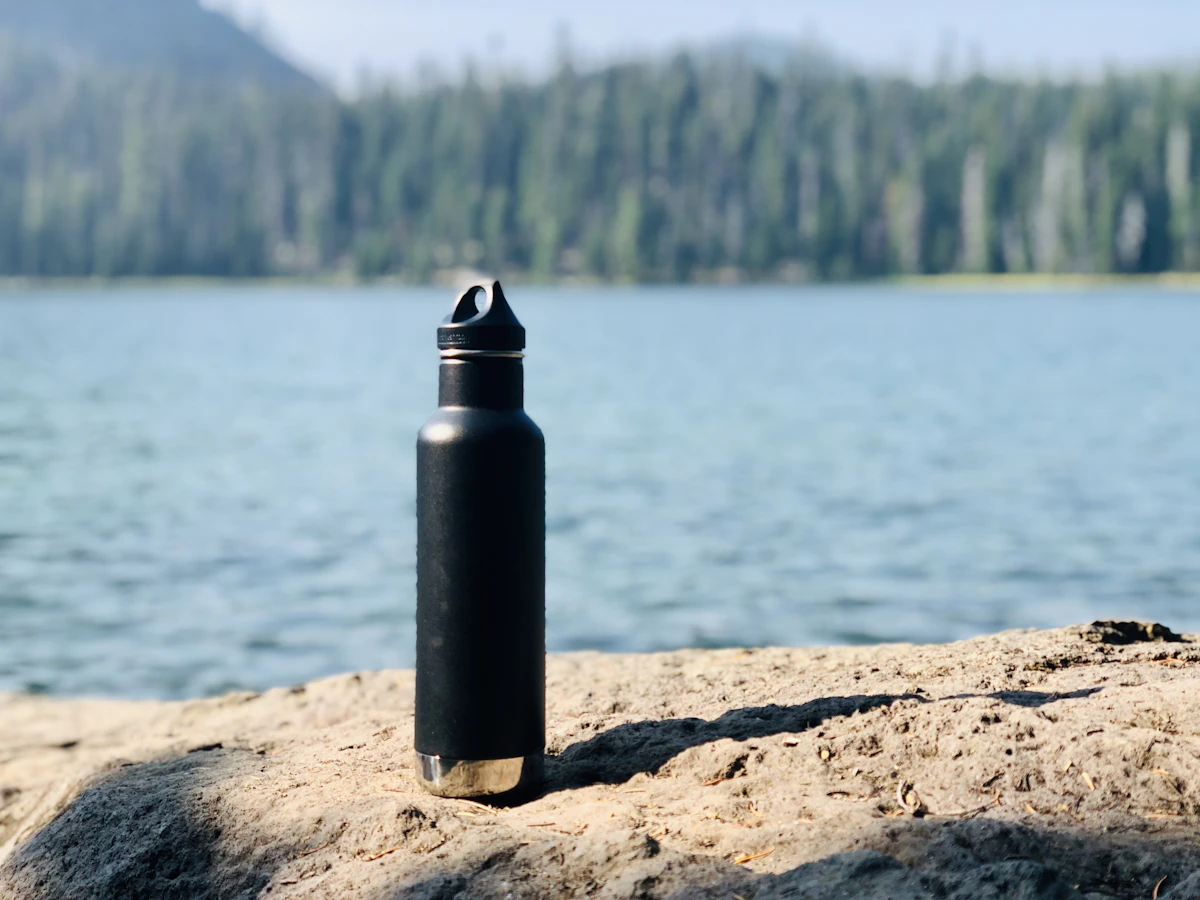
Best Water Storage Systems for Western Hunts: Field-Tested Solutions for Backcountry Hunters
Choosing the right water storage system can make or break a backcountry hunt. From lightweight bladders to gravity filters and camp reservoirs, learn which systems work best for different hunt types and how to keep water accessible in remote country.
Related
Best Hunting Decoys for 2026 — Elk, Turkey, Deer & Pronghorn
Decoys turn skeptical bulls into aggressive challengers and hesitant gobblers into committed birds. This guide breaks down the top decoys for elk, turkey, deer, and pronghorn in 2026, with field-tested picks that work when the moment counts.
Next
Florida Deer Hunting Guide 2026: Zones, Seasons & Top Public Land Units
Florida offers year-round deer opportunities across four distinct zones with varied seasons, weapons, and terrain. This guide breaks down 2026 regulations, zone-specific strategies, and the best public land units for both whitetail and the elusive Osceola turkey bonus.