Florida Deer Hunting Guide 2026: Zones, Seasons & Top Public Land Units
Florida deer hunting operates on a zone system that divides the state into four regions, each with its own season dates, weapon restrictions, and bag limits. Unlike Western draw states, Florida sells licenses over the counter and allows generous limits — two deer per day during general gun, with antlerless permits available for extended opportunity. The 2026 season structure remains consistent with recent years, but understanding your zone and the best public land units within it separates mediocre hunts from consistent success.
Most nonresidents overlook Florida because it lacks the trophy reputation of the Midwest or the draw complexity of the West. That creates opportunity. Mature bucks exist on public land, especially in zones C and D where hunting pressure drops and swamp edges hold undisturbed bedding cover. This guide walks through the 2026 regulations, zone-by-zone strategies, and the public land units that produce.
Florida's four deer zones explained
Florida divides into Zone A (northwest Panhandle), Zone B (north-central and northeast), Zone C (central and southwest), and Zone D (south). Each zone has different season dates and weapon allowances. Zone A opens earliest for archery and runs the longest general gun season. Zone D offers the most liberal bag limits but requires adapting to subtropical terrain and smaller-bodied deer.
Zone A includes the Blackwater and Apalachicola units — classic Southern hardwood bottomlands with acorn-focused fall patterns. Zone B covers the Ocala National Forest and surrounding WMAs, where sand pine scrub meets oak hammocks. Zone C spans the Green Swamp and Kissimmee Prairie, both sleeper units for bucks that survive past opener. Zone D is Everglades country — sparse but huntable for those willing to wade.
Check the FWC regulations summary each spring for exact dates. Zones do not change, but season lengths and weapon crossover rules occasionally shift based on harvest data and antlerless management goals.
2026 season dates and weapon regulations
Archery season opens in mid-July for zones C and D, early August for A and B. General gun season runs late October through early January in Zone A, slightly shorter windows in B and C, and extended into February in Zone D. Muzzleloader hunters can participate during general gun or use dedicated primitive weapon dates where offered on specific WMAs.
Crossbow legalization during archery season is now statewide with no permit required. This expanded opportunity but also increased early-season pressure on staging areas near food plots. Rifle hunters can use any centerfire caliber — no minimum restrictions like some Southern states impose. Shotgun slugs and muzzleloaders remain popular in swampy zones where shot distances rarely exceed 75 yards.
Bag limits are two deer per day during general gun, at least one of which must be antlerless in most zones unless you hold an either-sex permit. Antlerless permits are available over the counter and allow taking does throughout the season. Private land offers additional either-sex days and higher annual limits, but public land hunters still enjoy generous opportunity compared to lease-dependent states.
Top public land units for 2026
Ocala National Forest remains Florida's flagship public land deer destination. The 600-square-mile forest spans Zone B and holds both whitetail and a robust Osceola turkey population for spring combo trips. Focus on the northern blocks during early archery when deer patterns are predictable around water. Rifle hunters should push deeper into roadless sections after opening weekend pressure.
Apalachicola National Forest in Zone A offers classic Panhandle hunting — river swamps, longleaf pine uplands, and hardwood creek bottoms. The Bradwell Bay Wilderness holds mature bucks but requires serious navigation skills and swamp tolerance. Stick to the eastern units near Sopchoppy for more accessible terrain and oak ridges that funnel movement.
Green Swamp WMA in Zone C flies under the radar despite sitting in the I-4 corridor. The 110,000-acre tract includes cypress domes, palmetto flats, and oak-cabbage palm hammocks. Bucks bed in the wet interior and feed on edges. Hunt the perimeter roads during morning exits, then still-hunt interior trails midday when deer move to water. The swamp's size dilutes pressure even during gun season.
Kissimmee Prairie Preserve in Zone C offers a completely different experience — open prairie interspersed with oak mottes and palmetto heads. Glassing from elevated stands along motte edges produces shot opportunities on bucks crossing between bedding and feeding areas. The preserve's 54,000 acres see moderate pressure but hold quality deer that survive by using the wide-open terrain to spot danger early.
Everglades WMA and Francis S. Taylor WMA in Zone D challenge hunters with thick cover, water, and heat, but the reward is solitude. Deer densities are lower, but bucks grow older simply because fewer hunters commit to the access difficulty. Focus on hardwood hammocks that provide dry bedding and browse. Early mornings and late evenings are the only tolerable hunting windows during early season — midday heat makes movement impossible for both hunter and deer.
Zone-specific strategies that work
Zone A bucks respond to acorn availability. Scout in September to identify producing oaks, then set stands on transition routes between bedding swamps and feed trees. The rut peaks in late January, well after most hunters have tagged out, creating a second opportunity window for those willing to hunt cold wet mornings.
Zone B deer in Ocala move predictably around water during dry years but scatter during wet falls when every puddle holds drinking water. Trail cameras on known scrapes and rubs reveal which bucks are using which blocks. The forest's road grid allows quick repositioning based on sign and wind direction — use it.
Zone C swamp hunting demands patience and comfort with standing water. Bucks bed on the driest available ground, often elevated cypress heads or palm hammocks barely above flood level. Still-hunt the edges during midday when deer move between bedding and shade. Rattling works during the December rut but requires positioning where a responding buck can approach without winding you from downwind swamp thermals.
Zone D success comes from glassing and spot-and-stalk — unusual tactics for whitetail but necessary in open prairie and marsh environments. Set up before dawn on elevated observation points, glass oak mottes and palmetto clumps, then plan a stalk using terrain folds and wind direction. Deer in Zone D are not pressured by traditional stand hunting and often feed well into mid-morning before bedding.
Free to join
Download mobile app
- Detailed draw odds
- Point tracking
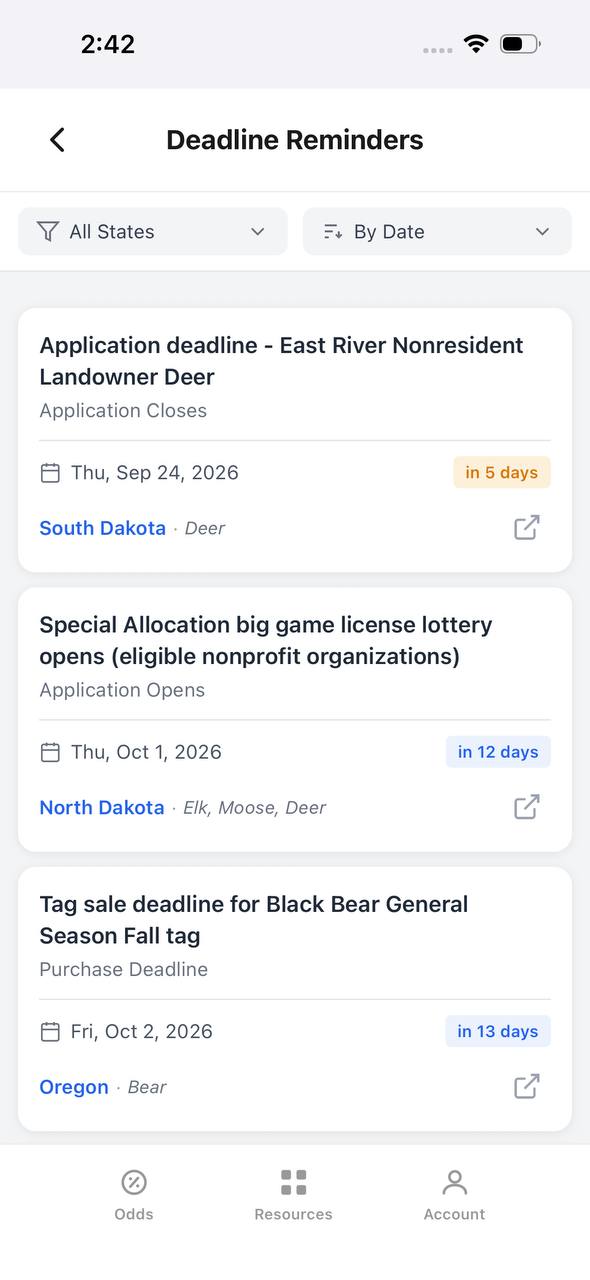
- Deadline reminders
- 18 states covered

Free to join
Download mobile app
- Detailed draw odds
- Point tracking
- Deadline reminders
- 18 states covered
Free to join
Download mobile app
- Detailed draw odds
- Point tracking
- Deadline reminders
- 18 states covered
Gear and preparation for Florida conditions
Heat management matters more than cold-weather gear until December. Lightweight merino tops, breathable pants, and rubber boots rated for warm-weather use prevent overheating during midday stillhunts. Rattlesnakes remain active through November in central and southern zones — snake boots or gaiters are not optional.
ThermaCell units control mosquitoes and no-see-ums that make early-season sits unbearable without chemical defense. Scent control is less critical than wind discipline — Florida deer rely heavily on nose, but the constant thermal movement in swamps means playing the wind perfectly matters more than eliminating every human odor molecule.
Navigation tools are essential. Many WMAs lack clear trails, and GPS becomes critical in featureless swamp interiors or expansive prairies where landmarks disappear. Download offline maps before the hunt. Cell service is spotty in Apalachicola, Ocala's interior, and most of Zone D.
Rifles in the 6.5 Creedmoor to .308 range handle Florida distances and brush. Shots past 150 yards are rare in swamp zones, common in prairie units. A lightweight carbine with a 1-4x or 2-7x scope balances close brush work and occasional open-country opportunities. Shotgun hunters should pattern slugs at 75 yards — that is the realistic max in thick cover, and knowing your gun's capability prevents wounding.
Draw odds and application strategy
Florida does not use a draw system for general deer licenses. Residents and nonresidents purchase licenses over the counter through the FWC website or license agents statewide. Management Area Permits are required to hunt most WMAs and cost an additional fee beyond the base hunting license.
Some WMAs conduct quota hunts with limited slots awarded by random draw. These include certain wildlife management areas during premium dates like early muzzleloader or youth weekends. Applications open in early summer, and draw results post mid-summer. Odds are generally favorable — most quota hunts draw fewer applicants than available slots, meaning applying gets you in.
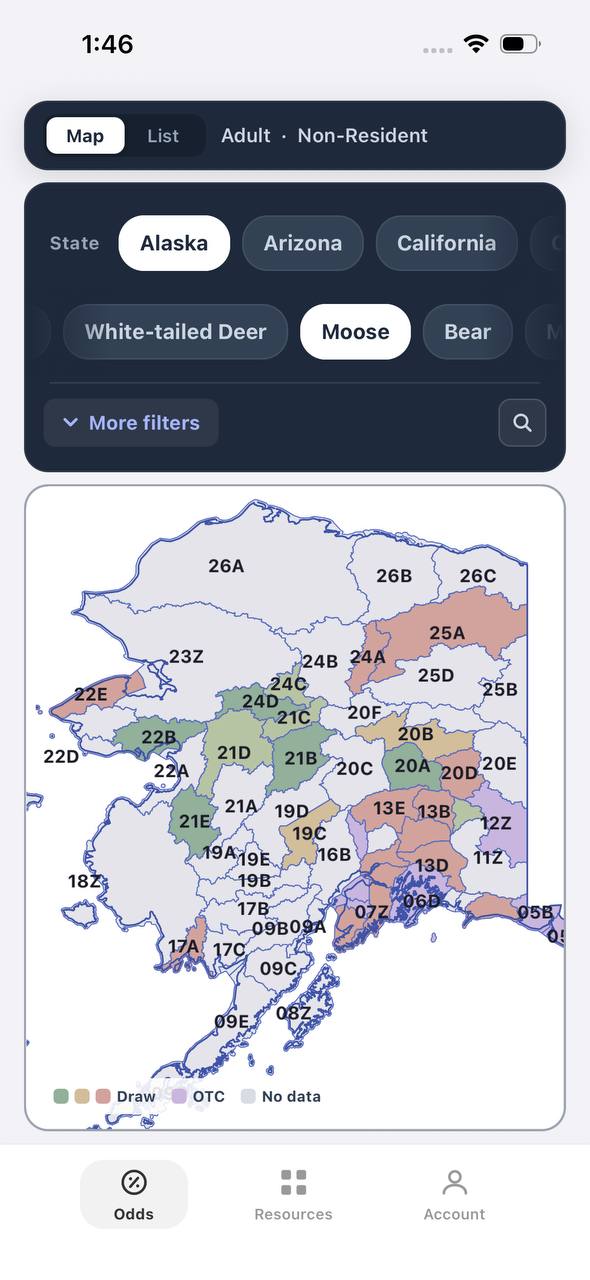
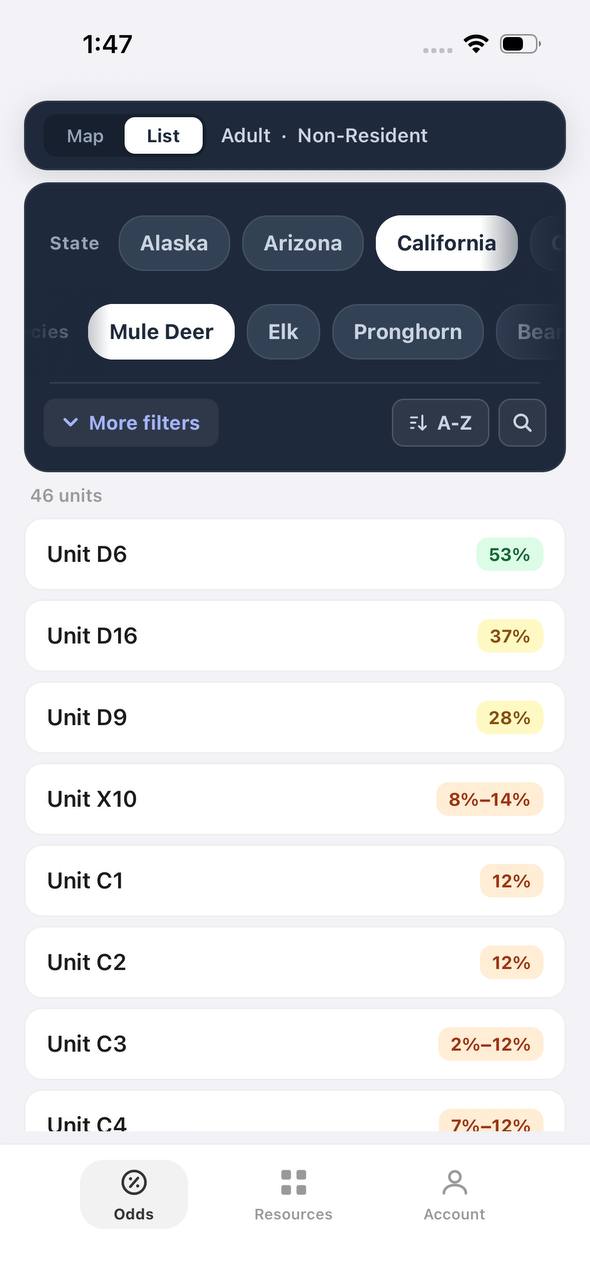
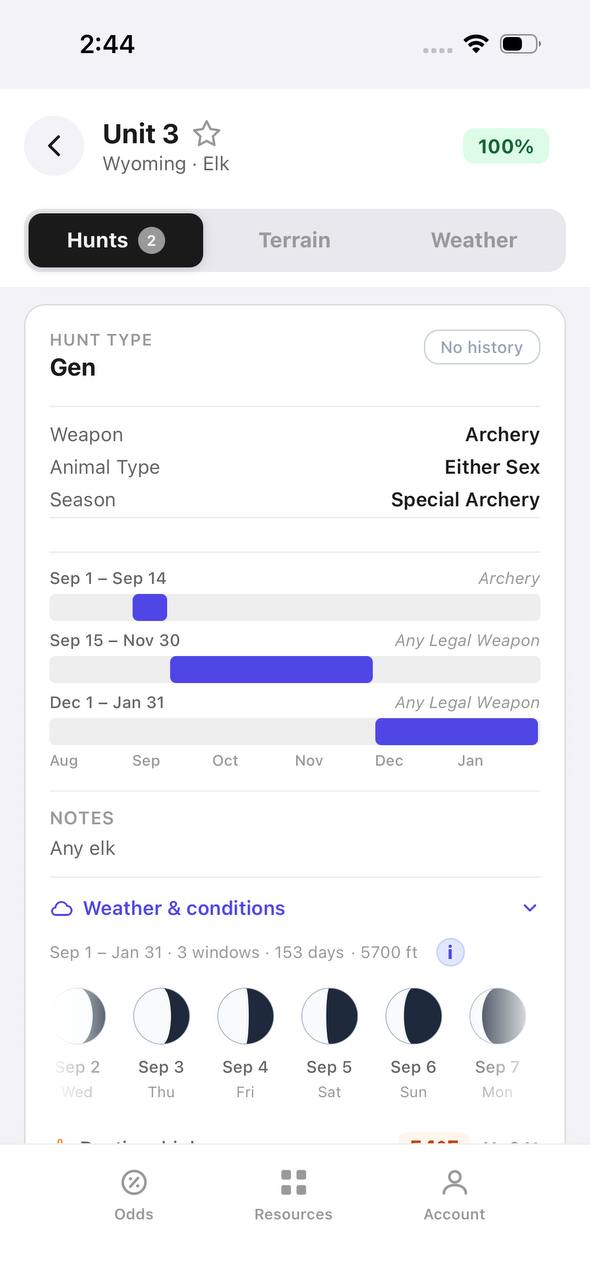
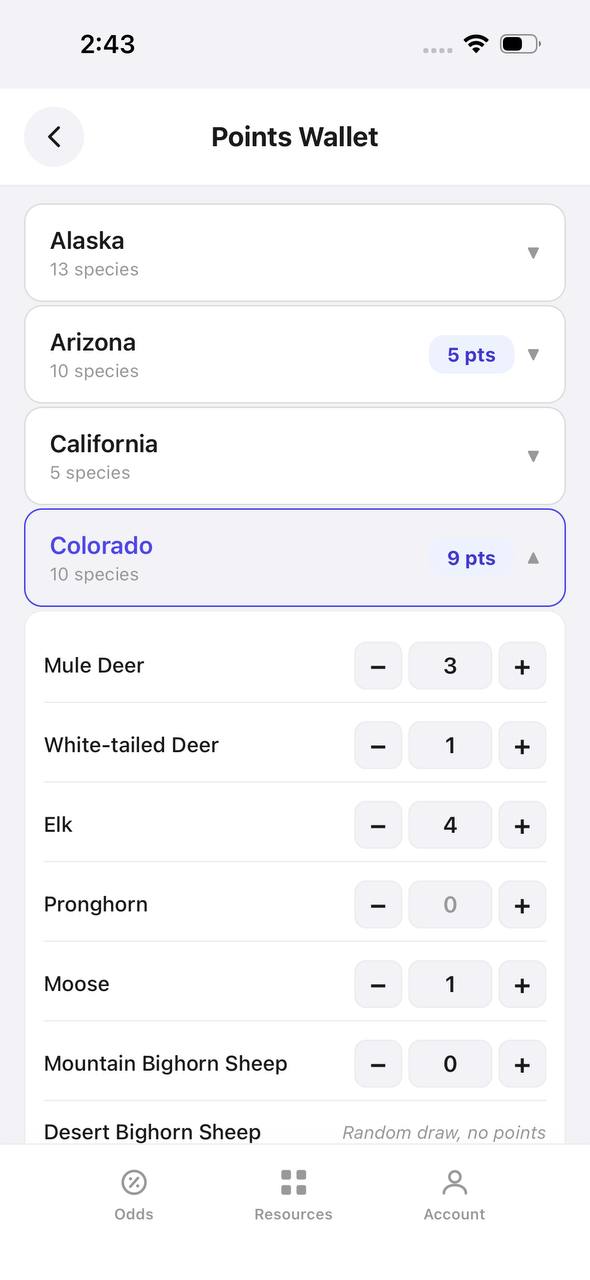
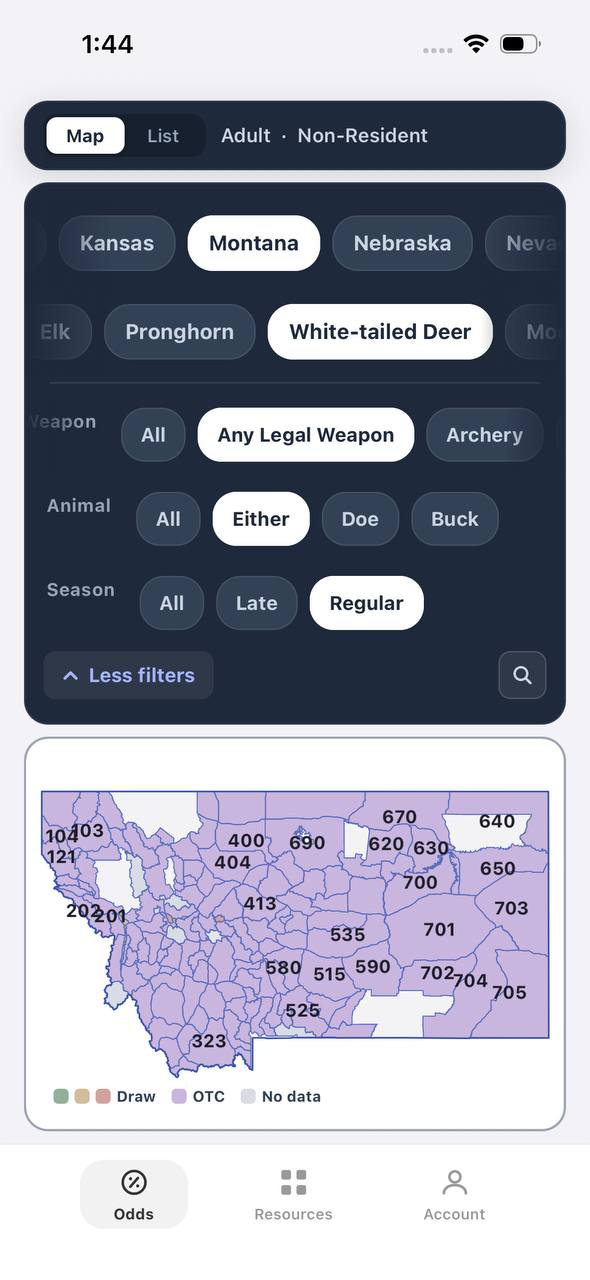
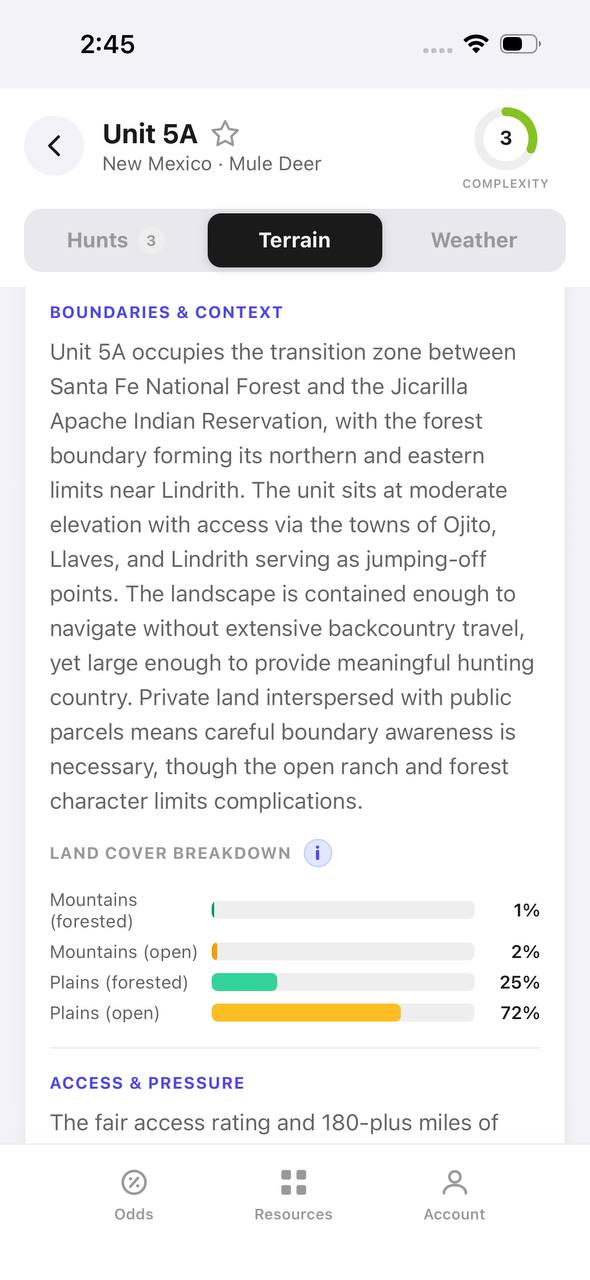
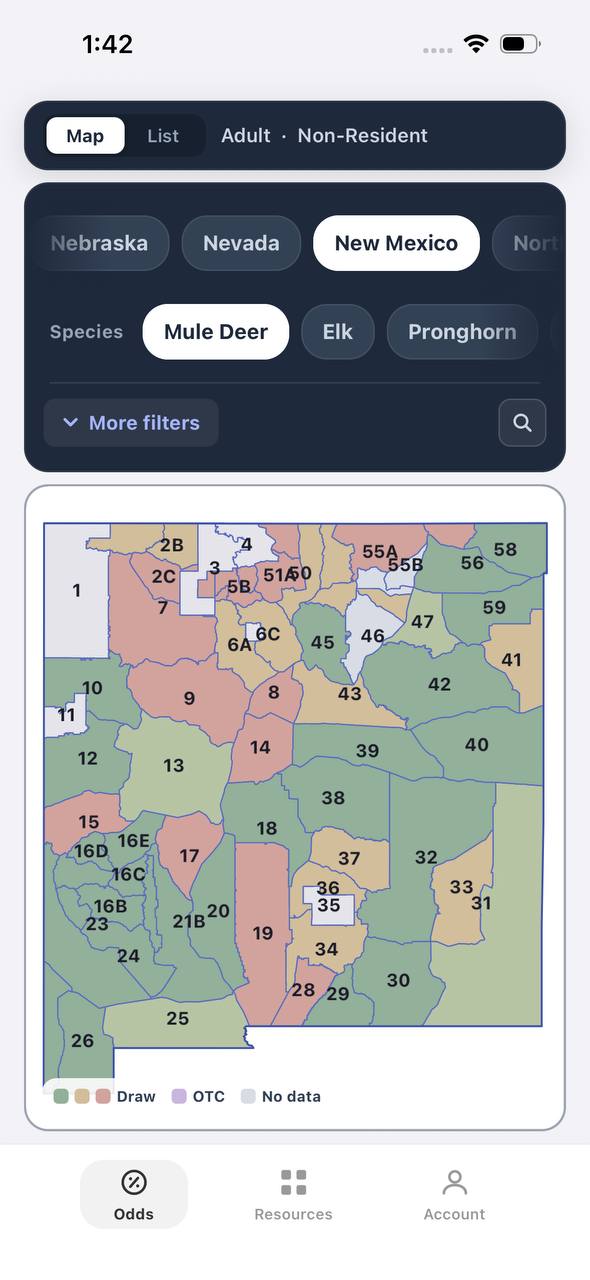
TAGZ helps you compare units side by side using terrain maps, unit boundaries, and historical draw data. Track your preference points and bonus points across multiple states so you never miss a draw deadline. Whether you are chasing OTC tags or planning a trophy limited-entry hunt, TAGZ gives you the tools to make smarter decisions before you ever step into the field.
Common mistakes Florida public land hunters make
Hunting too close to access points concentrates pressure and educates deer within the first week. Push a mile or more into larger units like Ocala and Apalachicola. The effort filters casual hunters and puts you into less-disturbed pockets.
Ignoring water sources during dry periods costs opportunities. Florida deer depend on reliable water, and a stagnant pond in a cypress head will concentrate movement when surrounding areas dry up. Scout water sources in September and prioritize them during October and November droughts.
Overlooking midday movement hurts success rates. Unlike northern whitetail that bed all day during gun season, Florida deer move to water and shade throughout midday, especially in warm early seasons. Still-hunting from 10 a.m. to 2 p.m. produces encounters that morning-only hunters miss.
Neglecting rattling and calling during the December rut leaves a tactic on the table. Florida bucks respond to rattling and grunt calls, but most hunters assume calling is a Western elk thing. Carry a grunt tube and rattle bag — bucks cruise does during the late rut, and calling can pull a shooter within range.
Planning a Florida combo hunt
Florida offers the rare opportunity to combine deer and Osceola turkey on the same trip. Deer season overlaps spring turkey season in some zones, and fall turkey dates align with archery deer in others. Ocala National Forest, Apalachicola, and Three Lakes WMA all hold huntable populations of both species.
Spring turkey season runs late March through April, well after deer season closes in most zones, but scouting deer sign during turkey season sets up the following fall. Fall turkey season in Zone B coincides with early archery deer, allowing morning turkey setups and afternoon deer stands on the same day.
Nonresidents should plan five to seven days for a combo hunt. Two to three days scouting and hunting turkeys, two to three days committed to deer, and a buffer day for weather or repositioning based on observed patterns. Florida's compact size allows hunting different zones on the same trip — Apalachicola in the morning, Ocala by afternoon if you are willing to drive.
Florida deer hunting and TAGZ tools
While Florida does not use the complex draw systems of Western states, TAGZ still helps hunters make smarter decisions. The platform's unit comparison tools let you evaluate WMAs side by side using terrain maps, public land boundaries, and access points. Track quota hunt deadlines across multiple WMAs so you never miss an application window.
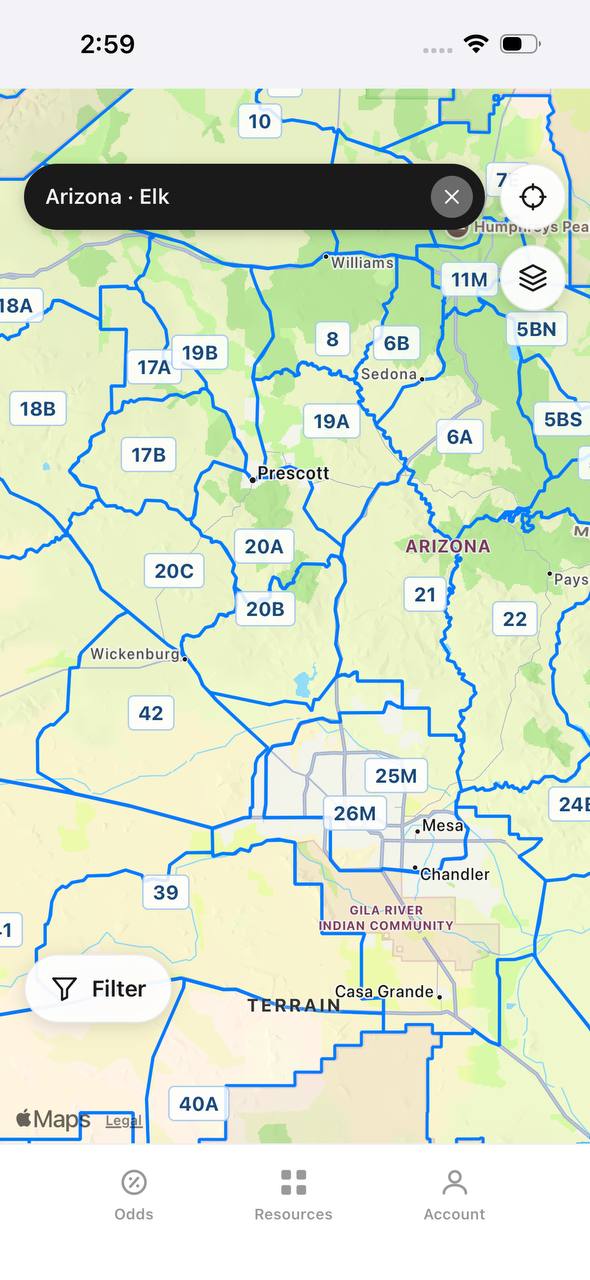
TAGZ filters help you sort hunts by weapon type, season dates, and terrain characteristics. Whether you want archery-only units with minimal pressure or general gun zones with extended seasons, the platform narrows options to match your hunting style. Multi-state hunters can plan Florida deer in December, then switch to Arizona Coues deer in January, all within the same account.
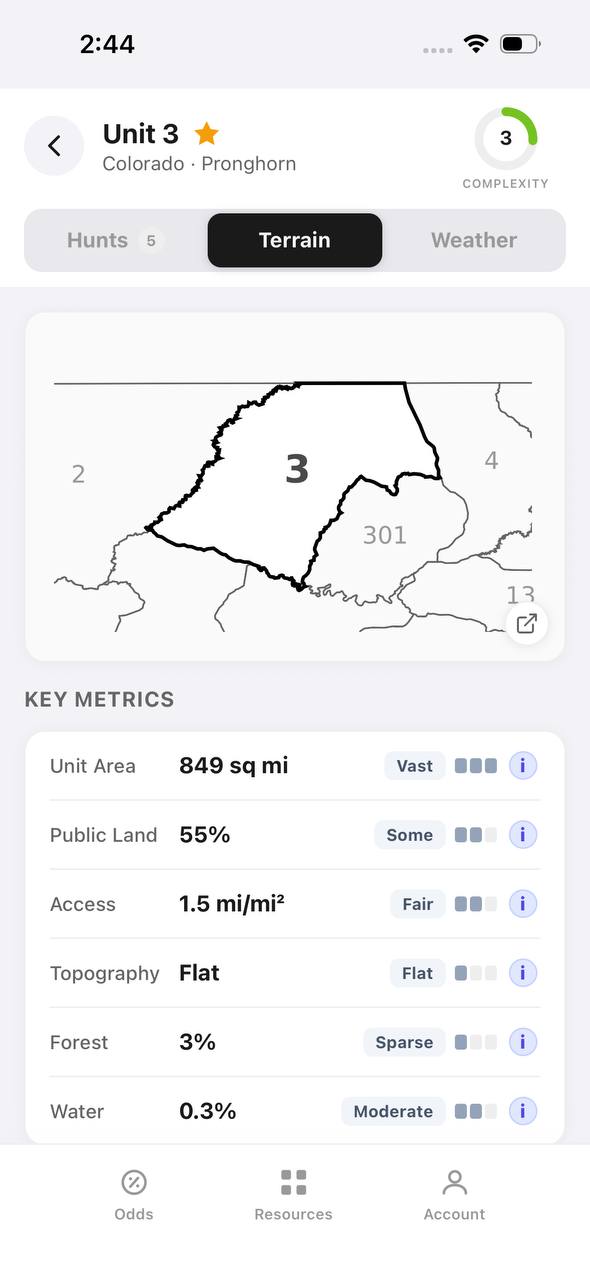
Unit maps show boundaries, roads, water sources, and elevation changes. Drop pins on scouted locations, measure distances to access points, and share maps with hunting partners. The terrain breakdowns identify oak ridges, swamp edges, and prairie mottes that hold deer — scouting intel that used to require boots-on-ground weeks before season.
FAQ — Florida Deer Hunting
What are the best months to hunt deer in Florida? November through January offers the most consistent success. Archery hunters targeting less pressure should focus on early September before general gun crowds arrive. The rut peaks in December and January depending on zone.
Do I need a draw to hunt deer in Florida? No. General deer licenses are sold over the counter for all zones. Some WMAs require quota hunt applications for specific dates, but most hunts are first-come-first-served with a Management Area Permit.
What is the bag limit for deer in Florida? Two deer per day during general gun season, with annual limits varying by zone. Zone A allows five deer total, Zone B allows four, Zone C allows five, and Zone D allows six. At least one must be antlerless unless you hold an either-sex permit.
Can nonresidents hunt Florida public land? Yes. Nonresidents purchase the same licenses and permits as residents but pay higher fees. All WMAs are open to nonresidents. No preference point system exists, so first-time applicants have the same odds as returning hunters on quota draws.
What caliber rifle is best for Florida deer? Any centerfire caliber is legal. Most hunters use .243 to .308 range rifles. Lighter recoiling rounds like 6.5 Creedmoor handle brush well and provide enough energy for the state's average 120-pound deer.
Is Florida deer hunting worth it for nonresidents? Yes, especially for hunters seeking warm-weather opportunity and generous bag limits. Florida lacks the trophy reputation of Iowa, but mature bucks exist on public land for hunters willing to adapt to swamp and subtropical conditions. Combo hunts with Osceola turkey add value.
Continue planning your hunt
Florida's zone system and over-the-counter license structure make it one of the most accessible deer hunting destinations in the country. Whether you are targeting Panhandle hardwoods, Ocala's sand pine scrub, or Everglades hammocks, the state offers distinct experiences that reward adaptable hunters.
TAGZ simplifies the research process by consolidating unit maps, terrain data, and draw deadlines into one platform. Compare WMAs, track quota hunt applications, and build a multi-state hunting calendar that keeps Florida in rotation alongside Western draws. Visit the TAGZ product page to explore how the platform helps you make smarter hunt decisions before you ever leave home.
For more hunt planning strategies and state-specific breakdowns, check out the TAGZ Insights blog. Ready to start organizing your 2026 season? Review TAGZ pricing options and see which plan fits your hunting goals. Every hunt starts with better information — TAGZ gives you the tools to find it.
Was this article helpful?
Previous
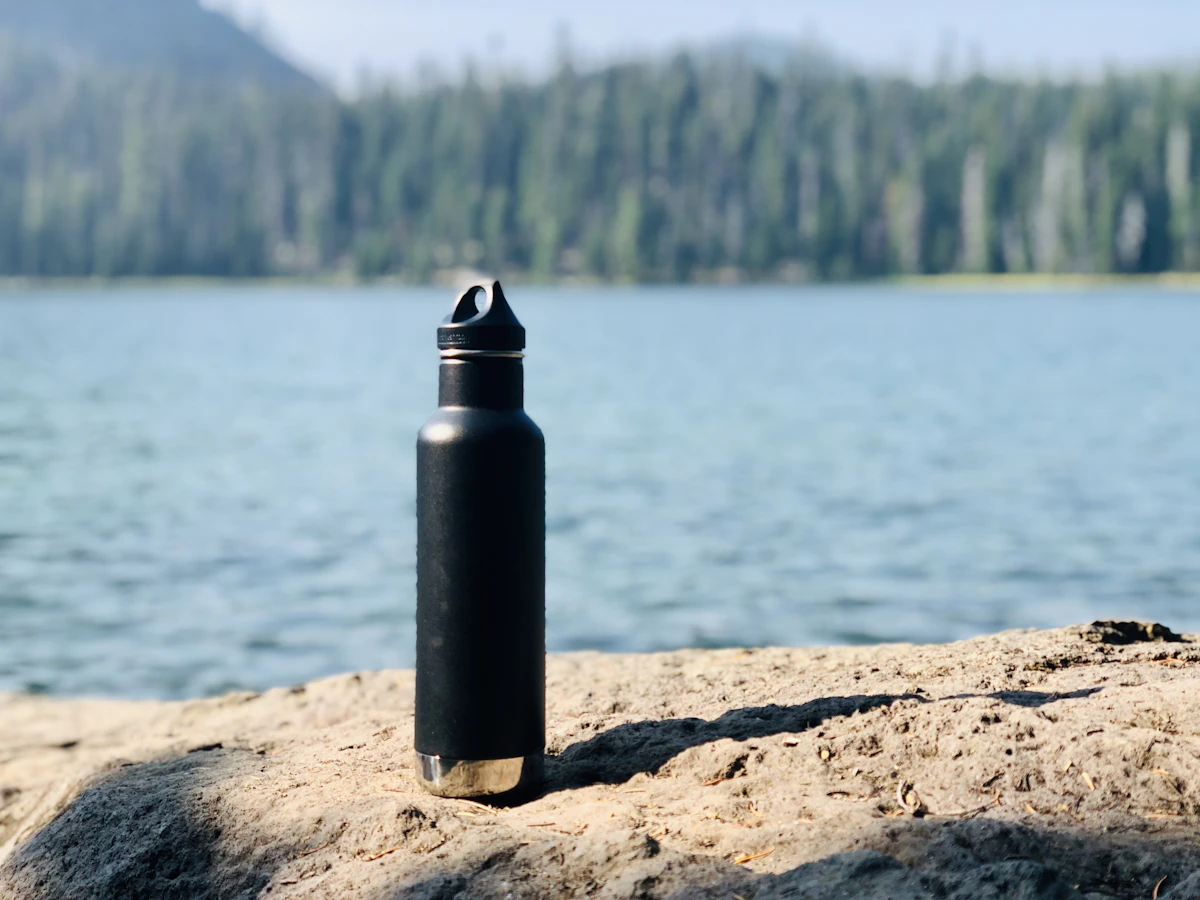
Best Water Storage Systems for Western Hunts: Field-Tested Solutions for Backcountry Hunters
Choosing the right water storage system can make or break a backcountry hunt. From lightweight bladders to gravity filters and camp reservoirs, learn which systems work best for different hunt types and how to keep water accessible in remote country.
Related
Hornady Outfitter Ammo Review: Is It Worth the Premium for Western Hunts?
Hornady Outfitter ammunition promises extreme weather reliability and consistent terminal performance across North America's toughest hunts. This review breaks down real-world field performance, accuracy testing, and whether the nickel-plated premium justifies the cost for backcountry hunters.
Next
Hells Canyon Armory Review: Long-Range Rifles for Western Hunters
Hells Canyon Armory builds custom precision rifles designed for western hunters who need reliable long-range performance in the mountains. This review covers their rifle lineup, build quality, and whether they're worth the investment for serious backcountry hunters.