Guided vs DIY Moose Hunts: Cost, Success Rates & What You Need to Know
The decision between guided and DIY moose hunting shapes everything from your budget to your hunt experience. Moose hunts are high-stakes—tags are hard to draw, seasons are short, and the logistics of getting a 1,000-pound animal out of the backcountry are real. Understanding the trade-offs between hiring an outfitter and going it alone helps you make the right choice for your first moose hunt or your next one.
This guide compares guided and DIY moose hunts across cost, success rates, physical demands, and what each approach requires. Whether you are planning a once-in-a-lifetime Alaskan adventure or a self-guided hunt on public land in Montana, you will learn what to expect and how to prepare.
What You Get With a Guided Moose Hunt
Guided moose hunts provide professional logistics, local knowledge, and support from tag application through meat care. Outfitters handle transportation, lodging, meals, and field care of your animal. Most importantly, guides know where moose are, how they move during the rut, and how to get you within range.
A typical guided hunt includes pre-hunt scouting, in-field guiding, pack animals or ATVs for meat retrieval, and often meat processing or transport to a local processor. Some outfitters offer semi-guided or drop-camp hunts that provide transportation and camp setup but leave the actual hunting to you. Full-service guided hunts put you with a guide every day in the field.
Guided hunts cost $8,000 to $15,000 for most Western states and $12,000 to $25,000+ for Alaska or Canada. That price usually covers 7–10 days of hunting, lodging, meals, and field care. It does not include your tag, license, travel to the hunt location, taxidermy, or meat shipping. Nonresident moose tags add another $1,000 to $2,000 depending on the state.
Success rates on guided moose hunts run 60% to 85% depending on the unit, season timing, and outfitter track record. Guides know terrain, calling techniques, and moose behavior during the rut. They scout before your arrival and adjust tactics daily based on what moose are doing. That knowledge directly translates to higher odds of filling your tag.
What a DIY Moose Hunt Requires
DIY moose hunting demands self-sufficiency, physical fitness, and detailed planning. You handle every aspect—scouting, camping, calling, shot placement, and meat care. There is no guide to make decisions for you or pack out your moose when it hits the ground.
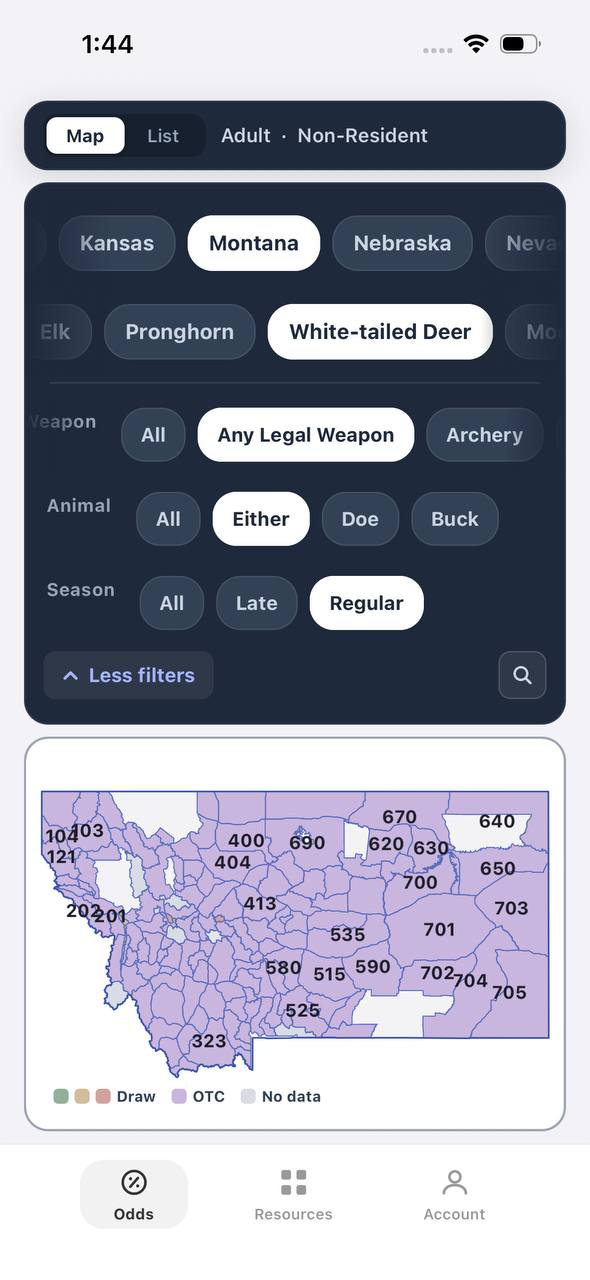
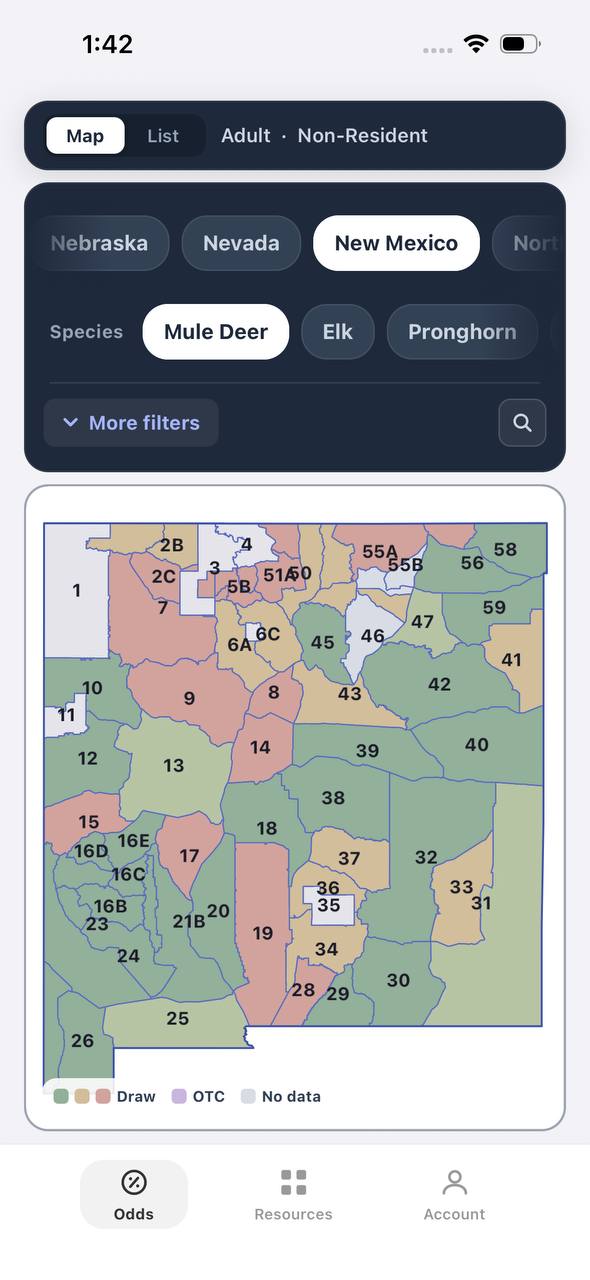
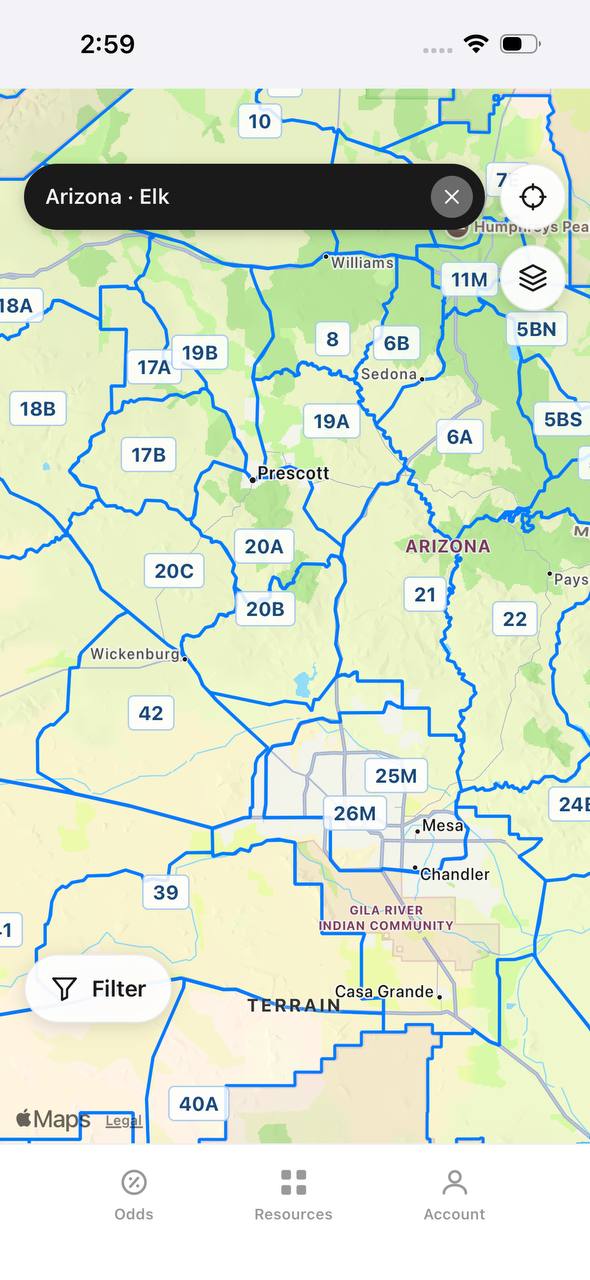
Successful DIY moose hunters spend months researching units, studying terrain maps, and identifying hunting pressure, water sources, and travel corridors. TAGZ helps you compare units side by side using terrain maps, unit boundaries, and historical draw data. Public land moose hunts require understanding access points, camping regulations, and how to navigate wilderness areas without marked trails.
Physical demands are significant. Moose live in thick timber, alder patches, river bottoms, and high-elevation basins. You will hike miles daily, often through wet, steep, or deadfall-choked terrain. Once you shoot a moose, you are looking at 600 to 1,200 pounds of boned-out meat, cape, and antlers that must be packed out—often over multiple trips spanning several days.
Gear requirements include a reliable rifle or bow, quality optics, game bags, bone saws, backpack meat haulers, and a camp setup that handles early-season rain or late-season snow. Many DIY moose hunters use lightweight spike camps to stay mobile, while others establish a base camp and hunt from there. Either way, you need gear that works in wet, cold conditions and the skills to use it.
DIY moose hunts cost $3,000 to $6,000 for most hunters when you factor in the nonresident tag, travel, fuel, food, and gear. You save the guide fee, but you assume all risk and responsibility. Success rates on DIY hunts typically run 30% to 50%, depending on your experience, scouting effort, and the unit you draw.
Comparing Success Rates and Realities
Guided hunts offer higher success rates because outfitters scout year-round, know where mature bulls concentrate, and adjust tactics based on moose behavior. Guides call effectively, position hunters for ethical shots, and recover wounded animals more efficiently than most DIY hunters. If your primary goal is filling the tag, a guide improves your odds significantly.
DIY success depends on your preparation and adaptability. First-time moose hunters often underestimate how hard it is to locate moose in dense cover or how challenging it is to judge shot angles on a massive animal in thick brush. Calling moose during the rut requires understanding cow calls, bull grunts, and raking tactics—skills that take practice. Wounded moose travel far and leave minimal blood trails, making recovery difficult without tracking experience.
Weather impacts both approaches but affects DIY hunters more. Rain, wind, and early snow change moose movement patterns and complicate meat care. Guides have backup plans and equipment to handle weather shifts. DIY hunters must troubleshoot on their own, which can mean blown hunts if conditions turn bad and you lack the experience to adapt.
Unit selection matters more on DIY hunts. You cannot rely on an outfitter's private land access or long-term scouting intel. Track your preference points and bonus points across multiple states so you never miss a draw deadline. Units with good public land access, lower hunting pressure, and strong moose populations give DIY hunters better odds. Researching unit boundaries, terrain features, and historical draw data is critical.
Cost Breakdown: What You Actually Pay
Guided moose hunts appear expensive upfront, but the $10,000 to $20,000+ price includes logistics many DIY hunters undervalue. Outfitters provide:
- Pre-season scouting and hunt strategy
- Transportation to and from hunting areas
- Lodging and meals for 7–10 days
- Professional calling and field tactics
- Pack animals, ATVs, or bush planes for meat retrieval
- Field care of meat, cape, and antlers
- Often, relationships with local processors and taxidermists
DIY moose hunts cost less in absolute dollars but require significant hidden investments:
- Nonresident moose tag: $1,000–$2,000
- Travel (flights, fuel, vehicle wear): $800–$1,500
- Camping and food for 10+ days: $300–$600
- Specialized gear (game bags, saws, meat packs): $400–$800
- Meat processing and shipping home: $500–$1,200
- Time off work and scouting trips (if applicable)
If you already own quality gear and have moose hunting experience, DIY hunts save money. If you need to buy gear, take extra time off, or risk lower success rates, the cost difference narrows. Factor in the value of your time and the odds of success when comparing true costs.
Free to join
Download mobile app
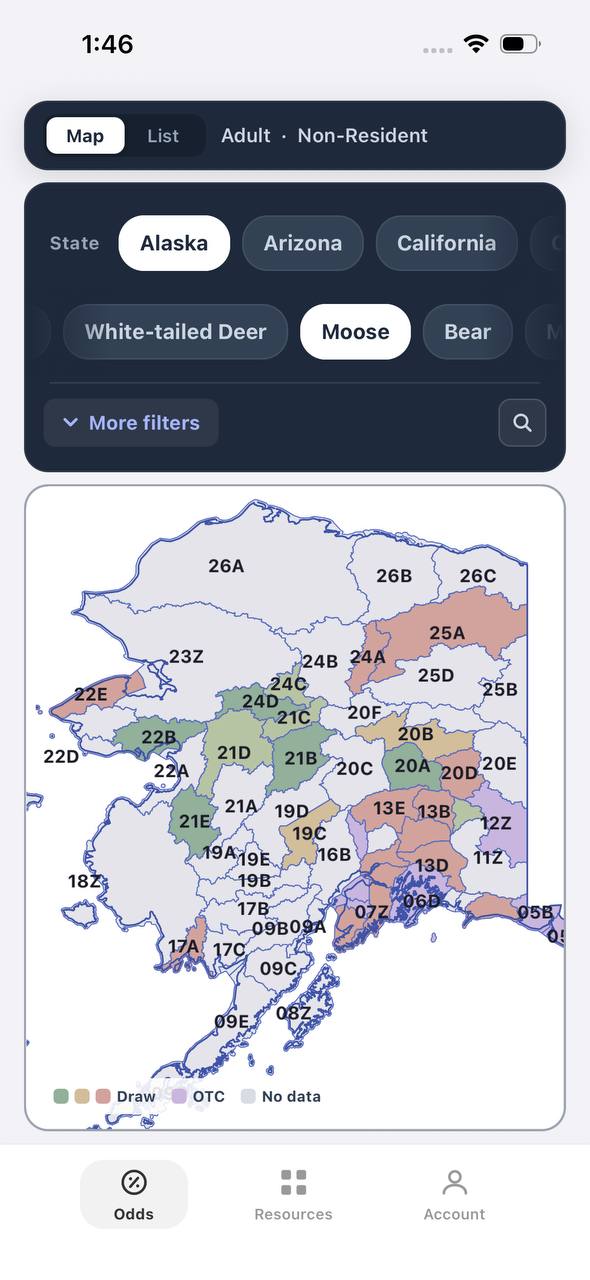
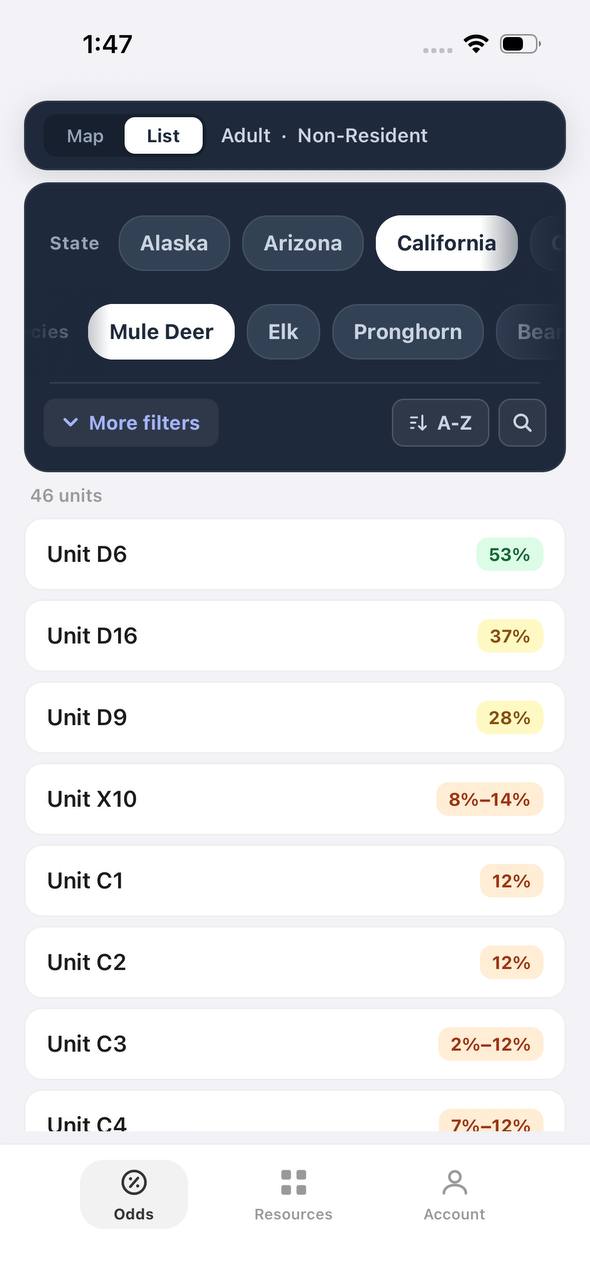
- Detailed draw odds
- Point tracking
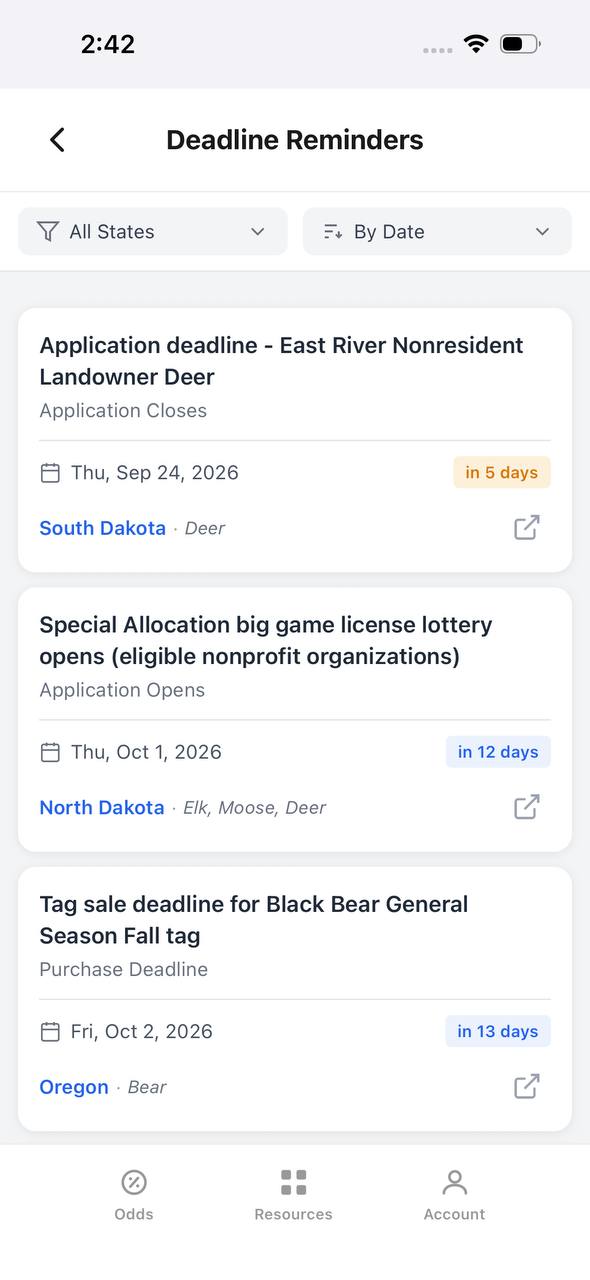
- Deadline reminders
- 18 states covered

Free to join
Download mobile app
- Detailed draw odds
- Point tracking
- Deadline reminders
- 18 states covered
Free to join
Download mobile app
- Detailed draw odds
- Point tracking
- Deadline reminders
- 18 states covered
Meat Care and Pack-Out Realities
Moose meat care is the biggest physical challenge of DIY hunting. A bull moose yields 400 to 600+ pounds of boned-out meat, plus the cape and antlers. You must quarter the animal, remove meat from bones, pack it into game bags, and get it to your vehicle or camp before spoilage.
In warm early-season weather, meat spoils fast. You need to cool it quickly, keep it clean, and protect it from flies. Hanging meat in shade, using breathable game bags, and making multiple pack-out trips within 24–48 hours is standard. Solo DIY hunters face brutal physical demands—expect 60- to 80-pound pack loads over rough terrain, often repeated 4–6 times to clear the kill site.
Guided hunts solve this problem with pack stock, ATVs, or chartered flights. Guides quarter the animal, load it onto horses or machines, and transport it to camp or a processor. You still help with field care, but the outfitter handles the heavy lifting. This alone justifies the guide fee for many hunters.
DIY hunters in remote areas sometimes cache meat in tree hangs or cool streams while making multiple trips. Bears are a real threat in Alaska and parts of the Rockies—losing meat to a grizzly after days of hard hunting is heartbreaking but not uncommon. Carrying bear spray and making noise while packing meat is essential.
Experience Level and Learning Curve
First-time moose hunters benefit significantly from guided hunts. Moose behavior, calling techniques, and shot placement are different from elk or deer. Guides teach you in real time, increasing your skills and confidence for future hunts. If you have never field-dressed a large animal, navigated wilderness terrain, or dealt with remote camp logistics, a guided hunt reduces risk and frustration.
Experienced western hunters with elk or backcountry mule deer success often transition well to DIY moose hunting. Skills like reading terrain, glassing, calling, and meat care transfer directly. The biggest adjustment is scale—moose are larger, slower, and more deliberate than elk. They live in thicker cover and respond differently to pressure.
DIY moose hunting also requires comfort with uncertainty. You will not have a guide to confirm your bull is legal, tell you when to shoot, or reassure you that your strategy is working. You make every call. For some hunters, that autonomy is the appeal. For others, it creates stress that detracts from the experience.
State-Specific Considerations
Moose hunting regulations, draw odds, and public land access vary widely by state. Alaska offers the most DIY opportunity with over-the-counter tags in many units and vast public land. DIY Alaska moose hunts are logistically complex—most require bush planes, boats, or long 4x4 drives into roadless areas.
Montana, Wyoming, Idaho, and Colorado require drawing limited-entry tags. TAGZ helps you compare units side by side using terrain maps, unit boundaries, and historical draw data. Montana and Wyoming offer the best odds for nonresidents, though it still may take 3–10 preference points depending on the unit. Colorado moose tags are extremely limited and may require 15+ points.
Canada (British Columbia, Yukon, Alberta) offers excellent moose hunting, but nonresidents must hunt with licensed outfitters in most provinces. DIY moose hunts in Canada are rare and typically restricted to residents. If you want to hunt Canada as a nonresident, plan for a fully guided experience.
Choosing the Right Approach for Your Hunt
Guided moose hunts make sense if:
- This is your first moose hunt or first time in remote country
- Success matters more than cost
- You lack the gear, physical ability, or time to DIY
- You want to learn from an experienced guide
- You are hunting Alaska, Canada, or a hard-to-access unit
DIY moose hunts make sense if:
- You have backcountry hunting experience and strong physical fitness
- You have the time to scout, plan, and pack out meat solo or with partners
- You value self-reliance and the challenge of doing it yourself
- Budget is a primary concern
- You have hunted moose before or have transferable big-game skills
Many hunters start with a guided hunt to learn moose behavior, terrain, and logistics, then transition to DIY on future hunts. This approach builds skills while reducing risk on your first tag. Others prefer the autonomy and cost savings of DIY from the start, accepting lower odds in exchange for a self-sufficient experience.
How TAGZ Helps You Plan Either Approach
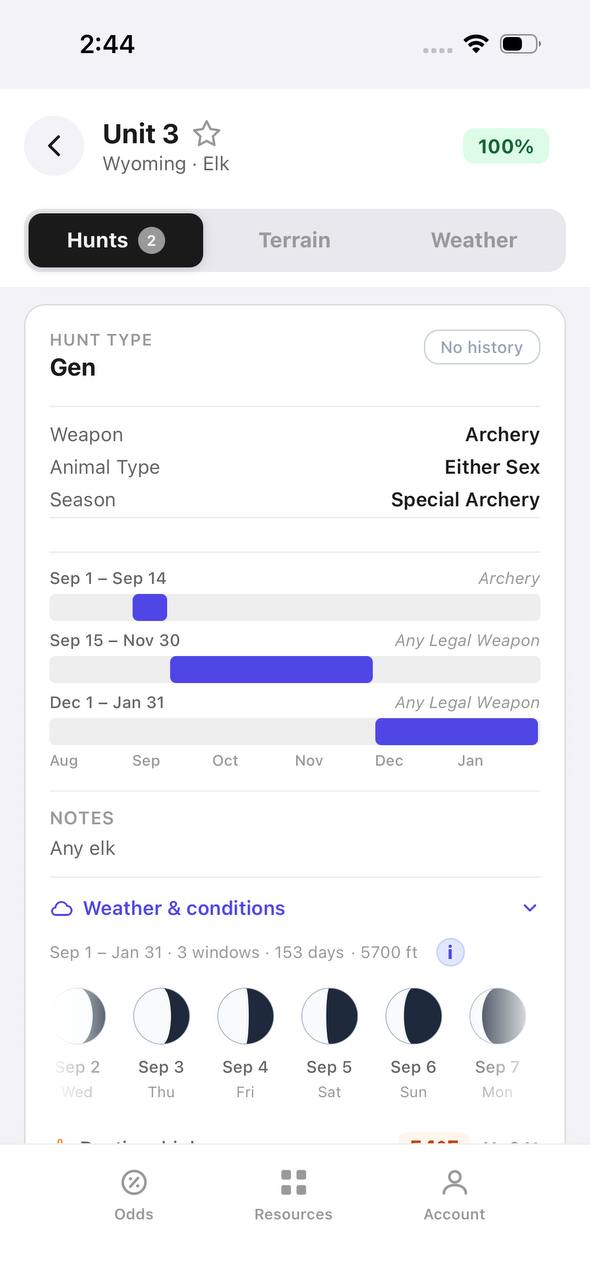
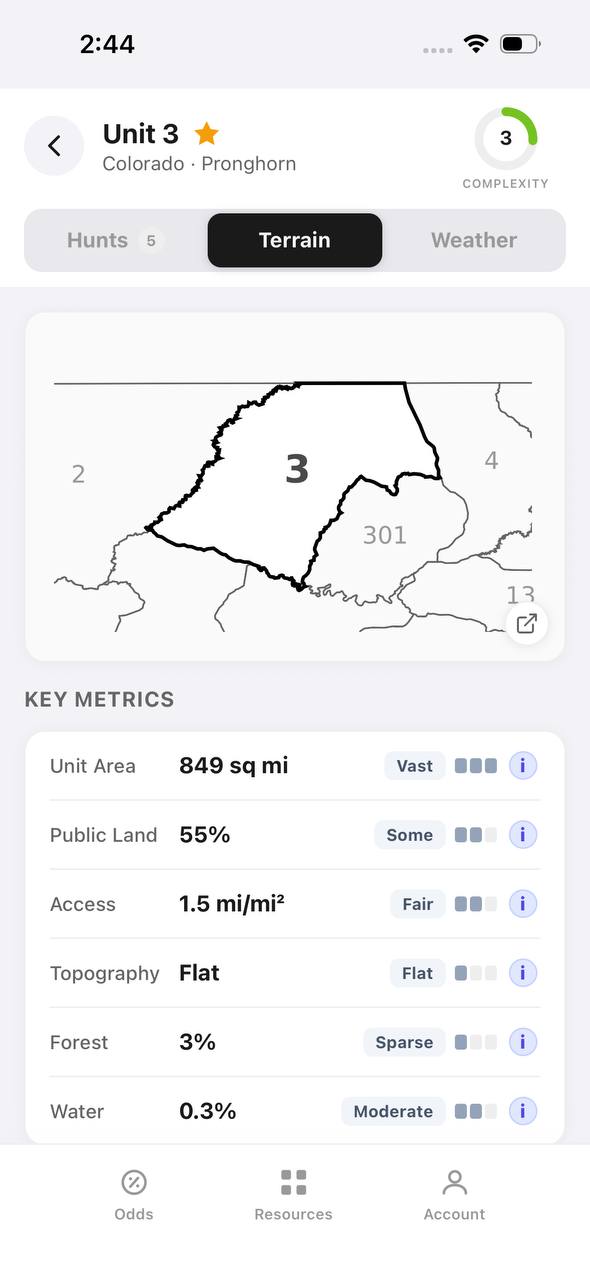
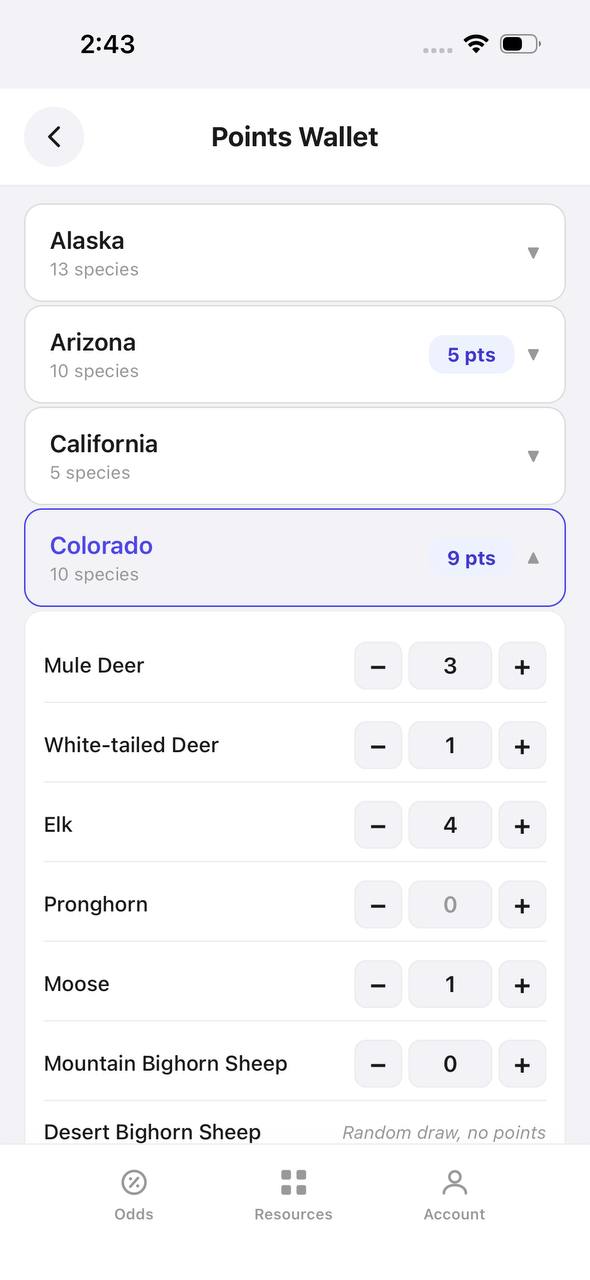
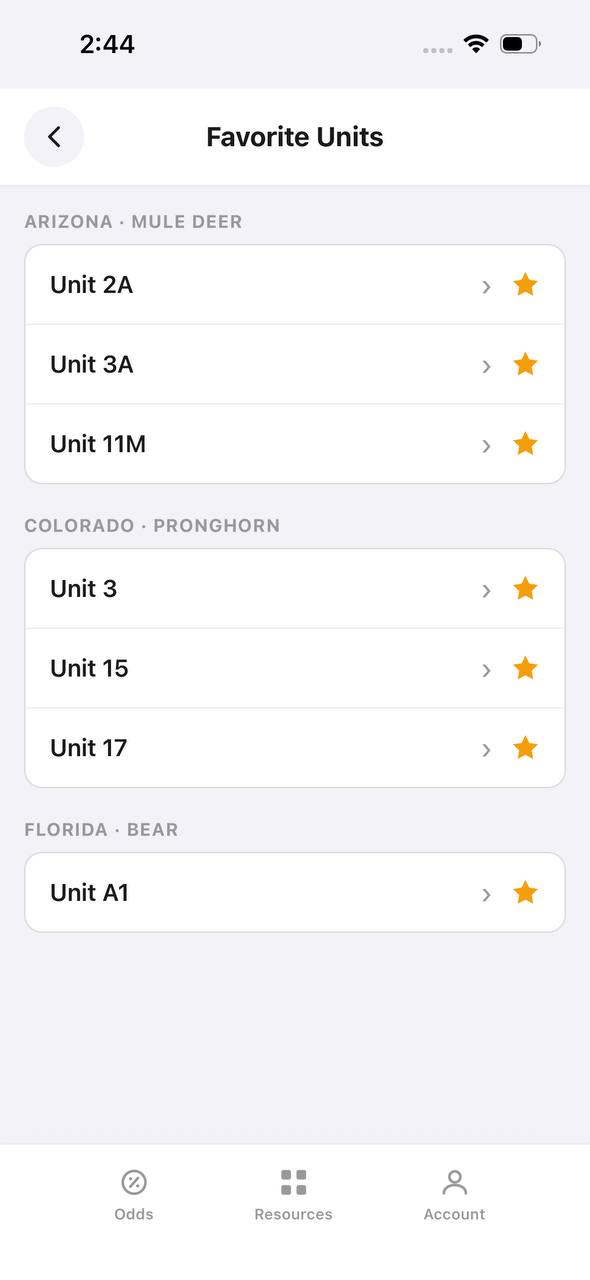
Whether you choose guided or DIY, TAGZ gives you the tools to make smarter decisions before you ever step into the field. Compare units side by side using terrain maps, unit boundaries, and historical draw data. Track your preference points and bonus points across multiple states so you never miss a draw deadline. Filter hunts by weapon, season, and species to find the moose tag that fits your goals.
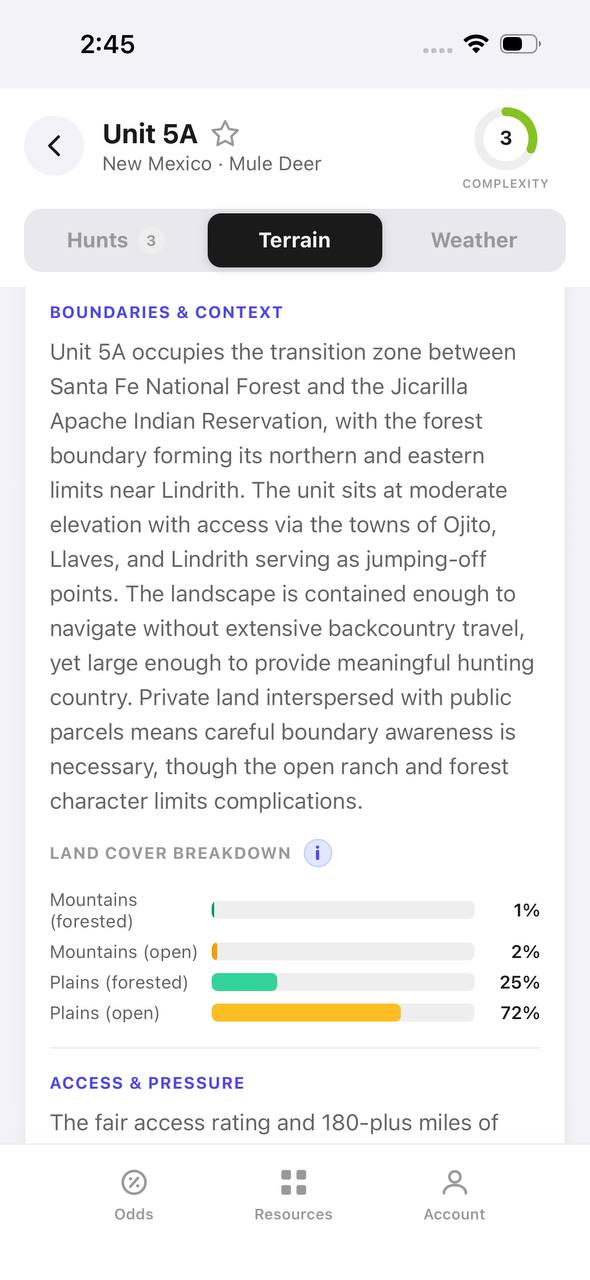
For DIY hunters, TAGZ provides detailed unit research, public land information, and terrain breakdowns that help you identify access points, camping areas, and likely moose habitat. For guided hunters, understanding draw odds and unit quality helps you choose where to apply and which outfitters operate in the best areas. TAGZ is the decision-making platform that simplifies western hunting applications and hunt planning from application season through the hunt itself.
FAQ — Guided vs DIY Moose Hunts
How much does a guided moose hunt cost? Guided moose hunts typically cost $8,000 to $15,000 in the Lower 48 and $12,000 to $25,000+ in Alaska or Canada. This includes lodging, meals, guiding, and meat retrieval but not your tag, license, or travel.
What is the success rate on DIY moose hunts? DIY moose hunts average 30% to 50% success depending on the hunter's experience, unit quality, and scouting effort. Guided hunts run 60% to 85% due to professional scouting and local knowledge.
Can a first-time moose hunter do a DIY hunt? Yes, but it is challenging. First-timers face a steep learning curve with moose calling, field care, and pack-outs. Partnering with an experienced hunter or starting with a semi-guided hunt reduces risk.
How hard is it to pack out a moose solo? Extremely hard. Boned-out meat weighs 400 to 600+ pounds. Solo hunters make 4–6 trips with 60- to 80-pound loads over rough terrain. Many DIY hunters bring a partner or use pack stock to share the work.
Do I need an outfitter to hunt moose in Alaska? No. Alaska allows nonresident DIY moose hunting in most units. However, logistics are complex—most hunts require bush planes, boats, or long drives into roadless country.
Is a guided moose hunt worth the cost? If success, safety, and learning from an expert matter more than budget, yes. Guides significantly improve your odds and handle the toughest logistics. DIY saves money but demands experience and self-sufficiency.
Continue Planning Your Hunt
Ready to start researching moose units and planning your hunt? Visit the TAGZ home page to explore draw odds, unit maps, and preference point tracking tools. Browse the TAGZ Insights blog for in-depth articles on moose hunting strategies, unit breakdowns, and application tactics. Compare TAGZ pricing plans to find the membership that fits your hunting goals, or dive into the TAGZ product to see how terrain maps, draw data, and multi-state tracking simplify moose hunt planning.
Was this article helpful?
Previous
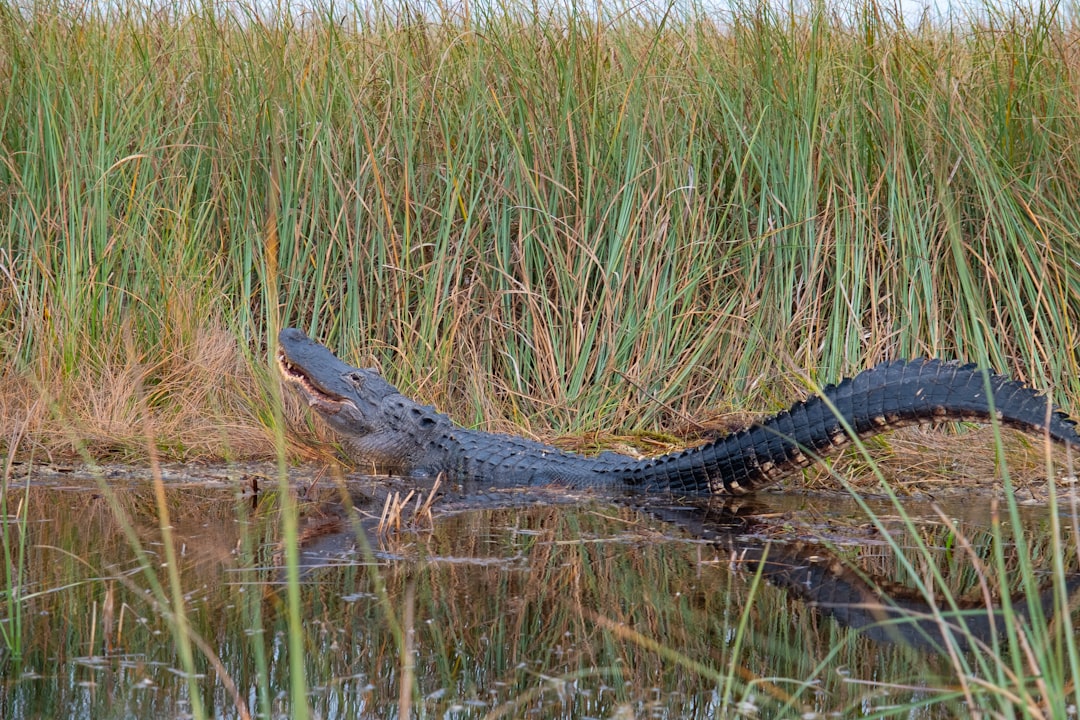
How Florida Wildlife Draws Compare to Western Big Game Draws
Florida's alligator and turkey draws operate on a simpler lottery system with no preference points, shorter application windows, and lower tag costs compared to Western big-game states. Understanding these key differences helps hunters maximize opportunities in both regions.
Related
Best Triggers for Hunting Rifles: Drop-In Upgrades That Matter in the Field
A quality aftermarket trigger transforms accuracy and confidence on hunting rifles. We break down the best drop-in triggers for Remington 700, Savage, Ruger American, and Tikka platforms, explain adjustable vs. fixed weight, and show why trigger control matters more than most hunters realize.
Next
Best Premium Hunting Optics for Western Big Game in 2025
Premium hunting optics deliver unmatched clarity, durability, and low-light performance when it matters most. This guide breaks down the best binoculars, spotting scopes, and rangefinders for serious western hunters pursuing elk, mule deer, and sheep across demanding terrain.