Best Triggers for Hunting Rifles: Drop-In Upgrades That Matter in the Field
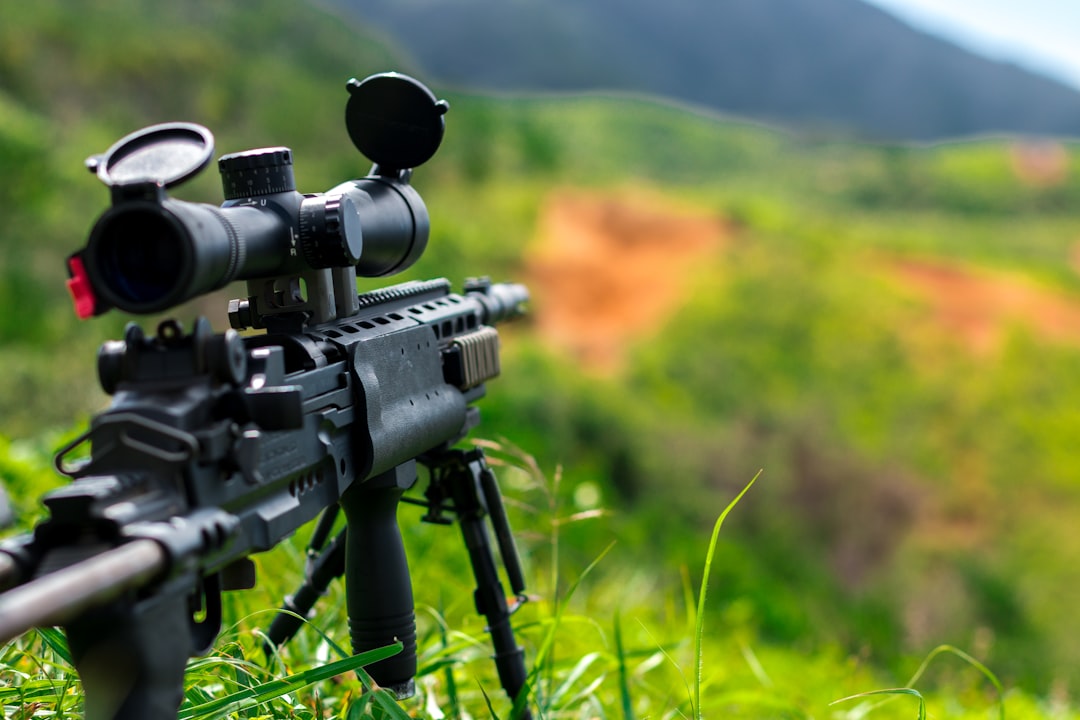
The factory trigger on most hunting rifles is adequate for punching paper at 100 yards but becomes a liability when you are trying to thread a 400-yard shot between a bull's shoulder and a branch. A crisp, predictable break improves shot-to-shot consistency, reduces flinching, and builds the kind of muscle memory that matters when a trophy steps into the open for eight seconds.
Upgrading your trigger is one of the highest-return modifications you can make to a hunting rifle. A good aftermarket unit costs less than a new scope, installs in 20 minutes, and delivers immediate, measurable improvement in groups and field performance. This guide covers the best drop-in triggers for popular hunting platforms, explains pull weight and safety considerations, and walks through what actually matters when you are shooting from field positions instead of a bench.
Why Factory Triggers Fall Short
Most production hunting rifles ship with triggers tuned for lawyer-proofed safety margins and low manufacturing cost. Pull weights run 4.5 to 6 pounds with mushy creep, vague walls, and gritty breaks that make precise shot placement harder than it needs to be. Trigger pull weight alone does not tell the whole story. A 3.5-pound trigger with a clean break and short reset beats a 2-pound trigger with stacking, overtravel, and a spongy wall.
Factory triggers are also difficult to adjust safely. Many require disassembly, specialized tools, and careful torque specs to avoid creating a dangerous sear engagement. Aftermarket triggers solve this with pre-set pull weights or tool-free external adjustments that stay within safe parameters.
Top Drop-In Triggers by Platform
Remington 700 and Clones
The Remington 700 footprint dominates the custom and semi-custom rifle market, which means trigger options are deep. TriggerTech Primary and Special are the gold standard for hunting reliability. Both use a patented frictionless release system with zero creep and a glass-rod break. The Primary ships at 2.5 to 5 pounds adjustable. The Special starts at 1.5 pounds and includes a bolt release lever.
Timney 510 and 517 triggers deliver proven performance at a lower price point. The 510 is non-adjustable at 3 pounds. The 517 adjusts from 1.5 to 4 pounds. Both install without bedding or fitting and work in short-action and long-action 700s, Bergara, Christensen, and most clones. Timney triggers have been running on hunting rifles since the 1950s. They work.
Geissele Super 700 is the precision option for shooters who want single-digit ES on handloads and sub-MOA field performance. The two-stage design uses a 2.5-pound first stage and 1-pound second stage for total pull weight around 3.5 pounds. The two-stage break gives tactile feedback during the squeeze, which helps with follow-through and reduces pulled shots under adrenaline.
Savage AccuTrigger Platform
Savage rifles ship with the AccuTrigger, which is one of the better factory units available. Most hunters do not need to replace it. If you want a lighter pull or cleaner break, Timney makes a drop-in Savage trigger adjustable from 1.5 to 4 pounds. Rifle Basix also offers SAV-2 triggers with similar range and lower cost. Both remove the AccuTrigger blade safety, which some shooters prefer for glove use in cold weather.
For Savage shooters who reload and chase tight groups, the factory AccuTrigger adjusted down to 2 pounds and polished often performs as well as an aftermarket unit. Replacement makes more sense on older Savage rifles without the AccuTrigger system.
Ruger American and Precision Rifles
Ruger American rifles use a friction-based Marksman Adjustable trigger that works well for most hunting applications but lacks the crispness of a true two-stage or single-stage match trigger. TriggerTech AR Primary is compatible with Ruger American Rifle (not Predator or Ranch models) and drops pull weight to 2.5 to 5 pounds with zero creep. Timney offers a non-adjustable 3-pound trigger for the American platform that installs in minutes.
Ruger Precision Rifles ship with a Ruger Marksman trigger that adjusts from 2.5 to 5 pounds. Upgrading to a TriggerTech AR Primary or Geissele SSA-E improves precision rifle performance significantly. Both triggers use AR-15 fire control groups, so installation requires minor fitting and is not true drop-in. For hunting-focused Precision Rifle shooters, the factory trigger adjusted to 3 pounds is usually sufficient.
Tikka T3x
Tikka rifles ship with single-stage triggers adjustable from 2 to 4 pounds via an external screw. The factory trigger is smooth and predictable, and most hunters never replace it. Aftermarket options are limited compared to Remington 700 triggers. Timney Tikka T3 trigger drops pull weight to 2 pounds fixed and eliminates the slight creep in the factory unit. Installation requires removing the factory trigger spring, so it is slightly more involved than Remington 700 swaps but still doable in 30 minutes.
Yo-Dave adjustable triggers from Finland offer 8 ounces to 2 pounds pull weight with tool-free external adjustment. These are match-grade units designed for PRS and benchrest, not hunting. For field rifles, the factory Tikka trigger adjusted to 2.5 pounds is hard to beat.
Pull Weight: How Light Is Too Light
Most hunters shoot best with triggers between 2.5 and 3.5 pounds. Lighter triggers reward smooth fundamentals but punish bad habits. A 1.5-pound trigger is easy to bump during a quick shot from field positions. A 4-pound trigger requires enough force that you can torque the rifle during the squeeze, especially in cold weather with gloves.
Start at 3 pounds. If you have solid fundamentals and dry-fire regularly, you can drop to 2.5 pounds safely. Sub-2-pound triggers belong on benchrest rifles, not mountain rifles. The risk of accidental discharge during a fast follow-up or while chambering a round in thick cover is real.
Adjustable triggers give you flexibility. You can run 3 pounds during rifle season and drop to 2.5 pounds for load development and practice. Fixed-weight triggers eliminate one variable and one potential failure point.
Single-Stage vs. Two-Stage Triggers
Single-stage triggers have one consistent pull from start to break. You take up minimal slack, hit a defined wall, and apply smooth rearward pressure until the sear releases. Most hunting triggers are single-stage because they are simple, reliable, and intuitive.
Two-stage triggers use a lighter first stage followed by a crisp second stage. The first stage takes up slack and provides tactile feedback. The second stage breaks like a single-stage trigger. Two-stage designs help shooters maintain finger placement and reduce jerking under pressure. They are common on precision rifles and ARs but less common on hunting bolt guns.
For hunting, single-stage triggers make more sense unless you are running a precision rifle platform and shooting frequently beyond 500 yards. Two-stage triggers reward deliberate shooting. Single-stage triggers reward instinctive shooting.
Free to join
Download mobile app
- Detailed draw odds
- Point tracking
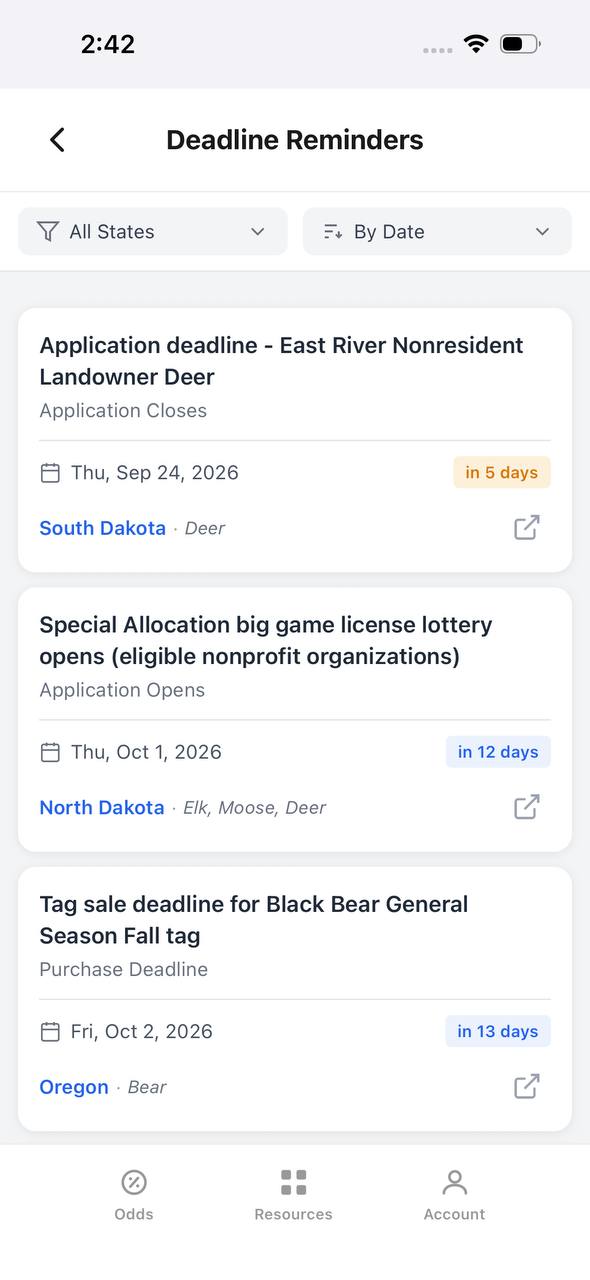
- Deadline reminders
- 18 states covered

Free to join
Download mobile app
- Detailed draw odds
- Point tracking
- Deadline reminders
- 18 states covered
Free to join
Download mobile app
- Detailed draw odds
- Point tracking
- Deadline reminders
- 18 states covered

Safety and Drop Testing
Any aftermarket trigger you install must pass basic drop tests. A safe trigger will not release the firing pin if the rifle is dropped muzzle-down, buttstock-down, or on its side with the safety off. Most reputable manufacturers test their triggers to military drop-test standards, but it is worth verifying before you trust a trigger in the field.
Never adjust a trigger below the manufacturer's minimum pull weight. Reducing sear engagement to achieve lighter pull weights creates risk of slam-fires or unintended discharge. If you want a sub-2-pound trigger, buy a unit designed for that weight range instead of modifying a 3-pound trigger.
Always function-check a new trigger after installation. Cycle the bolt with the safety on and off. Bump the rifle while chambering a round. Dry-fire from multiple positions. If anything feels inconsistent, stop and verify sear engagement and spring tension before loading live ammunition.
Installation and Gunsmithing
Most drop-in triggers install with basic hand tools and no permanent modifications to the rifle. Remington 700 triggers typically require removing two trigger guard screws, lifting out the factory trigger, dropping in the new unit, and reinstalling the guard screws to proper torque specs. Total time is 15 to 30 minutes.
Some triggers require fitting or minor stock inletting. Savage triggers occasionally need slight relieving of the stock to clear the new trigger housing. Tikka triggers require removing the factory trigger return spring. Read the manufacturer's instructions and watch installation videos before you start. Most manufacturers provide printable PDFs and step-by-step video guides on their websites.
If you are not comfortable working on your rifle, any competent gunsmith can install a drop-in trigger in 20 minutes for minimal cost. The installation is straightforward, but the consequences of incorrect sear engagement or improper torque are severe. When in doubt, pay for professional installation.
Free to join
Download mobile app
- Detailed draw odds
- Point tracking
- Deadline reminders
- 18 states covered
Free to join
Download mobile app
- Detailed draw odds
- Point tracking
- Deadline reminders
- 18 states covered
Free to join
Download mobile app
- Detailed draw odds
- Point tracking
- Deadline reminders
- 18 states covered
Triggers and Accuracy Expectations
A trigger upgrade will not turn a 2-MOA rifle into a 0.5-MOA rifle, but it will help you shoot closer to your rifle's mechanical accuracy potential. Most hunters see immediate improvement in group size when they move from a factory trigger to a clean-breaking aftermarket unit. The improvement comes from reduced flinching, better follow-through, and more consistent trigger control shot to shot.
Expect to see 0.25 to 0.5 MOA improvement in average group size if you are already shooting fundamentally sound positions. If you are new to precision shooting, the improvement will be larger because the trigger helps you build consistent habits. A good trigger does not fix bad shooting, but it makes good shooting easier to repeat.
Triggers also reduce called fliers. A mushy factory trigger with creep and stacking encourages you to jerk through the break. A crisp trigger rewards smooth, deliberate pressure. Fewer fliers mean tighter groups and more confidence on marginal shots in the field.
Best Triggers for Different Hunting Styles
For backcountry and mountain hunting, prioritize reliability and simplicity. TriggerTech Primary and Timney 510 triggers are sealed units with minimal external adjustments. They handle dust, moisture, and temperature swings without losing zero or developing inconsistencies.
For precision long-range hunting, consider two-stage triggers with adjustable pull weights. Geissele Super 700 and TriggerTech Special give you tactile feedback and sub-2-pound second stages for deliberate shooting from stable positions.
For dangerous game and thick-cover hunting, stick with 3.5 to 4-pound triggers. Lighter triggers increase risk of accidental discharge during quick follow-ups or when working through brush. A slightly heavier trigger with a clean break is safer and still accurate enough for close-range shooting.
For general-purpose big-game rifles, a 3-pound single-stage trigger balances precision and safety. Timney 517 and TriggerTech Primary adjustable models cover most hunting scenarios without requiring different triggers for different hunts.
Maintenance and Longevity
Aftermarket triggers require minimal maintenance. Most units use sealed housings and self-lubricating components that do not need regular cleaning or oiling. Avoid spraying solvents or lubricants into the trigger mechanism. If you get mud or debris in the trigger, disassemble it per the manufacturer's instructions and clean it with compressed air and light oil.
Check trigger function after long storage periods or before the start of hunting season. Verify pull weight with a trigger scale if you have an adjustable model. Springs can settle over time, and adjustments can shift if the set screws back out.
Most quality triggers last the life of the rifle with zero issues. TriggerTech, Timney, and Geissele triggers have track records spanning decades. If a trigger starts developing creep, inconsistent pull weight, or fails drop tests, contact the manufacturer. Most offer lifetime warranties and will repair or replace defective units.
Free to join
Download mobile app
- Detailed draw odds
- Point tracking
- Deadline reminders
- 18 states covered
Free to join
Download mobile app
- Detailed draw odds
- Point tracking
- Deadline reminders
- 18 states covered
Free to join
Download mobile app
- Detailed draw odds
- Point tracking
- Deadline reminders
- 18 states covered
TAGZ and Gear Decisions
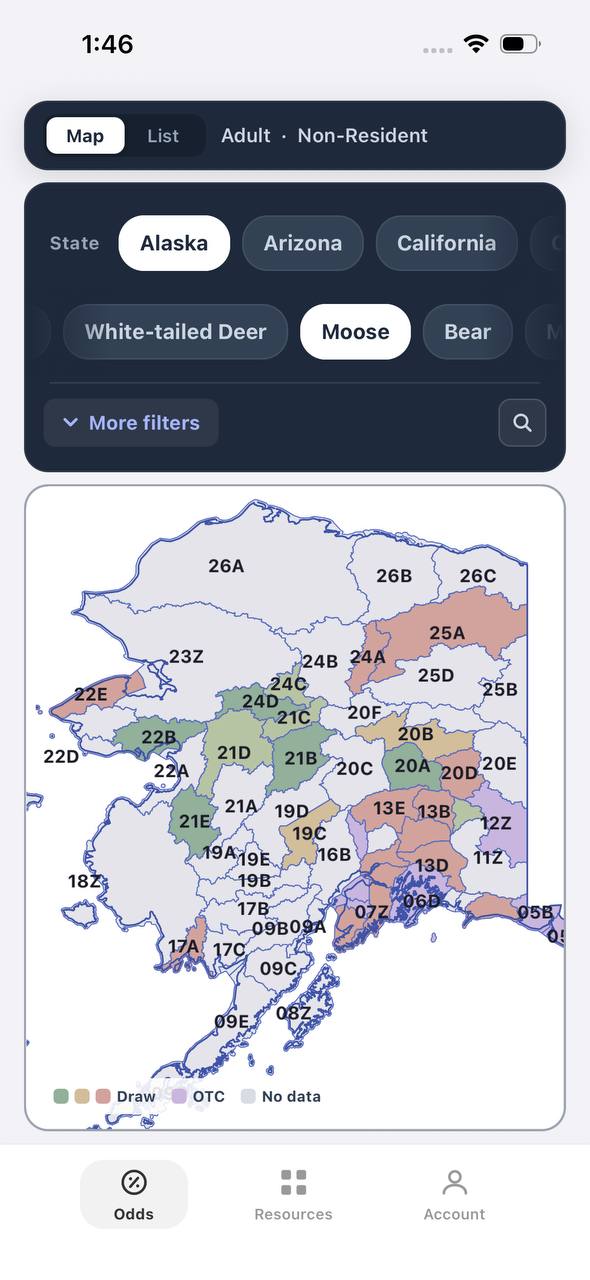
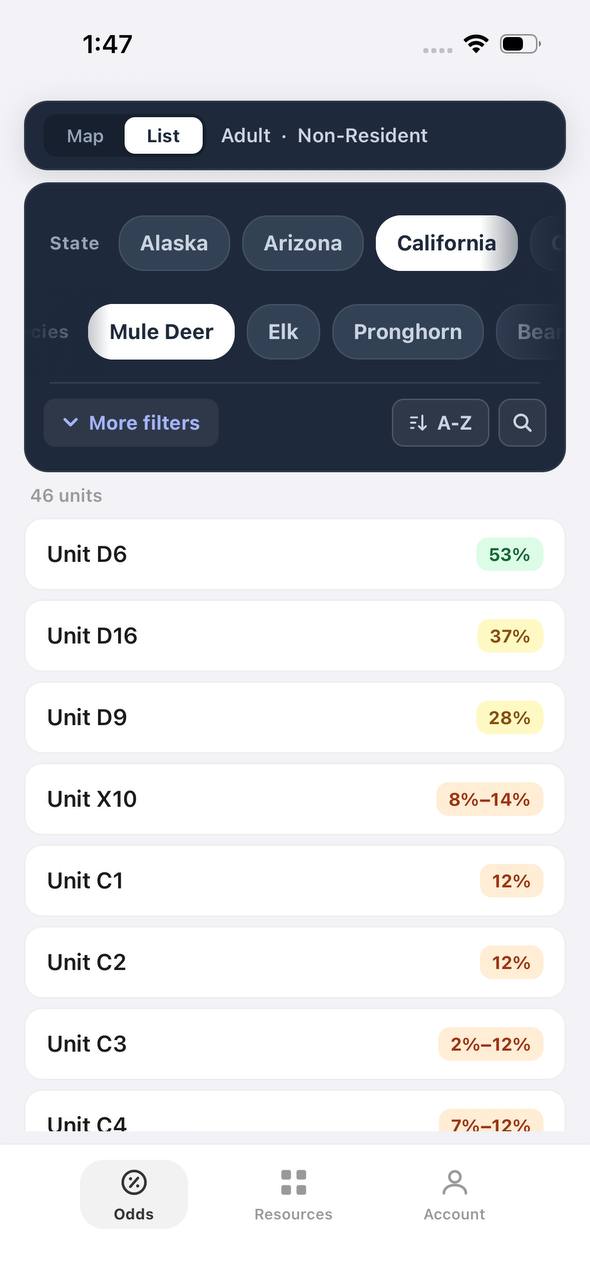
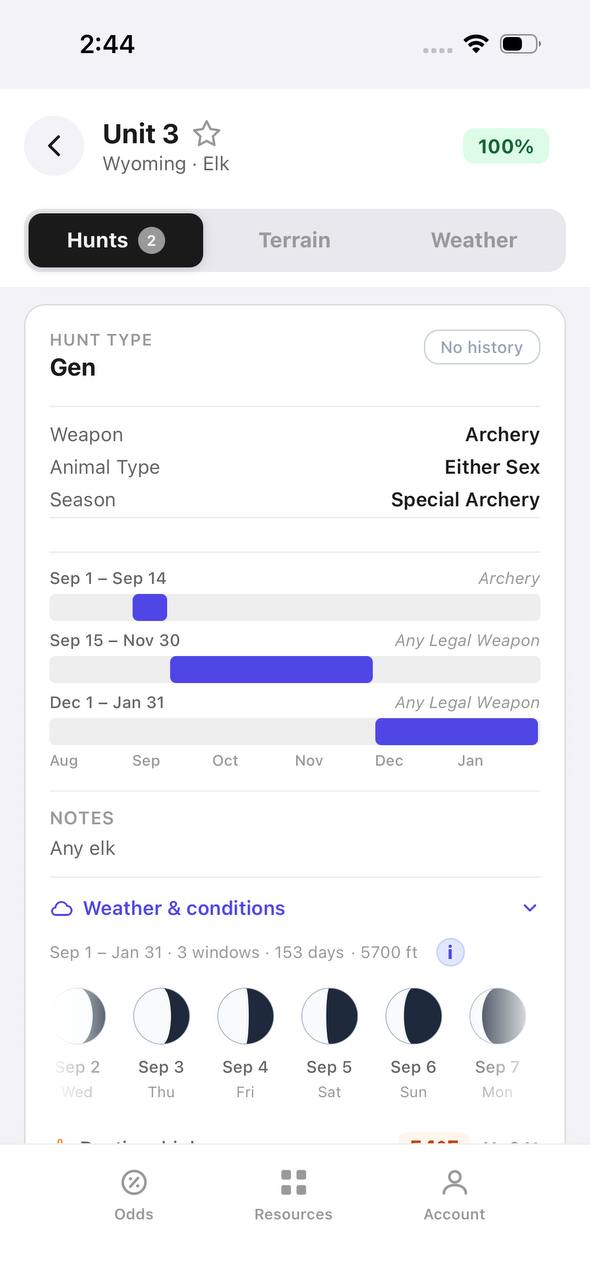
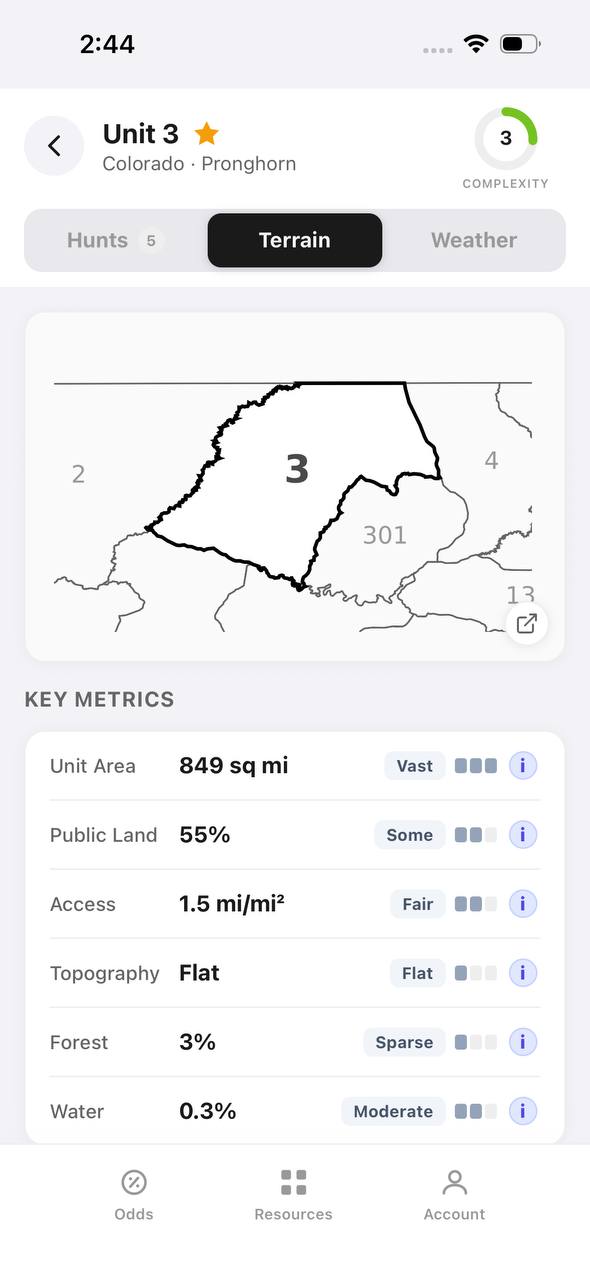
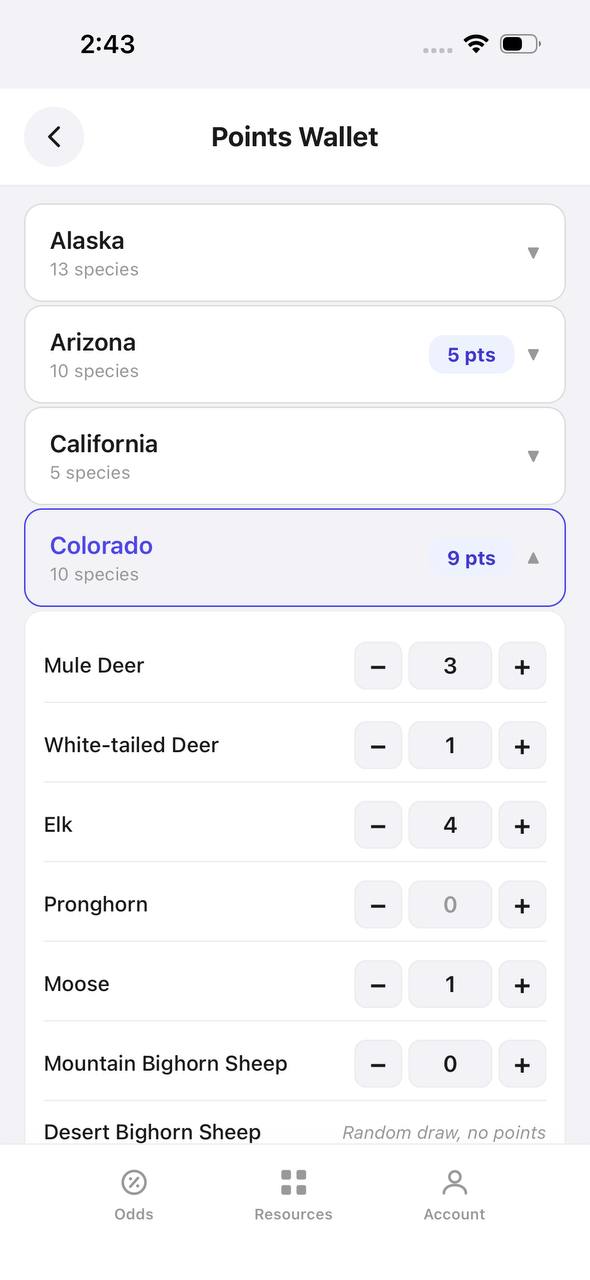
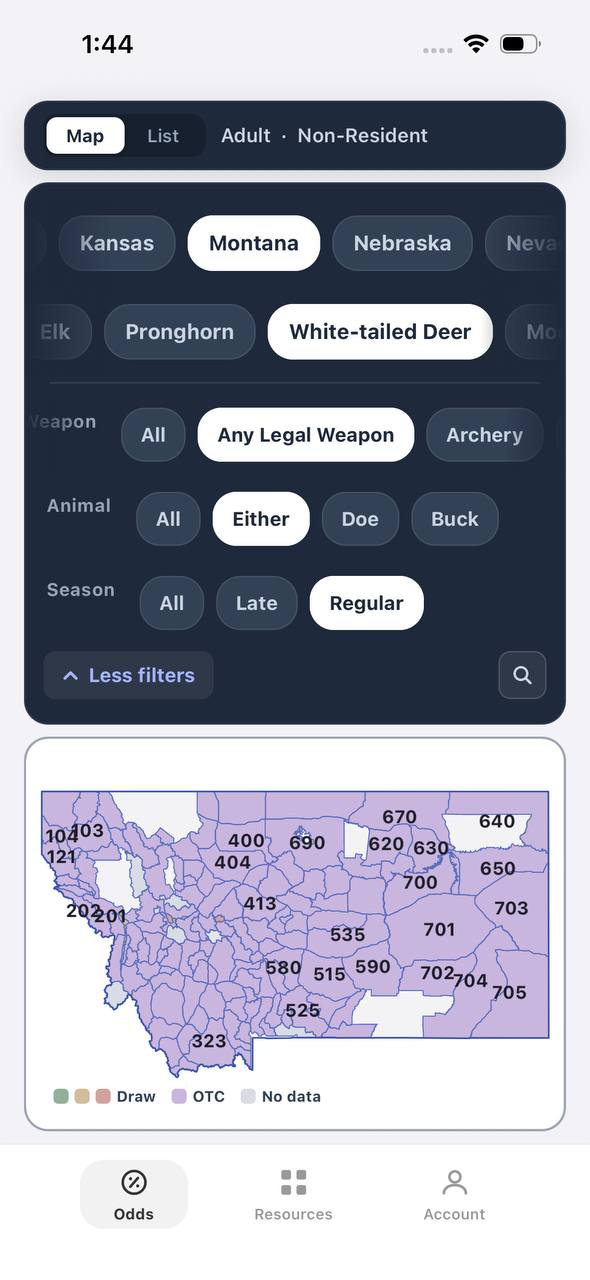
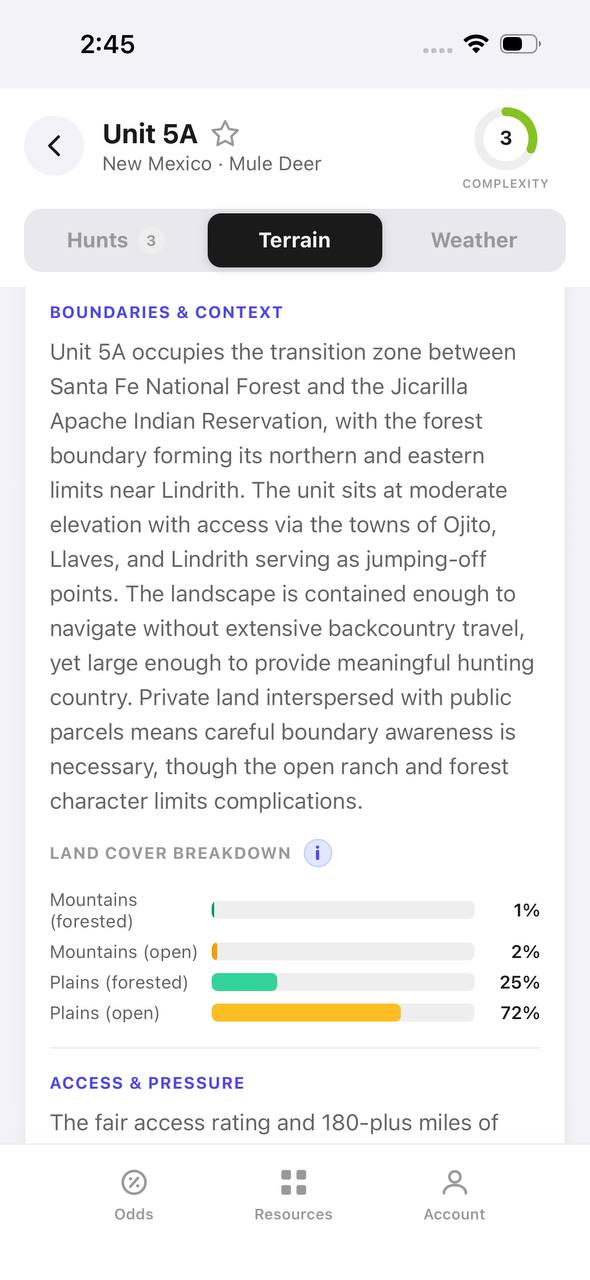
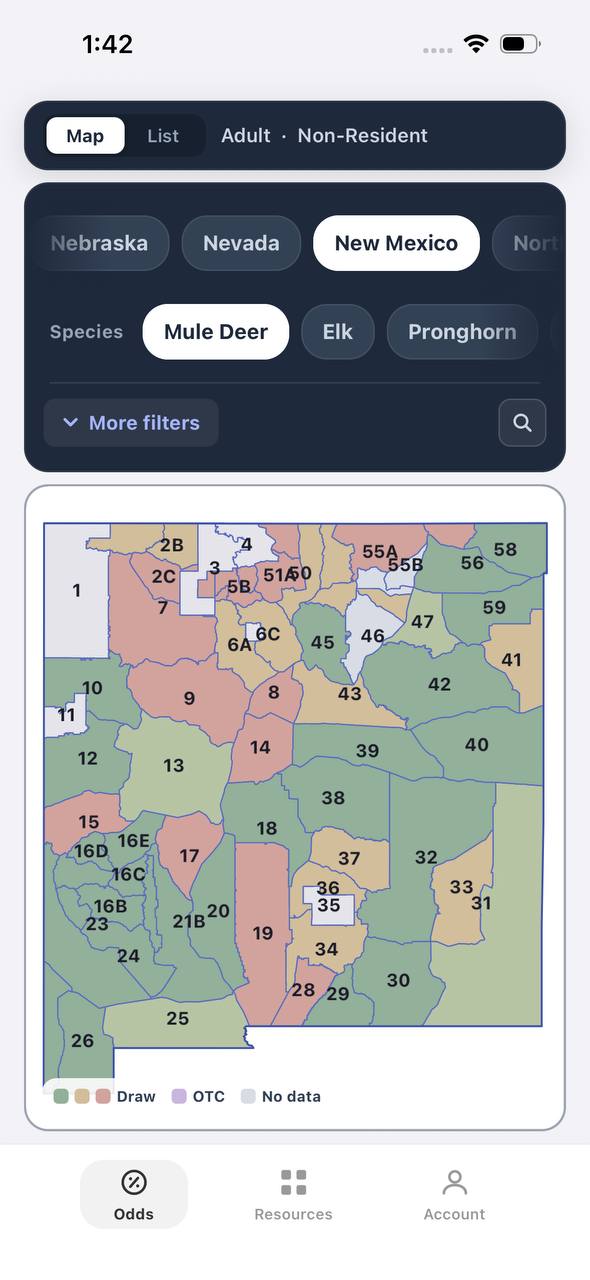
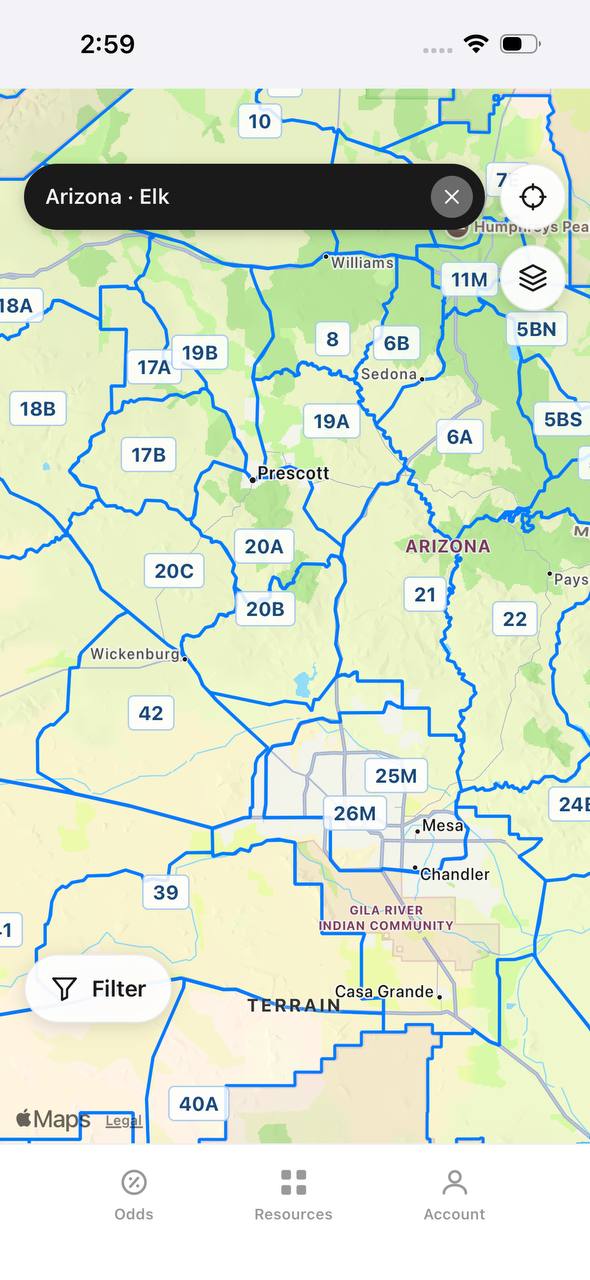
Planning a western hunt involves dozens of decisions, from draw strategy to gear selection. TAGZ helps you compare units side by side using terrain maps, unit boundaries, and historical draw data. Track your preference points and bonus points across multiple states so you never miss a draw deadline. Whether you are chasing OTC tags or planning a trophy limited-entry hunt, TAGZ gives you the tools to make smarter decisions before you ever step into the field.
Once you draw the tag, gear becomes critical. A good trigger is part of a system that includes optics, rifle, and ammunition. TAGZ does not tell you which trigger to buy, but it does help you understand which units demand long-range precision and which hunts happen inside 200 yards where a factory trigger works fine. Use the platform to filter hunts by weapon, season, and species, then match your gear to the terrain and shot distances you will actually encounter.
FAQ — Best Hunting Rifle Triggers
What is the best trigger for a Remington 700 hunting rifle?
TriggerTech Primary is the top choice for reliability and performance, offering zero-creep breaks and adjustable pull weight from 2.5 to 5 pounds. Timney 510 and 517 triggers are proven alternatives at lower price points.
How light should a hunting rifle trigger be?
Most hunters shoot best with 2.5 to 3.5-pound triggers. Lighter triggers reward solid fundamentals but increase risk of accidental discharge in field conditions. Start at 3 pounds and adjust down only if you dry-fire regularly and have consistent trigger control.
Are aftermarket triggers worth the cost?
Yes. A quality trigger costs less than a scope upgrade and delivers immediate, measurable improvement in accuracy and shot consistency. Expect to see 0.25 to 0.5 MOA tighter groups and fewer fliers.
Can I install a drop-in trigger myself?
Most drop-in triggers install in 15 to 30 minutes with basic hand tools and no gunsmithing. Remington 700 and Savage triggers are straightforward. Tikka and Ruger American triggers require slightly more fitting. If you are not comfortable working on your rifle, a gunsmith can install it in 20 minutes.
What is the difference between single-stage and two-stage triggers?
Single-stage triggers have one consistent pull to break, which works well for instinctive field shooting. Two-stage triggers use a lighter first stage followed by a crisp second stage, which helps with deliberate long-range shots but adds complexity for most hunting applications.
Do I need to adjust my trigger after installation?
Most adjustable triggers ship at mid-range pull weights and work well out of the box. Test the trigger at the range and adjust pull weight only if needed. Always stay within the manufacturer's safe range and verify sear engagement after any adjustment.
Continue Planning Your Hunt
Gear decisions matter, but drawing the right tag comes first. TAGZ helps you compare draw odds, track points, and filter hunts by weapon, season, and species across the West. Whether you are planning your first rifle hunt or chasing a trophy limited-entry tag, TAGZ gives you the tools to make smarter decisions from application season through the hunt itself. Explore the platform at getmytagz.com or dive into more hunting insights at TAGZ Insights. If you are ready to simplify your draw strategy and never miss a deadline again, check out pricing options or learn more about the TAGZ platform.
Was this article helpful?
Previous
Guided vs DIY Moose Hunts: Cost, Success Rates & What You Need to Know
Moose hunts require major investments of time and money. This guide breaks down guided vs DIY approaches—comparing costs, success rates, logistics, and what it takes to hunt moose on your own vs with professional support.

Related
Best Mule Deer Broadheads for Western Bowhunters in 2025
Choosing the right broadhead can make or break your mule deer hunt. This guide breaks down the top fixed-blade and mechanical broadheads for western terrain, plus how to match your setup to shot distances and conditions.
Next
How Florida Wildlife Draws Compare to Western Big Game Draws
Florida's alligator and turkey draws operate on a simpler lottery system with no preference points, shorter application windows, and lower tag costs compared to Western big-game states. Understanding these key differences helps hunters maximize opportunities in both regions.