Florida Bear Hunting vs. North Carolina Bear — Which State Offers Better Opportunities?
Florida and North Carolina both manage huntable black bear populations, but these two Southeastern states approach bear hunting in fundamentally different ways. Florida operates a highly controlled lottery system with extremely limited tags, while North Carolina offers a more accessible season structure across multiple bear management units. Understanding the differences in draw odds, terrain, season timing, and hunting methods will help you decide which state deserves your application or your out-of-state travel plans.
This comparison examines success rates, public land opportunities, season structure, and the hunting experience itself so you can make an informed decision about where to chase black bears in the Southeast.
Florida Bear Hunting — Limited Opportunity, High Demand
Florida black bear hunting resumed in 2015 after a 21-year closure, but the season structure remains extremely restrictive. The Florida Fish and Wildlife Conservation Commission manages bear hunting through four Bear Management Units (BMUs): Central, East Panhandle, North, and South. Each BMU receives a quota, and once that quota is met, the season closes immediately — sometimes within hours.
The 2023 Florida bear season lasted just two days in most units before quotas were filled. Hunters must apply through a lottery system, and draw odds vary by BMU but typically range from 20% to 40% depending on the unit and hunter residency status. Resident hunters receive preference in the draw. The season runs in late October, which coincides with bear movement as animals prepare for winter denning behavior, though Florida bears do not experience true hibernation.
Florida bear hunting takes place almost entirely on public land, with vast tracts available in the Apalachicola and Osceola National Forests, plus state-managed wildlife areas. The terrain consists of dense palmetto thickets, pine flatwoods, hardwood hammocks, and swampy bottomlands. Hunters primarily use dogs to locate and tree bears, though still-hunting and spot-and-stalk methods are legal. Baiting is prohibited statewide.
Success rates in Florida are difficult to track precisely due to the short season duration, but harvest reports show that most successful hunters use trained hounds. The average bear weight ranges from 150 to 300 pounds, with mature boars occasionally exceeding 400 pounds in the Panhandle units.
North Carolina Bear Hunting — Broader Access, Multiple Seasons
North Carolina offers a much more accessible bear hunting framework with both general and limited-entry seasons spanning fall and early winter. The state divides bear hunting into regional seasons, with coastal units opening as early as September and mountain units running through December. Most North Carolina bear hunts do not require a lottery draw — hunters simply purchase the appropriate licenses and harvest tags.
The exception is the Pisgah and Nantahala National Forest bear hunts, which operate on a quota system with permit lotteries. These mountain units offer some of the state's best public land bear hunting, with draw odds typically ranging from 60% to 80% for resident hunters. The mountain region also allows hunters to pursue bears during the general firearms deer season, creating overlapping opportunity.
North Carolina's bear population is concentrated in three regions: the coastal plains, the Piedmont river drainages, and the western mountains. The mountain region offers the highest bear densities and the most hunter access. Terrain varies from coastal pocosins and river swamps to steep Appalachian ridges covered in oak and laurel thickets. Elevation changes in the mountain units can exceed 3,000 feet, demanding physical fitness and mountain hunting experience.
North Carolina allows both still-hunting and hound hunting, with regulations varying by region. Baiting is legal in some coastal and Piedmont units but prohibited in the mountain regions. Success rates in North Carolina average 15% to 25% statewide, with mountain units producing higher success for hunters using dogs or hunting during the rut when bears are more active.
Draw Odds and Tag Allocation — Contrasting Systems
The most significant difference between Florida and North Carolina bear hunting is tag availability and draw structure. Florida's limited quota system creates scarcity — the 2023 season allocated approximately 320 permits statewide across all BMUs combined. By contrast, North Carolina does not cap total bear harvest statewide, instead managing populations through season dates and regional bag limits.
Florida's lottery draw requires a $5 application fee for residents and $20 for nonresidents, with permit costs of $100 for residents and $300 for nonresidents if drawn. The odds of drawing a Florida bear permit have ranged from 25% to 40% in recent years, with the Central BMU typically being the hardest to draw due to proximity to major population centers.
North Carolina's Pisgah-Nantahala lottery requires only a $5 application fee, and successful applicants pay $10 for the special permit (in addition to standard hunting licenses). Draw odds for these mountain hunts remain favorable, typically exceeding 70% for residents. The key advantage is that North Carolina hunters who don't draw the special permit can still hunt bears during the general season in other units — there is no all-or-nothing dynamic.
If your primary goal is to hunt black bear in the Southeast without building preference points or waiting multiple years, North Carolina offers far better odds of getting into the field. Florida's system creates an exclusive experience with limited entry, which some hunters prefer, but the application is a genuine gamble with no guarantee of opportunity.
Terrain and Hunting Methods — What to Expect in the Field
Florida and North Carolina present entirely different hunting environments. Florida bear hunting occurs in flat, dense, often swampy terrain where visibility is measured in yards, not hundreds of yards. Palmetto thickets, swamp edges, and hardwood bottoms require hunters to work close to cover. Most successful Florida hunters use hounds because spot-and-stalk opportunities are rare. Without dogs, your best chance is setting up along travel corridors near oak flats or palmetto-covered ridges during early morning or late evening movement.
North Carolina's mountain bear hunting involves steep elevation changes, ridge walking, and glassing from high points. Hunters who still-hunt in the Pisgah or Nantahala units often cover 5 to 8 miles per day, moving slowly through oak ridges and checking drainage heads for bear sign. During the fall mast season, bears concentrate on ridges with heavy acorn production. Hunters without dogs can be successful by identifying feeding areas and setting up ambush points along trails.
In the coastal and Piedmont regions of North Carolina, the terrain more closely resembles Florida — river swamps, pocosins, and agricultural edges. These areas see less hunting pressure than the mountains and can produce excellent opportunities for hunters willing to scout creek drainages and hardwood bottoms.
Physical demands differ significantly. Florida bear hunting requires tolerance for heat, humidity, insects, and wet conditions, but minimal elevation gain. North Carolina mountain hunting demands cardiovascular fitness, the ability to navigate steep terrain, and preparation for cold, wet weather during late-season hunts. If you prefer flat, jungle-style hunting, Florida is your match. If you enjoy mountain hunting with glassing opportunities, North Carolina's western units are superior.
Free to join
Download mobile app
- Detailed draw odds
- Point tracking
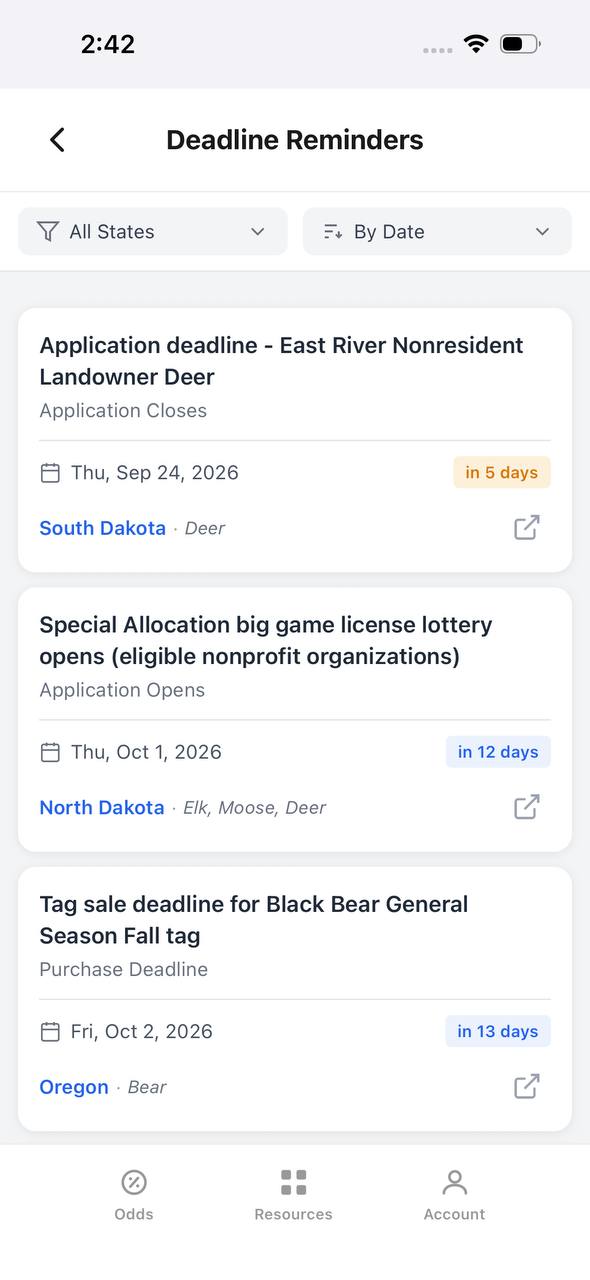
- Deadline reminders
- 18 states covered

Free to join
Download mobile app
- Detailed draw odds
- Point tracking
- Deadline reminders
- 18 states covered
Free to join
Download mobile app
- Detailed draw odds
- Point tracking
- Deadline reminders
- 18 states covered
Success Rates and Bear Quality — What the Data Shows
Florida's limited season duration and hunter density create a compressed harvest window. Because the season closes once quotas are met, hunters face intense pressure to harvest a bear quickly. This creates a dynamic where smaller bears are often taken early, and hunters who hold out for larger bears risk the season closing before they fill their tag. Florida bears average 150 to 250 pounds, with the largest animals coming from the Panhandle units.
North Carolina's longer seasons and broader opportunity allow hunters to be more selective. Mountain bears in the Nantahala and Pisgah units average 175 to 300 pounds, with mature boars exceeding 400 pounds in peak years. Coastal bears tend to be slightly smaller but still average 150 to 250 pounds. The extended season structure in North Carolina means hunters can return multiple times, learn bear patterns, and hold out for mature animals.
Success rates favor North Carolina overall due to season length and accessible terrain. While Florida's short season can produce fast action when bears are moving, the all-or-nothing quota system means many drawn hunters never see a bear. North Carolina hunters who commit to scouting and multiple days in the field can expect reasonable odds of success, especially in the mountain units during the mast season.
Public Land Access and Hunting Pressure — Where You Can Hunt
Both states offer substantial public land bear hunting, but access and pressure vary. Florida's bear hunting is concentrated on national forest land and state wildlife management areas. The Apalachicola National Forest in the Panhandle and the Osceola National Forest in north-central Florida provide the bulk of bear hunting opportunity. Because the season is so short and limited to lottery winners, hunting pressure is intense but brief.
North Carolina offers over 1.5 million acres of public land bear habitat, including the Pisgah and Nantahala National Forests, Croatan National Forest in the coastal region, and dozens of game lands managed by the North Carolina Wildlife Resources Commission. The mountain units see the heaviest pressure, particularly during the special permit hunts, but the sheer size of the national forest allows hunters to find solitude by hiking beyond road access.
One advantage North Carolina offers is the ability to hunt bears while pursuing other species. During the general firearms deer season in the mountains, hunters can carry a bear tag and capitalize on opportunistic encounters. This dual-purpose approach is not available in Florida, where the bear season is standalone and brief.
If you prefer guaranteed solitude, neither state offers that during prime bear season. But North Carolina's extended season structure and larger land base provide better opportunities to avoid crowds by hunting mid-week or targeting remote drainages. Florida's compressed season means every drawn hunter is in the field simultaneously, increasing human scent and pressure.
Regulations and Season Structure — What You Need to Know
Florida's bear season typically runs for just two days in late October, with specific dates announced each year based on population surveys. Hunters may take one bear per permit, and all bears must be checked within 12 hours of harvest at a designated check station. Baiting is illegal, and hunters must complete a bear identification course before applying. The use of dogs is legal and highly effective, but hunters without access to a dog pack face a significant disadvantage.
North Carolina operates a more complex season structure. Coastal units open in early September, while mountain units run from mid-October through December. The general season allows one bear per year statewide, but hunters who draw a special Pisgah-Nantahala permit receive an additional tag. Baiting regulations vary by region — legal in some coastal and Piedmont units, prohibited in the mountains. North Carolina requires all harvested bears to be checked within 24 hours, and hunters must complete a bear hunting certification course.
Weapon restrictions are minimal in both states. Florida allows archery, firearms, and muzzleloaders during the bear season. North Carolina permits the same, with season dates varying by weapon type in some regions. Hunters pursuing bears during the general deer season must follow weapon restrictions for that season.
For nonresident hunters, North Carolina is far more accessible. The cost of a North Carolina nonresident hunting license and bear tag is approximately $125, plus the $10 special permit fee if drawn. Florida charges $300 for a nonresident bear permit if you're drawn, plus base license fees. North Carolina also offers the advantage of hunting bears during multiple seasons without needing to draw a lottery.
TAGZ Helps You Compare Bear Hunting Across States
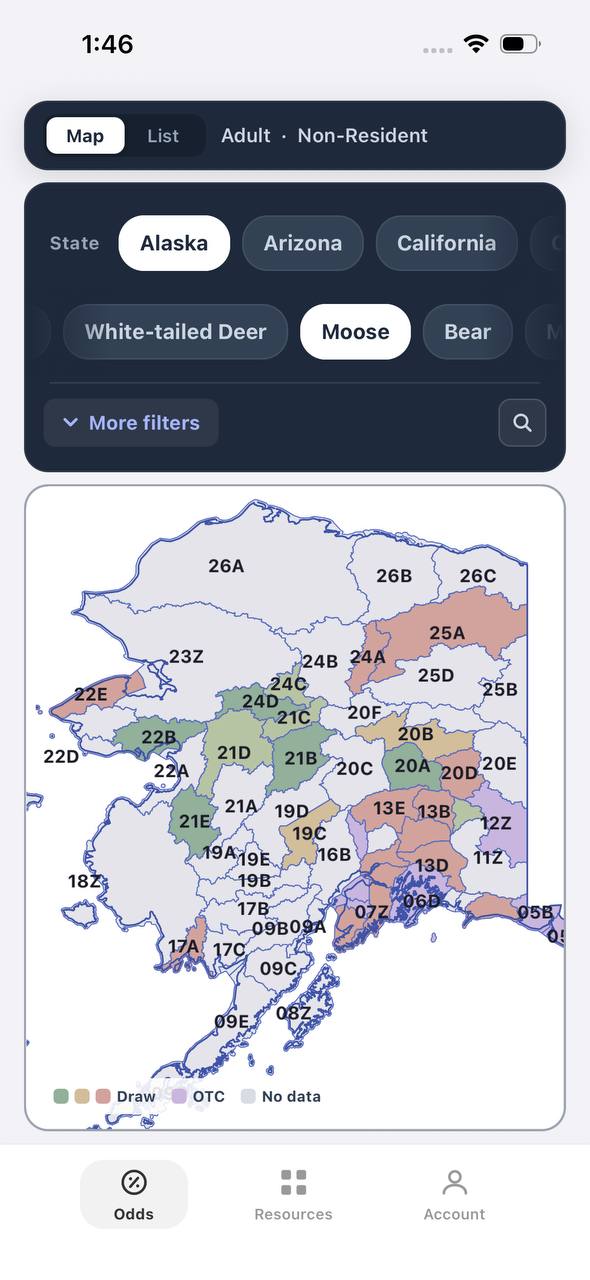
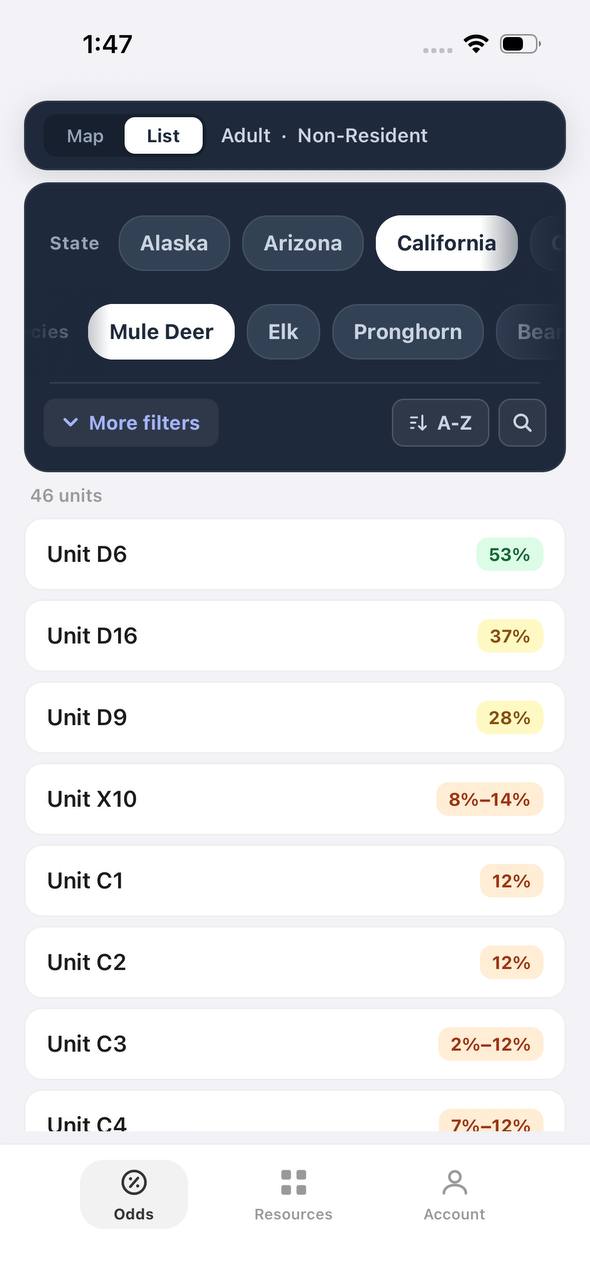
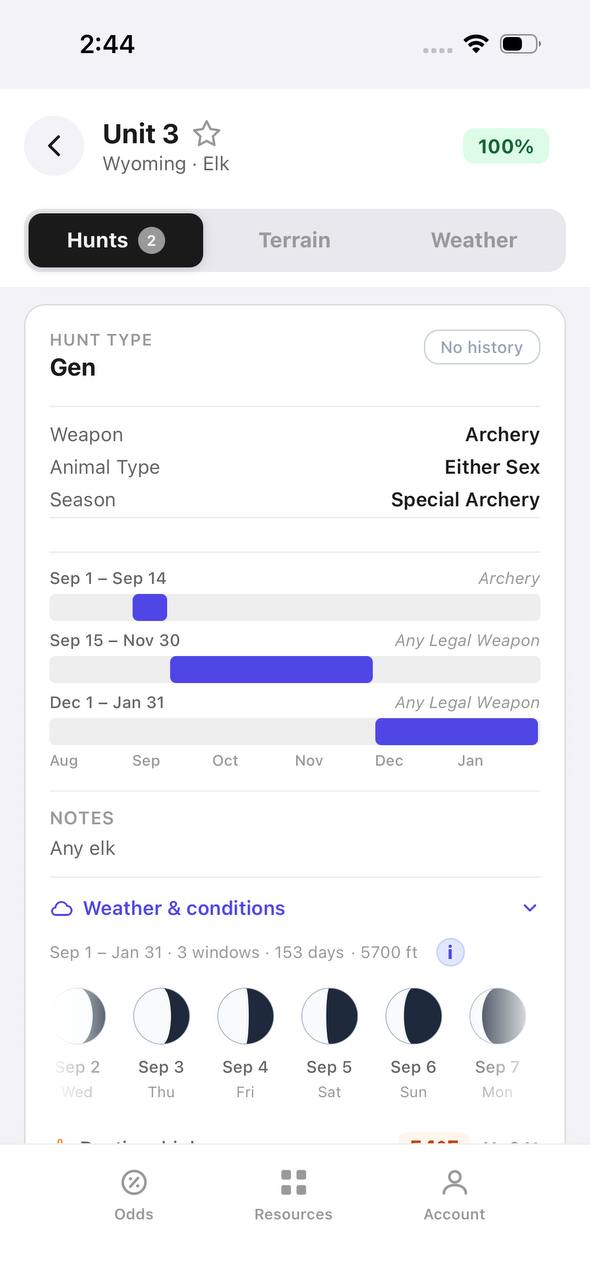
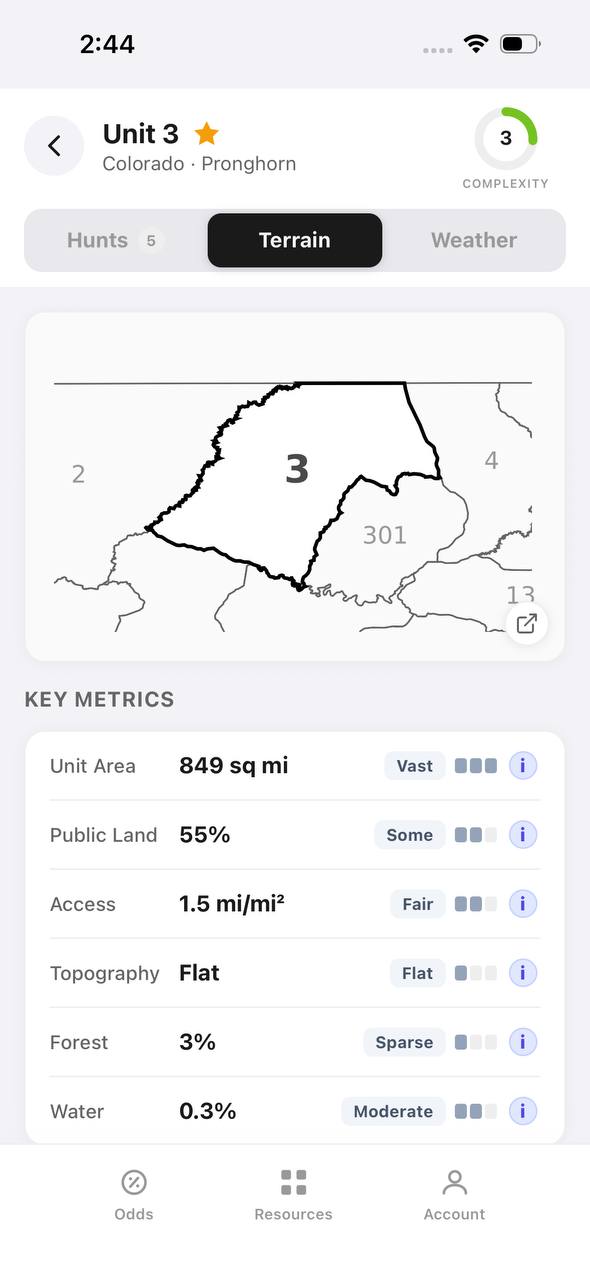
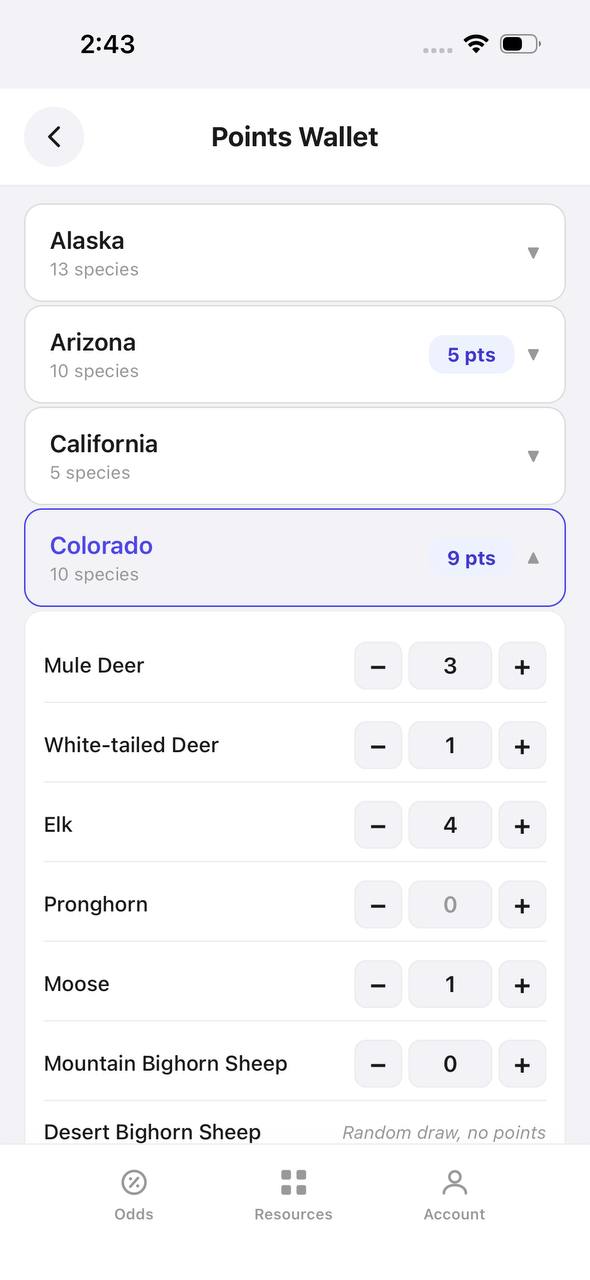
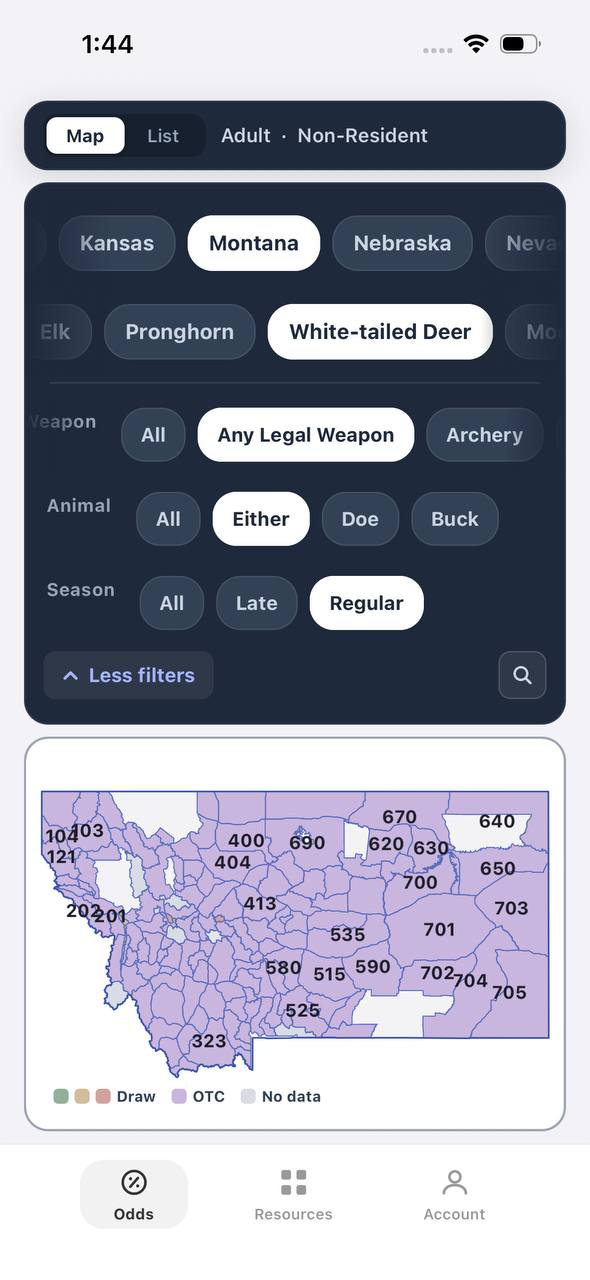
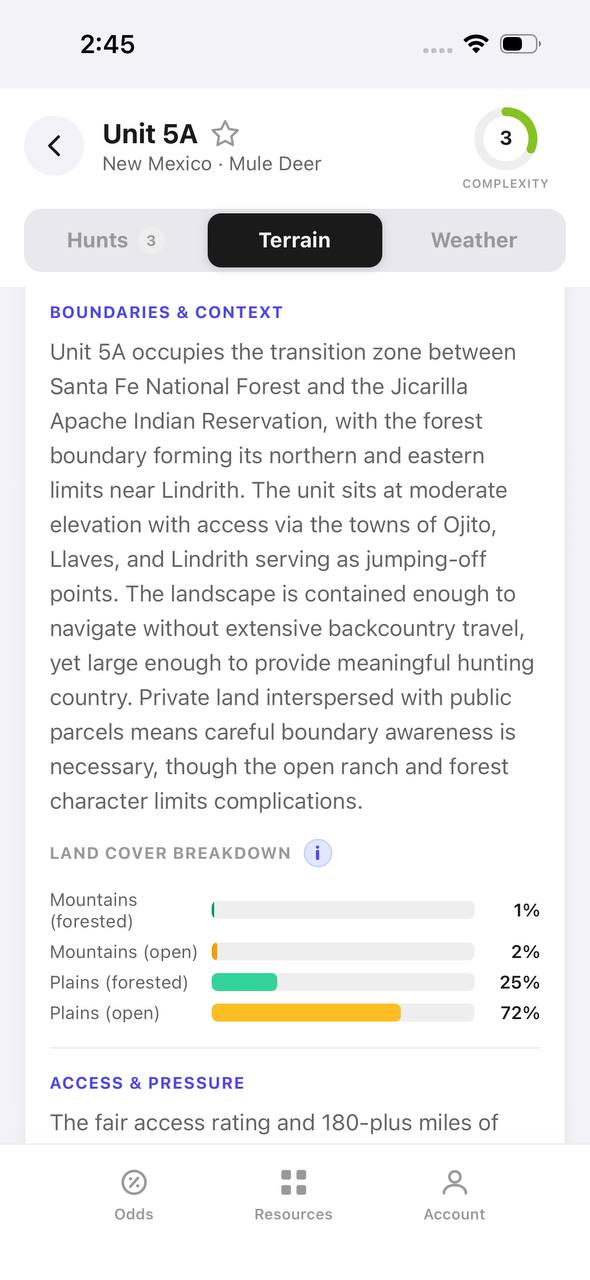
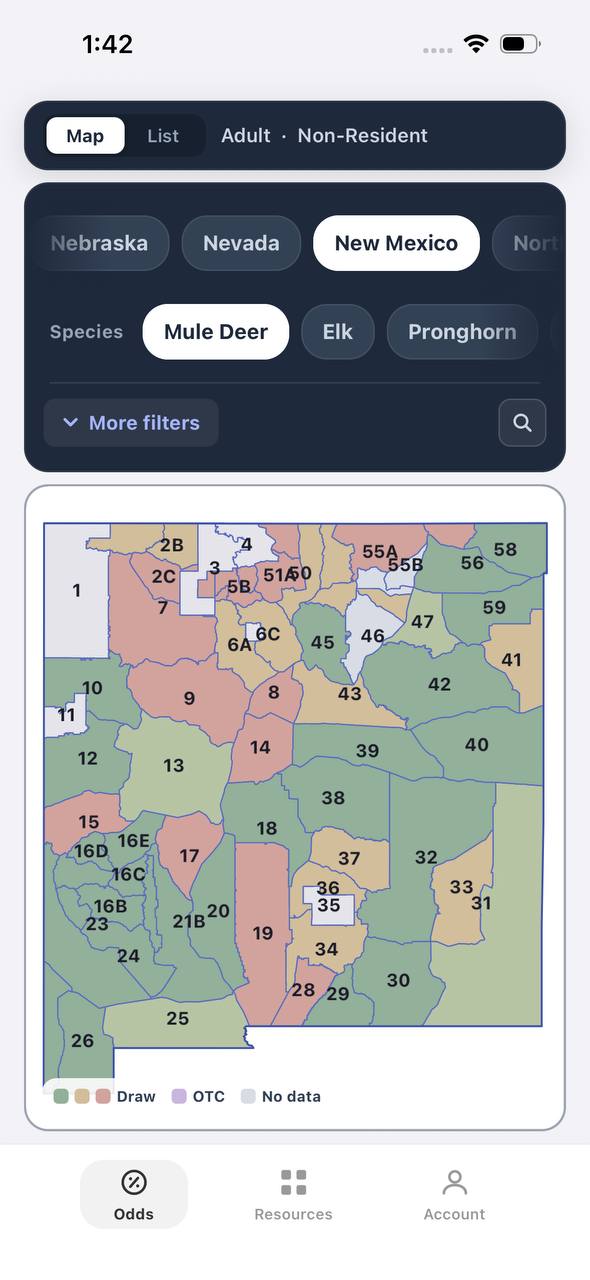
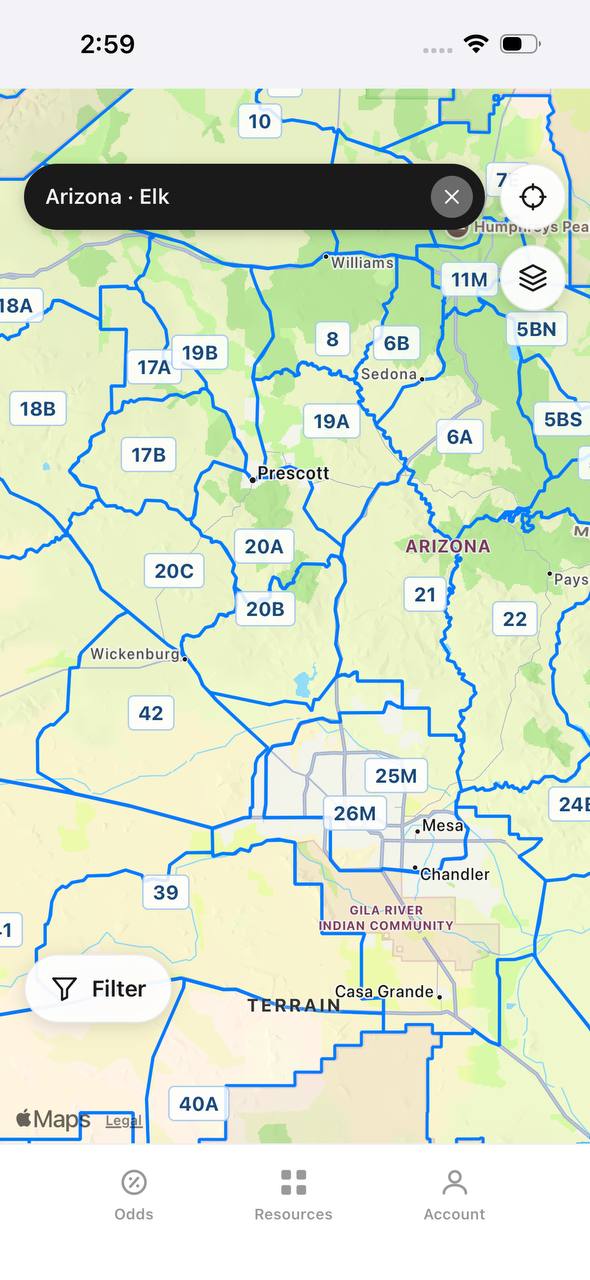
Deciding between Florida and North Carolina bear hunting requires analyzing draw odds, success rates, terrain, season timing, and public land access. TAGZ helps you compare units side by side using terrain maps, unit boundaries, and historical draw data. Track your preference points and bonus points across multiple states so you never miss a draw deadline. Whether you are chasing limited-entry Florida bear permits or planning a DIY North Carolina mountain hunt, TAGZ gives you the tools to make smarter decisions before you ever step into the field.
For hunters who want to pursue black bears in the Southeast without applying to multiple states, TAGZ simplifies the research process by aggregating draw statistics, unit boundaries, and hunt planning data in one platform. You can filter hunts by weapon, season, and species to identify the best opportunities that match your hunting style and schedule.
Which State Should You Choose?
The right choice depends on your hunting priorities. If you want a high-demand, limited-entry experience with the possibility of fast action in unique swamp and palmetto habitat, Florida offers that. The lottery system creates scarcity, and many hunters are drawn to the exclusivity of a Florida bear tag. However, the short season, low draw odds, and high reliance on hounds make it a gamble.
North Carolina is the better option for hunters who value flexibility, longer seasons, higher draw odds, and the ability to hunt bears while pursuing other species. The mountain units provide classic Appalachian bear hunting with glassing opportunities, while the coastal units offer swamp and river bottom hunting similar to Florida. North Carolina's general season structure also means you can hunt bears without drawing a lottery, removing the application risk entirely.
For nonresident hunters, North Carolina is the clear winner on both cost and accessibility. The combination of reasonable license fees, high draw odds for special permits, and general season opportunity makes it the most reliable path to a Southeastern bear hunt.
If you live in Florida or have access to a quality hound pack, applying for the Florida bear lottery is worthwhile — the experience is unique, and the quotas ensure controlled harvest. But if you're planning a DIY bear hunt from out of state, North Carolina offers better odds, longer seasons, and more public land to explore.
FAQ — Florida vs. North Carolina Bear Hunting
Which state has better draw odds for black bear hunting?
North Carolina has significantly better draw odds. The Pisgah-Nantahala permit lottery typically sees 70% to 80% draw rates for residents, and North Carolina also offers general season bear hunting that requires no lottery entry. Florida's bear lottery draw odds range from 25% to 40%, and the season is so short that many drawn hunters never harvest a bear.
Can you hunt Florida black bears without dogs?
Yes, but success rates drop dramatically without hounds. Florida's dense terrain and short season make spot-and-stalk hunting extremely difficult. Most successful Florida bear hunters use trained dog packs to locate and tree bears. Hunters without dogs should focus on oak flats, palmetto edges, and travel corridors during early morning or late evening.
Is North Carolina or Florida better for a first-time bear hunter?
North Carolina is better for beginners. The longer season allows time to learn bear behavior, scout multiple areas, and recover from mistakes. North Carolina's general season structure also means you can hunt without drawing a lottery. Florida's two-day season creates intense pressure and little room for error, making it challenging for hunters new to bear hunting.
What is the average bear size in Florida vs. North Carolina?
Both states produce similar-sized bears, averaging 150 to 300 pounds. North Carolina's mountain units occasionally produce boars exceeding 400 pounds, particularly in the Nantahala region. Florida's Panhandle units also produce large bears, with some mature boars exceeding 350 pounds. Coastal bears in both states tend to be slightly smaller than mountain bears.
Can nonresidents hunt bears in both states?
Yes, but North Carolina is far more accessible. North Carolina nonresident licenses and bear tags cost approximately $125, and the general season requires no lottery. Florida charges $300 for a nonresident bear permit if you're drawn, and the lottery system limits opportunity. North Carolina is the better choice for out-of-state hunters planning a DIY bear hunt.
Which state has more public land for bear hunting?
North Carolina offers substantially more public land bear habitat, with over 1.5 million acres including the Pisgah and Nantahala National Forests. Florida's bear hunting is concentrated in the Apalachicola and Osceola National Forests, which total approximately 800,000 acres. Both states provide ample public access, but North Carolina's larger land base reduces hunting pressure and improves solitude.
Continue Planning Your Hunt
Whether you choose Florida's exclusive lottery system or North Carolina's broader opportunity, thorough planning separates successful bear hunters from those who come home empty-handed. Research unit terrain, scout bear movement corridors, and track draw deadlines to maximize your odds. TAGZ helps you compare draw odds, filter hunts by weapon and season, and organize your multi-state application strategy so you never miss a deadline.
Explore more hunting insights and unit breakdowns on the TAGZ Insights page. If you're ready to start planning your next hunt, create a free account at TAGZ to access terrain maps, draw statistics, and hunt filtering tools. Learn more about how TAGZ simplifies western and southeastern big-game hunting at the Product page, or compare membership options at Pricing.
Was this article helpful?
Previous
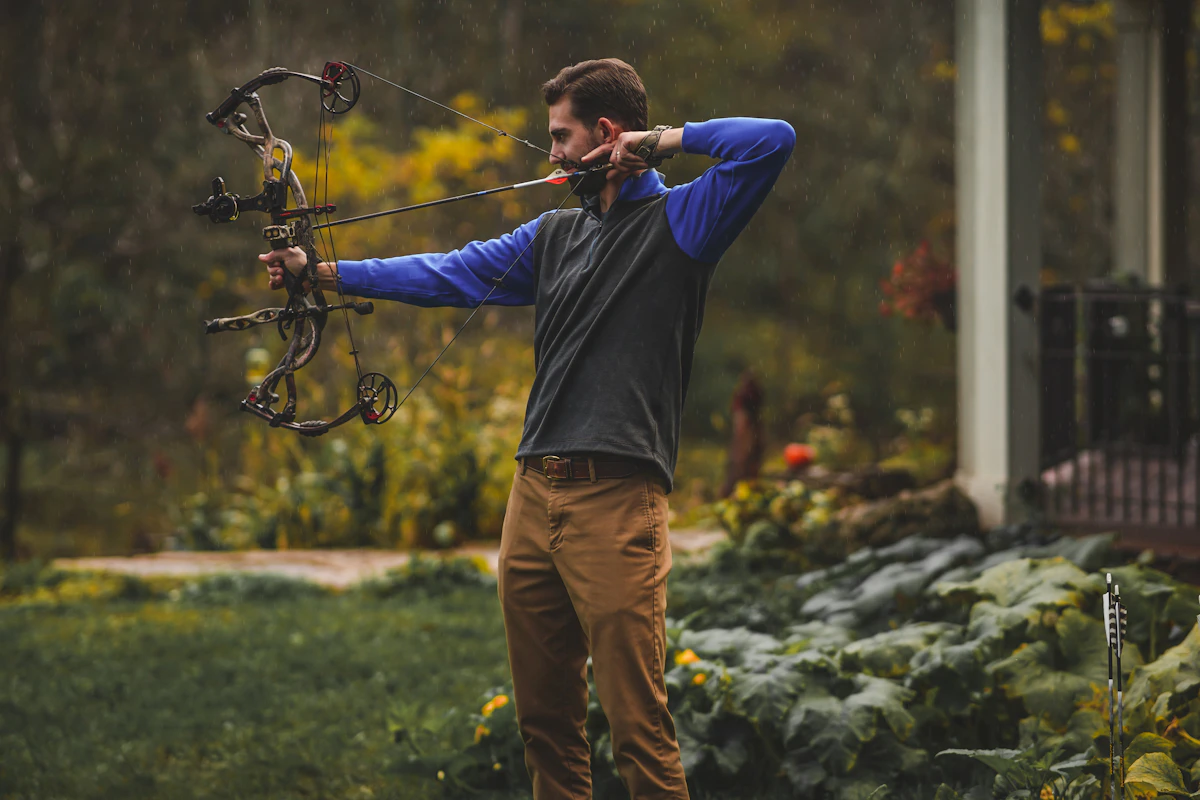
Best Compound Bows for Hunting in 2026: Complete Buyer's Guide
Choosing the right compound bow can make or break your hunting season. This guide breaks down the top models for 2026, key specs that matter in the field, and how to match a bow to your hunting style and budget.
Related
Aging Moose: Field Techniques Every Hunter Should Know
Aging moose accurately in the field requires evaluating antler characteristics, body confirmation, and behavior patterns. Understanding these visual cues helps hunters make ethical harvest decisions and comply with age-restricted regulations in states like Alaska and Idaho.
Next
Best Custom Mountain Rifles: Top Gunsmiths Building Ultralight Hunting Rifles
Custom mountain rifles from top gunsmiths deliver sub-6-pound precision for backcountry hunts. Learn which builders specialize in ultralight rifles, what features matter most, and how to choose the right rig for steep-country elk, sheep, and mule deer.