Florida Bear Hunting Application Guide 2027: How to Apply for the FWC Bear Draw
Florida manages black bear hunting through a quota-based lottery system administered by the Florida Fish and Wildlife Conservation Commission (FWC). The 2027 bear season uses two separate drawing periods, each with distinct application deadlines and hunt dates. Both residents and nonresidents can apply, and no preference points are used — every applicant enters on equal footing regardless of past applications.
Understanding the two-period structure and quota allocations is critical for maximizing your odds. Applications typically open in early June, and both drawings close before the season begins in October. Hunters must hold a valid Florida hunting license and complete a bear-identification test before applying.
Two-Period Application System
Florida divides the bear season into two distinct periods, each with its own application window and hunt dates. Period A applications are due in early June with hunts occurring in mid-October. Period B applications close later in June with hunts taking place in late October or early November. You may apply for one or both periods, but each application requires a separate entry fee.
The FWC sets bear management unit (BMU) quotas before applications open. Total harvest quotas are divided between the two periods, and tags are allocated within each BMU based on population estimates and previous harvest data. Some BMUs have significantly higher quotas than others, directly affecting draw odds.
Bear Management Units and Quota Distribution
Florida's bear hunt operates across four BMUs: Central, East Panhandle, North, and South. Each BMU receives a quota determined by bear population density and management objectives. The Central BMU historically receives the largest quota allocation, often accounting for more than half of available tags statewide.
Quotas are further divided between the two hunt periods within each BMU. The FWC does not guarantee equal distribution between periods — one period may receive more tags than the other depending on management needs. Applicants should review the official quota table published with the hunt proclamation to compare opportunities across periods and units.
Eligibility and License Requirements
Both resident and nonresident hunters age 16 and older may apply. You must possess a valid Florida hunting license at the time of application. A bear permit costs $100 for residents and $300 for nonresidents if drawn. The application fee is non-refundable and separate from the permit cost.
Before applying, hunters must pass the FWC bear-identification test, available online through the FWC website. The test ensures hunters can distinguish black bears from other wildlife and understand FWC regulations. Certification is valid indefinitely and does not need to be renewed for future applications.
Application Process and Deadlines
Applications are submitted online through the FWC License and Permit System. The application window for Period A typically opens in early June and closes approximately two weeks later. Period B applications usually close one to two weeks after Period A, though both periods may be open simultaneously.
When applying, you select one BMU per period. You cannot rank multiple units or apply for multiple units within the same period. If drawn, you are locked into the unit you selected. Carefully research BMU harvest history, access, and habitat quality before committing to a choice.
Drawings are conducted after the respective deadlines, and results are posted online. Successful applicants receive a bear permit valid for their selected BMU and period. Permits are not transferable between periods or units.
Free to join
Download mobile app
- Detailed draw odds
- Point tracking
- Deadline reminders
- 19 states covered

Free to join
Download mobile app
- Detailed draw odds
- Point tracking
- Deadline reminders
- 19 states covered
Free to join
Download mobile app
- Detailed draw odds
- Point tracking
- Deadline reminders
- 19 states covered
Draw Odds and Quota Considerations
Florida does not publish official draw odds, but odds can be estimated by dividing the number of permits by the number of applicants for each BMU and period. Higher-quota units like Central BMU typically offer better odds than lower-quota units. Period A and Period B odds may differ significantly within the same BMU depending on quota splits and applicant pressure.
Because no preference points exist, first-time applicants have the same statistical chance as veteran hunters. Applying for both periods doubles your entry opportunities but requires paying two application fees. If drawn for both periods, you must decide whether to hunt both or forfeit one permit.
Hunt Regulations and Weapon Restrictions
Florida bear hunts are weapons-specific, with separate regulations for firearms, archery, and muzzleloaders. Legal weapons vary by BMU and are specified in the hunt proclamation. Most BMUs allow centerfire rifles and shotguns with slugs or buckshot. Archery equipment must meet FWC minimum draw weight and broadhead requirements.
Bears must be checked at an FWC check station within a specified timeframe after harvest. Hunters are required to present the bear and permit for biological data collection. The FWC monitors harvest in real time and may close a BMU early if the quota is reached before the period ends.
Access and Hunt Area Selection
Public land access varies widely across BMUs. Wildlife management areas (WMAs) within each BMU provide the majority of public hunting opportunities. Some WMAs require additional permits or have restricted access dates, so verify WMA-specific rules well before your hunt period.
Private land hunting is legal with landowner permission. Florida has substantial private timberlands and agricultural lands where bears are present. Scouting public WMAs or securing private-land access in advance dramatically improves hunt success compared to last-minute planning.
After Drawing: Preparation and Next Steps
If drawn, purchase your bear permit immediately through the FWC system. Permits are BMU- and period-specific and must be in your possession while hunting. Review the bear-hunting brochure and BMU maps available on the FWC website for boundary descriptions and legal hunting areas.
Scout your selected BMU before the hunt. Identify active bear sign, food sources, and access points. Florida bears are often associated with oak hammocks, palmetto thickets, and creek drainages. Trail cameras can help pattern movement, especially near agricultural edges or mast-producing hardwoods.
Complete any required WMA permits if hunting public land. Check-in requirements and shooting-hour restrictions vary by WMA, and some areas may have additional regulations during bear season.
FAQ — Florida Bear Hunting Application
Does Florida use preference points for bear hunting?
No. Florida's bear lottery is a random draw with no preference or bonus points. Every applicant has equal odds regardless of how many times they have applied.
Can I apply for both hunt periods?
Yes. You may apply for Period A, Period B, or both. Each application requires a separate entry fee. If drawn for both, you must decide whether to hunt both periods or forfeit one permit.
What is the application deadline for the 2027 Florida bear hunt?
Applications typically open in early June, with Period A closing around mid-June and Period B closing one to two weeks later. Check the FWC website for exact 2027 dates as they are published in the spring.
How much does it cost to apply?
The application fee is non-refundable and charged per period. If drawn, residents pay $100 for the bear permit and nonresidents pay $300. You must also hold a valid Florida hunting license.
Which bear management unit has the best draw odds?
Central BMU historically receives the largest quota and often offers the best draw odds. However, odds fluctuate based on applicant numbers and quota splits between periods. Review the official quota table when it is published.
What happens if the quota is filled early?
The FWC monitors harvest daily and will close a BMU immediately if the quota is reached. Hunters are notified through the FWC website and alert systems. Always check for closure updates before heading to the field during your hunt period.
Was this article helpful?
Previous
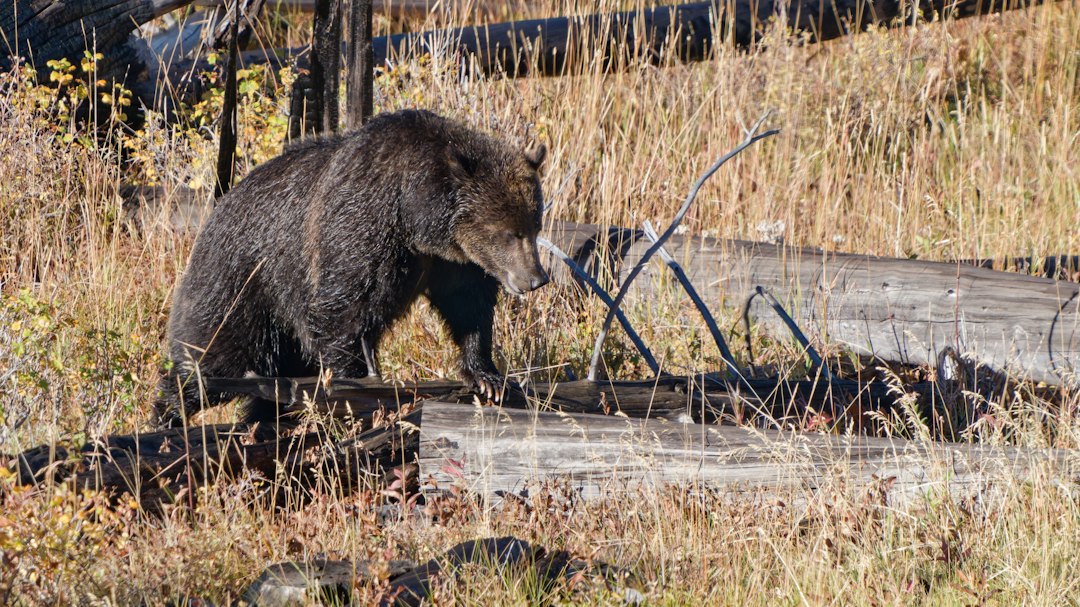
DIY vs Guided Grizzly Bear Hunting: How to Choose Your Hunt
Grizzly hunts demand either extensive backcountry experience and local knowledge or a qualified guide who can manage logistics, navigate bear behavior, and ensure legal compliance. Most hunters opt for guided hunts due to regulatory requirements and the complexity of bear country.
Related
Oregon Guided Roosevelt Elk Hunts 2027: Tags & Outfitters
Oregon offers Roosevelt elk hunts through both controlled and general-season tags, with guided options available on private land and public units across the Coast Range and Cascades.
Next
Nevada Big Game Draw Guide 2027: Deadlines, Bonus Points & Application Strategy
Nevada's 2027 big game draw opens in early March with applications due by the first Tuesday in May. Understand bonus points, resident/nonresident odds, and how to maximize your application strategy for elk, deer, pronghorn, and other species.