DIY vs Guided Grizzly Bear Hunting: How to Choose Your Hunt
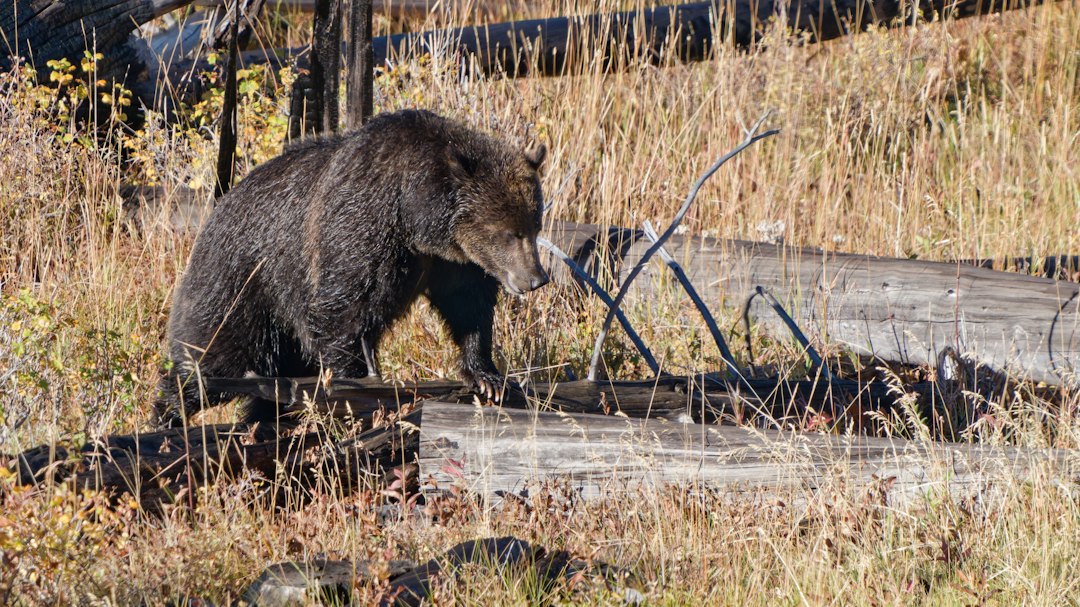
Grizzly bear hunting sits at the intersection of logistics, wilderness skills, and strict regulation. For most hunters, the question is not just whether to hire a guide but whether a DIY hunt is even legally possible. Alaska allows resident DIY grizzly hunting in most units but requires nonresidents to hunt with a registered guide. Canada's provinces and territories enforce similar guide requirements for nonresidents pursuing grizzlies. Beyond the legal framework, grizzlies demand backcountry competence, bear behavior knowledge, and the ability to field-judge a mature bear under pressure.
Where DIY Grizzly Hunting Is Legal
Alaska residents can hunt grizzlies without a guide in most game management units. Nonresidents face mandatory guide requirements except in a few specific scenarios, such as hunting with a close relative who is an Alaska resident and meets age and residency criteria. The Yukon, British Columbia, and Northwest Territories require nonresidents to hire licensed outfitters for grizzly hunts. Even where DIY hunting is legal, access often requires float planes, riverboats, or multi-day backpacking into roadless country. Hunters considering a DIY approach must verify current regulations for their residency status and target area, as guide requirements and unit-specific rules change.
Cost Comparison: Guided vs DIY
Guided grizzly hunts in Alaska range from $12,000 to $20,000 for a 10- to 14-day spring or fall hunt, depending on the unit, outfitter reputation, and whether the hunt includes other species like moose or caribou. British Columbia and Yukon hunts often exceed $15,000 due to longer seasons and trophy quality. DIY grizzly hunts cost significantly less in direct expenses but require substantial time and gear investment. Alaska residents hunting DIY face transportation costs (often $1,000 to $3,000 for a bush flight), camping gear rated for severe weather, satellite communication devices, and meat-handling equipment. The hidden cost is time spent scouting, learning bear sign, and understanding seasonal movement patterns. A failed DIY hunt with no bear encounter burns vacation days and money without the recourse a guided hunt offers.
Skills and Experience Required for DIY Success
DIY grizzly hunting demands intermediate to advanced backcountry skills. Navigation in roadless terrain, often without cell service, requires proficiency with GPS units, paper maps, and compass work. Bear behavior knowledge separates successful hunters from those who spook bears or misjudge body language during a stalk. Grizzlies are not whitetails; a mature boar may appear suddenly at close range, test scent lanes, or circle downwind before committing. Shot placement is critical, and follow-up on a wounded grizzly is among the most dangerous situations in North American hunting. Solo DIY hunters should reconsider the risk. Hunting with a partner improves safety but requires both hunters to carry firearms suitable for bear defense and be prepared to back up a shot. Physical conditioning for steep terrain, heavy packs, and multi-mile meat hauls is non-negotiable.
What a Guided Hunt Provides
A competent grizzly guide brings local knowledge that takes years to develop: seasonal feeding patterns, bedding areas, travel corridors, and weather-driven behavior shifts. Guides handle logistics including transportation, camp setup, meat care, and hide preparation. They judge bear quality in the field, which is harder than it looks; skull size, body mass, and age are difficult to assess at 200 yards when adrenaline is high. Guides also manage the aftermath of a successful hunt: skinning, quartering, packing meat, and navigating the meat and hide out of rough country. Most importantly, a guide provides a second rifle and bear-behavior expertise during close encounters. A guided hunt removes variables that can ruin a DIY trip: getting lost, missing sign, misreading bear body language, or failing to recover a wounded animal.
Free to join
Download mobile app
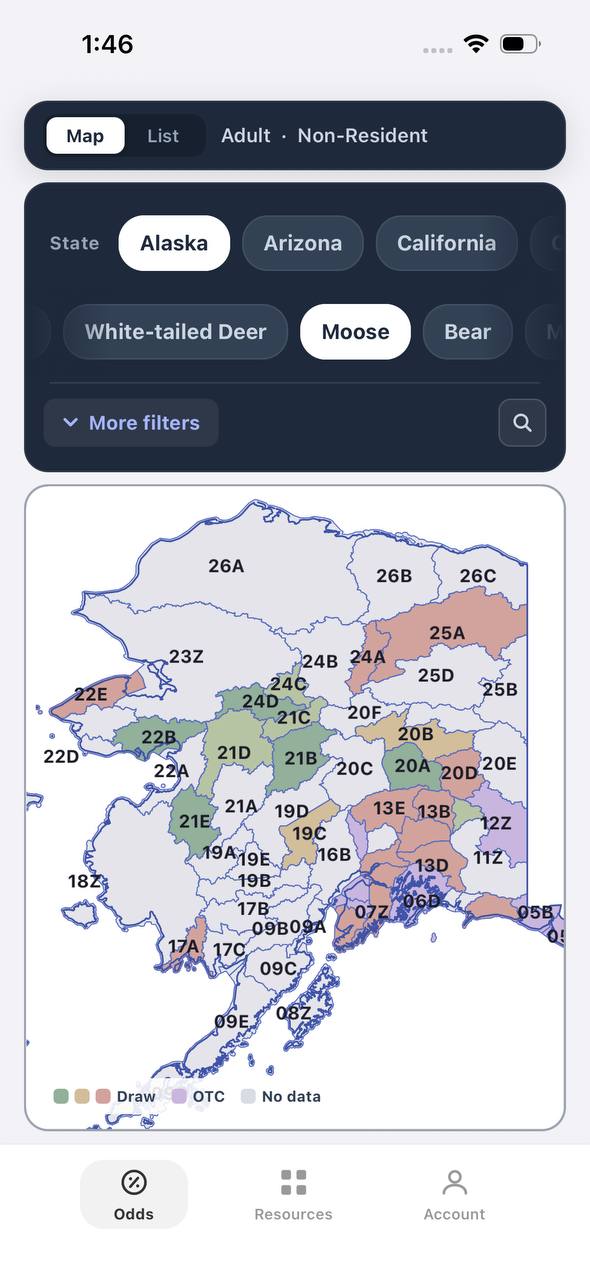
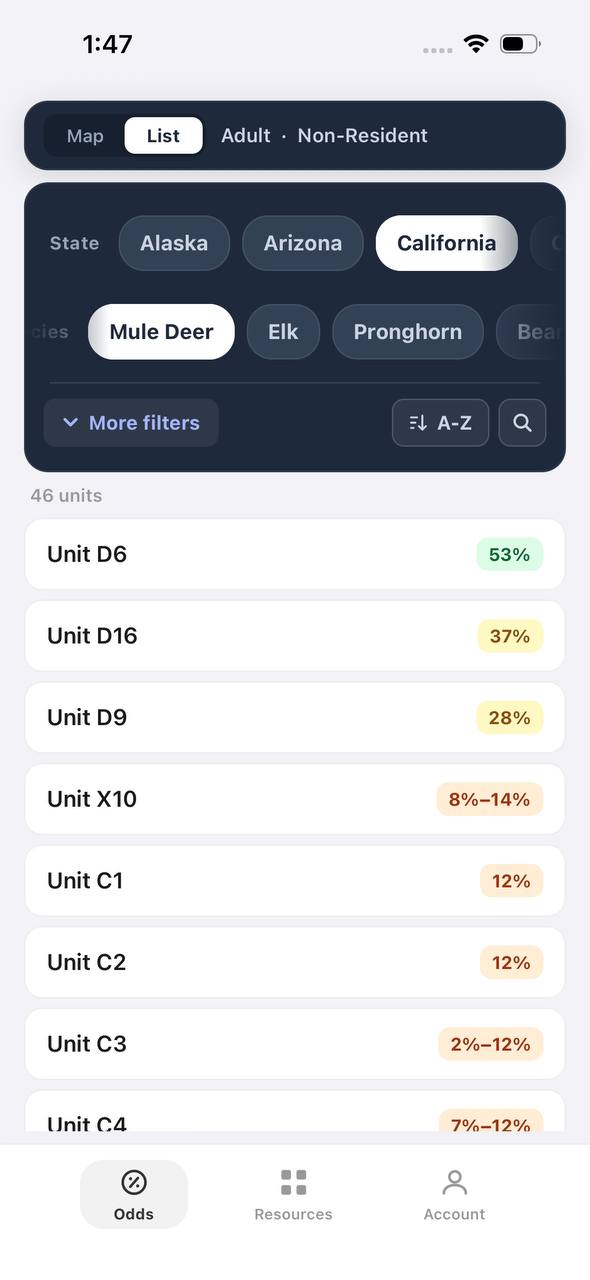
- Detailed draw odds
- Point tracking
- Deadline reminders
- 19 states covered

Free to join
Download mobile app
- Detailed draw odds
- Point tracking
- Deadline reminders
- 19 states covered
Free to join
Download mobile app
- Detailed draw odds
- Point tracking
- Deadline reminders
- 19 states covered
Success Rates and Hunt Quality
Guided grizzly hunts in premier Alaska units and Canadian territories report success rates between 60% and 85% for spring hunts, with fall hunts slightly lower due to denser cover and post-salmon feeding behavior. DIY success rates are harder to quantify but are generally lower, especially for hunters unfamiliar with the specific area. First-time DIY grizzly hunters often spend most of their time learning the landscape rather than hunting effectively. A guided hunt compresses the learning curve and increases the odds of encountering a mature bear. Trophy quality also varies by approach. Guides know where older, larger boars travel and can avoid areas with mostly sows and younger bears. DIY hunters may encounter plenty of grizzlies but lack the experience to distinguish a seven-foot boar from a nine-foot trophy.
Making the Decision
Choose a guided hunt if you are a nonresident, lack extensive grizzly country experience, want higher success odds, or prefer to focus on the hunt rather than logistics. Guided hunts also make sense for hunters pursuing grizzlies as part of a multi-species trip, such as a combo moose and grizzly hunt. Choose a DIY hunt if you are an Alaska resident, have backcountry experience in bear country, are willing to accept lower success rates in exchange for cost savings and independence, and have the time to scout and learn the area over multiple seasons. A hybrid approach exists: some Alaska residents hire transporters for drop-off and pickup but hunt unguided once in the field. This reduces cost while keeping the DIY challenge. Regardless of approach, treat grizzlies with respect. They are not a weekend project. The hunt demands preparation, humility, and a clear understanding of your skill level.
FAQ — Grizzly Bear Hunting
Can nonresidents hunt grizzlies DIY in Alaska?
No, with rare exceptions. Alaska requires nonresidents to hunt grizzlies with a registered guide unless hunting with a close relative who is an Alaska resident and meets specific criteria.
What is the average cost of a guided grizzly hunt?
Guided grizzly hunts in Alaska range from $12,000 to $20,000, while British Columbia and Yukon hunts often exceed $15,000. Prices vary by outfitter, unit, and hunt length.
How physically demanding is a grizzly hunt?
Grizzly hunts range from moderate to extremely demanding depending on terrain and hunt style. Expect steep country, heavy packs, and potentially long meat hauls. Good cardiovascular conditioning and leg strength are essential.
What skills are most important for a DIY grizzly hunt?
Navigation in roadless terrain, bear behavior knowledge, shot placement under pressure, and meat care in the field. Experience backing up wounded bears and handling close encounters is critical.
Is a spring or fall grizzly hunt better?
Spring hunts offer better visibility as bears emerge from dens and feed on avalanche chutes and fresh greens. Fall hunts occur when bears are heavier after salmon season but face denser cover. Success rates are generally higher in spring.
Do I need bear spray or a sidearm on a grizzly hunt?
Most guides and experienced DIY hunters carry a heavy-caliber sidearm or backup rifle as primary bear defense. Bear spray is a secondary option. Never rely solely on spray in grizzly country during a hunt.
Was this article helpful?
Previous
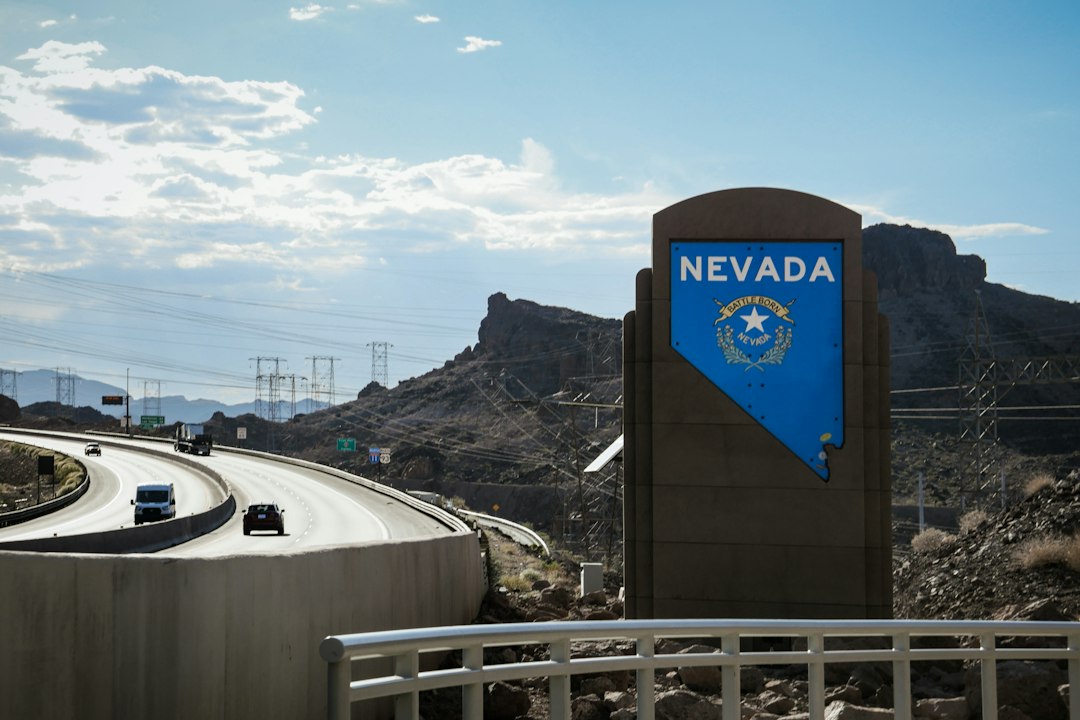
Nevada Big Game Draw Guide 2027: Deadlines, Bonus Points & Application Strategy
Nevada's 2027 big game draw opens in early March with applications due by the first Tuesday in May. Understand bonus points, resident/nonresident odds, and how to maximize your application strategy for elk, deer, pronghorn, and other species.
Related
Florida Bear Hunting Application Guide 2027: How to Apply for the FWC Bear Draw
Florida's bear hunt uses a quota-based lottery system with two drawing periods. Applications open in early June for both resident and nonresident hunters with no preference points.
Next
Wyoming Elk Draw Odds With Three Points: 2027 Analysis
Three preference points give nonresidents realistic odds in 25+ Wyoming elk units for 2027, including quality General tags and select Limited Quota hunts in underrated regions.