Florida Alligator Hunting Costs Explained: Permits, Guides & DIY Breakdown
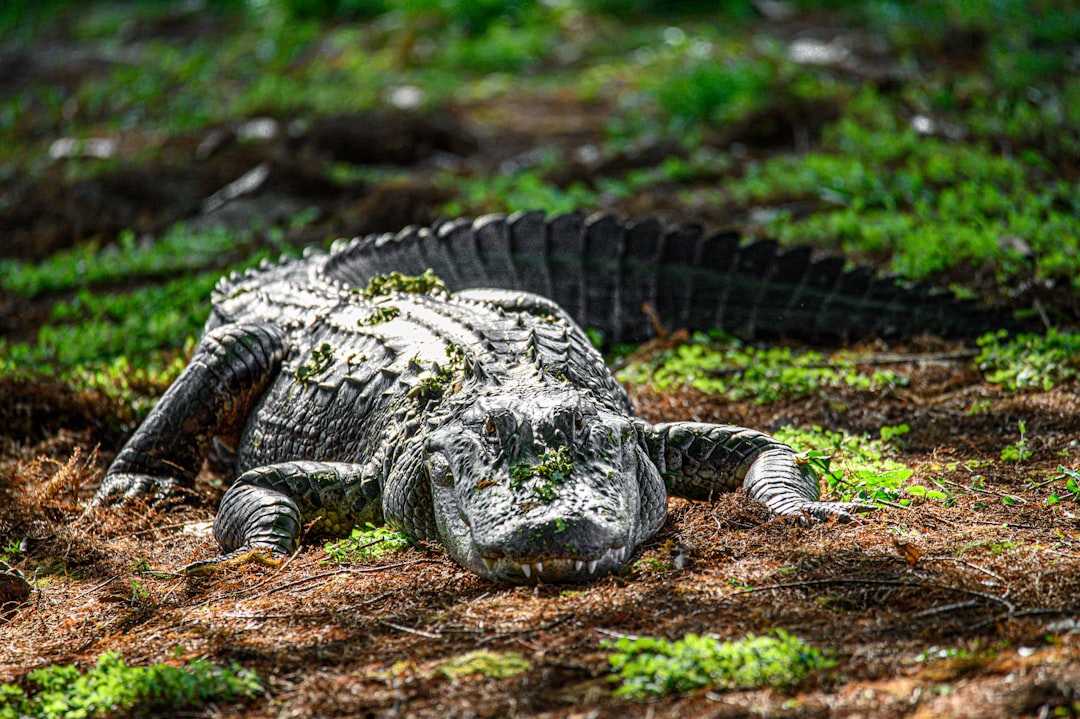
Florida alligator hunting is one of the most unique big-game experiences in North America, but the cost structure is different from western draw hunts. Between permit applications, harvest permits, guide fees, and taxidermy, a successful gator hunt can run anywhere from a few hundred dollars for a DIY public-land setup to several thousand for a fully guided trophy hunt. Understanding these costs upfront helps you budget correctly and decide whether to hunt public water, book a guide, or pursue a private-land alligator.
Permit and license costs
Florida requires an alligator trapping license and a harvest permit drawn through the Statewide Alligator Harvest Program. The application period opens in early July, and drawings occur in mid-August for the harvest season that runs late August through early November.
Resident hunters pay $272 for an alligator trapping license plus the cost of any harvest permits they draw. Each permit allows the harvest of two alligators from a designated management area. Nonresidents pay $1,022 for the same license and permit combination. The application itself costs $10 for residents and nonresidents, but you only pay the full license fee if you draw.
If you draw multiple permits—say for different management areas—you pay the license fee once, then an additional permit fee for each extra area. Most hunters apply for their top three to five areas to maximize draw odds. TAGZ helps you track Florida alligator draw odds by management area, compare harvest success rates, and monitor your application status so you never miss a deadline.
Public land DIY hunt costs
If you draw a permit for public water, the total cost is the permit fee plus minimal gear and prep. Alligator hunting requires a harpoon or snatch hook, heavy line (at least 200-pound test), a bang stick or firearm for dispatch, and often a boat or kayak to navigate marshes and lakes.
Budget $100–$300 for basic gear if you don't already own alligator-specific equipment. Add fuel, ice, and processing if you plan to keep the meat. Most hunters spend $50–$150 on meat processing depending on how much you take. Hides can be salted and frozen for later tanning, which runs $8–$12 per linear foot at a commercial tannery.
Total DIY public-land hunt cost for a Florida resident: $272 permit + $200 gear and prep = roughly $472 before taxidermy. Nonresidents pay $1,022 for the permit, pushing the baseline to around $1,200.
Guided hunt pricing
Guided alligator hunts in Florida typically run $1,500 to $3,500 depending on the outfitter, hunt length, and whether you're targeting a trophy-sized gator. Most guides operate on private ranches or leased water where alligator populations are managed for size and density.
A standard one-night guided hunt costs $1,500–$2,000 and includes the guide, boat, all specialized gear, and field care of the animal. Trophy hunts targeting gators over 10 feet often cost $2,500–$3,500 because larger alligators are harder to locate and require more intensive scouting and setup.
Guided hunts do not include your alligator trapping license or harvest permit. You still need to draw a permit through the state lottery or hunt on a private-land permit issued directly to the landowner. Some outfitters can arrange access to private-land permits for an additional fee, which can add $500–$1,000 to the total package.
When booking a guide, confirm exactly what is included. Most provide all hunting equipment, field dressing, and transport of the alligator to a processor or taxidermist. You are responsible for licenses, permits, tips (typically $200–$300), taxidermy, and travel.
Trophy fees and private land permits
Florida issues private-land alligator harvest permits directly to qualifying landowners. These permits are not part of the public draw and can be sold or transferred. Some outfitters and ranches offer hunts under private-land permits, which means you do not need to enter the state lottery.
Private-land permit hunts often carry a trophy fee based on the size of the alligator harvested. Fees typically start at $500 for gators under 8 feet and increase by $100–$200 per foot for larger animals. A 10-foot alligator might carry a $1,500 trophy fee on top of the base hunt cost. A 12-footer could push $2,500 in trophy fees alone.
If you are serious about a trophy gator and want to avoid the public draw, private-land hunts offer guaranteed access but at a premium. Expect total costs of $3,000–$5,000 for a guided private-land hunt targeting a 10-foot-plus alligator.


Free to join
Download mobile app
- Detailed draw odds
- Point tracking
- Deadline reminders
- 18 states covered





Free to join
Download mobile app
- Detailed draw odds
- Point tracking
- Deadline reminders
- 18 states covered






Free to join
Download mobile app
- Detailed draw odds
- Point tracking
- Deadline reminders
- 18 states covered

Meat processing and taxidermy
Alligator meat is mild, white, and popular in Florida cuisine. Processors charge by the pound or by the gator, typically $75–$150 for full processing into tail fillets, ribs, and sausage. Tail meat is the most prized and yields 10–20 pounds from a mature gator.
Taxidermy is where costs escalate. A shoulder mount (head and front section) runs $500–$800 for an 8-foot gator and increases with size. Full-body mounts cost $100–$150 per linear foot, meaning a 10-foot mount is $1,000–$1,500. Tanned hides without a mount cost $8–$12 per foot plus setup fees.
Skull mounts (European-style bleached skull) are a budget-friendly trophy option at $150–$300 depending on size and whether you want a plaque or driftwood base. Many hunters combine a skull mount with a tanned hide section to display the skin and teeth without the cost of a full body mount.
Plan for $500–$1,500 in taxidermy if you harvest a trophy alligator. Processing and taxidermy are not included in guided hunt packages unless explicitly stated.
Total cost examples
Here are three realistic budget scenarios for Florida alligator hunting:
DIY public-land hunt (Florida resident):
- Application fee: $10
- Alligator trapping license + permit (if drawn): $272
- Gear and prep: $200
- Meat processing: $100
- Skull mount: $200
- Total: $782
Guided hunt on public water (nonresident):
- Application fee: $10
- Alligator trapping license + permit: $1,022
- Guided hunt: $2,000
- Taxidermy shoulder mount: $700
- Tip: $250
- Total: $3,982
Guided trophy hunt on private land (targeting 10+ feet):
- Private-land permit access fee: $750
- Guided hunt base: $2,500
- Trophy fee (10-foot gator): $1,500
- Full-body taxidermy mount: $1,200
- Tip: $300
- Total: $6,250
These examples assume successful harvest. If you draw a permit but do not harvest an alligator, you still pay the license and permit fees.
Hidden costs and planning tips
Beyond the obvious expenses, factor in travel, lodging, and lost work time. Most alligator hunts occur at night, so plan for at least two days if you are traveling from out of state. Budget $100–$200 per night for lodging near your hunt area.
If you harvest a large alligator, transporting the hide and skull home requires coolers, ice, and possibly shipping fees if you fly. Some taxidermists offer to ship finished mounts, which adds $150–$300 depending on size and destination.
Alligator hunting is physically demanding. You will spend hours on the water in heat and humidity, and recovering a large gator requires serious effort. If you are not in good shape or lack experience handling heavy game, a guide is worth the investment for safety and success.
TAGZ helps you plan your Florida alligator hunt by tracking draw odds for each management area, comparing harvest success rates, and setting reminders for application deadlines. You can filter units by public access, historical draw odds, and gator density to maximize your chances of drawing a high-quality area. Whether you are applying for your first permit or managing multiple states, TAGZ keeps your preference points, bonus points, and deadlines organized in one place.
FAQ — Florida Alligator Hunting Costs
How much does a Florida alligator permit cost? Florida residents pay $272 for an alligator trapping license and one harvest permit. Nonresidents pay $1,022. The $10 application fee is separate and non-refundable.
Do I need a guide to hunt alligators in Florida? No. If you draw a public-water permit, you can hunt DIY. Guides are optional but provide expertise, equipment, and access to private land or prime public areas.
What is the average cost of a guided alligator hunt? Guided hunts range from $1,500 for a basic one-night trip to $3,500+ for trophy hunts on private land targeting large gators. Trophy fees and taxidermy are additional.
How much does alligator taxidermy cost? Shoulder mounts cost $500–$800 for an 8-foot gator. Full-body mounts run $100–$150 per linear foot. A 10-foot mount costs $1,000–$1,500. Skull mounts are $150–$300.
Can nonresidents hunt alligators in Florida? Yes. Nonresidents can apply for the public draw or book private-land hunts. The license and permit cost $1,022 compared to $272 for residents.
Is alligator meat worth processing? Yes. Tail meat is white, mild, and yields 10–20 pounds from a mature gator. Processing costs $75–$150 and many hunters consider it a highlight of the hunt.
Continue planning your hunt
Florida alligator hunting is a bucket-list experience, but success depends on preparation and smart budgeting. Whether you are applying for your first public-land permit or booking a guided trophy hunt, understanding the full cost breakdown helps you plan the hunt that fits your goals and budget.
TAGZ simplifies the entire process by tracking Florida alligator draw odds, comparing management areas, and keeping your application deadlines organized. Filter units by harvest success, public access, and historical draw data to identify the areas that give you the best shot at a permit. Track your preference points and bonus points across multiple states so you never miss a draw window.
Ready to start planning your Florida alligator hunt? Explore draw odds, compare units, and set application reminders at TAGZ. Check out the full library of hunting insights at TAGZ Blogs for more species-specific guides and hunt-planning strategies. For details on membership features, visit Pricing or explore the platform at TAGZ Product.
Was this article helpful?
Previous
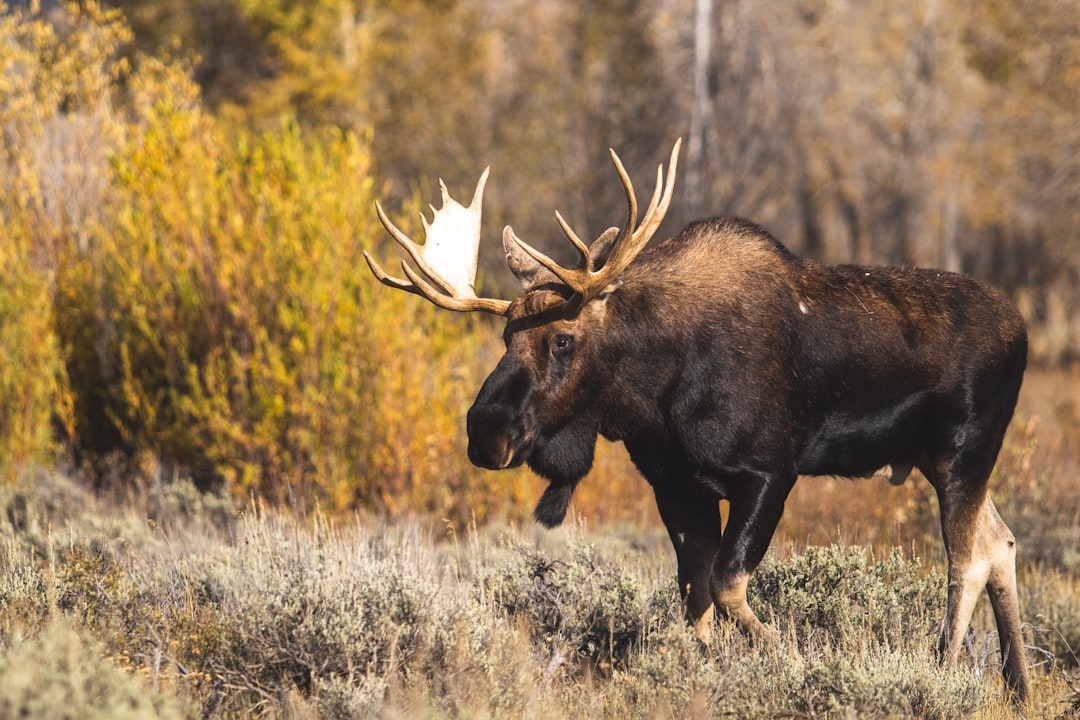
Best Moose Rifles: Calibers, Actions, and Setups That Anchor Bulls
Moose hunting demands rifles capable of delivering heavy bullets with deep penetration through dense muscle and bone. This guide covers proven calibers, optimal bullet weights, and rifle configurations that reliably drop bulls in thick timber and open tundra.
Related
Florida Alligator Hunting Costs Explained: Permits, Guides, and Budget Planning
Florida alligator hunting costs range from $300 for a DIY public-land hunt to $3,000+ for a guided trophy hunt. Learn what you'll pay for permits, licenses, guides, gear, and processing to plan your budget accurately.
Next
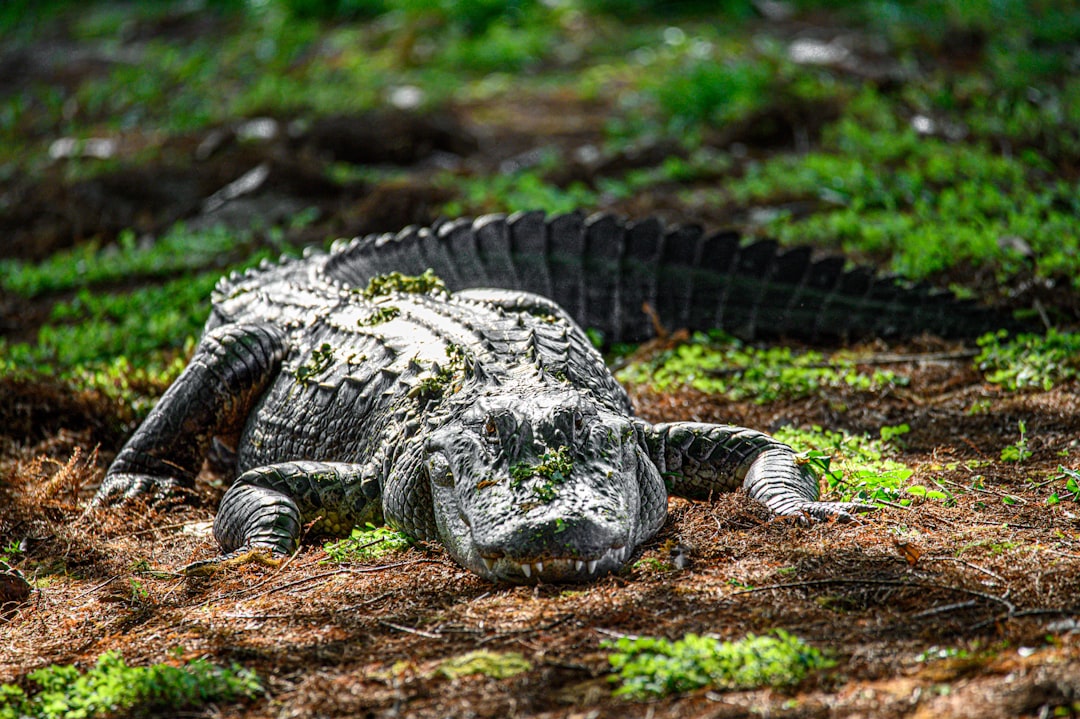
Best Survival Kits for Western Big-Game Hunters in 2025
Backcountry hunts demand reliable survival gear. From ultralight day-hunt kits to multi-day emergency setups, we break down the essential components and top pre-built options that keep Western hunters safe when plans fall apart.