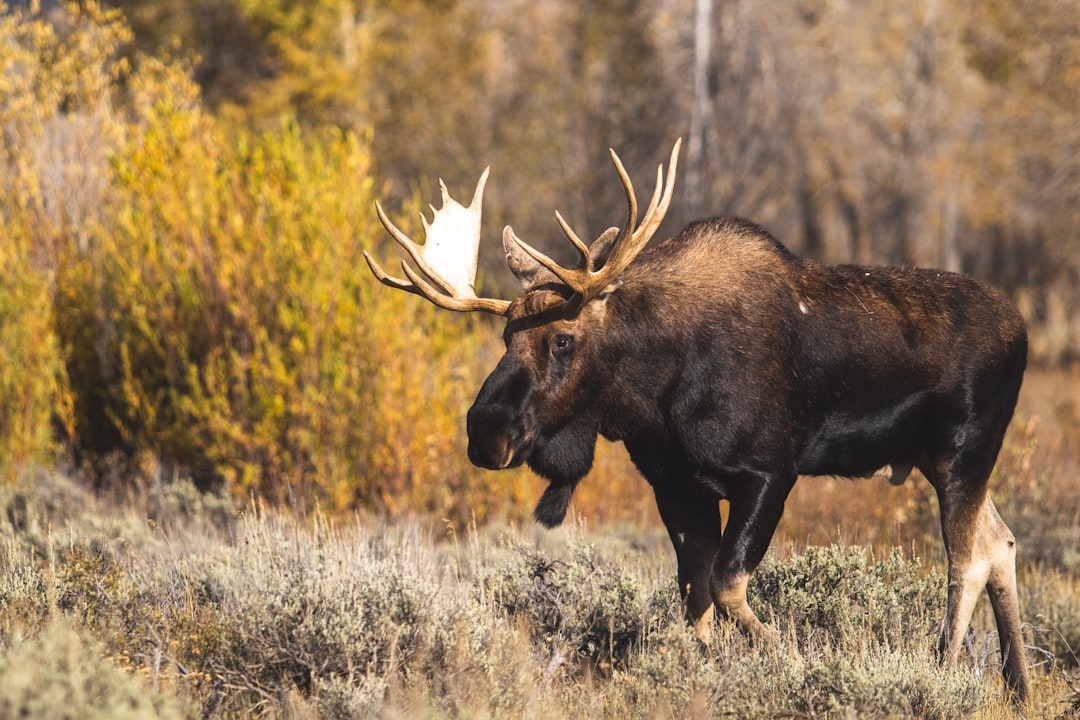
Florida Alligator Hunting Costs Explained: Permits, Guides, and Budget Planning
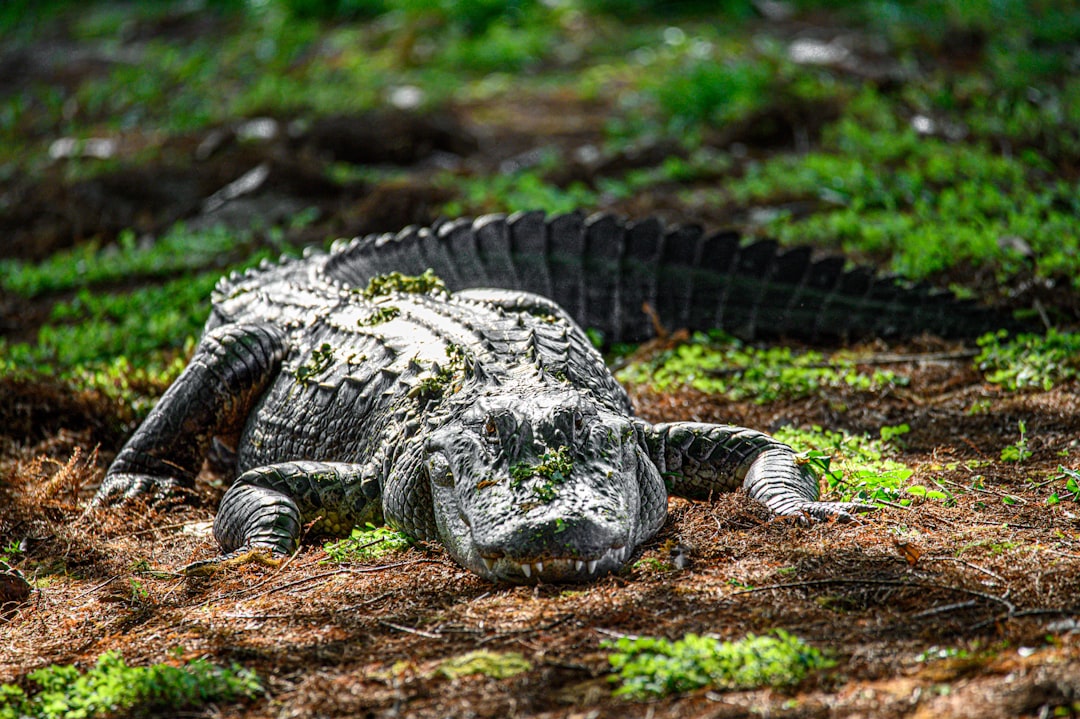
Florida alligator hunting costs vary widely depending on whether you go DIY on public land or book a guided hunt. A resident can hunt public waters for under $300 total if they draw a permit and already own basic gear. A nonresident booking a private-land guided hunt should budget $2,000 to $4,000 when factoring in permits, guide fees, lodging, and taxidermy. Understanding the cost structure before you apply helps you decide which route fits your wallet and hunting style.
Alligator Harvest Permits and Licenses
Florida Fish and Wildlife Conservation Commission (FWC) issues alligator trapper licenses and harvest permits through a lottery draw system. The application period typically runs in early summer, with permits allocated by designated harvest area. Florida residents pay a $272 alligator trapper license fee plus $52 per permit. Nonresidents pay $1,022 for the trapper license and $102 per permit. Each permit allows harvest of two alligators during the season, which runs late August through early November.
Public-land permits are limited and competitive. Private-land permits allow landowners or their designees to harvest gators on qualifying private property. Many guides operate under private-land permits, so when you book a guided hunt, you are hunting under the outfitter's permit allocation. You still need a valid Florida hunting license and alligator trapper license, but the guide handles permit logistics.
Guided Hunt Costs
Guided alligator hunts in Florida cost $1,500 to $3,500 per hunter for a multi-day package. Most outfitters include boat, bait, harpoons, and guide expertise. You provide your own firearm or bangstick for dispatch. Trophy hunts targeting 10-foot-plus gators on private ranches or controlled lakes command premium pricing, often $3,000 to $4,000. Budget hunts on less-pressured public waters or canal systems run closer to $1,500 for a two-night package.
Many guides offer meat and hide processing as an add-on. Processing fees range from $3 to $5 per foot of alligator. A nine-foot gator yields roughly 40 pounds of meat and costs $200 to $300 to process. Hide tanning for a full-body shoulder mount or rug runs $600 to $1,200 depending on size and tannery. Factor these costs into your total budget if you plan to keep meat and mount your harvest.
DIY Public-Land Hunt Costs
Drawing a public-land alligator permit lets you hunt designated state management areas without hiring a guide. Florida residents hunting DIY should budget $350 to $600 total for the season. That includes the $272 trapper license, $52 permit, hunting license if not already held, and basic gear. Nonresidents face steeper upfront costs with the $1,022 trapper license and $102 permit, bringing DIY costs to $1,200 before gear and travel.
Public-land hunters need a boat or kayak to access most productive zones. Airboats work best in shallow marshes, but a johnboat or canoe suffices on deeper lakes and canals. Renting a small boat costs $100 to $200 per day in most areas. Harpoons with attached lines, bangsticks or firearms for dispatch, heavy gloves, and a headlamp are essential. Expect to spend $200 to $400 on specialty gator gear if starting from scratch.
Gear and Equipment Expenses
Alligator hunting requires specialized equipment beyond standard hunting rifles. Harpoons with breakaway tips and 200-pound-test line cost $50 to $150. Bangsticks, which deliver a shotgun shell on contact, run $75 to $200. Many hunters prefer a .22 or 9mm pistol for final dispatch, targeting the kill spot behind the skull. Heavy-duty fishing reels, gaffs, and ropes for securing the gator once subdued add another $100 to $200.
A quality headlamp or spotlight is mandatory for nighttime hunting when gators are most active. Rechargeable LED spotlights with 1,000+ lumen output cost $50 to $150. Chest waders or neoprene gloves protect against teeth and tail strikes during retrieval. Budget $100 to $200 for protective clothing if you do not already own swamp-worthy gear. Total gear investment for a first-time gator hunter ranges $400 to $800 depending on quality and whether you buy or borrow a boat.


Free to join
Download mobile app
- Detailed draw odds
- Point tracking
- Deadline reminders
- 18 states covered





Free to join
Download mobile app
- Detailed draw odds
- Point tracking
- Deadline reminders
- 18 states covered






Free to join
Download mobile app
- Detailed draw odds
- Point tracking
- Deadline reminders
- 18 states covered

Taxidermy and Processing Costs
Full-body shoulder mounts for trophy gators cost $100 to $200 per foot. A 10-foot gator runs $1,000 to $2,000 for taxidermy. Skull mounts or European-style skull and jaw displays cost $300 to $600. Tanned hides suitable for belts, boots, or wall rugs run $50 to $100 per foot, making a nine-footer $450 to $900 for hide work alone. Meat processing adds $3 to $5 per foot, yielding tail meat, ribs, and jowl cuts that taste similar to chicken or fish depending on preparation.
Many hunters choose to process meat themselves to save costs. Gator tail is the prime cut, yielding tender white meat ideal for frying or grilling. Ribs and leg meat require slow cooking but provide good yield. Home processing requires a sharp fillet knife, cutting board, and cooler. Shipping frozen meat costs $100 to $200 via FedEx if you are flying home. Plan your harvest logistics before the hunt to avoid spoilage or wasted meat.
Travel and Lodging Expenses
Nonresident hunters should budget $500 to $1,500 for travel and lodging depending on hunt duration and distance. Flights to Orlando, Tampa, or Fort Lauderdale followed by a rental car run $300 to $800 roundtrip from most U.S. cities. Central Florida hotspots like Lake Kissimmee and Lake Okeechobee are within two hours of major airports. Budget motels near launch ramps cost $60 to $100 per night. Airbnb cabins near prime gator zones run $100 to $200 per night for groups splitting costs.
Guided hunts often include lodging or camping accommodations. Confirm what is covered in your package before booking separate hotels. DIY hunters camping on public land save lodging costs but need permits for overnight stays in state parks or wildlife management areas. Camping fees range $10 to $30 per night. Plan for fuel costs if trailering a boat or driving between hunt zones across the state.
Hidden Costs and Budget Surprises
Many first-time gator hunters underestimate processing and taxidermy timelines. Reputable tanneries and taxidermists book months in advance during peak season. Confirm availability and pricing before your hunt to avoid rush fees or disappointment. Some processors charge extra for hide salting or freezer storage if you cannot pick up immediately after harvest. Clarify all fees upfront.
Nonresidents sometimes overlook Florida's separate hunting license requirement in addition to the alligator trapper license. A nonresident hunting license costs $151.50 for a 10-day permit or $286.50 for an annual license. Factor this into your total if you do not already hold one. Boat launch fees, parking permits, and fuel for multi-day hunts add another $50 to $150 depending on location. Budget conservatively to avoid mid-hunt cash shortages.
Is Florida Alligator Hunting Worth the Cost?
Alligator hunting delivers a unique experience unlike any other big-game pursuit. The adrenaline of hooking a 10-foot reptile in pitch darkness, the skill required for a clean harvest, and the quality of tail meat make it a bucket-list hunt for many. Guided hunts offer high success rates and expert instruction, justifying the $2,000 to $3,500 price tag for hunters prioritizing trophy quality and convenience. DIY public-land hunts cost significantly less but require extensive pre-season scouting, boat access, and comfort navigating Florida's swamps at night.
Whether you book a guide or go DIY, factor in processing, taxidermy, and travel when calculating total costs. A $1,500 guided hunt becomes a $2,500 trip after lodging, processing, and hide tanning. A $300 DIY permit hunt climbs to $800 after gear, boat rental, and fuel. Set a realistic budget based on your priorities — meat, trophy, or experience — and choose the hunt style that fits.
FAQ — Florida Alligator Hunting Costs
How much does a Florida alligator permit cost for nonresidents? Nonresidents pay $1,022 for the alligator trapper license and $102 per permit, totaling $1,124 for one permit allowing two gators. Add $151.50 for a 10-day hunting license if you do not already hold one.
Do guided alligator hunts include permits and licenses? Most guides operate under private-land permits, so you hunt under their allocation. You still pay for your own alligator trapper license and Florida hunting license. Confirm what is included in the package before booking.
Can you make money selling alligator meat and hides? Florida law allows sale of legally harvested alligator products, but profit margins are slim after processing and tanning costs. Commercial trappers operate at scale to turn profit. Recreational hunters typically keep meat and hides for personal use or taxidermy.
What is the average cost to mount a trophy alligator? Full-body shoulder mounts cost $100 to $200 per foot. A 10-foot gator runs $1,000 to $2,000 for taxidermy. Skull mounts or hide rugs cost $300 to $900 depending on size and tannery.
How much does alligator meat processing cost? Processors charge $3 to $5 per foot. A nine-foot gator yields roughly 40 pounds of meat and costs $200 to $300 to process. Many hunters process tail meat themselves to save costs.
Is it cheaper to hunt alligators DIY or book a guide? DIY public-land hunts cost $300 to $600 for residents after permits, licenses, and basic gear. Guided hunts run $1,500 to $3,500 but include expertise, equipment, and higher success rates. Nonresidents pay steep license fees that narrow the DIY cost advantage.
Continue Planning Your Hunt
Florida alligator hunting requires careful budgeting beyond just the permit fee. Whether you are comparing DIY public-land costs against guided hunts or planning for taxidermy and processing, understanding the full expense breakdown helps you make smarter decisions. TAGZ helps hunters track application deadlines, compare draw odds across states, and plan hunts using terrain maps and unit breakdowns. If you are expanding beyond gators to western big-game draws, TAGZ tracks your preference points and bonus points across multiple states so you never miss a deadline. Explore the TAGZ platform to filter hunts by weapon, season, and species, or browse the Insights blog for more hunt planning strategies.
Was this article helpful?
Previous
Florida Alligator Hunting Costs Explained: Permits, Guides & DIY Breakdown
Florida alligator hunting costs range from $272 for a DIY resident hunt to $2,500+ for guided trophy hunts. Permits, meat processing, and taxidermy add up fast—here's what to budget before you apply.
Related
Digital Scouting for Mule Deer: How to Find Big Bucks Before You Ever Leave Home
Digital scouting lets you pinpoint mule deer bedding areas, feeding zones, and travel corridors using satellite imagery and topographic maps before you ever set foot in the field. Master these tools and you will cut days off your learning curve while focusing your boots-on-the-ground time where it actually matters.
Next
Best Moose Rifles: Calibers, Actions, and Setups That Anchor Bulls
Moose hunting demands rifles capable of delivering heavy bullets with deep penetration through dense muscle and bone. This guide covers proven calibers, optimal bullet weights, and rifle configurations that reliably drop bulls in thick timber and open tundra.