Finding Rams: How to Scout, Glass, and Hunt Bighorn Sheep
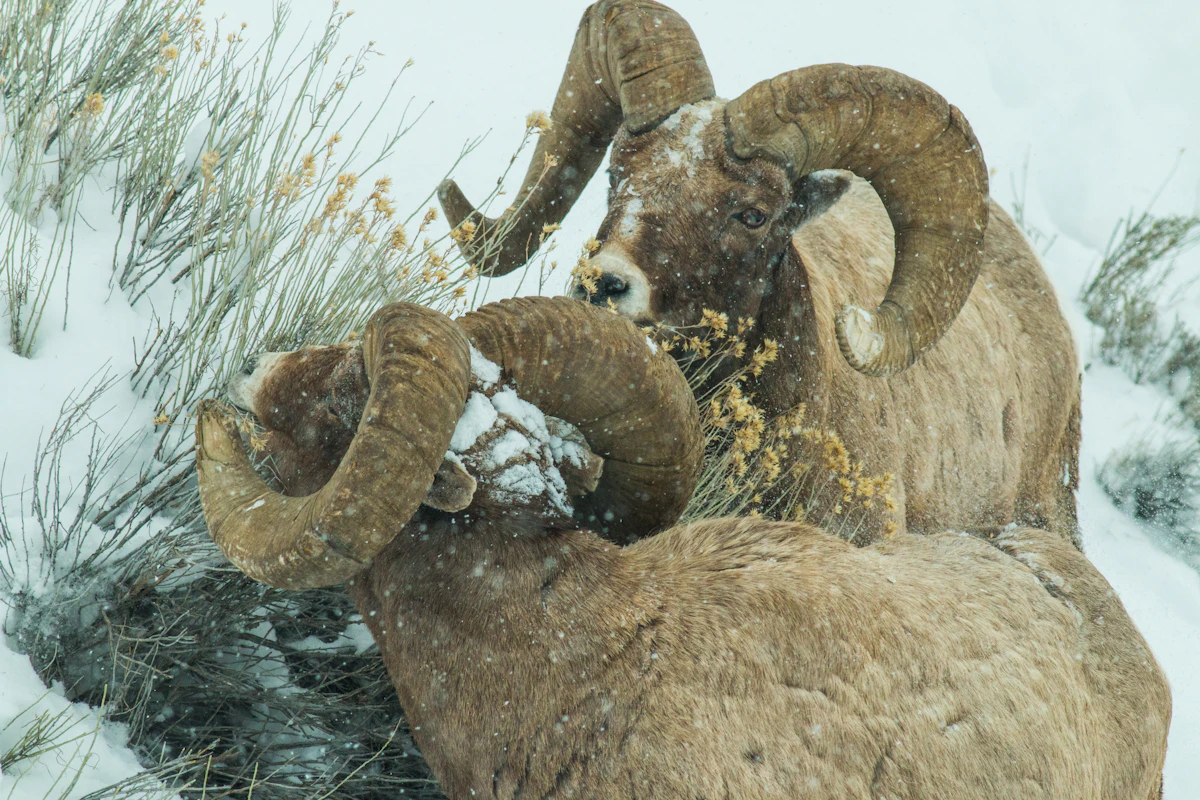
Finding bighorn rams is the single biggest challenge in sheep hunting. You can draw a once-in-a-lifetime tag, hire the best outfitter, and pack premium gear, but if you cannot locate rams in vast alpine terrain, none of it matters. Successful sheep hunters spend 80 percent of their time behind optics, systematically scanning basins, ridges, and rock faces where rams feed, bed, and travel.
Start High and Glass Early
The most effective way to find rams is to climb above sheep country and glass downward at first light. Bighorns move most actively during the first two hours after sunrise and the last two hours before dark. Position yourself on a ridge or saddle that overlooks multiple basins, set up a spotting scope on a tripod, and methodically grid-search the terrain below.
Glass slowly. Spend 30 seconds on each section before moving your scope. Rams blend into rock and shadow, and you will miss sheep if you scan too quickly. Look for horizontal lines in vertical terrain, white rump patches, and the telltale curve of horns silhouetted against skyline.
Focus on South-Facing Slopes and Rocky Outcrops
Bighorn sheep prefer open, rocky terrain with escape routes and visibility. During early fall, rams feed on south-facing slopes where grasses remain green longer. As snow begins to accumulate, they transition to windblown ridges and cliff bands where forage stays exposed.
Look for sheep near:
- Rocky outcrops with ledges and benches
- Steep talus slopes adjacent to alpine meadows
- Saddles and ridgelines with 360-degree visibility
- Cliffs above water sources
- Areas with scattered alpine vegetation and gravel
Rams often bed in the same basins year after year. If you spot sheep in a specific location during scouting, mark the coordinates and plan your approach for opening day.
Use Optics That Match the Terrain
Quality optics are non-negotiable for finding rams. Bring binoculars in the 10x42 or 12x50 range for scanning large areas, and a spotting scope in the 20-60x range for judging horns and confirming legal rams. A tripod is essential. Handheld glassing causes eye fatigue and makes it nearly impossible to pick out bedded sheep in broken terrain.
Glass in a pattern. Start at the bottom of a basin and work upward, then shift laterally and repeat. Cover every rock pile, bench, and draw. Rams bed in the strangest places, and you will often find them where terrain features create micro-habitats invisible from a distance.
Scout During the Pre-Season
If your hunt allows pre-season scouting, use it. Rams establish summer ranges in high alpine basins and stay relatively predictable until the rut begins in late November. Most sheep seasons open in August or September when rams are still grouped in bachelor bands and feeding aggressively.
During scouting trips:
- Identify bedding areas and feeding zones
- Mark water sources and travel corridors
- Note escape terrain and prevailing wind patterns
- Photograph rams to assess horn size and age class
- Record GPS waypoints for glassing locations
Pre-season scouting is legal in most states, but verify regulations before entering the unit. Some areas restrict access during specific dates to minimize disturbance.
Free to join
Download mobile app
- Detailed draw odds
- Point tracking
- Deadline reminders
- 18 states covered

Free to join
Download mobile app
- Detailed draw odds
- Point tracking
- Deadline reminders
- 18 states covered

Free to join
Download mobile app
- Detailed draw odds
- Point tracking
- Deadline reminders
- 18 states covered

Understand Seasonal Movement Patterns
Bighorn rams move in response to weather, food availability, and breeding activity. In August and early September, bachelor groups occupy high alpine basins above treeline. As temperatures drop and snow begins to fall, rams gradually descend to lower elevations where forage remains accessible.
During the rut, which typically peaks in November and December, mature rams leave bachelor groups and seek out ewe bands. This scatters rams across the landscape and makes them harder to pattern. If you draw a late-season tag, expect to cover more ground and glass more country than early-season hunters.
In desert sheep units, water becomes the primary limiting factor. Rams concentrate near permanent springs and seeps, especially during hot, dry conditions. Scout water sources during midday when sheep are most likely to drink.
Watch for Behavioral Cues
When you spot a ram, observe its behavior. Feeding sheep move steadily and keep their heads down. Bedded sheep lie in the shade with their heads up, constantly scanning for predators. If a ram stands and stares in one direction, follow its gaze. Sheep often watch each other, and one visible ram may lead you to an entire group.
Pay attention to terrain features that attract sheep. Rocky benches with sparse vegetation often hold bedded rams during midday heat. Grassy slopes near escape terrain provide ideal feeding zones at dawn and dusk. Cliffs and talus fields offer security and thermal cover.
Use TAGZ to Research Sheep Units Before You Apply
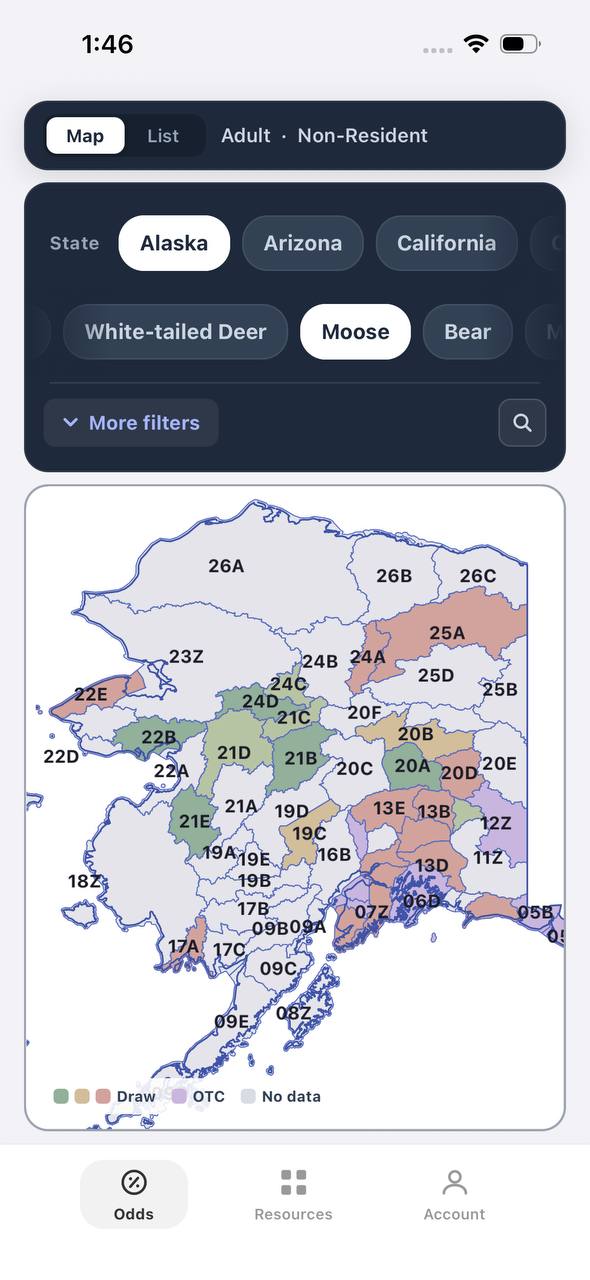
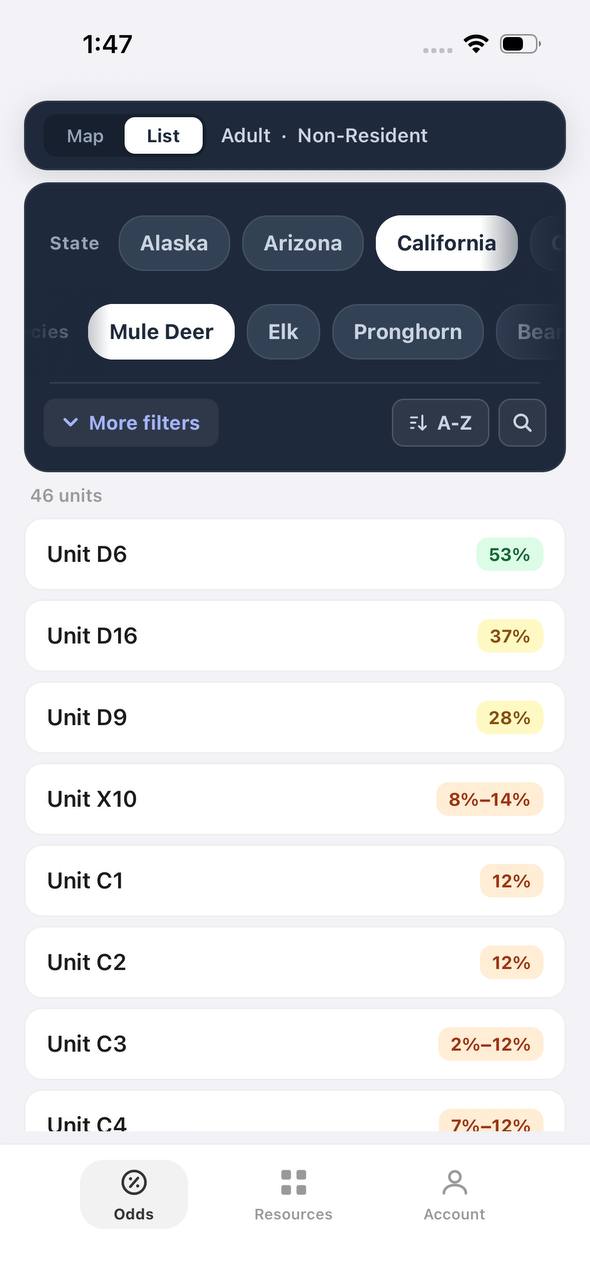
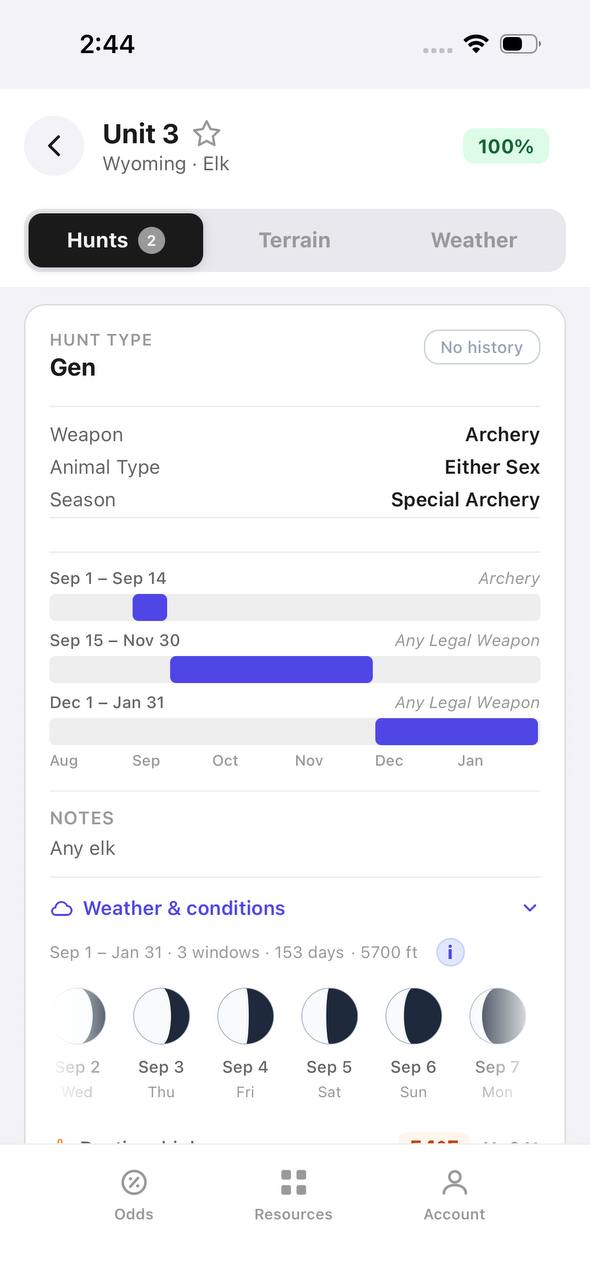
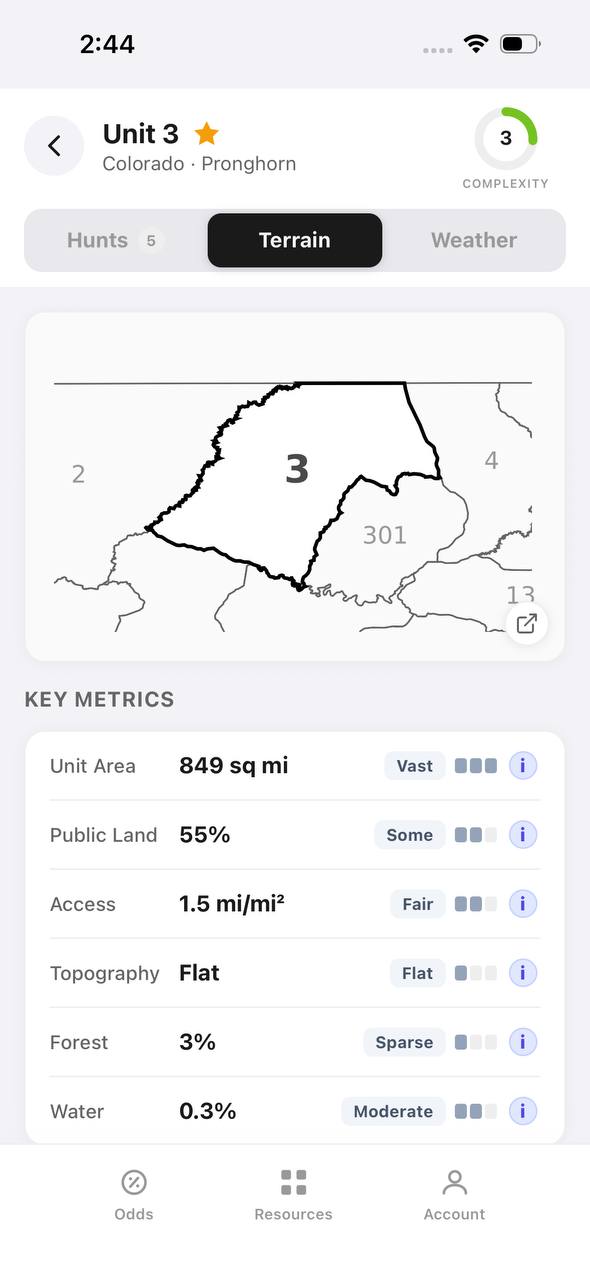
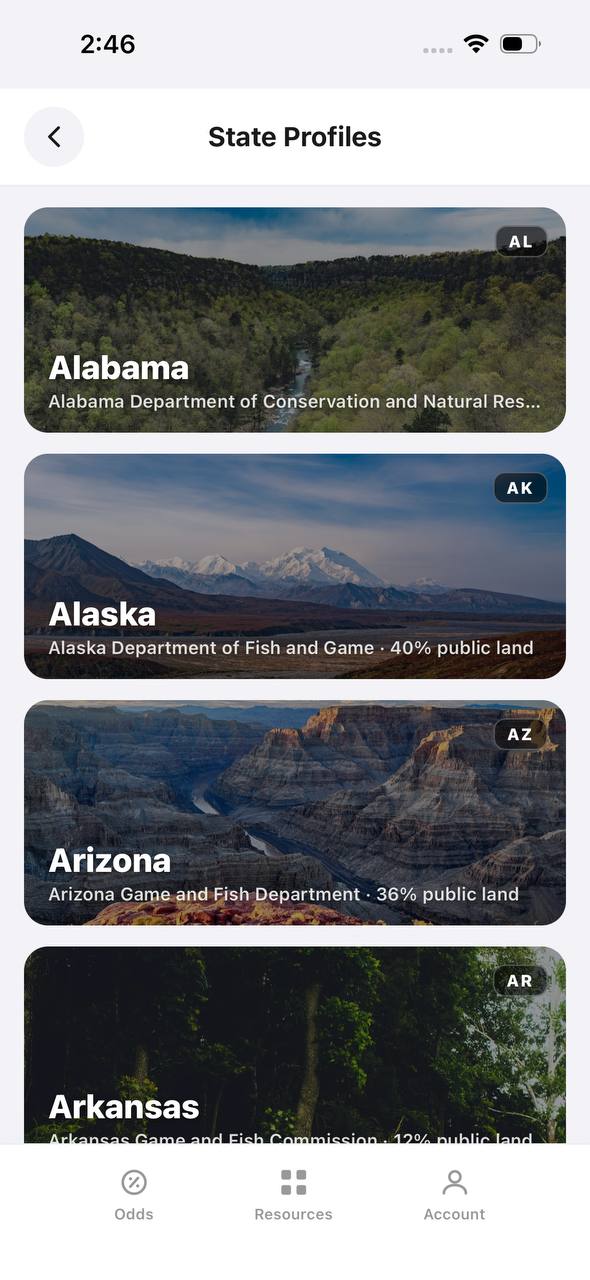
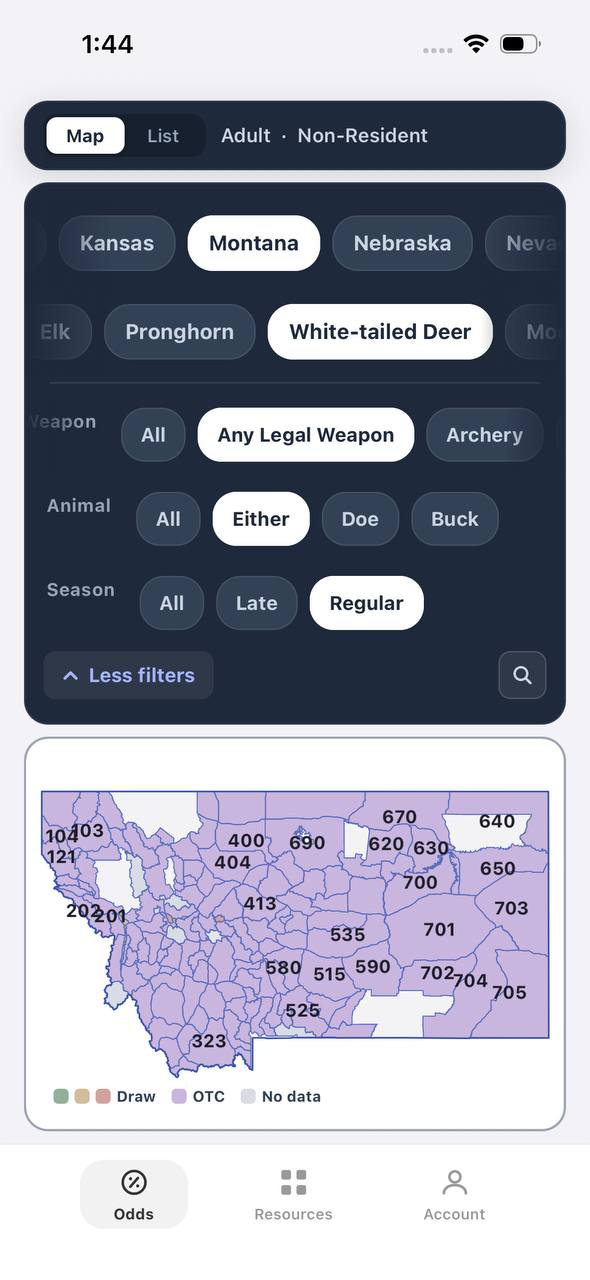
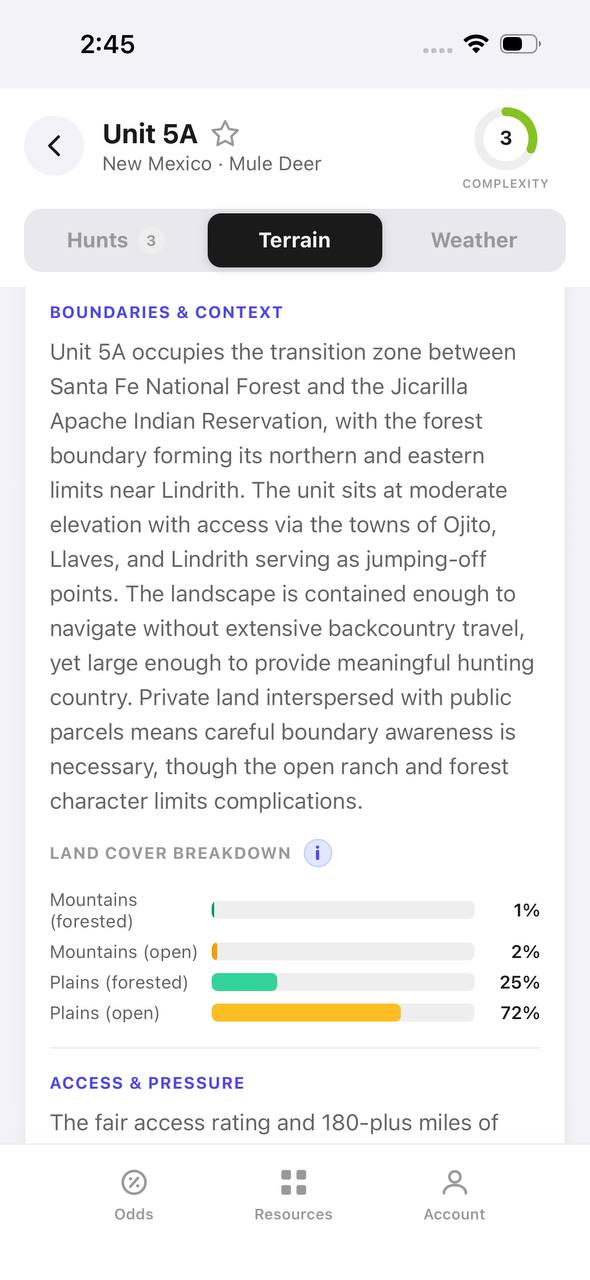
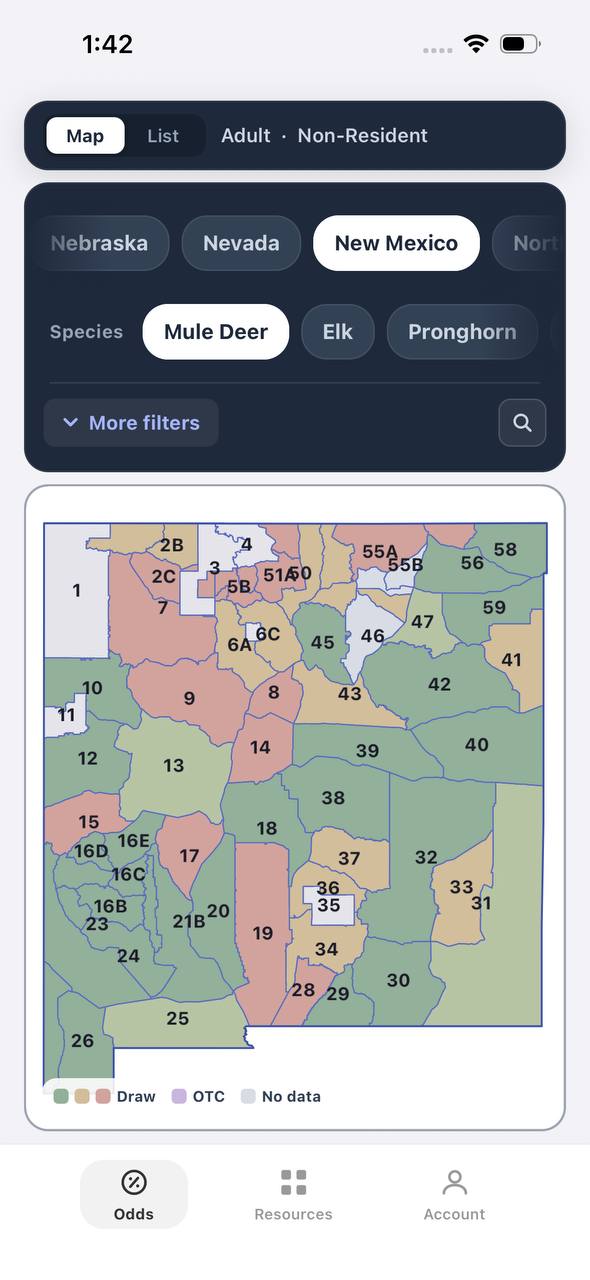
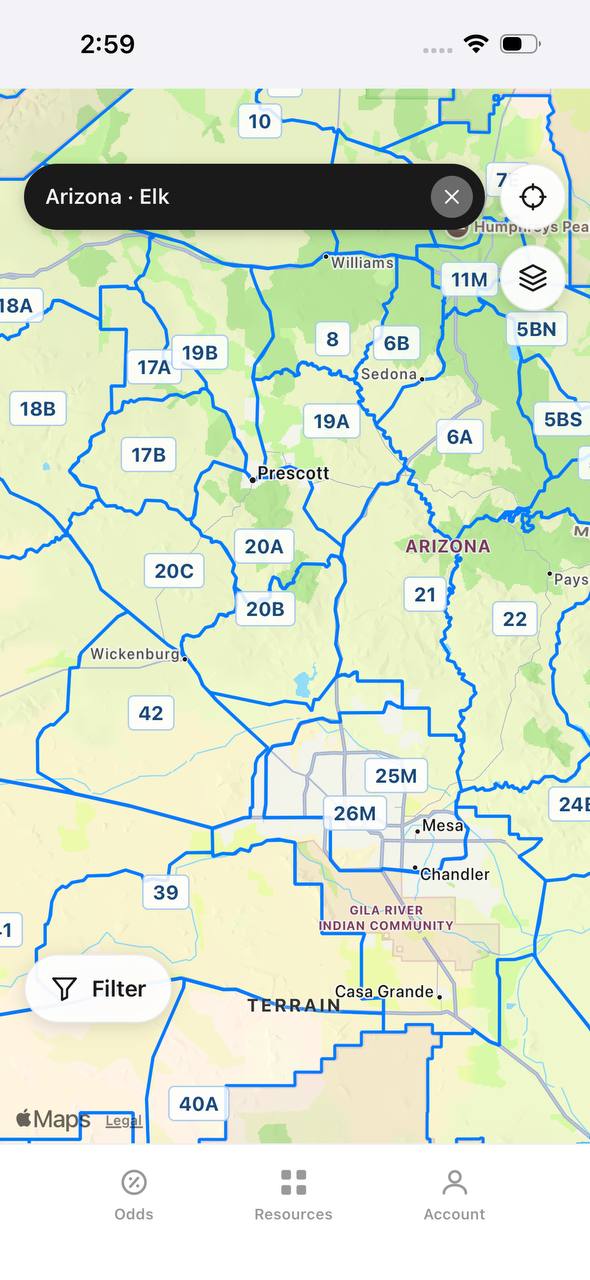
Finding rams starts long before your hunt. TAGZ helps you compare bighorn sheep units across multiple states using terrain maps, unit boundaries, and historical draw data. Filter units by weapon type, season dates, and draw odds to identify hunts that match your preference point totals and hunting style.
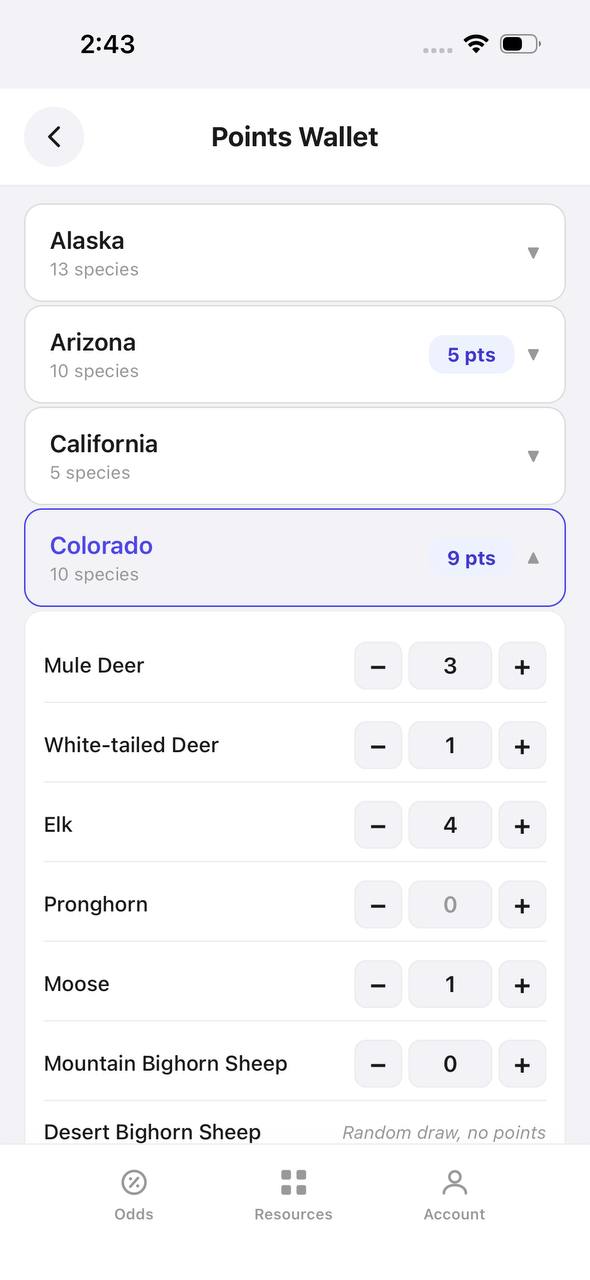
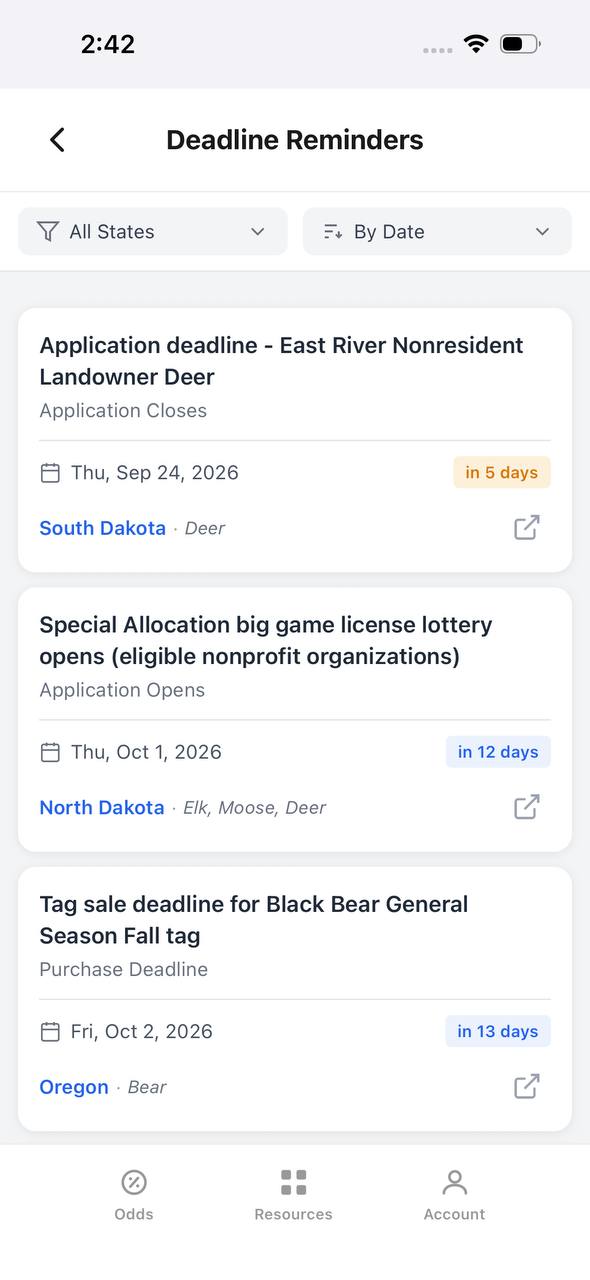
Track your preference points and bonus points in one dashboard so you know exactly when you are competitive for premium sheep tags. TAGZ shows you which units produce mature rams, where public land access is best, and how terrain breaks down across different hunt areas. Whether you are planning a Rocky Mountain bighorn hunt in Montana or a desert sheep hunt in Nevada, TAGZ gives you the research tools to make smarter application decisions before you ever step into the field.
Plan Multiple Glassing Locations
Never rely on a single vantage point. Weather, lighting, and sheep movement mean that the best glassing spot one day may be useless the next. Scout at least three to five glassing locations during pre-season trips, and have backup plans for different wind directions and weather conditions.
If you glass a basin for two consecutive mornings without spotting sheep, move to a different area. Rams travel farther than most hunters expect, and they may be feeding in adjacent drainages or basins several miles away.
Stay Patient and Persistent
Finding rams takes time. Even in units with healthy sheep populations, you may glass for hours or days before spotting legal rams. Bring a camp chair, extra layers, and enough food and water to spend full days behind optics. The hunter who stays disciplined and glasses longer usually wins.
When you finally locate a ram, resist the urge to rush the stalk. Study the terrain, plan an approach that uses wind and topography to your advantage, and wait for the ram to bed or move into a stalkable position. Sheep have exceptional eyesight and will spot movement from over a mile away.
FAQ — Finding Bighorn Rams
What time of day are bighorn rams most active?
Rams feed most actively during the first two hours after sunrise and the last two hours before sunset. Midday is spent bedded in shaded areas near escape terrain.
How far can bighorn sheep see a hunter?
Bighorn sheep can detect movement from over a mile away in open terrain. Their eyesight is their primary defense mechanism, which is why glassing from a distance and planning careful stalks is critical.
Do bighorn rams stay in the same area year after year?
Yes, rams typically use the same summer and winter ranges annually. Bachelor groups return to familiar alpine basins during late summer and early fall, making pre-season scouting highly effective.
What optics do I need for sheep hunting?
Bring quality binoculars in the 10x42 or 12x50 range and a spotting scope in the 20-60x range. A stable tripod is essential for long glassing sessions in alpine terrain.
Can I find rams without pre-season scouting?
Yes, but it is much harder. Hunters who scout before the season have a significant advantage because they know where rams are feeding, bedding, and traveling. If you cannot scout, focus on glassing high-quality habitat near escape terrain.
How do I tell a legal ram from a distance?
Most states require rams to have full-curl horns or horns that reach a specific length. Use a spotting scope to examine horn curl, brooming, and mass. When in doubt, get closer or consult with your guide before shooting.
Continue Planning Your Hunt
Once you have located rams and planned your approach, the next step is making sure you are applying for the right tags in the right states. TAGZ helps you compare sheep units side by side using terrain maps, unit boundaries, and historical draw data. Track your preference points across multiple states so you never miss a draw deadline, and filter hunts by weapon, season, and species to find opportunities that match your experience level.
Whether you are planning your first sheep hunt or chasing a grand slam, explore TAGZ Insights for more in-depth articles on draw strategy, unit research, and hunt planning. Ready to start building your application strategy? Check out pricing and see how TAGZ simplifies western hunting applications from research through the hunt itself.
Was this article helpful?
Previous
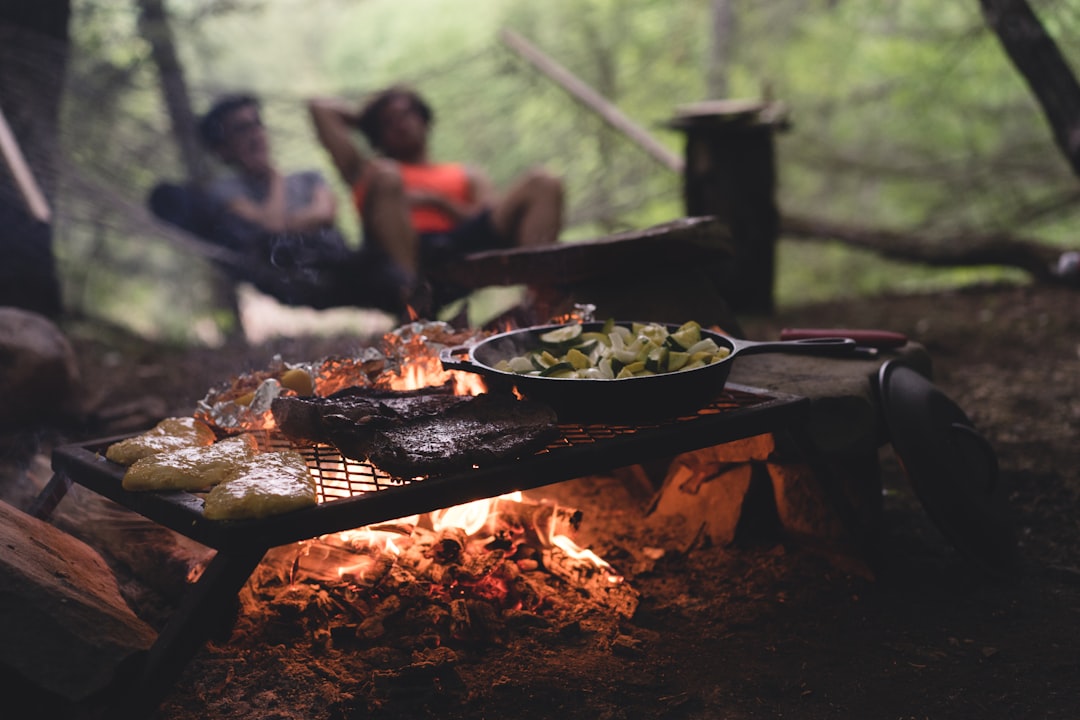
Best Camp Stoves for Western Hunting Camps in 2025
The right camp stove can make or break a backcountry hunt. We break down the best options for car camping, spike camps, and ultralight backpack hunts — from canister stoves to multi-fuel systems that work in freezing temps and high elevation.
Related
Best Tires for Hunting Side-by-Sides: Terrain-Tested Picks for Backcountry Access
The right UTV tires determine whether you reach elk camp or get stuck two miles short. We break down the best hunting side-by-side tires for rocky terrain, mud, snow, and mixed conditions based on real backcountry performance.

Next
Spot and Stalk Mule Deer: A Complete Guide to Western Hunting's Greatest Challenge
Spot and stalk mule deer hunting demands glassing skill, terrain reading, and stalking patience. This guide covers setup, approach tactics, and common mistakes that cost hunters mature bucks in open country.