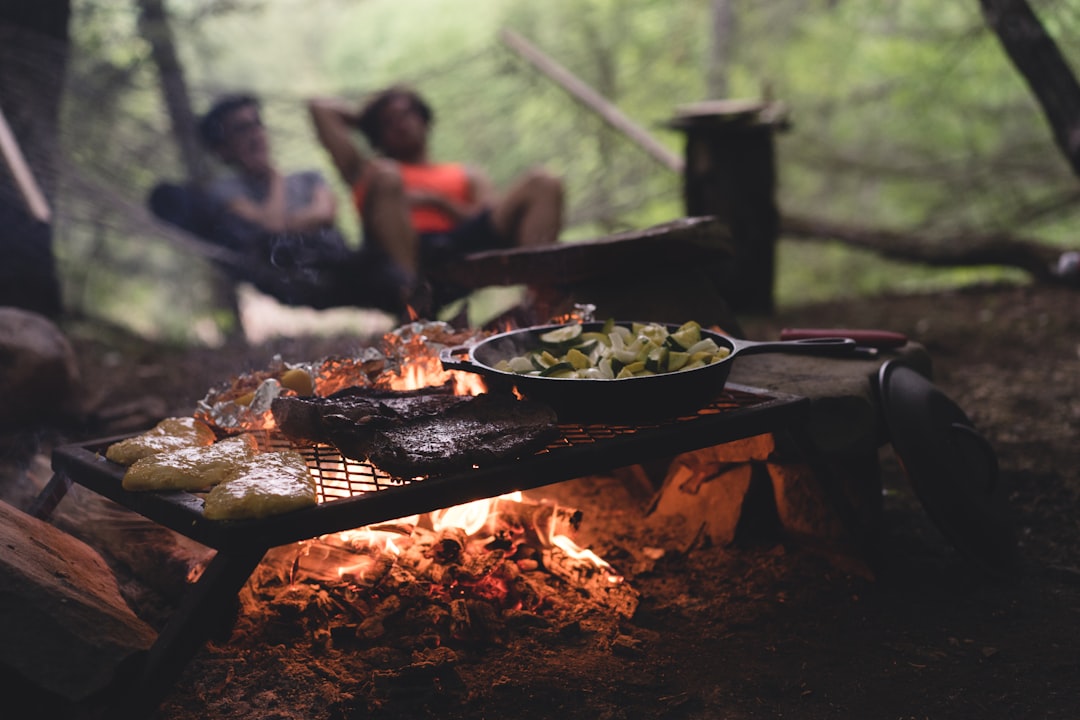
You are five days into a high-country Colorado elk hunt. Temps dropped to 18 degrees overnight, and your canister stove will not light. You are eating cold oatmeal while your buddy cranks up his liquid-fuel burner and brews coffee in four minutes. That stove choice just defined your morning — and possibly your hunt.
Choosing the right camp stove is not about brand loyalty or flashy features. It is about matching the tool to your hunt style, elevation, season, and group size. A stove that works great for a September archery hunt might fail completely on a November rifle hunt at 10,000 feet. This guide breaks down the best camp stoves for western hunters across three categories: car camping base camps, spike camps, and ultralight solo backpack hunts.
Car Camping Base Camp Stoves
If you are running a wall tent, camper, or truck-bed setup where weight does not matter, prioritize cooking power and fuel efficiency over packability. These hunts call for stoves that can handle large pots, feed multiple hunters, and run reliably in cold weather.
MSR WindBurner Stove System (Group Size) — Built for high-elevation basecamp cooking, this system uses a radiant burner and heat exchanger that boils water 40% faster than traditional canister stoves. The windproof design works in 30 mph gusts without a flame flicker. Pair it with the 4.5-liter pot, and you can cook for four hunters without refueling. Runs on isobutane-propane canisters. Weight is 1 pound 13 ounces for the stove and pot. Best for groups hunting above treeline where wind protection matters.
Coleman Triton+ Two-Burner Propane Stove — The workhorse of car camping. Two independent burners put out 22,000 BTUs combined. You can fry bacon on one side while boiling water on the other. Runs on standard one-pound propane bottles, which are cheap and available at any gas station. Wind guards keep the flame steady in moderate breeze. Folds flat for storage. Weighs 11 pounds, so this is strictly for vehicle-based camps. Best for hunters running a base camp with rotating crew.
Camp Chef Everest Two-Burner Stove — This is the upgrade from the Coleman if you want restaurant-level heat control. Each burner cranks out 20,000 BTUs with matchless ignition. Aluminum construction shaves two pounds off the Coleman's weight. The real advantage is the adjustable legs, which let you level the stove on uneven ground instead of shimming it with rocks. Runs on one-pound propane bottles or connects to a bulk tank with an adapter hose. Best for hunters who cook real meals and want precise simmer control.
Spike Camp Stoves
Spike camps demand a compromise. You need enough cooking power to handle freeze-dried meals, coffee, and melting snow, but you cannot carry 11 pounds of cookware on your back. These stoves balance weight, fuel efficiency, and cold-weather performance.
MSR WhisperLite Universal — The most versatile stove on this list. Runs on white gas, kerosene, unleaded auto fuel, or isobutane-propane canisters. White gas mode delivers maximum heat output and works flawlessly below freezing. Canister mode saves weight when conditions allow. Folds to the size of a water bottle and weighs 11.2 ounces without fuel. Includes a maintenance kit for field repairs. Best for hunters who spike camp across multiple seasons or elevations and need one stove that handles everything.
Jetboil MiniMo — Purpose-built for fast boiling with precise simmer control. The FluxRing heat exchanger boils two cups of water in 2 minutes 15 seconds while burning half the fuel of a standard canister stove. The regulator maintains consistent pressure down to 20 degrees Fahrenheit. Wide-mouth design makes it easy to eat directly from the pot or cook simple one-pot meals. Weighs 14.6 ounces with the 1-liter pot. Best for solo hunters or two-man spike camps where speed and fuel efficiency matter more than cooking versatility.
Soto WindMaster — The lightest four-season stove that still performs in high wind. Concave burner head creates a low, stable flame that resists gusts up to 25 mph. Pot supports fold flat and weigh just 3 ounces total. Works with any standard threaded canister. The TriFlex pot supports fit everything from a titanium mug to a two-liter pot. Weighs 3 ounces (stove only). Pair it with an insulated canister sleeve for cold-weather use. Best for hunters counting ounces on backpack elk or sheep hunts where wind is constant.
Ultralight Solo Backpack Stoves
Backpack hunts for mule deer, sheep, or high-country elk demand ruthless weight cutting. Every ounce counts when you are hauling camp and meat off a mountain. These stoves sacrifice convenience and versatility for packability.
MSR PocketRocket 2 — The standard ultralight backpacking stove. Weighs 2.6 ounces. Folds to the size of a lighter. Boils water in three minutes. Runs on any isobutane-propane canister. That is it. No simmer control, no wind protection, no frills. Works best with a small titanium pot and a DIY windscreen made from aluminum foil. Pack the stove inside your cook pot to save space. Best for hunters who eat freeze-dried meals and only need to boil water.
BRS-3000T Ultralight Titanium Stove — The budget ultralight option. Weighs 0.9 ounces. Costs under $20. Titanium construction handles hard use. Flame control is crude — it runs hot or hotter. Pot supports are flimsy and work best with small diameter pots. You will need a separate windscreen. For hunters who want to save 1.7 ounces over the PocketRocket and do not mind trading durability for weight, this works. Best for minimalists hunting in calm conditions below treeline.
Fire-Maple FMS-300T — The ultralight stove with simmer control. Weighs 1.9 ounces but includes a micro-regulator valve that lets you dial the flame from rolling boil to bare simmer. Piezo ignition saves carrying a lighter. Titanium and stainless steel construction survives being stepped on in a pack. Pot supports are wider than the BRS and more stable with larger pots. Best for solo hunters who want ultralight weight but still cook real food instead of just rehydrating meals.
Canister vs. Liquid Fuel
This choice defines your stove system more than brand or model. Canister stoves are lighter, cleaner, and easier to use. Screw on the canister, light the burner, and you are cooking. No priming, no pumping, no maintenance. The downside is cold-weather performance. Standard isobutane-propane canisters lose pressure below 32 degrees. You can extend the range by using winter-blend canisters or insulating the canister, but you will never match liquid fuel in freezing temps.
Liquid-fuel stoves burn white gas, kerosene, or unleaded gasoline. They require priming the burner and pumping the fuel bottle to maintain pressure, which adds two minutes to your startup routine. They also need periodic maintenance to keep jets clear. The payoff is consistent performance down to negative temps and higher heat output per ounce of fuel. If you hunt November rifle seasons above 9,000 feet, liquid fuel is the only reliable choice.
Fuel availability matters too. Isobutane canisters are sold at most sporting goods stores but are expensive and cannot be refilled. White gas is cheaper per BTU and available anywhere that sells Coleman fuel. Unleaded gasoline works in multi-fuel stoves and is available at every gas station, though it burns dirtier and requires more frequent maintenance.
Free to join
Download mobile app
- Detailed draw odds
- Point tracking
- Deadline reminders
- 18 states covered

Free to join
Download mobile app
- Detailed draw odds
- Point tracking
- Deadline reminders
- 18 states covered
Free to join
Download mobile app
- Detailed draw odds
- Point tracking
- Deadline reminders
- 18 states covered
Heat Output and Boil Time
Manufacturers love quoting boil times, but those numbers are tested at sea level in zero wind with full fuel bottles. Real-world performance varies. At 10,000 feet, water boils at 194 degrees instead of 212 degrees, which sounds helpful until you realize the thinner air also reduces burner efficiency. A stove that boils a liter in two minutes at home might take four minutes at elevation.
Wind steals heat faster than anything else. A 10 mph breeze can double your boil time and triple your fuel consumption. Windscreens help, but they add weight and bulk. Integrated systems like the Jetboil or MSR WindBurner solve this by enclosing the burner and pot together, which is why they dominate high-alpine cooking.
BTU ratings (British Thermal Units) measure heat output, but bigger is not always better. A 10,000 BTU burner eats fuel twice as fast as a 5,000 BTU burner. For backpack hunts, you want the minimum heat output that still boils water in a reasonable time. For base camps where fuel cost does not matter, crank the BTUs and cook faster.
Fuel Consumption and Trip Planning
A standard 8-ounce isobutane canister holds about 220 grams of fuel. Plan on 25 grams per day per person for freeze-dried meals and coffee. That gives you eight days on one canister for solo use, four days for a two-person camp. Cold weather increases consumption by 50% or more. November hunts need two canisters per person per week.
White gas delivers more BTUs per ounce — an 11-ounce fuel bottle lasts as long as a 16-ounce canister. The bottle also weighs less once you burn the fuel, while an empty canister still weighs 4 ounces. For hunts longer than five days, liquid fuel saves pack weight.
Always carry 20% more fuel than you think you need. Melting snow doubles your fuel burn. Cooking at altitude cuts efficiency. Wind wastes fuel. The worst-case scenario is running out of fuel on day three of a week-long sheep hunt and eating cold jerky while you glass.
Simmer Control and Cooking Versatility
Most hunters just boil water, but some actually cook. If you are frying venison, sautéing onions, or making backcountry chili, you need a stove that simmers without scorching food. Canister stoves with integrated regulators (like the Jetboil MiniMo or MSR WindBurner) give you low, even heat. Basic canister stoves (like the PocketRocket) run hot or hotter with crude flame control.
Liquid-fuel stoves simmer well once dialed in, but they take practice. You adjust heat by pumping pressure or cracking the fuel valve. It is not as intuitive as twisting a knob on a canister stove, but it works once you learn the system.
For base camps where you have time and space, a two-burner propane stove with independent flame control lets you boil, fry, and simmer at the same time. That is worth the weight if you are cooking for a crew.
Free to join
Download mobile app
- Detailed draw odds
- Point tracking
- Deadline reminders
- 18 states covered
Free to join
Download mobile app
- Detailed draw odds
- Point tracking
- Deadline reminders
- 18 states covered
Free to join
Download mobile app
- Detailed draw odds
- Point tracking
- Deadline reminders
- 18 states covered
Cold Weather Performance
Temperature kills canister stoves. Isobutane-propane blends work down to about 20 degrees Fahrenheit before pressure drops too low to vaporize fuel. You can extend that range by keeping the canister in your sleeping bag overnight, inverting the canister (which requires a stove with a pre-heat tube), or using a canister insulator. Winter-blend canisters with more propane work colder but still fade below zero.
Liquid-fuel stoves work at any temperature you will reasonably hunt in. White gas vaporizes at negative 40 degrees. The stove might take longer to prime in extreme cold, but it will light and run consistently. If you hunt late-season elk, sheep, or winter deer above treeline, liquid fuel is the only dependable choice.
Altitude also matters. Canister stoves lose about 10% efficiency per 5,000 feet of elevation due to thinner air. Liquid-fuel stoves lose less because you control fuel flow and pressure manually. At 12,000 feet, the performance gap widens.
Maintenance and Reliability
Canister stoves are nearly maintenance-free. Screw on the canister, light it, and cook. Keep the O-ring clean and check for leaks before each trip. That is it. The downside is field repairs are impossible. If the valve or burner fails, you are done.
Liquid-fuel stoves need regular cleaning. Carbon builds up in the jet and fuel line. Every 20 hours of burn time, run a jet-cleaning wire through the orifice and flush the fuel line with fresh gas. It takes five minutes. Pumps need new seals every season or two. The upside is you can fix almost anything in the field with the included maintenance kit. Hunters who spike camp for weeks at a time prefer systems they can repair.
Free to join
Download mobile app
- Detailed draw odds
- Point tracking
- Deadline reminders
- 18 states covered
Free to join
Download mobile app
- Detailed draw odds
- Point tracking
- Deadline reminders
- 18 states covered
Free to join
Download mobile app
- Detailed draw odds
- Point tracking
- Deadline reminders
- 18 states covered
Pack Size and Integration
Ultralight stoves fold small enough to pack inside your cook pot. A PocketRocket, lighter, and fuel canister fit inside a 1-liter titanium pot with room for a spork. That entire cook system weighs under 12 ounces and packs to the size of a Nalgene bottle.
Integrated systems like the Jetboil save space by nesting the stove, canister, and pot together. The burner clips to the bottom of the pot, and the fuel canister stores inside. Everything packs into one unit that fits in a pack's side pocket. The downside is you are locked into using that pot. You cannot swap in a frying pan or larger pot without buying proprietary accessories.
Liquid-fuel stoves pack bulkier because the stove, fuel bottle, pump, and windscreen are separate components. The fuel bottle doubles as a water bottle in a pinch, which saves weight if you plan for it.
How TAGZ Helps You Plan Hunt Logistics
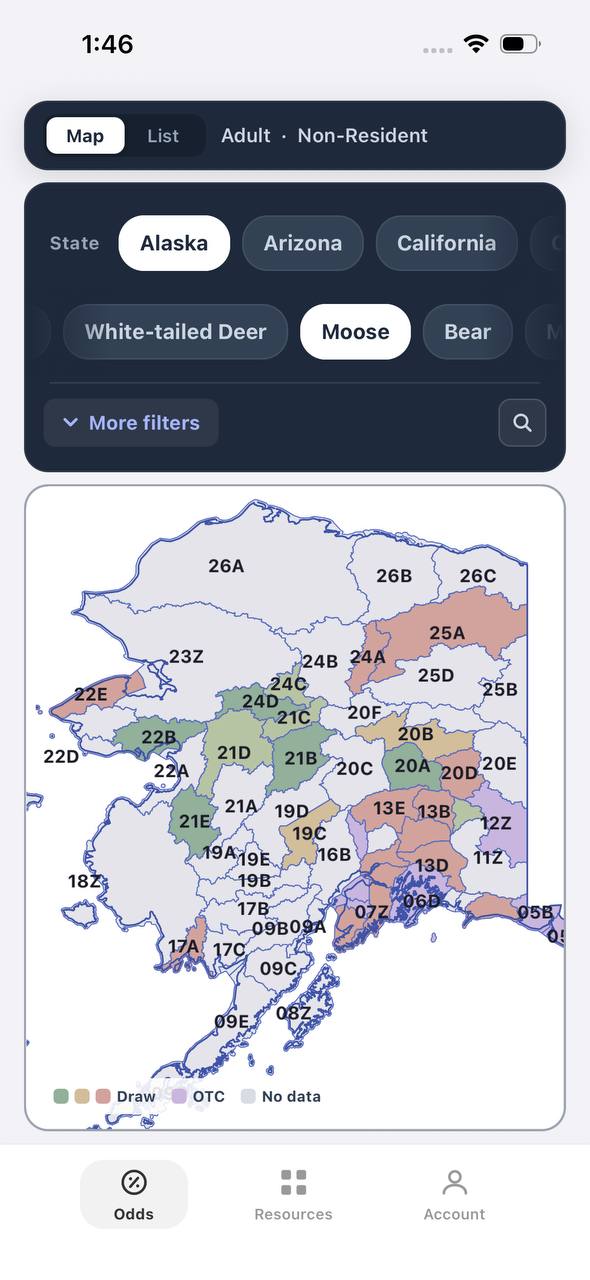
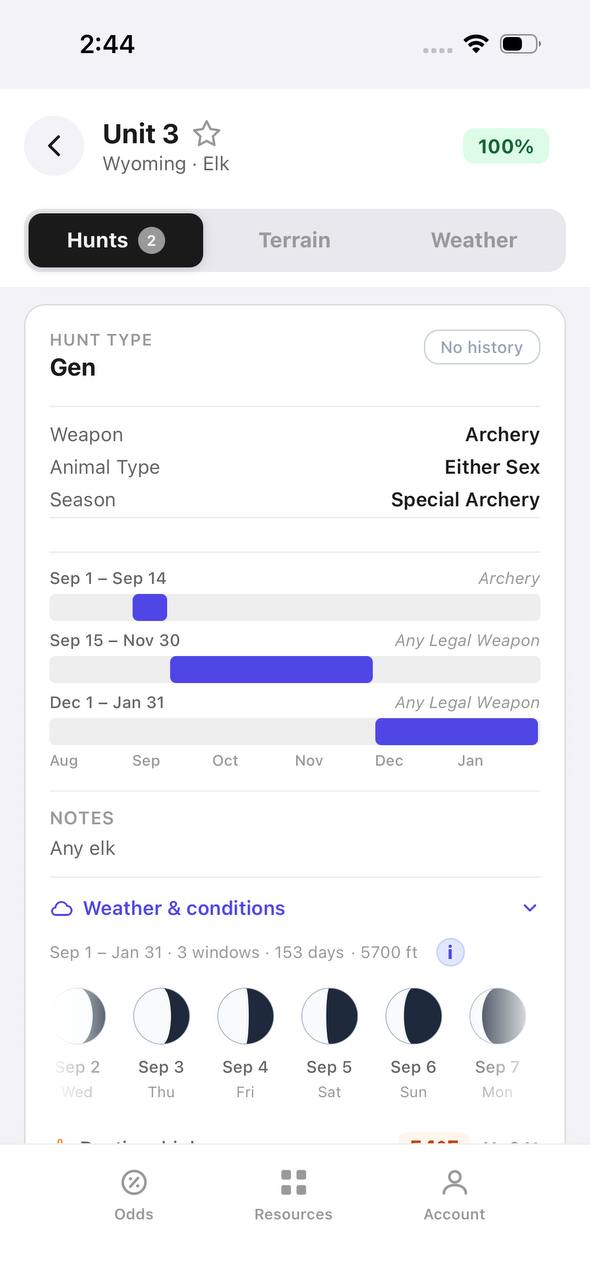
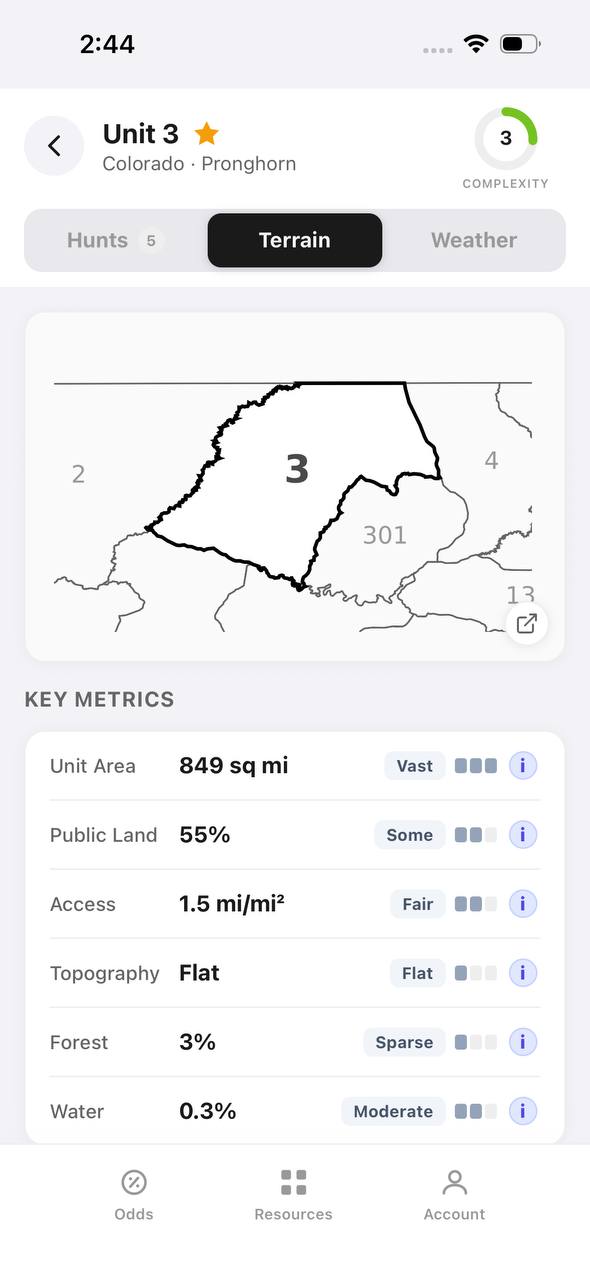
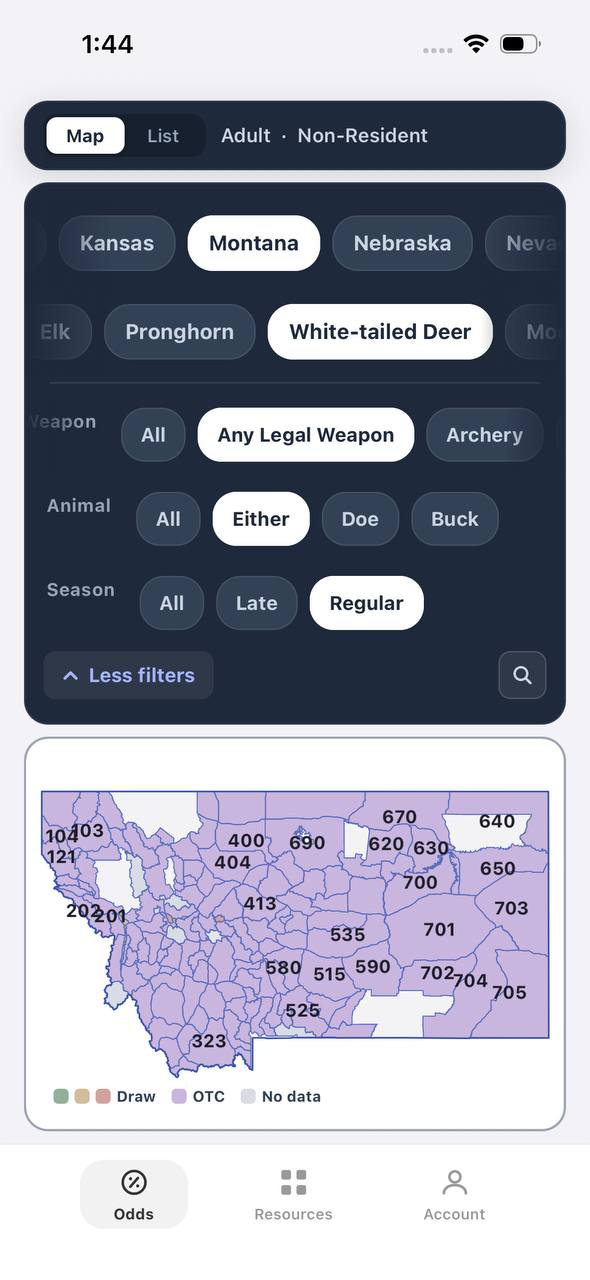
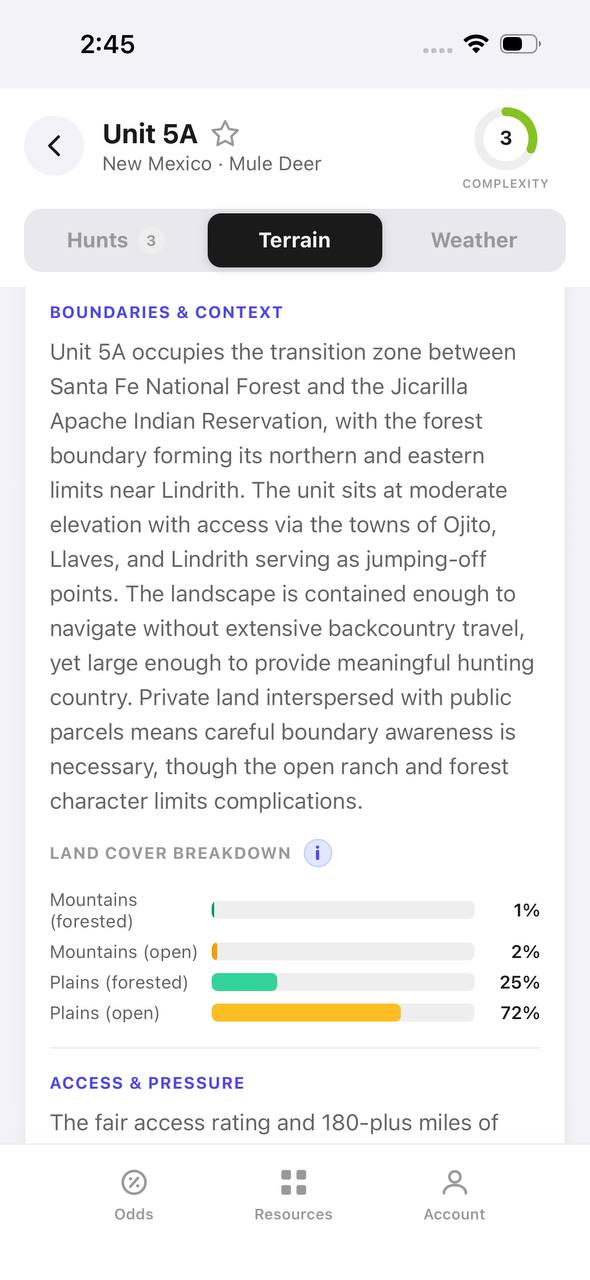
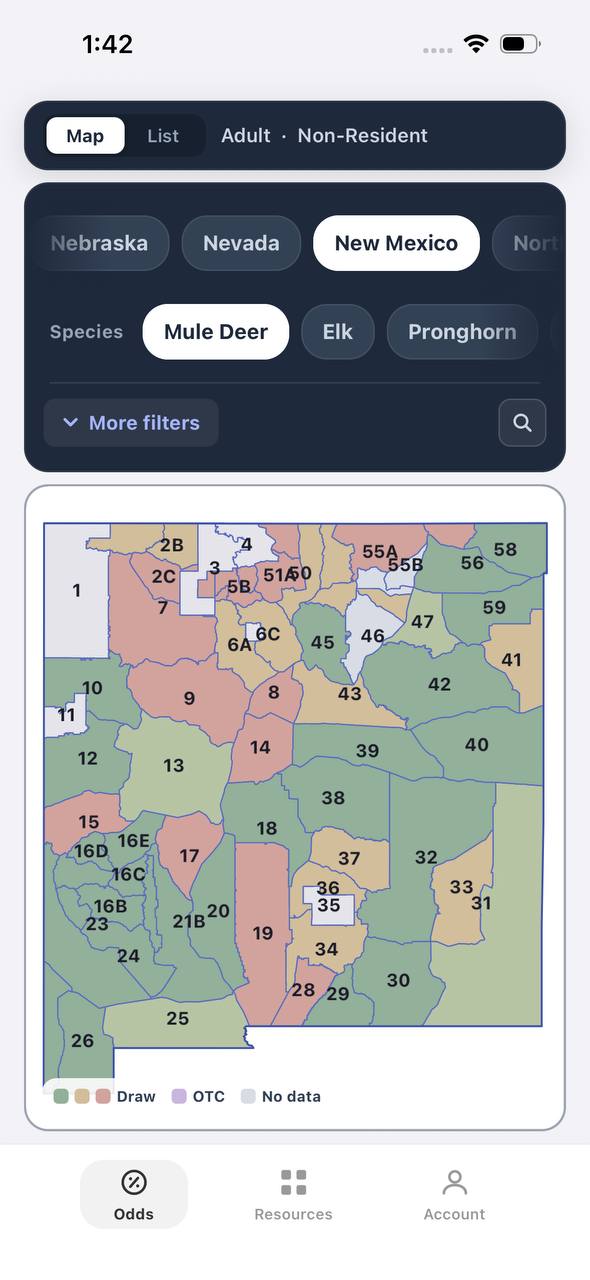
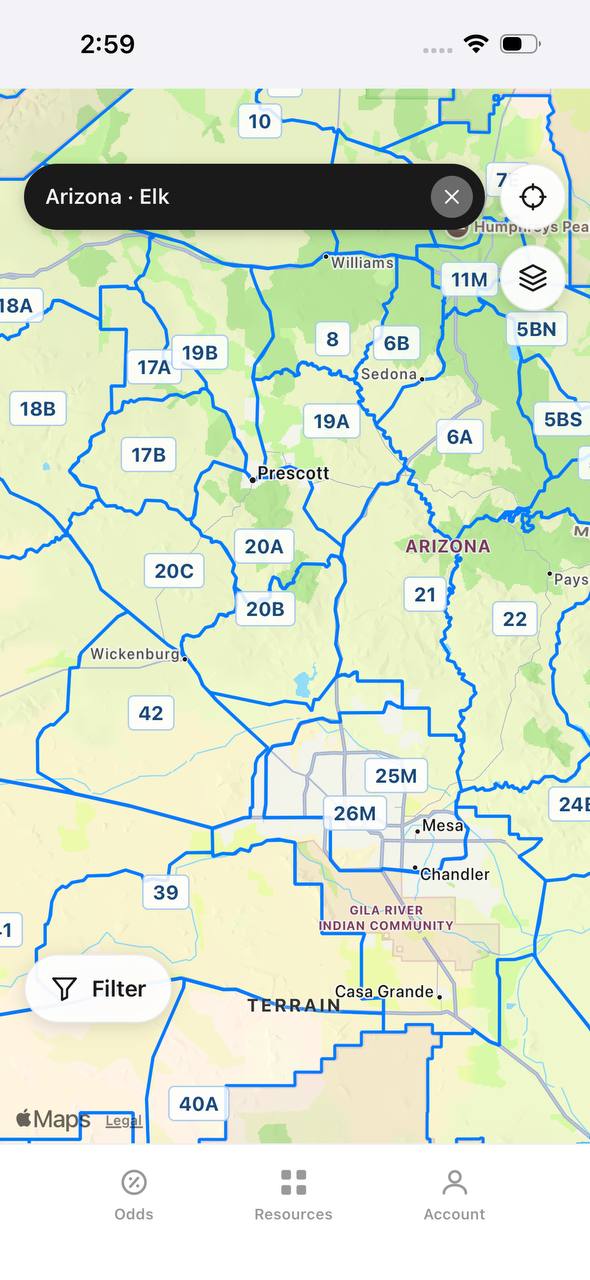
Choosing a camp stove is part of a larger planning process. TAGZ helps you research units using terrain maps, unit boundaries, and public land overlays. You can filter hunts by season, weapon, and elevation to match the stove system to the hunt. Planning an October archery hunt in low-elevation pinyon-juniper? A canister stove works. Applying for a November high-country rifle tag above 10,000 feet? You need liquid fuel. TAGZ gives you the terrain data and season information to make that call before you buy gear.
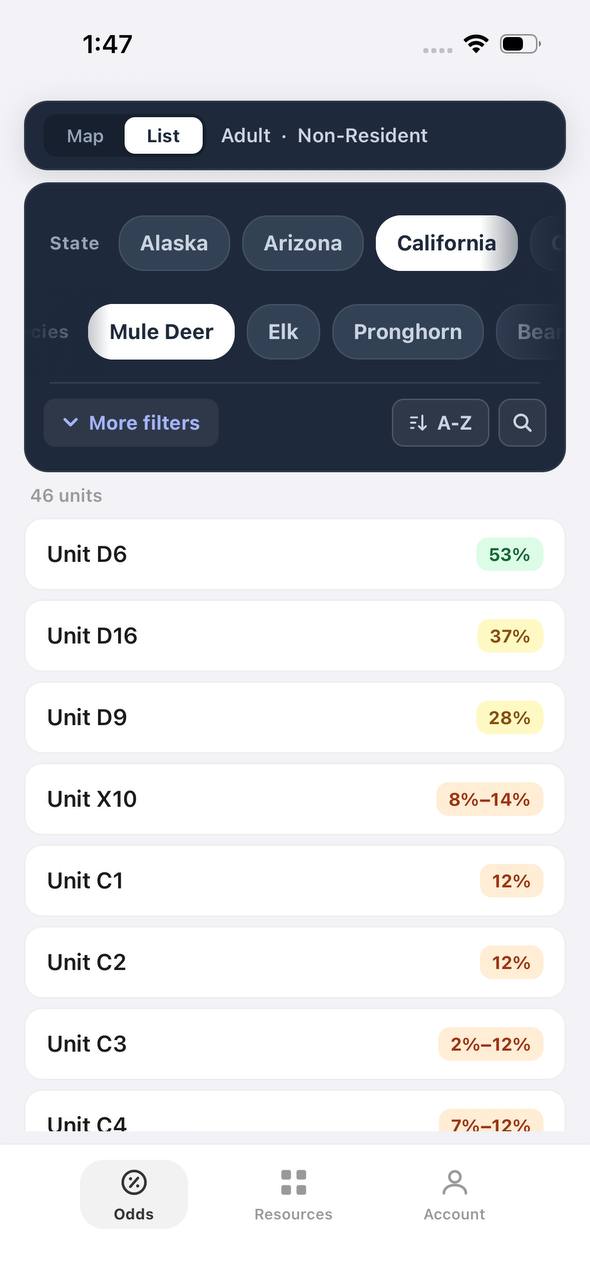
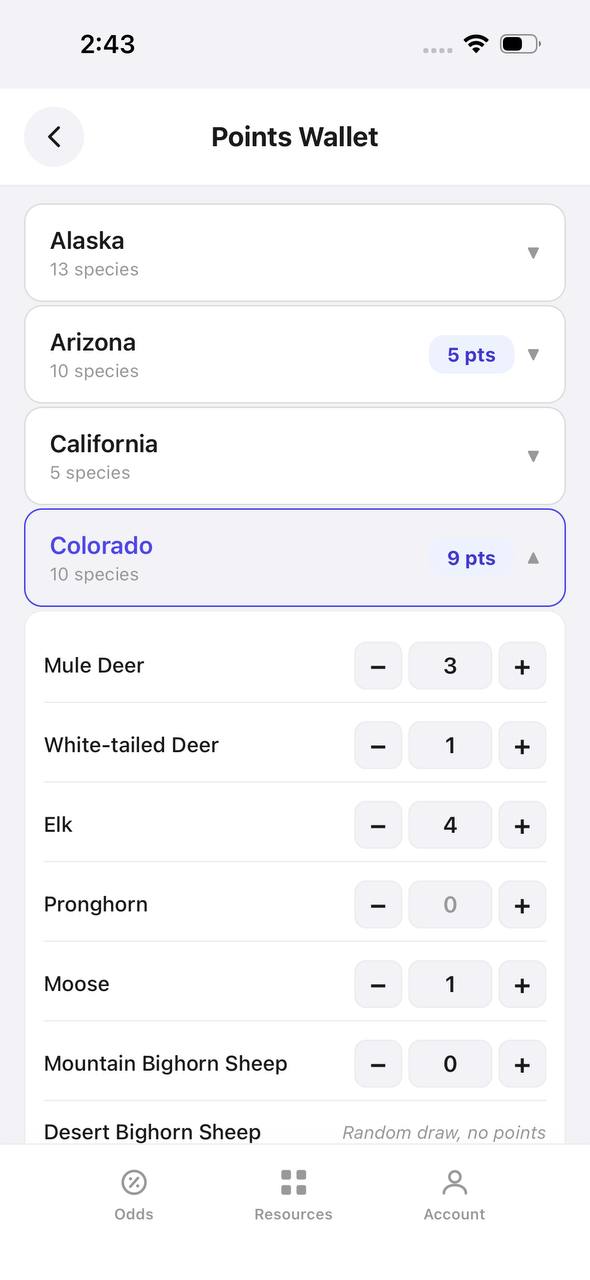
Track your preference points and bonus points across multiple states so you know which hunts you are building toward. If you draw a once-in-a-lifetime sheep tag, you will invest in the best gear. If you are burning preference points on a mid-tier elk hunt, the budget stove works fine. TAGZ shows you draw odds and point progression so you can plan gear purchases around realistic draw timelines.
Use unit maps to scout campsite locations and water sources. If you are packing into a drainage with reliable spring water, you can carry less fuel. If you are hunting rimrock country where you will melt snow, you need double the fuel and a stove that boils efficiently. TAGZ layers USGS quad maps, satellite imagery, and hunter success data so you understand the logistics before you leave home.
FAQ — Best Camp Stoves
What is the best all-around camp stove for western hunters?
The MSR WhisperLite Universal. It runs on canister fuel or white gas, works in freezing temps, weighs 11 ounces, and handles everything from September archery hunts to November rifle hunts above treeline.
Do I need a liquid-fuel stove for elk hunting?
Only if you hunt late season above 9,000 feet where temps drop below 20 degrees. Canister stoves work fine for September and early October hunts. November rifle hunts in the high country demand liquid fuel for reliability.
How much fuel should I pack for a five-day backpack hunt?
Plan on 25 grams of canister fuel per person per day for freeze-dried meals and coffee. That is one 8-ounce canister per person for five days. Cold weather or melting snow doubles consumption. Pack two canisters to be safe.
Can I use a canister stove in cold weather?
Yes, but performance drops fast below freezing. Keep the canister warm in your sleeping bag overnight, use a winter-blend fuel mix, and insulate the canister. Expect longer boil times and weaker flame. Liquid fuel works better below 20 degrees.
What is the lightest stove that still performs in wind?
The Soto WindMaster. It weighs 3 ounces and uses a concave burner head that shields the flame from gusts up to 25 mph. Pair it with a windscreen for exposed ridgeline camps.
Is a two-burner stove worth the weight for car camping?
Yes if you cook real meals for multiple hunters. The Coleman Triton+ weighs 11 pounds but lets you fry and boil simultaneously. For grab-and-go hunts where you eat sandwiches and snacks, a single-burner stove saves space.
How do I know if my stove will work at high elevation?
Canister stoves lose about 10% efficiency per 5,000 feet due to thinner air. Liquid-fuel stoves perform more consistently because you manually control pressure. Test your stove at home elevation, then add 50% to the boil time for hunts above 10,000 feet.
Do I need a windscreen for my camp stove?
Yes for any open-flame stove used above treeline. A simple aluminum foil windscreen cuts fuel consumption by 30% and halves boil time in even moderate wind. Integrated systems like the Jetboil have built-in wind protection.
Continue Planning Your Hunt
Gear decisions are easier when you know exactly where and when you are hunting. Use TAGZ to compare units side by side using terrain maps, public land boundaries, and historical draw data. Track your preference points and bonus points across multiple states so you never miss a draw deadline. Whether you are chasing OTC tags or planning a trophy limited-entry hunt, TAGZ gives you the tools to make smarter decisions before you ever step into the field.
Explore more western hunting strategies and unit breakdowns on the TAGZ Insights blog. Ready to start planning your next hunt? Check out TAGZ pricing and see how the platform simplifies draw research, point tracking, and unit selection across 12 western states.
Was this article helpful?
Previous
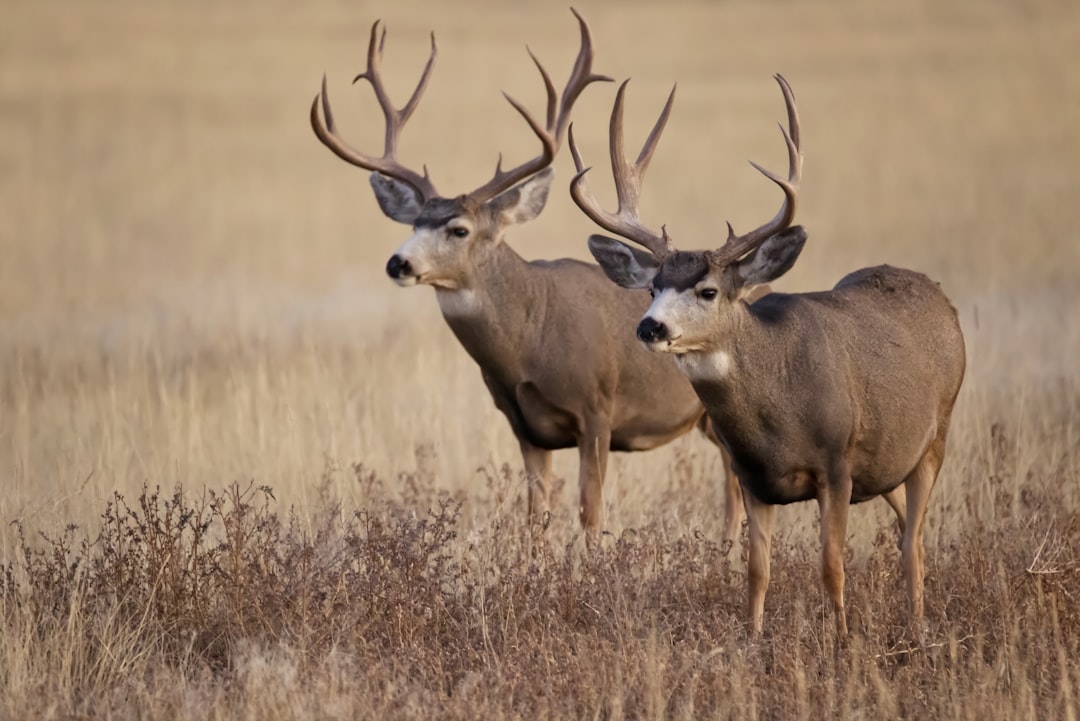
Spot and Stalk Mule Deer: A Complete Guide to Western Hunting's Greatest Challenge
Spot and stalk mule deer hunting demands glassing skill, terrain reading, and stalking patience. This guide covers setup, approach tactics, and common mistakes that cost hunters mature bucks in open country.
Related
Finding Rams: How to Scout, Glass, and Hunt Bighorn Sheep
Locating bighorn rams requires strategic glassing from high vantage points, understanding seasonal movement patterns, and patience. Learn proven tactics for spotting sheep in rugged alpine terrain and planning a successful hunt.
Next
Calling Moose: Proven Tactics for Rattling, Grunting, and Cow Calls
Moose calling works during the September rut when bulls actively respond to cow calls, rattling antlers, and grunts. Master the timing, vocalization techniques, and setup strategies that bring bulls within range.