Spot and Stalk Mule Deer: A Complete Guide to Western Hunting's Greatest Challenge
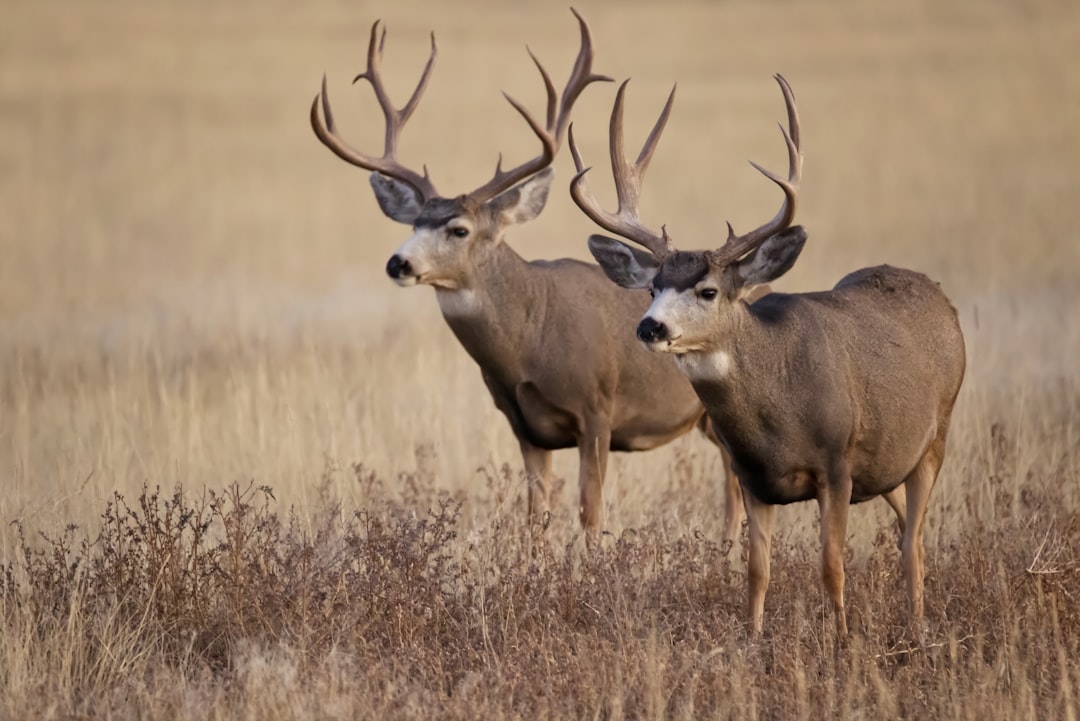
Spot and stalk hunting for mule deer is the purest form of western big game pursuit. You glass distant ridges until you locate a mature buck, then use terrain and patience to close within shooting range. Success depends on three core skills: finding deer through quality optics, reading terrain to plan an approach, and executing a stalk without getting busted. Hunters who master these fundamentals consistently tag bucks in country where others walk away empty-handed.
This method works best in the broken terrain mule deer prefer — sagebrush foothills, alpine basins, rimrock country, and transition zones between timber and open slopes. Unlike whitetail hunting from a treestand, spot and stalk puts you in control of the encounter from start to finish.
Why Spot and Stalk Works for Mule Deer
Mule deer live in open country where their eyes and ears evolved to detect danger at long range. They bed in positions that offer visibility and escape routes. Trying to still-hunt through their bedroom rarely works — they see or hear you first and slip away without offering a shot.
Spotting from a distance lets you study deer behavior without alerting them. You watch feeding patterns, identify mature bucks, and wait for the right moment to move. Once a buck beds down, you have hours to plan a route that uses ridges, draws, and vegetation to stay hidden during your approach.
The method demands patience. You might glass for three hours before locating a shooter buck. The stalk itself can take two more hours of crawling, circling, and waiting. But when you finally slide into position above a bedded 180-inch buck at 200 yards, every minute of effort pays off.
Glassing Strategy That Finds Bucks
Quality optics make or break spot and stalk success. A 15x56 binocular on a tripod is the minimum for serious glassing. Many western guides run 18x56 or even 20x80 binoculars for all-day glassing sessions. A spotting scope helps judge antlers once you locate a buck, but binoculars do the heavy lifting during search mode.
Set up on high ground that overlooks the terrain deer use for feeding and bedding. Early morning glassing targets south and east facing slopes where deer feed after leaving nighttime cover. As the sun climbs, shift focus to north and west slopes where deer seek shade for bedding. Look for shaded pockets under rimrock, dark timber edges, and brushy draws that offer both cover and visibility.
Glass slowly and methodically. Start at the closest terrain and work outward in horizontal strips. You are looking for parts of deer — an ear flick, antler tine, or horizontal back line. Deer blend into sage and juniper better than your brain expects. Most hunters glass too fast and miss bedded bucks that sit motionless for hours.
Pay special attention to terrain features that concentrate deer. Saddles between drainages, benches halfway up a slope, and transition zones between vegetation types all funnel deer movement. Bucks often bed just below ridgelines where they can monitor back trails while staying out of the wind.
Reading Terrain for Stalk Routes
Once you locate a buck worth pursuing, study the terrain between your position and his location. The stalk route matters more than the shooting position. One wrong ridge or exposed crossing can end the hunt before you get within 500 yards.
Look for terrain features that provide cover and concealment. Deep draws let you move below the buck's sight line. Ridges and fingers offer screening as long as you stay below the crest. Thick vegetation — sage taller than your knees, juniper groves, or aspen thickets — provides both visual cover and sound dampening.
Identify the buck's likely escape routes. Mule deer run uphill toward thick cover when alarmed. If your approach puts you between the buck and his escape terrain, he might bolt before you get a shot. The best stalks end with you above the deer, using gravity and his natural tendency to look downhill for danger.
Wind direction determines whether a stalk is possible. Mule deer noses are better than their eyes. Even a perfect approach fails if thermal currents carry your scent to a bedded buck. Morning thermals rise as the sun heats slopes. Evening thermals fall as temperatures drop. Plan your route so wind carries scent away from the deer at all times.
Executing the Stalk
The stalk begins the moment you leave your glassing position. Move slowly and deliberately. Rushing causes noise and mistakes. If the buck is bedded, you have time to work into position without pressure.
Use terrain to stay hidden during the approach. Walk in draws and behind ridges where the deer cannot see you. When forced to cross exposed terrain, move during moments when the deer is looking away or has his head down. Bedded bucks scan their surroundings but spend most of their time resting with eyes closed or staring downhill.
The final 100 yards demand absolute focus. Drop your pack and carry only your rifle and shooting sticks. Move in slow motion. Place each foot deliberately to avoid snapping sticks or rolling rocks. If the deer is bedded in timber or brush, you may need to belly crawl the last 50 yards.
Get into a solid shooting position before the deer knows you are there. If possible, use natural rests — a rock, log, or solid dirt mound. Shooting sticks work when natural rests are not available. The goal is to be ready when the buck stands or offers a clear shot through brush.
Free to join
Download mobile app
- Detailed draw odds
- Point tracking
- Deadline reminders
- 18 states covered

Free to join
Download mobile app
- Detailed draw odds
- Point tracking
- Deadline reminders
- 18 states covered
Free to join
Download mobile app
- Detailed draw odds
- Point tracking
- Deadline reminders
- 18 states covered
Common Mistakes That Blow Stalks
Most blown stalks fail for predictable reasons. Hunters skyline themselves by walking ridgelines instead of staying below the crest. They underestimate how far sound carries in open country. They choose speed over stealth and push too hard during the final approach.
Another frequent mistake is losing track of the deer during the stalk. You drop into a draw to stay hidden, then pop up 200 yards from where you thought the buck was bedded. Always use terrain features — specific trees, rock outcrops, or brush clumps — as reference points. Check your position frequently as you move.
Ignoring wind direction kills more stalks than poor route selection. Thermals shift throughout the day as sun angle and temperature change. What worked at 9 AM may fail by 11 AM when thermals reverse. If wind conditions turn unfavorable, back out and wait rather than pushing a stalk that cannot succeed.
Many hunters also misjudge distance in open country. That buck bedded against a far hillside might be 600 yards away, not 300. Use a rangefinder to confirm distance before starting your approach. Knowing actual range helps you plan the stalk and judge whether a shot is ethical when the moment arrives.
Shot Placement and Follow-Through
When the moment comes, take your time. Mule deer often stand and stretch before moving, giving you several seconds to settle the crosshairs. Aim for the crease behind the shoulder, halfway up the body. This shot placement takes out both lungs and provides quick, humane kills.
If the buck is bedded and will not stand, a high shoulder shot works but requires precise bullet placement. Some hunters wait for the deer to stand naturally. Others use a soft call or whistle to get the buck on his feet. The risk is the deer bolts before offering a clean shot.
After the shot, watch the deer's reaction. Lung-shot bucks often hunch up and move slowly into thick cover. Shoulder-hit deer drop in their tracks or stumble a few yards. Mark the exact spot where the deer was standing when you shot, then mark where you last saw him. Blood trails in sage and rock are difficult to follow without clear reference points.
Wait at least 30 minutes before approaching, even if you think the shot was perfect. Pushing a wounded buck too soon can turn a 200-yard recovery into a mile-long tracking job. Use the waiting period to gather your pack, verify shooting distance, and plan your recovery route.
How TAGZ Helps You Find Spot and Stalk Country
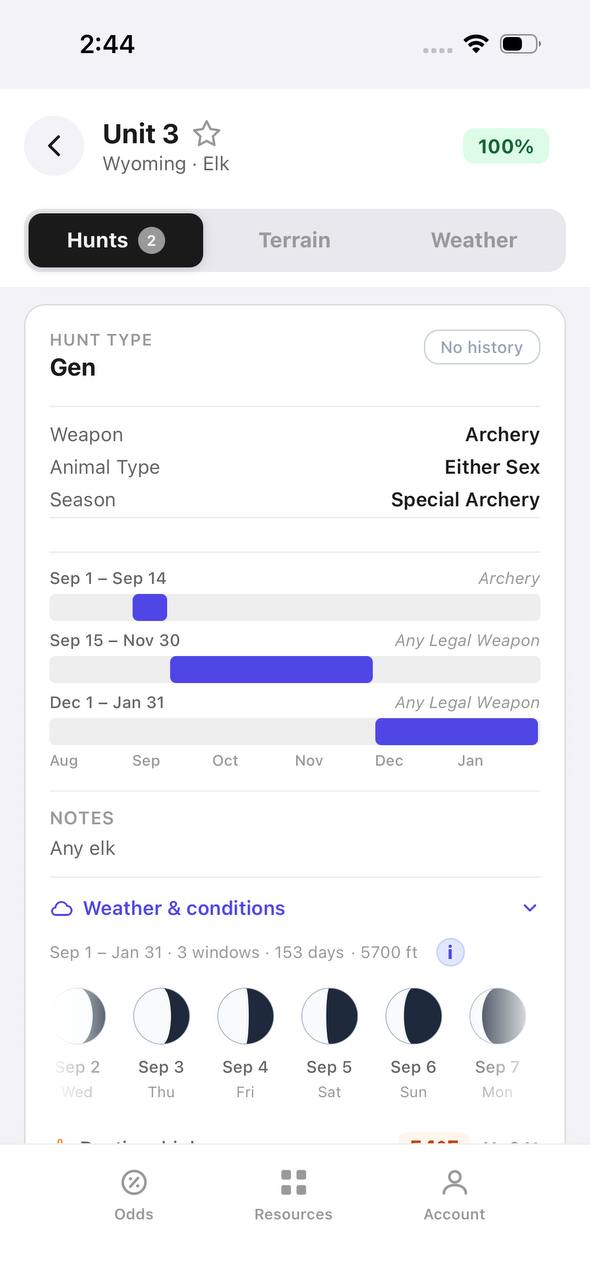
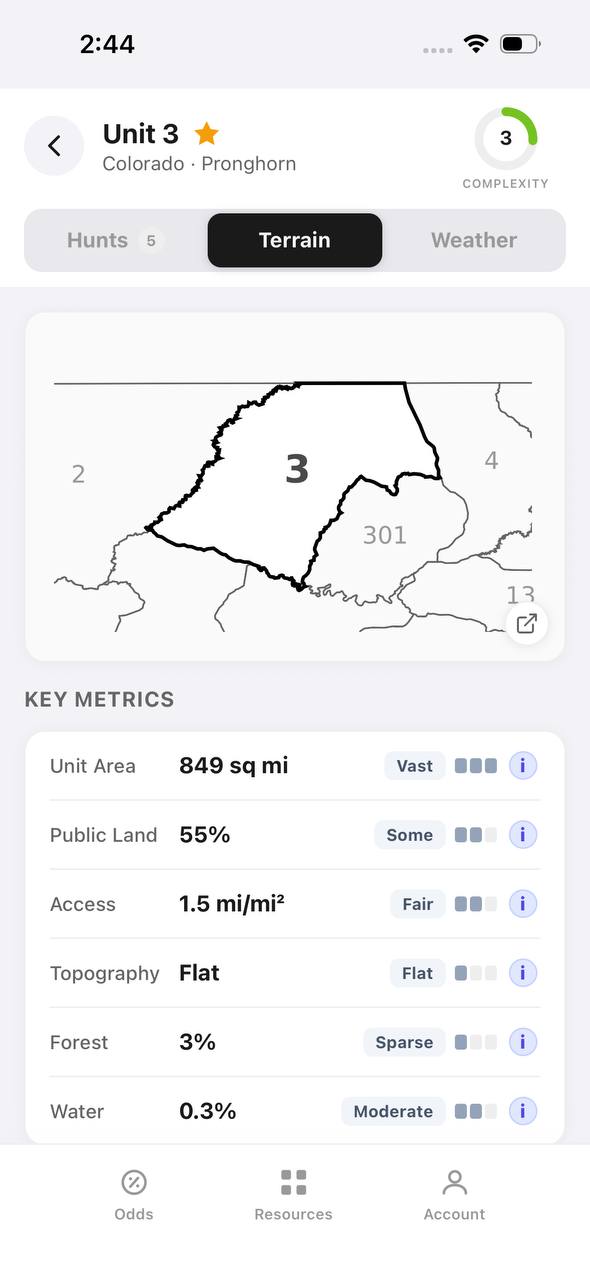
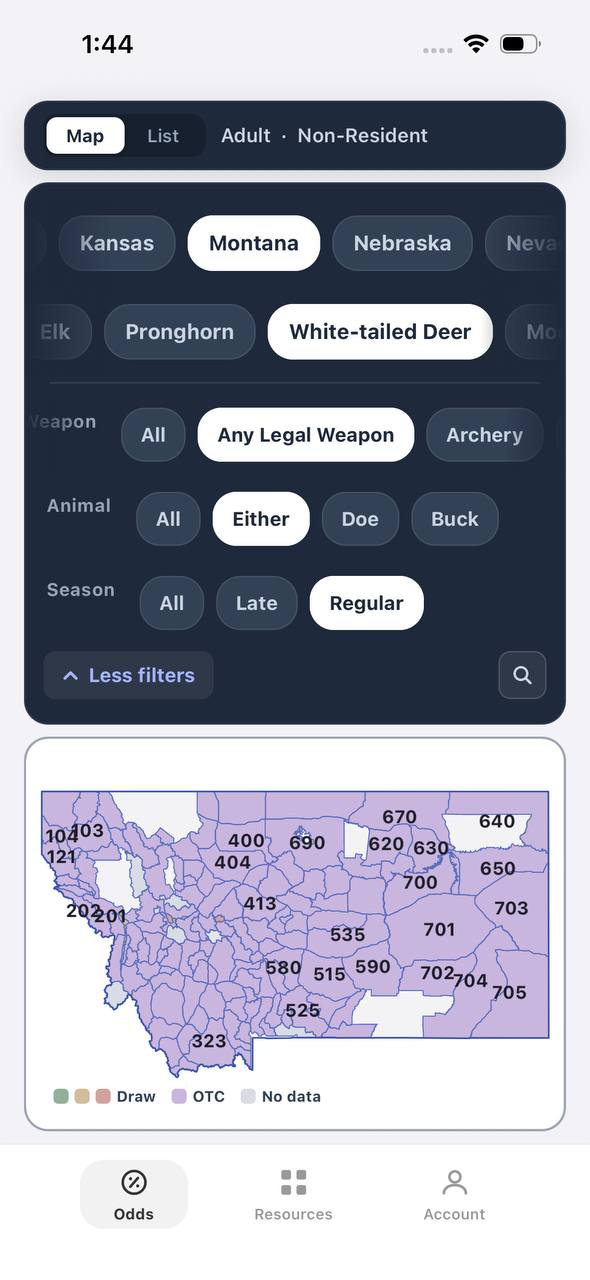
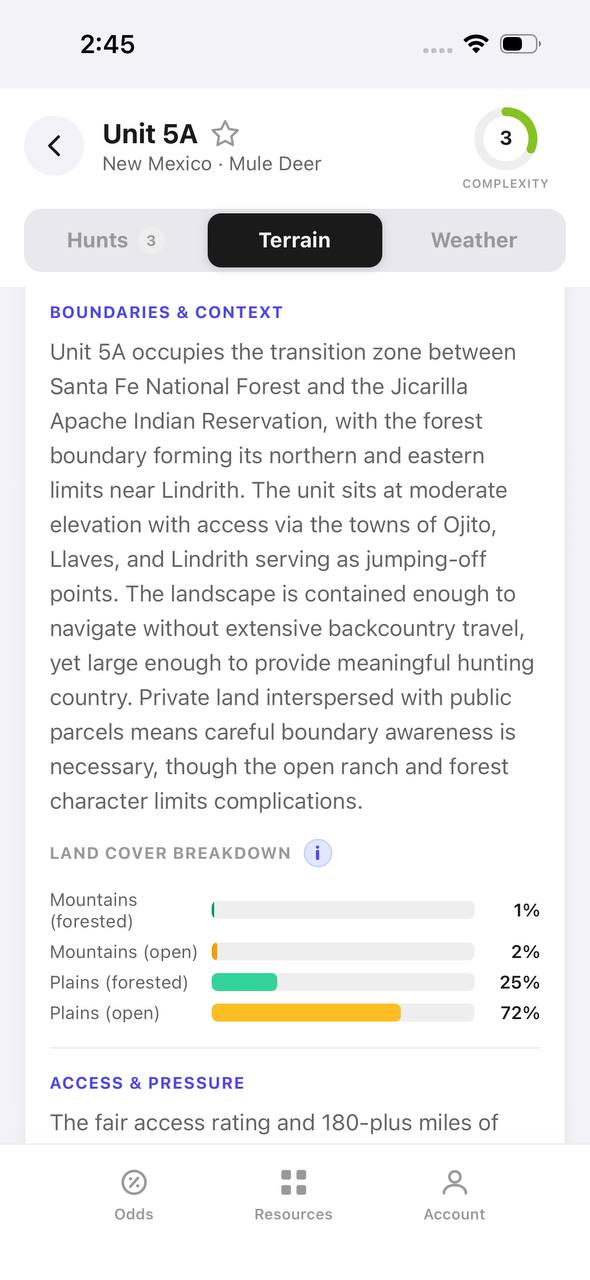
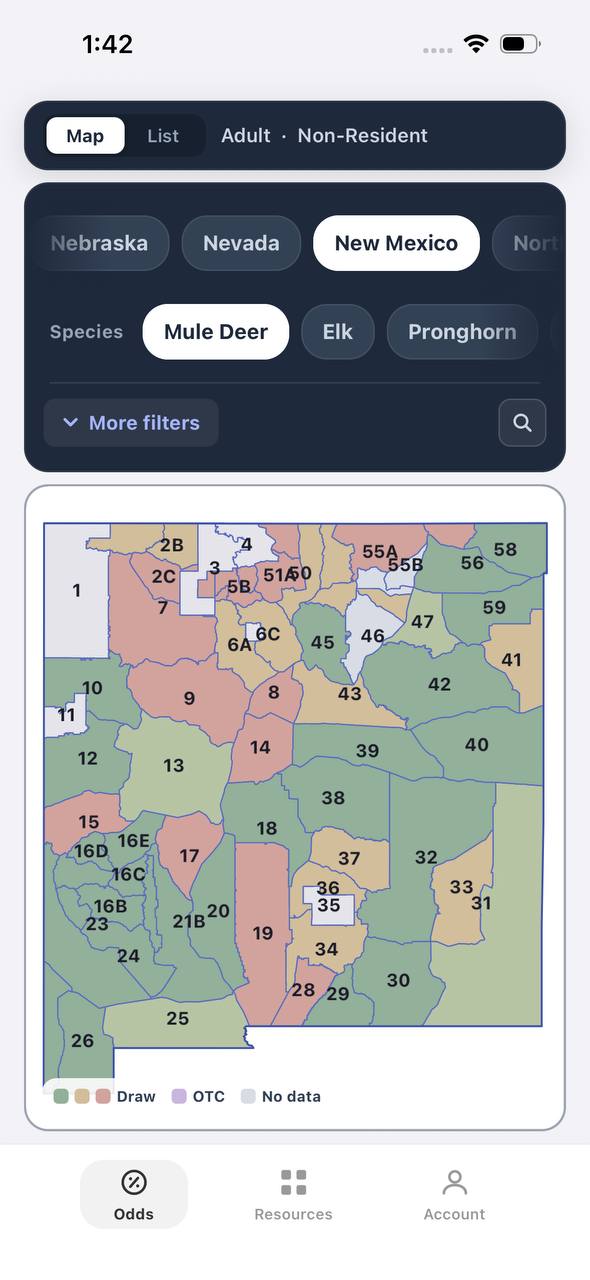
Choosing the right unit makes spot and stalk hunting far more productive. TAGZ lets you filter mule deer units by terrain type, public land access, and historical draw odds. Compare units side by side using topographic maps that show ridges, draws, and elevation changes critical for planning glassing locations and stalk routes.
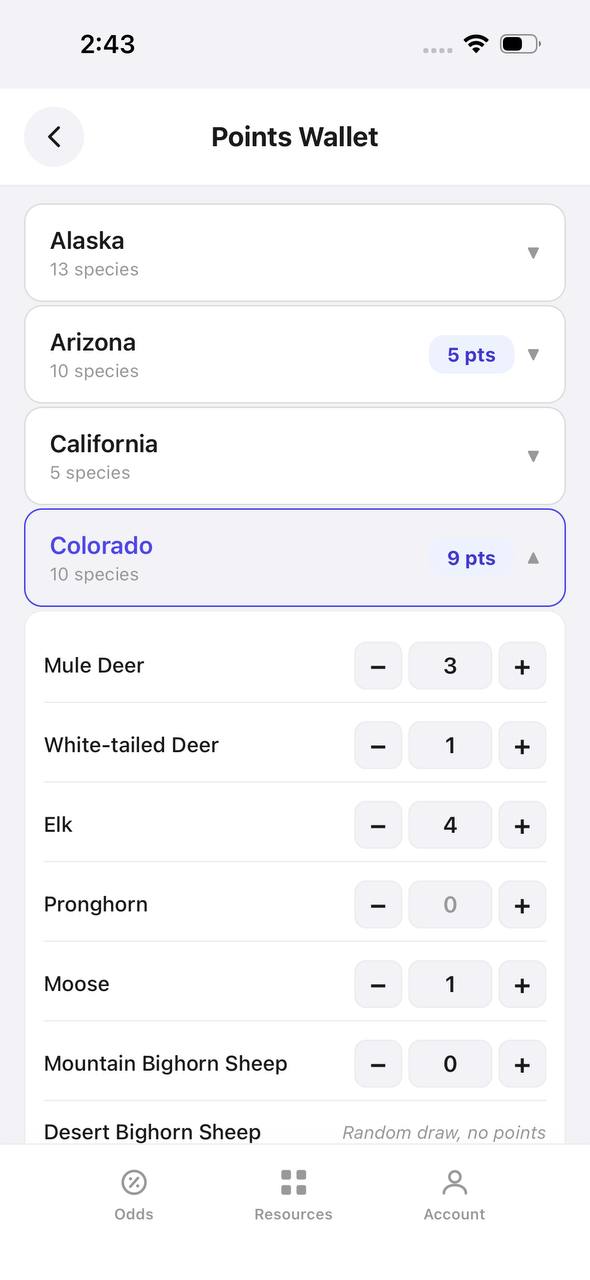
Track your preference points across multiple states so you know which tags you can draw this year versus which require more point accumulation. TAGZ shows unit boundaries overlaid on satellite imagery, helping you identify roadless areas and terrain features before you ever scout in person. Whether you are chasing general season tags in Colorado or limited-entry units in Nevada, TAGZ provides the research tools that help you choose units where mature bucks live in stalkable terrain.
Free to join
Download mobile app
- Detailed draw odds
- Point tracking
- Deadline reminders
- 18 states covered
Free to join
Download mobile app
- Detailed draw odds
- Point tracking
- Deadline reminders
- 18 states covered
Free to join
Download mobile app
- Detailed draw odds
- Point tracking
- Deadline reminders
- 18 states covered
Gear Essentials for Spot and Stalk Hunting
Successful spot and stalk hunting requires specific gear. Quality binoculars and a solid tripod are non-negotiable. A 15x or 18x binocular on a stable tripod lets you glass all day without eye fatigue. Add a spotting scope for judging antlers at extreme range.
Clothing should match the terrain. Earth tones blend better than modern camouflage patterns in sage and rock country. Avoid clothing that makes noise — stiff rain gear or synthetic fabrics that swish with every movement. Merino wool base layers and soft fleece outer layers move silently.
A lightweight day pack carries water, snacks, and extra layers for all-day glassing sessions. Shooting sticks or a bipod provide stable shooting positions in open country where natural rests are scarce. A rangefinder confirms distance and helps you judge whether a stalk is feasible.
Foot comfort matters when you spend 10 hours a day hiking and glassing. Break in boots before the hunt. Bring multiple sock options for different terrain and temperatures. Sore feet cut glassing sessions short and make stalks miserable.
Choosing the Right Season and Conditions
Early season mule deer hunts offer warm weather and predictable patterns. Bucks are still in summer bachelor groups, making glassing easier. But dense vegetation and lack of snow make stalking harder. Deer bed in shaded brush where you cannot see them until you are 50 yards away.
Rut hunts in late October and November bring peak activity. Bucks move more during daylight and are distracted by does. But heavy hunting pressure and unpredictable weather complicate spot and stalk tactics. Bucks that survive opening weekend often go nocturnal or retreat to steep, nasty terrain.
Late season hunts in November and December concentrate deer on winter range. Snow pushes bucks down from high country into more accessible terrain. Cold temperatures keep deer on their feet longer during midday. Late season offers the best combination of visible deer and reduced hunting pressure.
Weather affects glassing conditions and stalk success. Overcast days with light wind are ideal. Bright sun creates harsh shadows and glare that make glassing difficult. High wind masks your approach sounds but also makes shooting unstable. Light rain or snow dampens ground noise and reduces deer wariness.
Free to join
Download mobile app
- Detailed draw odds
- Point tracking
- Deadline reminders
- 18 states covered
Free to join
Download mobile app
- Detailed draw odds
- Point tracking
- Deadline reminders
- 18 states covered
Free to join
Download mobile app
- Detailed draw odds
- Point tracking
- Deadline reminders
- 18 states covered
Advanced Tactics for Mature Bucks
Mature mule deer bucks develop patterns that keep them alive through multiple hunting seasons. They bed in terrain that offers multiple escape routes. They feed in low-light conditions when most hunters are driving to trailheads or heading back to camp. They avoid the same ridges and meadows every day, rotating between several feeding and bedding areas.
Hunting mature bucks requires going deeper and higher than other hunters. The first ridge visible from the road holds small bucks and does. Mature bucks bed two or three ridges back, in terrain that requires two hours of hiking to reach. They use terrain features — cliffs, thick timber, and broken rimrock — that make stalking difficult even when you locate them.
Patience separates successful hunters from those who eat tags. If you locate a mature buck but the wind is wrong or the stalk route is exposed, back out and return the next day. Pushing a bad stalk spooks the deer and teaches him to avoid that area. Waiting for perfect conditions might cost you a day of hunting, but it increases your odds of success tenfold.
Some mature bucks are simply unkillable during daylight hours. They bed in fortresses where any approach alerts them. These deer are better hunted during the rut when they break normal patterns, or during late season when deep snow limits their options.
Physical Preparation for All-Day Hunts
Spot and stalk mule deer hunting demands solid physical conditioning. You might hike five miles and climb 2,000 vertical feet just to reach good glassing country. The stalk itself can cover another mile of steep, broken terrain. Then you pack out meat and antlers, often in multiple trips.
Cardio fitness matters more than strength. Your heart rate should stay low during long, steady climbs. Train by hiking with a weighted pack on steep terrain similar to where you plan to hunt. Build up to covering 10 miles and 3,000 vertical feet in a day.
Knee and ankle strength prevent injuries on steep descents and rocky ground. Practice hiking downhill with a pack to strengthen stabilizer muscles. Stretch hip flexors and hamstrings regularly — tight legs lead to muscle fatigue and poor shooting form.
Altitude affects hunters who live at sea level. Arrive a few days early to acclimate if your hunt is above 7,000 feet. Drink more water than you think you need. Dehydration at altitude causes headaches, fatigue, and poor decision-making.
Continue Planning Your Hunt
Spot and stalk mule deer hunting rewards preparation and fieldcraft. Choosing the right unit, understanding terrain, and mastering glassing skills give you control over the hunt from start to finish. TAGZ simplifies the research phase by showing you unit maps, draw odds, and terrain breakdowns so you can focus on scouting and hunting.
Explore the TAGZ Insights blog for more articles on mule deer tactics, unit selection, and application strategy. Compare draw odds across multiple states and track your preference points on the TAGZ platform to maximize your chances of drawing tags in premium mule deer units. Review pricing options to find the membership level that fits your hunting goals.
Whether you are chasing your first mule deer or planning a hunt for a 200-inch buck, spot and stalk tactics give you the best chance of success in open country. Start your research at getmytagz.com and put yourself in position for the hunt of a lifetime.
FAQ — Spot and Stalk Mule Deer
What time of day is best for spot and stalk mule deer hunting? Early morning from first light until 10 AM and late afternoon from 3 PM until dark. Deer feed during these windows and move between bedding and feeding areas, making them visible and stalkable.
How far should I plan to hike for spot and stalk hunting? Expect to hike three to five miles from the trailhead to reach quality glassing country. Mature bucks bed in terrain that requires effort to access, often two to three ridges beyond where casual hunters turn around.
What magnification binoculars do I need? 15x56 binoculars on a tripod are the minimum for serious glassing. Many western hunters prefer 18x56 or 20x80 for all-day sessions. Higher magnification helps you locate bedded deer at extreme range and judge antler size before committing to a stalk.
Can I spot and stalk mule deer in timber? Yes, but it is far more difficult than open country. Focus on meadow edges, clearcuts, and transition zones where deer feed in openings but bed in nearby timber. Stalking success in thick cover depends on getting close enough for a shot before the deer detects you.
How close do I need to get for an ethical shot? Most hunters should limit shots to 300 yards or less. Know your rifle, your skill level, and practice shooting from field positions before the hunt. A 200-yard shot from a solid rest is far better than a 400-yard shot from an unsupported position.
What should I do if the wind shifts during a stalk? Stop immediately and reassess. If the wind now carries your scent toward the deer, back out and wait for conditions to improve. Pushing a stalk with bad wind will spook the deer and ruin future opportunities in that area.
Was this article helpful?
Previous
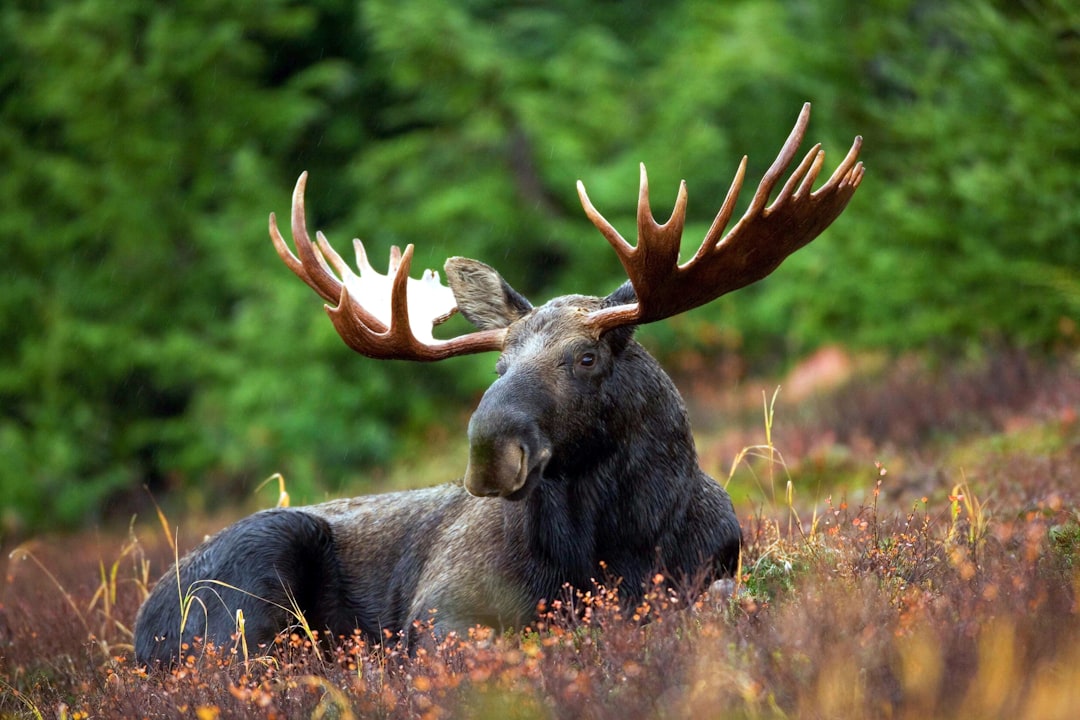
Calling Moose: Proven Tactics for Rattling, Grunting, and Cow Calls
Moose calling works during the September rut when bulls actively respond to cow calls, rattling antlers, and grunts. Master the timing, vocalization techniques, and setup strategies that bring bulls within range.
Related
Best Camp Stoves for Western Hunting Camps in 2025
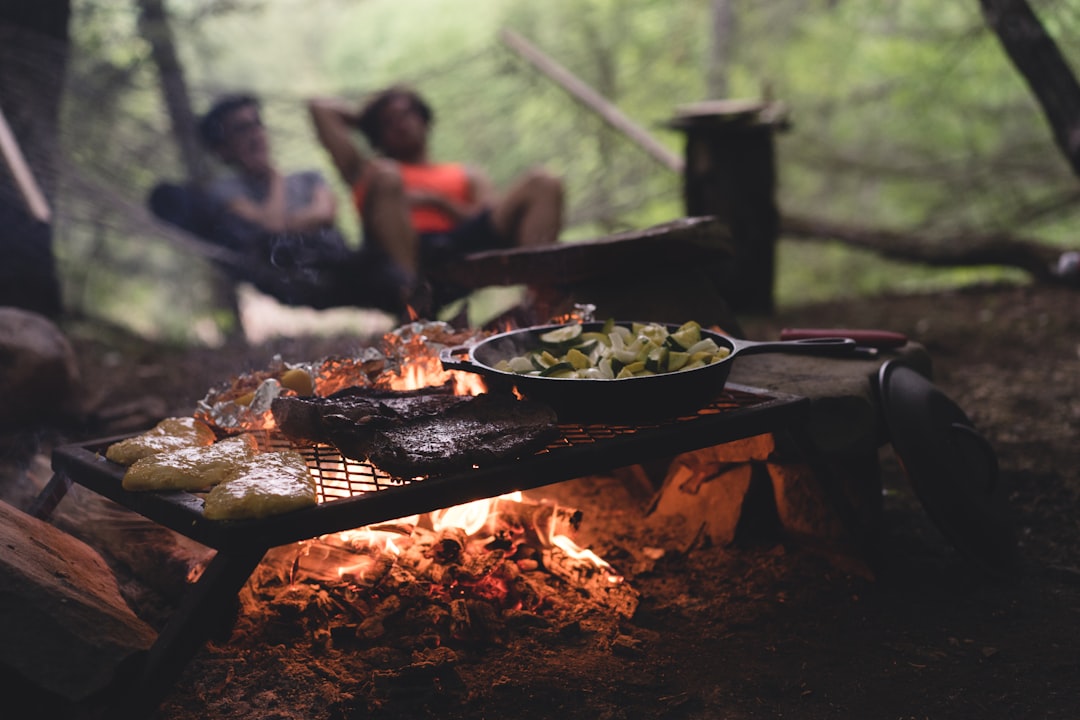
The right camp stove can make or break a backcountry hunt. We break down the best options for car camping, spike camps, and ultralight backpack hunts — from canister stoves to multi-fuel systems that work in freezing temps and high elevation.
Next
Stone Glacier vs Kifaru vs Exo vs Mystery Ranch: Which Backcountry Pack Wins for Western Hunters?
Stone Glacier, Kifaru, Exo, and Mystery Ranch dominate the backcountry hunting pack market, but each excels in different conditions. This head-to-head breakdown compares suspension systems, load-carrying capacity, modularity, and real-world performance to help you choose the right pack for your hunts.